Backpacking Gear
Cheaper Alternatives to Premium Backpacking Gear: Tents, Quilts and Stoves
Sixteen lower cost alternatives to premium backpacking gear, from budget hoop tents to down quilts and canister stoves, with the trade-offs explained.
Introduction
Top tier backpacking gear is expensive, and the prices are justified by conditions most campers never encounter. A four season expedition tent with an RRP around £800 and a sleeping bag at £550 are built for the harshest environments on the calendar. Weekend trips in moderate weather rarely demand that level of engineering.
This guide collects the cheaper alternatives worth considering across tents, quilts, sleeping bags and stoves. Some cost a quarter of the premium option. Others cost a tenth. Each entry notes what you gain, what you give up, and who it actually suits.
The trade-offs follow a predictable pattern. Lower prices usually mean heavier fabrics, less extreme weather protection, longer lead times, or import costs on top. Deciding which of those matters for your trips is the whole decision.
What to Look For in a Cheaper Alternative
Four factors separate a good budget choice from a false economy.
Weight and packed size. A two person tent at 2.4 kg can weigh the same as a solo expedition tent while offering far more room, so weight alone rarely tells the full story.
Materials and weather protection. Cheaper fabrics and pole sets are less durable than expedition grade equivalents, which matters most in sustained wind, heavy snow and exposed terrain.
Temperature ratings. Compare comfort ratings rather than headline numbers, since brands quote them differently.
Availability. Import duty, tax and lead times can add weeks and real cost to an otherwise cheap purchase, particularly on gear shipped from overseas.
Freestanding Tents
Freestanding designs pitch without relying on stakes alone, which makes them easier on rocky ground and hard pitches. This is where the price gap between expedition and weekend gear is widest.
Hilleberg Soulo
The Soulo is a four season freestanding expedition tent with an RRP of around £800. It exists for the harshest environments, where wind loading and snow build-up are genuine concerns rather than hypothetical ones. If that is the kind of camping you do, the price reflects real capability.
For everyone else, it is more tent than the trip requires. The materials are built to a standard that most weekend use will never test.
Naturehike Cloud Peak 2
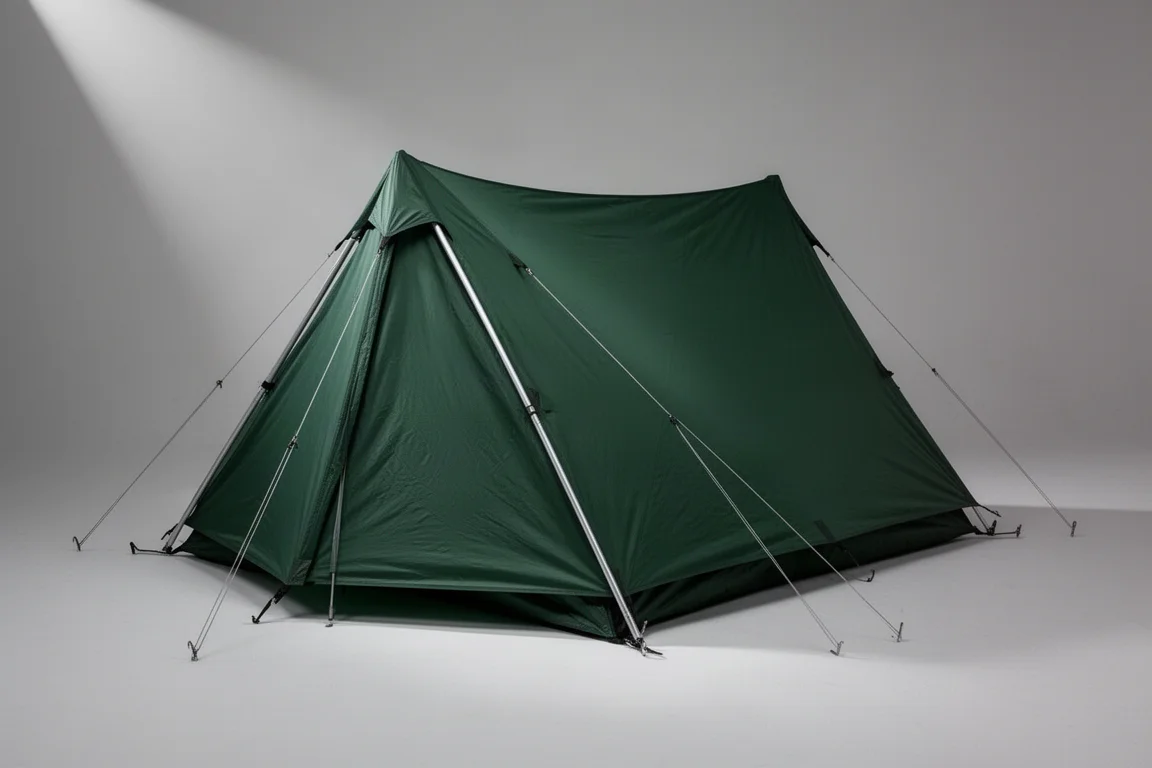
At around £150, the Cloud Peak 2 is the value pick of the freestanding pair. It weighs 2.4 kg, effectively the same as the Soulo, but the interior is spacious enough for two people to sleep comfortably. The materials are not as durable as an expedition tent’s.
Moderate winds and light snow have not caused problems. A winter trip on Ben Nevis in full conditions is a different brief, and that is where a more robust shelter earns its keep.
Lightweight Hoop Tents
Single hoop and tunnel tents trade some internal volume for low weight and a small pack size. They suit solo wild camping well, and the price range here runs from around £85 to £359.
Tarptent Scarp 1
The Scarp 1 is a strong performer that is not the cheapest option in this group. It is currently £359, and UK buyers also pay import duty and taxes on top. The standard version, without the optional crossover poles, weighs 1.6 kg.
That combination of low weight and a proven single hoop layout is what makes it appealing. Budget for the landed cost rather than the sticker price.
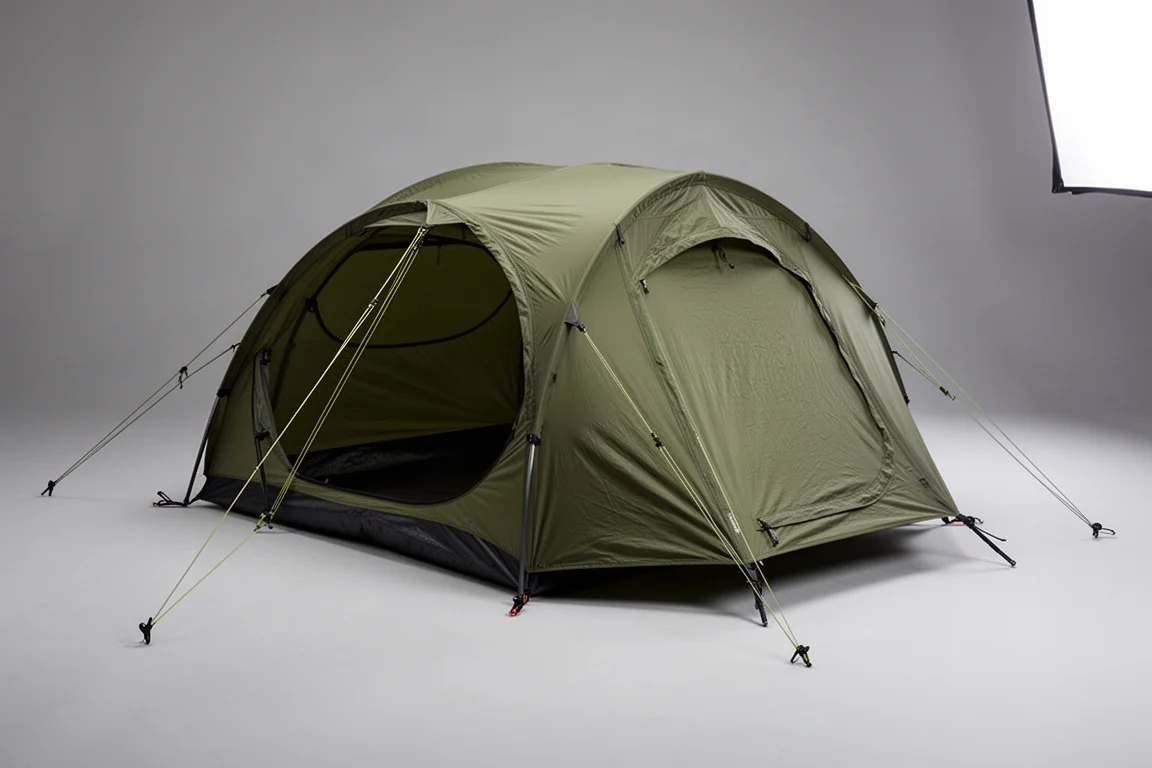
Wild Country Zephyros 1
The Zephyros 1 is the direct budget answer to the same brief: a single hoop tent weighing 1.65 kg, with a useful amount of space inside for one person. It costs a great deal less than the premium option while staying close on weight.
For solo trips where the shelter only needs to handle typical three season weather, it covers the essentials without stretching the budget.
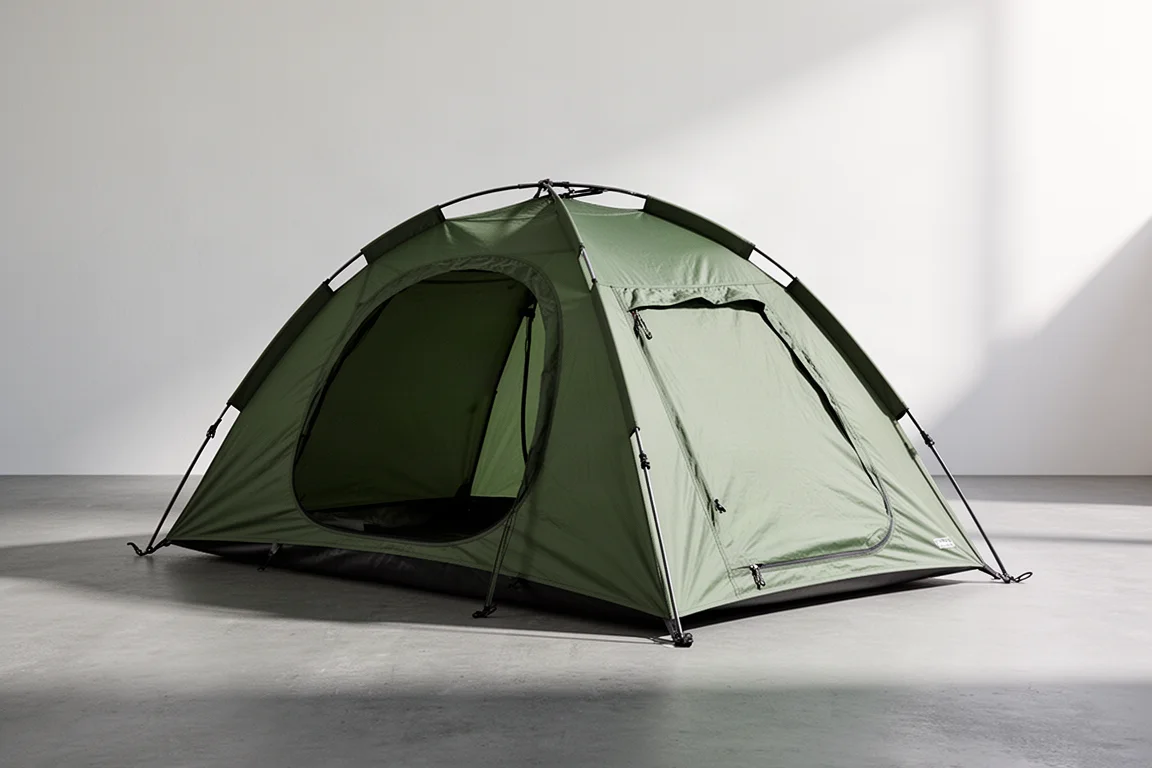
Wild Country Zephyros 2
The two person version has been proven in genuinely tough conditions, which is the strongest argument for it. It keeps the same straightforward hoop design and adds capacity for a second sleeper.
If a shared shelter is the plan, this is the version to look at.
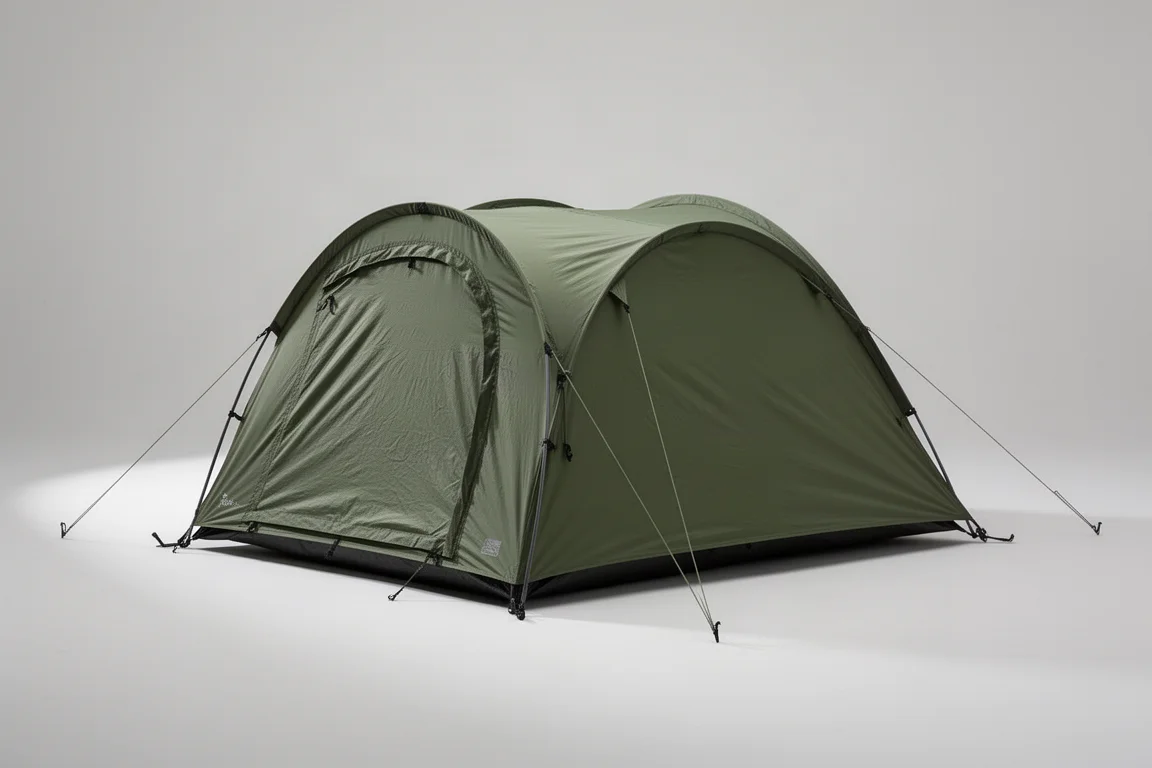
Robens Starlight 2
The Starlight 2 has been seen for as little as £100, and it comes in both one and two person formats. At around 2 kg it is a little heavier than the lightest hoop tents, but the price is hard to argue with.
As a first wild camping tent or a spare for occasional trips, it makes a lot of sense.
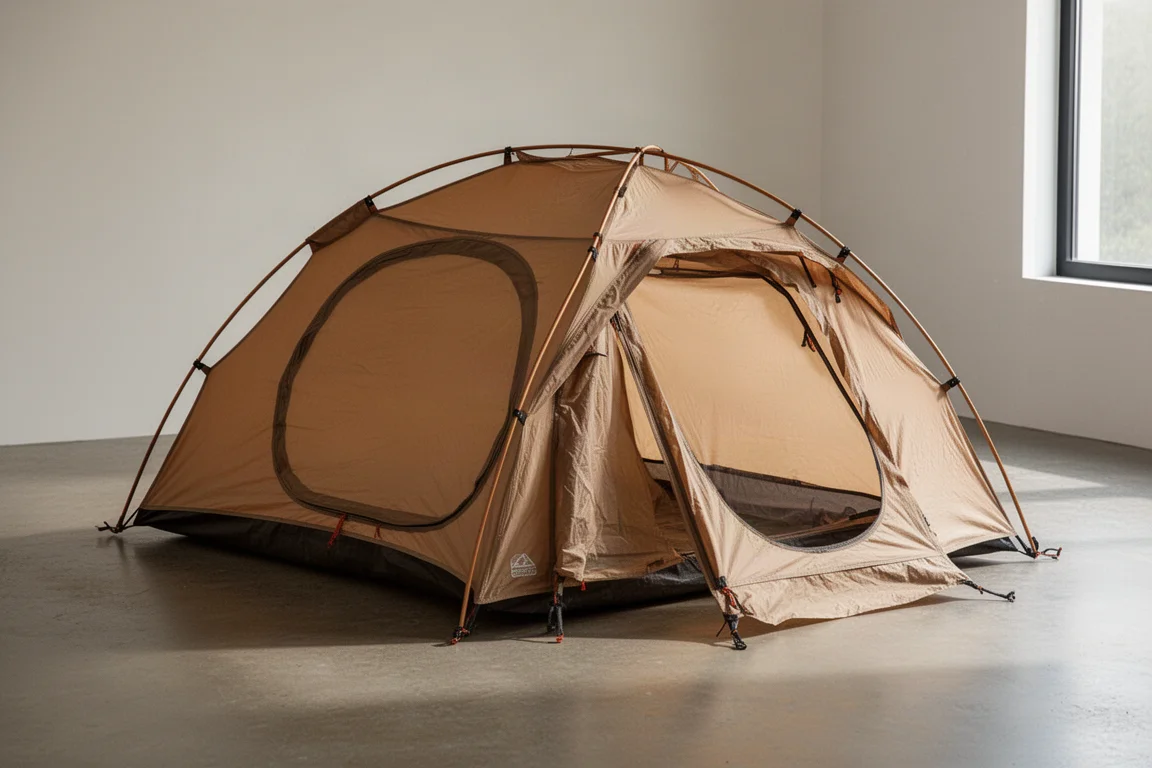
Vango Zenith
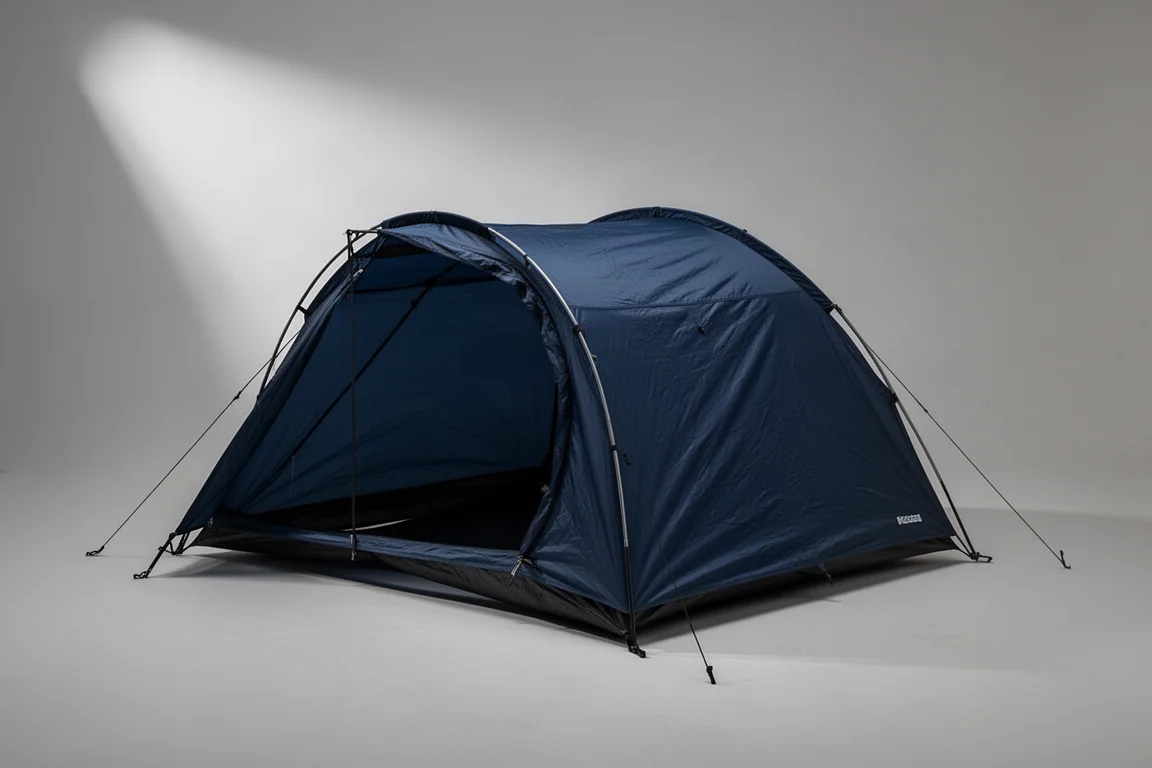
Around £85 and roughly 1.5 kg puts the Zenith at the entry point of the category. It is available in one and two person formats, and it is a straightforward way to start wild camping without committing serious money.
Expect a basic build at this price. As a low risk first tent, that is a fair trade.
Quilts
A quilt replaces the closed mummy shape of a sleeping bag with an open, strapped design. Many campers find that far more comfortable than being restricted inside a bag, and the weight savings are substantial.
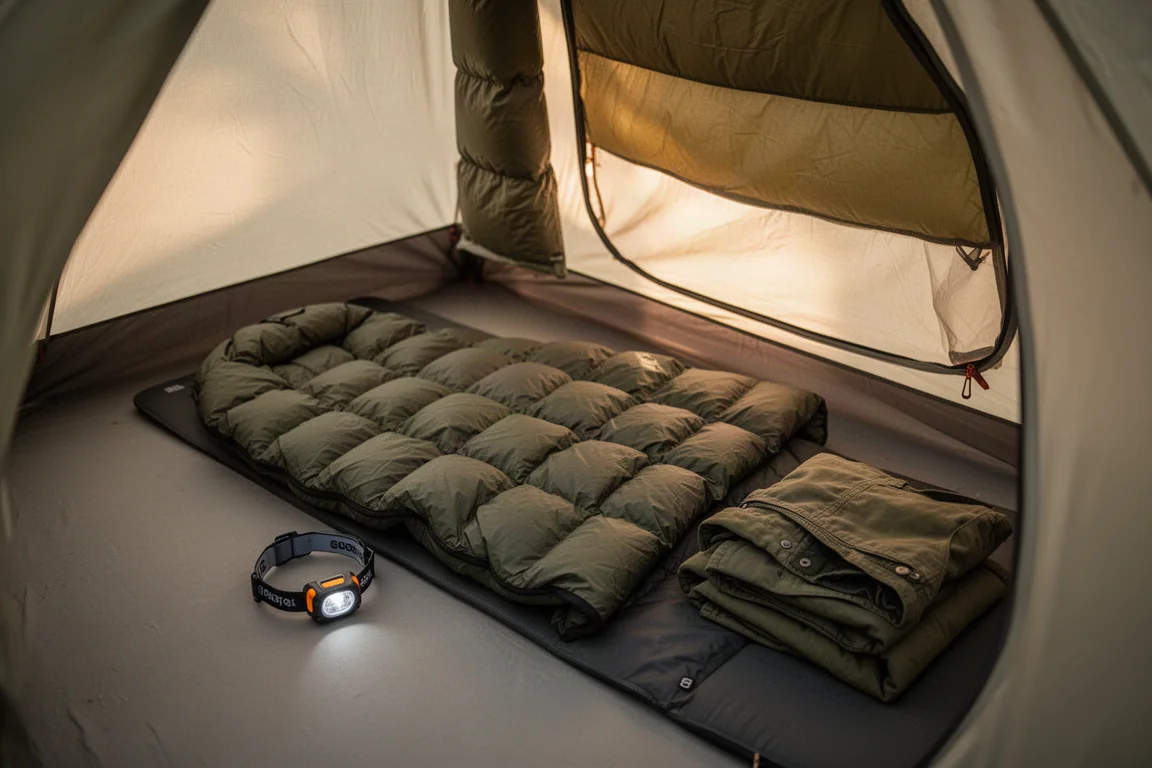
Down quilts also pack down small, which matters when every litre of pack space counts. The two options below sit at very different points on the price scale.
UGQ Bandit
The Bandit is the benchmark for build quality in this category. The minus 12 comfort version cost around £289, and prices have risen since, with roughly a six week lead time and an order placed from America. Import fees and taxes apply on top.
It weighs 750 g and compresses very small. Multiple temperature ratings are available, so the range can be matched to the conditions you actually camp in.
Paria Outdoors ThermoDown 30
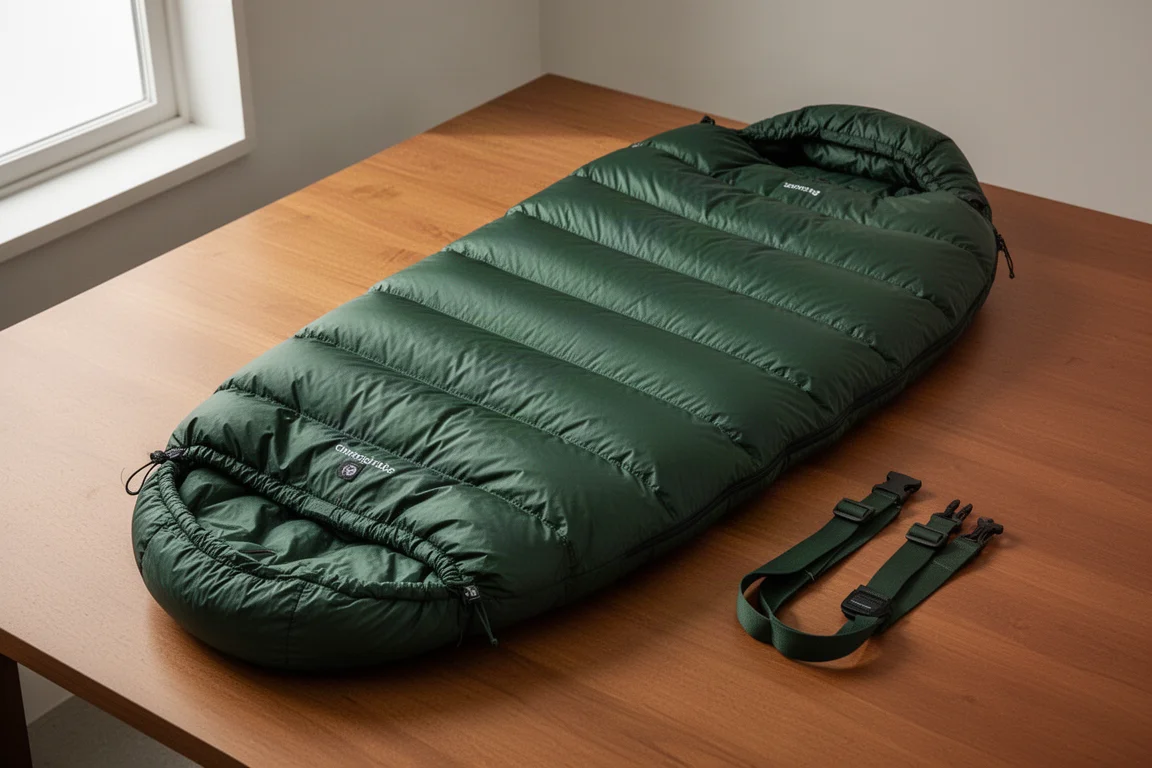
The ThermoDown 30 is the cheaper route into a down quilt at around £130, with a comfort rating of 0°C and 700 fill down. It weighs 907 g and packs down small.
One thing to note: the down is not hydrophobic, so a treatment is worth considering if you regularly camp in damp conditions. For drier trips, it does the job at a fraction of the cost.
Sleeping Bags
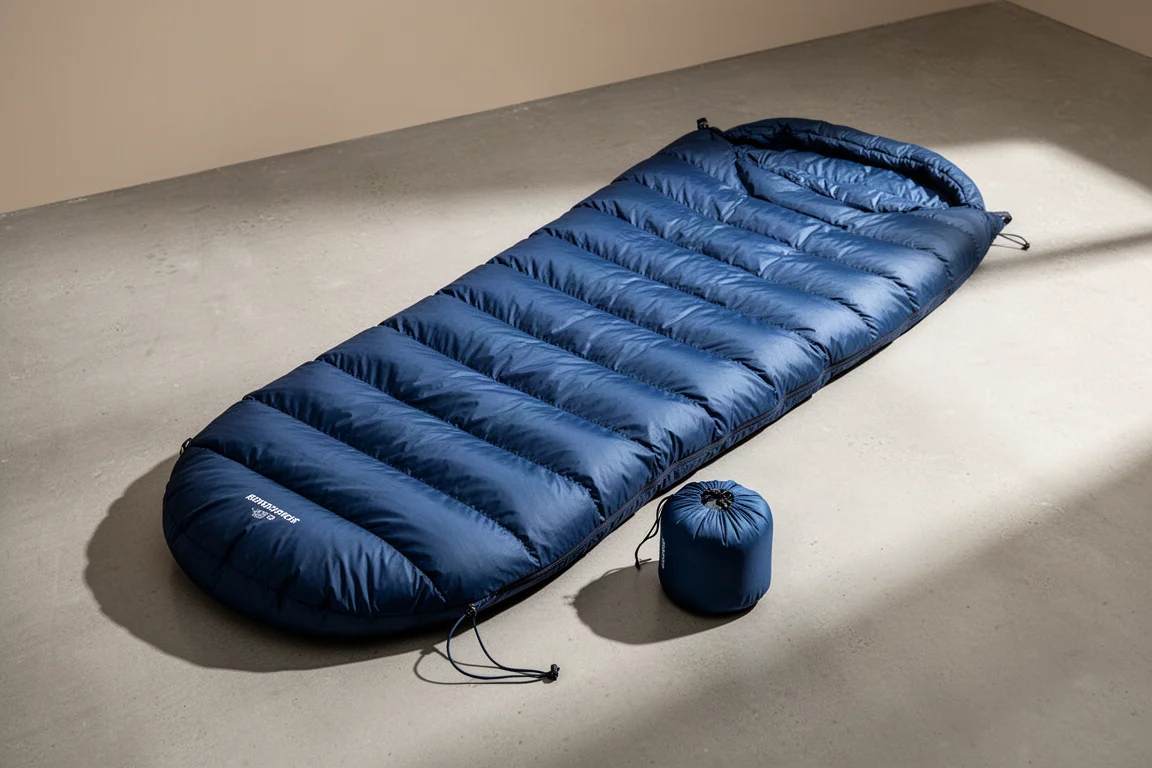
If a quilt is not for you, the bag market has the same spread from ultra premium to genuinely affordable.
Rab Mythic Ultra
The Mythic Ultra weighs just 400 g, packs down to almost nothing, and carries a 0°C comfort rating. Titanium is infused into the fibres to boost insulation performance for the weight.
The RRP of £550 is the catch, and it is a serious number for a sleeping bag. It is the option for someone who wants the lightest possible pack and is prepared to pay for it.
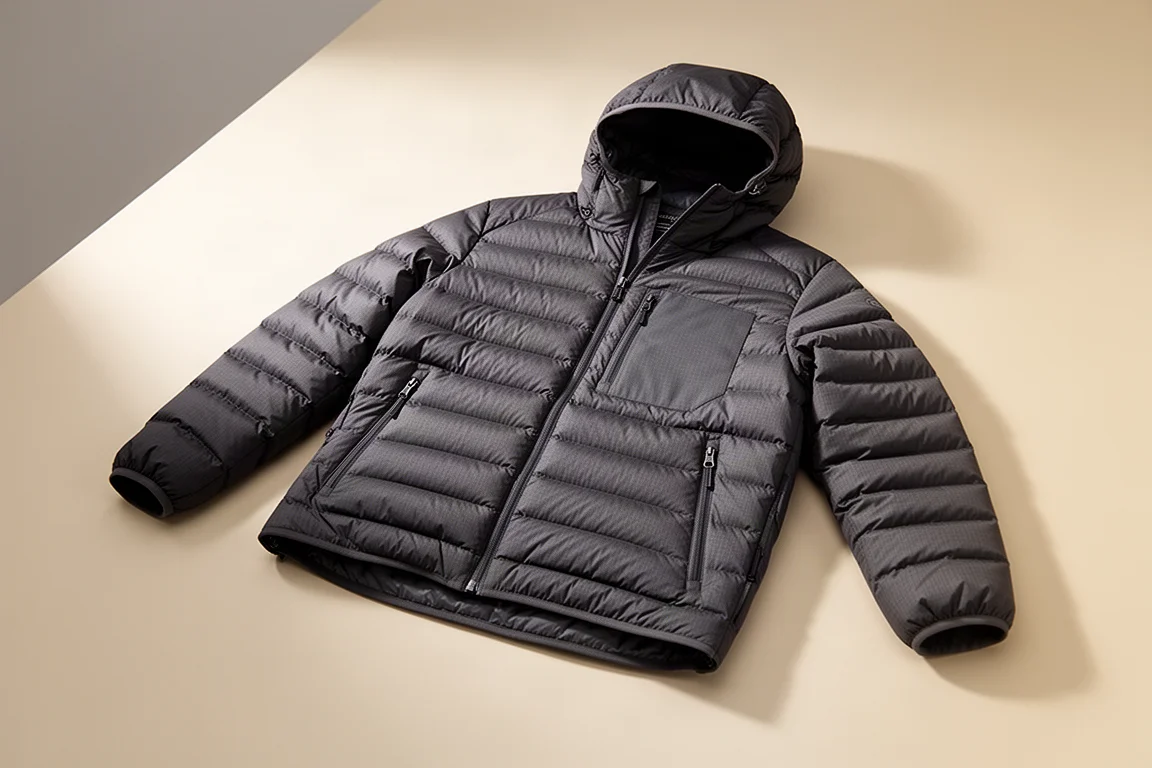
OEX PipeDream 200
The PipeDream series comes in 200, 400 and 600 variants, and the 200 costs around £130. Its comfort rating is around 11°C, which is higher than the premium bags here, so it suits warmer trips.
The down is ethically sourced and hydrophobic, which helps it hold up in damper conditions. That is a useful property at this price.
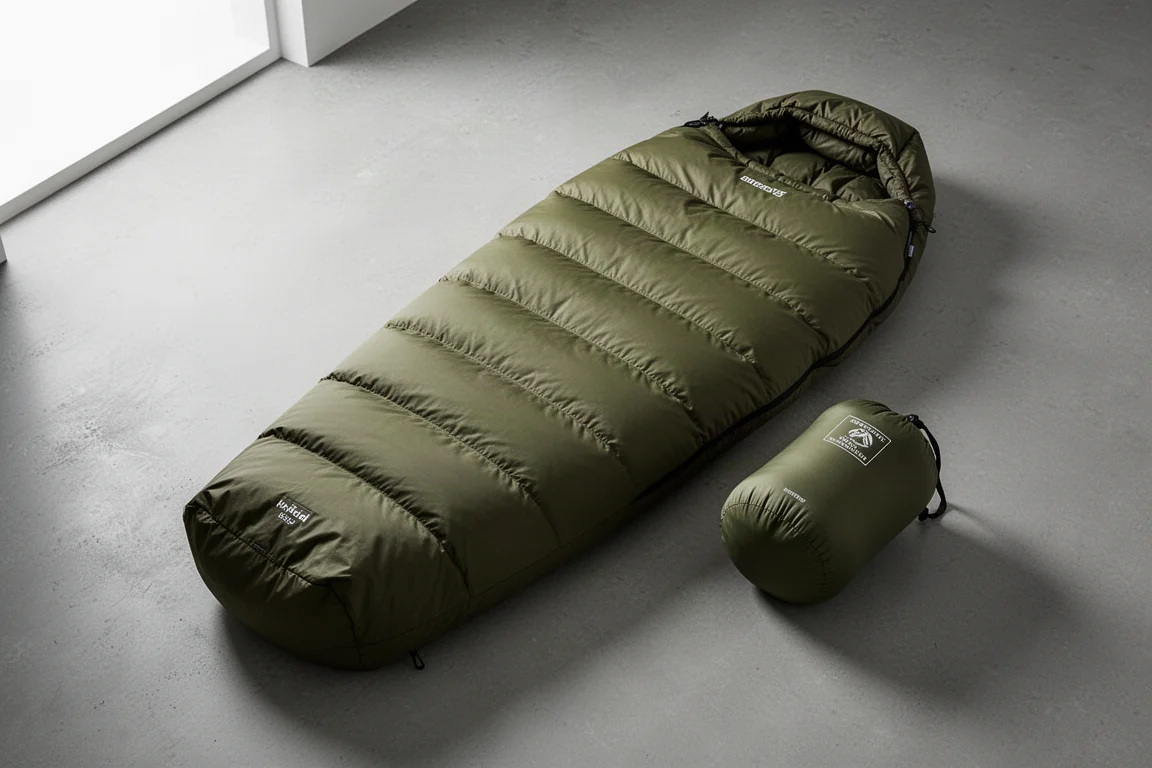
Aegismax Ultralight
The Aegismax Ultralight is around £100, ships from overseas, and weighs a little over 400 g. Comfort ratings are quoted between 6 and 11°C depending on the variant.
For the money, it is an unusually light bag. It is a sensible pick for summer trips and warm weather backpacking.
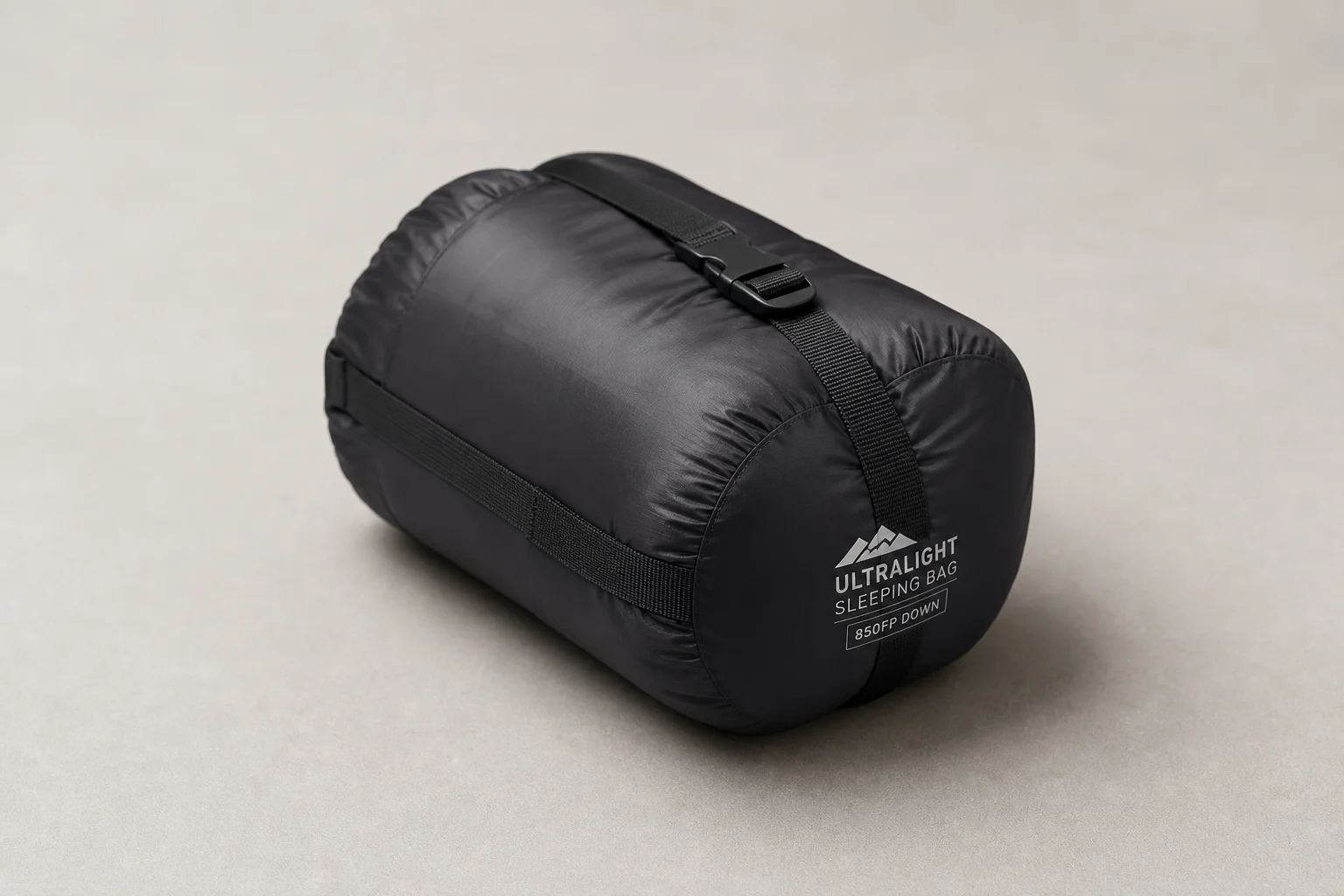
Stoves and Cookware
A canister stove system is the fastest way to a hot drink at camp. Jetboil sets the standard for efficiency, and there are cheaper systems that get close.
Jetboil Minimo
The Minimo boils water fast and is very efficient on gas. Everything packs inside the pot, there is a heat sink on the base, and the whole system stays compact in the pack. Depending on the retailer, it costs between £100 and £150.
It is the stove to buy if you want the best fuel economy and do not mind paying for it.
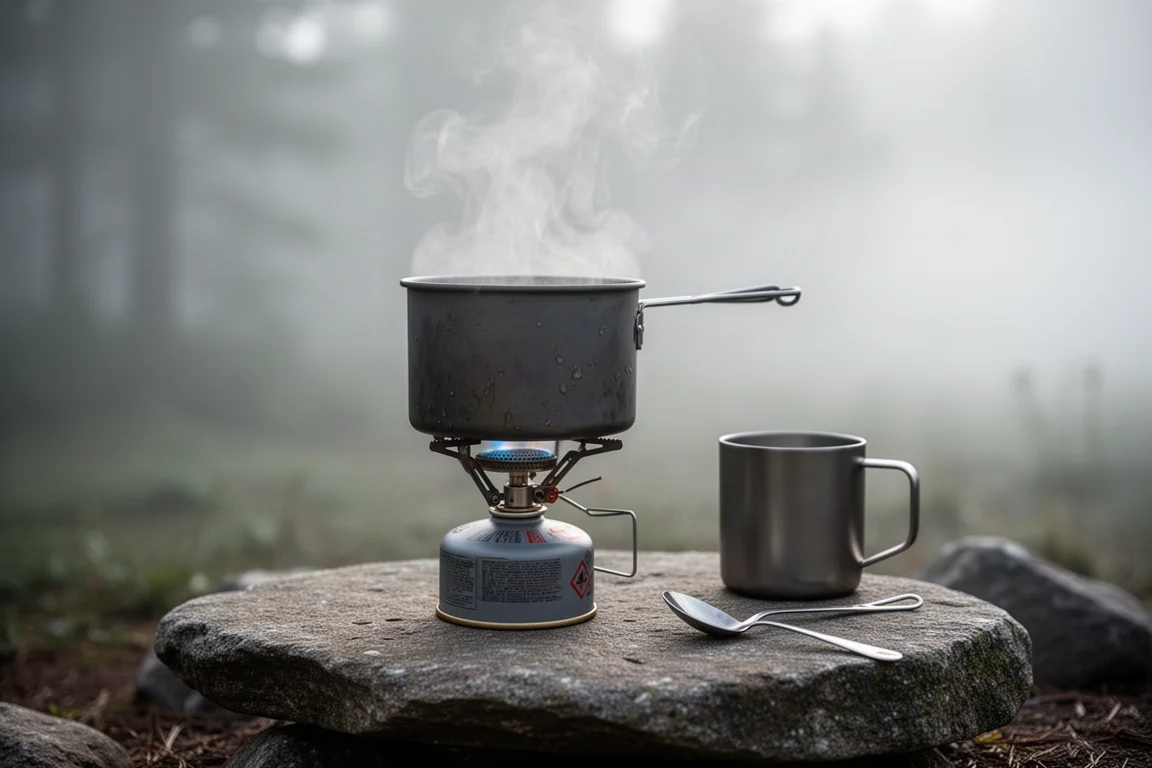
Paired with a compatible pan, the same burner handles real cooking rather than just boiling water. That versatility is part of why the system holds its price.
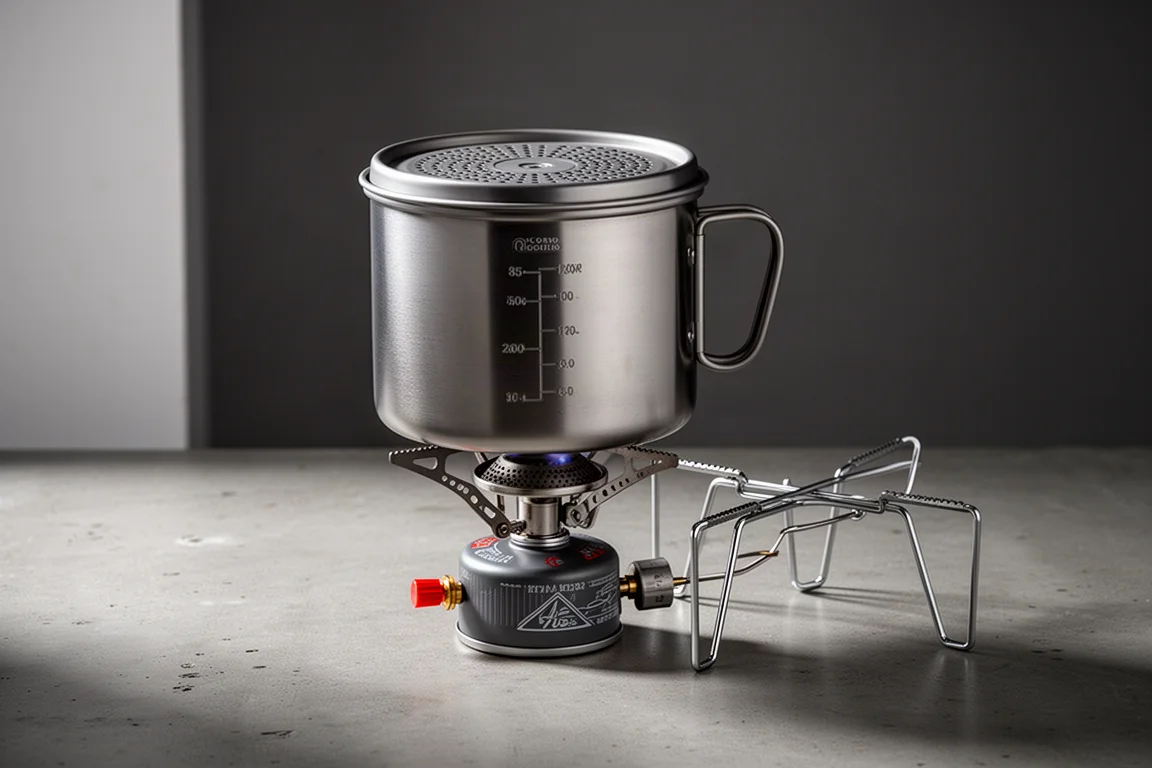
Jetboil Skillet
The Skillet turns a Jetboil stove into a cooking setup. Team it with the Minimo and you can boil water quickly and then cook food, steaks included, on the same burner.
It is a companion accessory rather than a standalone purchase, so it only makes sense if you already run a compatible Jetboil system.
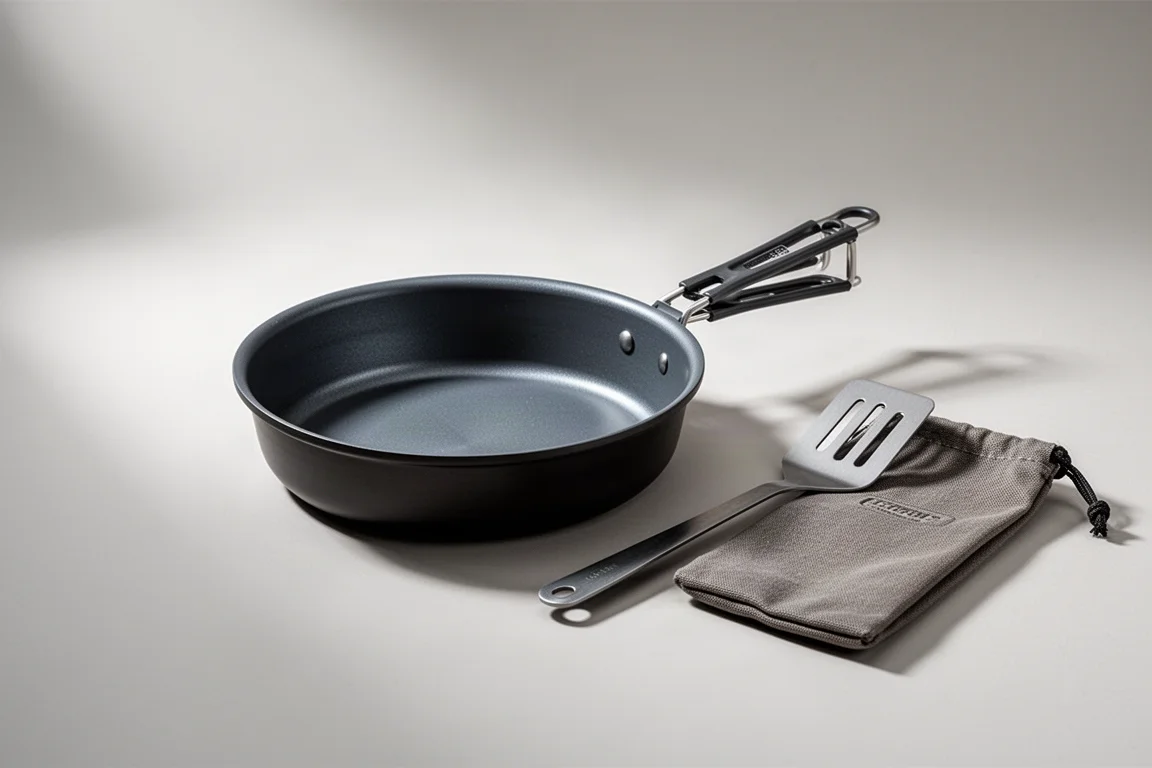
OEX Brew Kit
The Brew Kit costs around £45 and is ideal for boiling water for a morning coffee. It covers the basic job at a fraction of the price of a premium system.
The catch is availability. Stock sells out quickly and restocks can take months, so it is worth checking before you plan a trip around it.
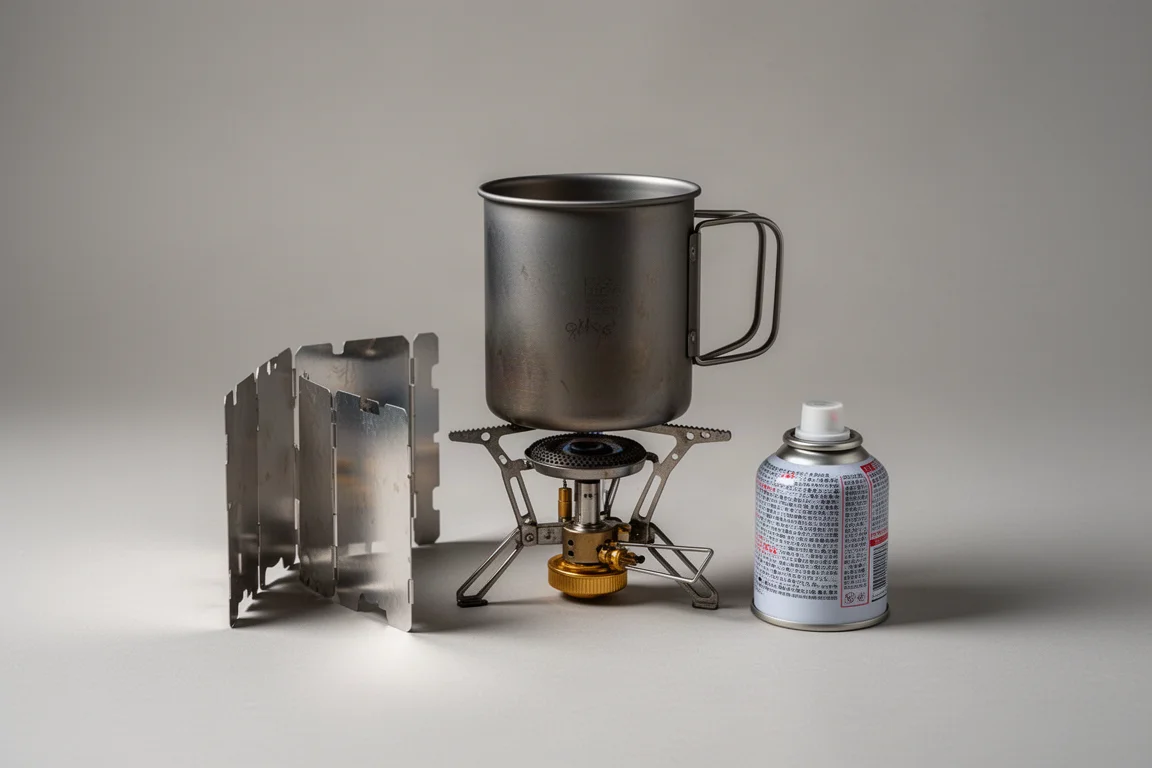
OEX Tocarna
The Tocarna is the other budget route, and it holds up well in a direct comparison with a Jetboil. It boils water and cooks food, and it does everything a premium system does, just not quite as well.
Gas efficiency is the main gap. If the stove only comes out a few times a year, that difference is unlikely to matter much.
Buying Advice
Match the shelter to the conditions rather than to the price tag. A four season expedition tent is the right purchase only if you camp in genuinely severe weather. For three season weekend trips, a budget hoop tent at a fraction of the cost will serve you well.
Watch the total landed cost. Import duty, taxes and long lead times can turn a cheap overseas purchase into a slower, more expensive one, and stock shortages on popular budget items can push a trip back by weeks. For stoves, check current manufacturer safety notices before you buy.
Weigh the numbers rather than the marketing. A 2.4 kg two person tent can match a solo expedition tent on weight while offering far more room, and a 400 g sleeping bag only justifies its price if pack weight is your priority.
Conclusion
The cheapest gear in this guide covers the same jobs as the most expensive, just with less margin for extreme conditions. A £150 freestanding tent, a £130 down quilt and a £45 stove will handle ordinary trips perfectly well.
Spend up where the conditions demand it: severe winter camping, sustained exposure, and long trips where reliability matters most. Everywhere else, the budget option is usually the smarter purchase.
Further reading
Related Reviews

Backpacking Gear
Building a 10 lb Base Weight: An Ultralight Backpacking Gear List
A practical walkthrough of the ultralight pieces behind a 10 lb base weight, from a 765 g pack and a roomy one-person tent to a full camp chair and a dependable water filter.

Backpacking Gear
A 15-Pound Lightweight Backpacking Gear List for Solo Trips
A beginner-friendly 15-pound backpacking setup built from easy-to-find gear, with notes on what each piece does, how it packs, and where to spend your attention.

Backpacking Gear
8 Ultralight Backpacking Gear Upgrades Worth Carrying
Eight small, affordable backpacking upgrades that solve real trail annoyances, from a pillow that stays put to a fuel valve that rescues leftover canister gas.