Hi-Fi Speakers
Cheaper Alternatives to Expensive Speakers: 8 Affordable Picks Worth Considering
Eight affordable speakers that capture part of the character of far more expensive models, plus the trade-offs to weigh before you buy.
Introduction
Not every listener can stretch to the speakers that get the most attention, and that is exactly where the affordable end of the market becomes genuinely interesting. A well-chosen pair at a fraction of the price can still deliver a meaningful portion of the character that makes the expensive models so appealing.
The eight speakers below all serve as practical alternatives to far more expensive designs. Each one is a real step down in price, and in most cases a step down in absolute performance as well. What they offer is a distinct slice of what makes the pricier models worth saving for, at a price most buyers can actually reach.
What Makes a Good Cheaper Alternative
A cheaper alternative is rarely a clone. What usually carries over is one or two specific qualities: an engaging mid-range, a horn-loaded top end, or an unusually large soundstage for the cabinet size. What tends to get left behind is bass extension, cabinet volume, crossover sophistication, and the ability to stay composed when the volume climbs.
That trade-off is the entire point. If the quality you care about most survives the price cut, the cheaper speaker can be the more satisfying purchase. If it does not, the extra money is usually buying something you would notice every single day.
Ascend Acoustics CBM-170 SE: Mid-Range Magic for Less
The KEF LS50 built its reputation on an engaging, almost magical mid-range, and the Ascend Acoustics CBM-170 SE chases a similar quality at a very different price: $368 per pair against roughly $1,600 per pair for the LS50 Meta. Neither speaker is a bass monster, and both lean on their mid-range as the primary strength.
The original LS50 is no longer produced, which makes the used market worth watching for anyone set on that model, since pairs often change hands at around half of retail or less. For a first taste of that mid-forward character without the outlay, the Ascend is the more accessible route.
Klipsch RP-6000F: Heritage Character at a Fraction of the Cost
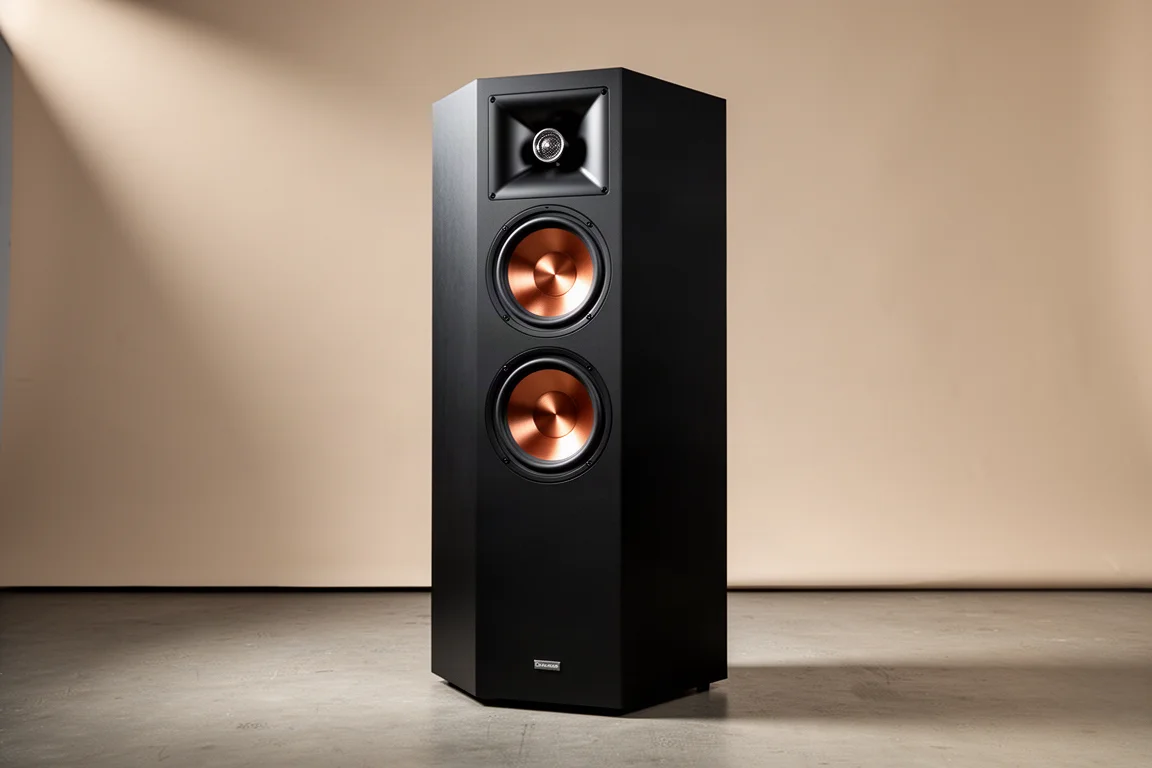
The Klipsch Heresy is a heritage design with real wood veneer, a three-way layout, and a cabinet that tilts back to aim up at the listener from the floor. It also sits somewhere around $3,000 to $3,500 per pair, which puts it out of reach for most people shopping in this category. The Klipsch RP-6000F is the alternative, and it is a very different animal: a two-way floorstander with dual woofers and a one-inch horn-loaded titanium tweeter, priced at around $449 each, or roughly $900 for a pair.
That is less than a third of the cost of the heritage model. Some listeners find the RP-6000F mid-range scooped, and the deep cabinet needs floor space, but the horn-loaded top end hits hard and the speaker moves with music in a way that is genuinely exciting. Bass response on the Heresy left something to be desired in direct comparison, while the RP-6000F punches considerably harder. The model is being discontinued, so patience may well be rewarded with an even better price.
SVS Ultra Bookshelf: A More Flexible Take on the KLH Model Five
The KLH Model Five is a three-way design with a large sealed enclosure and a modified treble response, and it fills a room in a way small speakers rarely manage. At $2,500 per pair it is also a serious commitment. The SVS Ultra Bookshelf sits at roughly half that price, and it is a two-way ported bookshelf speaker with an aluminum dome tweeter, sharing with the Model Five a special quality at the top end.
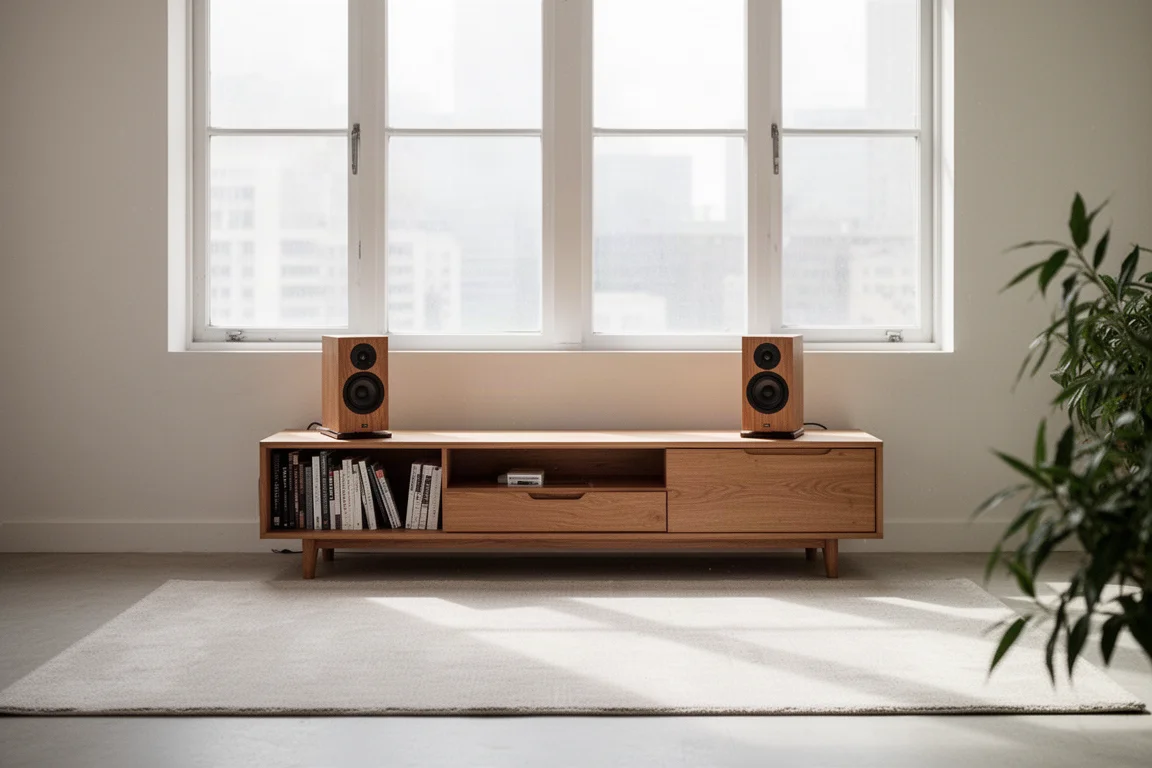
Where the two differ is in how they behave in a room. The Ultra Bookshelf has a more traditional, flatter response and plays well in a wider range of spaces, while the sealed Model Five benefits from being placed closer to a wall to take advantage of room gain. Much of the Model Five’s magic lives in its larger enclosure, and that magic is not free: it comes with a bass response that gives up a little ground. For many rooms, the SVS is simply the easier speaker to live with.
Sony SSCS5: An Affordable Route Past the Polk R200
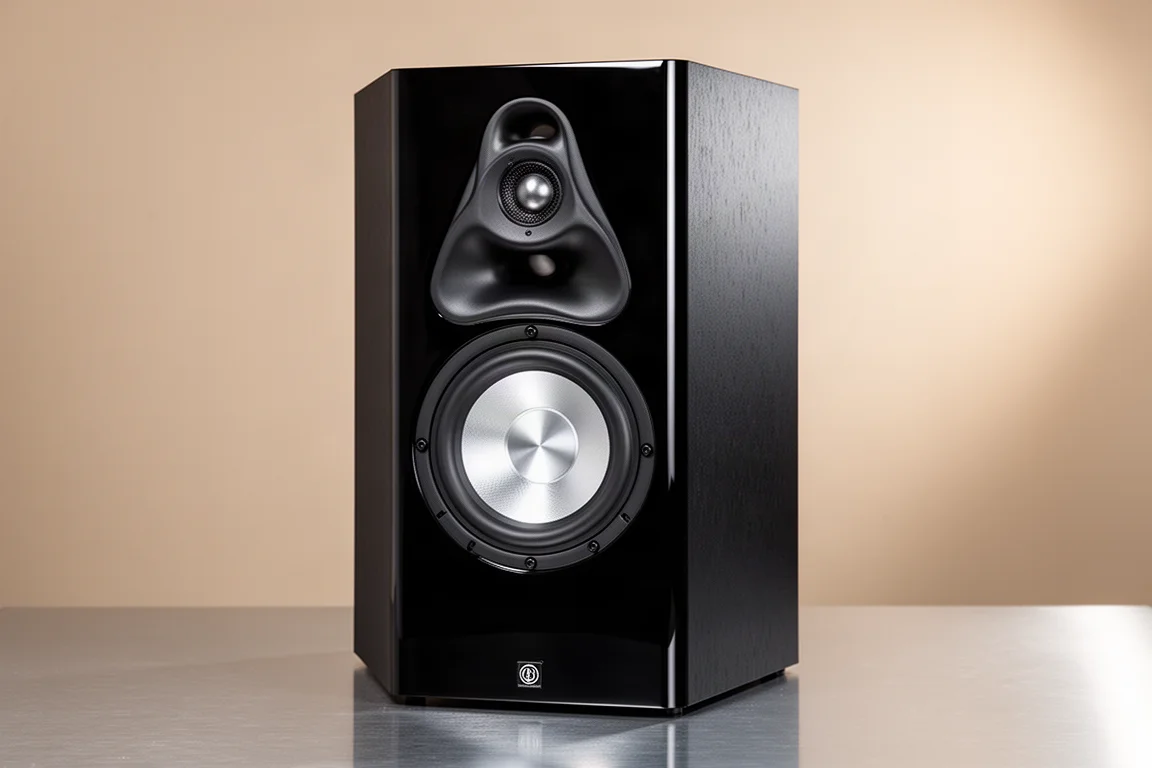
The Polk R200 retails at $750, with a recent sale price of $600, and it earns its reputation with a large amount of bass, a balanced signature, fewer dips through the mid-range, and a top end that stays calmer where it matters. It also holds together without strain at high volumes. The Sony SSCS5 is the more affordable alternative, and it makes its case differently.
Its bass is arguably cleaner than the Polk’s from a clarity standpoint, though there is far less of it, and its top end is peakier in places. It has served as a dependable reference point when evaluating electronics, which says something about how consistently it performs. The real dividing line is volume: listen at 85 dB or above on a regular basis and the Sony will show its limits, while the Polk will not break a sweat. Below that, very little is missing.
Wharfedale Linton: Bigger Sound, Lower Price
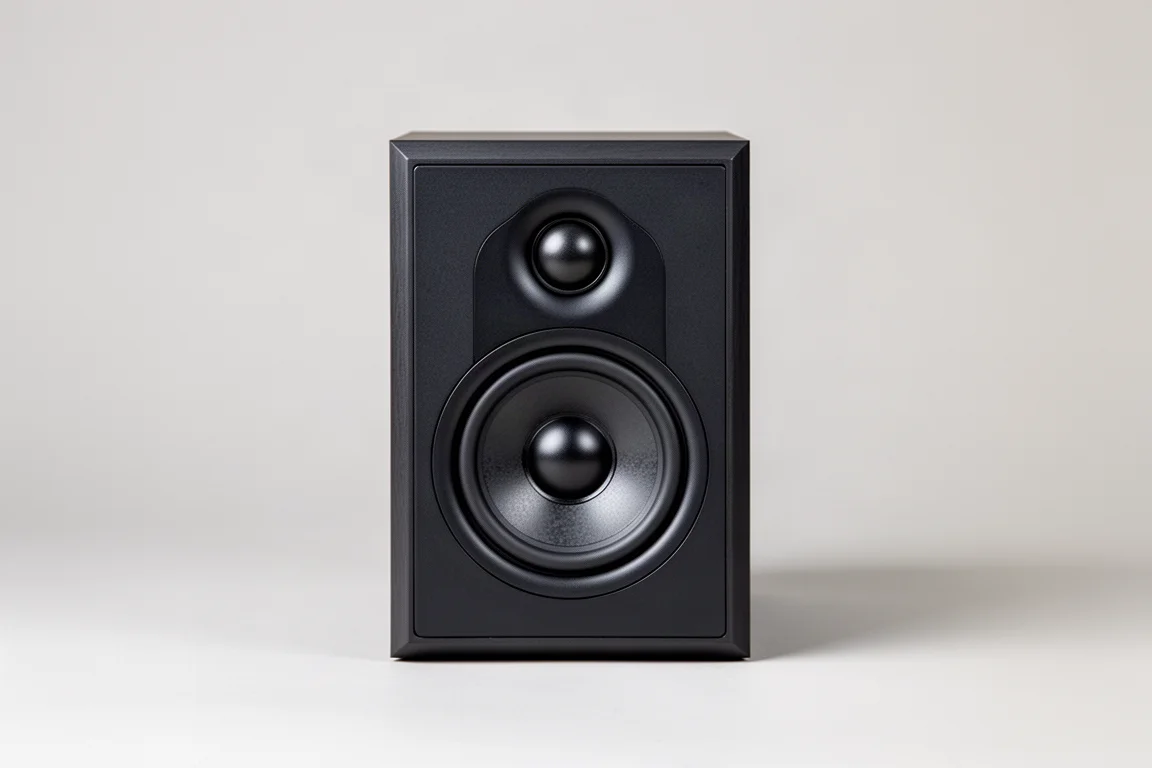
The Buchardt S400 Mark II is a romantic speaker with very good bass, a large soundstage, and a more sophisticated crossover, and it sits at around 2,000 euros, with currency parity making it a more attractive buy than usual. The Wharfedale Linton is the alternative, and for many listeners it is the better speaker. It is a three-way design with a considerably larger cabinet, it throws an even wider soundstage, and it comes in at around $1,800 with the stands or about $1,500 without them.
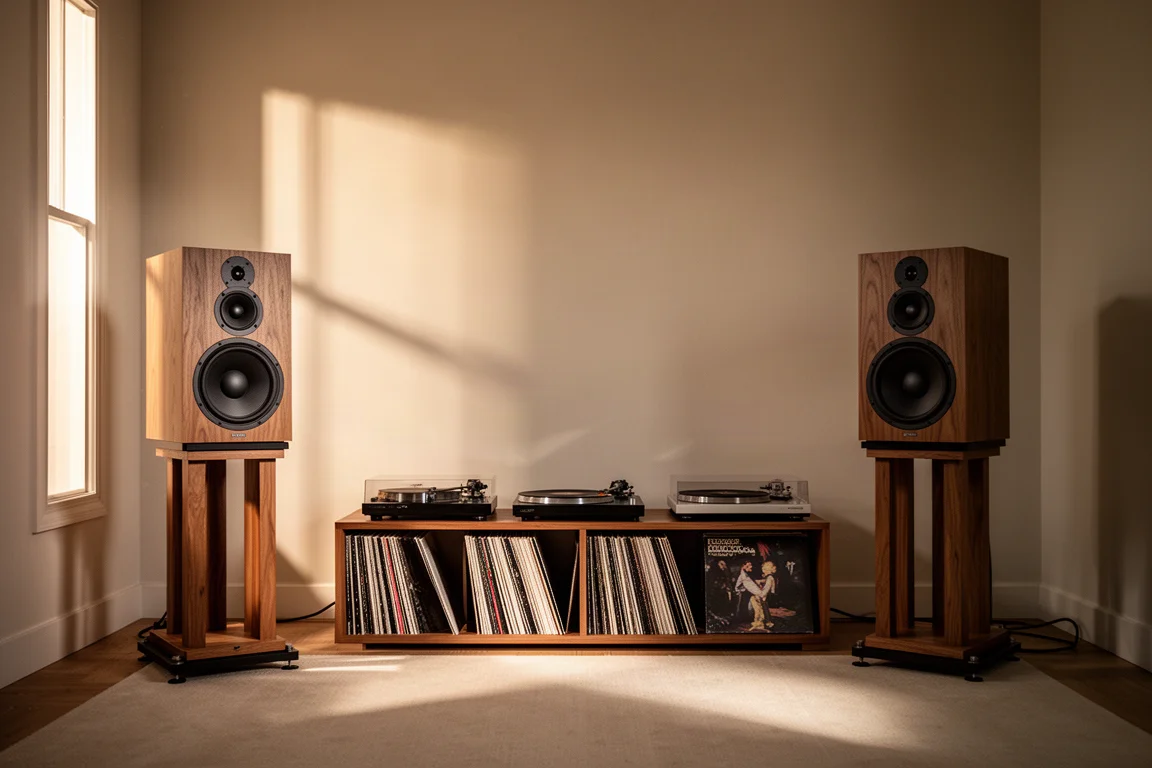
The Buchardt likely keeps a small edge in bass clarity thanks to its crossover, but the Linton’s scale and presence are hard to argue with. Even setting the price difference aside, the Linton is the speaker many people would choose to live with, and it happens to be the cheaper of the two.
ELAC BS41: The Ultra-Budget Option
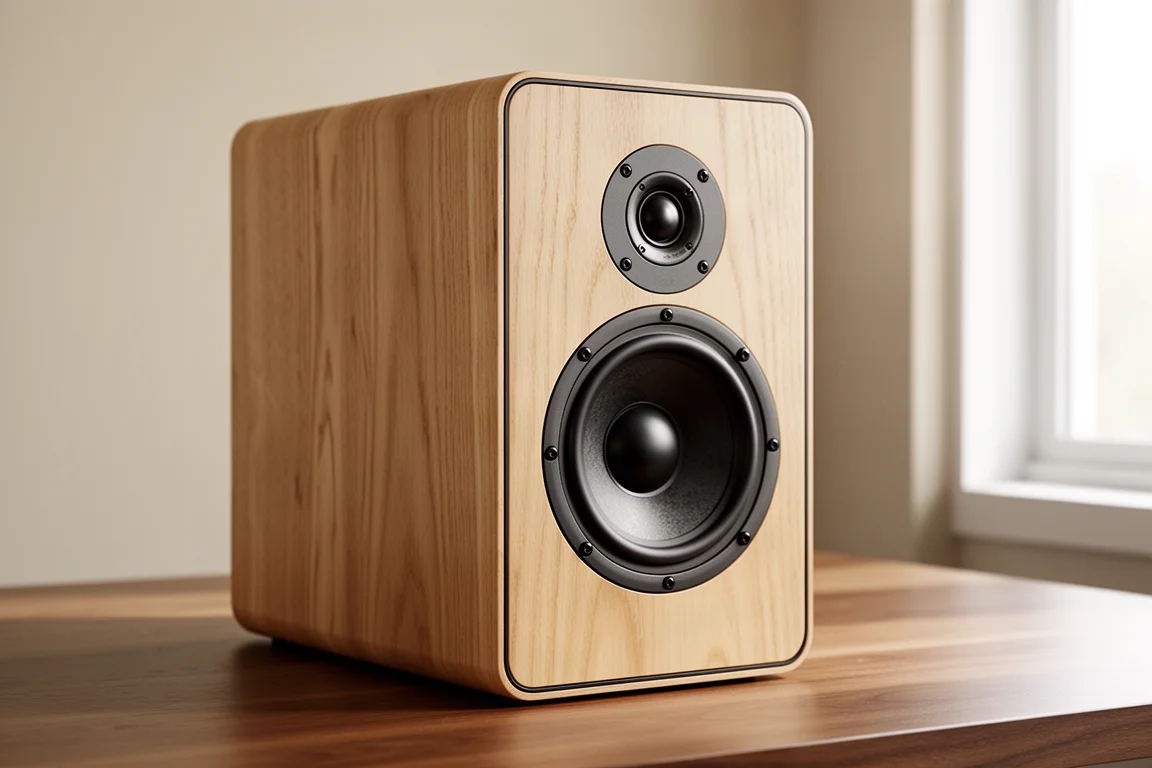
For buyers working with a much smaller budget, the ELAC BS41 is a genuine surprise. It uses a four-inch woofer, yet produces a remarkable amount of bass for its size, and its overall sound signature leans in a similar direction to the Buchardt S400 Mark II. At around $150 it will not match a 2,000 euro speaker for clarity, and it is not meant to.
There is also an optional crossover modification that involves adding a single inductor, a change costing roughly $40 to $50 in parts. It is a legitimate upgrade for anyone inclined to tinker.
Notable Exceptions: Speakers That Already Are the Value
Some affordable speakers have no more expensive equivalent that is clearly worth the extra money. These two are worth naming because nothing above them in price does the same job better.
Emotiva B1+
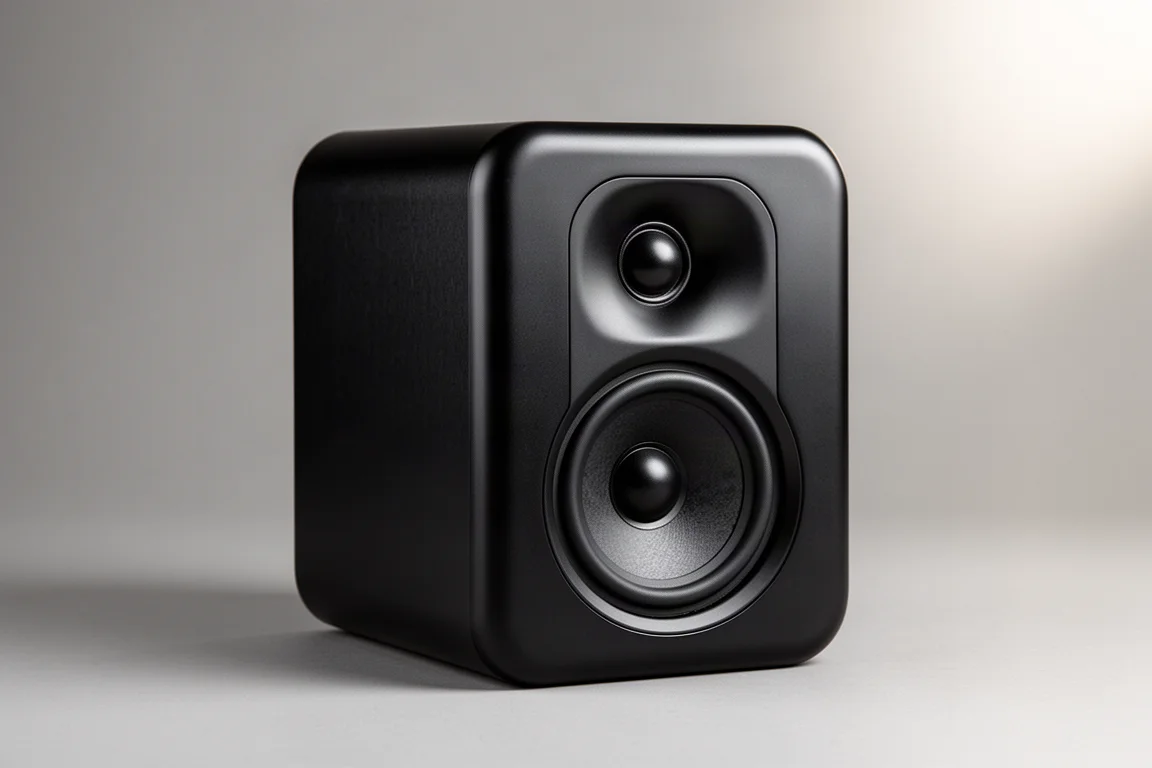
At $250, the Emotiva B1+ delivers clarity that is difficult to describe without sounding hyperbolic. Detail comes through like a microscope on the recording, and the overall signature stays well balanced.
Emotiva B2+
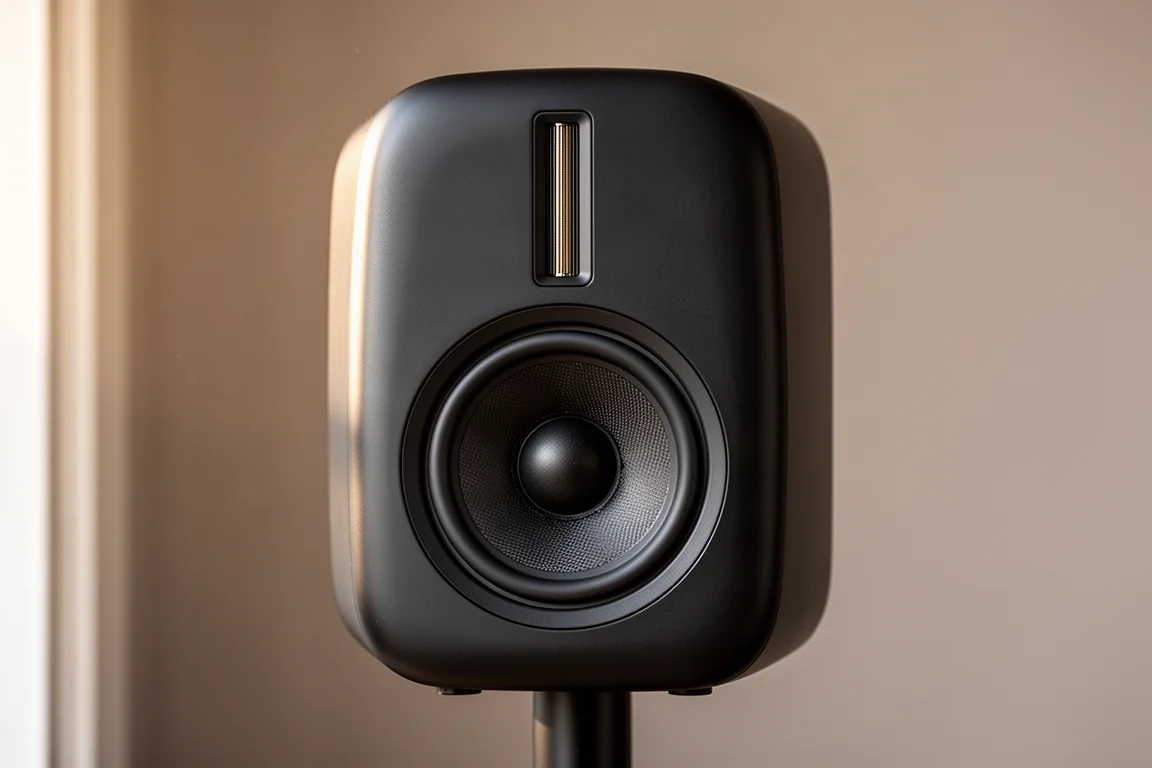
The Emotiva B2+ is the larger sibling at $450, and it carries the same transparent character with more presence. For a listener who wants one pair of speakers for the long term, it deserves a place on any shortlist.
Buying Advice
Match the alternative to the quality you actually value. If mid-range presence is what you are chasing, the Ascend Acoustics CBM-170 SE is the logical starting point. If you want dynamics and a horn-loaded top end, the Klipsch RP-6000F delivers more of it than its price suggests, particularly while it is being discontinued. If you need a speaker that behaves well in an ordinary room, the SVS Ultra Bookshelf is the safer bet. If you listen at moderate levels and want maximum value, the Sony SSCS5 and the ELAC BS41 both make a strong case.
It also pays to watch sale pricing and to check the used market for discontinued models. A careful buyer can often close much of the gap to the more expensive speaker for a fraction of the money.
Conclusion
None of these speakers replaces the model it stands in for, and that is not the goal. Each one preserves a specific part of the more expensive sound, whether that is a mid-range glow, a horn-loaded snap, or sheer cabinet scale, at a price that makes it achievable. Choose the quality you care about most, and the cheaper speaker can end up being the smarter purchase.
Further reading
Related Reviews
Hi-Fi Speakers
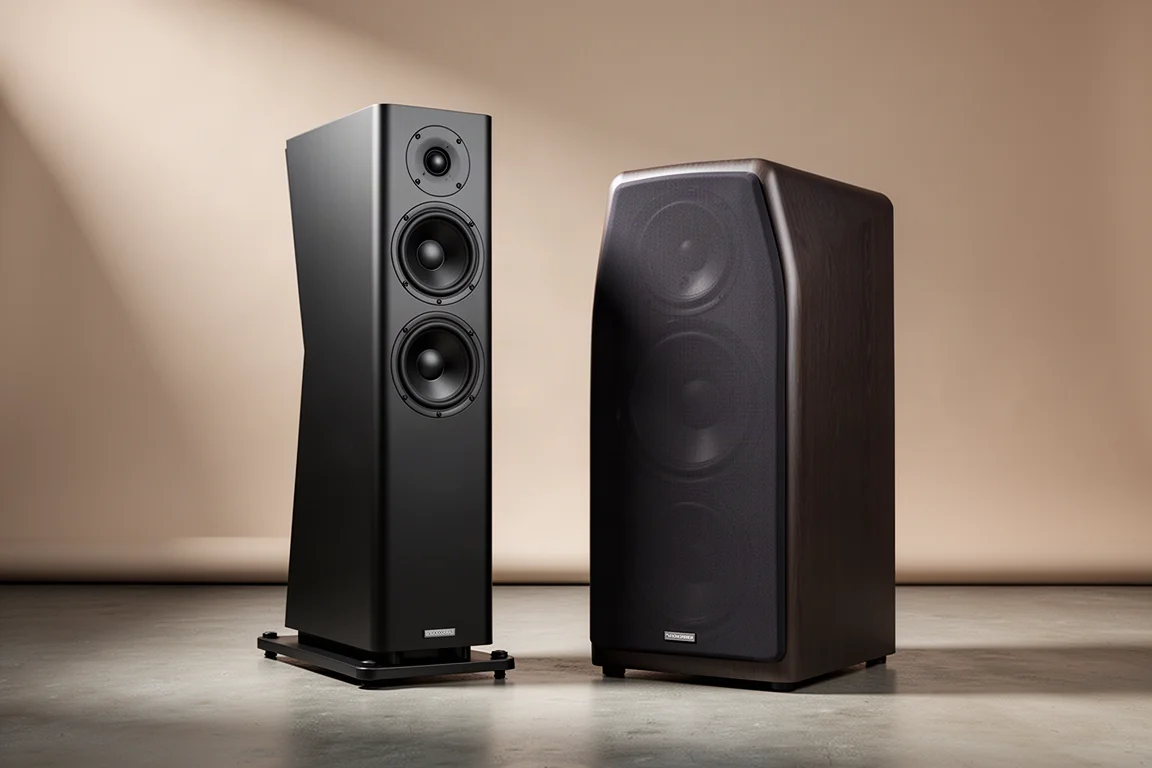
1723 THX Tower vs 1528 Bookshelf: Which Speaker Fits Your Room?
Two speakers at roughly the same price, built very differently. How the 1723 THX tower and the 1528 bookshelf compare on construction, bass, power needs, and sound.
Hi-Fi Speakers
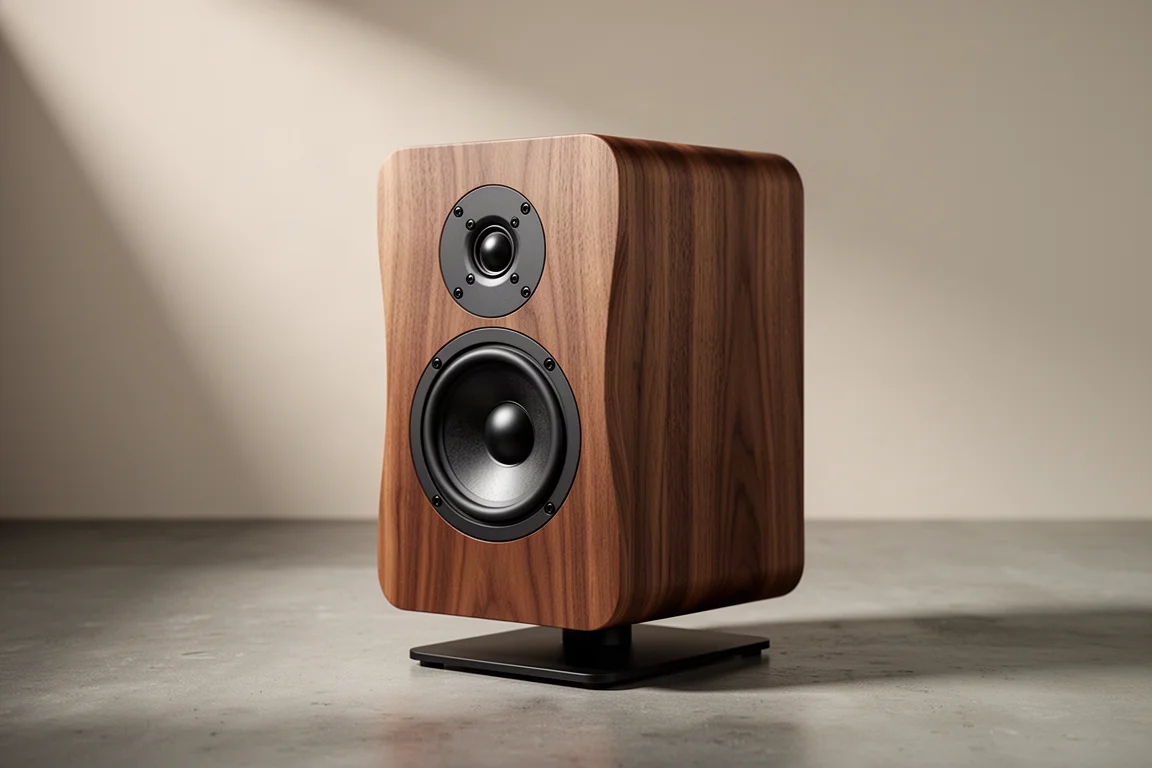
Acoustic Energy AE 300 Review: Deep Bass From a Compact Standmount
A two-way standmount with real wood veneer, surprising low-end weight, and a warm, easygoing character. Here is what to know before buying.
Hi-Fi Speakers
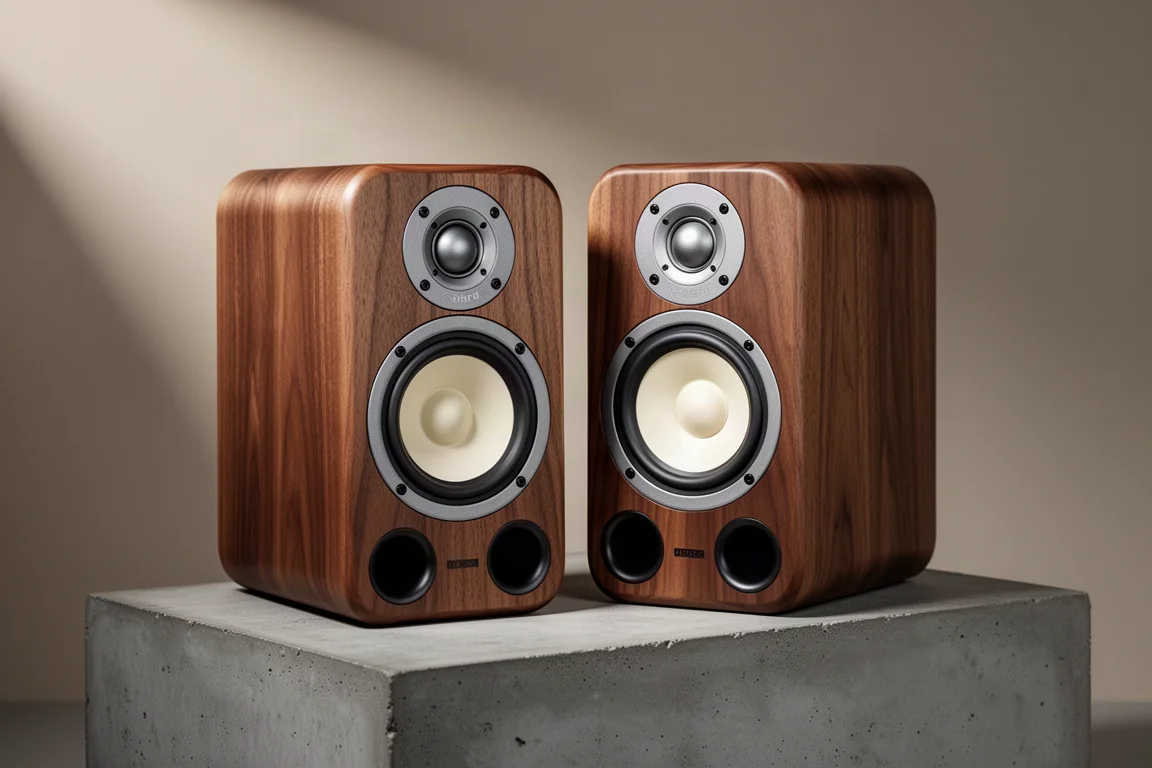
Acoustic Energy AE1 40th Anniversary Review: A Modern Take on a British Classic
A compact standmount that revives a 1980s favorite with all-new parts, a warm mid-centric balance, and a price of £1,499 per pair.