Backpacking Gear
Cheap vs Expensive Backpacking Gear: Shelter and Pack Trade-offs
A practical comparison of budget and premium backpacking gear, focusing on shelters and packs, with clear trade-offs and buying advice.
Introduction
Backpacking gear can look almost identical on a product page while carrying wildly different price tags. A tent might cost forty dollars or nearly seven hundred dollars. A pack might cost sixty-five dollars or four hundred dollars. The gap is not just marketing. It comes from materials, labor, construction methods, brand trust, and the amount of research and development behind each item. This guide compares budget and premium options in two core categories, shelter and packs, to show where the extra money goes and where it may not be worth it.
The goal is not to tell every hiker to spend more. It is to make the trade-offs visible so you can decide which upgrades genuinely improve your time outside and which ones can wait.
What Drives the Price Gap in Backpacking Gear
Several factors explain why two similar-looking pieces of gear can sit at opposite ends of the price scale. Manufacturing location matters. Many lower-cost products are made in China, where labor costs are lower and health and safety standards differ from those in the United States and other countries. Larger manufacturers also buy raw materials in bulk, which lowers their per-unit cost.
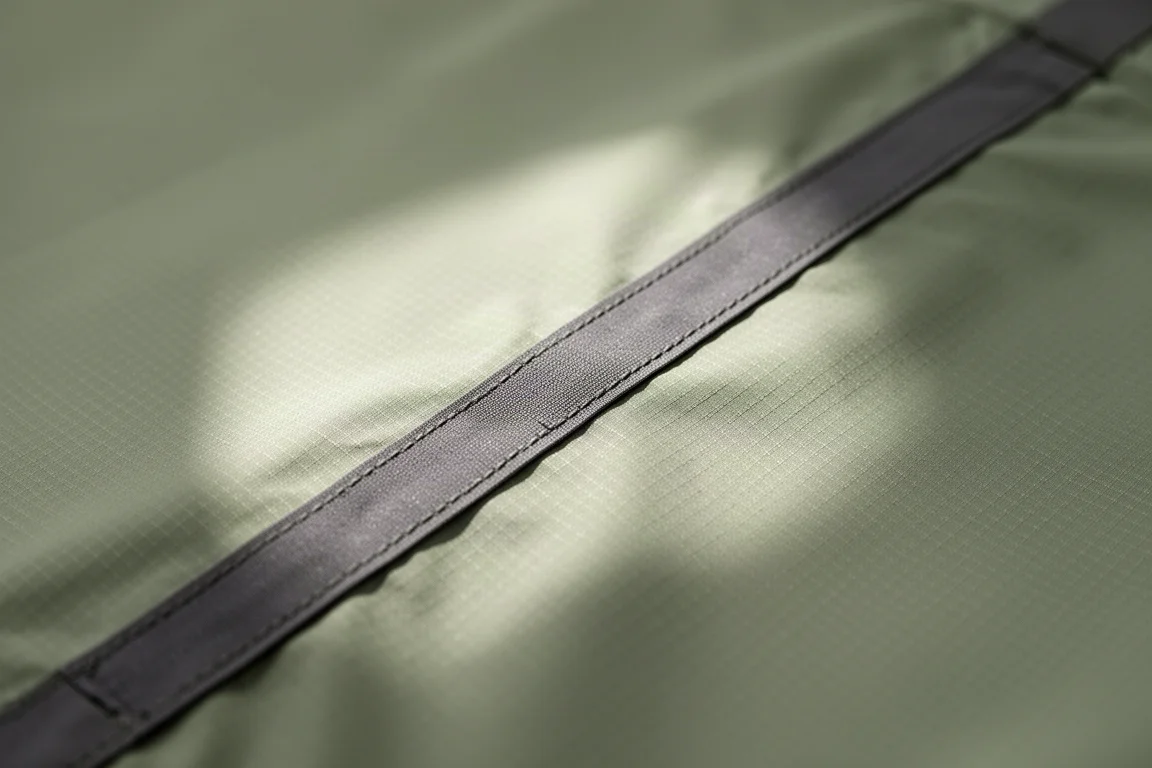
Cottage companies operate differently. They often design and build their own products in smaller batches, which makes customization possible but also keeps prices higher. They may be first to try new fabrics and construction methods because they do not need to inventory large amounts of material. Construction method also affects cost. Bonding two pieces of Dyneema Composite Fabric can be done with tape, by sewing and seam taping, or by heat bonding. Heat bonding is labor intensive and can be stronger than the fabric itself, so it adds cost. Sewing and taping are faster but can fail under extreme stress or temperature swings.
Material quality and sourcing add another layer. Ethically sourced down costs more than down that does not meet the same standards. Convenience treatments such as UV protection or waterproofing also raise the price. Lightweight gear carries a premium because people are willing to pay for less weight on their backs. Popular products rise in price as demand grows. Recognized brands can charge more because their labels carry trust. Finally, research and development is expensive. Companies that sell very cheap gear often skip that investment and copy existing designs instead.
Best Premium Shelter: Zpacks Duplex
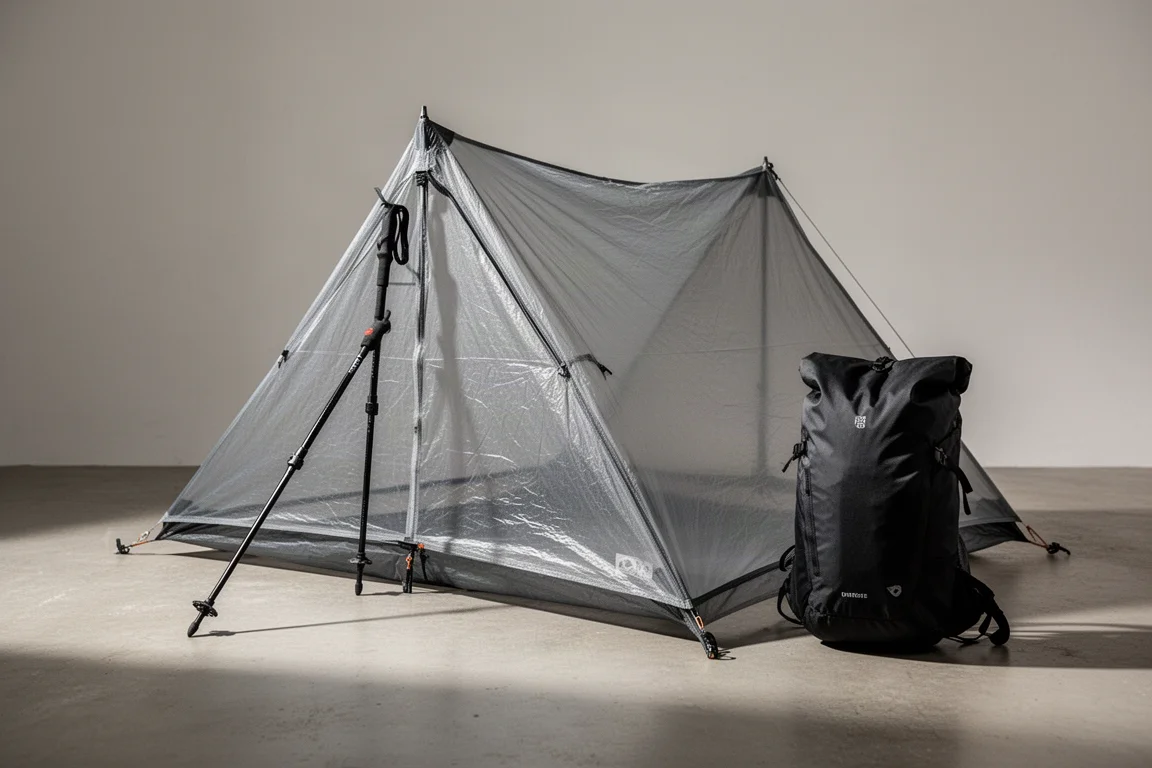
The Zpacks Duplex is a two-person ultralight shelter made from Dyneema Composite Fabric, often called DCF. This material is waterproof, does not stretch, and stays taut through a rainy night. Nylon and polyester, by contrast, can absorb water, gain weight when soaked, and sag after setup. The Duplex weighs about 18.5 ounces and costs around $699. It is made in the United States.
The DCF construction is the main reason for the price. The fabric is strong for its weight, and it avoids the water absorption problems that affect more common tent fabrics. For a thru-hiker who will carry a shelter for months and cannot choose perfect weather, that combination of low weight and stable performance can justify the investment. The Duplex is not the only option in this range, but it shows what premium shelter money buys: lighter materials, dependable weather behavior, and domestic manufacturing.
Best Budget Shelter: A Glory Tent
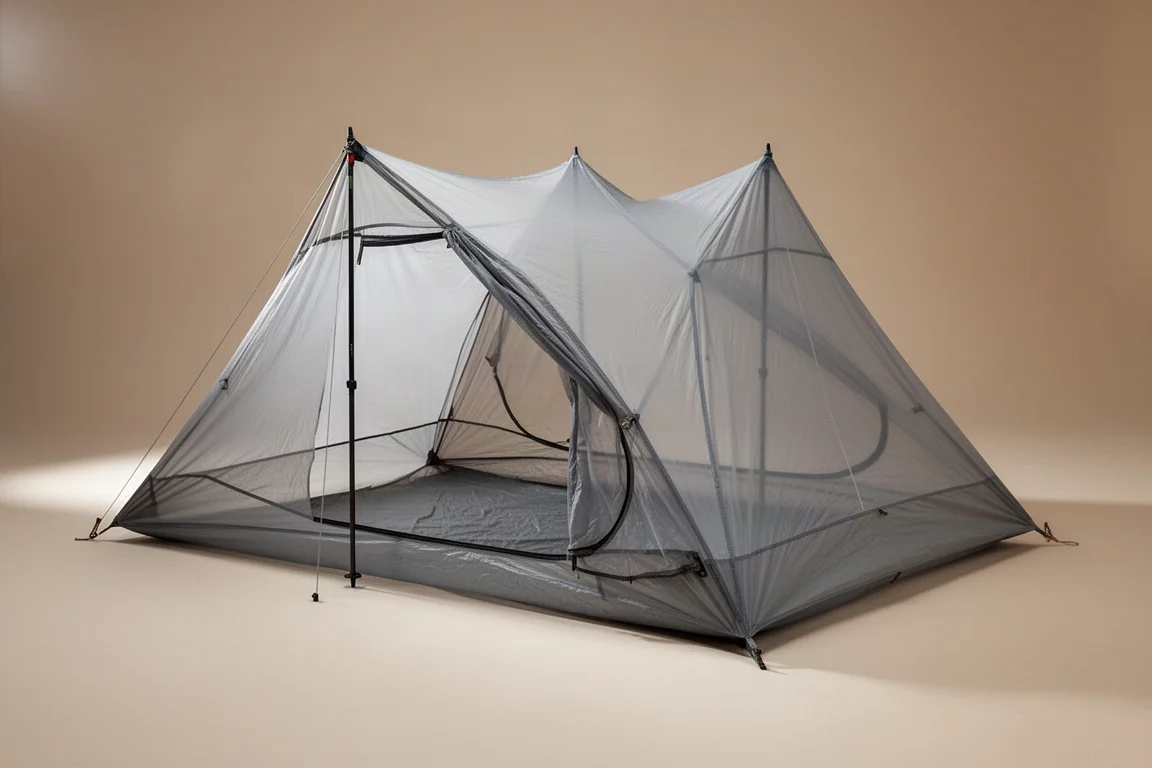
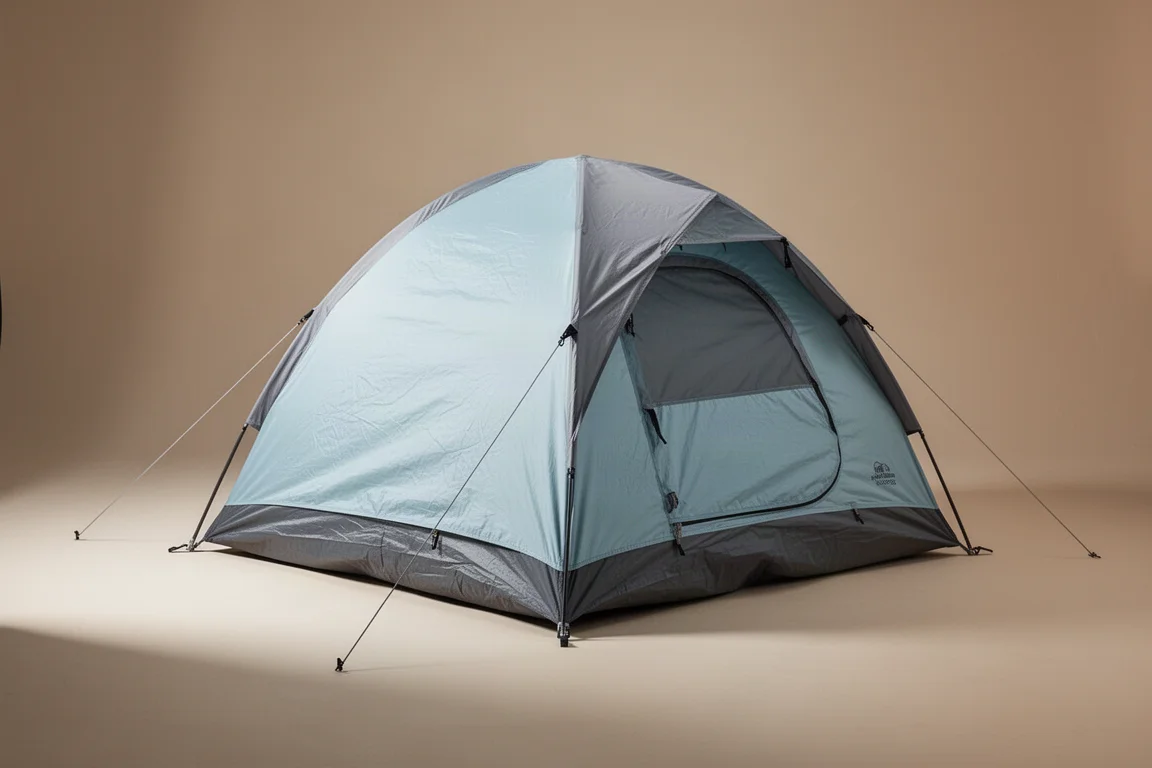
The A Glory tent is a one- to two-person camping tent that costs about $40 and weighs 74 ounces, or 4.6 pounds. It is made from polyester, which is stretchy and less durable than nylon, and its poles are fiberglass, the least expensive common option for tent poles. It is made in China and appears to be a mass-produced design.
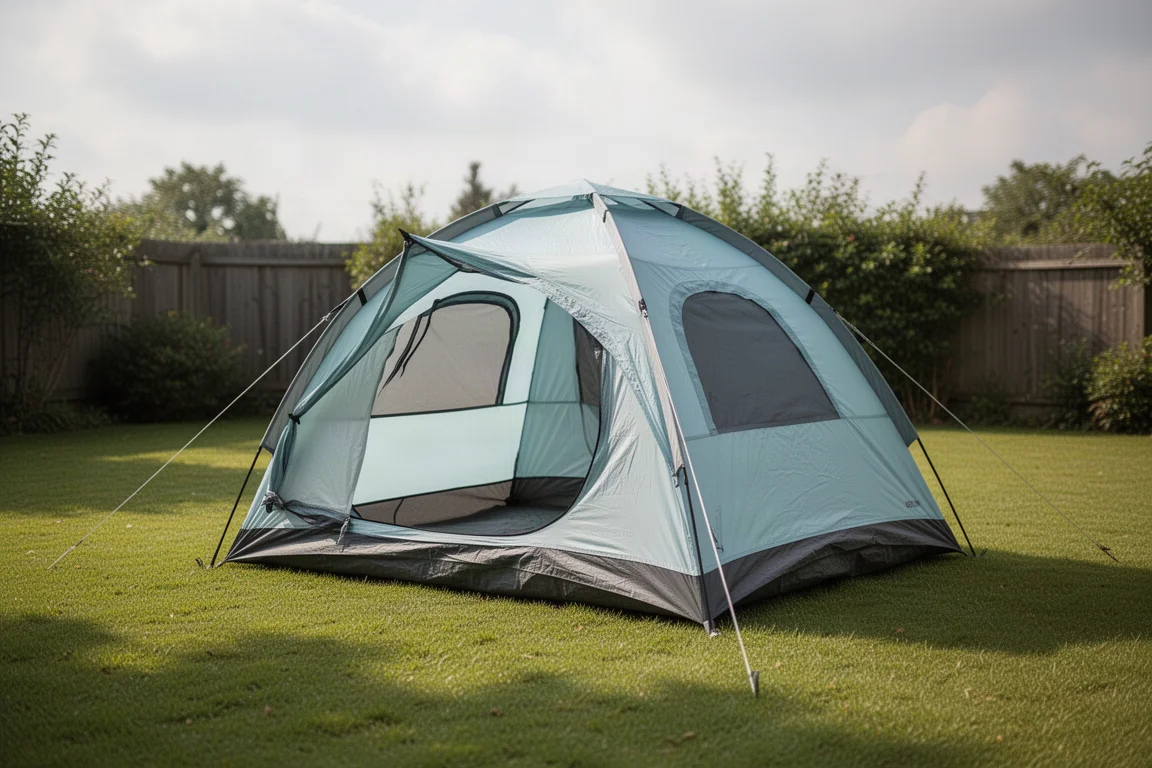
That does not make it useless. It comes seam taped and waterproofed, and in backyard rain tests it stayed dry inside after repeated rain. It held up in decently windy conditions, though nothing extreme. It includes useful details such as an interior hook for a headlamp, pockets for small items, and a vestibule for gear. The fiberglass poles are the most limiting factor. A similar budget tent with fiberglass poles collapsed under its own weight after a few days of use, so durability is the main concern. For a weekend camper who checks the forecast and does not cover many miles, the low price and acceptable feature set can make sense. It is also a reasonable first tent for a new scout or anyone testing whether they enjoy camping before spending more.
Best Premium Pack: Atom Packs Mo
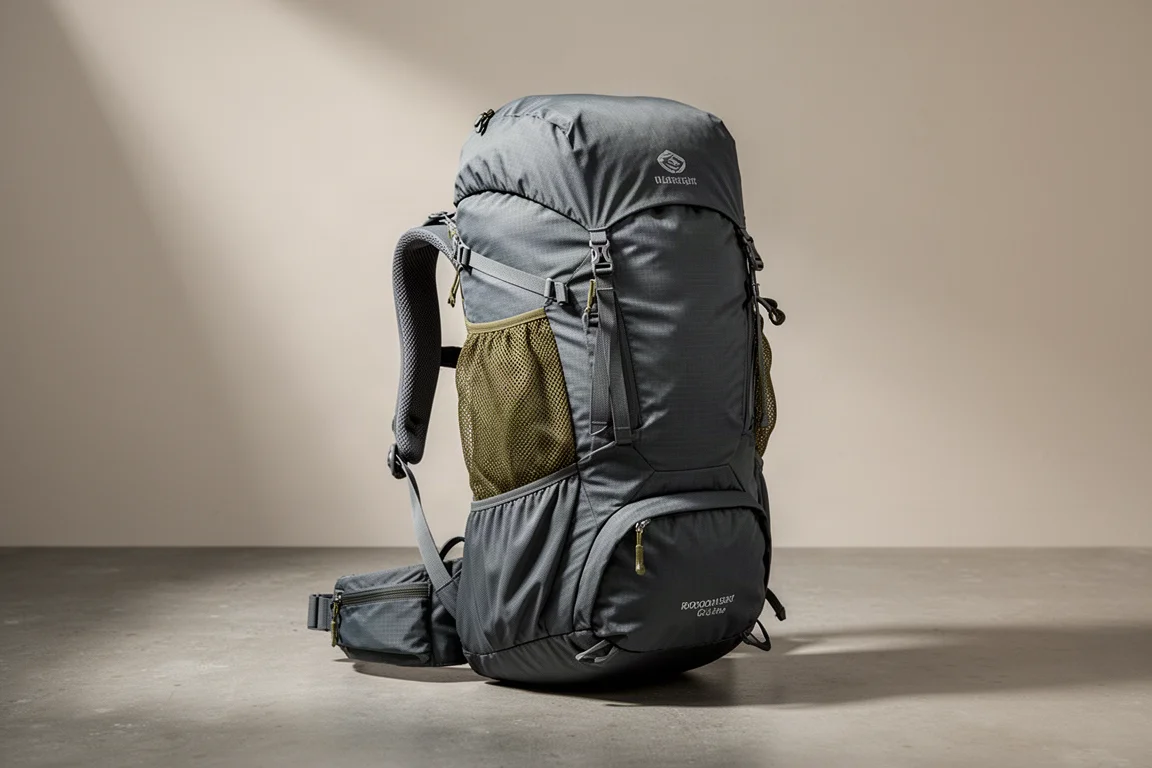
The Atom Packs Mo is a cottage-made backpack with a base price around $355. Adding two hip belt pockets brings the total closer to $400. The complete setup used here weighs about 33 ounces. It is made in England and uses materials such as Ecopak EPX 200, a recycled 200-denier fabric with a durable water repellent finish. The pack is not seam taped, so it should not be treated as fully waterproof, which is why a pack liner remains a sensible addition.
The Mo carries weight more comfortably than the budget alternative. That comfort comes from research and development, careful design, and a focus on how the pack behaves on trail. Atom Packs also allows customization during ordering, including different options and colors. If you have an idea for a feature that is not listed, you can contact the company and they may be willing to implement it. The trade-off is lead time. Cottage packs are often made to order, so during busy seasons there can be a wait, while large manufacturers usually have stock ready to ship.
Best Budget Pack: Nevo Rhino Pack
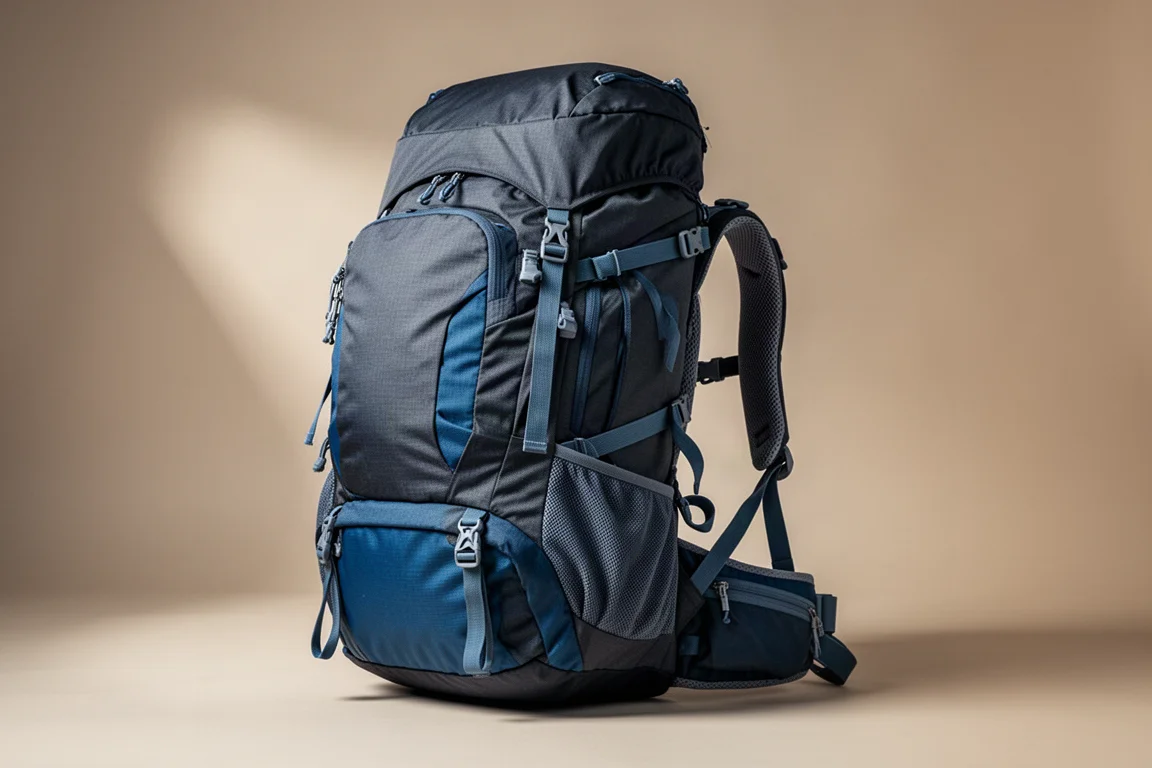
The Nevo Rhino pack costs approximately $65 and weighs about 42 ounces. It is likely made in China and resembles a design from a well-known backpack brand. It can carry a full gear load, but the difference in comfort is noticeable when compared with the Atom Packs Mo. The Mo manages weight better and feels less like a struggle over long days.
For a beginner or a casual weekend hiker, the Nevo Rhino may still be enough. It costs a fraction of the premium option and provides the basic capacity and features needed to get outside. The main question is how much time you plan to spend on trail. If you are carrying a load for many hours, the extra comfort of a cottage pack can matter. If you are taking short trips and still figuring out your preferences, the lower-cost pack leaves more budget for other gear and can be upgraded later.
What to Skimp On and What to Invest In
Not every category deserves the same spending priority. The big three, which are shelter, sleeping bag or quilt, and pack, are worth investing in early because they affect comfort, safety, and how much weight you carry. If you decide backpacking is not for you, quality items from recognized brands also tend to hold resale value. That makes the initial outlay less risky than it first appears.

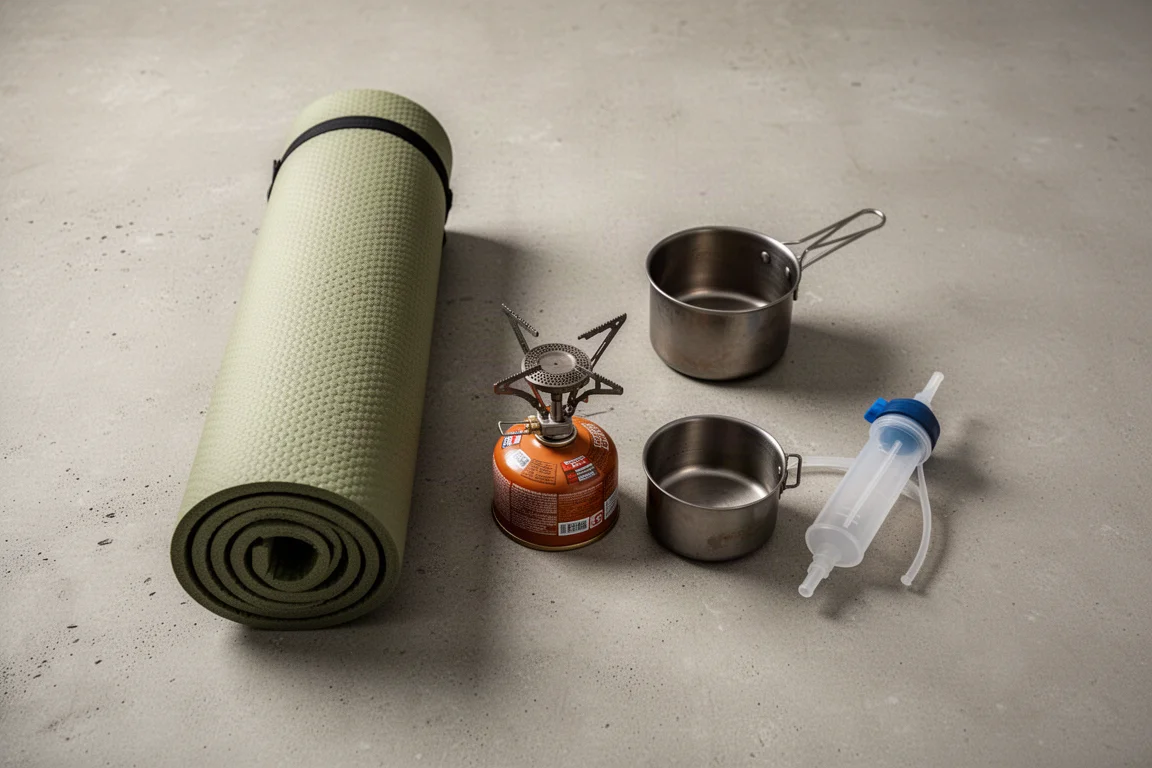
Other categories are easier to buy cheaply and upgrade later. Bear bags, footwear, clothing, trekking poles, rain gear, water filtration, kitchen setup, sleeping pads, and pack liners can all start at lower price points. A sleeping pad is often the first item on that list worth upgrading because sleep quality affects how you feel during the day. Reasonably priced inflatable pads exist between the cheapest closed-cell foam options and the most expensive ultralight pads. Rain gear is another practical place to compromise. A low-cost breathable rain suit can outperform a heavy vinyl poncho for a modest increase in price, even if it does not last as long as a premium jacket and pants. Trekking poles are similar. Aluminum poles cost less than carbon fiber and can survive a long trail, though carbon fiber often feels more rigid and stable. The right choice depends on your budget and how much you value those differences.
Conclusion
Cheap gear and expensive gear can both have a place in a backpacking setup. Premium shelters and packs often earn their price through lighter materials, better construction, more comfort, and domestic or cottage manufacturing. Budget options can be surprisingly functional, especially for short trips, fair weather, and beginners who are still learning what they need.
A practical approach is to invest first in the items that carry you and support your sleep, then save on accessories and categories where low-cost versions are good enough. That way, you can build a kit that matches your actual trips rather than spending for its own sake.
Further reading
Related Reviews

Backpacking Gear
Building a 10 lb Base Weight: An Ultralight Backpacking Gear List
A practical walkthrough of the ultralight pieces behind a 10 lb base weight, from a 765 g pack and a roomy one-person tent to a full camp chair and a dependable water filter.

Backpacking Gear
A 15-Pound Lightweight Backpacking Gear List for Solo Trips
A beginner-friendly 15-pound backpacking setup built from easy-to-find gear, with notes on what each piece does, how it packs, and where to spend your attention.

Backpacking Gear
8 Ultralight Backpacking Gear Upgrades Worth Carrying
Eight small, affordable backpacking upgrades that solve real trail annoyances, from a pillow that stays put to a fuel valve that rescues leftover canister gas.