Backpacking Gear
Cheap Backpacking Gear Worth Buying: Four Small Essentials That Earn Their Place
Four small, affordable backpacking items that solve real problems on trail: an insulated pot sleeve, a collapsible mug, a compact thermometer, and a map-first hiking app.
Introduction
Cheap gear has a reputation problem. Say the word and someone will picture flimsy zippers, leaky seams, and a replacement purchase two months later. Sometimes that is fair. Often it is not.
The four items below sit at the affordable end of the backpacking spectrum, and each one earns its place for a specific reason. They are small. They are simple. None of them will transform a trip on their own, but together they remove a handful of recurring annoyances: a hot pot that is awkward to hold, a mug that takes up space it does not need, a question about how cold it got overnight, and a navigation app that puts the map first.
This is not a list of bargains for the sake of bargains. Every pick here has a job, and the job is worth doing.
How These Picks Were Chosen
The filter for this list was practical rather than price-driven. A cheap item only counts as good value if it survives repeated use, so durability came first. Packability came second, because gear that is awkward to stow tends to get left at home.
Then came the question of purpose. Each item here has one clear job, and it does that job without demanding extra accessories, batteries, or a change in routine. A gadget that needs three other things to work is not really a bargain.
Cost still matters, but as a tiebreaker rather than the headline. The least expensive item on this list costs less than a takeaway meal, and the most expensive is still a fraction of what a single piece of core gear costs.
Just as important, none of these picks ask you to compromise on the things that matter. They are light enough to disappear into a pack, and they are built to keep working trip after trip rather than to hit a price point.
Gossamer Gear Pot Pocket: Keeping a Cook Kit Together
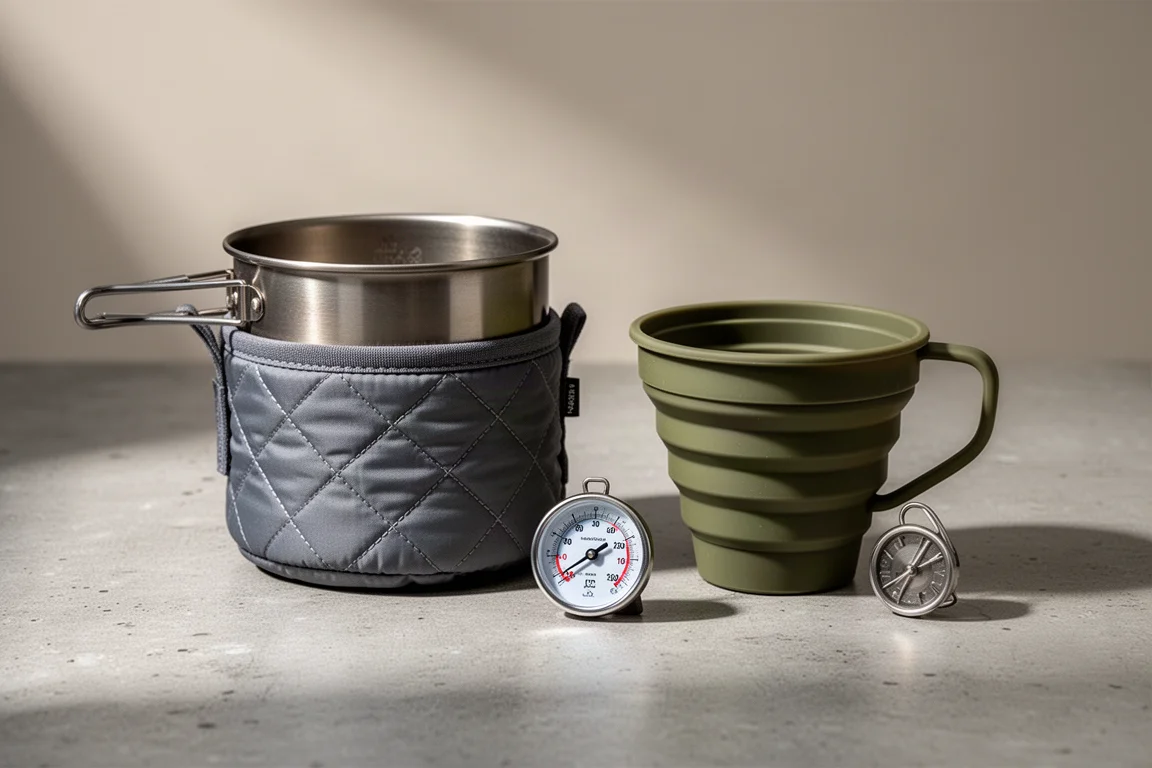
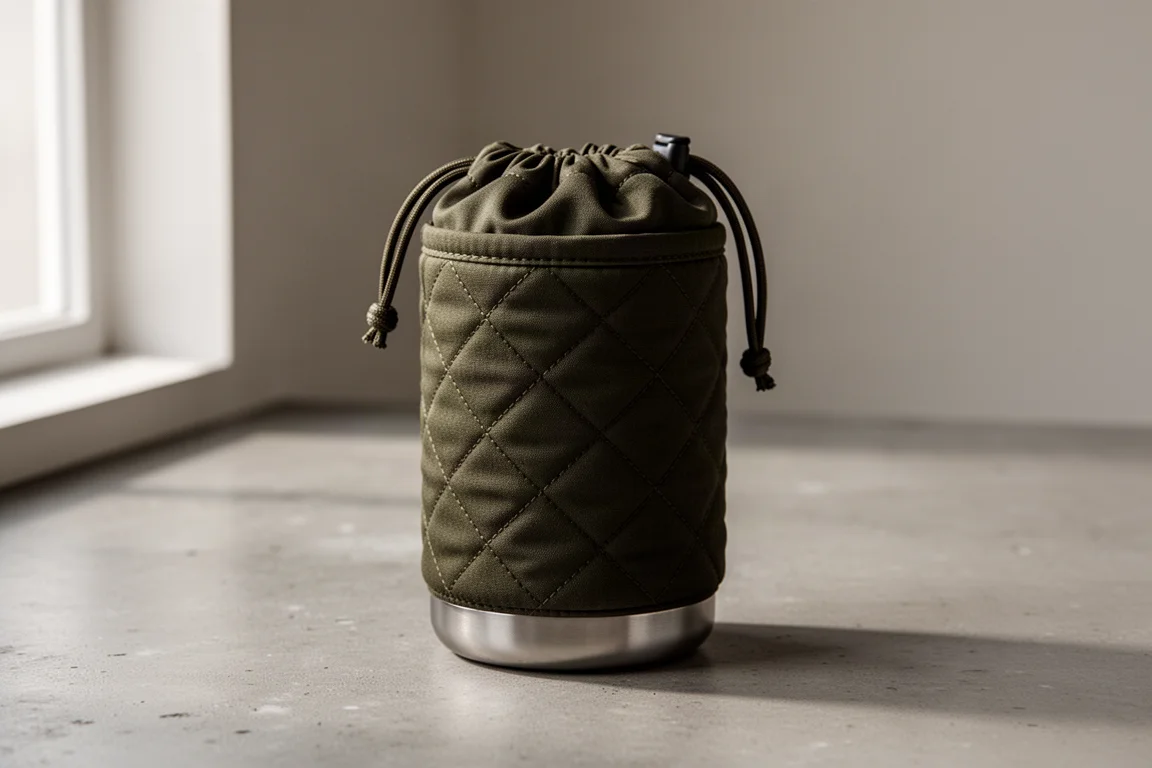
The Pot Pocket is an insulated sleeve that slides over a standard titanium mug or pot. Its purpose is simple: keep a hot pot comfortable to hold and keep the contents warmer for longer.
For anyone who drinks coffee or tea on trail, that alone is useful. The sleeve also does something less obvious, which is to hold an entire cook set in one place. Pot, mug, and small accessories stay nested together instead of scattering through a pack.
At $22 it is not the cheapest item here, but it is the one that turns a cook kit from an improvised pile of metal into something organised.
Sea to Summit X-Mug: The Collapsible Cup That Doubles as a Lid
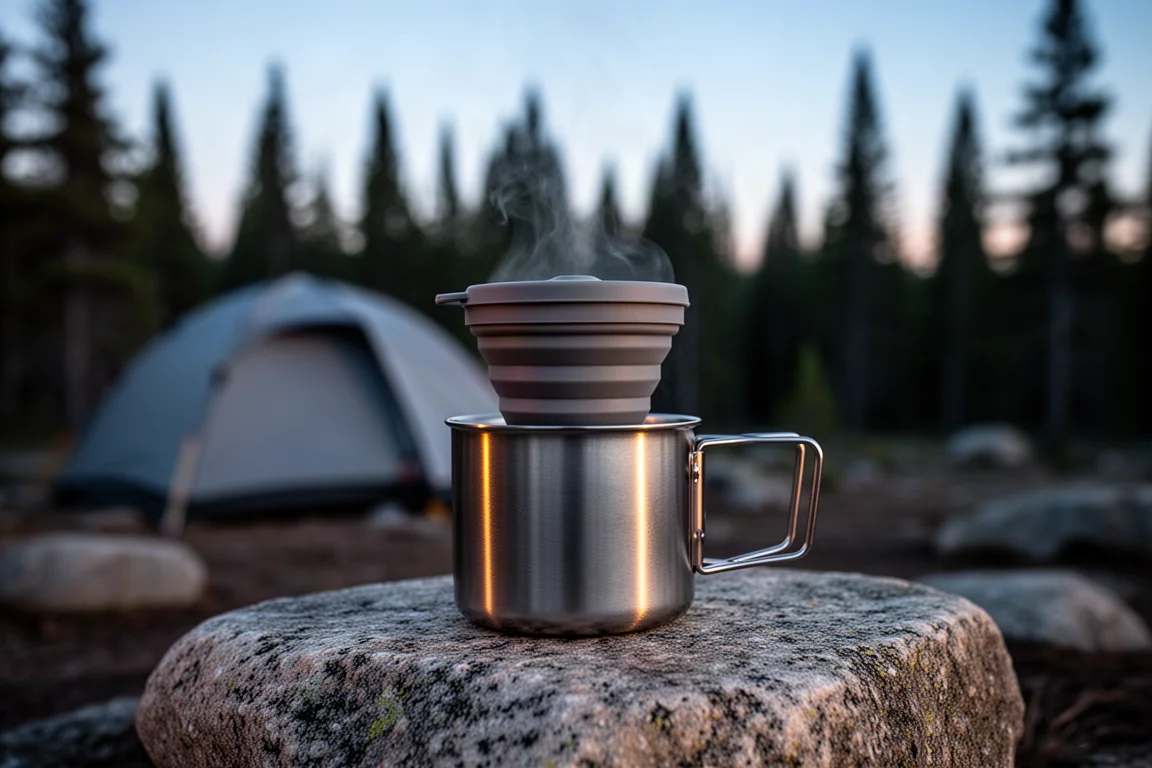
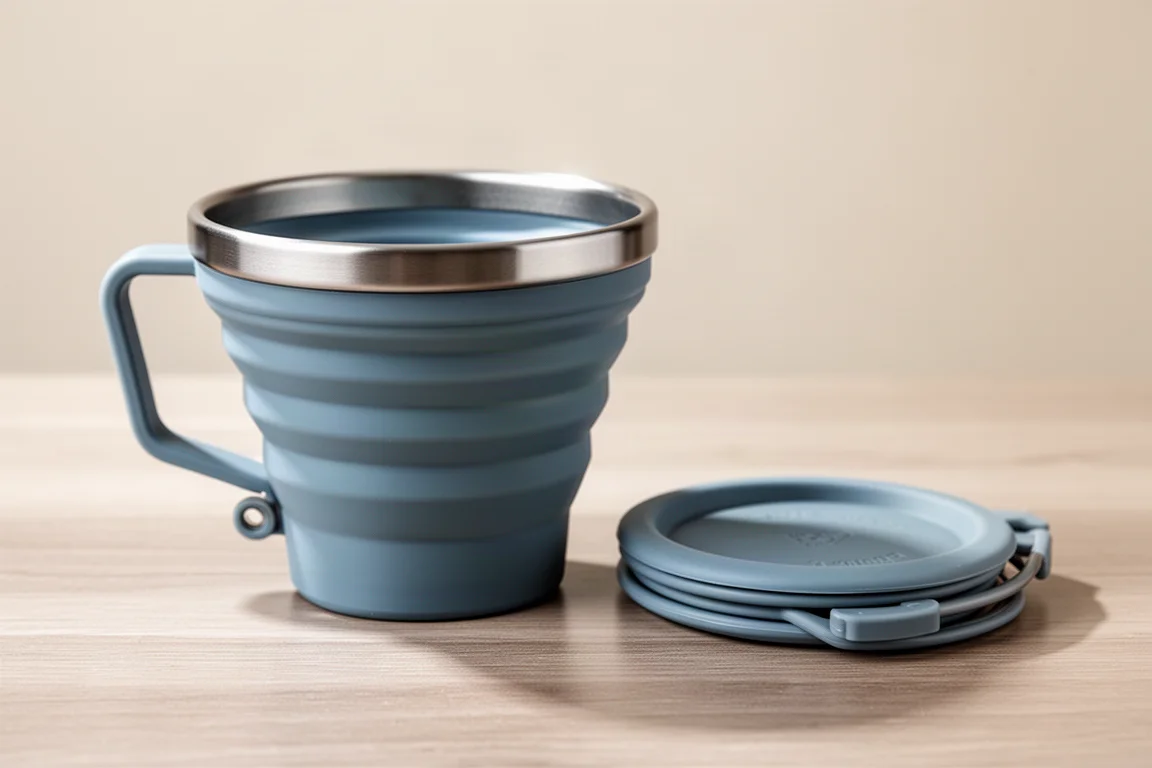
The X-Mug is a collapsible cup that flattens down when it is not in use. On its own, that would be a tidy space saving. What makes it genuinely useful is that it fits snugly on top of a compatible pot and works as a lid.
That single detail turns it into a multi-purpose item. It can serve as a measuring cup when you are portioning water, a coffee mug in the morning, or a plain cup at dinner, and it takes up almost no room in a pack when it is folded flat.
At under $10, it is the least expensive item here, and it is the kind of small solution that makes a simple cook system feel more considered. The main thing to check is fit: it works best when it matches the pot you already carry.
ThermoDrop: A Simple Temperature Check
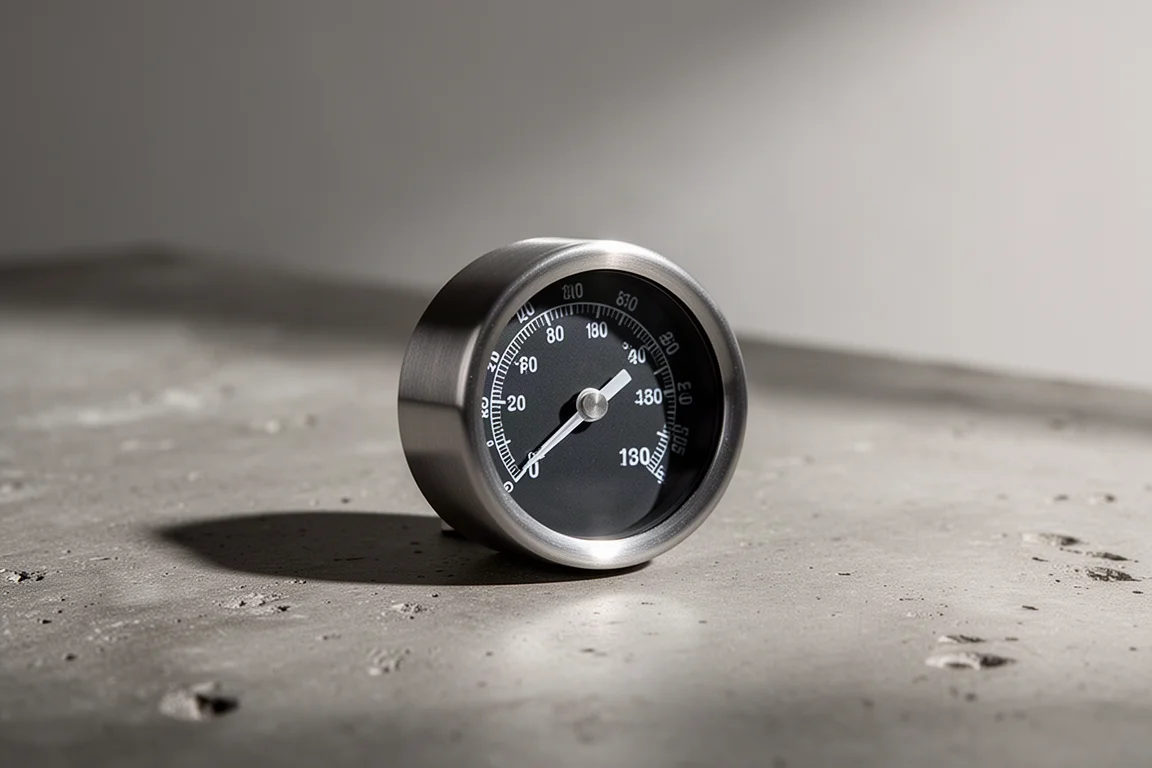
The ThermoDrop is a small thermometer that reports high and low temperatures. It answers one question that matters on a cold trip: how close did the overnight low come to the limits of your sleep system?
Its appeal is its simplicity. There is nothing to pair, nothing to charge, and nothing to check on a phone. It is small enough to live in a pack permanently and light enough that you will not notice it is there.
The trade-off is the same simplicity. If you want a continuous record of temperature and humidity delivered to your phone, a Bluetooth logger is the better tool for that job. The case for the ThermoDrop is the opposite one: fewer features, no app, and a reading you can glance at.
Natural Atlas: A Map-First Hiking App
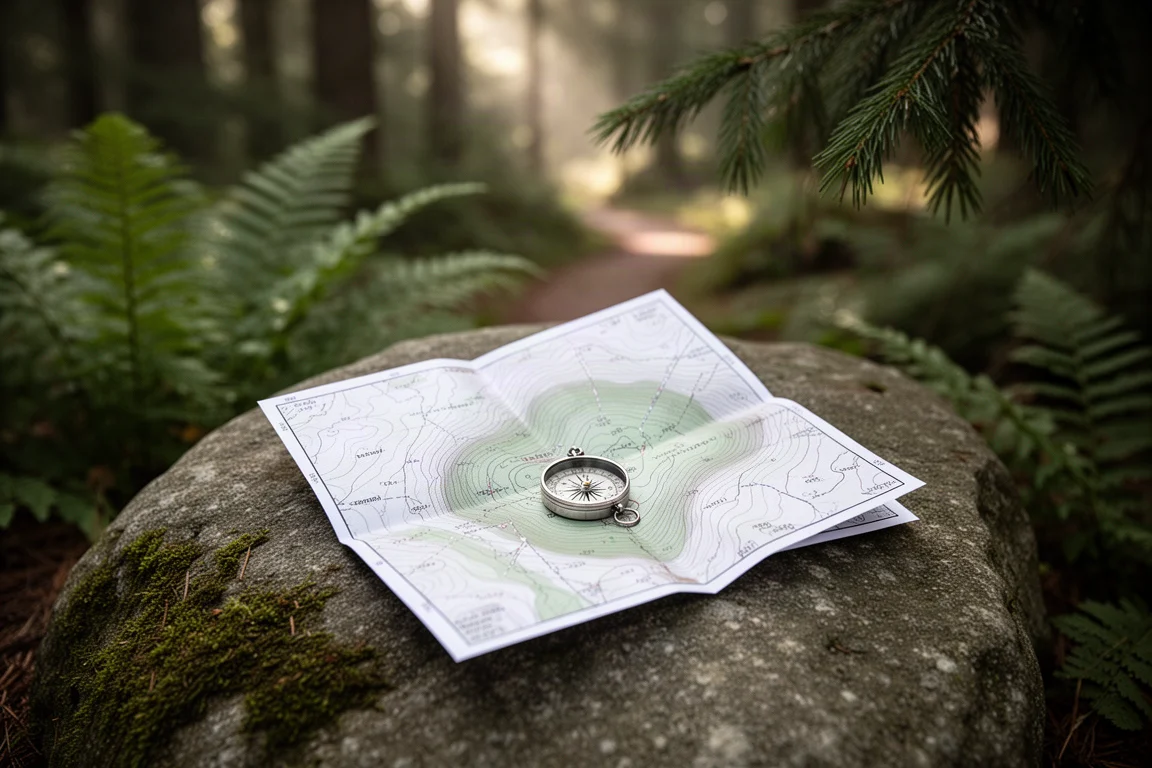
Natural Atlas is a hiking app built by a small US-based team of two people based in Oregon. That background shows in the product. It is map-first, feature-rich, and clearly made by people who care about maps and the outdoors rather than about chasing the largest possible user base.
For hikers who plan around terrain, that focus is the point. The app is designed to be used on trail, and it covers the everyday needs of navigation and trip planning without burying them under social features.
It is a subscription rather than a one-time purchase. An annual plan has been available at around $30 with a discount, which is a reasonable yearly cost for anyone who hikes often enough to open it regularly.
Buying Advice: Matching Small Gear to Your Own Habits
The right way to judge small gear is to ask how often you will actually reach for it. An insulated pot sleeve is excellent value for someone who boils water twice a day, and pointless for someone who eats cold food and drinks nothing hot.
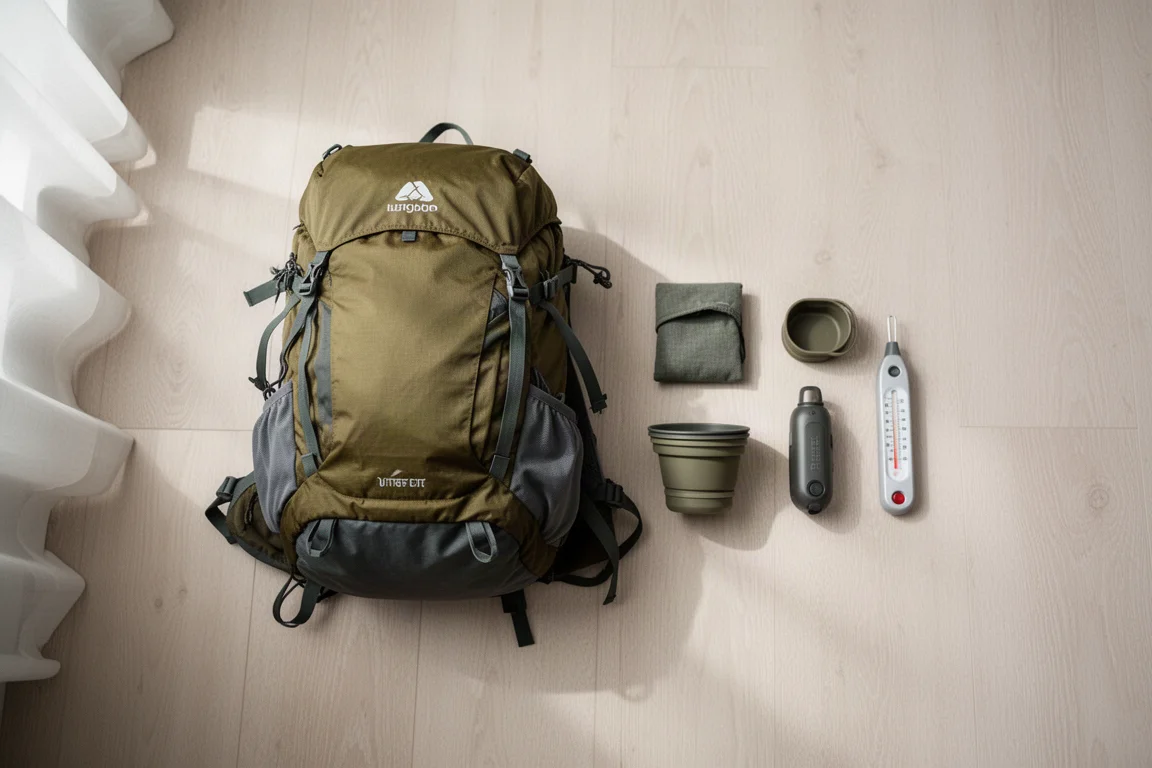
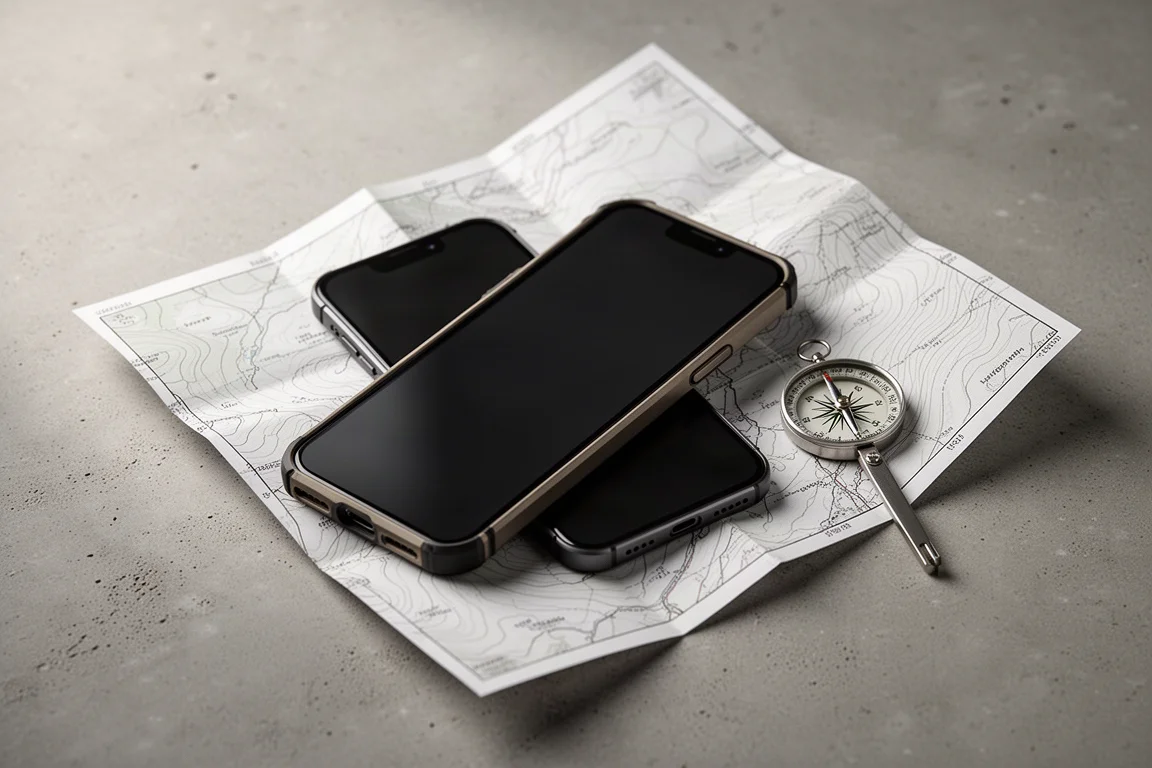
Start with the items that remove a problem you already notice. If your hands sting when you hold a hot pot, the sleeve is the obvious first purchase. If your mug is the bulkiest thing in your cook kit, the collapsible cup solves that. If you keep wondering how cold it got overnight, the thermometer is a small and inexpensive answer. And if your navigation happens on a phone, a map-first app is worth the annual fee.
None of these purchases require a big budget, and none of them replace core gear. They are refinements: small, affordable, and easy to justify once you know which annoyance you want gone.
Conclusion
Cheap backpacking gear is only a bargain when it keeps working and keeps being used. These four items meet that standard. Each one is modest, each one has a clear job, and each one costs little enough that the decision is easy.
Buy the ones that match how you already hike. The insulated sleeve and the collapsible cup make a simple cook kit tidier and more comfortable, the thermometer answers a question you will ask on every cold night, and a map-first hiking app keeps navigation focused on the terrain. Together they are a small upgrade with a very small bill.
Further reading
Related Reviews

Backpacking Gear
Building a 10 lb Base Weight: An Ultralight Backpacking Gear List
A practical walkthrough of the ultralight pieces behind a 10 lb base weight, from a 765 g pack and a roomy one-person tent to a full camp chair and a dependable water filter.

Backpacking Gear
A 15-Pound Lightweight Backpacking Gear List for Solo Trips
A beginner-friendly 15-pound backpacking setup built from easy-to-find gear, with notes on what each piece does, how it packs, and where to spend your attention.

Backpacking Gear
8 Ultralight Backpacking Gear Upgrades Worth Carrying
Eight small, affordable backpacking upgrades that solve real trail annoyances, from a pillow that stays put to a fuel valve that rescues leftover canister gas.