Ski Destinations
Chamonix Mont Blanc Ski Guide: Resorts, Terrain, and Which Lift Pass Is Worth It
Five distinct ski areas, spectacular Mont Blanc scenery, and demanding terrain. What to know about the Chamonix valley before choosing your pass.
Introduction
If you are looking for the quintessential European skiing experience, the Chamonix Mont Blanc region might be for you. With a wide range of slopes, extensive backcountry, and an incredible town, the area stands out with one of the most iconic alpine setups not just in France but in the entire world. It also behaves very differently from most destination resorts, so a little planning goes a long way. Here is how the valley works, what each ski area does well, and which lift pass option fits which kind of trip.
Five Ski Areas, One Valley
If you are most familiar with the American ski scene, Chamonix is best described as having the layout of Aspen but on steroids. Rather than one massive destination resort, the valley is home to five major, physically distinct ski areas, and with just one exception they entirely lack lift connections between one another. From west to east they include Les Houches, the lowest-elevation area and the only one with a significant quantity of below-treeline terrain; Brévent and Flégère, the closest resorts to downtown Chamonix and linked together by a cable car; Le Tour, which offers some of the nicest high alpine cruising terrain in the region; and Les Grands Montets, which has the region’s best exposure and most expert-oriented terrain. There is also one distinct beginner-oriented hill, Le Savoy, and the Aiguille du Midi cable car in town serves backcountry terrain including the famous Vallée Blanche descent.
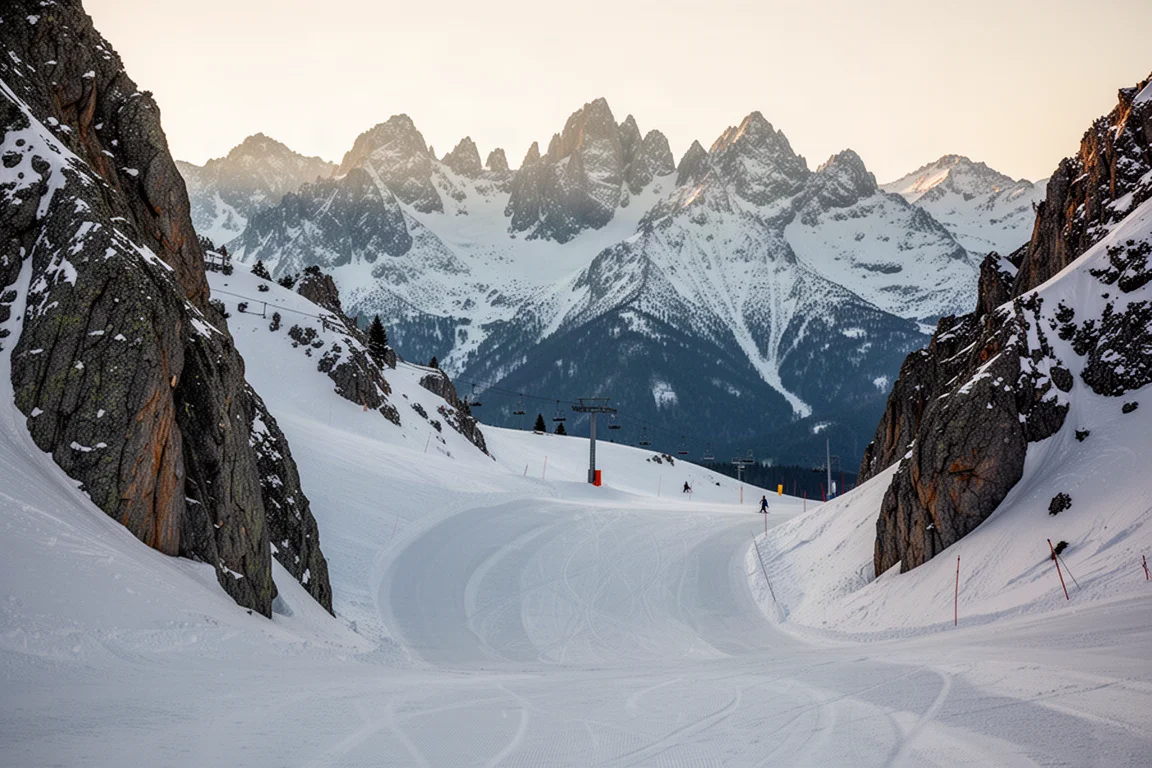
The biggest downside is size. The individual resorts span from 385 acres at Brévent to around 1,000 acres at Flégère, and even combined, the full boundary-to-boundary footprint is less than half the size of nearby competitors like Zermatt, Verbier, and La Vallée. Getting between resorts also takes time: from downtown it can take over half an hour to reach Les Houches, Les Grands Montets, or Le Tour if you time the bus right, and the valley buses can run as infrequently as every half hour. In practice you are unlikely to hit more than one resort in a day, with Brévent and Flégère being the exception.
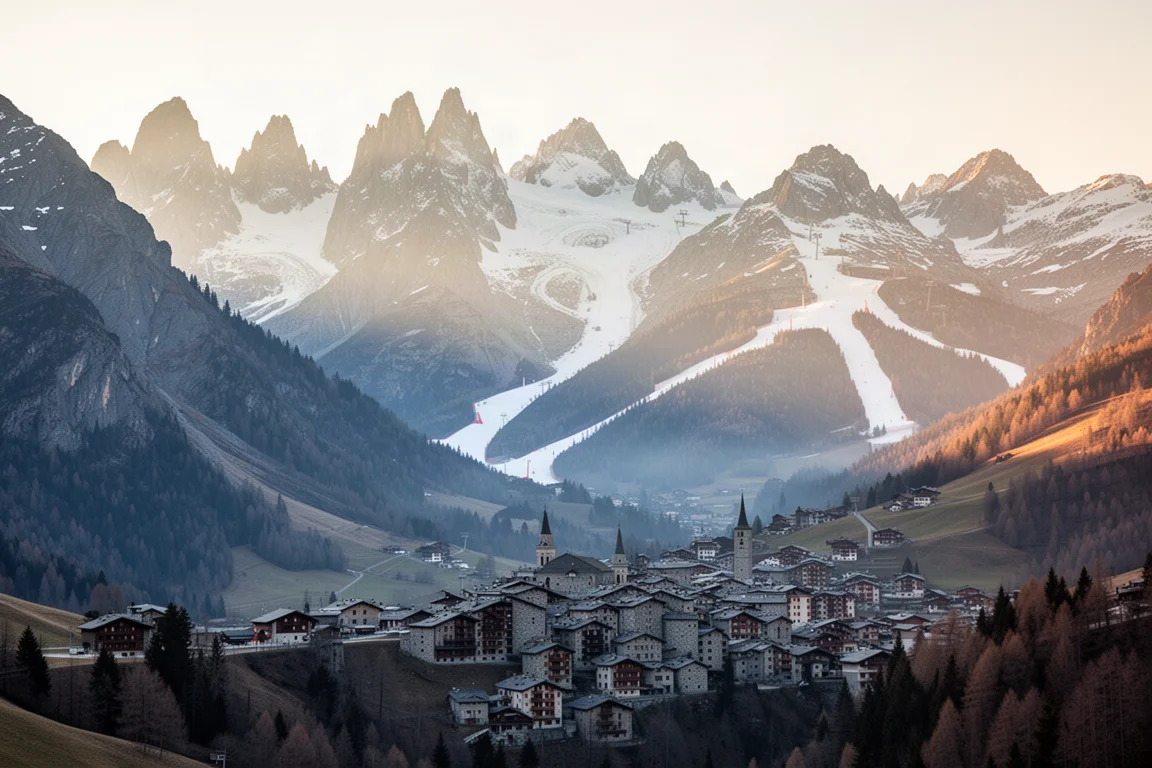
What the area lacks in scale, it makes up for with phenomenal scenery. The box canyon layout, exceptional mountain prominence, and iconic jagged peaks make for striking landscapes in every direction, and Mont Blanc itself, with its glaciers, rock formations, and sheer height, is a one-of-a-kind sight. All of the major resorts offer views back into town, and the way the buildings follow the line of the foothills is really quite something.
Snow and Conditions
Chamonix sees decent snow totals for the Alps, but conditions vary substantially depending on which mountain you visit. Expect occasional powder days, but also be prepared for the region to go days or even weeks without significant snow, which results in thin cover and icy slopes. The lowest trails bottom out below 1,000 meters, where mixed accumulation or rain can happen.
Les Grands Montets is the most reliable bet, facing north, seeing higher raw snow totals, and offering the highest elevation inbound skiing in the region. Le Tour also holds snow well with a decently high elevation and slopes that mainly face north and west. Moving west in the valley, things get more variable: Brévent and Flégère face south and east, which makes for sunbaked slopes and inconsistent conditions when it has not snowed recently, while Les Houches sits substantially lower and gets a fraction of the snowfall, with occasional rain. Its below-treeline footprint does keep it sheltered on storm days, and when it is snowing hard it may be the only mountain open in the region.
Storm days also matter elsewhere. With the exception of Les Houches, the high-elevation, above-treeline footprint means significant operational impacts when weather rolls in: visibility can dwindle to near zero and exposed upper mountains may close entirely. After a storm, slope clearing is slow and some areas may not open until late morning or early afternoon, though if you play your cards right you can get fresh tracks for hours as staff gradually open each zone. Be aware that the valley runs down from Brévent and Flégère have often not opened at all in recent years, meaning guests at those two resorts may need to download out of the base gondolas.
Terrain by Ability Level
Chamonix is not the best ski region for beginners. Les Houches is probably the best major resort for gentler blue-rated slopes and attracts less aggressive skiers, while the other areas offer blue runs that are limited in number and generally steeper than ideal. True first timers will find small green learning areas at Les Houches, Les Grands Montets, Flégère, and Le Tour, plus the very small Les Planards area in town.
The region becomes more compelling at the intermediate level. Flégère is full of high alpine red cruisers with incredible views, and Brévent, Flégère, and Les Grands Montets all have their share of distinct intermediate runs, though most reds there sit above treeline. For true below-treeline red runs, head to Les Houches.
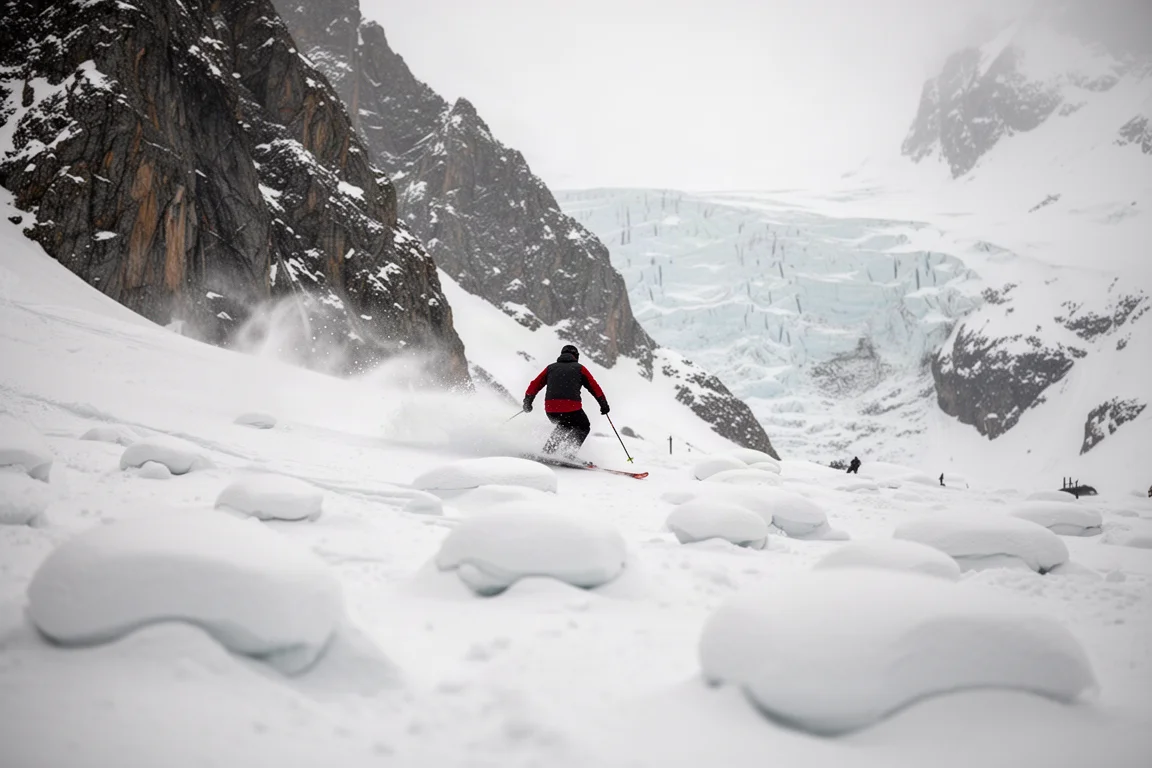
Where you really want to be is an experienced skier or rider. Unusually for Europe, a sizable number of black runs are left ungroomed, creating very steep, demanding mogul runs. Les Grands Montets is home to the largest concentration of long, steep, ungroomed blacks, while Brévent and Flégère offer solid advanced terrain too, most notably the stunning Charles Bosson run from the Brévent summit. Le Tour and Les Houches are much tamer. Advanced proficiency is also where you should be to seriously consider the Vallée Blanche, even with a guide: portions look like a typical red, but the route involves dangerous hikes and navigating narrow ice fields, though as of February 2024 a new gondola connection removed the exit hike.
Lift-served off-piste is where Chamonix really stands out. The resorts are practically intertwined with unpatrolled areas, several directly off the sides of trails, and the off-piste sees heavy traffic, so much of it gets skied out quickly but also produces a substantial amount of out-of-bounds mogul terrain. At most resorts, with Les Houches the lone exception, you can cut directly onto off-piste moguls from a groomed red or black. Some lift-served couloirs, cliffs, and chutes exist too. This terrain is not patrolled or maintained for avalanches, so check forecasts, carry a beacon and shovel, and go with a partner or guide.
Lifts, Crowds, and Getting Around
Despite the Alps’ reputation for fast, modern lifts, the uphill infrastructure here is somewhat behind the times. Most out-of-base entry points are served by gondolas or high-speed chairs, and the Brévent bunny hill is accessed by a unique funicular, but significant terrain zones are still held back by slow fixed-grip chairs or platter lifts. A few areas, including the top of Brévent and the secondary base at Les Houches, are served by aerial trams that are physically speedy but low capacity, which causes long lines when busy and protracted waits when the operators wait for cars to fill. Notably, the Grands Montets summit tram burned down about a decade ago and has yet to be replaced, leaving the top 500 meters of the resort liftless and unpatrolled, with restoration expected in late 2025 at the earliest.
Crowds vary by resort but the region gets quite busy during Western European vacation periods, typically the December holidays and a few weeks in mid-February. Expect the biggest crowds at Brévent, with Flégère and Flégère-adjacent Les Grands Montets getting hectic too, and a general lack of lift redundancies means there is little to do but wait it out. With the valley runs from Brévent and Flégère essentially never open, plan for end-of-day download lines. Lift line management is essentially non-existent outside a dedicated ski school line, though off-peak lift lines are rarely an issue.
On-mountain facilities will generally impress visitors from across the pond, though the lodges and restaurants are not quite as exceptional as some European competitors. Facilities are well placed but can take planning to reach, and many restaurants are locally owned with unreliable opening schedules. Navigation is easier than at many competitors thanks to the smaller sizes, and signage is more intuitive than average, though Brévent and parts of Les Houches could use more trail maps. Helpful touches include color-coded boundary poles on stormy low-visibility days and numbered distance signs showing how far down a run you are.
The Town of Chamonix
The ski areas themselves may not be the liveliest on the continent, but the town is one of the most spectacular in Europe. Rather than being built and commercialized specifically for tourists, Chamonix is an authentic settlement with a large community of year-round locals, which makes for a more down-to-earth vibe, boxed in by awe-inspiring mountains.
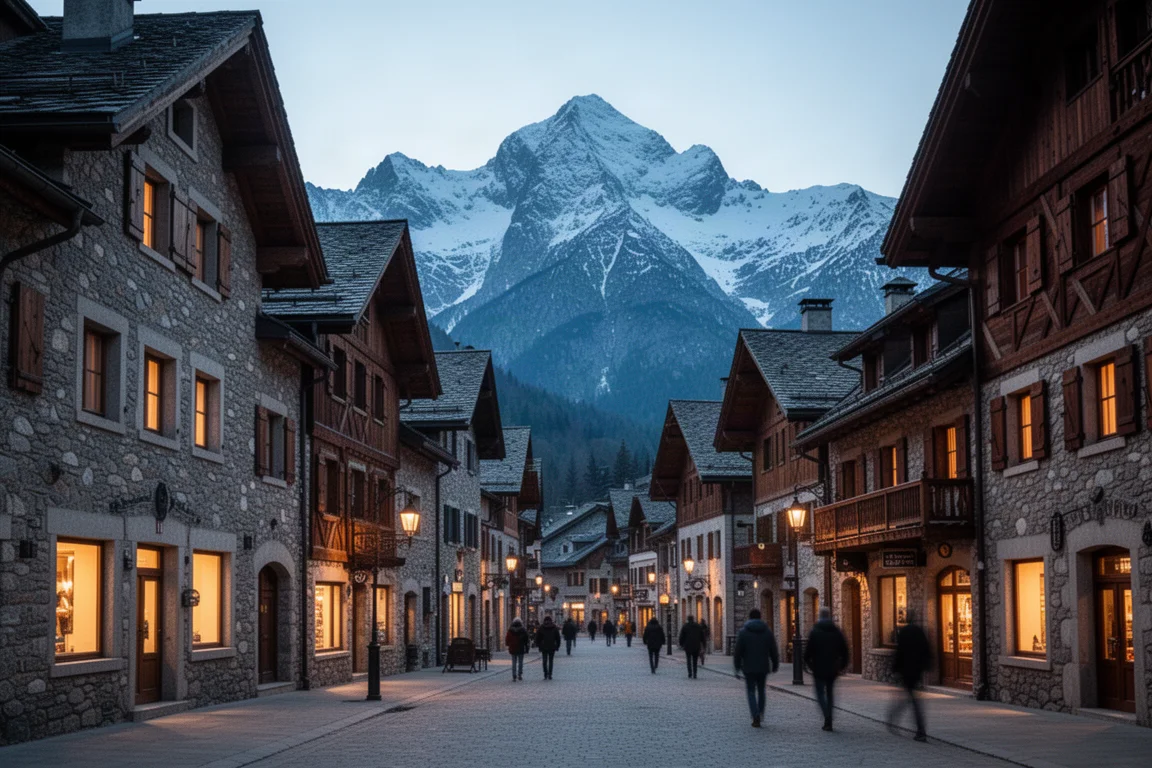
Downtown offers a much more extensive selection of nightlife than the resorts, ranging from casual beer joints and hole-in-the-wall kebab shops to fancy Michelin-starred restaurants, plus some incredible pizza, which makes sense once you remember how close the town is to the Italian border. There are venues for dancing and live music, some open well into the night, and perhaps the most extraordinary experience is at the bar of the Hôtel de l’Arve, where both guests and the public can watch dance music and improv performances nightly, entirely free. Lodging spans from budget hostels, some without sheets or complimentary towels, to ultra-luxury five-star hotels downtown, plus home rentals throughout the valley. Most visitors fly through Geneva, roughly an hour and a half away by road, with cheap public buses from the airport and downtown; a train service connects to central Switzerland and is convenient for combining Swiss Alps resorts, though the Geneva route is longer and more expensive than the bus.
Pass Options: Mont Blanc Unlimited
The Mont Blanc Unlimited ticket is the local’s choice: it offers access to all the resorts, alpine lifts, and cog railways in the Chamonix valley, topping out at just €83 for a one-day window rate, which is a bit pricey for Europe but an absolute steal compared to North American resorts. You can pay less if you skip Les Houches or do not care about riding the highest-elevation lifts at Les Grands Montets. One important catch: lift tickets and pass products do not come with ski patrol services, so on-mountain insurance must be purchased as an extra-cost add-on for €3.50 per day, and if you plan to go off-piste this insurance may not cover it, so look into third-party plans.
Pass Options: Ikon Pass
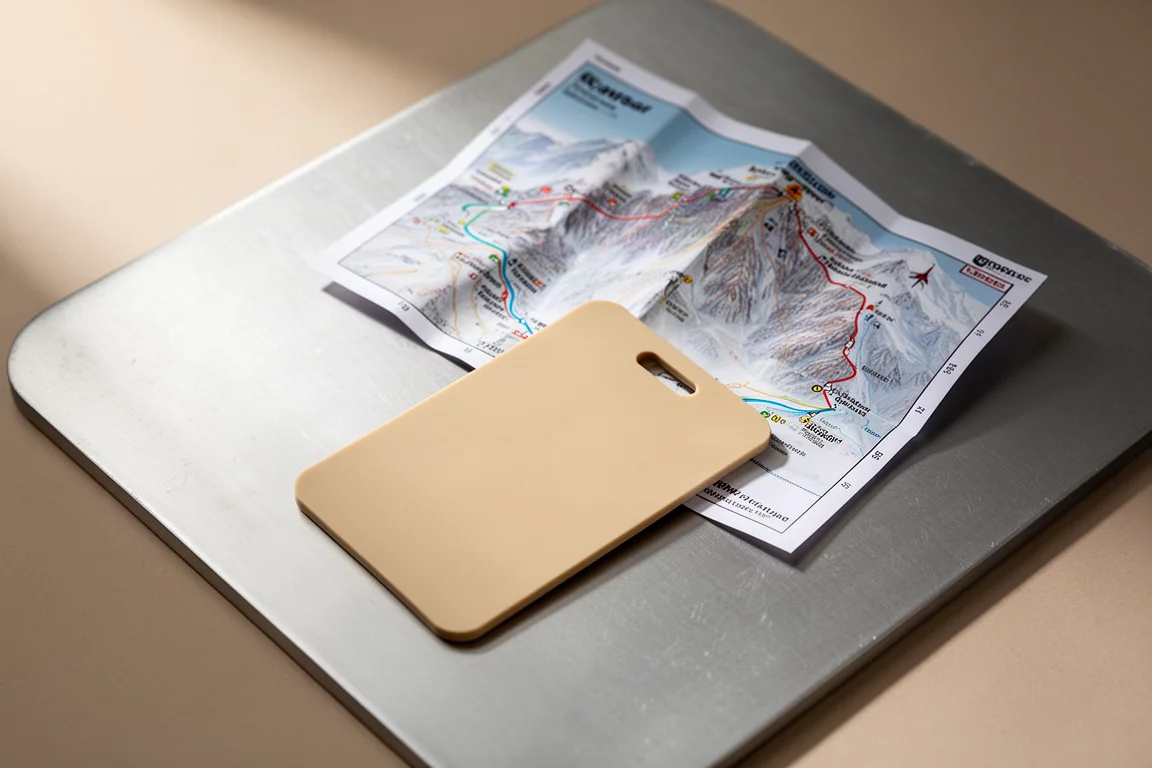
The Ikon Pass is a big reason Chamonix has grown in popularity with North Americans. Full Ikon Pass holders get 7 days of access to share across Les Grands Montets, Les Houches, Flégère, Brévent, and Le Tour, while Base and Base Plus holders get 5 days. With the exception of Les Houches, Ikon guests can go straight to the lifts without activating the pass at a ticket window, and there are no holiday blackouts on the Base pass products. Note that Le Savoy, the Aiguille du Midi tram network, and the alpine railway systems around the region are not included and must be purchased separately, and Chamonix is not included on the day-ticket-style Ikon Session Pass.
Pass Options: Mountain Collective Pass
Mountain Collective passholders get 2 days in the Chamonix valley plus 50% off the lift ticket rate for any additional day. Unlike the Ikon Pass, and with the exception of Le Savoy, the Aiguille du Midi tram network and the regional alpine railways are included on the Mountain Collective Pass, which makes it the more complete option for visitors who want to ride the famous tram. The same rule of thumb applies as with Ikon: these multi-resort passes are really only worth getting if you plan on doing a week or more at ski resorts in North America as well.
Buying Advice: Which Pass Makes Sense
Chamonix Mont Blanc is not for those looking for the biggest skiable footprint or the nicest restaurants, but if you want to ski or ride some of the most stunning slopes in the world and love your mogul terrain, few destinations can match it. If you are visiting only Chamonix, buy the Mont Blanc Unlimited ticket and add the on-mountain insurance add-on. If you also have a North American trip planned that uses the Ikon Pass or Mountain Collective Pass, work your Chamonix days into one of those instead, keeping in mind what each includes here. Skiers focused on challenging terrain should prioritize Les Grands Montets, especially once the replacement summit lift is installed in late 2025, while families and mixed-ability groups may find Les Houches and Flégère the most comfortable bases.
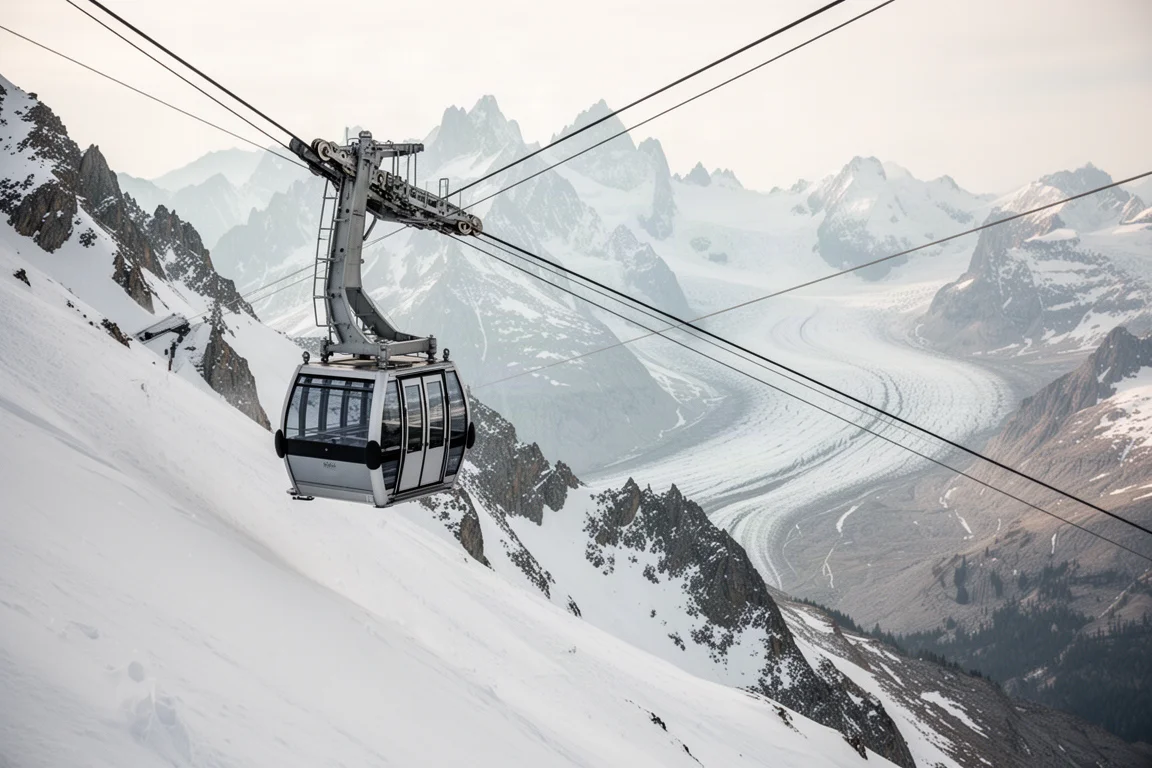
As of mid-2024, the individually scored resorts total 72 for Les Grands Montets, 63 each for Brévent-Flégère and Flégère, and 57 for Les Houches. Despite being smaller than competitors like La Vallée, Verbier, and Zermatt, the Chamonix resorts put up a compelling fight thanks to their stunning surroundings and demanding slopes, and with replacement lifts coming to Les Grands Montets the area could become even more competitive. Those looking for a family-friendly European destination with easygoing terrain may want to look elsewhere, but for everyone else the valley delivers.
Conclusion
The Chamonix Mont Blanc region trades continuous terrain and polish for scenery, variety, and genuinely demanding skiing. Pick the resort that matches your ability, time your visit around snow and crowds, and buy the pass that matches your broader trip. Do that, and it is hard to imagine a more rewarding alpine destination.
Further reading
Related Reviews
Ski Destinations
16 American Ski Resorts Ranked: From Park City to Snowbird
A season-long tour across 16 American ski resorts, ranked from worst to best, with honest notes on terrain, snow, crowds, and vibe at each one.
Ski Destinations
Andermatt-Sedrun-Disentis Review: Switzerland's Low-Key Epic Pass Resort
A wide, quiet Alpine ski region spanning three separate mountain zones, now on the Epic Pass. Here is how the terrain, snow, lifts, and village experience stack up.
Ski Destinations
The Best Ski Resorts in Western Canada, Ranked
We rank every major Canadian ski resort west of the Rockies, from Nakiska's day-trip convenience to Whistler Blackcomb's unmatched terrain diversity.