Mountain Bikes
Cello Z FS-5 Review: A Lightweight XC Race Bike Built for Climbs
A full-carbon short-travel cross-country race bike with a 1,700 g frame, 100 mm of RockShox travel and a very high top-build price. Here is what it does well and what to weigh up first.
Introduction
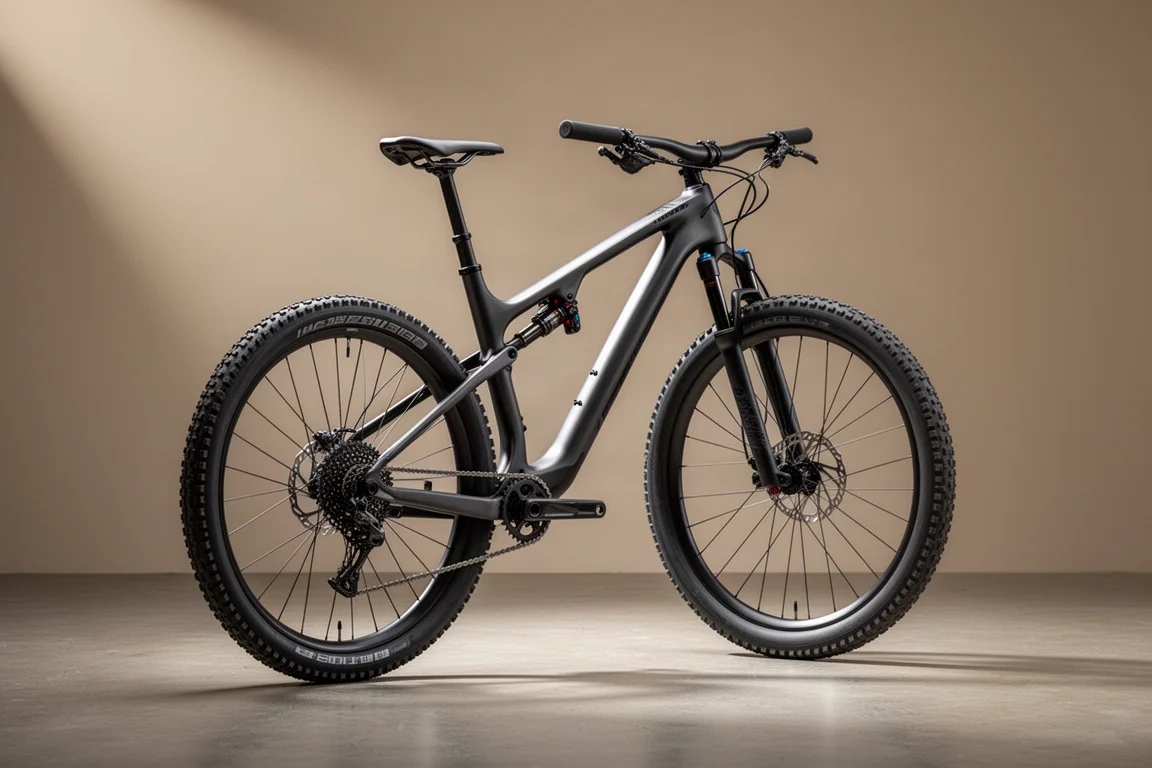
Cello has built its reputation on fast cross-country race bikes, and the Z FS-5 is its first serious short-travel full-suspension platform. The company has a lot riding on getting this one right, and the frame suggests the task was taken seriously: a full carbon front triangle and swingarm with an alloy linkage, and a claimed frame weight of around 1,400 g without the shock, rising to roughly 1,700 g with it fitted. That places it among the lightest frames in the category.

Travel is 100 mm front and rear, supplied by RockShox and controlled through a TwistLoc remote that opens and locks the suspension. The top build pairs that frame with SRAM XX SL AXS gearing, carbon Reserve wheels and a carbon seat post, handlebar and stem, and it weighed just over 10.5 kg in a size large. Price for that build sits around £15,000, while a second model using the same frame and swingarm with more affordable components starts from just over £5,000.
Who This Bike Is For
The Z FS-5 is aimed at riders who want to cover ground quickly: cross-country racers, marathon riders and fast trail riders who still want a bike that feels light under acceleration. The geometry is modern but deliberately measured rather than extreme, and it fitted a 181 cm rider well in a size large. Cello has not chased the most progressive numbers in the class, and for riders whose priority is fast riding and racing, that balance works well.
It is a less obvious choice for riders who want a relaxed trail bike. The short travel, race-focused position and carbon seat post point clearly towards speed rather than comfort on technical descents.
Main Strengths: Low Weight and Climbing Speed
Climbing is where this bike makes its case. The low weight and stiff frame combine to make it feel rapid on long, steady gradients and lively under power, and it flatters whatever fitness a rider brings to the climb. On loose, rocky, technical ascents it finds traction well and smooths out rough surfaces instead of jarring the rider around.
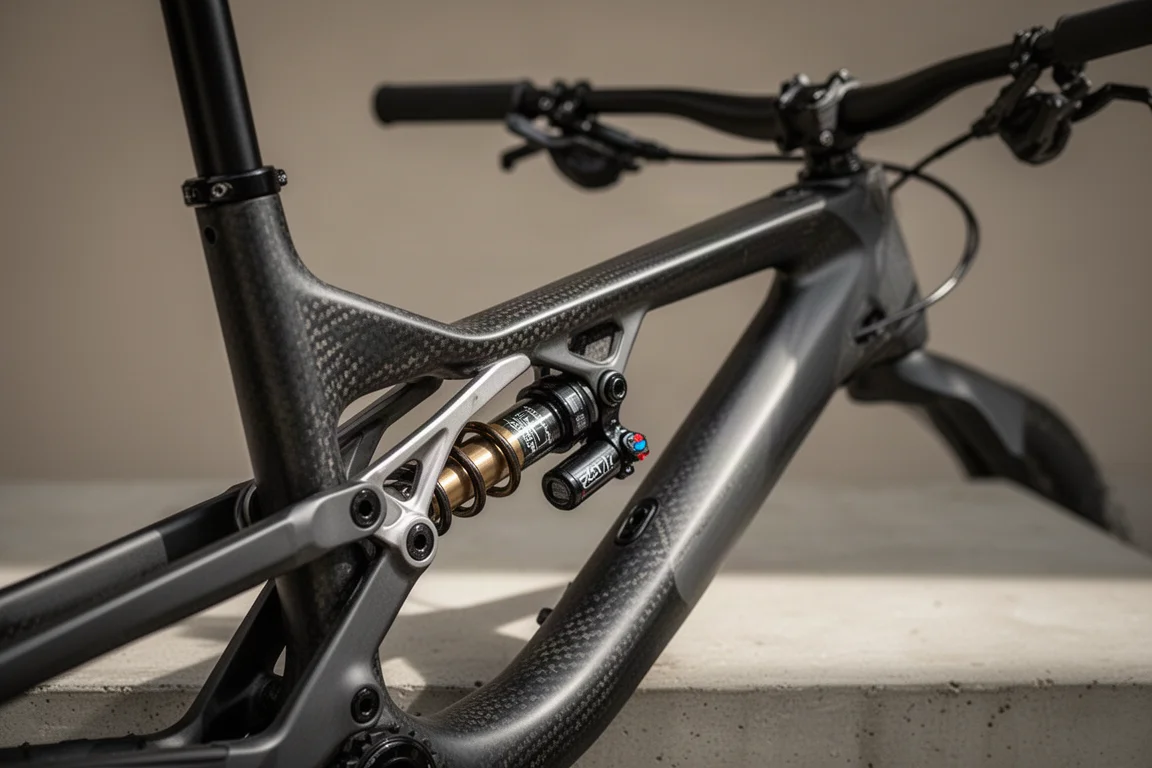
The suspension deserves much of the credit. It stays active over small bumps while keeping a taut, firm pedaling platform, so effort goes into forward motion rather than into bobbing. Riders can keep the system open almost all the time and save the lockout for road climbs and start-line sprints. Reach and seated position felt well judged, and composure through rough sections is a genuine strength.
In short, this is one of the fastest-climbing cross-country race bikes available, and climbing performance is the single best reason to consider it.
Suspension and Component Highlights
The RockShox setup with the TwistLoc remote is a highlight. Being able to switch between open and locked with a twist is genuinely useful, and the open setting is supple enough to leave engaged for most of a ride. Rear suspension feels more compliant than the firmer race setups found on some rivals, which pays off in both traction and comfort.
There are thoughtful frame details too: UDH compatibility, a chain retention device for the single-ring drivetrain, a threaded bottom bracket, room for two water bottles in the main frame, clearance for 2.4 in tires, and dropper post compatibility. Internal routing for the rear brake hose and the rear shock lockout cable is the one detail that draws a small mark against the frame.
The SRAM XX SL AXS wireless drivetrain shifts cleanly and quietly and feels light under hand, though shifts can occasionally take a moment longer than expected because the system waits for the cassette to be in the right position. For general trail riding that is easy to live with; in a race, a delayed shift is more noticeable. Carbon Reserve wheels and fast-rolling tires round out a build that feels quick everywhere.
Descending and Trail Manners
Descending is good rather than exceptional. The bike is quick, and the suspension works well, particularly when rear shock pressure is lowered to make it more supple and to use the built-in progression for mid-stroke support and bigger impacts. Geometry is generally well judged, with decent reach and an angle that is slack enough for the kind of riding the bike is designed for, even if it is not the slackest option available.
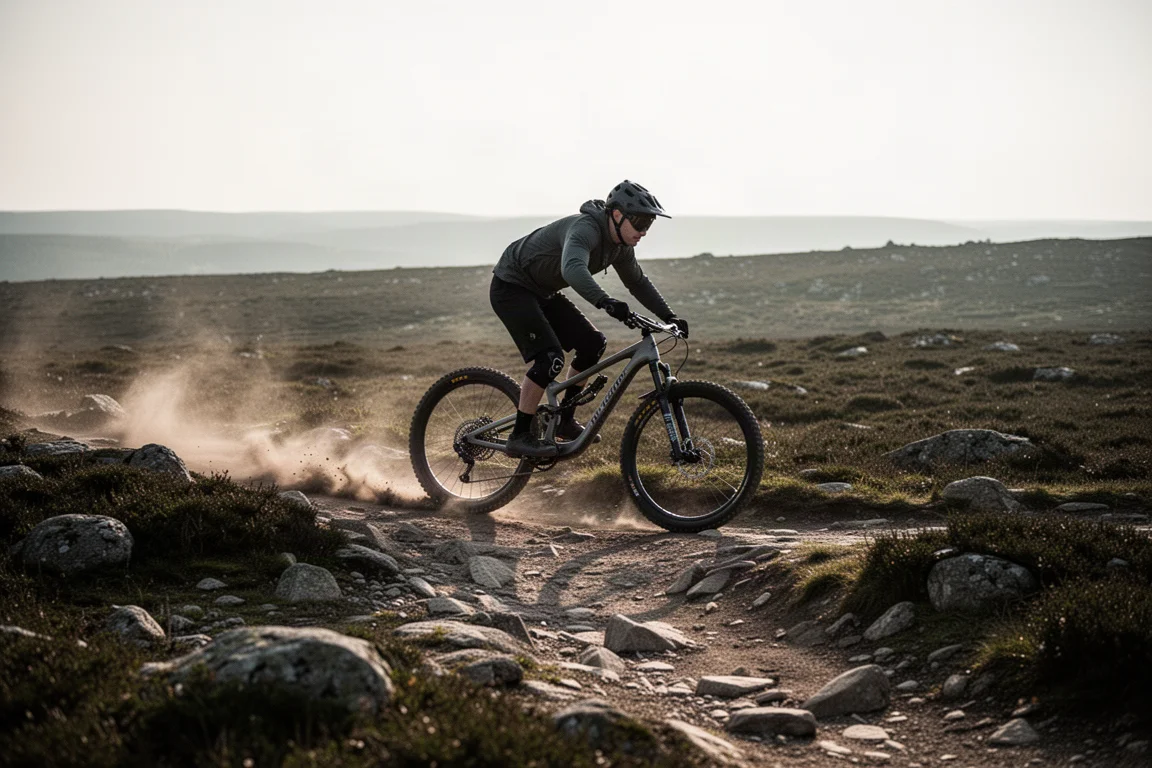
The most significant limitation on descents is the absence of a dropper seat post. The carbon post saves weight, but it leaves the rider without the ability to drop the saddle for steeper, rougher terrain, and that costs confidence when the trail points down. It is the first upgrade most riders would want to make.
Things to Consider Before Buying
The clearest consideration is price. The top build sits around £15,000, which buys an outstanding specification but is a serious outlay for a race bike, and it is a build that makes most sense for sponsored racers or riders with a generous budget. The model starting from just over £5,000 uses the same frame and swingarm with more affordable components and is likely to be the more sensible entry point for most buyers.
The lack of a dropper seat post matters on the race bike and, arguably more so, for trail riding. There is also a trail version of the bike that adds a dropper post, increases travel to 120 mm front and rear and runs bigger tires, which will suit downcountry and trail riders who still want a fast climber.
Buying Advice
If climbing speed is the priority, the Z FS-5 delivers it. The frame is among the lightest in the class, the suspension is active and efficient, and the component specification on the top build is excellent. Riders who race or who ride fast cross-country terrain will notice the difference immediately.
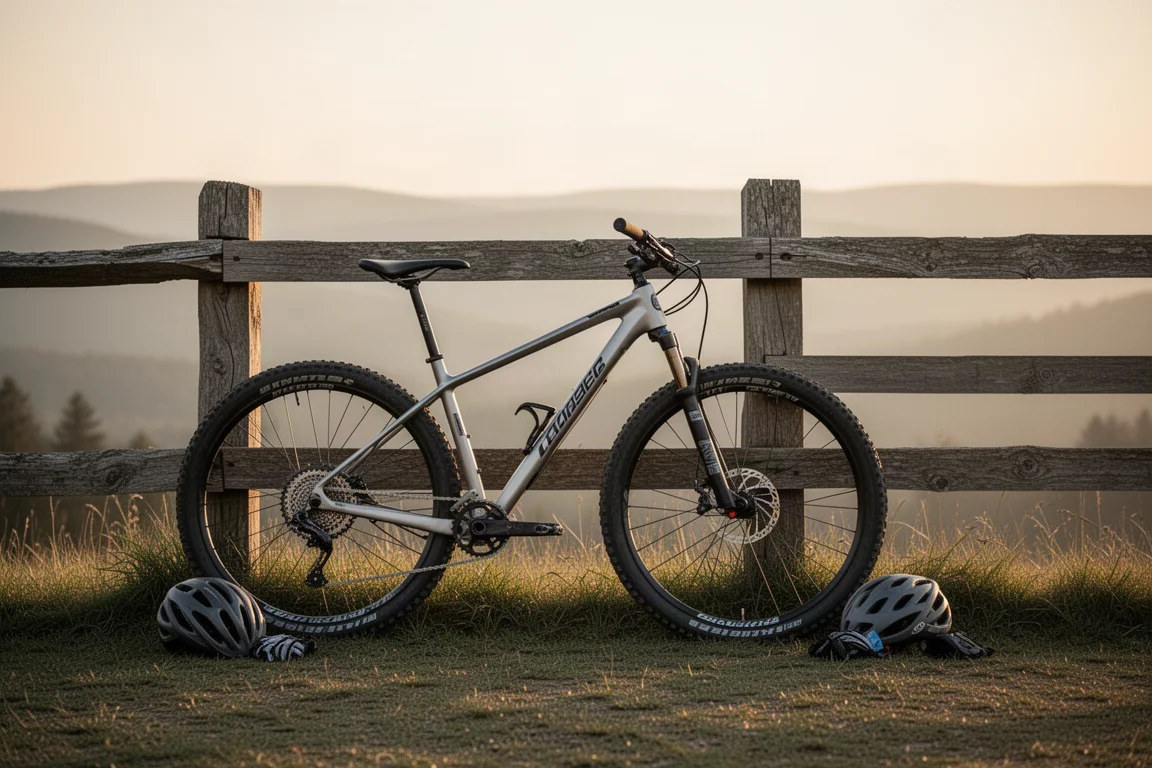
For most buyers, the lower-priced model with the same frame and swingarm is the smarter purchase, since the frame and suspension platform are what define the ride. Riders who want a dropper post, more travel and bigger tires should look at the trail version instead. Either way, the Z FS-5 is a credible first full-suspension effort and a bike worth shortlisting against other fast cross-country options.
Conclusion
Cello’s first foray into short-travel full suspension has paid off. The Z FS-5 is light, exceptionally quick uphill and impressively efficient, and the suspension is more compliant and forgiving than many firm-feeling race bikes. Descending performance is solid rather than class-leading, and the missing dropper post is a real limitation, but for riders who want a rocket on the climbs and have the budget, this is a genuinely impressive machine.
Product link
View more details for Cello Z FS-5
This product is mentioned in the review. Check the specifications, options, and compatibility before buying.
View more details for Cello Z FS-5Further reading
Related Reviews
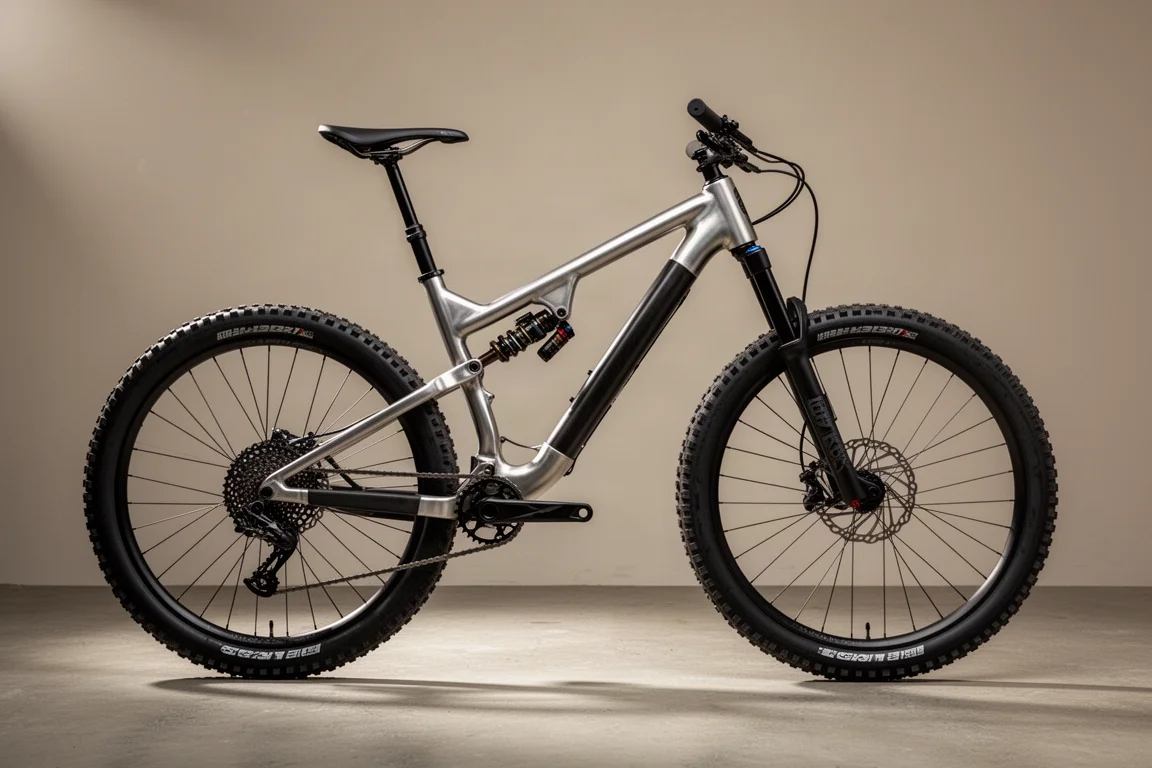
Mountain Bikes
Atherton AM.130 Review: 3D-Printed Titanium Lugs and a 130mm Trail Bike That Descends Like a Bigger Machine
The Atherton AM.130 pairs 3D-printed titanium lugs with carbon tubes and a DW6 suspension platform. Here is how it rides, what the build delivers, and who it suits.
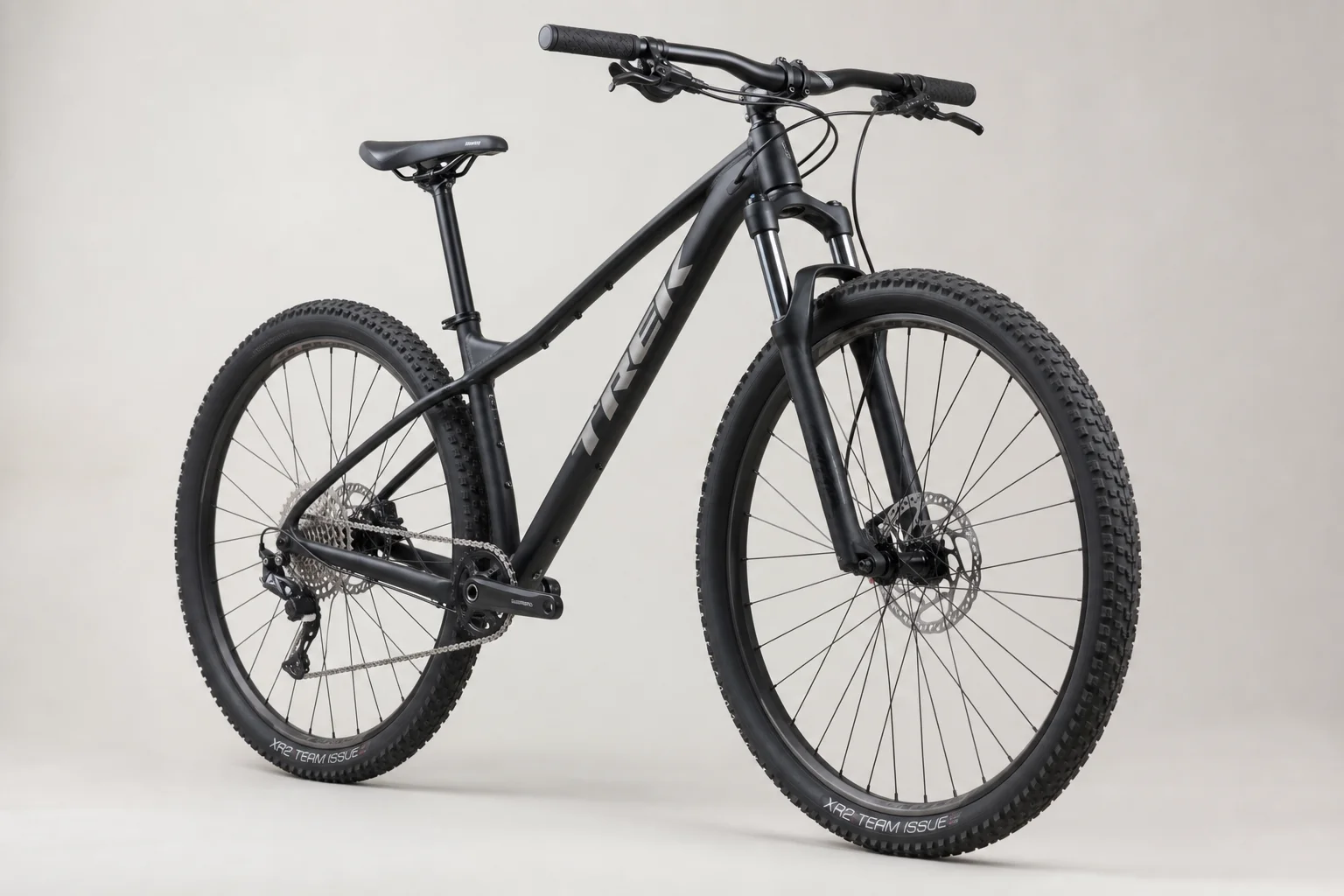
Mountain Bikes
Beginner Mountain Bike Buying Guide: What to Look For in a Trailworthy Hardtail
A practical framework for evaluating beginner mountain bikes, whether new or used, by examining key components that indicate real trail capability.
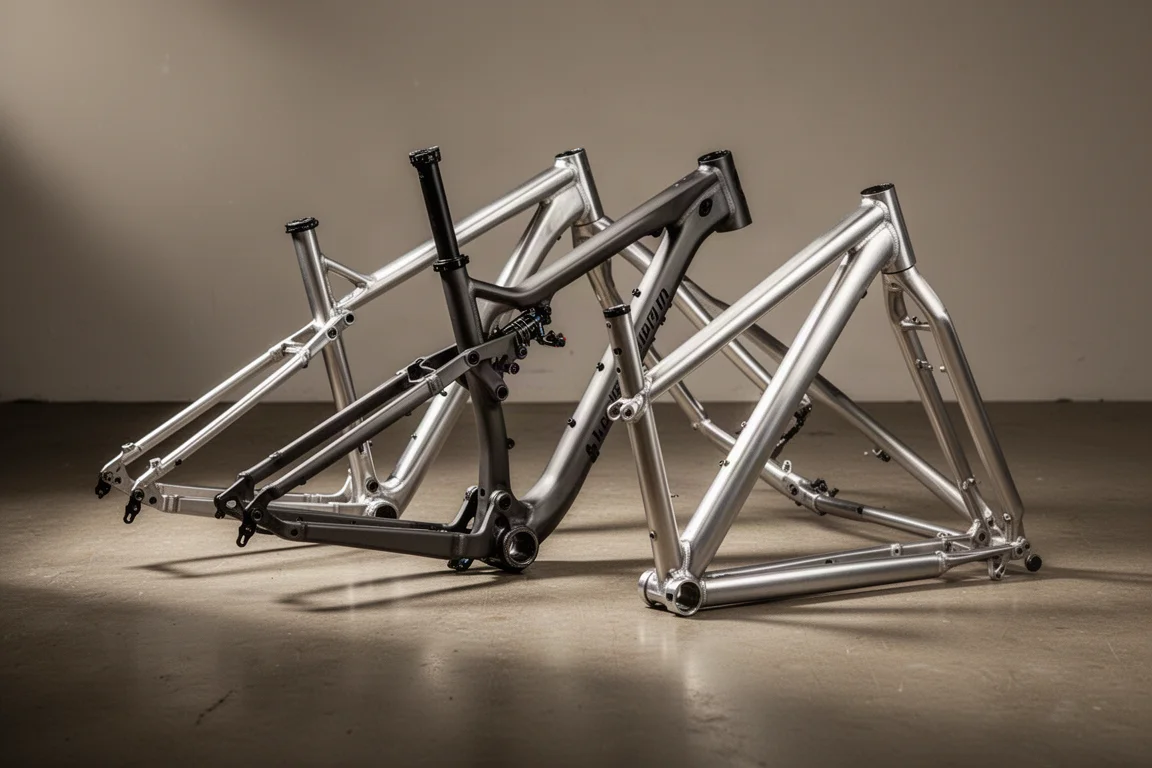
Mountain Bikes
Best Aluminum Mountain Bikes 2026: Five Alloy Bikes Worth Your Attention
Five aluminum mountain bikes that show how far alloy has come, from a 120mm trail bike and a versatile machined frame to a 180mm freeride machine.