Trail Cameras
Cell Camera Buying Guide: Six Essential Things to Know Before You Buy
Understanding cellular trail cameras requires knowledge beyond standard SD card models. Learn the key technical and practical considerations before purchasing.
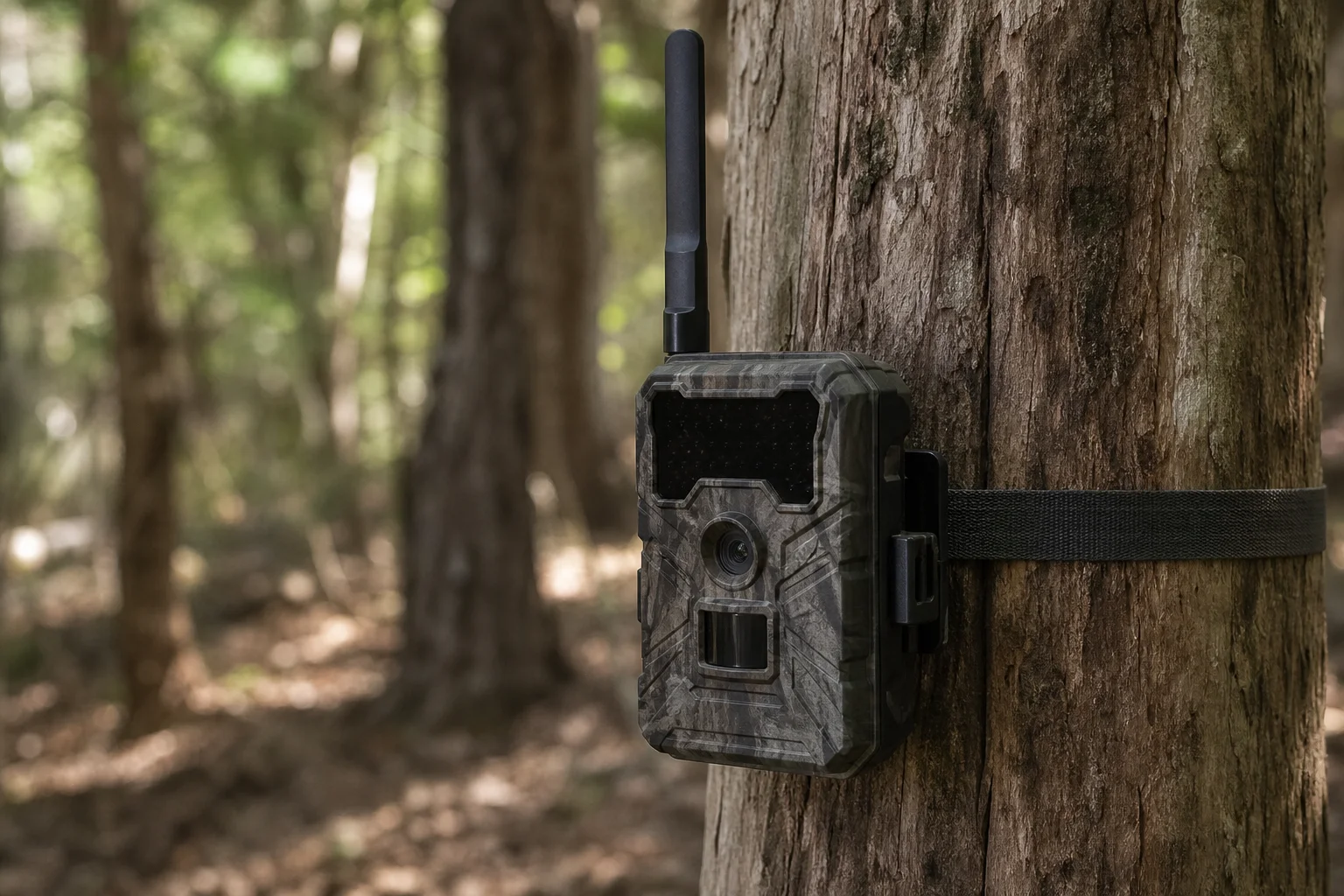
Introduction
Cellular trail cameras have become increasingly popular among hunters and wildlife enthusiasts, but they operate differently from traditional SD card models. Before investing in a cell camera system, understanding six key technical and practical considerations will help you make an informed decision and avoid costly mistakes.
Your Phone Carrier Does Not Matter
One of the most common misconceptions about cell cameras is that you must match your camera to your personal cell phone provider. This is incorrect. Your personal phone carrier has no bearing on which cell camera you should purchase.
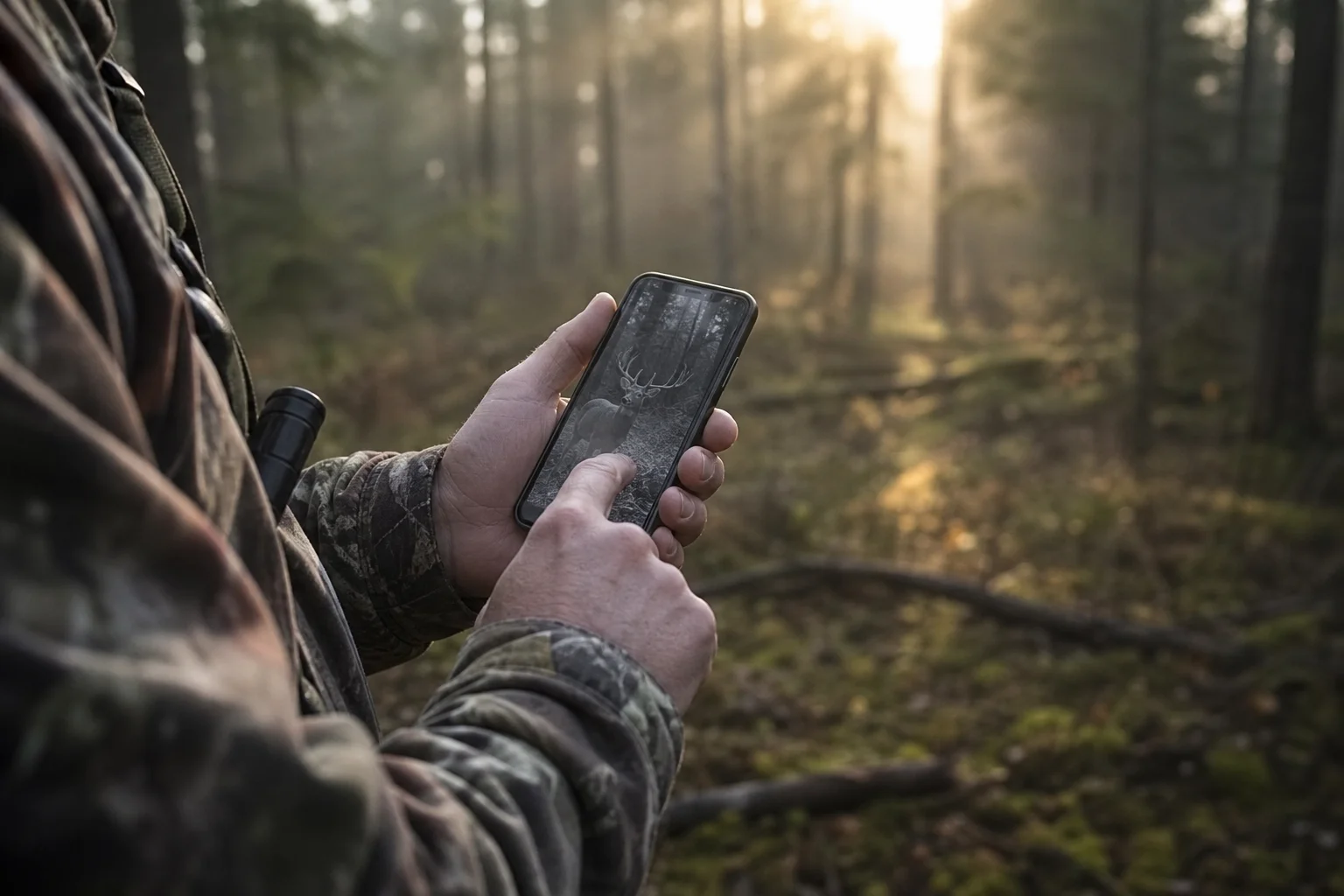
Instead, choose a cell camera based on which cellular network has the strongest signal at the specific location where you plan to mount the camera. If your property has excellent AT&T coverage but you personally use Verizon, purchase an AT&T-compatible cell camera. The camera will transmit data over whichever network is strongest in that area, just as your phone can send messages and calls to anyone regardless of their carrier, as long as cellular signal is present.
Cell Signal Is Required
Cell cameras are cellular devices, which means they cannot function without cell signal in the area where they are deployed. A common misconception is that the external antennas on cell cameras allow them to receive better signal than a standard smartphone. This is not true.
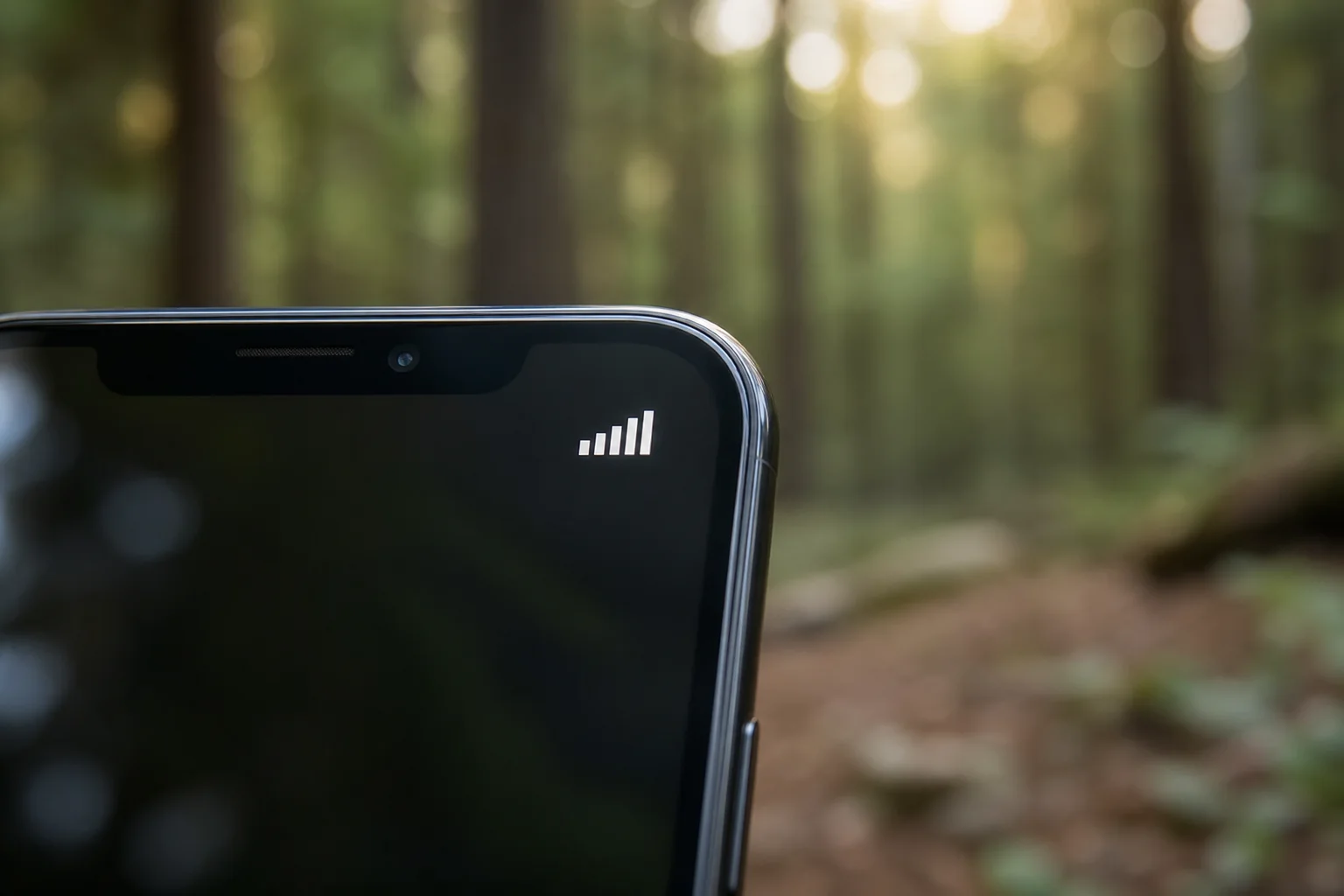
All cellular cameras must pass network certification requirements set by carriers such as Verizon, AT&T, and US Cellular. These certifications establish strict parameters for signal reception and data transmission. A cell camera cannot transmit data without adequate cellular coverage, regardless of antenna size. If your location lacks cell signal, a cell camera will not work. In these situations, a traditional SD card camera remains the only viable option.
Operating Costs Are Reasonable
Many potential buyers worry that cell cameras are too expensive to operate. While data plans do add ongoing costs compared to SD card cameras, the actual expense is modest when you consider the time savings.
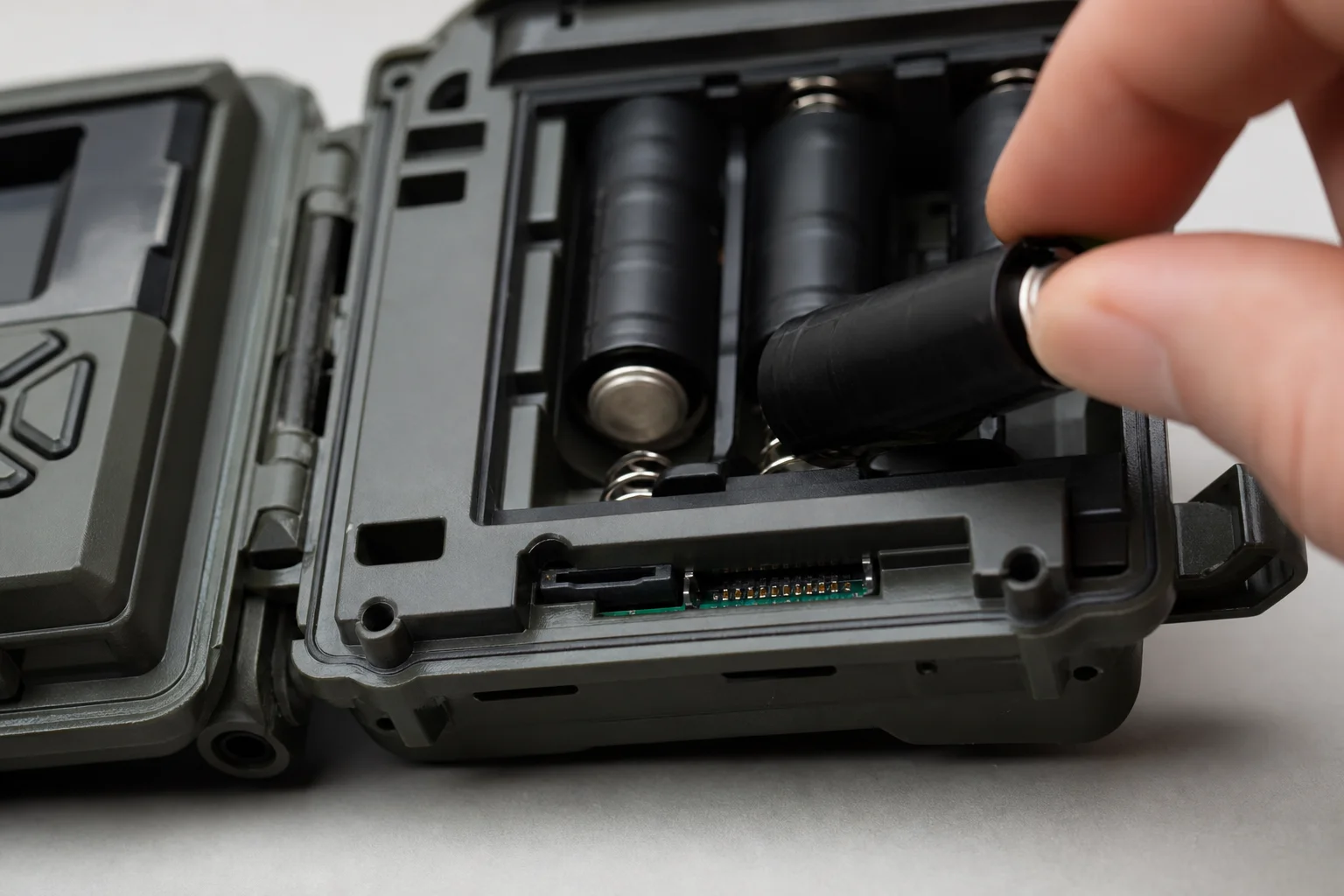
A typical data plan for a cell camera costs between ten and twelve dollars per month for a three to four month hunting season, totaling under fifty dollars annually. You will need one set of batteries, one external power source, and one SD card per camera. The initial upfront cost is slightly higher than an SD card camera, but the convenience of remote monitoring without repeated site visits makes the investment worthwhile. Calculate your own time value to determine if the cost aligns with your needs.
Data Plan Management Varies by Brand
Data plans are one of the most important considerations when selecting a cell camera system. Plan structures differ significantly between manufacturers, so understanding how your chosen brand handles data is essential.
Some systems require individual data plans for each camera, which becomes complicated and expensive as you add more cameras to your setup. The Exodus Render uses a more practical approach: a single shared data plan encompasses all of your cameras. You pay a line fee per camera per month, then purchase one pool of data that covers transmission for all cameras in your system. As you add more cameras, the per-camera cost actually decreases. This consolidated approach keeps all your cameras in one place on one data plan, eliminating the headache of managing dozens of separate subscriptions.
Image Quality Meets Expectations
Cell cameras transmit compressed images to your phone to conserve data, which can make photos appear less sharp when scrolling through social media. This does not reflect the actual capability of the cameras.
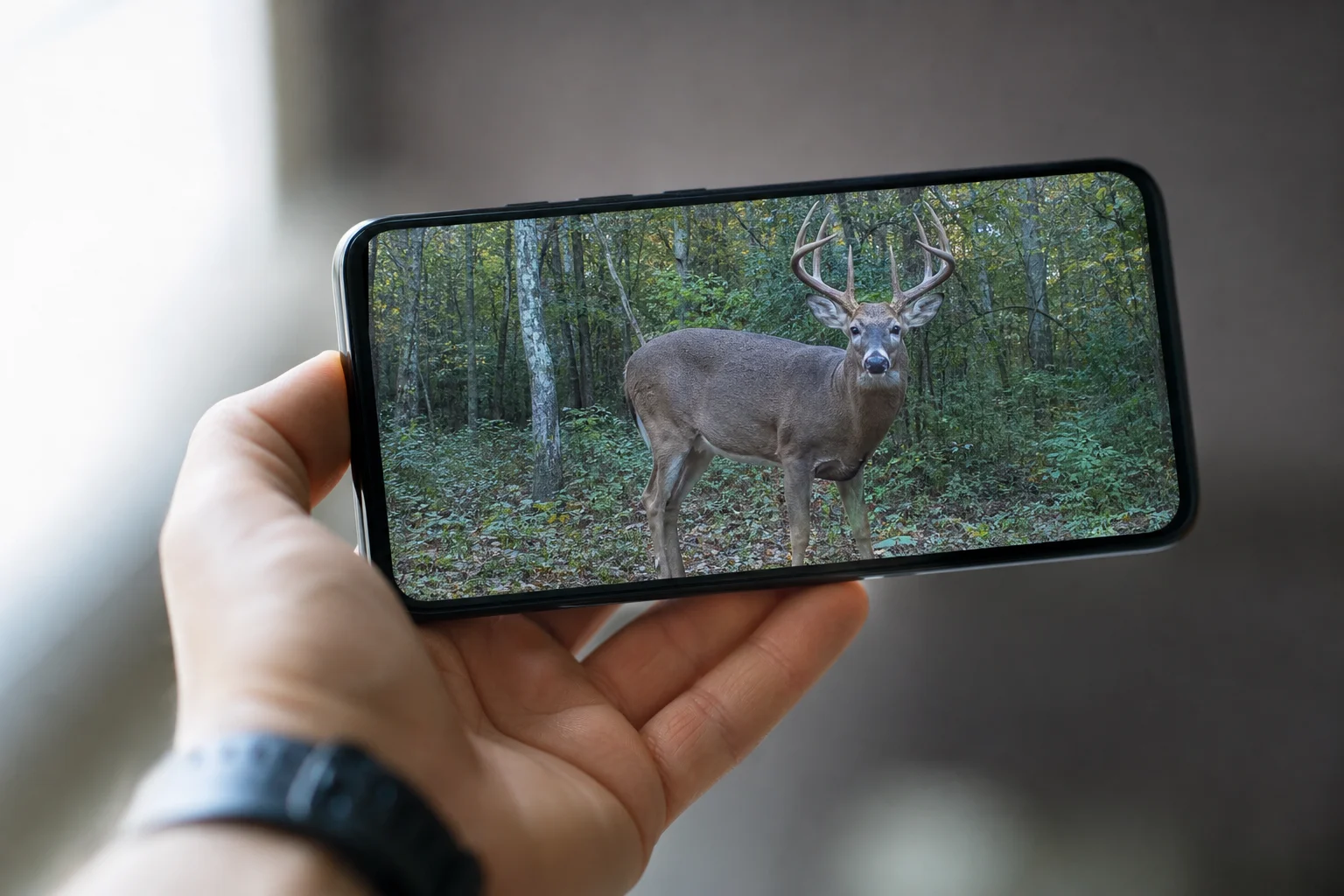
Cell cameras store full-resolution images on their internal SD cards, identical to traditional SD card cameras. You can request high-definition images directly from the SD card, which will send you the complete, uncompressed, crystal-clear photo. Alternatively, all photos are automatically stored on the SD card inside the camera at full resolution, so you always have access to beautiful, detailed images even though the transmitted preview images are compressed for data efficiency.
Conclusion
Cell cameras offer genuine advantages for remote wildlife monitoring, but they are not a direct replacement for every situation. Understanding signal requirements, data plan structures, operating costs, and image transmission methods will help you determine whether a cell camera system makes sense for your property and hunting strategy. If your location has adequate cellular coverage and you value the convenience of remote monitoring, a cell camera can be a worthwhile investment.
Product link
View more details for Exodus Render
This product is mentioned in the review. Check the specifications, options, and compatibility before buying.
View more details for Exodus RenderFurther reading
Related Reviews

Pickleball Paddles
2025 Paddle Awards: The Best Pickleball Paddles of the Year
A category-by-category breakdown of the best pickleball paddles of 2025, covering value, control, all-court, power, and paddle of the year.
Automotive Accessories
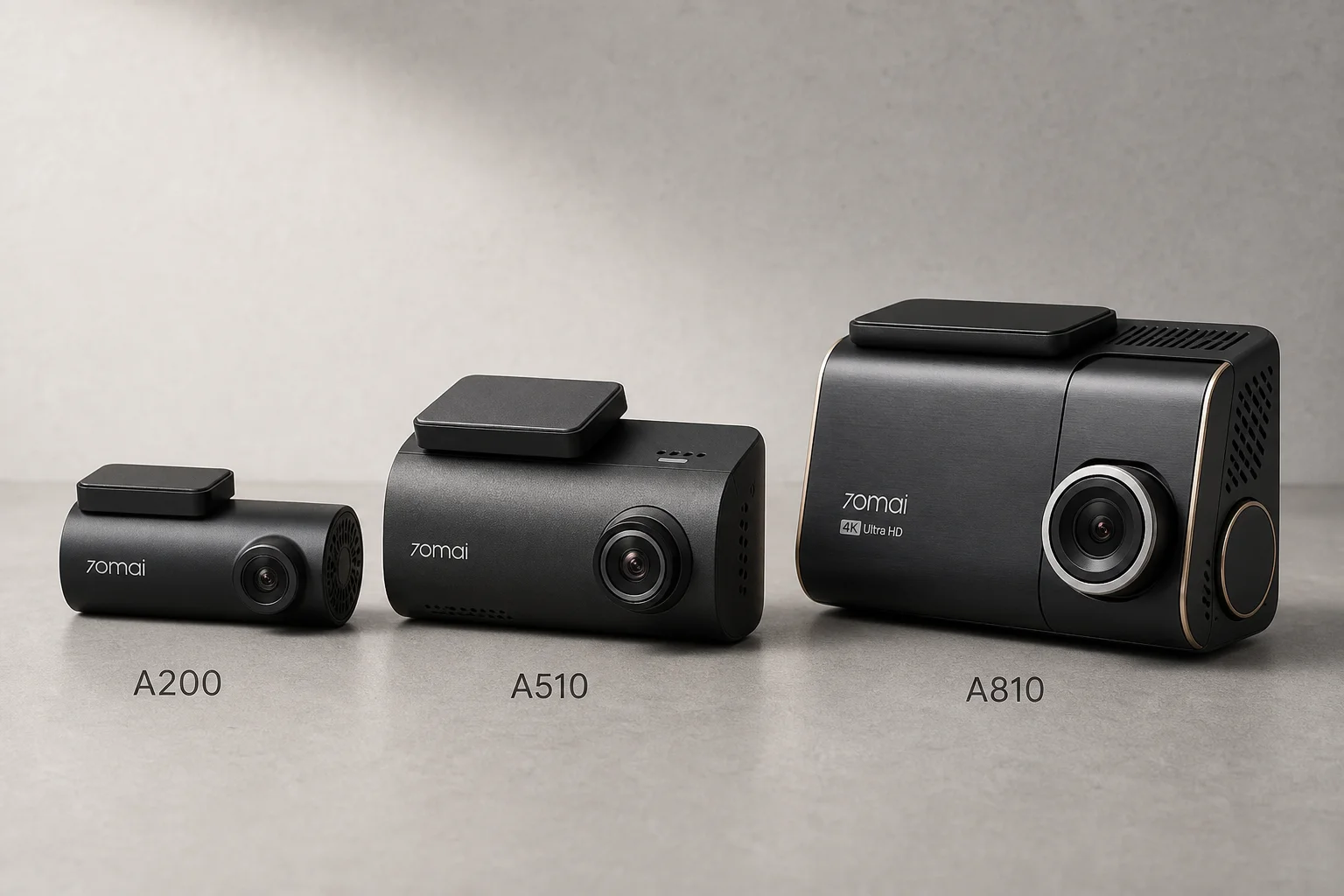
70mai Dash Cam Comparison: A200 vs A510 vs A810
Three dash cameras from 70mai across different price points reveal how resolution and sensor quality impact real-world footage clarity, especially for number plate visibility and low-light performance.
Mobile Gaming Accessories
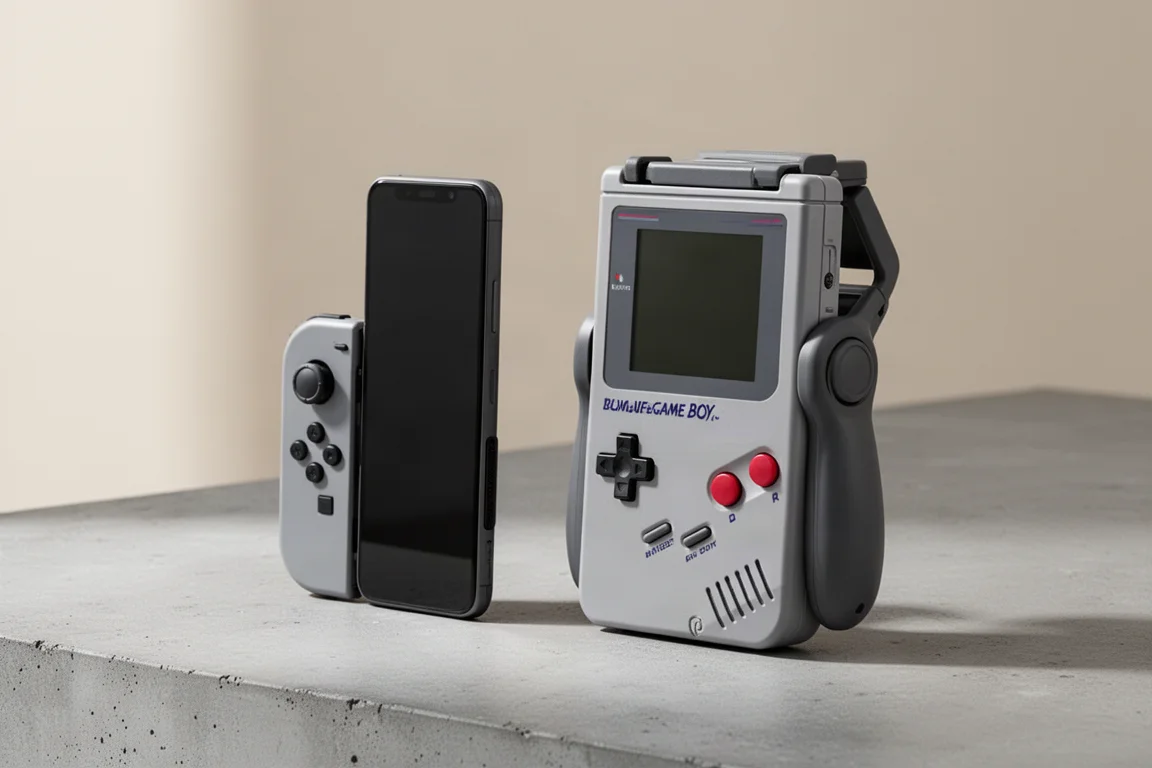
8BitDo FlipPad vs GameSir Pocket Taco: Which Vertical Phone Controller Fits You Best?
Two compact vertical phone controllers with very different approaches to connectivity, controls, and everyday use. Here is how they compare across seven practical categories.