Smart Telescopes
Celestron Origin Mark II Review: A Smart Telescope With Serious Imaging Muscle
The Origin Mark II pairs a fast 6-inch RASA optical tube with full automation, making deep space imaging far more approachable without giving up control.
Introduction
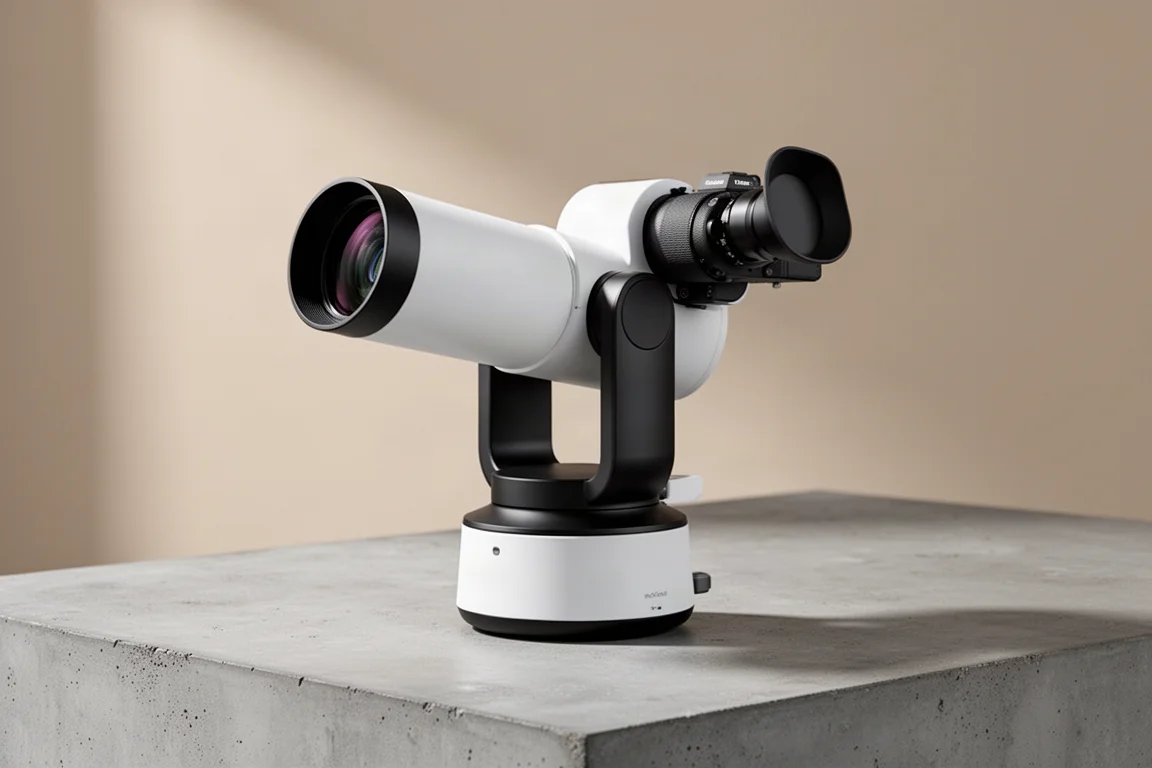
Most smart telescopes are small, portable, and beginner-friendly, which is great for casual stargazing. The Celestron Origin Mark II Intelligent Home Observatory takes that same smart telescope idea and adds serious aperture and optical power, aimed at people who want to take deep space imaging more seriously without losing the automated experience.
Who This Telescope Is For
At the heart of the system is a 6-inch Rowe-Ackermann Schmidt Astrograph, more widely known as a RASA, with a very fast F2.2 focal ratio. That optical design collects a lot of light quickly, which is exactly what you want when capturing faint deep space objects like nebulae and galaxies.
The Mark II comes with an upgraded Origin 678C 8.4 megapixel camera, delivering sharper resolution, better sensitivity, and a wider field of view than the original version.
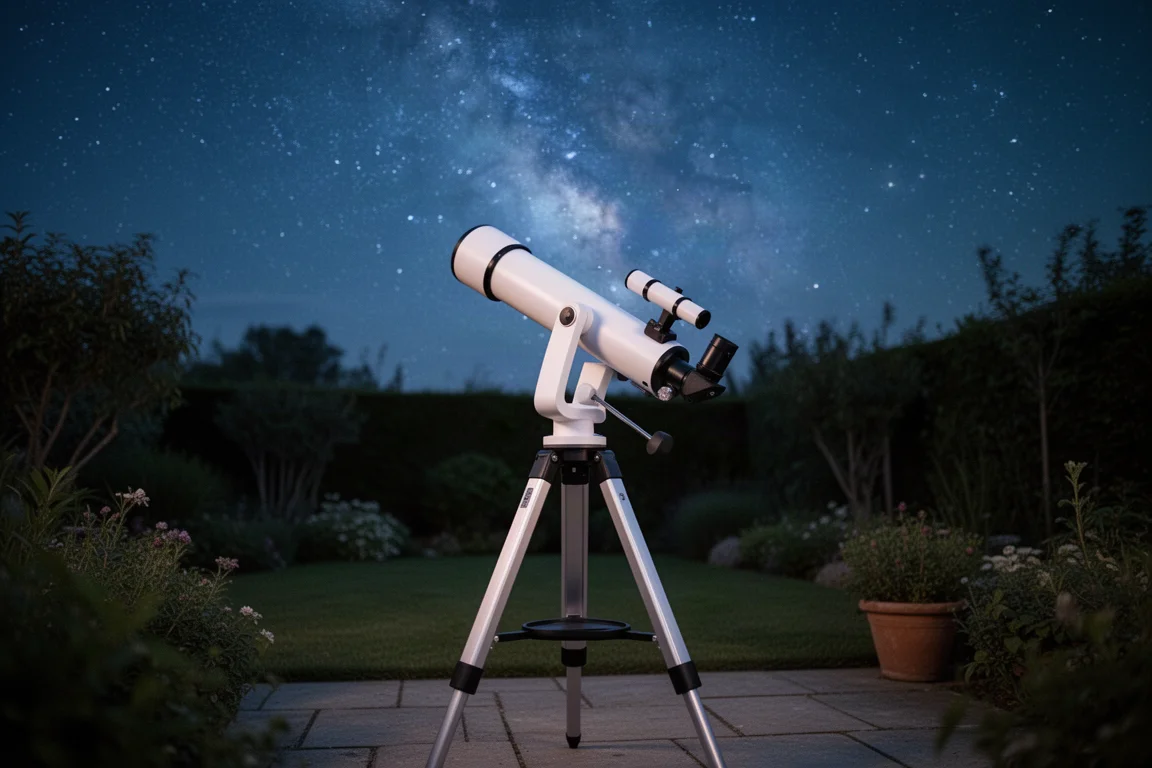
If you have outgrown entry-level smart scopes but still want a mostly hands-off workflow, this is the segment the Origin Mark II is built for.
Main Strengths
Setup is genuinely simple. You place the telescope outside, power it on, and connect through the Celestron Origin app. From there, StarSense technology automatically scans the sky, focuses, and aligns itself, and the scope can be ready to start imaging in under two minutes.
Tap your target in the app and the Origin centers it, tracks it, and starts capturing. As data comes in, the built-in processing stacks and improves your images in real time, so you can watch galaxies and nebulae come to life on your phone or tablet.
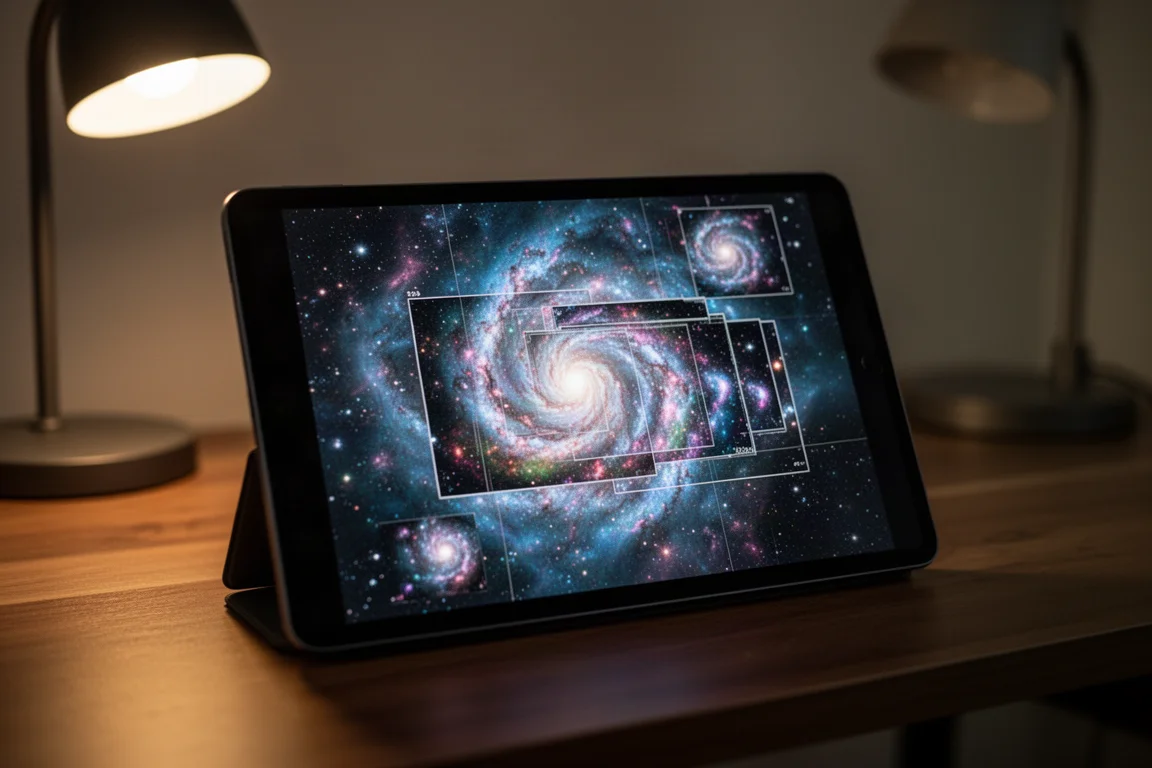
Unlike many entry-level smart telescopes, the Origin also gives you more control over the imaging process, with additional settings and customization options as you grow into the hobby.
Things to Consider Before Buying
The main trade-off is scope and commitment. This is a larger, more capable instrument than a typical portable smart scope, and it rewards owners who actually want to work with deep space targets over time.
If you want to go deeper later, you can download the raw image files onto a thumb drive for more advanced processing, so there is room to grow beyond the app’s automatic output.

Budget is the other consideration: with this level of aperture, optics, and automation, the Origin Mark II sits well above entry-level smart telescopes in cost, so it makes sense primarily if deep space imaging is a long-term interest rather than a casual experiment.
Buying Advice
The Origin Mark II makes sense when you want the ease of a smart telescope but the speed, aperture, and image quality to take deep space imaging seriously. It keeps the experience easy and automated while leaving the door open for manual control as your skills develop.
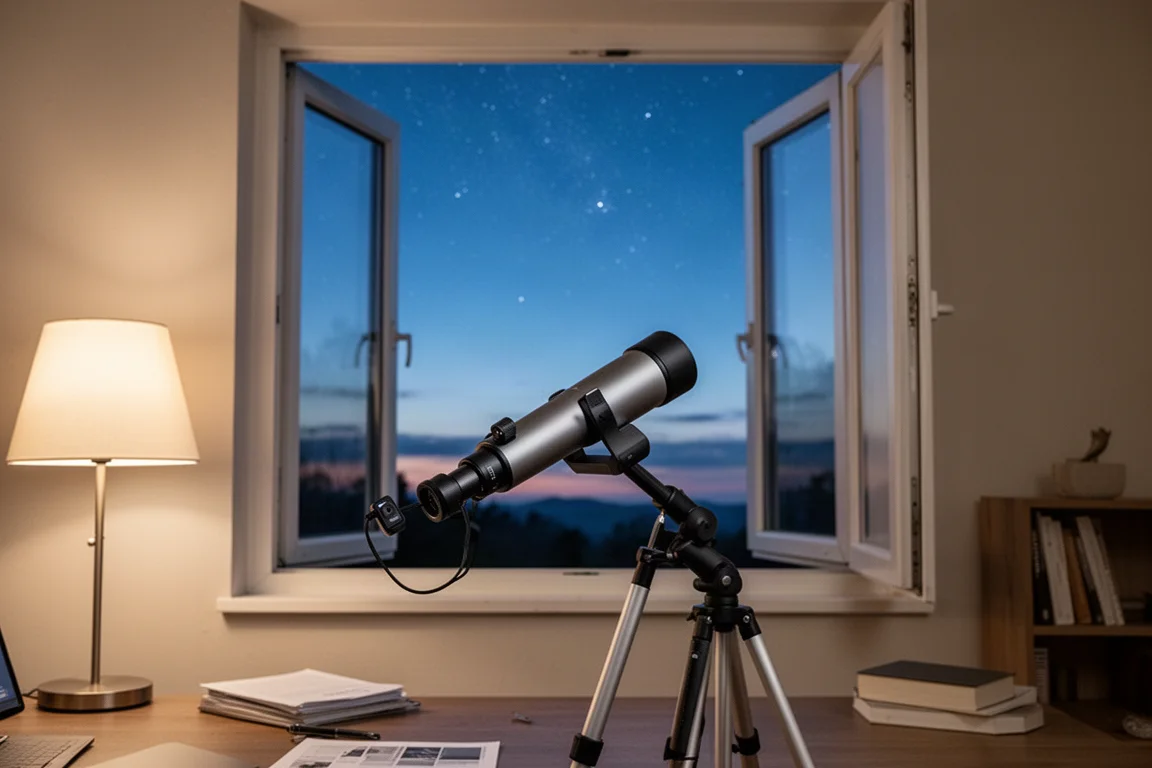
If you are primarily after quick moon and planet looks from the backyard, a smaller smart scope may be enough. If faint nebulae and galaxies are the goal, the fast F2.2 RASA optics and real-time stacking are what set this apart.
Conclusion
The Celestron Origin Mark II Intelligent Home Observatory is a smart telescope with real imaging muscle. It automates nearly everything, from sky scanning to focus and alignment, yet still gives you the aperture, camera, and processing depth to grow into serious astrophotography.
Product link
View more details for Celestron Origin Mark II Intelligent Home Observatory
This product is mentioned in the review. Check the specifications, options, and compatibility before buying.
View more details for Celestron Origin Mark II Intelligent Home ObservatoryFurther reading
Related Reviews
Smart Telescopes
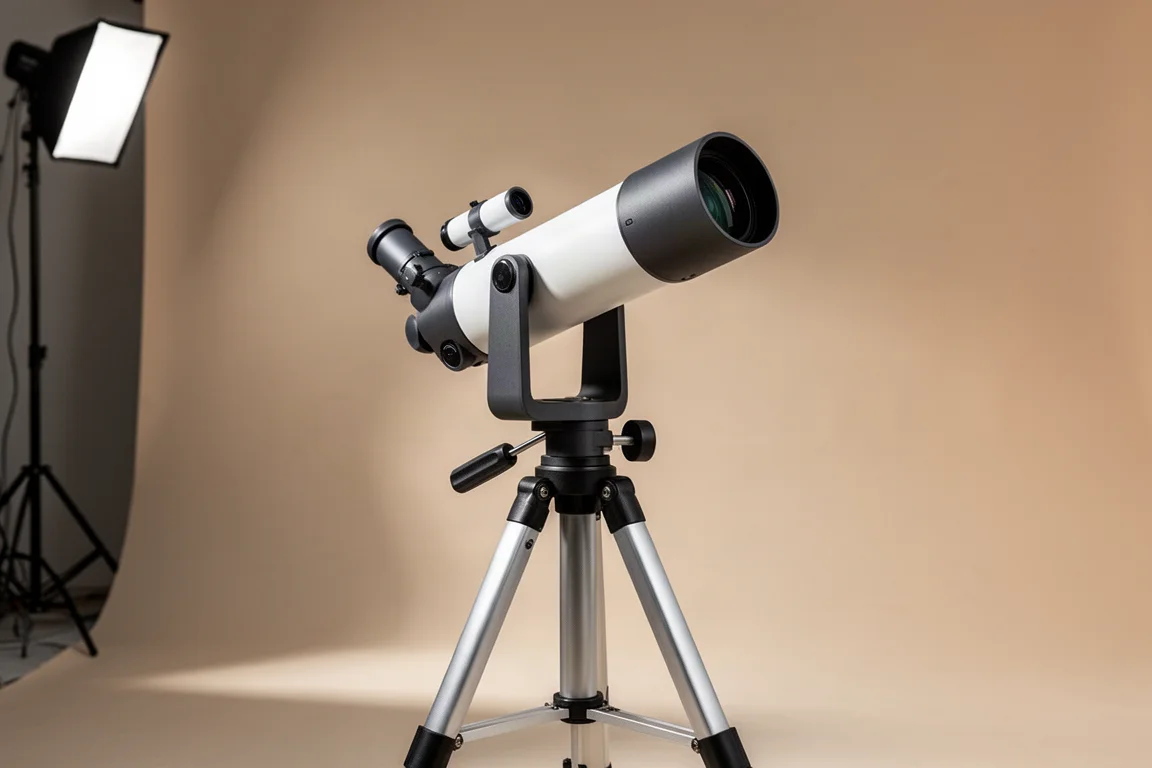
Vaonis Vespera 3 Review: A Premium Smart Telescope With Excellent Optics
A detailed look at the Vaonis Vespera 3 smart telescope, covering its standout hardware, impressive multi-night observations, and the software trade-offs to weigh before buying.
Smart Telescopes
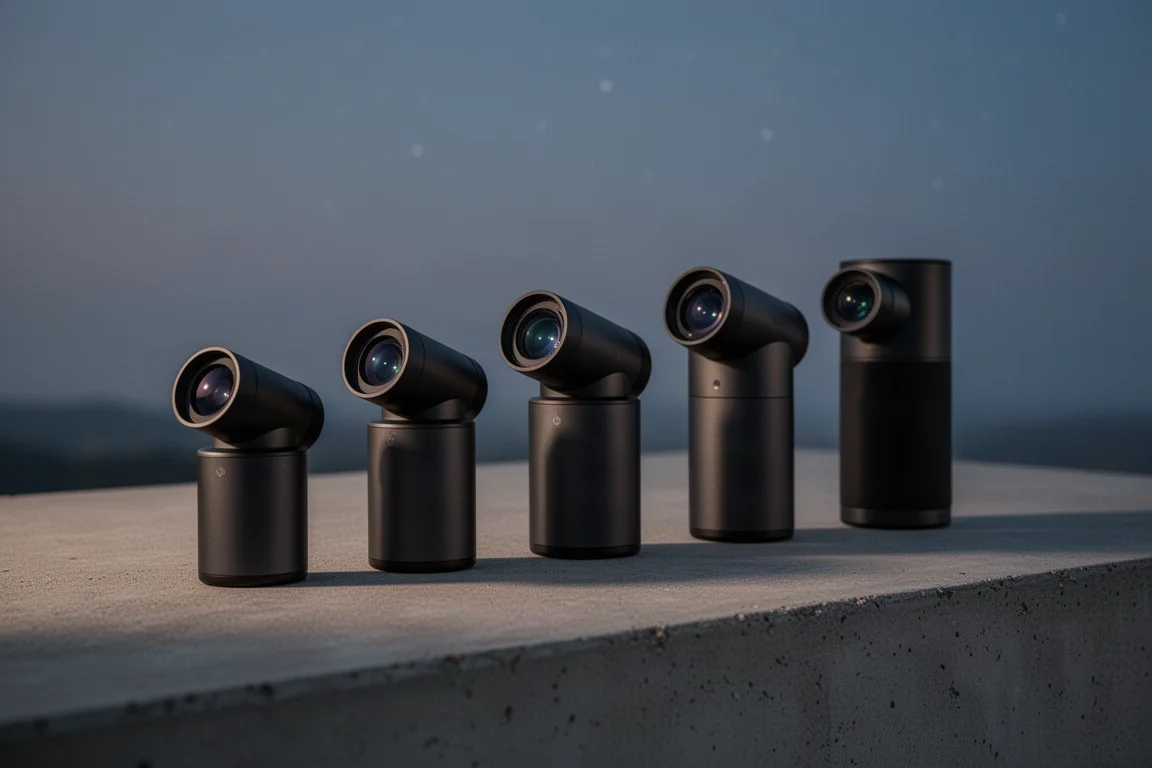
Best Smart Telescopes Compared: Seestar S50 Pro, S50, S30 Pro, S30, and Dwarf Mini
Five of the most popular smart telescopes tested side by side in the desert: what they share, how they differ, and which one suits your budget and targets.
Smart Telescopes
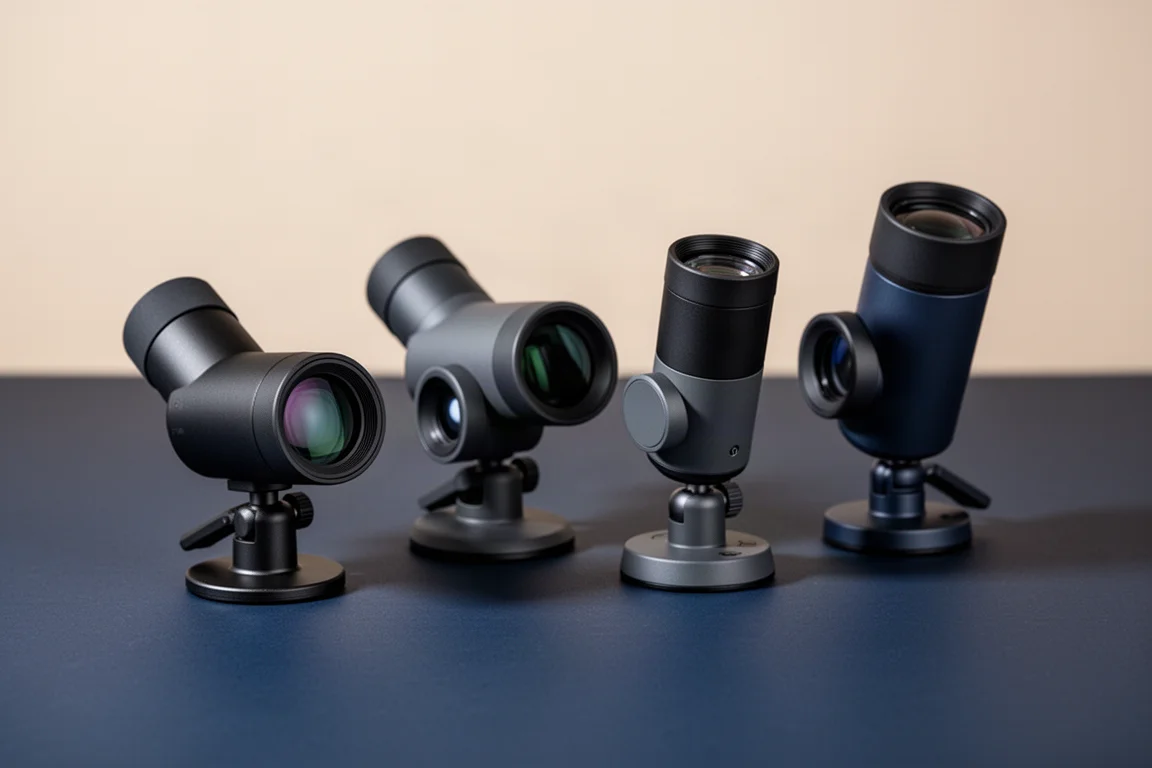
Best Smart Telescopes: Four Scopes That Make Astrophotography Easy
Four smart telescopes that put detailed, color-rich night sky photos within reach of complete beginners, from ultra-portable to full home observatory.