Hi-Fi Audio
CD Player Roundup: Marantz CD60, Model 40n, Rotel CD11 Tribute, and Marantz CD63
Four CD players compared on sound character, headphone output, DAC quality, and everyday usability, with guidance on which presentation suits which listener.
Introduction
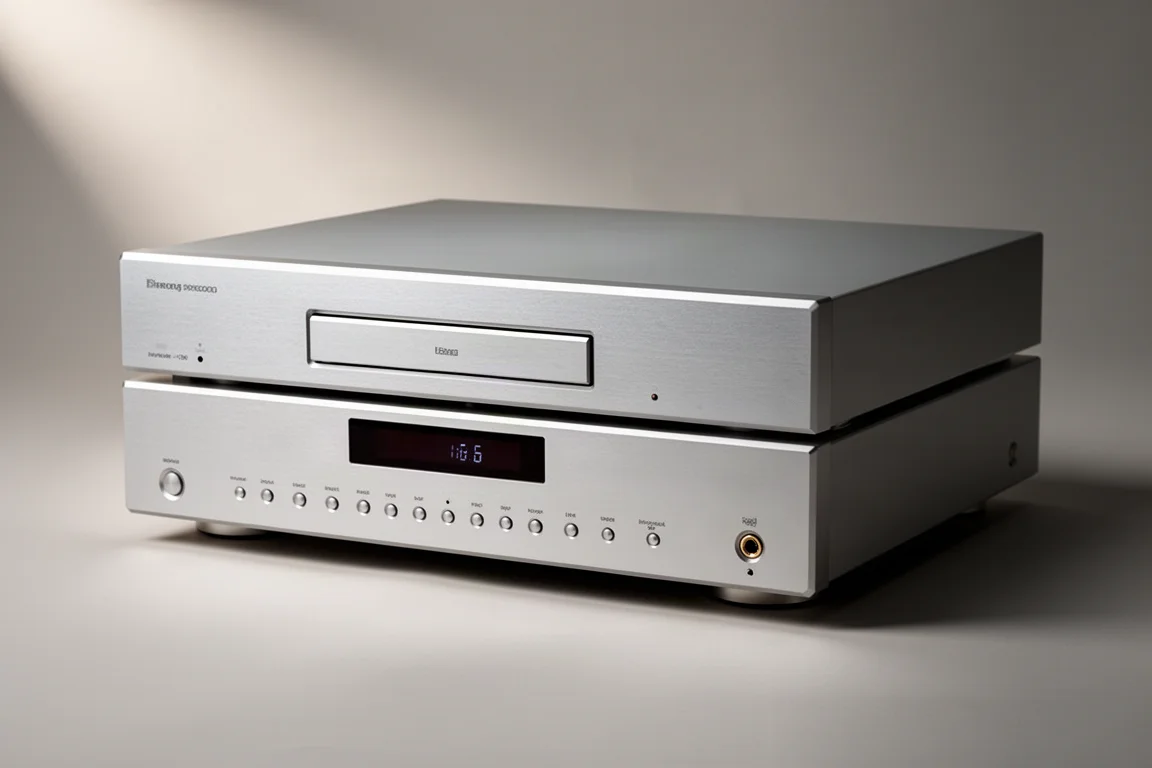
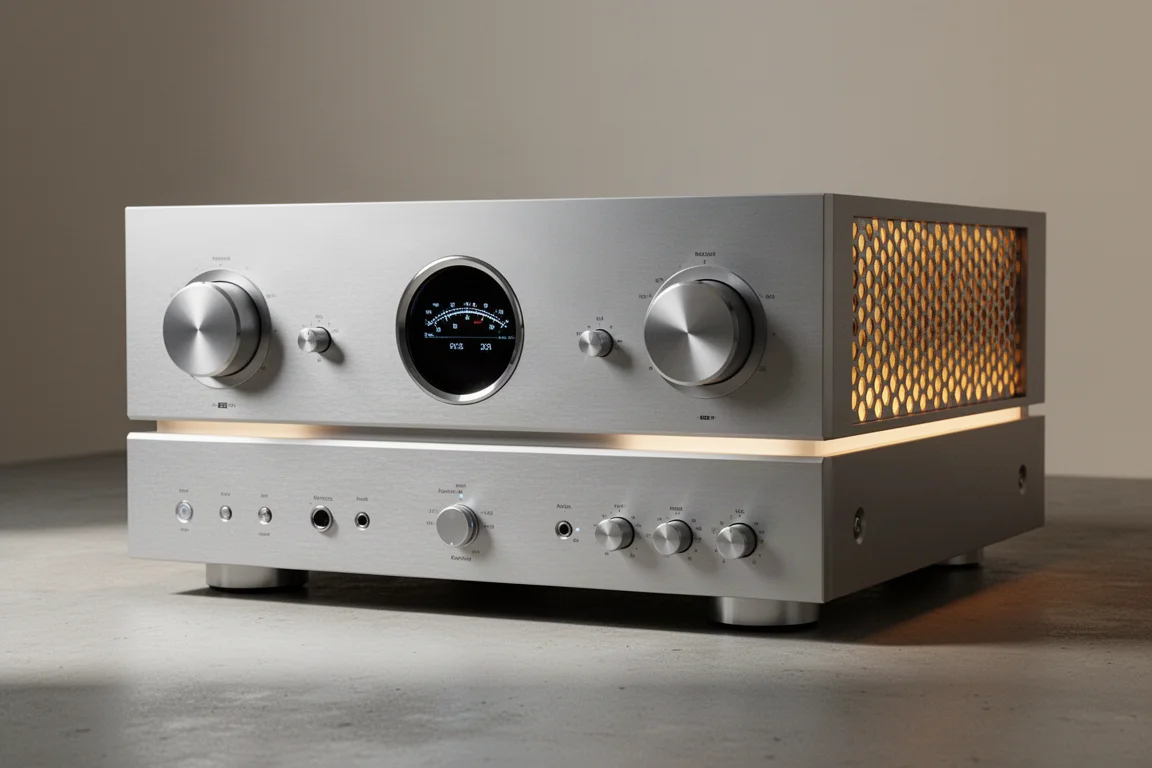
The Marantz CD60 is a compact disc player priced at roughly 900 euros, and it shares a family look with the Marantz Model 40n streaming amplifier, which sells for roughly 2,500 euros. The resemblance is mostly cosmetic. The amplifier weighs 17 kg, while the CD60 comes in at 7.5 kg, and the two diverge sharply once you listen to them.
This roundup places the CD60 next to the Model 40n, then widens the frame to two more disc spinners: the Rotel CD11 Tribute, which sits under 1,000 euros, and an early-1990s Marantz CD63 brought in as a thirty-year-old point of reference. Each player has a distinct presentation, a distinct feature set, and its own practical trade-offs.
How These Players Compare
Sound quality is the first axis, but the differences are not night and day. The DAC inside the CD60 came across as more convincing than the DAC inside the Model 40n when the amplifier was fed from the player’s digital output, with a wider headstage, warmer mids, and a fleshier, more substantial character. The gap is noticeable rather than dramatic.
Headphone performance deserves its own consideration, because the two Marantz units differ sharply here. The quarter-inch output on the Model 40n drives demanding loads with ease, including a Sennheiser Drop HD 6xx and the 16 ohm Dan Clark Ether 2. The CD60’s front-panel output needs almost a full turn of its small volume wheel to reach comfortable levels with the Ether 2, and it cannot match the amplifier’s transparency or low-end weight.
Build and daily usability round out the picture. Weight, remote control heft, drawer speed, the time taken to read a disc’s table of contents, and how legible the buttons are in low light all shape how a player feels to live with.
Marantz CD60: A Lighter, Lower-Priced Marantz
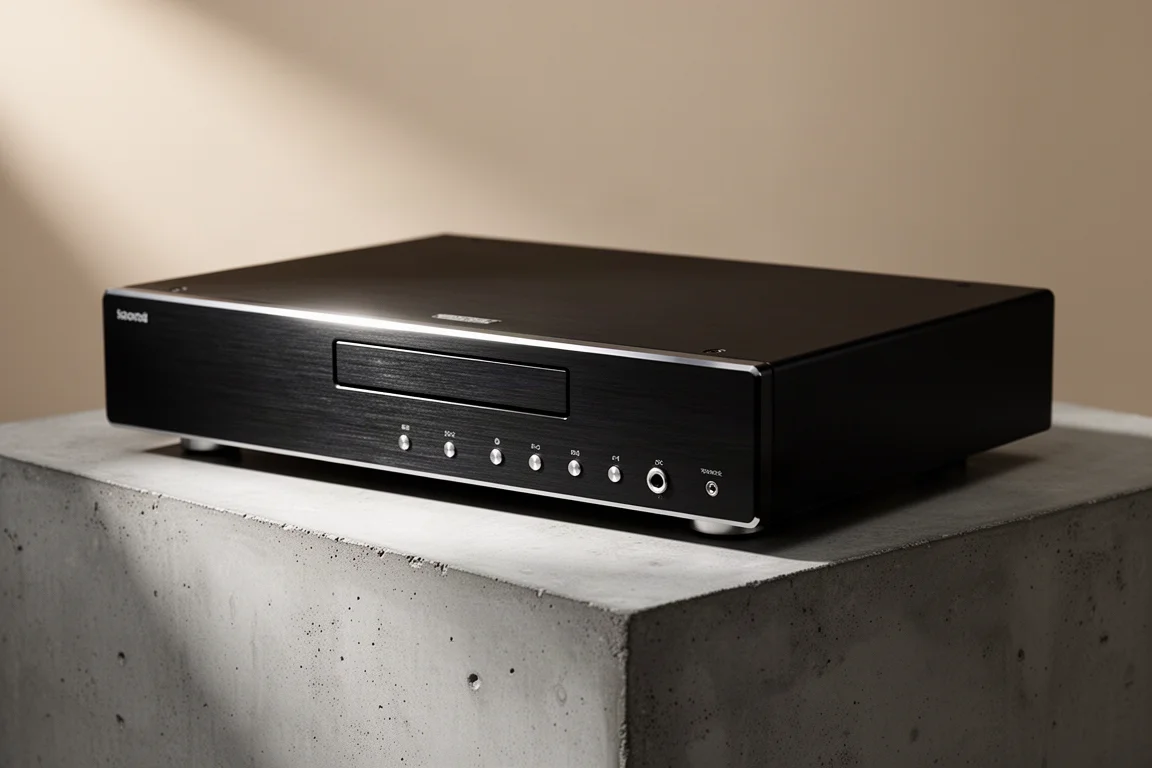
At roughly 900 euros, the CD60 is the more affordable half of the Marantz pairing. Its 7.5 kg chassis feels light next to the 17 kg Model 40n, and that lighter feel carries through to the remote: it looks like the amplifier’s handset, but it weighs less and feels appropriate for the price. The CD60 also leaves out the Model 40n’s side-firing illumination, and tapping the chassis reveals a slightly less polished finish than the amplifier’s.
The front-panel quarter-inch headphone socket is the weakest element. With the 16 ohm Dan Clark Ether 2, the mini volume wheel had to be turned almost all the way up to reach comfortable listening levels, and the output lacks the transparency and low-end body of the Model 40n’s headphone stage.
The internal DAC is the strongest element. With the CD60 feeding the amplifier’s coaxial digital input, the player’s own conversion produced a wider headstage, warmer mids, and a more substantial sound than the DAC inside the Model 40n.
Everyday handling is mostly good. The drawer is smooth, though slightly less quick than the Rotel’s, and the CD60 reaches a track count and total run time readout a touch faster. Its buttons are harder to read in low light than the Rotel’s. A front-panel USB input plays music from a stick, with a basic display and folder navigation through the front-panel buttons or the remote, and USB playback is not gapless.
In character, the CD60 sits between the warmth of the CD63 and the crispness of the Rotel, with enough of both to feel like a middle path. It separates instrumental layers more cleanly than the older Marantz while keeping some warmth in the mids.
Marantz Model 40n: The Streaming Amplifier Reference
The Model 40n is a streaming amplifier priced at roughly 2,500 euros, and at 17 kg it is a far more substantial unit than the CD60. It adds side-firing illumination, a heavier and nicer-feeling remote, and the extra chassis polish the CD60 does not have.
Its headphone amplifier is genuinely strong. It handles a Sennheiser Drop HD 6xx and the 16 ohm Dan Clark Ether 2 without strain, sounds transparent from top to bottom, and adds weight and body at the low end. The CD60’s headphone output cannot compete with that.
As a converter, the Model 40n trails the CD60. With the CD60 connected over digital coaxial and the same discs heard through the amplifier’s own headphone socket, the amplifier’s DAC sounded less convincing: narrower headstage, less warmth through the mids, and less body overall.
For anyone building a system around the Model 40n, that difference is worth knowing before adding a disc player, because the CD60’s conversion is the better of the two.
Rotel CD11 Tribute: A Sub-1,000 Euro Alternative
The Rotel CD11 Tribute is the other sub-1,000 euro disc player here. The Tribute name refers to additional development work on the original CD11 by Ken Ishiwata, who had previously spent many years at Marantz.
Sonically, the Rotel is more lit up than either Marantz player and does not sound as full in the low end. It leans on rhythmic propulsion, the quality often called pace, rhythm, and timing, and it gives a crisper, cleaner view of the music than the CD60. Listeners who value that drive will likely prefer the Rotel, while those who want a more graceful, relaxing, warmer sound will lean toward the CD60.
Day to day, the Rotel’s buttons are easier to read in low light than the CD60’s. It produces an audible click when playback starts, probably a relay, and clicks again at the end of a disc. Its drawer is as smooth as the CD60’s but less quick, and the Marantz reaches its track count and run time readout slightly sooner. The Rotel is the snappiest of this group, and it also works well as a digital front end, where it sounds better than a current BlueSound Node.
Marantz CD63: A Thirty-Year-Old Point of Reference
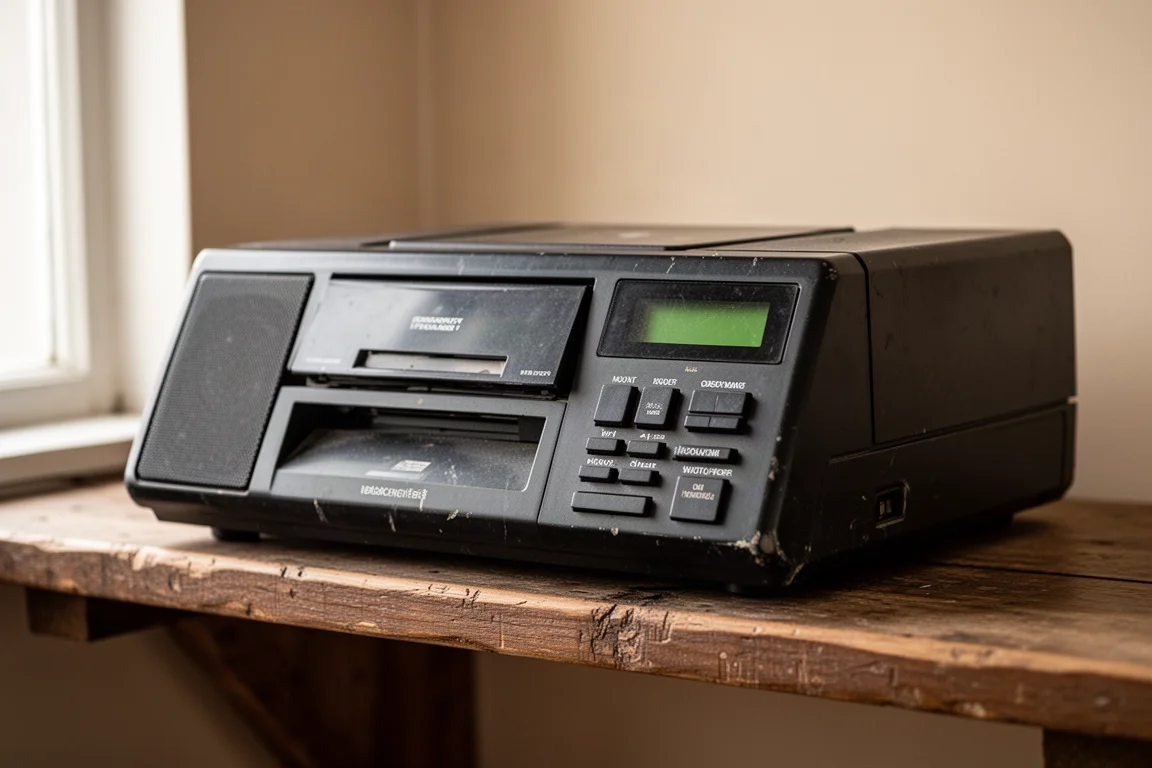
The CD63 dates from the early 1990s, which makes it roughly thirty years old. Against the newer CD60 it is emphatically warmer, but also more congealed: instrumental layers are less separated, fine detail is reduced, and overall transparency suffers. The CD60 gives a crisper, cleaner window on the music, though it is not as crisp as the Rotel.
The CD63’s thick, warm presentation is the closest of this group to the analog output of a current BlueSound Node, which makes it a useful reference if that kind of sound is the goal. Because it predates everything else here by decades, it is best treated as a comparison point rather than a straight alternative.
CD Players Versus Streaming
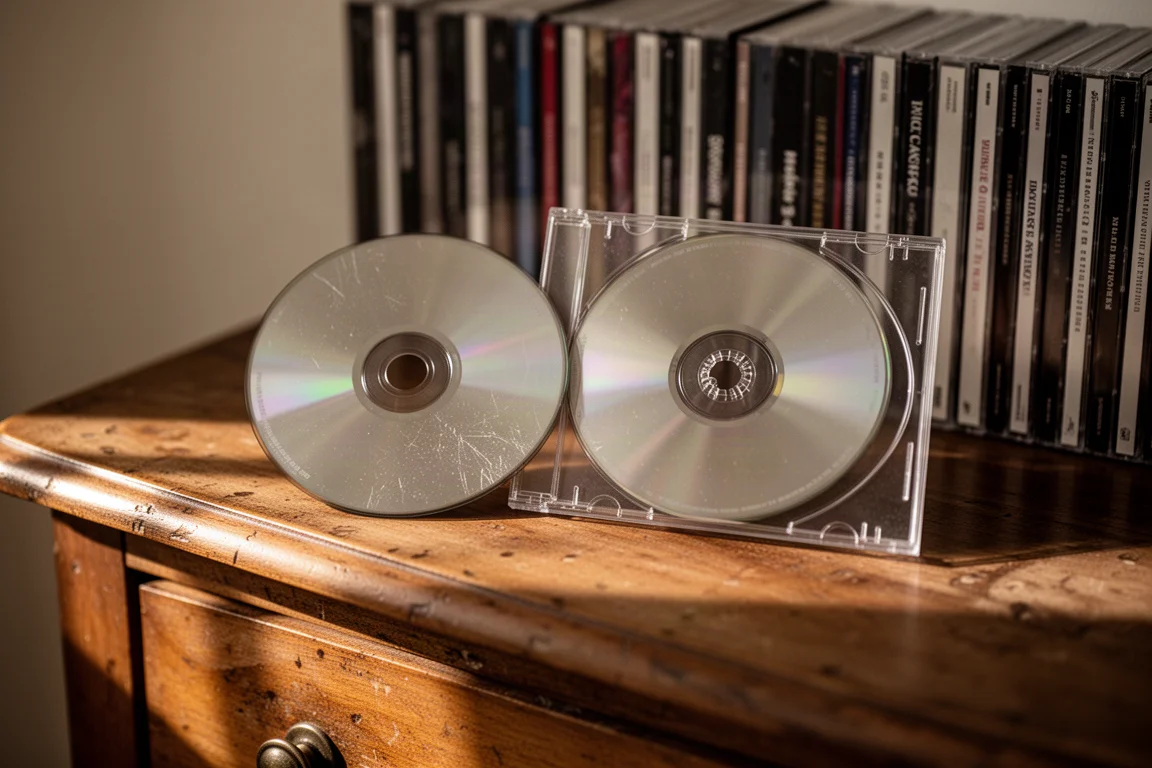
Discs cost more than a streaming subscription and are far less convenient. There is no equivalent of the millions of tracks available through services such as Tidal, Qobuz, Deezer, or Amazon, and physical shelves run out of space long before streaming libraries do. From a purely functional standpoint, streaming wins comfortably.
Sound quality is a separate argument. In this comparison, the CD60, the Rotel CD11 Tribute, and the CD63 all sounded more satisfying, more easeful, and more engaging than the streaming DAC inside the Model 40n. The CD60 and the Rotel also came across as better digital front ends than a current BlueSound Node.
Buying Advice: Matching a Player to Your System
If you want a warm, relaxing presentation that still separates instrumental layers cleanly, the CD60 is the balanced choice at roughly 900 euros. If rhythmic drive, a crisp top end, and a snappier character matter more, the Rotel CD11 Tribute is the one to pick.
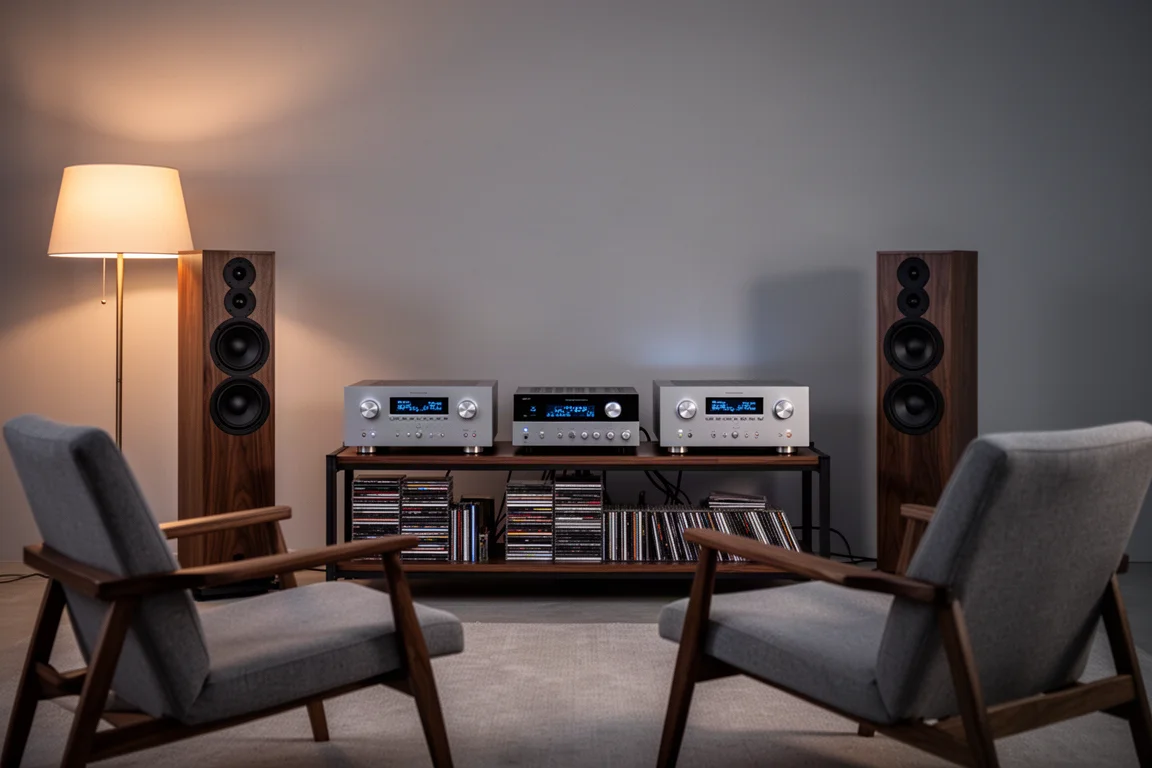
Two practical notes are worth carrying into a decision. The CD60’s USB input is handy for files on a stick, but its display is basic and USB playback is not gapless. And if a Model 40n already sits in your rack, remember that its headphone amplifier is the stronger of the two Marantz units, while the CD60’s DAC is the better converter.
Conclusion
The CD60, the Model 40n, the Rotel CD11 Tribute, and the CD63 each occupy a different corner of the same conversation. The CD60 offers the middle path, with a little warmth and a little crispness, and it converts discs better than the streaming amplifier it resembles. The Model 40n remains the stronger headphone partner. The Rotel brings pace and clarity for under 1,000 euros, and the CD63 shows how much detail retrieval has moved on in three decades. Whichever presentation suits your ears, the practical differences in headphone power, USB behaviour, and button legibility are the details worth checking before you commit.
Further reading
Related Reviews
Hi-Fi Audio
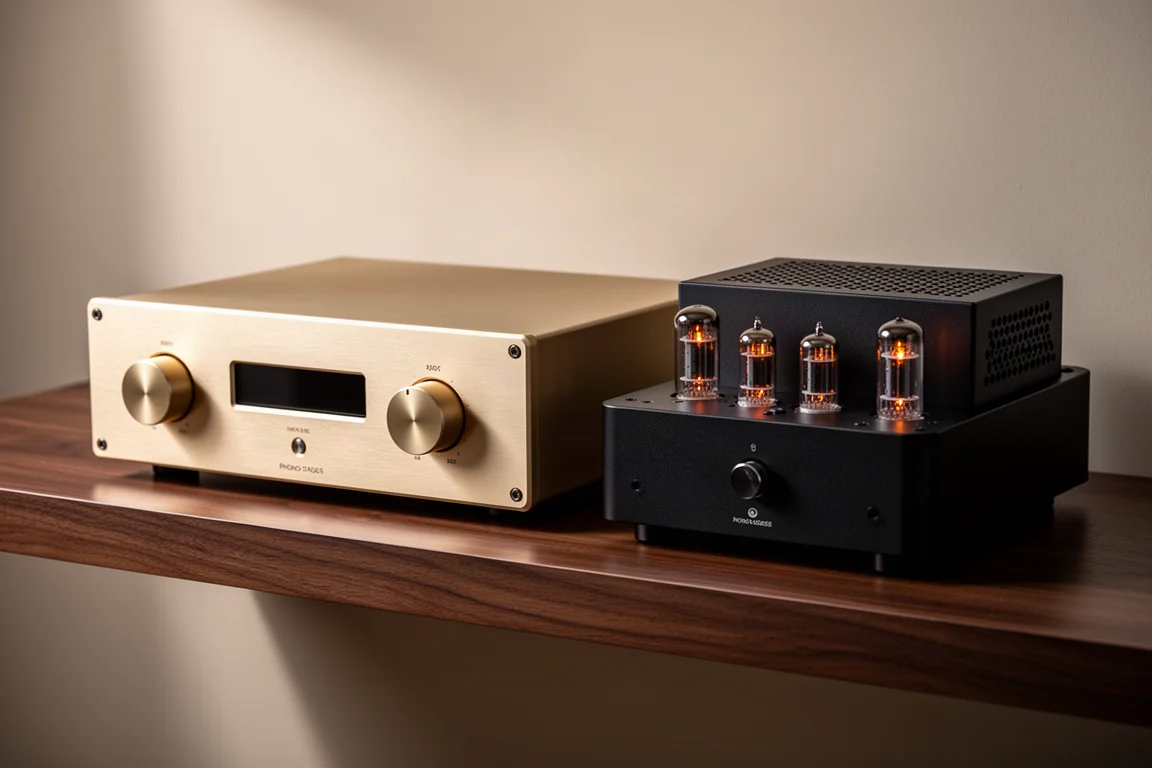
Accuphase C-57 vs Allnic H-7000V: Two High-End Phono Stages Compared
A fully balanced solid-state phono stage with a pitch-black noise floor meets a tube design built for well-loved records. Here is how to choose between them.
Hi-Fi Audio
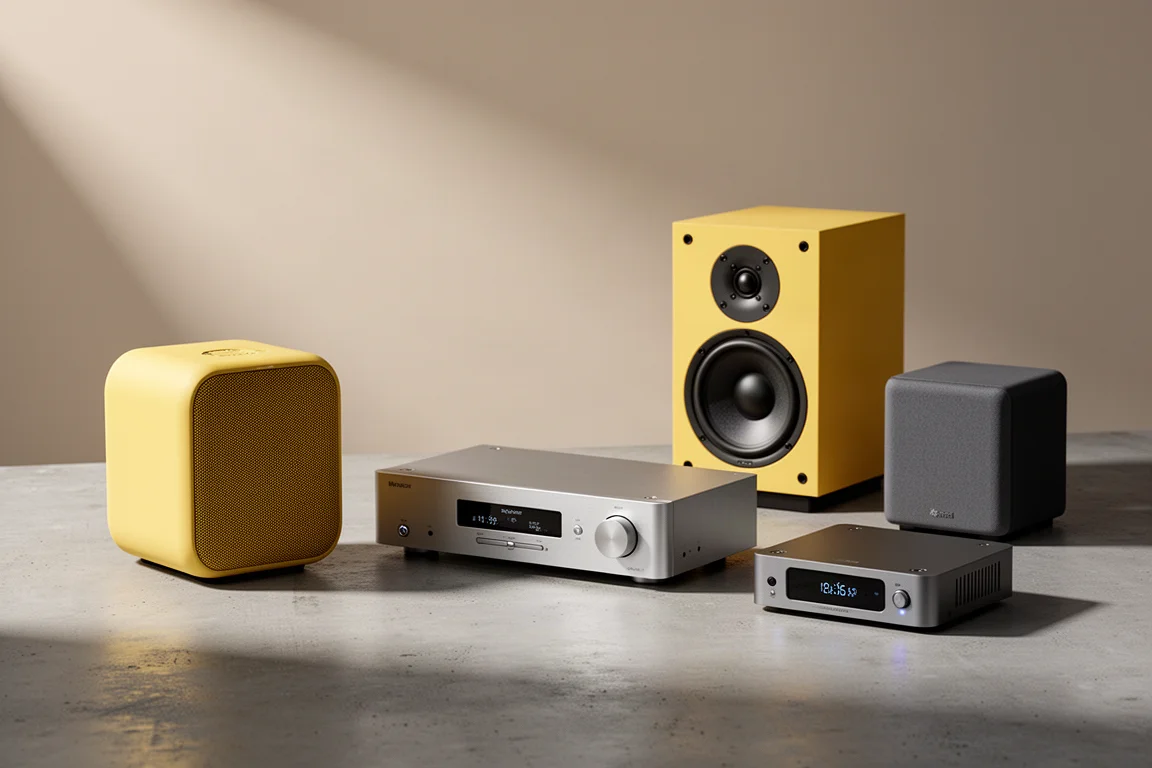
Active vs Passive Hi-Fi: Five Components for a Modern System
Five components that define modern active and passive hi-fi systems, with the strengths, trade-offs and setup details worth weighing before you buy.
Hi-Fi Audio
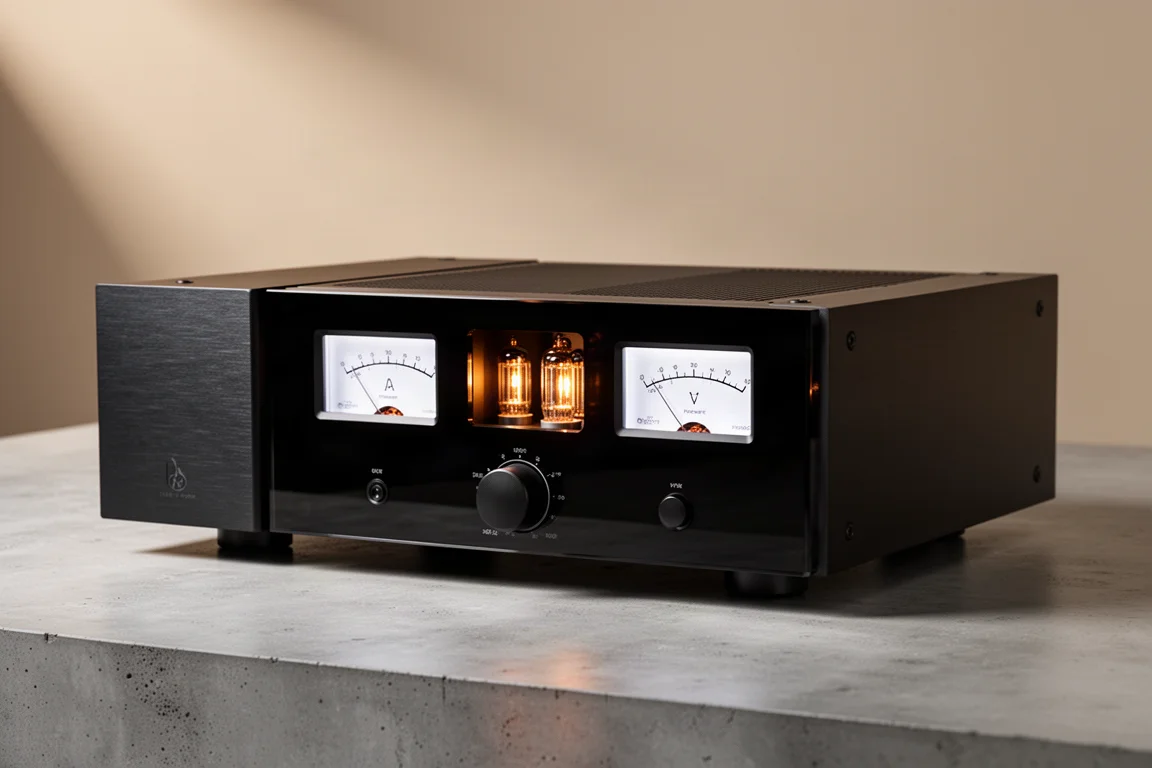
Advance Paris A10 Apex Review: A Hybrid Integrated Amplifier That Covers a Lot of Ground
A French hybrid integrated amplifier with a class A tube preamp stage, analogue power meters, and an internal DAC and phono stage good enough to make extra boxes unnecessary.