Hi-Fi Audio
CD Players in 2026: What Every Price Tier Actually Buys You
Eleven CD players and transports from roughly $400 to $4,000, plus the budget shortcuts worth knowing, and where extra spending stops changing what you hear.
Introduction
Every CD player spins a disc and reads it with a laser. That part is not in dispute. What changes as you climb the price ladder is everything around that mechanism: the digital-to-analog converter, the power supply, the build quality, and the small engineering details that shape how a disc actually sounds in a room.
This guide covers eleven players and transports that span roughly $400 to $4,000, plus the budget shortcuts worth knowing at the very bottom of the market. The goal is simple: help you work out where your own spending should stop.
How Much Should You Spend on a CD Player?
The most useful way to think about a CD player is to separate the transport from the converter. The transport reads the disc. The converter turns those digits into an analog signal. At the low end of the market, almost all of the audible difference comes from the converter, which is why a cheap player with a digital output can be transformed by feeding it into a receiver, an integrated amplifier, or a standalone converter.
That is also why the smartest budget move is to check what you already own. A DVD player with a coaxial digital output running into a decent converter gets you a long way toward serious CD playback, and plenty of households already have something that reads discs.
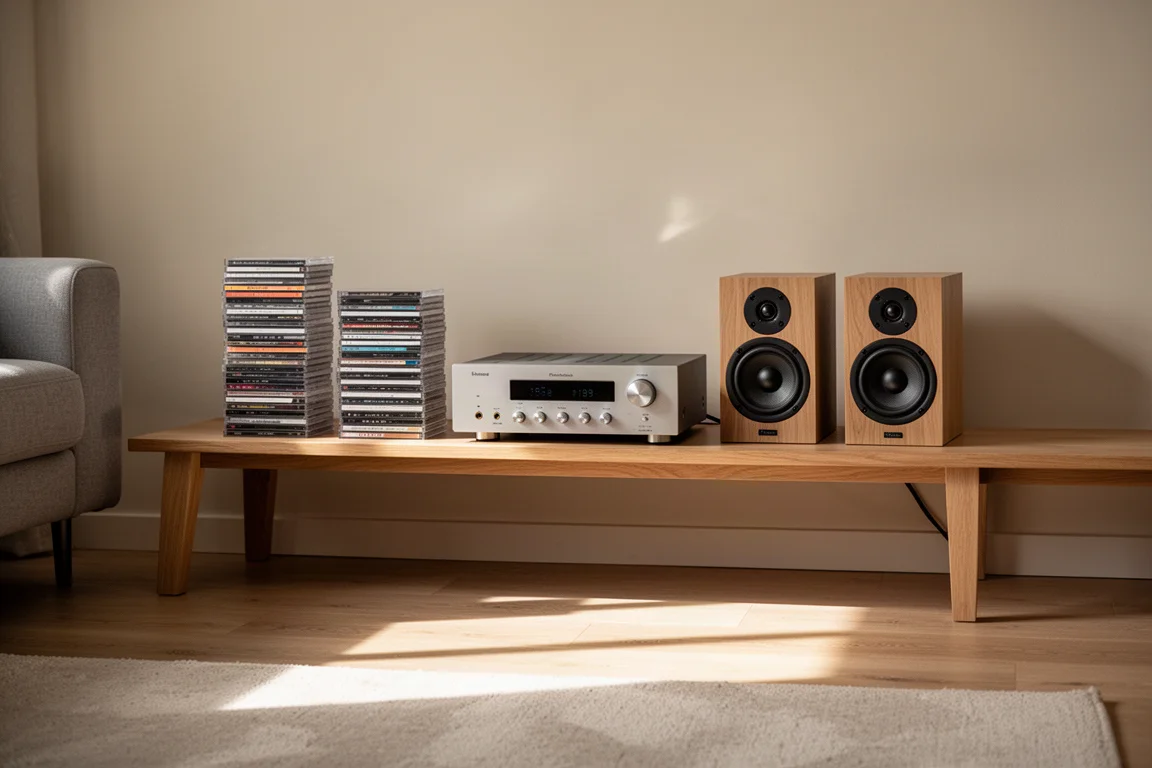
The warning that matters most at this end of the market is this: if you do not have an external converter, do not judge the format by how CDs sound through a budget DVD player. It is a starting point, not a reference.
The Budget Entry Point: What a $30 DVD Player Gets You
A basic DVD player can be picked up new for around $30, and second-hand units turn up for $5 to $10. It will play a CD, but it will not play it well. The sound is poor enough that the digital output becomes the entire point of owning one: route that signal into a converter and the same player becomes genuinely listenable.
Move up to roughly $100 to $200 and you get a player designed to do one thing. The internal converter is the main upgrade over a DVD player and the improvement is clearly audible, even though these inexpensive models are far from perfect. One practical catch: several ship without a power supply, and some need a specific 5V supply with a less common current rating, so budget for that extra purchase.
Between roughly $200 and $400 the options thin out, but this is where most listeners get the most for their money. A dedicated player in this band has its own power supply, usually adds a digital output so it can grow with your system later, and does not ask you to hunt down an unusual charger.
Cambridge Audio CXC V2
The CXC V2 is not a conventional CD player. It is a transport, which means it reads the disc and passes the digital signal along rather than converting it internally. Its headline feature is a linear toroidal power supply, and that is where the money goes: the payoff shows up in instrument separation, depth of soundstage, and a larger overall presentation.
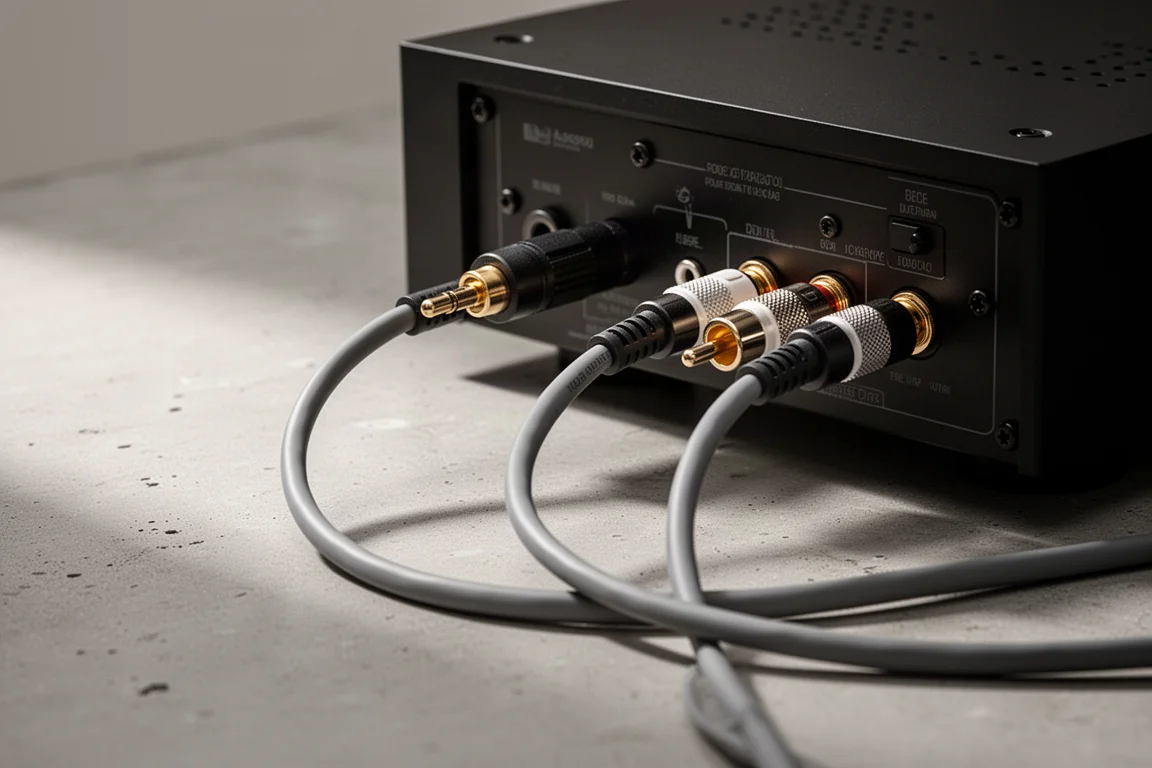
It makes the most sense for listeners who already have a converter they like, whether that is a standalone unit or an optical input on an integrated amplifier or receiver. If you want one box and a pair of RCA cables, this is not the player for you.
Cambridge Audio AXC35
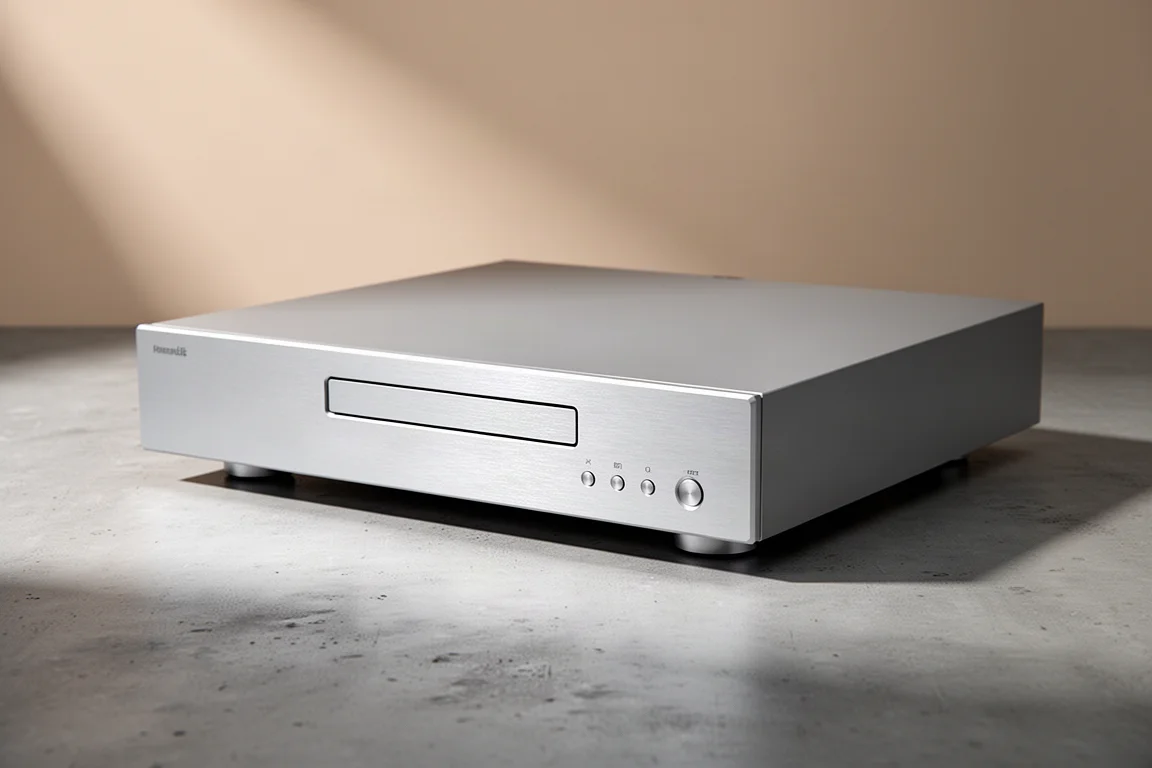
At $450, the AXC35 is the alternative for anyone who wants a single box and no extra cables. It uses a Wolfson converter, which gives it a warm character that flatters less-than-perfect recordings, and it keeps a digital output so it can be connected to a better converter later if your priorities change.
The trade-off is straightforward. You get convenience and a forgiving tonal balance, but you also live with the converter inside the player rather than choosing your own.
Rotel CD11 Tribute
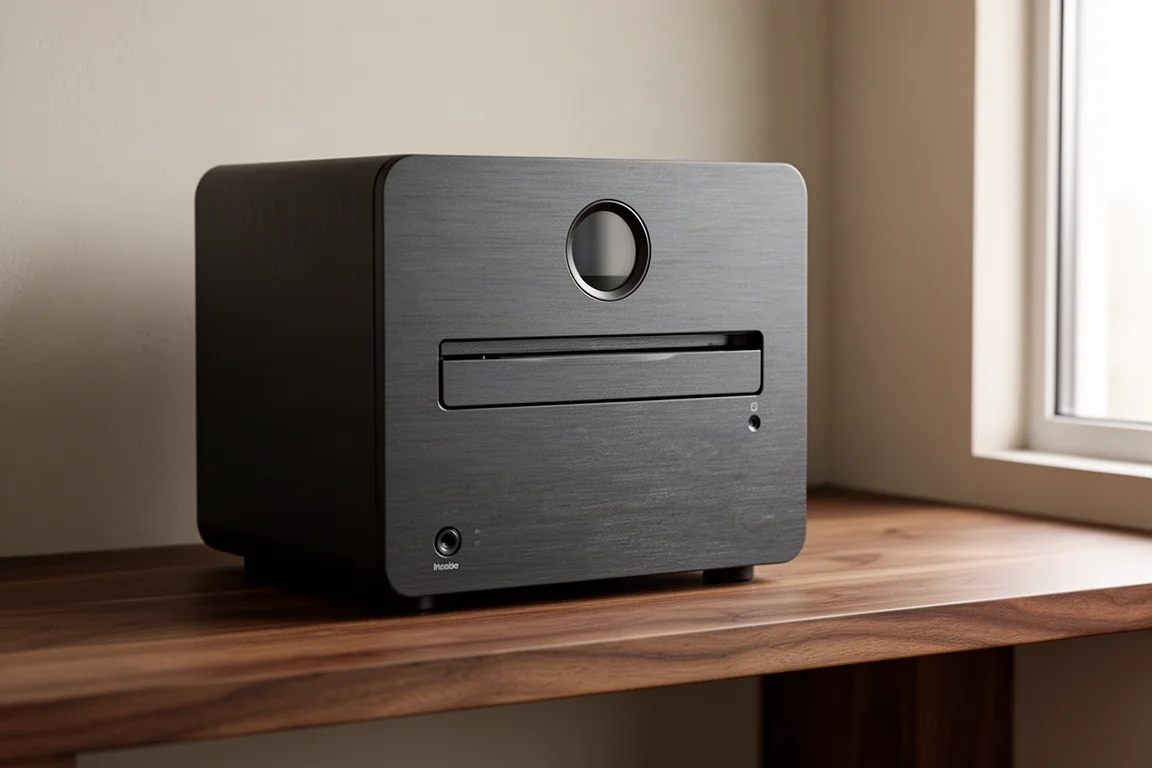
The CD11 Tribute has been selling for $499 and pairs a Texas Instruments converter chip with a presentation that is notably detailed. It sits in the same decision space as the Cambridge Audio pair: a conventional player with its own converter, aimed at listeners who want strong resolution without stepping into four figures.
If detail and clarity are what you notice first in a system, this is one of the stronger options in its tier.
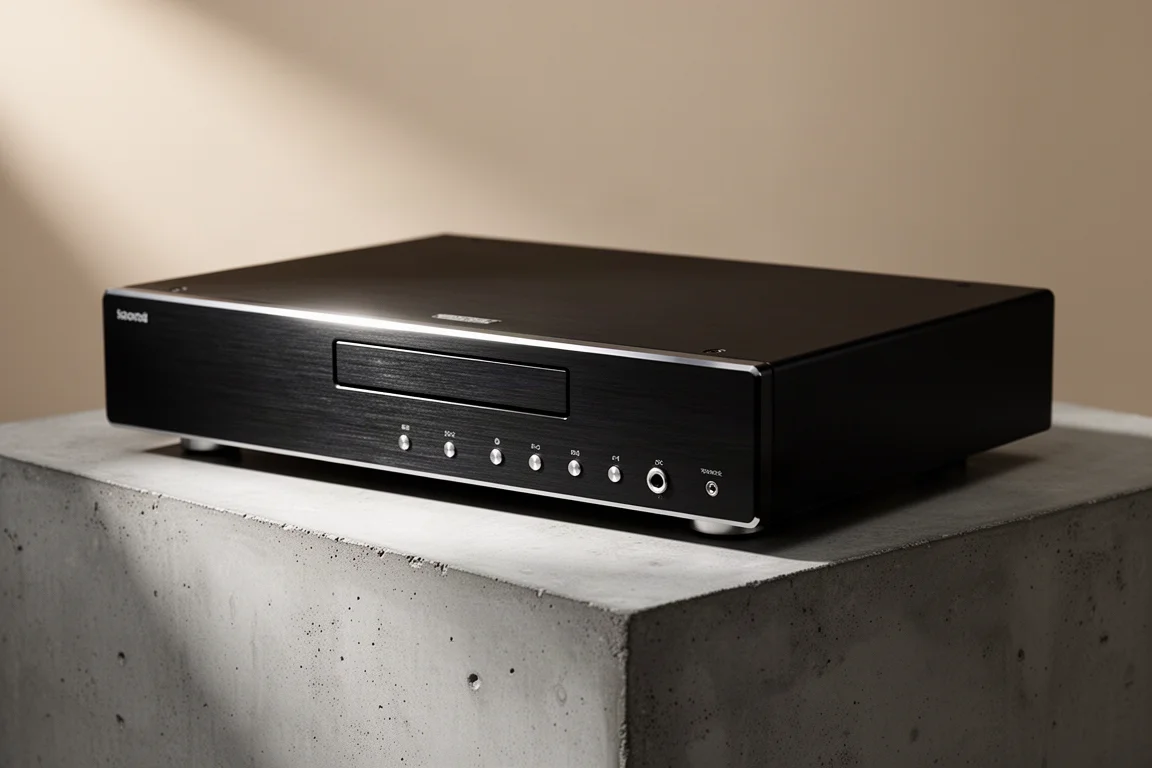
Onkyo Icon
Around $400, the Icon is a recently released dedicated player and a strong performer for the money. Onkyo also still offers a six-disc carousel at roughly $375 for listeners who prefer a changer to a single-disc drawer, and that model includes both a digital output and its own power supply.
The Icon is the more modern choice of the two, and it lands in a part of the market where genuinely good dedicated players are scarce.
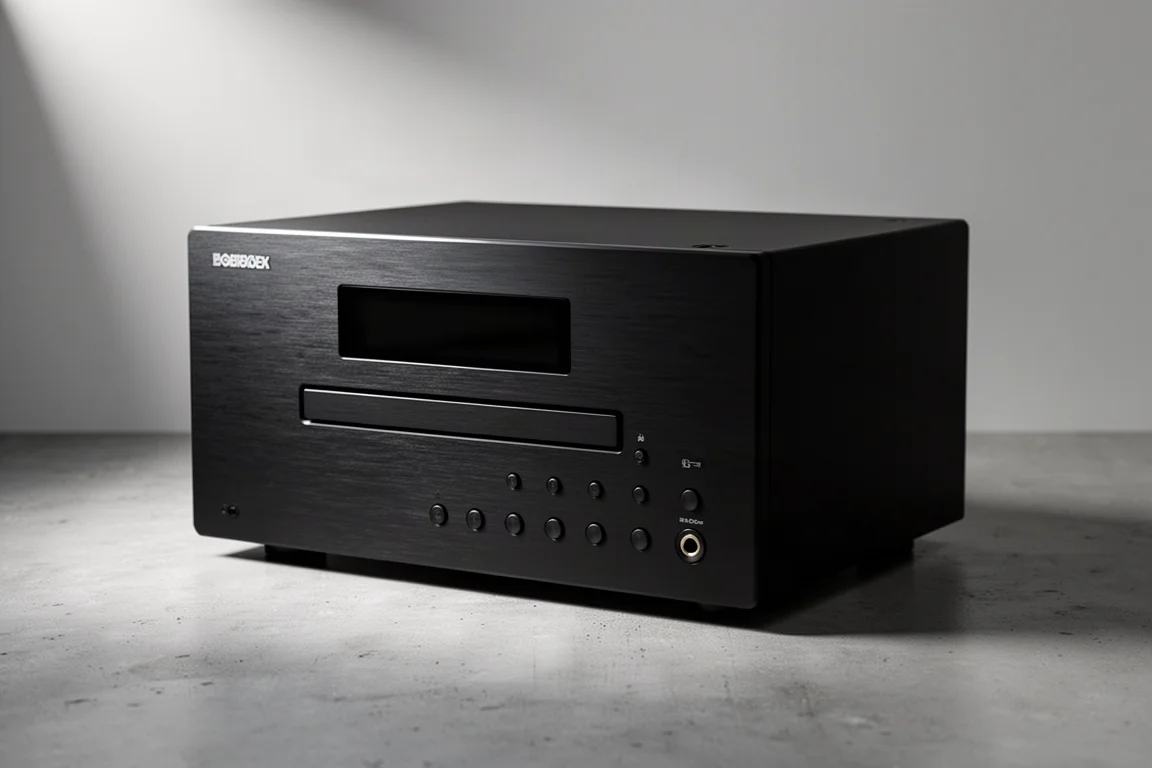
Rotel CD14 Mark II
At about $1,100, the CD14 Mark II marks the start of the refinement tier. What you generally get here is a better converter and a more substantial build, with the possibility of a better power supply rather than a guarantee of one. The transport mechanism itself is unlikely to be dramatically different from what you find further down the range.
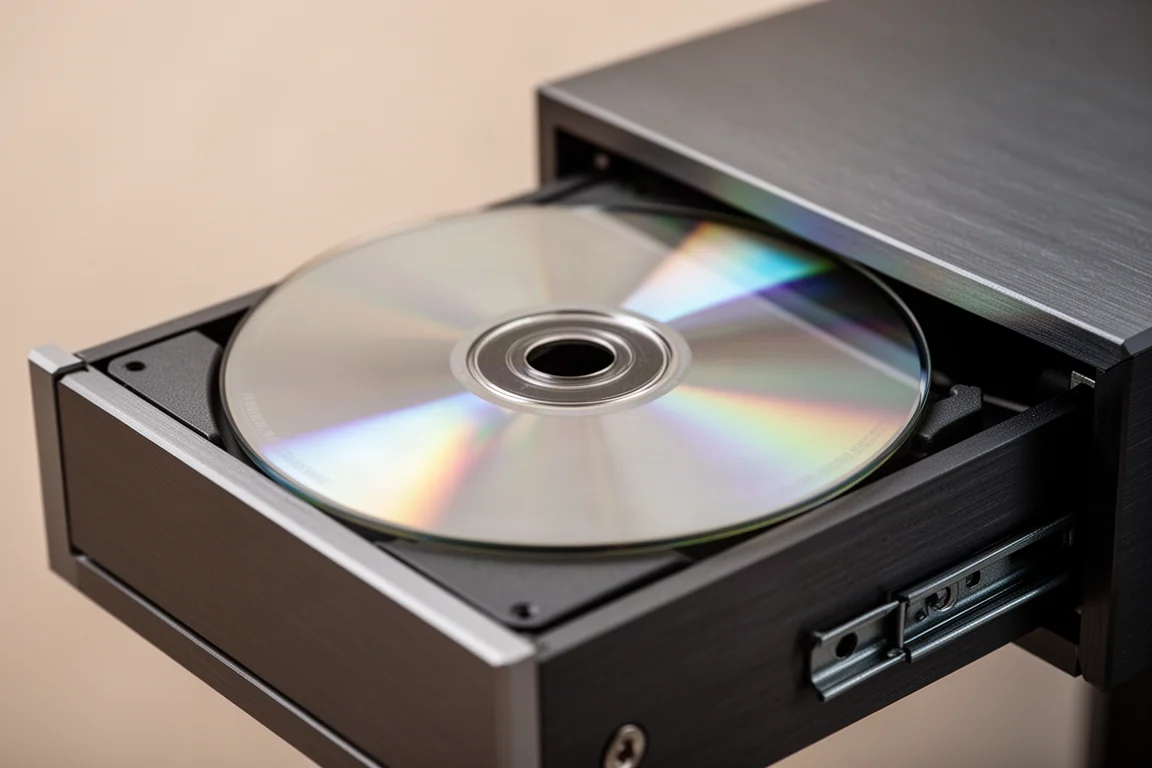
Whether that refinement is worth the jump depends entirely on the rest of your system. In a revealing setup the differences are easier to notice. In a modest one they are easier to miss.
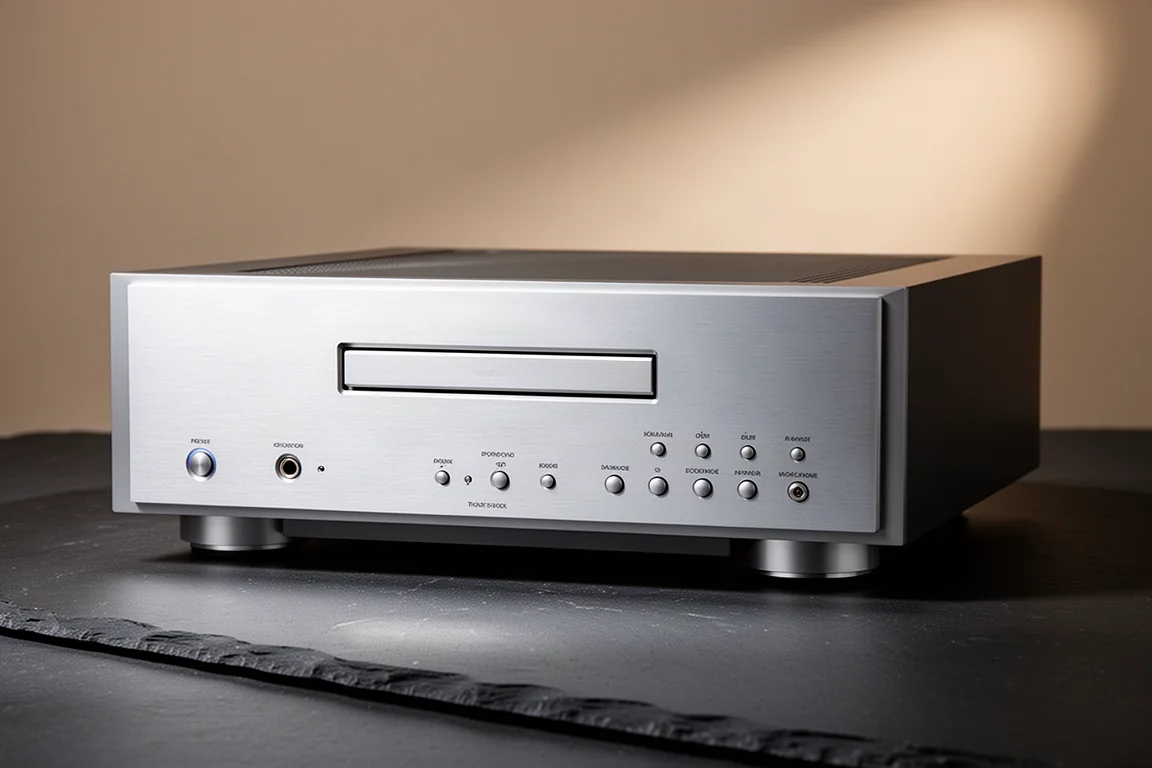
Marantz CD60
The CD60 is one of the more visually distinctive players in this range, and it adds a feature most rivals do not have: a front-panel input that accepts a thumb drive, so files stored on a USB stick can be played through the same box. Its converter supports DSD playback, a format with a small but devoted following.
It sits in the $800 to $1,500 band, where the improvements over cheaper players are real but incremental.
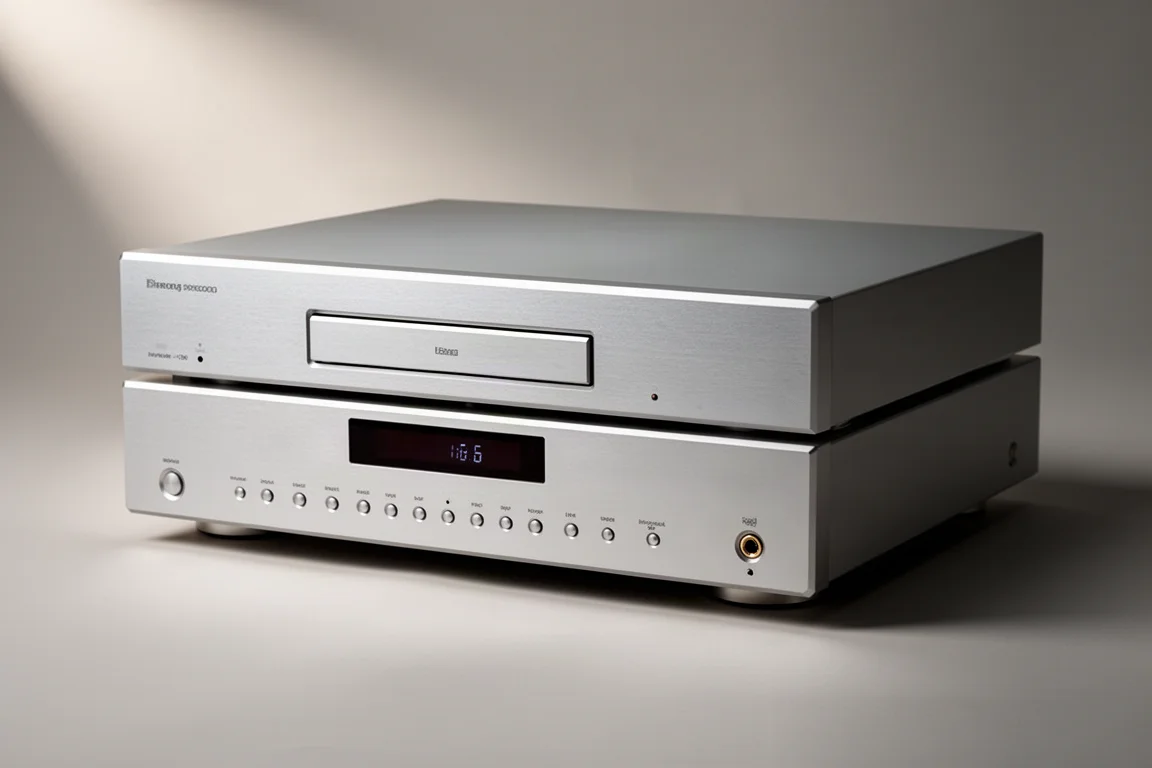
Advance Paris ACD Apex
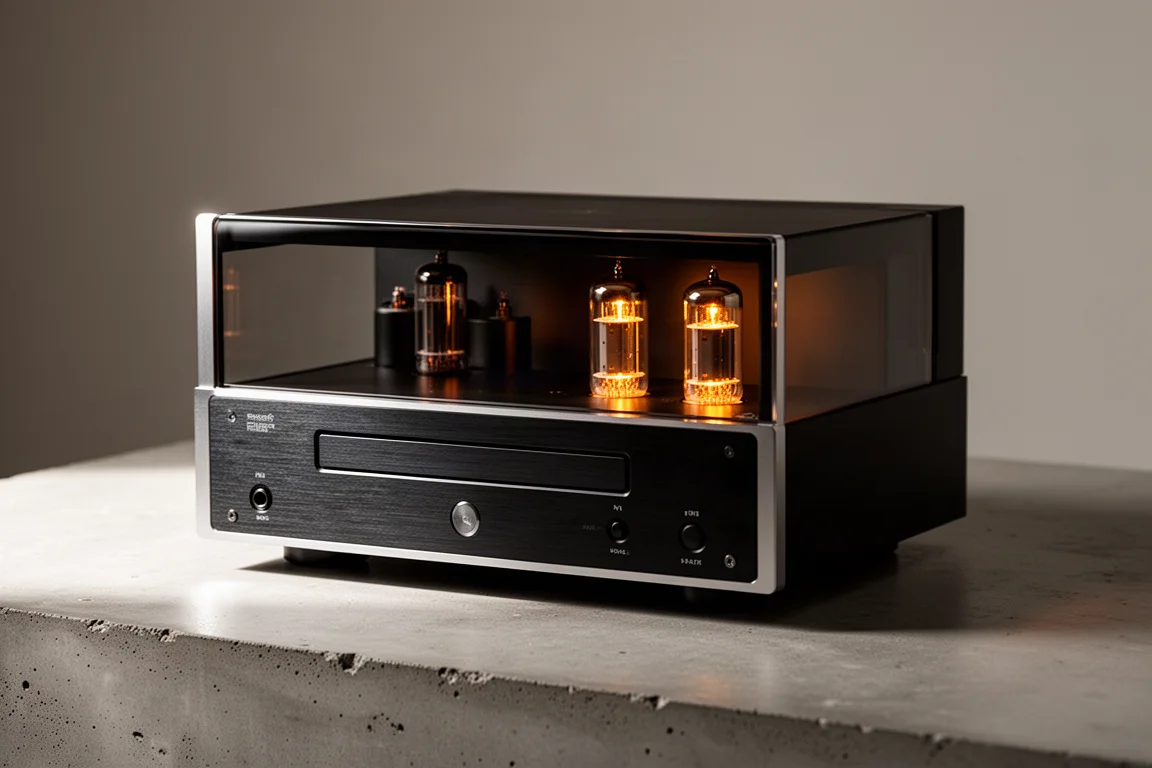
Priced around $1,400, the ACD Apex is the one player here that puts tubes in the front end, mixing valve character with modern digital circuitry. It also offers balanced outputs, which is unusual at this price and useful if the rest of your chain can take advantage of them.
For listeners who want a player with a distinct sonic and visual personality rather than a neutral box, this is the standout in its tier.
Denon DCD-1700NE
The DCD-1700NE adds SACD playback to the feature list, which matters if you own hybrid discs or collect the format. It is worth knowing that SACD is not exclusive to expensive hardware, since the format is owned by Sony and appears in inexpensive players as well. What you are paying for at this level is the quality of everything around the disc mechanism.
The practical question is whether you actually own SACDs. If you do not, the format support adds little, and a strong CD-only player will serve you just as well.
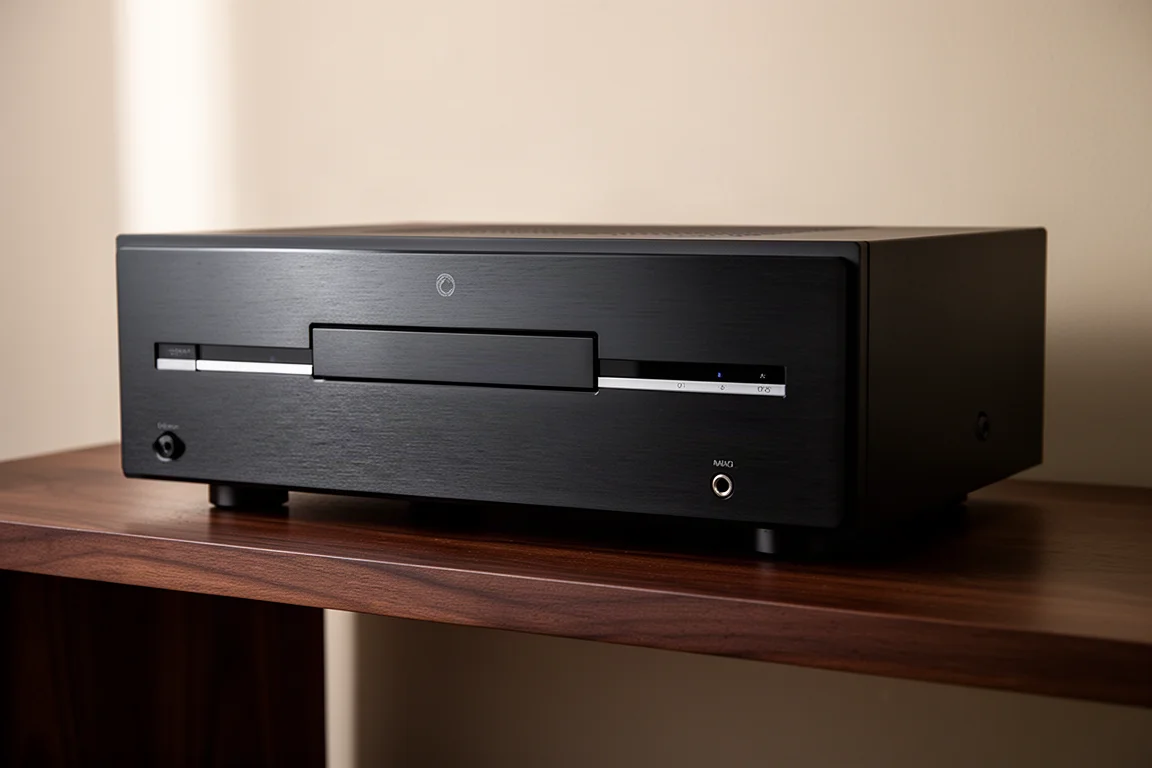
Rotel RCD-1572 Mark II
At $1,600, the RCD-1572 Mark II is Rotel’s higher-tier offering here, sitting above the CD14 Mark II in the range. It is a conventional single-box player with its own converter, aimed at listeners who have already decided that Rotel’s approach suits their system.
At this price the improvements are increasingly about build, finish, and the small ownership details rather than a night-and-day change in sound.
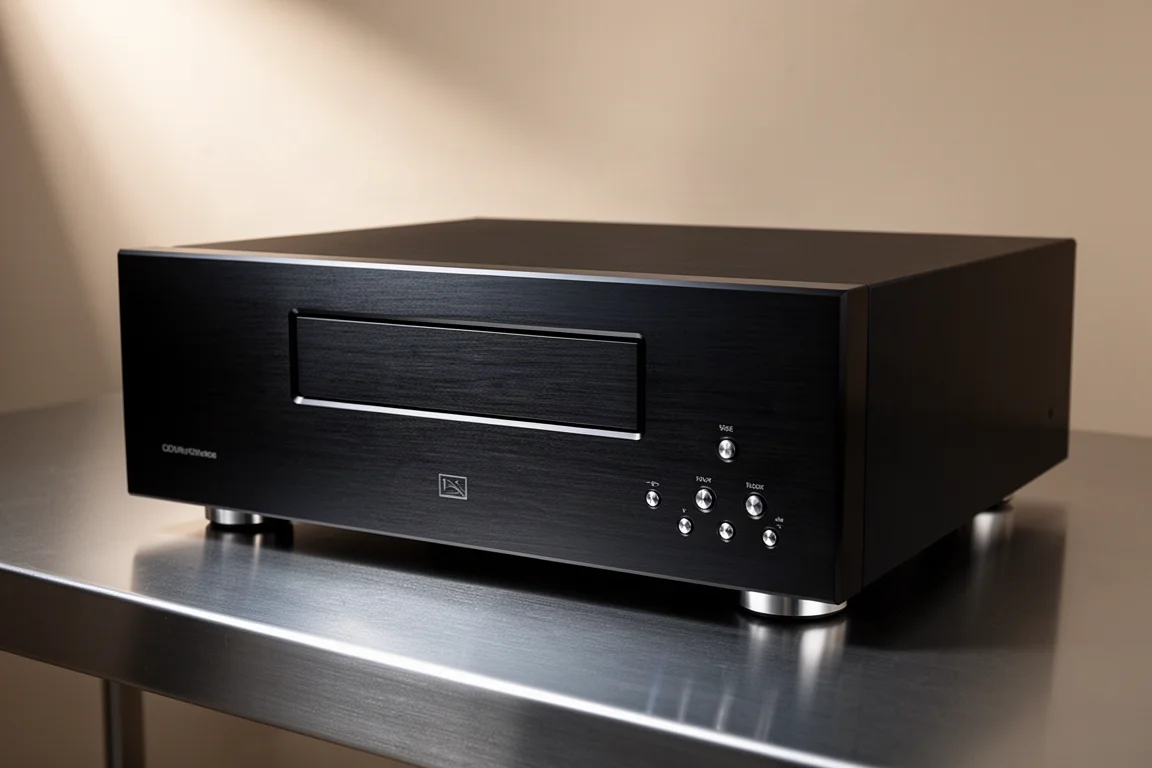
TEAC PD-507T
The PD-507T is a transport rather than a full player, and it comes in around $1,700. TEAC draws on technology trickled down from Esoteric, its high-end sibling brand, and this model uses a semi-floating CD transport design. The company takes CD playback seriously, and that focus shows in the engineering.
As with any transport, it needs a converter you already trust to complete the chain, so it only makes sense if that part of your system is settled.
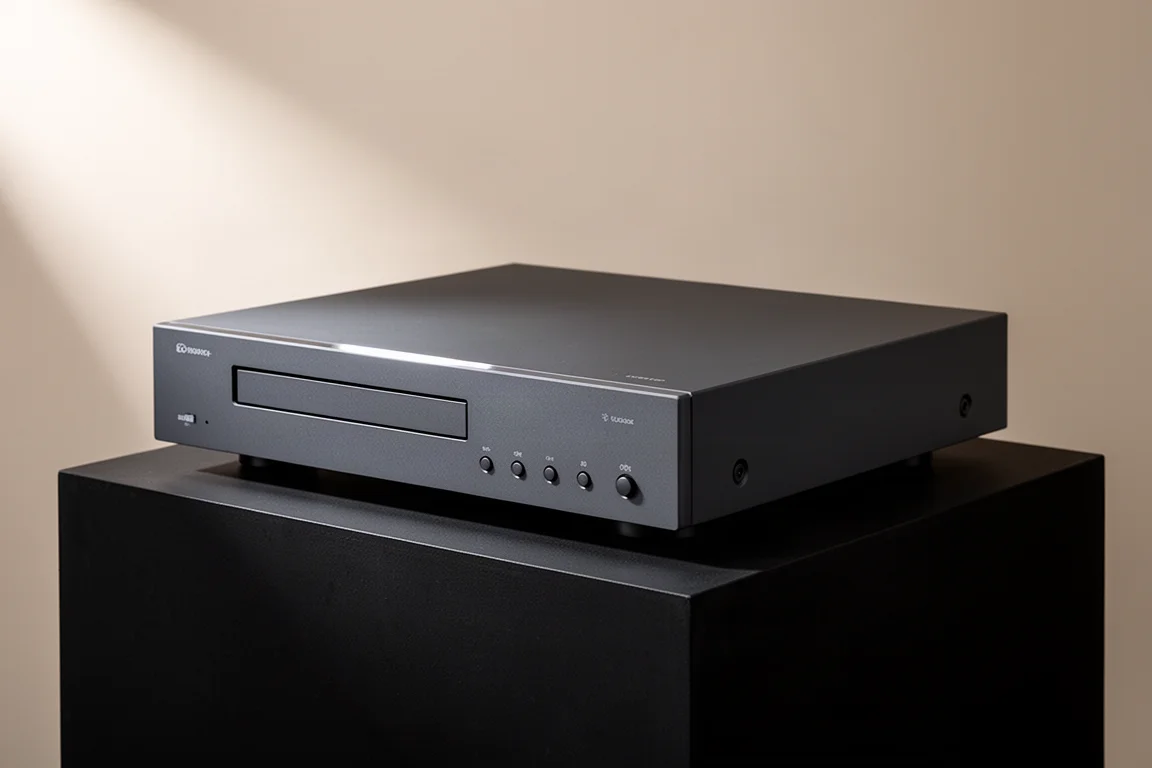
TEAC VRDS-701
The VRDS-701 sits at the top of this ladder at roughly $4,000, and it is the player that makes the strongest case for spending at this level. It uses a fully discrete delta-sigma converter built from separate, matched components, borrows technology from Esoteric, and includes a clamping mechanism that reduces runout at the edge of the disc.
It also doubles as a standalone converter, so a streamer, a television, or another digital source can be routed through it. If you want the best CD playback you can get without paying Esoteric prices, this is the one that stands apart.
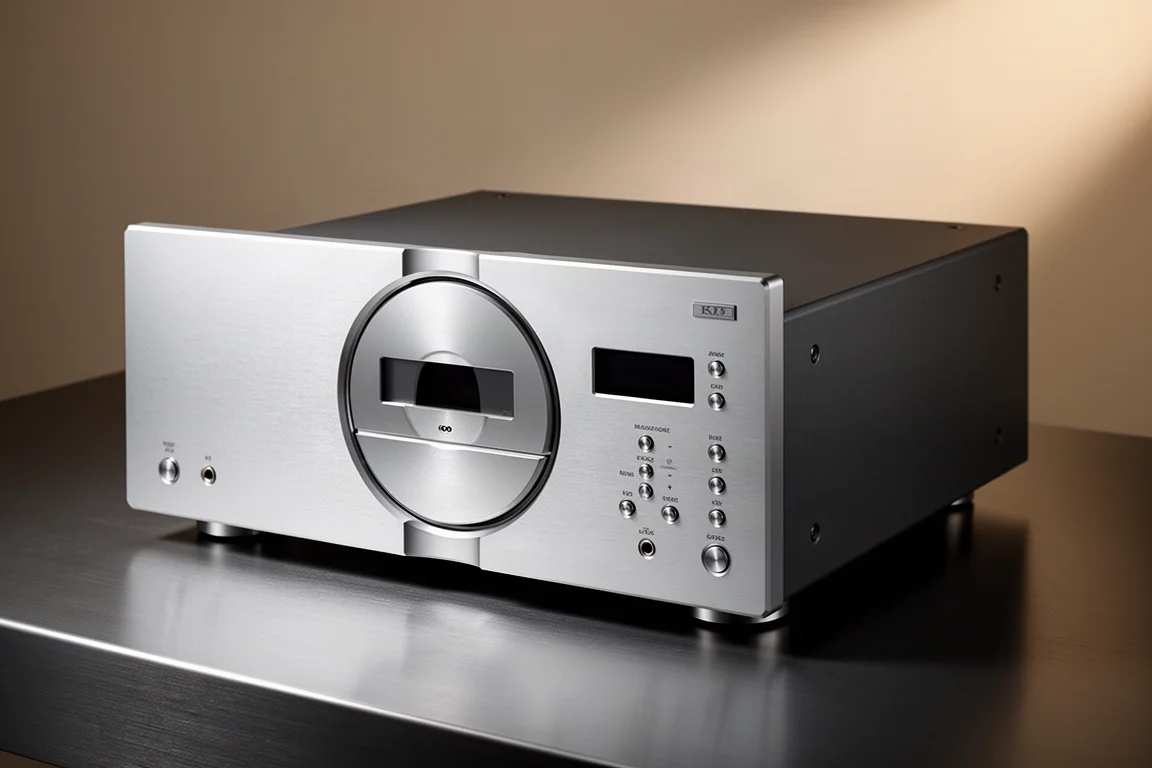
Buying Advice: Matching a CD Player to Your System
The right answer depends less on budget than on whether you already like your converter. If you do, a transport is the smarter purchase: you spend the money on the disc mechanism and the power supply, and you let your own converter do the rest. If you do not, buy a player with a converter you enjoy, because a beautiful chassis will not rescue a sound signature that does not suit you.
Two practical rules are worth keeping in mind. First, if you are spending serious money on a CD player, make sure you actually like the converter inside it, because that is the part you cannot easily change. Second, a digital output is the cheapest insurance in hi-fi, since it lets a budget player grow into a better system later. High-end Blu-ray players are worth a look for the same reason: they play CDs, often carry a substantial power supply and a digital output, and let one box do two jobs.
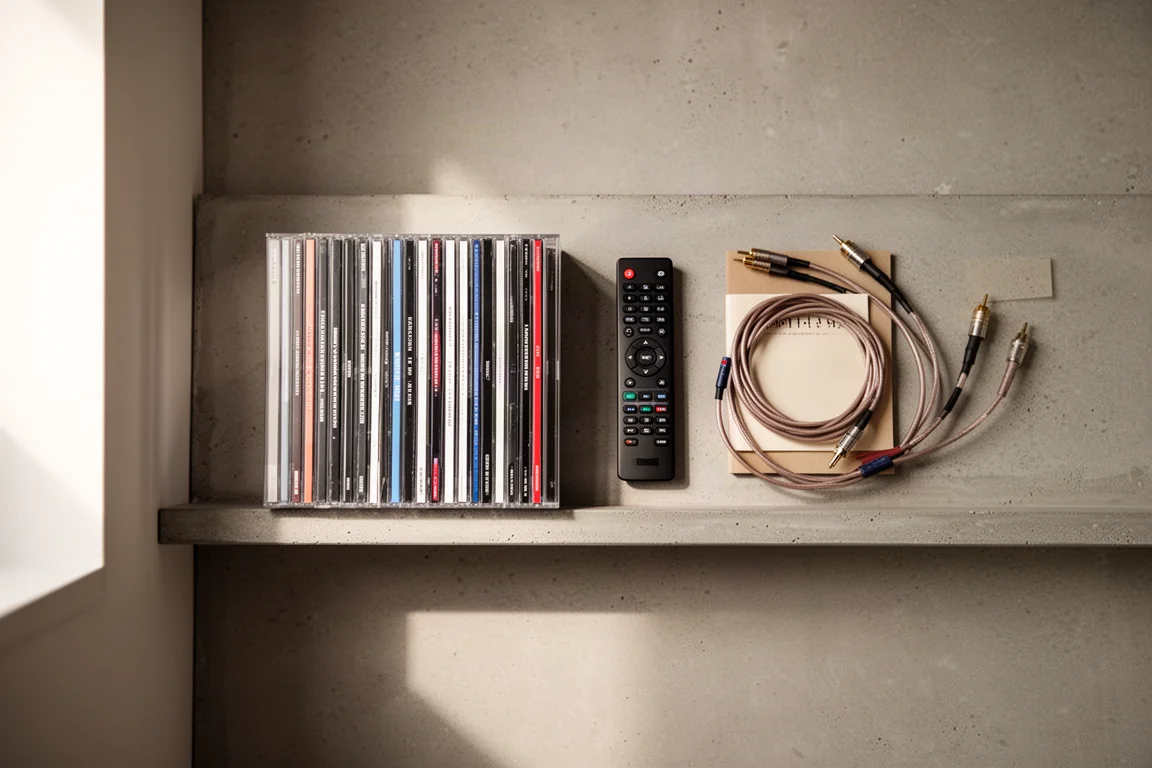
If you want the short version of the ladder: a DVD player with a digital output covers a large share of the distance, a dedicated player such as the Onkyo Icon is the next real step, a transport like the CXC V2 or the PD-507T follows for listeners who already own their converter, and the VRDS-701 is where the ceiling sits for most home systems.
Conclusion
Price and quality are related, but they are not the same thing. A player costing several thousand dollars can sound remarkable, and a well-chosen dedicated player costing a few hundred can sound remarkable too. Most listeners will find their best value between roughly $200 and $400, where a player finally has its own power supply and a converter worth listening to.
Above $800 you are paying for refinement: a better converter, better build, a nicer remote, and increasingly a matter of personal preference in looks and character. The most cost-effective upgrade for many systems is not a new player at all. It is a good converter, paired with a digital output you probably already have.
Further reading
Related Reviews
Hi-Fi Audio
Accuphase C-57 vs Allnic H-7000V: Two High-End Phono Stages Compared
A fully balanced solid-state phono stage with a pitch-black noise floor meets a tube design built for well-loved records. Here is how to choose between them.
Hi-Fi Audio
Active vs Passive Hi-Fi: Five Components for a Modern System
Five components that define modern active and passive hi-fi systems, with the strengths, trade-offs and setup details worth weighing before you buy.
Hi-Fi Audio
Advance Paris A10 Apex Review: A Hybrid Integrated Amplifier That Covers a Lot of Ground
A French hybrid integrated amplifier with a class A tube preamp stage, analogue power meters, and an internal DAC and phono stage good enough to make extra boxes unnecessary.