Hi-Fi Amplifiers
Cayin Jazz 80 Review: A Tube Integrated Amplifier That Removes the Usual Friction
A genuine push-pull tube integrated amplifier with switchable triode and ultra-linear modes, top-panel bias adjustment, and a Bluetooth stage that performs far better than expected.
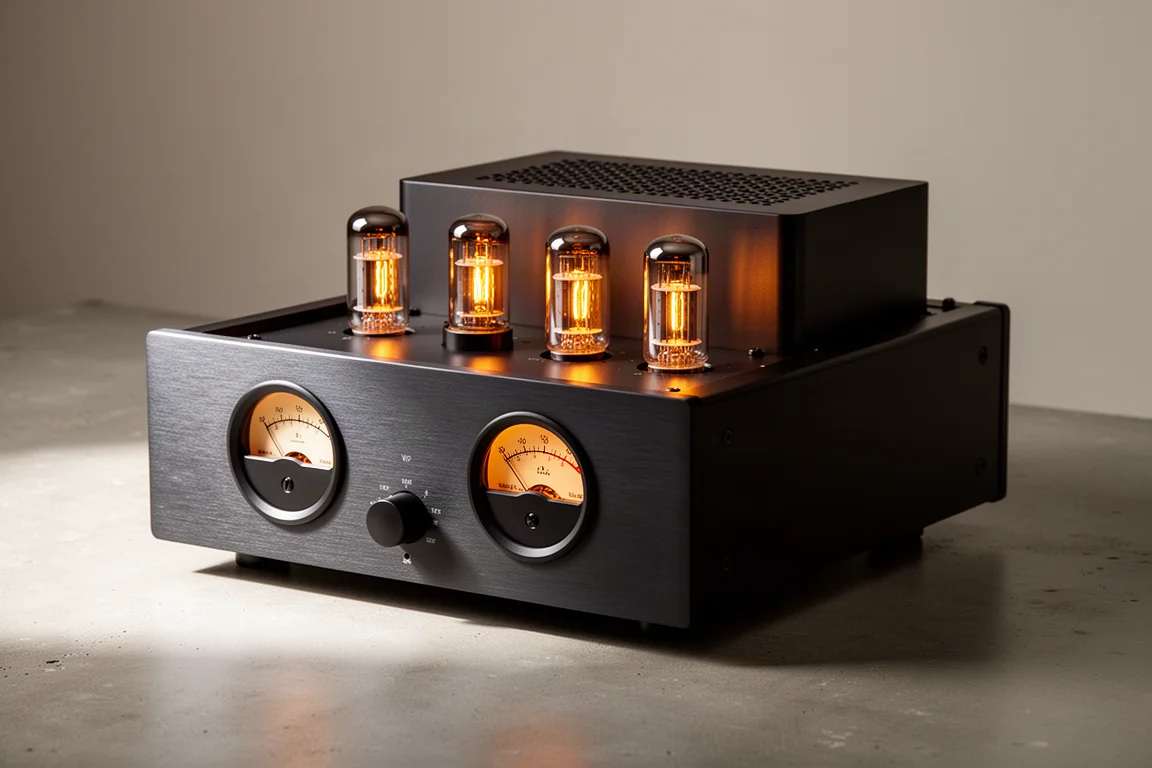
Introduction
Tube amplification has always asked for patience. Heat, maintenance, and the ritual of opening a chassis with a multimeter in hand have long been the entry fee for the density and warmth that tubes bring to a voice. Plenty of listeners decide the sound is worth it, then quietly decide the upkeep is not.
The Cayin Jazz 80 is aimed squarely at that hesitation. It is a genuine push-pull tube integrated amplifier, available in two versions built around either KT88 or EL34 output tubes, and it is designed so that the parts of tube ownership people dread become manageable from the top of the chassis rather than from inside it. It also makes one clear compromise, and that compromise is worth understanding before you buy.
What the Cayin Jazz 80 Actually Is
There is an important distinction to draw first. A large part of the market is filled with solid state integrated amplifiers that place one or two tubes in the signal path as a garnish, offering a little glow for the shelf and a whisper of tube character on top of a fundamentally solid state design. The Jazz 80 is not that.
It is a push-pull design running four output tubes, with two 12AX7 tubes on the input and two 12AU7 tubes handling driver and phase splitter duties. Inside, it reportedly uses point-to-point wiring, substantial output transformers, and a choke filtered power supply. That is traditional construction, and the amplifier weighs roughly 17 kg, most of which is transformer iron. When a component carries that much weight, it usually tells you where the budget went.
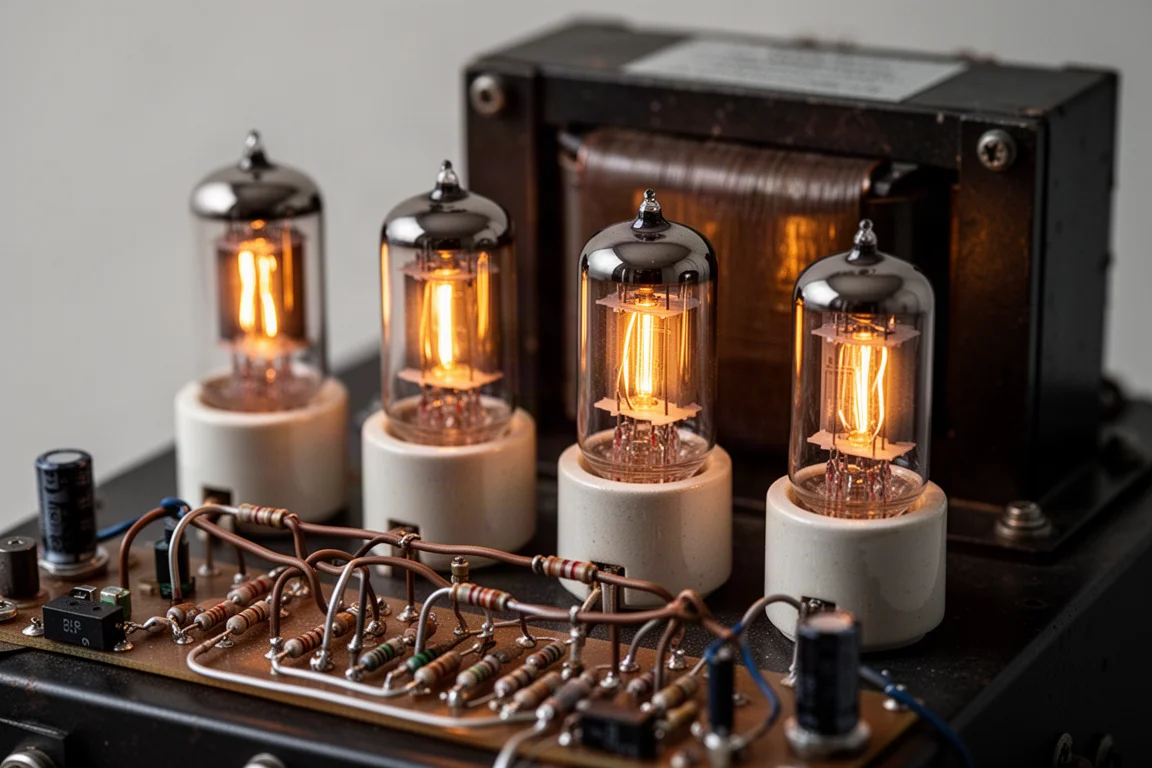
For buyers, the practical takeaway is simple: this is a serious amplifier rather than a decorative one, and its foundation is legitimate regardless of which features you end up using.
Two Amplifiers in One: Triode and Ultra-Linear
The feature that changes how the Jazz 80 lives in a room is a switch on the top panel that toggles between ultra-linear and triode operation. This is not a tone control and not a subtle voicing tweak. It changes how the output stage itself operates, which means you are effectively choosing between two different amplifiers.
In ultra-linear mode, the KT88 version delivers roughly 40 W per channel, while the EL34 version delivers around 36 W. This is the muscular setting, with tighter bass, more grip, and firmer control over a woofer. On tracks with wide dynamic swings, ultra-linear pushes back.
Switch to triode and power drops to around 20 W with KT88 tubes and around 18 W with EL34 tubes. On paper you have given up roughly half the output, but the character change is what matters. The presentation becomes softer, warmer, and more harmonically rich, with a more dimensional and holographic image and voices that step closer to the listener. Both modes remain available on both tube families, so the amplifier effectively offers four distinct voicings.
Bias Adjustment From the Top Panel
The single biggest barrier to tube ownership is rarely the sound. It is the maintenance, and specifically the image of opening a chassis, hunting for a test point, and setting bias without making a mistake. The Jazz 80 addresses that directly.
Its VU meters are not only decorative. They double as a bias meter. When it is time to set bias or to swap tubes, you select each output tube from the top panel and make the adjustment there while watching the meter. Nothing needs to be opened, and no separate test equipment is required.
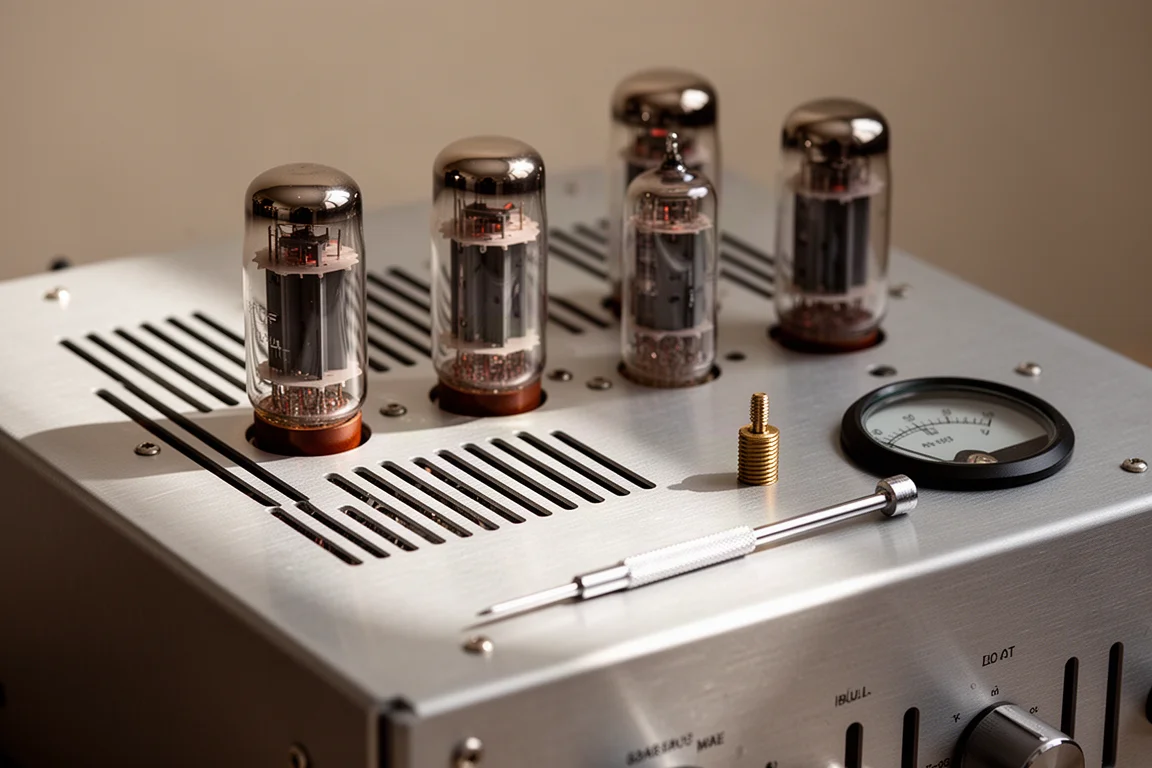
To be precise, this remains manual bias rather than automatic bias, so the job is still yours to do. The difference is that it happens on the top plate, in plain view, instead of inside a live chassis. That is a meaningful gap, and it turns tube rolling from an intimidating project into something far more approachable.
Bluetooth, With One Real Limitation
Bluetooth on a serious amplifier is usually a throwaway specification added for a marketing checklist. That is not the case here. The Jazz 80 uses a Qualcomm QCC125 chip with Bluetooth 5.0, LDAC, and aptX HD support, feeding an ESS ES9018K2M digital to analogue converter inside the amplifier. It is a genuinely respectable implementation, and it sounds better than Bluetooth has any right to on a tube amplifier.
The catch is a real one, and it is the clearest compromise in the design. That internal converter is reachable only over Bluetooth. There is no USB input, no coaxial input, and no optical input. If you own a dedicated streamer or a CD transport with a digital output, you cannot wire it into the converter inside the Jazz 80. Bluetooth is the only path to it, which closes the door on using that chip with a wired digital source.
How the Cayin Jazz 80 Sounds
The voicing here is built for listening rather than analysis. The amplifier is warm, natural, and smooth, with vocals that carry genuine presence and body and sit forward in a way that feels real. Imaging is dimensional, with a roundness to instruments and a sense of them occupying actual space. The top end is very slightly relaxed, never rolled off into dullness and never harsh.
That character does come with trade-offs, and they are worth stating plainly. This is not an amplifier for deep bass authority, and it will not slam a listener back into a chair. It does not produce the widest soundstage you will ever hear, even among tube designs, and it will not uncover every microscopic detail buried in a recording. If the goal is to dissect a track and examine room tone, edit points, and flaws, this is not the right tool.
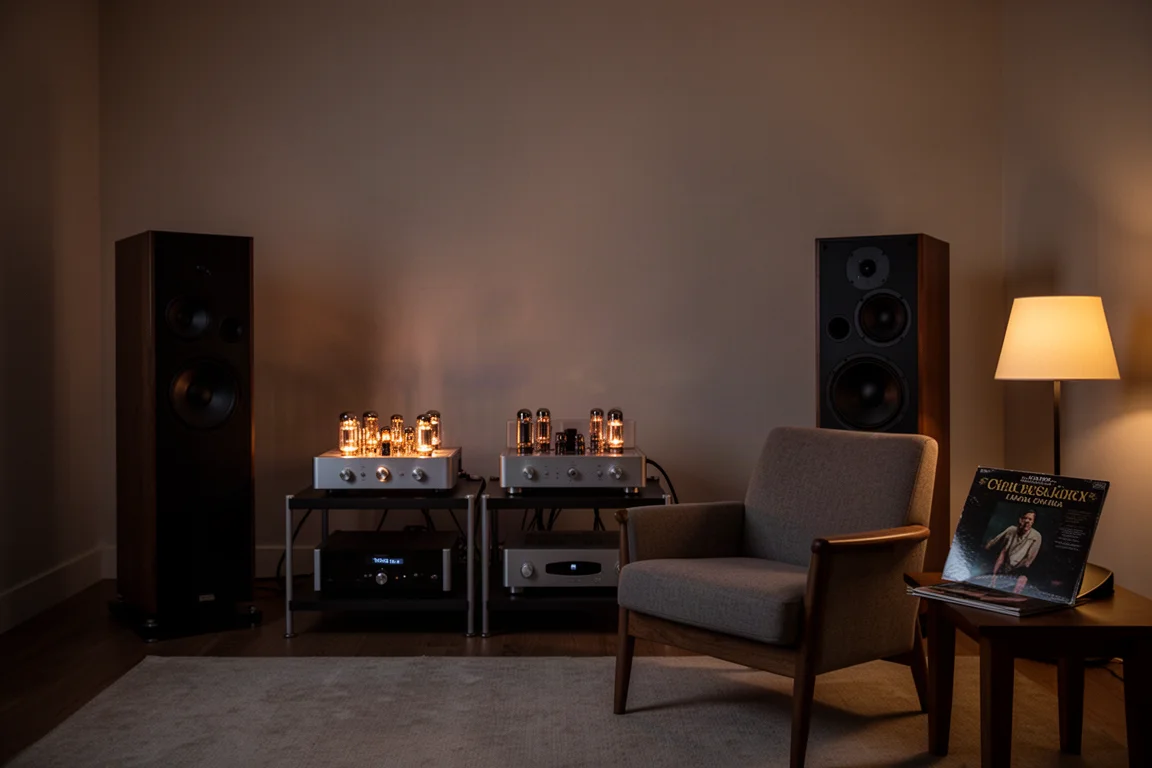
What it does instead is make long listening sessions easy. The tuning favours warmth and forgiveness over forensic accuracy, which is exactly the quality that keeps a record spinning past the point where you meant to stop.
Who the Cayin Jazz 80 Is For
This amplifier suits listeners who care more about being drawn into music than about auditing it. It also suits anyone who has wanted to try tubes but has been put off by the maintenance burden, since bias adjustment happens from the top panel with the built in meters.
It is a strong match for owners of reasonably efficient speakers, particularly models that stay friendly through the bass. In triode mode the amplifier works with roughly 20 W, so speaker matching matters more here than it would with a high power solid state design. Buyers who want both a muscular mode and an intimate one, without owning two separate amplifiers, will find the switching especially useful.
KT88 or EL34: Choosing a Version
A common assumption is that the KT88 and EL34 versions of the Jazz 80 are the same amplifier and that you simply choose which tubes to plug in. That is not how it works. You cannot pull KT88 tubes out and drop EL34 tubes in. Converting between the two takes a single internal part exchange, which sets the amplifier correctly for that tube family.
The good news is that you are not locked in permanently. That part can be changed by a capable owner or sent to a local shop, and the operation is described as fairly straightforward. It will still cost something, so the tube family is a choice worth making deliberately from the start.
Once you have settled on a version, the triode and ultra-linear switch still applies, which means the two configurations together offer four genuinely distinct voicings. KT88 tubes in either mode bring more bass weight, fullness, density, and smoothness, and the presentation settles deeper into the floor. EL34 tubes in either mode are more open, cleaner, and more consistent from top to bottom, quicker and more lively while still sounding warm.
The practical way to choose is by speaker rather than by preference alone. Speakers that are lean, bright, or lightweight benefit from what the KT88 version adds. Speakers that are already warm and soft in the treble can tip into thickness with KT88 tubes, and in that case the EL34 version in ultra-linear mode holds on to more articulation and clarity.
Things to Consider Before Buying
- The internal digital to analogue converter is accessible only over Bluetooth, with no USB, coaxial, or optical inputs.
- Bias adjustment is still manual. The top panel layout makes it far easier, but it does not happen automatically.
- Triode mode roughly halves output power, so inefficient or bass hungry speakers are a poor match.
- Moving between the KT88 and EL34 tube families requires an internal part change, which carries a cost even though it is straightforward.
- Speakers with sensitivity around 88 dB or higher, and behaviour that stays friendly through the bass, get the most from this amplifier.
Buying Advice
Listings from reputable sellers have been seen under $2,500, which is a notable figure given how much is bundled into a single chassis: real transformers, switchable triode and ultra-linear operation, a bias meter that makes maintenance approachable, a remote for volume, and a Bluetooth stage that is genuinely good rather than a checkbox.
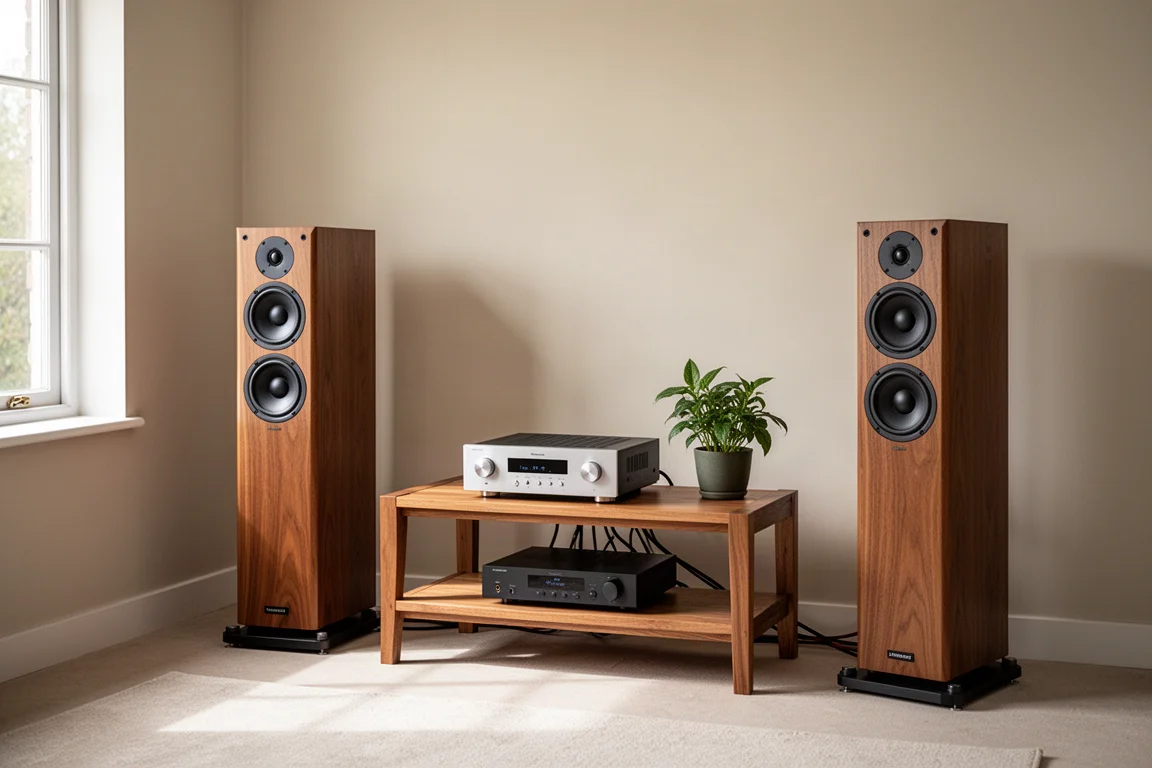
The most useful preparation is speaker matching. Pair the Jazz 80 with speakers that stay reasonably friendly through the bass and are ideally around 88 dB sensitivity or higher, and it will reward you. Hand it a brutal, inefficient, bass hungry load and ask it to perform miracles in triode mode, and the result will disappoint. If your speakers are on the lean or bright side, the KT88 version adds welcome body. If they are already warm, the EL34 version in ultra-linear mode is the smarter choice.
Conclusion
The Jazz 80 does not reinvent tube topology, and it does not pretend to. Push-pull tube amplifiers have existed for the better part of a century, and there is no secret circuit here. What makes this amplifier interesting is the package: genuine construction, two operating modes on one switch, maintenance that happens from the top panel, and a Bluetooth implementation that is far better than the category usually offers.
The Bluetooth only converter remains a real limitation, and this is not an amplifier built to impress with bass slam or forensic detail. It is built to keep you in the chair for one more record, and on that measure it succeeds. For listeners who want tube warmth without the usual suffering, the Cayin Jazz 80 is one of the more compelling integrated amplifiers in its price range.
Product link
View more details for Cayin Jazz 80
This product is mentioned in the review. Check the specifications, options, and compatibility before buying.
View more details for Cayin Jazz 80Further reading
Related Reviews
Hi-Fi Amplifiers
Accuphase E-280 Review: Entry-Level Accuphase With Flagship Attention to Detail
A close look at the Accuphase E-280 integrated amplifier, covering its champagne build, AAVA volume control, sound quality, and the speakers and sources that suit it best.
Hi-Fi Amplifiers
Advance Paris A10 Classic vs Yamaha A-S301: Two Integrated Amplifiers Compared
A practical comparison of a $350 integrated amplifier and a $2,500 reference model, covering the differences that matter and the ones that do not.
Hi-Fi Amplifiers
Affordable Chinese Amplifiers Worth Buying: Five Budget Hi-Fi Amps Compared
A practical look at five affordable amplifiers, what each one does well, and the trade-offs to weigh before you buy.