Aquarium Substrate
CaribSea Arag-Alive Special Grade Review: Why Reef Keepers Keep Choosing It
A practical look at the most widely chosen Arag-Alive grade, why its medium grain holds up in high flow, and how to set it up without the usual mess.
Introduction
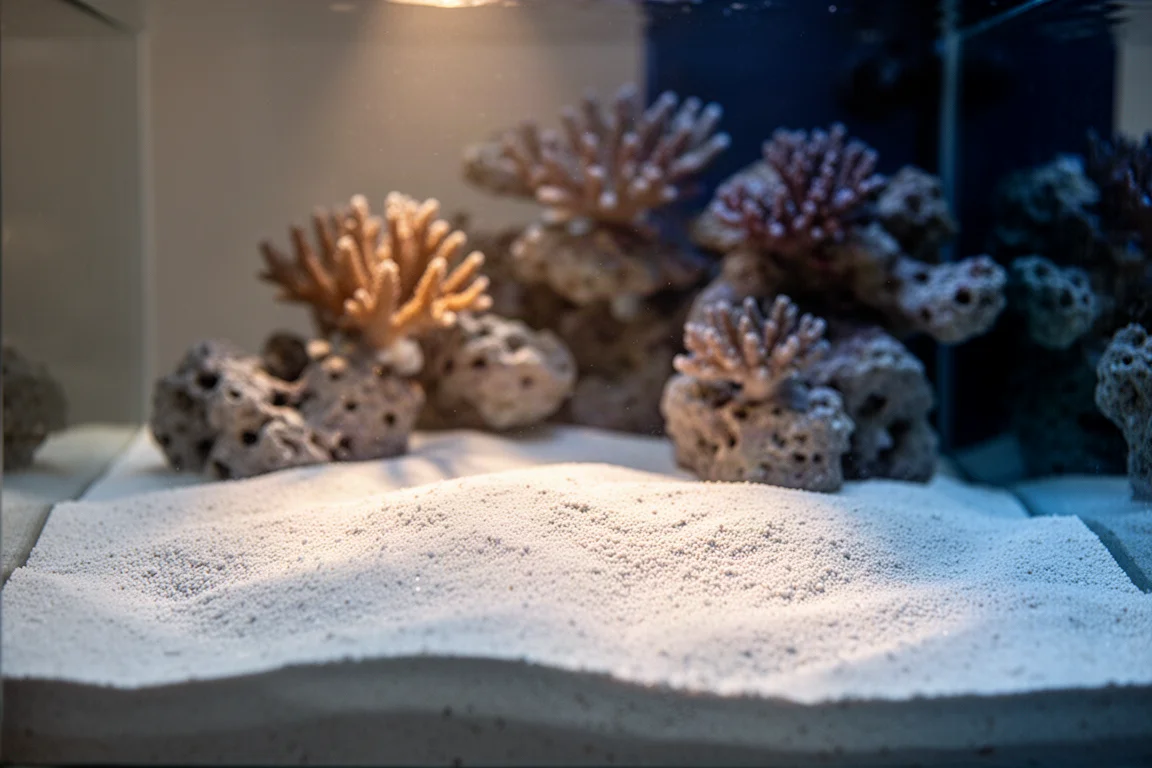
Substrate is one of the few reef tank purchases you will live with for years, which is why grain size is worth getting right the first time. CaribSea Arag-Alive Special Grade has become the default choice for the clear majority of reef keepers, and the reasons are practical rather than decorative: the grain stays where it is placed, and the bag is ready to go straight into the tank.
This article looks at what puts Special Grade ahead of the other Arag-Alive grades, where the alternatives tend to fall short, and the two setup habits that decide whether a new sand bed settles clear or clouds the water for days.
Who This Sand Is For
Special Grade is aimed at reefers who run meaningful flow through the display. Its medium grain size holds its position in high flow aquariums rather than lifting off the bed and drifting into the water column.
It is just as well matched to tanks built around sand-dwelling livestock. The particle size is the ideal one for sand-sifting inverts and wrasses, which need grains they can work through without the bed collapsing into dust.
For a first reef tank, the pre-rinsed and sifted format removes most of the usual setup mess, and that matters more than it sounds on the day the tank is filled.
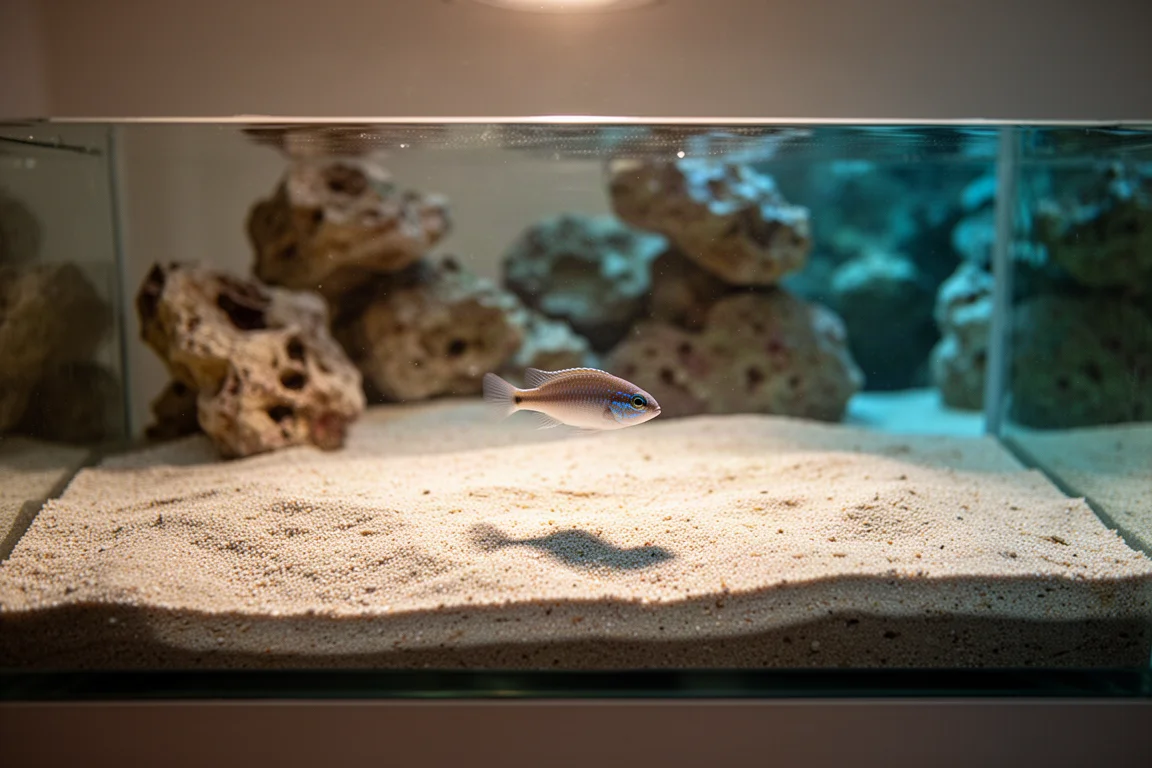
One further point in its favour is how forgiving the grade is when things change later. Because the grains are substantial enough to stay put, repositioning a pump or rescaping rockwork does not usually mean resettling a cloud of fine sand across the whole display.
Main Strengths: Grain Size and Setup Simplicity
Two qualities explain why Special Grade is chosen so consistently: the grain size, and the fact that it arrives ready to use.
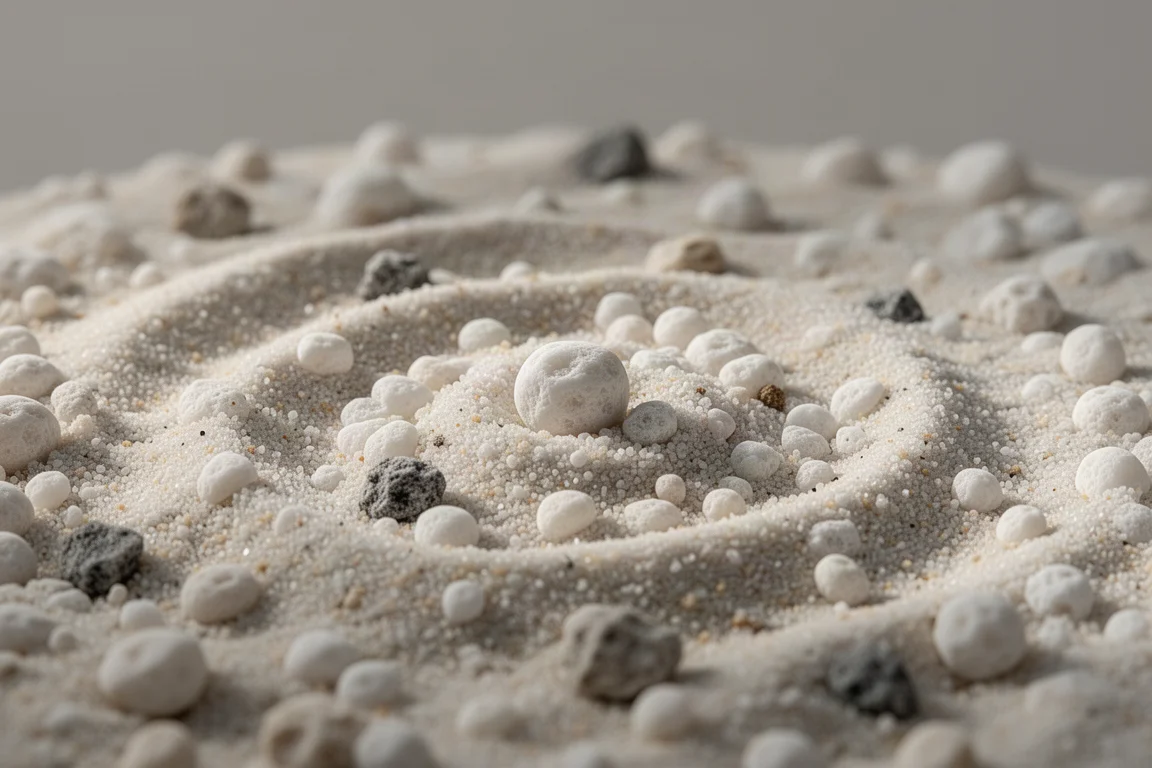
On grain size, Special Grade sits in the middle of the Arag-Alive range, and that middle position is exactly what makes it work. The grains are heavy enough to resist high flow, straightforward to clean, and sized for the creatures that live in and around the sand bed.
The second strength is the setup experience. The sand is pre-rinsed and sifted before it is bagged, it carries starter bacteria, and it can be added instantly. There is no rinsing stage, no bucket of cloudy water to pour away, and no long wait for a dust cloud to clear before the tank can be seen through the glass.
Each bag also includes a small packet of clarifier, which helps the water clear once the sand is in. It is worth setting that packet aside rather than losing it in the packaging.
Things to Consider Before Buying
Special Grade is not the only option available, so it helps to understand what the other grades give up before deciding.
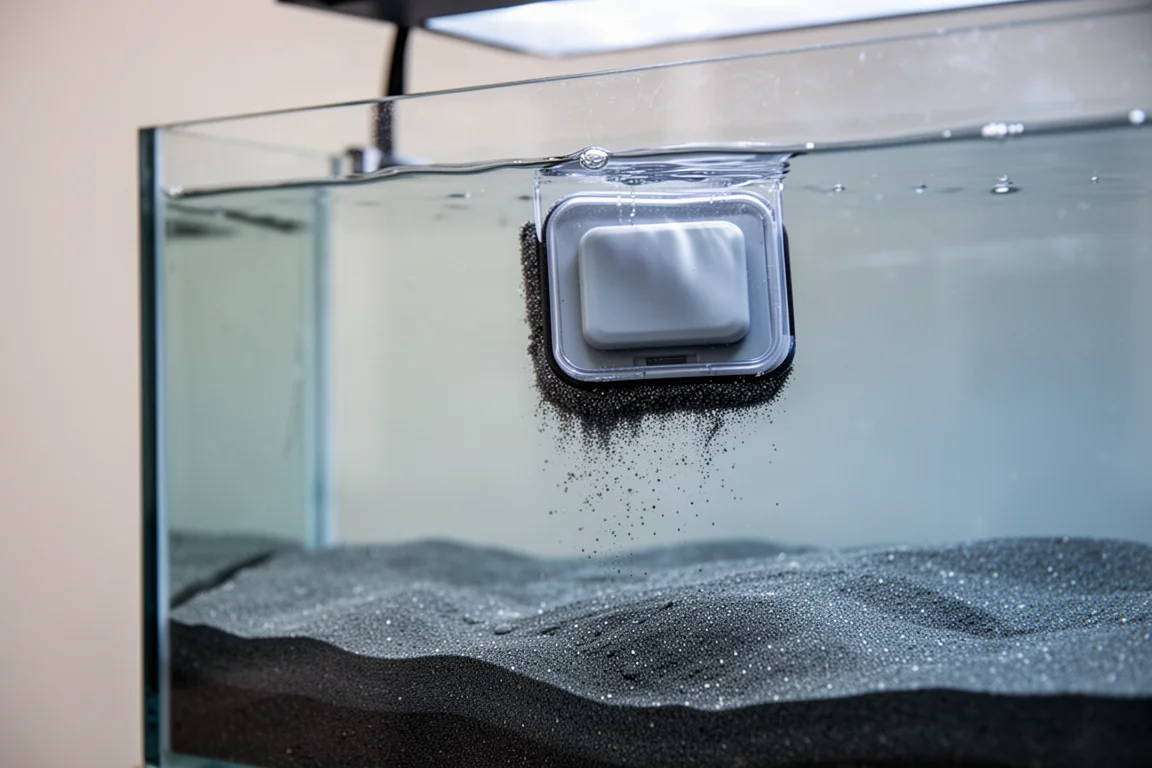
Bahamas Oolite is simply too fine for most displays. Even in low to medium flow it can blow around the aquarium and make a considerable mess. Fiji Pink uses a slightly larger particle, but it can still move around in high flow tanks, and the colour is the bigger surprise: the pink is far less prominent than most aquarists expect. Look closely and there are only tiny flecks, with a handful of pink quartz pieces in each bag. Hawaiian Black is closer in particle size to Special Grade and looks striking at first, but it can turn purple as coralline algae grows over it. More importantly, its magnetic properties mean the grains stick to a magnet cleaner, and over time that can scratch the inside of the aquarium.
Within its own strengths, Special Grade still comes with a couple of practical notes. It is a natural pale substrate, so it will not give a tank the pink or black look that some aquascapes are built around. It also depends on following the correct setup steps, because rinsing the sand would wash away the bacteria that are part of the product.
Buying Advice: Getting the Most From Each Bag
Two habits make the difference between a sand bed that settles quickly and one that clouds the tank for days.
First, do not rinse any Arag-Alive sand. The pre-rinsed format is part of the design, and rinsing removes the benefit that was built into the bag.
Second, add all of the water from the bag. That liquid carries the added starter bacteria, so tipping it away gives up one of the main advantages of choosing a live substrate. The small clarifier packet supplied in every bag should be used rather than discarded, since it has a strong record of clearing the water after the sand is added.
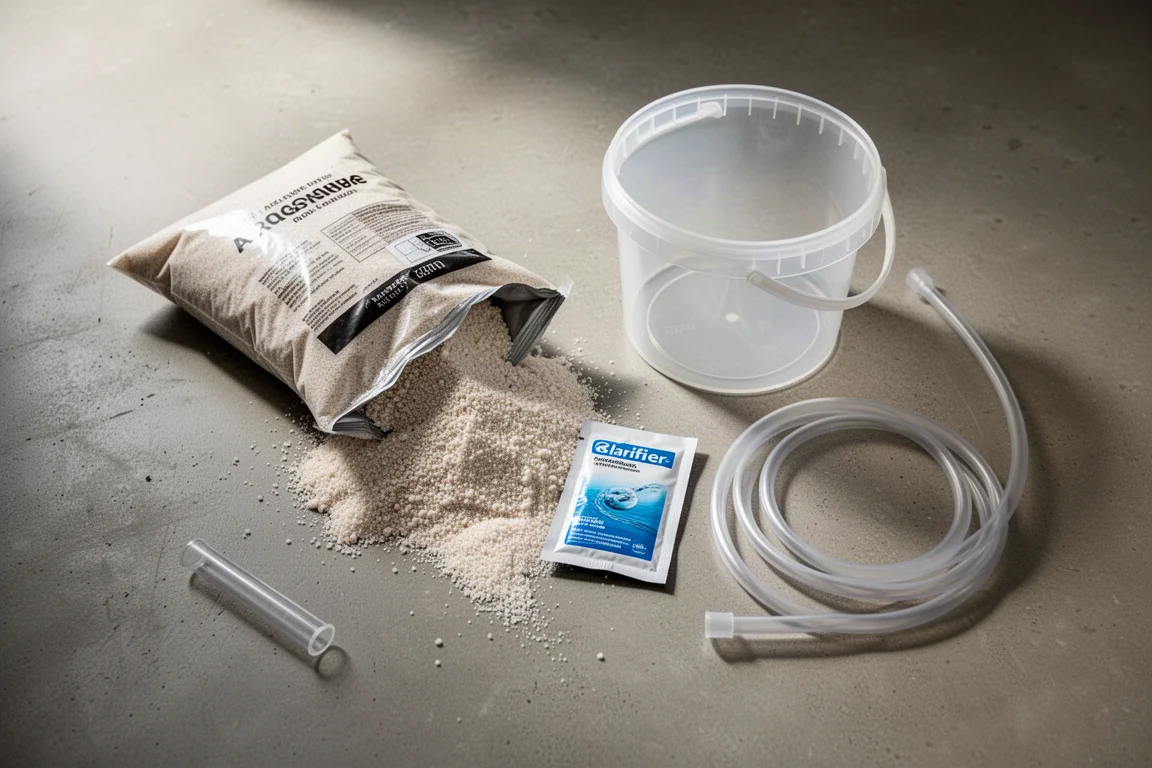
Both steps are simple, but they are easy to skip in the rush of a new setup. Following them means the tank is usually viewable far sooner, with the sand bed sitting where it was placed and the water clearing on its own.
Conclusion
For most reef tanks, CaribSea Arag-Alive Special Grade is the low-risk choice: a medium grain that holds up in high flow, a particle size that suits sand-sifting livestock, and a pre-rinsed, bacteria-seeded format that skips the messiest part of setting up a sand bed. The alternatives each give up something meaningful, whether that is stability in flow, the colour they promise, or the long-term condition of the aquarium glass. Keep the sand out of the rinse bucket, pour in the water from the bag, use the clarifier packet, and the substrate becomes one decision that can be settled and then forgotten.
Product link
View more details for CaribSea Arag-Alive Special Grade
This product is mentioned in the review. Check the specifications, options, and compatibility before buying.
View more details for CaribSea Arag-Alive Special GradeFurther reading
Related Reviews
Aquarium Substrate
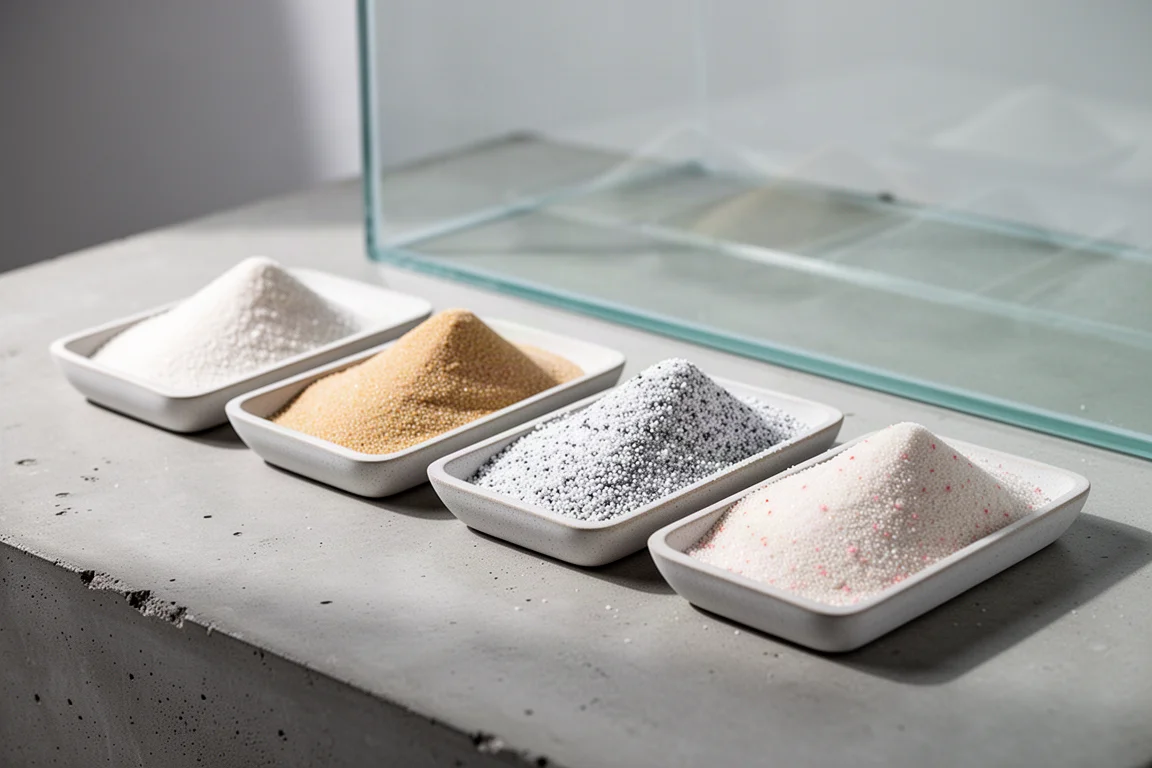
Best Aquarium Sand for Reef Tanks: Four Options Compared
A practical comparison of four reef tank sands, from the most popular mid-grain pick to the finest oolite, plus depth guidance and materials worth skipping.
Aquarium Substrate
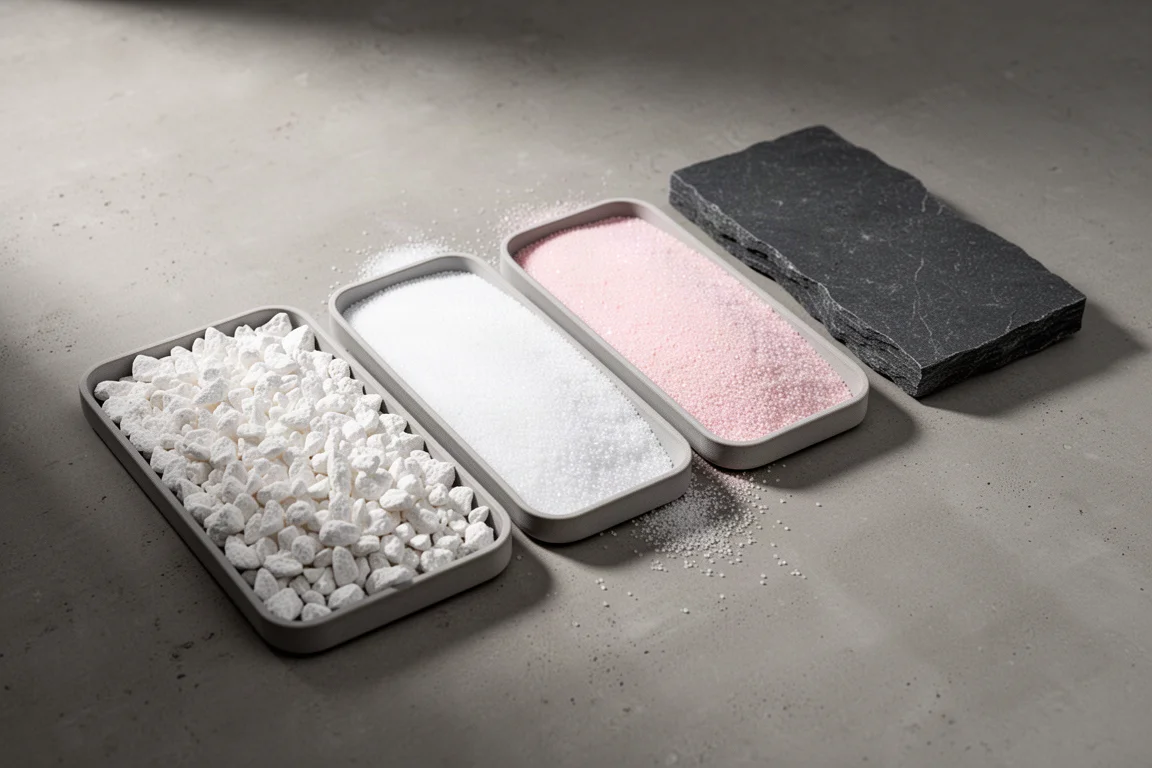
Best Reef Tank Sand: Seven Substrates Compared for Flow, Sifters, and New Tanks
A practical comparison of seven reef tank substrates, covering grain size, flow behaviour, natural biology, and the hardscape fix that keeps a sandbed in place.
Aquarium Substrate
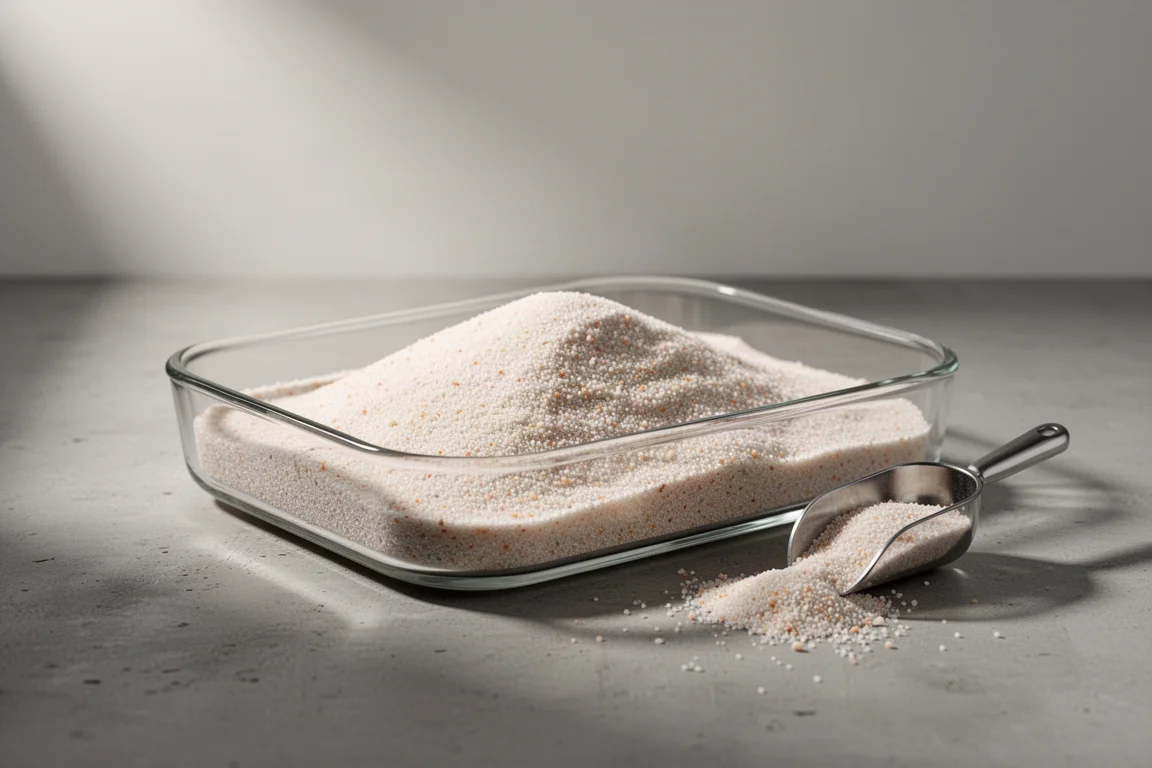
CaribSea Aquarium Sand Compared: Dry Grades and Packaged Alternatives
How CaribSea's dry sand grades compare with each other and with the brand's packaged options, plus the rinsing and additive details to settle before you fill the tank.