Aquarium Substrate
CaribSea Aquarium Sand Compared: Dry Grades and Packaged Alternatives
How CaribSea's dry sand grades compare with each other and with the brand's packaged options, plus the rinsing and additive details to settle before you fill the tank.
Introduction
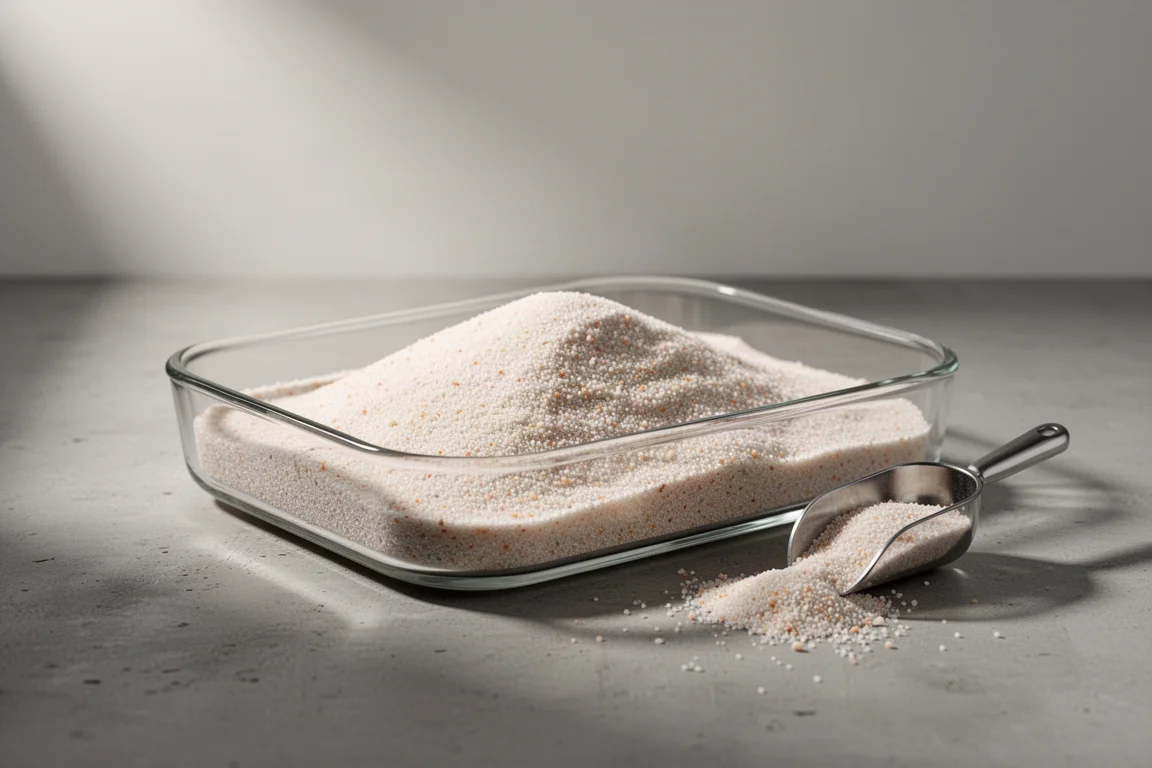
Sand is one of the few purchases in this hobby that stays in the tank for years, so the choice deserves more than a quick glance at the bag. CaribSea’s dry range makes a simple case for itself: at roughly a dollar twenty five a pound for a forty pound bag, you are paying for aragonite rather than water, the sand has no shelf life, and it can be added whenever the tank is ready.
The brand also sells packaged options such as Arag-Alive and Ocean’s Direct, which are the natural points of comparison. This guide covers the dry grades side by side, explains where the packaged alternatives fit, and looks at the practical details, grain size, rinsing and bacterial additives, that decide whether a sand bed looks and behaves the way you want it to.
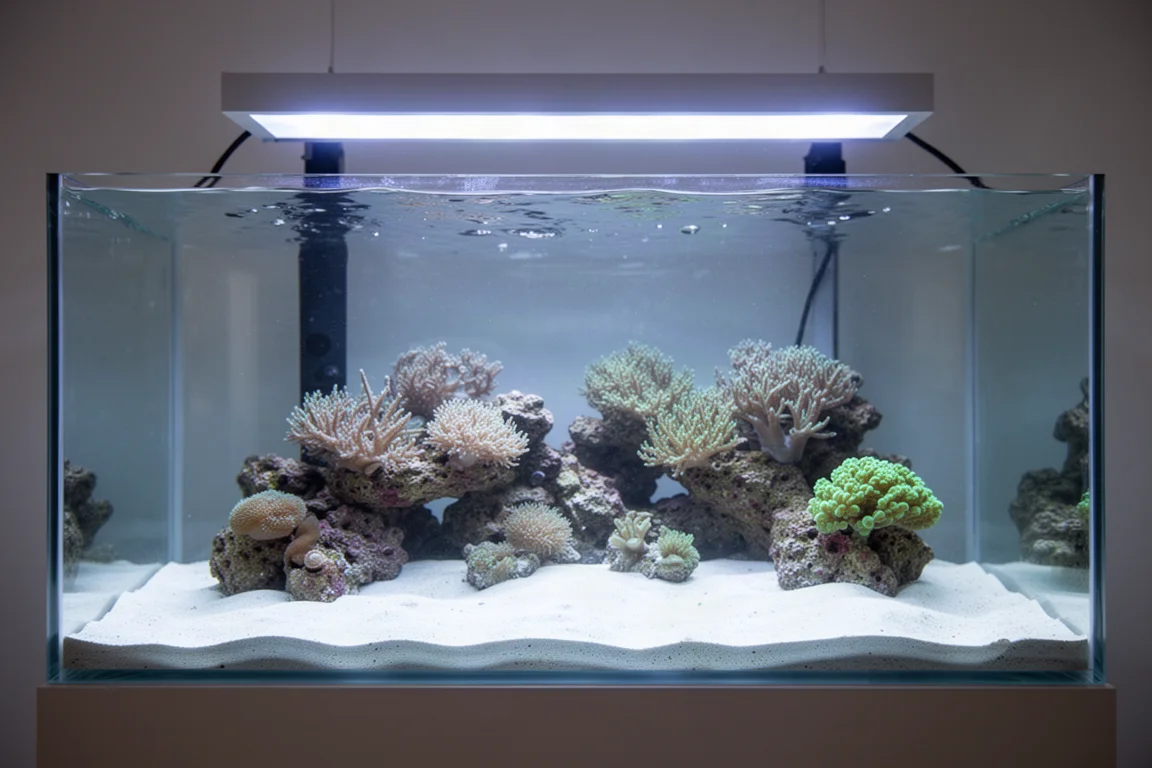
None of this is complicated, but the difference between a clean, natural-looking substrate and a cloudy, frustrating one usually comes down to the choices made here.
What Sets Dry Sand Apart
Buying dry removes three variables at once: there is no water weight in the bag, there is no shelf life to work around, and there is no live bacteria in the sand, which means the bacterial additive is your call rather than something already in the bag. Popular choices for seeding a new tank include Brightwell’s Microbacter7 and Dr Tim’s One and Only.
Grain size is the second variable, and the dry range splits into two grades. Reef Grade and Fiji Pink are the two CaribSea dry options, and although they are sold in similar bags, they do not look the same once they are settled in water.
CaribSea Special Grade Dry Sand: The Value Option
Special Grade Dry Sand is the most straightforward way into the dry range. The value case is easy to follow: a forty pound bag works out to about a dollar twenty five a pound, and very little of that weight is water. Because the sand carries no live bacteria and has no shelf life, a bag can sit in storage until the tank is ready, and the bacterial additive stays entirely your choice.
The trade-off is a short one. Dry sand is dusty out of the bag and needs rinsing before it goes into the aquarium, and handling that step properly is what keeps the water clear from the first day.
CaribSea Reef Grade Dry Sand: The Best All-Round Grain
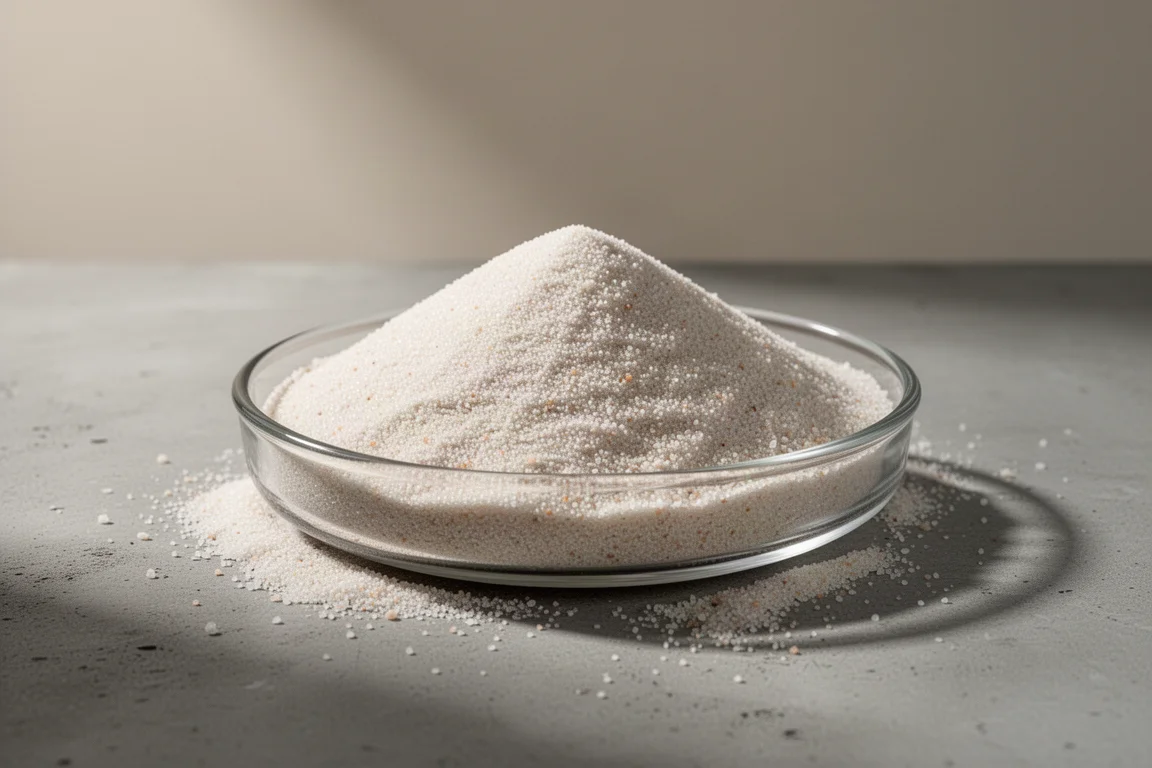
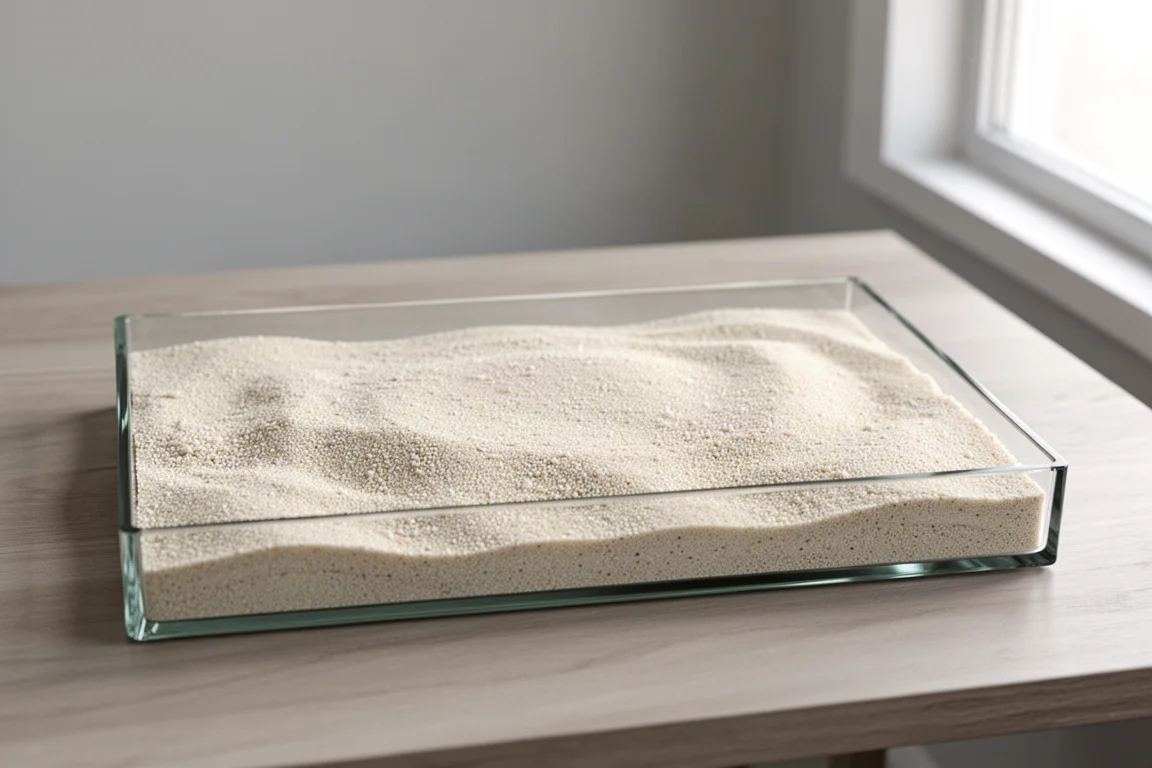
Reef Grade is the more popular of the two dry grades, and grain structure is the reason. The grains are uniform and consistent in size, which gives the tank a clean, natural beach look rather than a mix of coarse and fine material. That same uniformity makes it a comfortable substrate for inverts and sand-dwelling wrasses, which do better with an even bed they can move through.
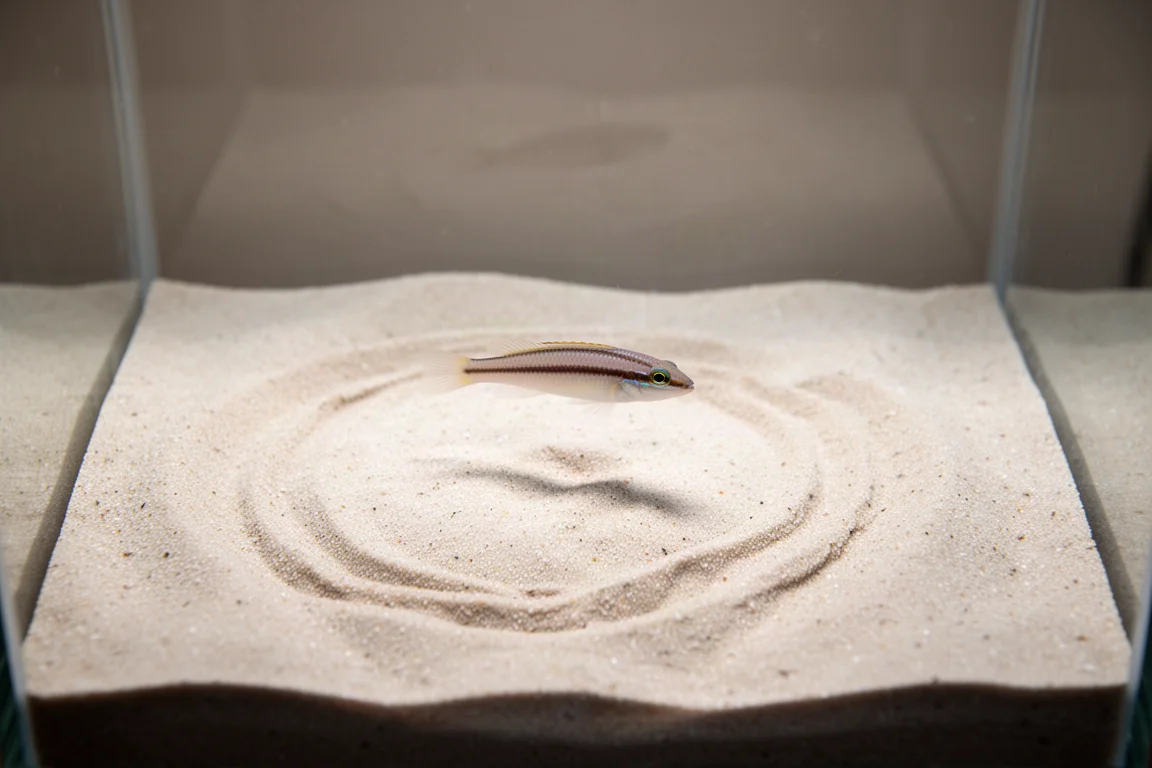
Like any dry sand, Reef Grade is dusty straight from the bag and should be rinsed before it goes in. Once it has settled, it is the grade most aquarists end up recommending, and the one that suits the widest range of setups.
CaribSea Fiji Pink Dry Sand: A Subtle Colour Accent
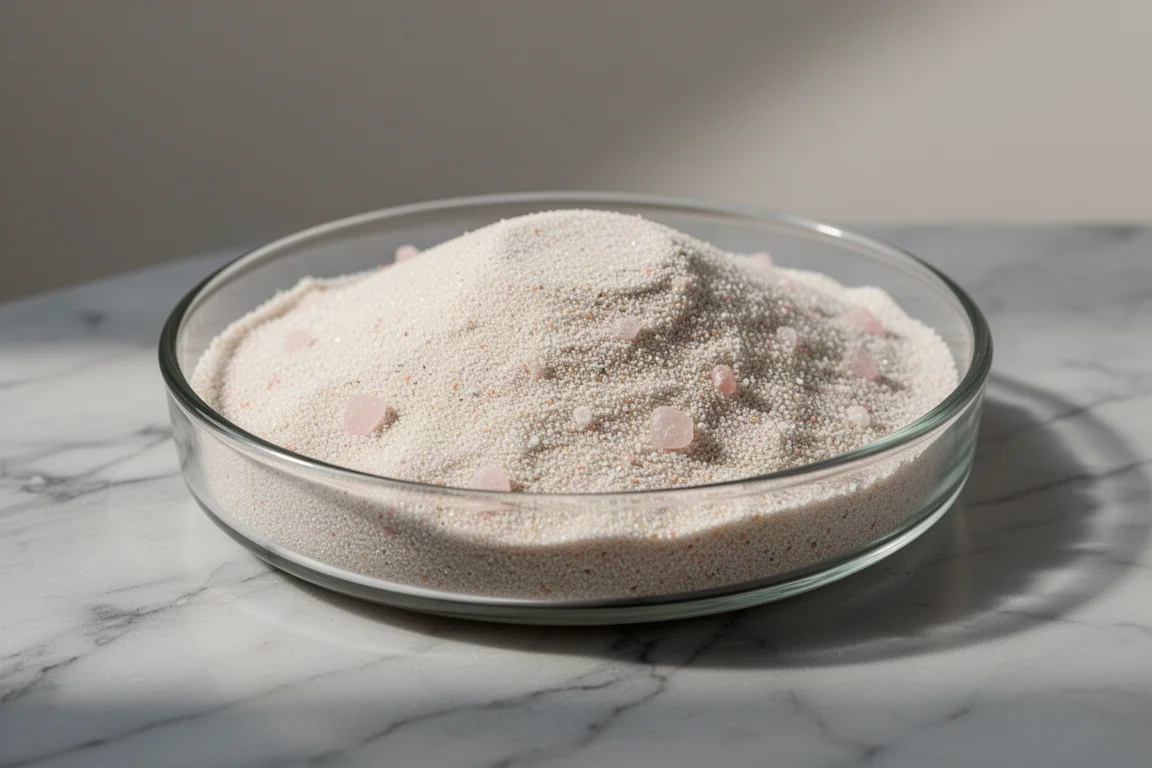
The Fiji Pink name suggests more colour than the bag actually delivers. Look closely and there are tiny pink quartz flecks in the sand, but each bag holds only a handful of those pieces, so a finished sand bed reads as a light neutral substrate rather than a pink one. Treat the pink as a small detail rather than a design feature and there is nothing to be disappointed about.
If you are choosing between the two dry grades and want the grain most people picture in a marine tank, Reef Grade is the safer pick. Fiji Pink still works well, it simply does not look pink in any meaningful way once it is spread across the bottom of a tank.
CaribSea Arag-Alive: A Packaged Alternative to Dry Sand
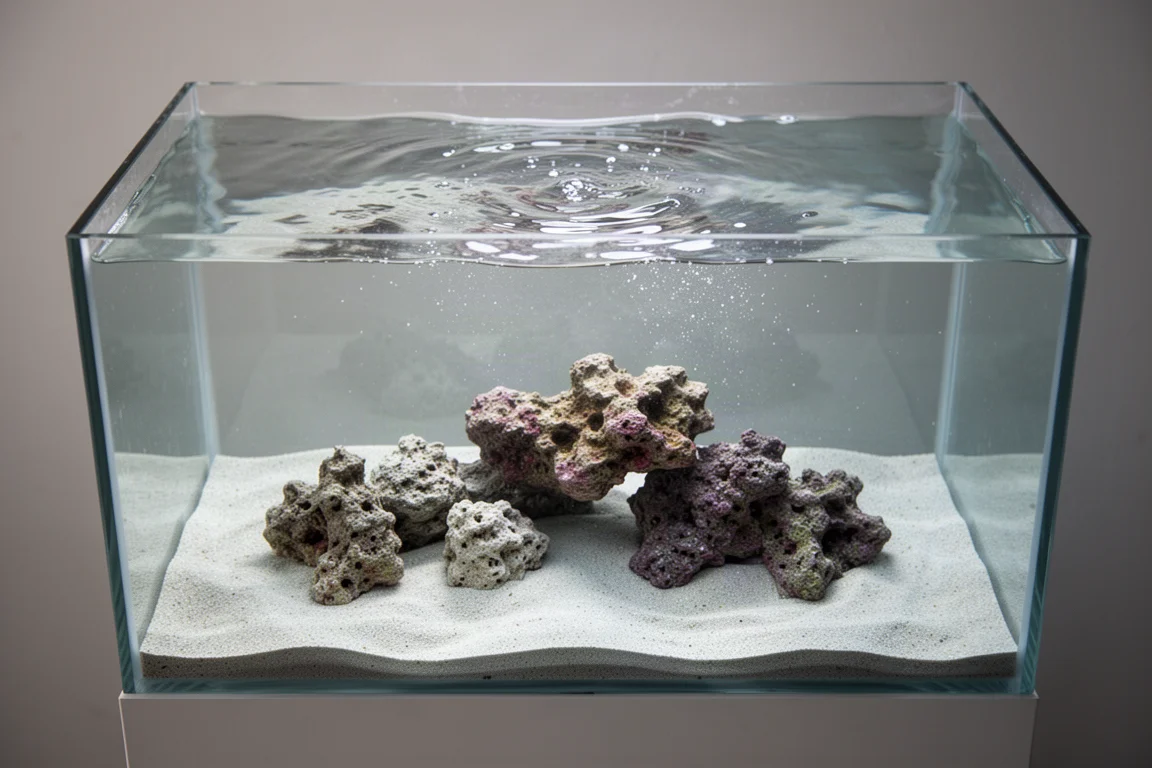
Arag-Alive takes the opposite approach to the dry range. The sand arrives with bacteria already present, so the seeding decision is made before the bag reaches your tank, which suits anyone who would rather not add a bacterial supplement themselves.
The comparison with dry sand comes down to two things. Dry sand is sold without water weight and has no shelf life, so it can be stored and added at any time, while a packaged option trades some of that flexibility for a shorter setup checklist.
Neither approach is wrong. It comes down to whether you want control over how the tank is seeded or a simpler route to a running system.
CaribSea Ocean’s Direct: Another Packaged Option
Ocean’s Direct belongs to the same part of the conversation as Arag-Alive: a packaged CaribSea sand that sits alongside the dry grades rather than replacing them. It appeals to aquarists who want the substrate handled in one step and are less concerned about the water weight inside the bag.
If cost and storage flexibility matter most, dry sand keeps the advantage, since a dry bag can wait until the tank is ready. If you would rather keep the setup process short, a packaged option is easier to live with.
Buying Advice: Matching Sand to Your Setup
Three things decide this choice for most tanks: the grain you want to look at every day, the price per pound, and how much control you want over the bacteria that start the tank. The dry grades win on the last two, and Reef Grade wins on the first.
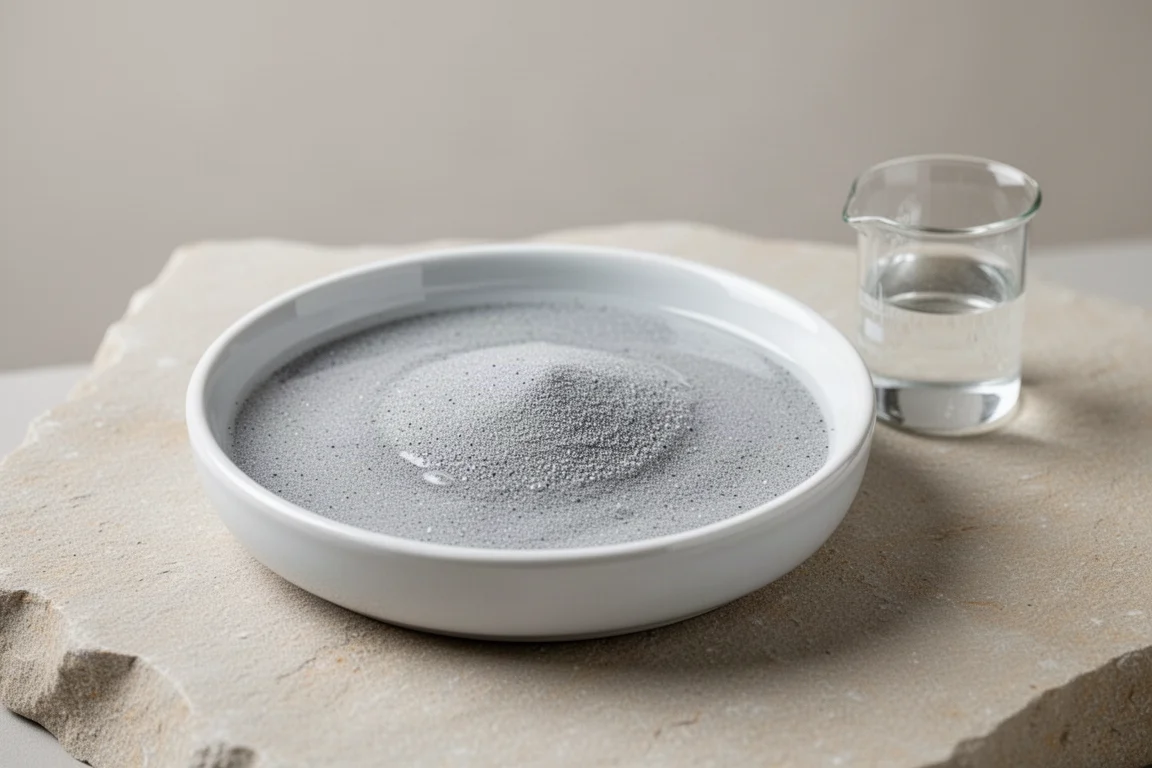
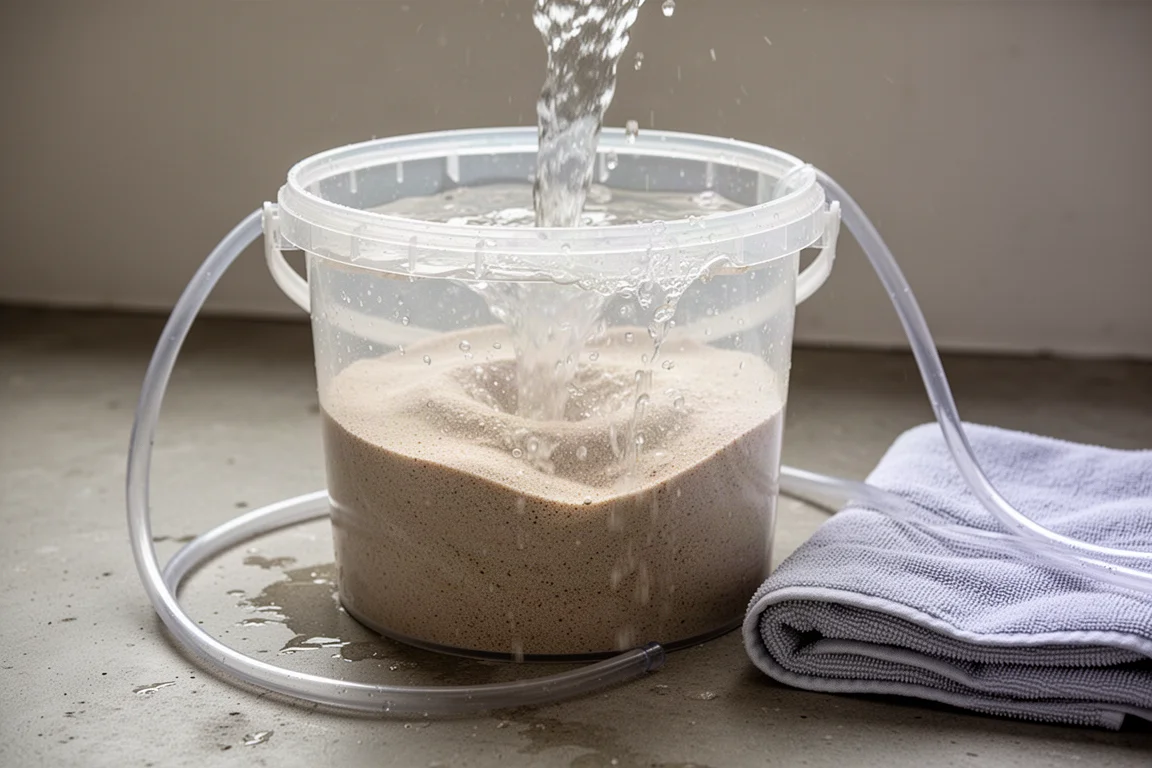
Rinsing is the step that catches people out. Dry sand is dusty and does need rinsing before it goes into the aquarium, and skipping that step is the mistake most often regretted. The best practice is to rinse with tank water, but if you are in a pinch and have to use tap water, treat it with a dechlorinator first.
If you want a single recommendation, Reef Grade is the dry grade to choose. Uniform grains give the natural beach look most marine keepers are after, the bed suits inverts and sand-dwelling wrasses, and the sand itself can be stored until you are ready to use it. Add the bacterial supplement you trust and the setup stays simple.
Conclusion
CaribSea’s dry sands make their case with weight and time: no water in the bag, no shelf life, and the freedom to choose your own bacterial additive. Between the two dry grades, Reef Grade wins on grain and appearance, while Fiji Pink keeps only a trace of the colour its name suggests. Arag-Alive and Ocean’s Direct remain sensible alternatives for anyone who wants the seeding step accounted for before the sand arrives.
Further reading
Related Reviews
Aquarium Substrate
Best Aquarium Sand for Reef Tanks: Four Options Compared
A practical comparison of four reef tank sands, from the most popular mid-grain pick to the finest oolite, plus depth guidance and materials worth skipping.
Aquarium Substrate
Best Reef Tank Sand: Seven Substrates Compared for Flow, Sifters, and New Tanks
A practical comparison of seven reef tank substrates, covering grain size, flow behaviour, natural biology, and the hardscape fix that keeps a sandbed in place.
Aquarium Substrate
CaribSea Arag-Alive Special Grade Review: Why Reef Keepers Keep Choosing It
A practical look at the most widely chosen Arag-Alive grade, why its medium grain holds up in high flow, and how to set it up without the usual mess.