Aquarium Substrate
Best Aquarium Sand for Reef Tanks: Four Options Compared
A practical comparison of four reef tank sands, from the most popular mid-grain pick to the finest oolite, plus depth guidance and materials worth skipping.
Introduction
Sand looks like the simplest decision in a reef tank until the flow comes on. The material that looks closest to a natural beach is also the material that drifts, and the material that refuses to move is the one that looks least like sand. Almost every substrate question comes back to that tension.
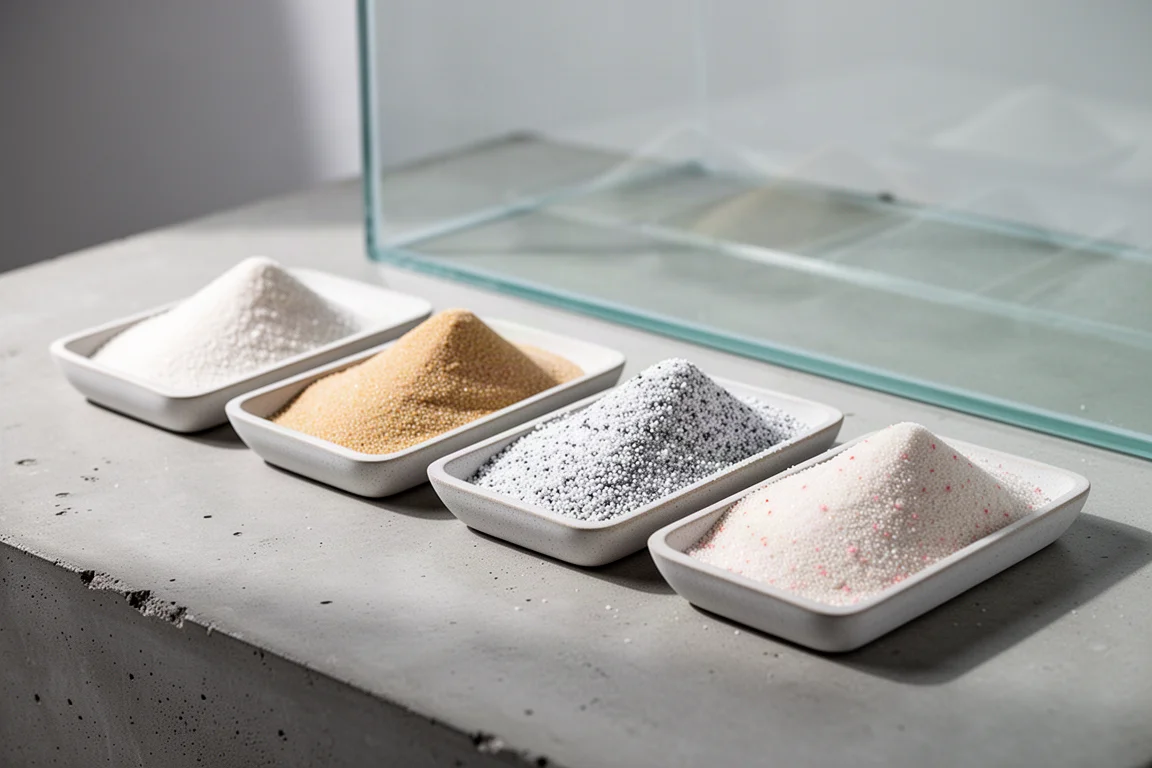
Four sands cover most of the realistic buying cases: an all-rounder that most keepers end up choosing, one picked for the natural biome it carries, one that looks better than anything else in its class, and one that is often bought for a reason that does not survive contact with the tank.
What Matters Most When Choosing Aquarium Sand
Grain size is the most determining factor in how a sand bed behaves. Fine grades such as oolite look the part, but in a high-flow system they lift, drift, and settle into dunes, leaving bare patches and burying anything in their path. Larger grains stay exactly where they are placed, but they read as coarse chips rather than sand.
The mid-range grade sits between those extremes, which is why it is the most popular choice and why it suits the majority of mixed reef tanks. If flow is pushed very high, even a mid-grade bed can move, and the usual answer is a coarser crushed coral material, either used on its own at a shallow depth or worked into specific areas. Mixed beds do separate over time as finer grains migrate outward, so plan for that from the start.
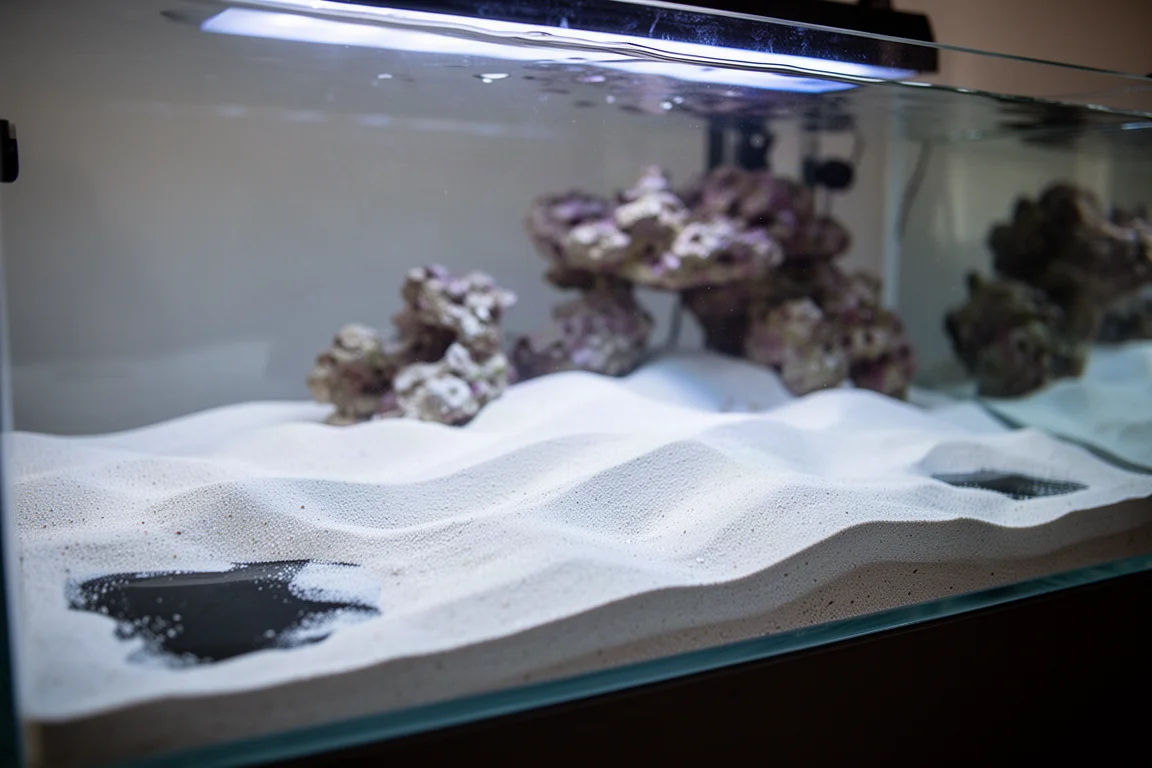
Two more considerations run alongside grain size. The first is appearance: a finer grain creates soft crests under flow, while a coarse bed looks like mounds of pebbles. The second is how much biological diversity you want the substrate to bring with it, which separates a sterile dry start from a bed that arrives alive.
CaribSea Special Grade Arag-Alive: The Most Popular Choice
If you want the safest pick, this is it. The grain size lands in the middle of the range, fine enough to look like sand and coarse enough to hold its position under meaningful flow, including in tanks built around SPS corals. It creates far less dune formation than an oolite grade, and it avoids the awkward look of oversized crushed coral.
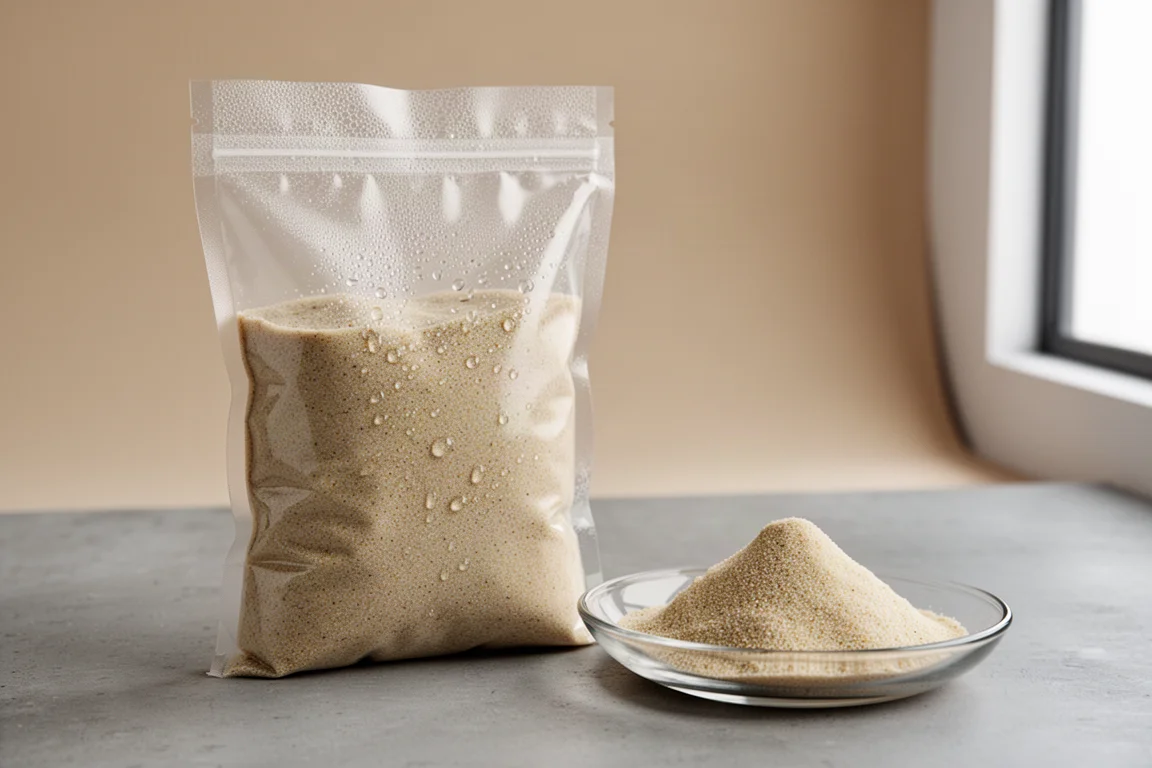
This sand is sold in both dry and wet bags, and the wet Arag-Alive version is the one worth choosing. It arrives with the water and bacterial component already in the bag, so the bed is ready to go without a separate rinsing step or a long settling period. It is the most widely used reef sand for good reason: it works for most tanks without demanding special handling.
Ocean Direct Original Grade: Best for Natural Biological Diversity
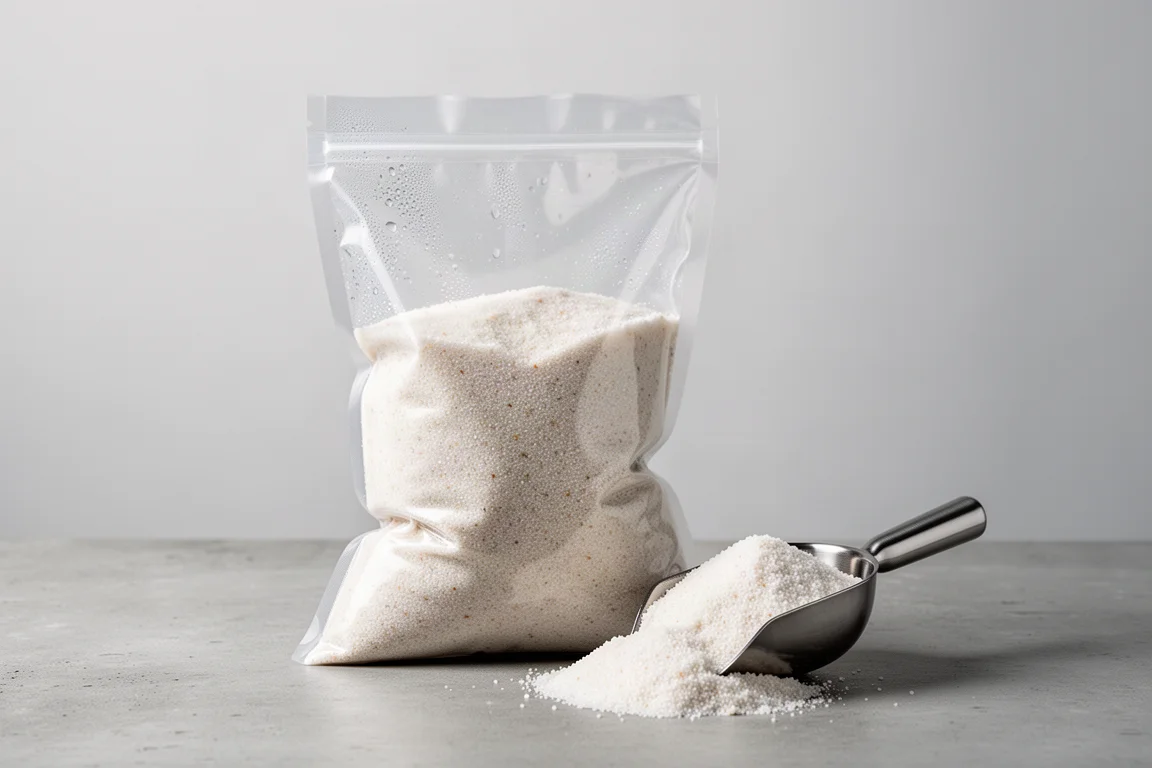
Ocean Direct Original Grade takes a different route to the same goal. Instead of being sifted, dried, and then re-dosed with water and bacteria, this sand is taken from the ocean and kept moist in the bag, so the bacteria and the broader biome that came with it stay intact. The packaging is breathable, allowing a degree of gas exchange, and because the product is not padded out with added water, you are not paying for water weight.
Its grain size is smaller than the Special Grade, which gives the bed a softer, dune-like appearance that reads as more natural. It behaves well in a moderate-flow setup, and it is a particularly good match for tanks built on dry rock, where the rock itself is fairly sterile and the sand becomes the main source of natural diversity.
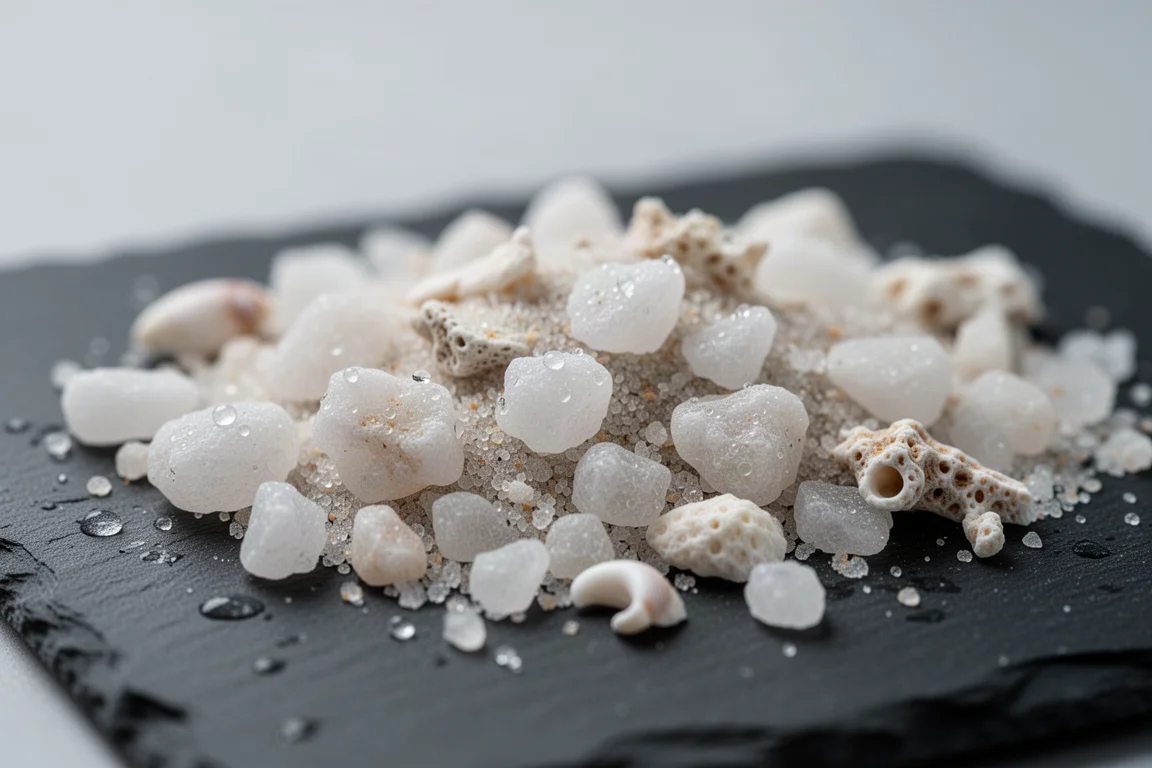
For anyone weighing appearance against stability, this is the middle path: a finer, prettier grain without the extreme drift of oolite, plus a biome that arrives alive rather than added later.
Bahamas Oolite: The Best-Looking Sand, With Caveats
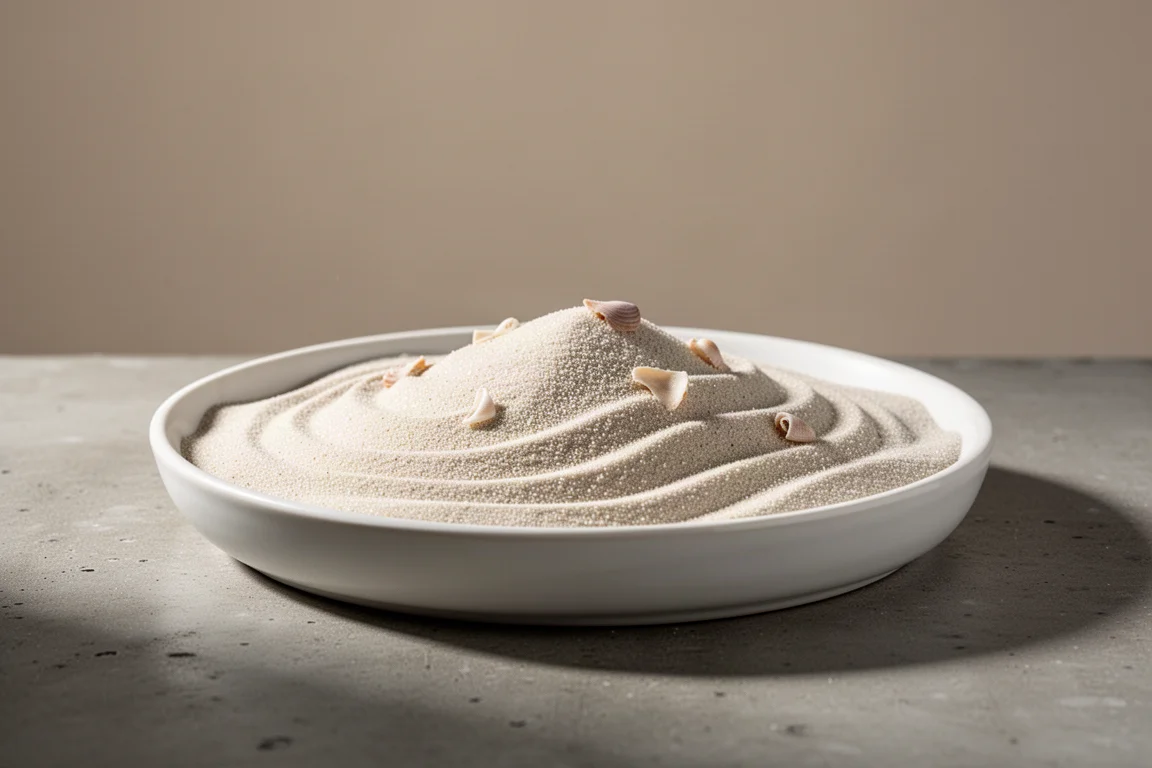
Judged purely on looks, this is the finest and most attractive sand of the group. It recreates the texture of a shallow tropical beach, forming delicate ripples rather than lumpy mounds, and it flatters a display tank more than any coarser grade. It is also the least forgiving. Very few keepers run it because it moves so easily, and keeping it pristine takes meticulous maintenance and a careful approach to flow.
Choose this one for a tank where appearance leads, flow is controlled, and you are genuinely prepared to keep up with the upkeep it demands.
Fiji Pink: The Pink That Isn’t
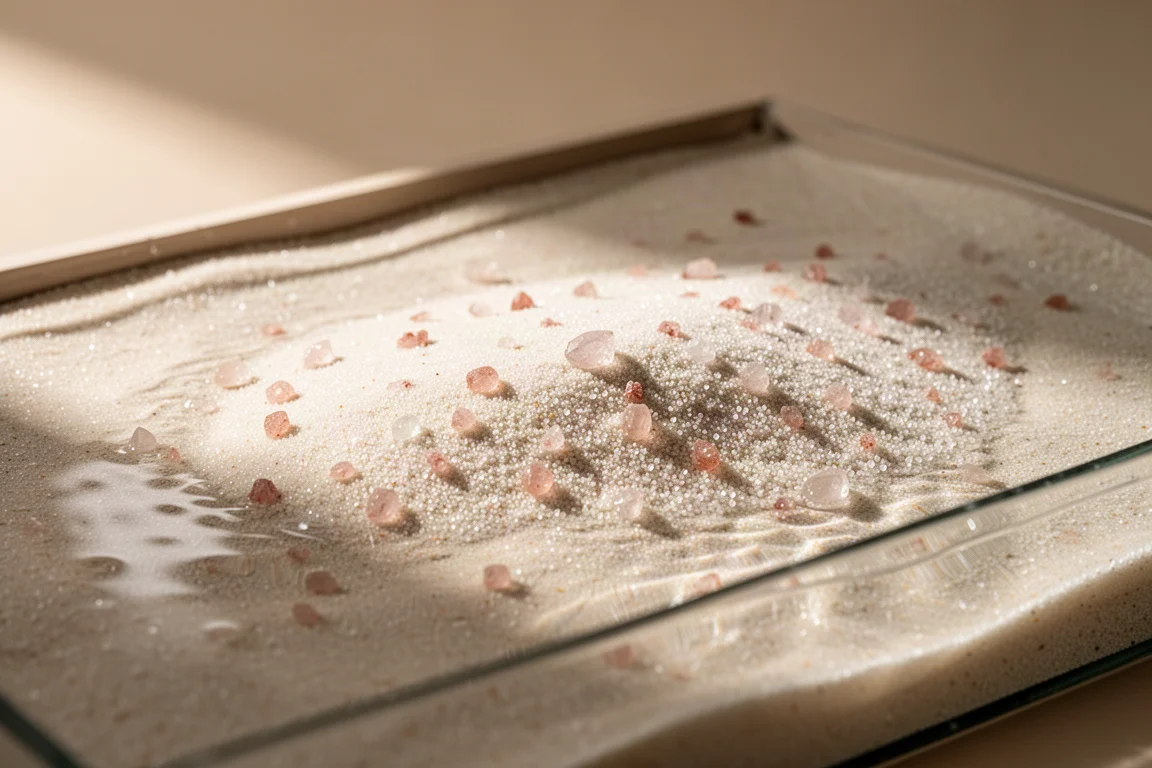
Fiji Pink sounds as though it should cast a warm tint across the sand bed. In practice, the colour comes from a small quantity of rose quartz added to the mix, and the grains are so sparse that you will not see the pink once the sand is in the tank. A close look at the bag may reveal one speck here and one speck there, and nothing more.
Its grain size is slightly smaller than the Special Grade, which is the more commonly recommended option between the two. If you have another specific reason to want this sand, it will perform much like its more popular sibling, but the name should not be the deciding factor.
How Much Sand Do You Actually Need?
One inch is the most common depth and the one most keepers settle on, with roughly 1.5 inches as a practical ceiling. A shallow bed keeps the bottom covered even if some movement occurs, and it is far easier to vacuum and turn over during maintenance. Deeper beds collect organics, and you can often see dark streaks running through the sand, followed by a rotten egg smell when the bed is disturbed. Many of these sands list quantity recommendations for common tank sizes where they are sold, which makes sizing a straightforward calculation rather than a guess.
Black Sand and Other Options Worth Skipping
Black sand offers striking contrast against colourful corals, but two practical objections outweigh the look. The first is magnetic content: a magnetic glass cleaner will pick up the particles and turn into a piece of sandpaper against the glass. The second is light behaviour. White sand bounces light back upward, helping illuminate the undersides of rockwork and the bases of corals, while black absorbs it. In tanks where even lighting across coral bases matters, that difference is noticeable. Coarser black grades also tend to get covered in coralline algae and turn purple over time. Skip it unless black is a firm personal requirement.
Buying Advice
Dry sand is both cheaper and easier to source in larger quantities, because you are not paying for water weight, and it makes an economical entry point for a new tank. The trade-off is dust: dry sand should be rinsed thoroughly before it goes anywhere near the aquarium. Wet sand costs more but arrives ready to use, with the water and bacterial component already in the bag.
For most tanks, the mid-range Special Grade in its wet Arag-Alive form is the sensible starting point, since it balances appearance against stability and suits a wide range of flow levels. If appearance matters more than stability and your flow is moderate, Ocean Direct Original Grade or Bahamas Oolite will look better, with the understanding that finer grains need more attention. If you want the substrate to contribute natural biological diversity to a tank built on dry rock, Ocean Direct Original Grade is the clearest choice. Fiji Pink is the one option here that rarely justifies its own name, and it is normally skipped in favour of the slightly larger Special Grade.
Conclusion
The right sand is the one that matches your flow and your priorities rather than the one that looks best in a bag. For the majority of reef tanks, a mid-range grade such as Special Grade Arag-Alive covers both without compromise. For natural diversity, Ocean Direct Original Grade brings the ocean biome with it. Bahamas Oolite wins on appearance and asks for maintenance in return. Fiji Pink is easy to rule out once you know the pink is not really there.
Further reading
Related Reviews
Aquarium Substrate
Best Reef Tank Sand: Seven Substrates Compared for Flow, Sifters, and New Tanks
A practical comparison of seven reef tank substrates, covering grain size, flow behaviour, natural biology, and the hardscape fix that keeps a sandbed in place.
Aquarium Substrate
CaribSea Aquarium Sand Compared: Dry Grades and Packaged Alternatives
How CaribSea's dry sand grades compare with each other and with the brand's packaged options, plus the rinsing and additive details to settle before you fill the tank.
Aquarium Substrate
CaribSea Arag-Alive Special Grade Review: Why Reef Keepers Keep Choosing It
A practical look at the most widely chosen Arag-Alive grade, why its medium grain holds up in high flow, and how to set it up without the usual mess.