Mountain Bikes
Canyon Torque 2022 Range Guide: All Six Models Explained
A clear breakdown of the 2022 Canyon Torque lineup, from the alloy Torque 5 through the carbon CF 9, including wheel options, frame differences, and coil shock builds.
Introduction
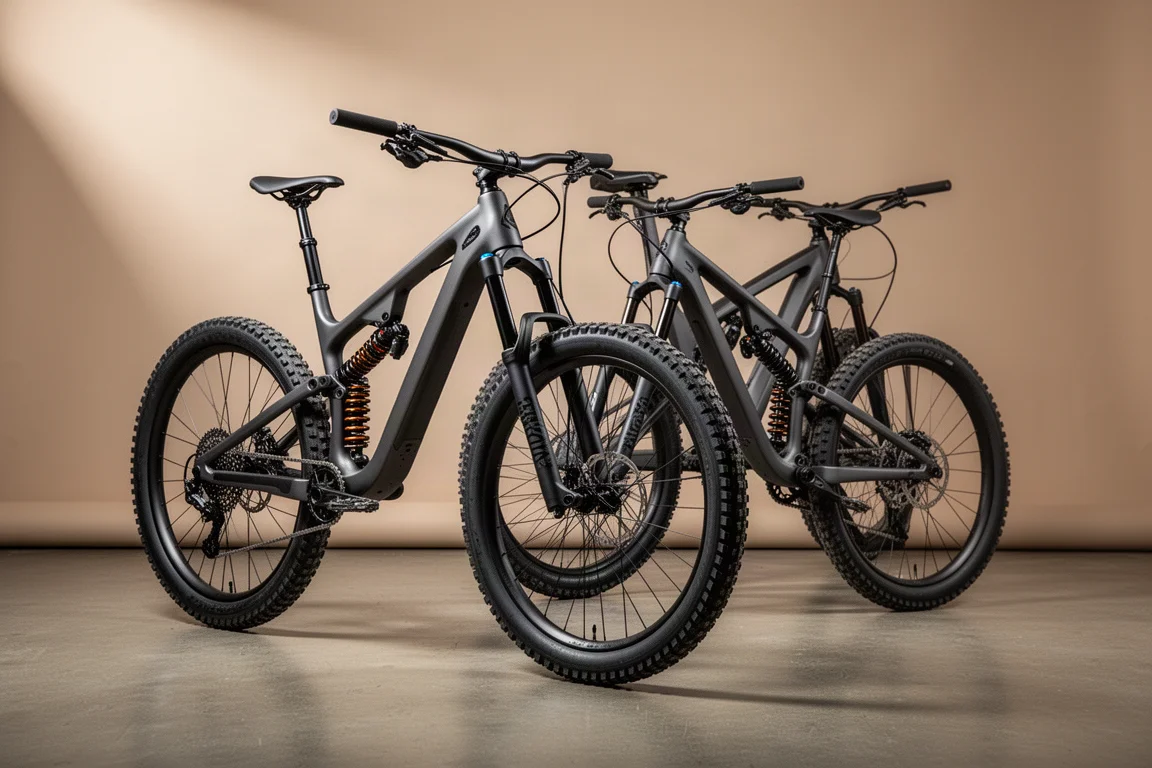
The Canyon Torque is the brand’s long-travel freeride and bike park platform, and the 2022 generation is a ground-up rethink rather than a small refresh. Six models make up the family, covering both alloy and carbon frames and three wheel configurations: full 29-inch, full 27.5-inch, and mullet builds that pair a 29-inch front wheel with a 27.5-inch rear.
That spread matters because the Torque occupies a specific place in the range. The Spectral is aimed at trail riders, the Strive stays focused on enduro racing, and the Torque is the bike for everything from groomed park laps to gnarly natural lines. Travel lands at 170 or 175 mm depending on wheel size, and Canyon rates the frame at Category 5 for strength and durability, the same classification it gives the Sender downhill bike. Dual crown forks are even approved for use on the frame.
This guide walks through what the platform shares and what separates each build, so you can work out which Torque fits the riding you actually do.
What Sets the Torque Family Apart
Both frame materials were developed with dedicated engineering attention rather than treating one as a derivative of the other. The carbon frame saves roughly 200 g over the previous version at around 2.6 kg, while still reinforcing the seat stay bridge, the chain stays, and the areas around the bearings and axles. The alloy frame comes in at just over 3 kg, about 400 g more than carbon, and Canyon prioritised strength-to-weight rather than stiffness by optimising tube cross sections, straightening tube profiles, and refining tube junctions and forged parts. Around 200 g was also saved on the alloy frame compared with before.
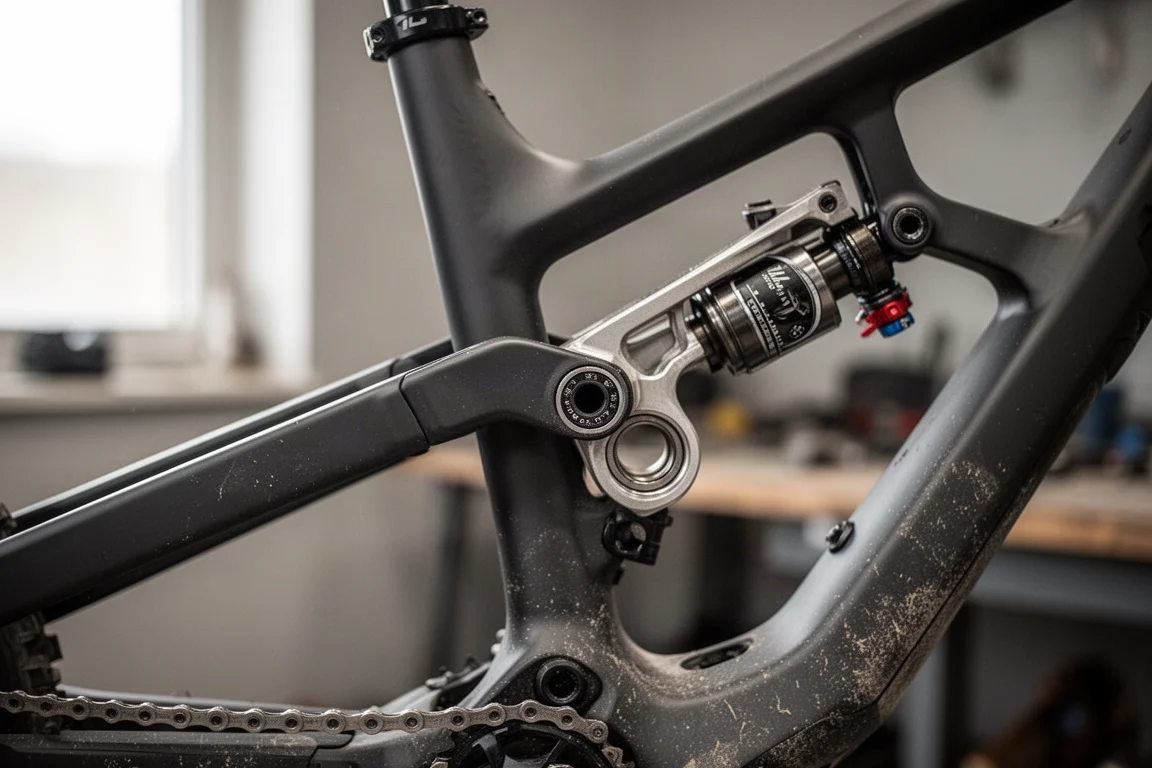
Maintenance was clearly part of the brief. Linkage bearings are all accessed from the non-drive side, and the whole assembly strips down with just 5 mm and 6 mm Allen keys. On carbon bikes the pivot threads sit on replaceable inserts, so damage is a swap rather than a write-off, while alloy frames use stronger threaded inserts. Several parts are shared with the Spectral, which should make sourcing spares easier over time. Frames also include rubber protection strips, rivets under the top tube for tool straps and caddies, and room for a large side-loading bottle.
Suspension follows Canyon’s four-bar layout and its Triple Phase character: soft in the early stroke for traction and comfort, supportive through the middle for pedalling and pumping, and progressive later on to resist harsh bottom-outs. On the Torque, anti-squat is raised by around 30 percent near the sag point and then drops away quickly beyond it, which reduces pedal kickback on deep compressions.
Geometry follows the usual modern direction: longer, lower, and slacker than the previous generation, with a steeper seat angle, a short offset fork, and compact chain stays. Carbon models carry a flip chip that shifts the angles by 0.5 degrees, while alloy models run a fixed geometry matching the carbon bike’s high setting.
Canyon Torque 5: The Most Affordable Entry Point
The Torque 5 is the entry to the range and the least expensive way into the platform. It uses the alloy frame with a full 29-inch or full 27.5-inch wheel setup, so it carries the same Category 5 frame rating and the same suspension character as the rest of the family without the carbon price.
Entry-level builds ship with DT Swiss wheels that Canyon says were designed around the Torque’s loads and tensions and comply with its Category 5 testing protocol. They also come with Canyon’s own G5 components, developed with strength in mind and used in downhill and freeride settings. That includes a dropper post offering 25 mm of travel adjustment in 5 mm increments, changeable at home.
For anyone who wants a long-travel park bike and would rather put money toward trips than frame material, this is the most direct route in.
Canyon Torque CF 7: The Cheapest Carbon Build
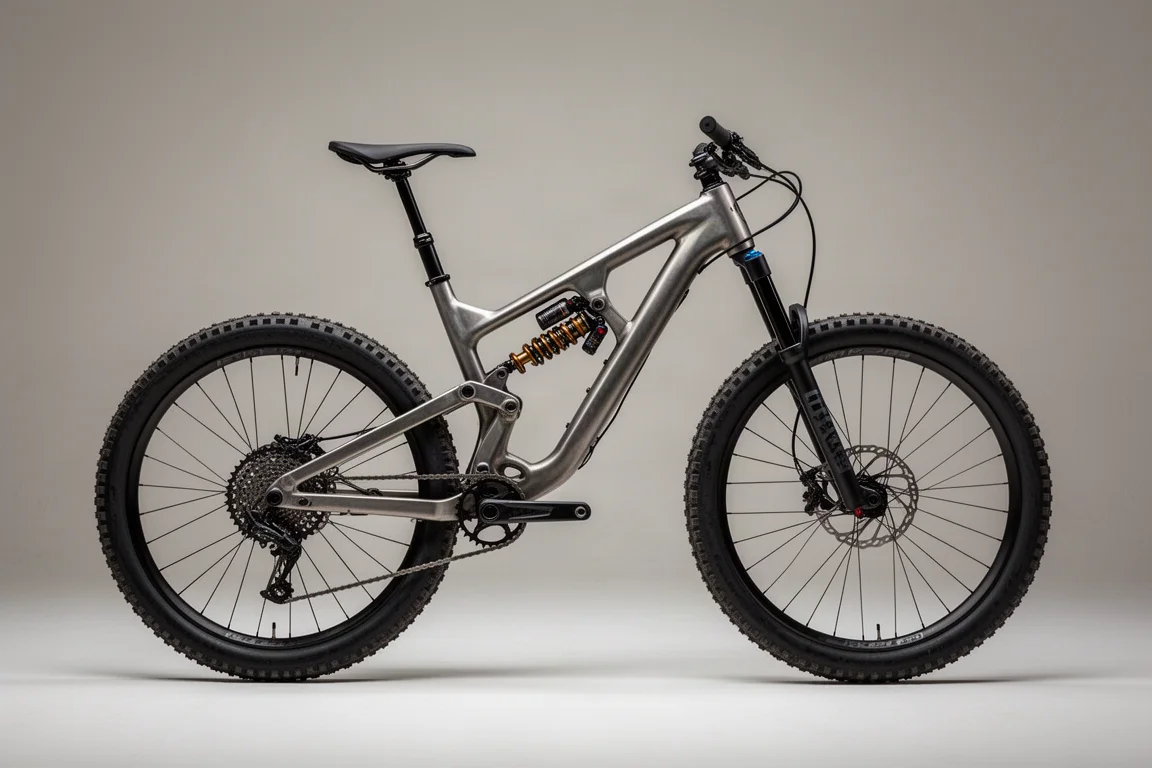
The CF 7 is the first carbon model in the range and the point where the flip chip, the lighter frame, and the finer tuning of ride feel come into play. It keeps the air shock arrangement used by most of the lineup rather than the coil setup reserved for the mullet bikes.
Carbon construction here sits at around 2.6 kg and allows Canyon to vary strength, weight, and stiffness across different parts of the frame. The rear end that was alloy on the previous version is now carbon, and the front triangle also sheds weight.
Riders comparing the Torque 5 and the CF 7 are essentially choosing between frame material and geometry adjustment. Everything else, from the Category 5 rating to the Triple Phase suspension, carries over.
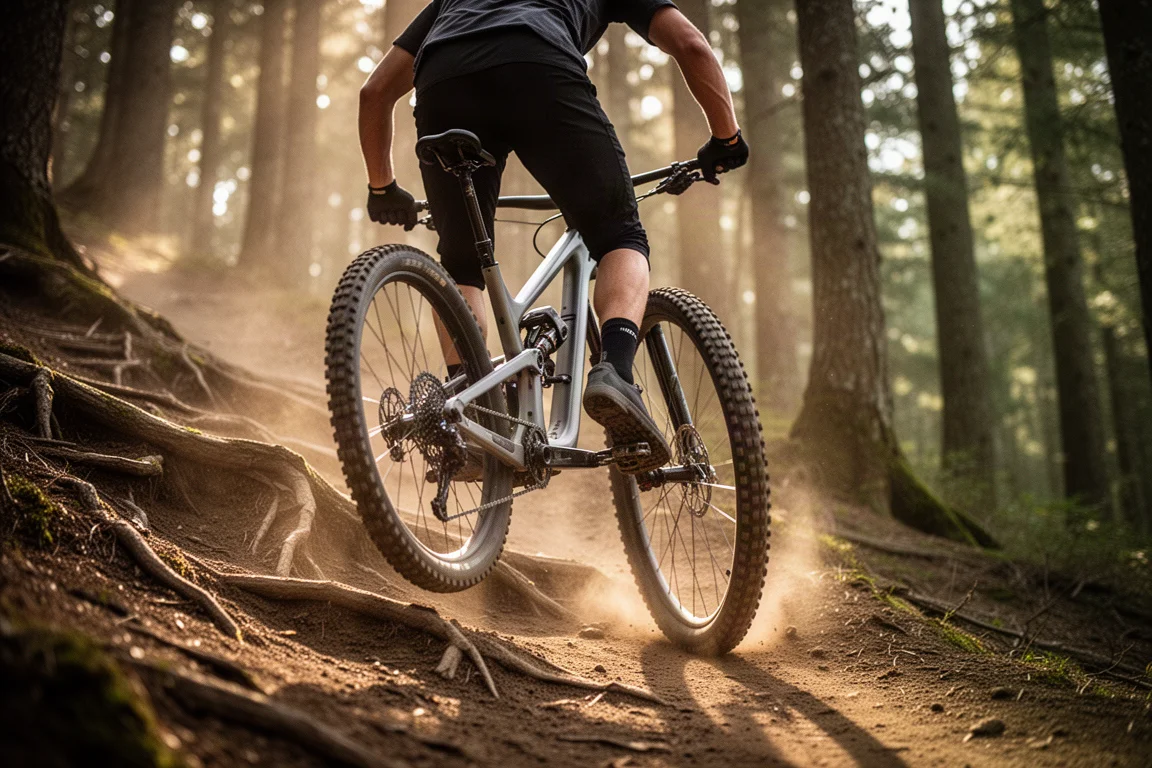
If you ride a mix of park laps and natural terrain and want adjustable geometry without stepping up to a flagship build, this is the sensible middle of the range.
Canyon Torque CF 8: The First Mullet Option
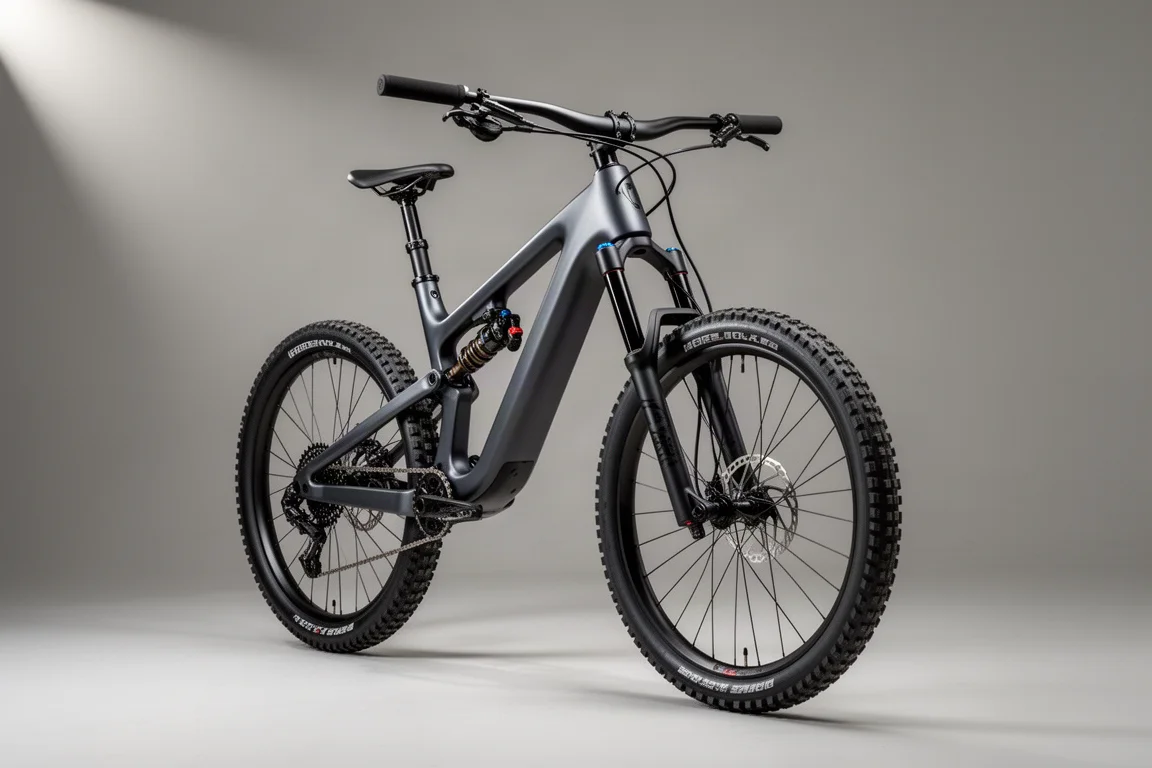
The CF 8 introduces the mullet configuration, pairing a 29-inch front wheel with a 27.5-inch rear. The intent is straightforward: the larger front wheel brings rollover, a bigger contact patch, and more confidence, while the smaller rear keeps the bike precise and playful in tight turns.
Mullet builds are only available in medium, large, and extra large. Full 29-inch and full 27.5-inch versions cover small through extra large.
This model also moves to a coil shock, which is the other defining difference. Canyon ships coil-shocked Torques with three springs chosen around average rider weights for the frame size, so most riders should get close to the right setup without buying a spring separately.
Canyon Torque CF Fabio Wibmer: Rider-Backed Specification
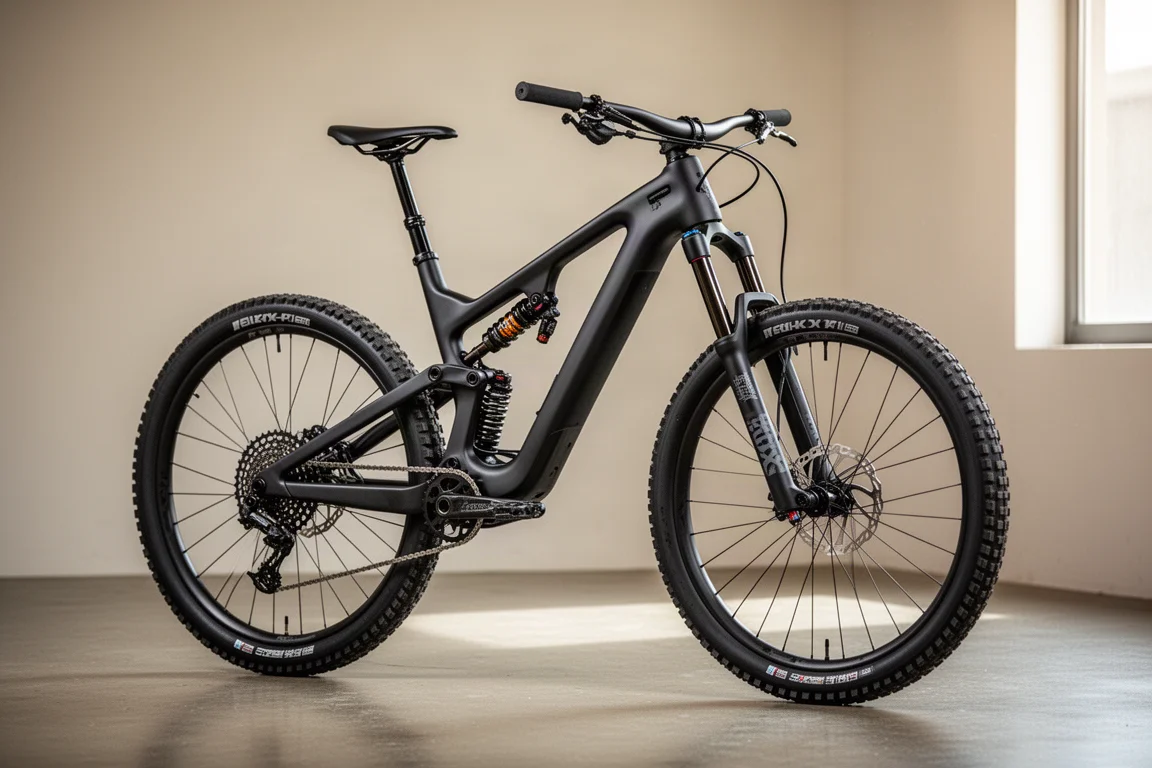
The CF Fabio Wibmer is the second mullet model and the more distinctive of the two, built with components from a number of the rider’s sponsors. It runs an Ohlins RXF 38 fork and a matching Ohlins coil shock, which gives it the coil feel at the rear along with a premium fork.
Like the CF 8, it is mullet only and limited to medium, large, and extra large, and it arrives with the same three-spring shipping arrangement for the coil shock.
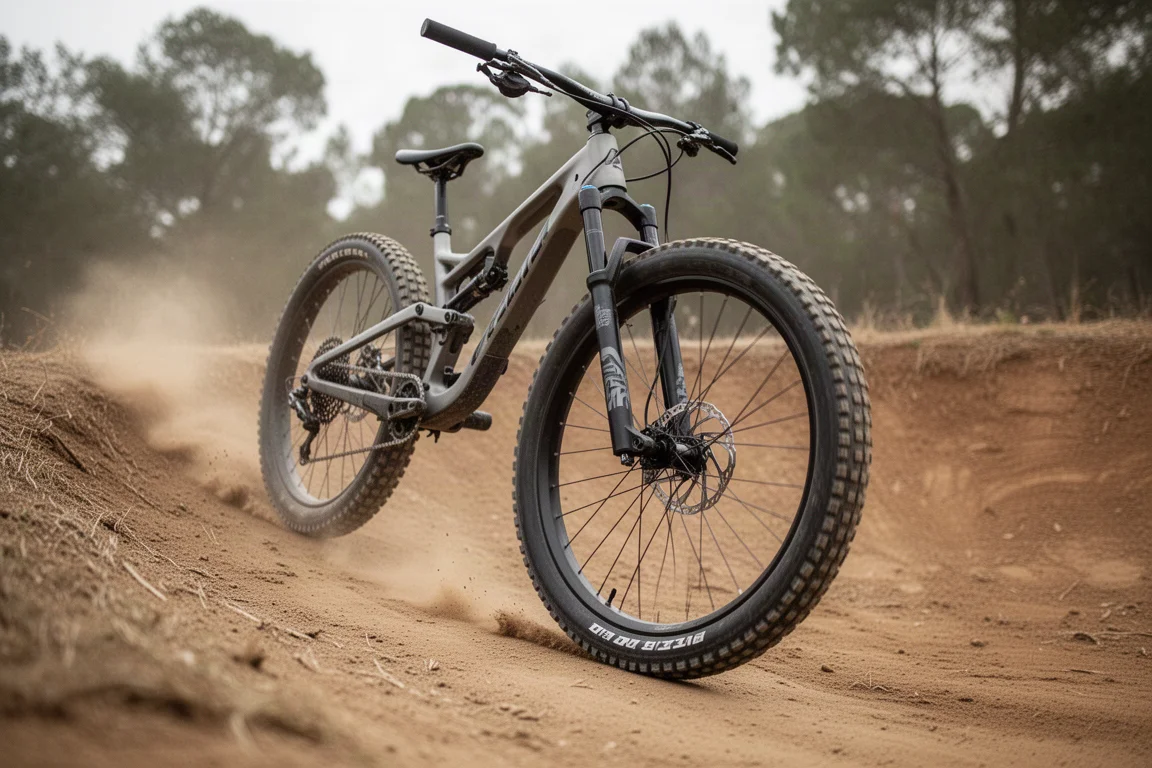
For riders who want a mullet park bike with a specification that already reflects hard freeride use, this build sits between the standard carbon models and the flagship.
Canyon Torque CF 9: The Range Topper
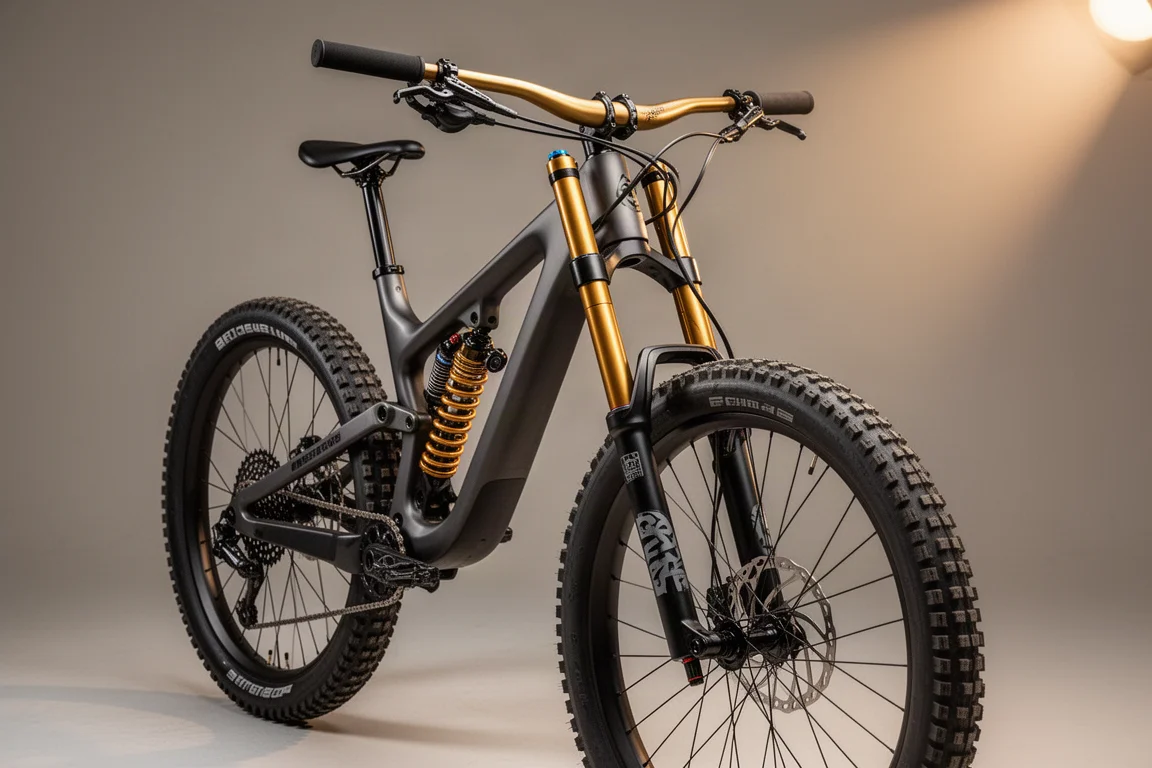
The CF 9 tops the range with the highest specification in the lineup. It uses the carbon frame with the geometry flip chip and the air shock arrangement, making it the build for riders who want the platform at its most complete without going the mullet and coil route.
As with every Torque, the frame carries the Category 5 rating, accepts a dual crown fork if you want to go that far, and uses the same maintenance-friendly layout with non-drive-side bearing access and replaceable pivot thread inserts.
Which Canyon Torque Model Should You Choose?
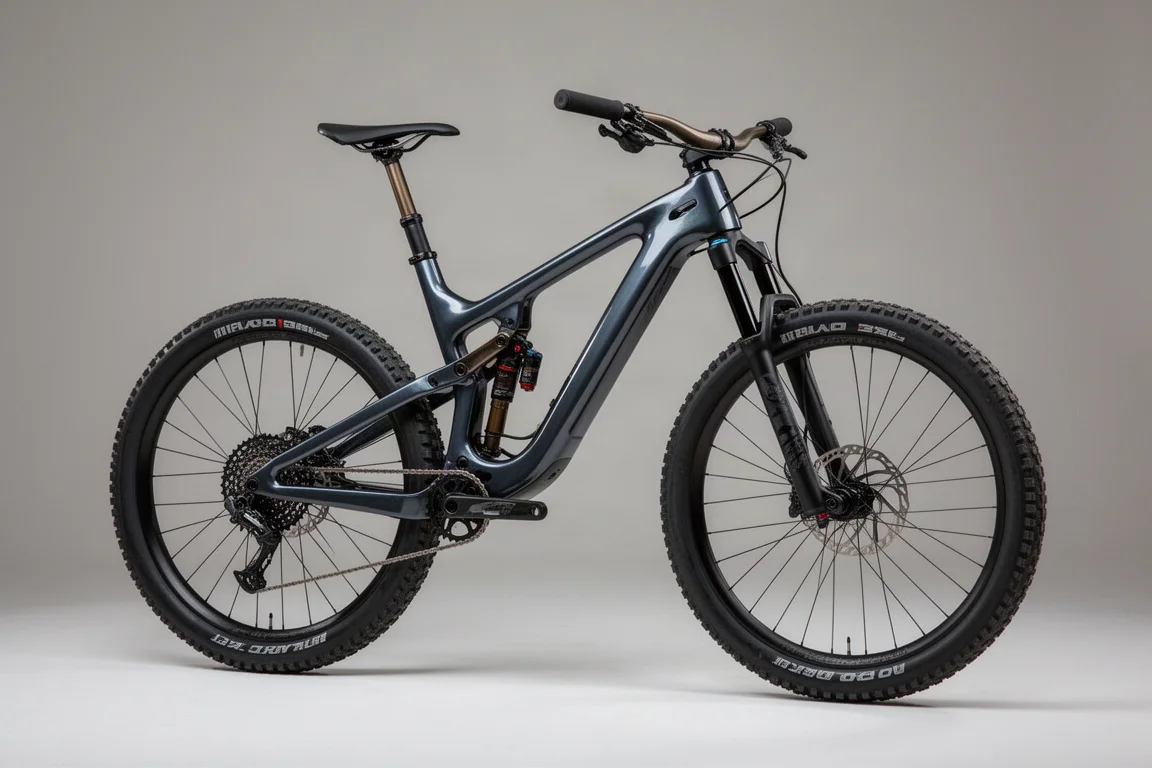
Start with wheel size rather than price. Full 29-inch makes the most sense if you want rollover, traction, and stability at speed, and it is the only option if you need a small frame. Full 27.5-inch is the pick if you value agility, precision, and a playful feel.
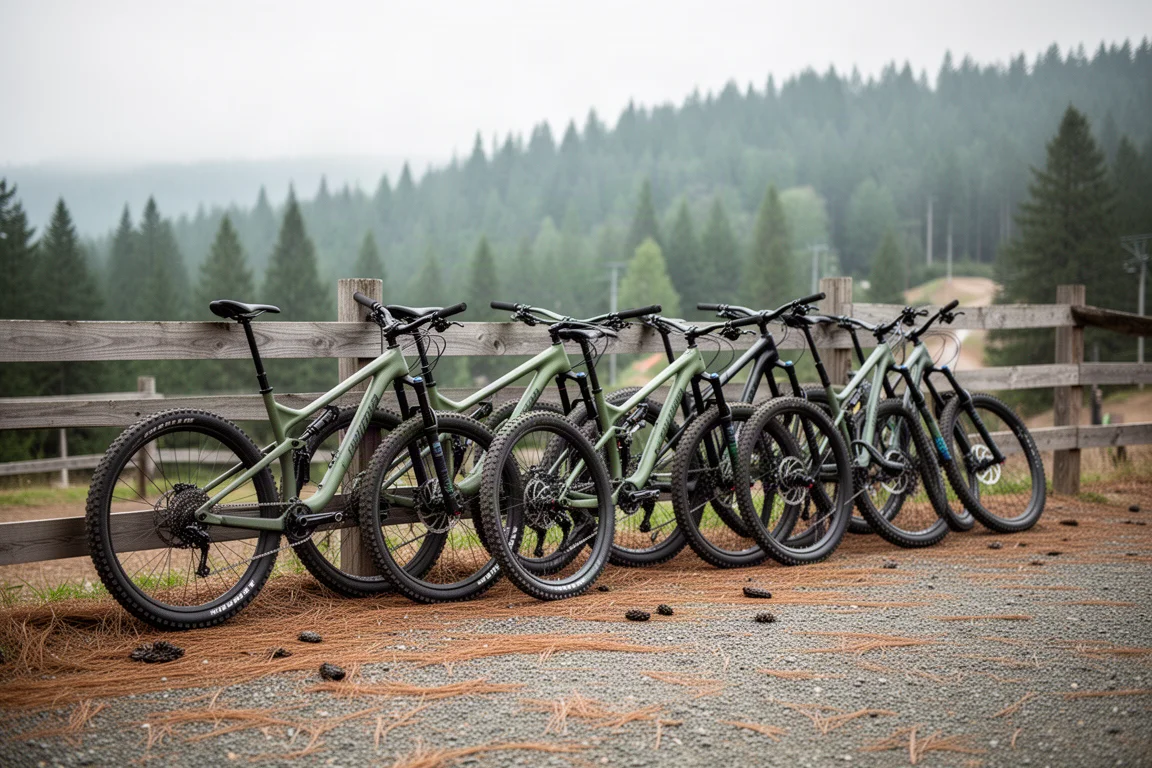
Mullet sits between the two, with a stable front end and a maneuverable rear, but it is limited to the CF 8 and the CF Fabio Wibmer and to medium, large, and extra large frames.
Then decide on frame material. Alloy keeps the cost down and still delivers the same Category 5 rating and Triple Phase suspension, while carbon saves roughly 400 g, allows more tuning of ride feel, and adds the flip chip.
Finally, decide whether you want a coil shock. Only the mullet models run coil, and Canyon’s three-spring shipping makes setup easier, but air remains the simpler option if you prefer to tune with a pump.
Conclusion
The 2022 Torque range gives riders a genuinely wide choice within one platform: two frame materials, three wheel configurations, and six builds. The Torque 5 is the most affordable way in, the CF 7 is the value carbon pick, the CF 8 and CF Fabio Wibmer are the mullet and coil options, and the CF 9 is the flagship. Match the wheel size to your terrain first, then let frame material and shock type decide the rest.
Further reading
Related Reviews
Mountain Bikes
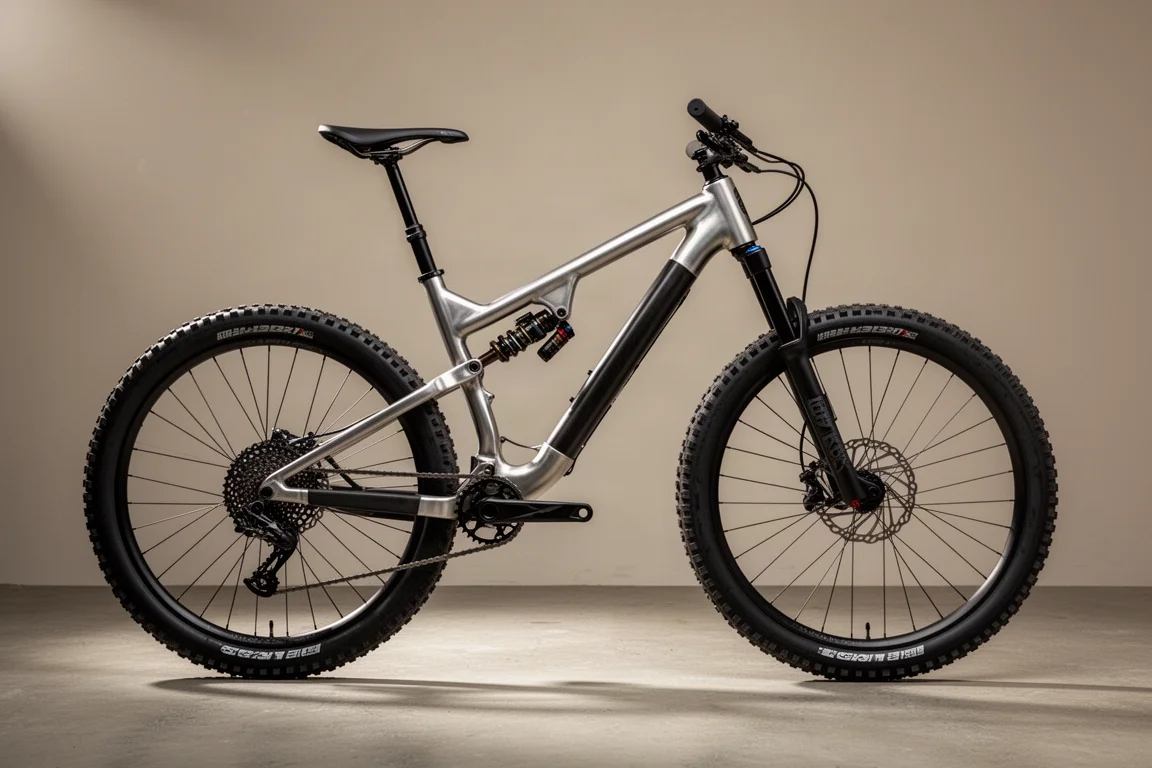
Atherton AM.130 Review: 3D-Printed Titanium Lugs and a 130mm Trail Bike That Descends Like a Bigger Machine
The Atherton AM.130 pairs 3D-printed titanium lugs with carbon tubes and a DW6 suspension platform. Here is how it rides, what the build delivers, and who it suits.
Mountain Bikes
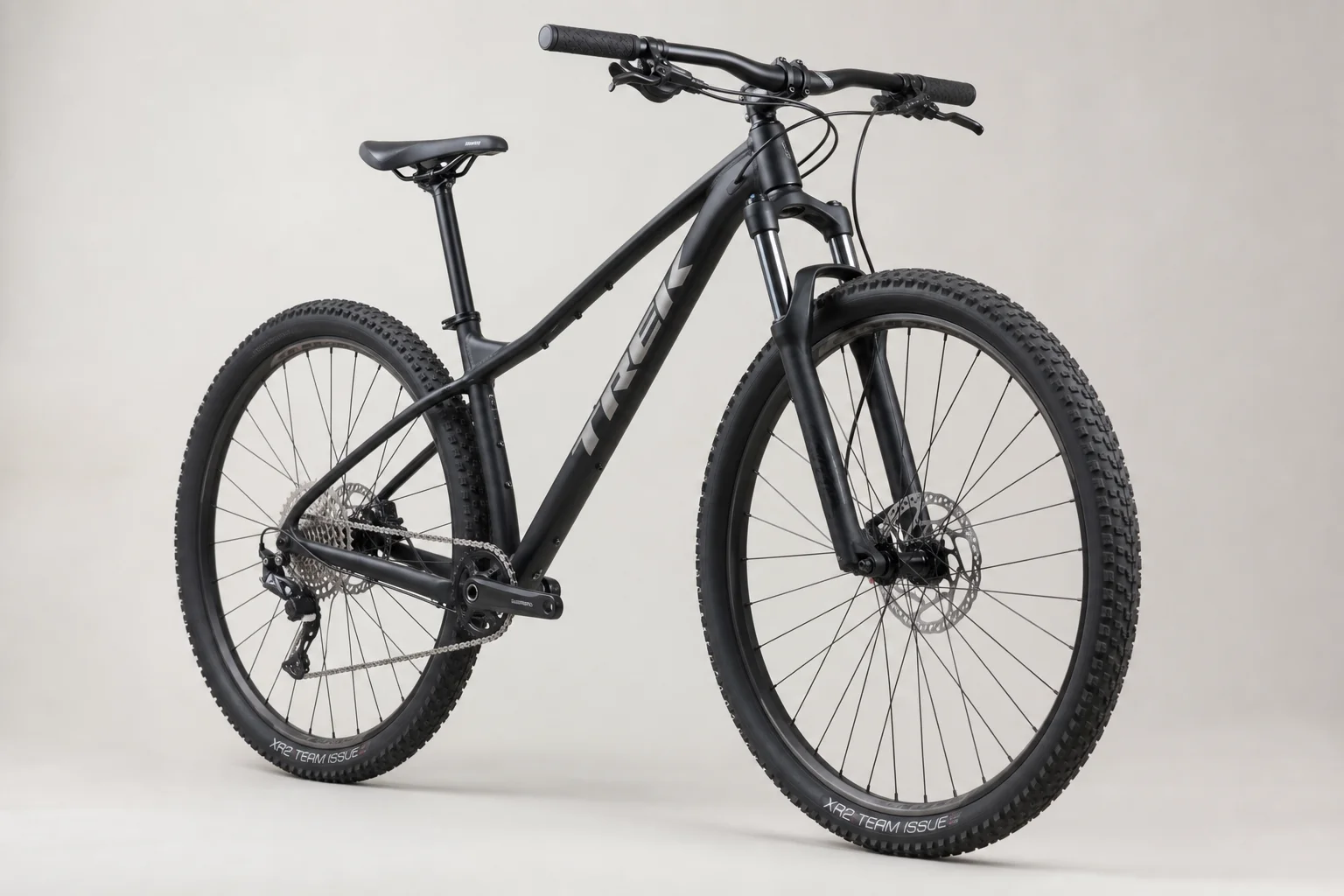
Beginner Mountain Bike Buying Guide: What to Look For in a Trailworthy Hardtail
A practical framework for evaluating beginner mountain bikes, whether new or used, by examining key components that indicate real trail capability.
Mountain Bikes
Best Aluminum Mountain Bikes 2026: Five Alloy Bikes Worth Your Attention
Five aluminum mountain bikes that show how far alloy has come, from a 120mm trail bike and a versatile machined frame to a 180mm freeride machine.