Cycling Shoes
Canyon Tempr CFR Review: Canyon's First High-End Road Race Shoes
A close look at Canyon's first premium road race shoes, from the carbon sole and wrap-around upper to the trade-offs worth checking before you buy.
Introduction
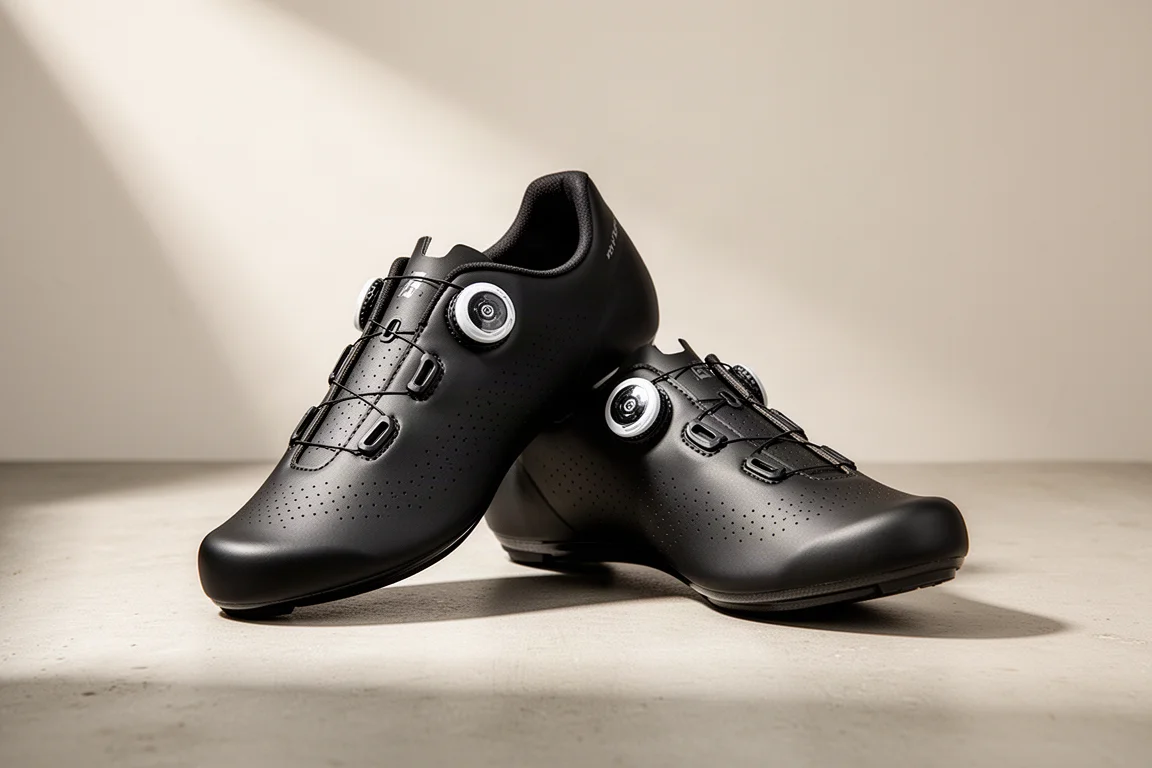
Canyon has entered the cycling footwear market with the Tempr CFR, a high-end road race shoe, alongside a mountain bike and gravel version that shares the same upper and the same carbon sole. The two models differ mainly in cleat drilling and tread. At €330, the Tempr CFR competes directly with established premium race shoes, which makes Canyon’s first footwear release a genuinely interesting proposition rather than a simple rebranding exercise.
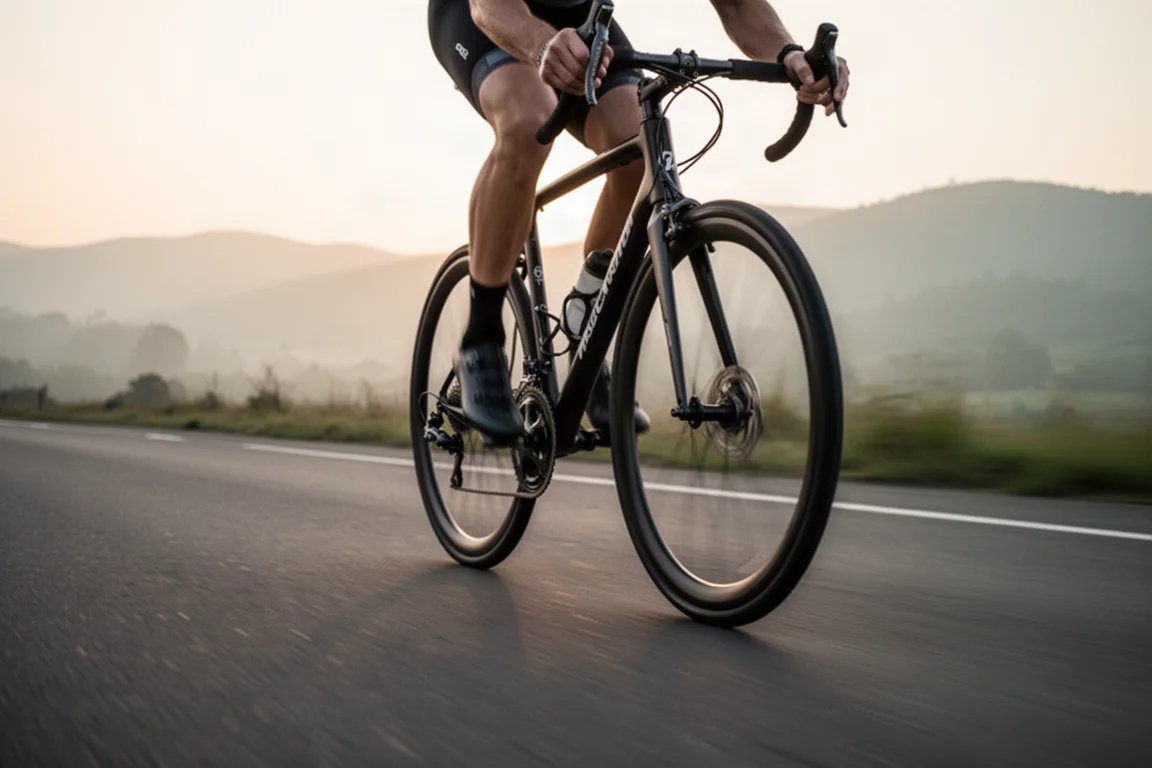
The shoes were developed with two designers who bring more than 50 years of combined experience in high-end cycling footwear. The last was shaped using data collected from Canyon’s professional athletes, and the footbed technology comes from a German specialist that has spent years building insoles for professional cyclists. That combination of fit data and foot support is the foundation the rest of the shoe is built on.
Who This Product Is For
The Tempr CFR suits riders who want race-level stiffness without the bruising, hot-spot feel that some very stiff carbon shoes deliver on longer rides. If your priority is sprinting, climbing, and transferring power efficiently, the shoe has the platform for it. It is also aimed at riders who value a close, even fit across the top of the foot, because that is where the design puts most of its attention.
It is less obviously aimed at riders who need a wide fit, since there is no wide option in the range, and it is not aimed at anyone who expects to walk into a shop and try a pair before buying. Canyon sells direct, so the purchase happens online.
Main Strengths
The standout feature is the way the upper closes. Instead of the two sides pulling toward each other and pressing a tongue down onto the top of the foot, the upper rolls over itself and spreads pressure evenly across the top of the foot. The built-in tongue is stretchy and does not crimp or buckle. The result is a hold that stays comfortable whether the dials are left fairly loose or tightened down hard for a sprint, with the heel cup and the side of the upper doing the work of keeping the foot in place.
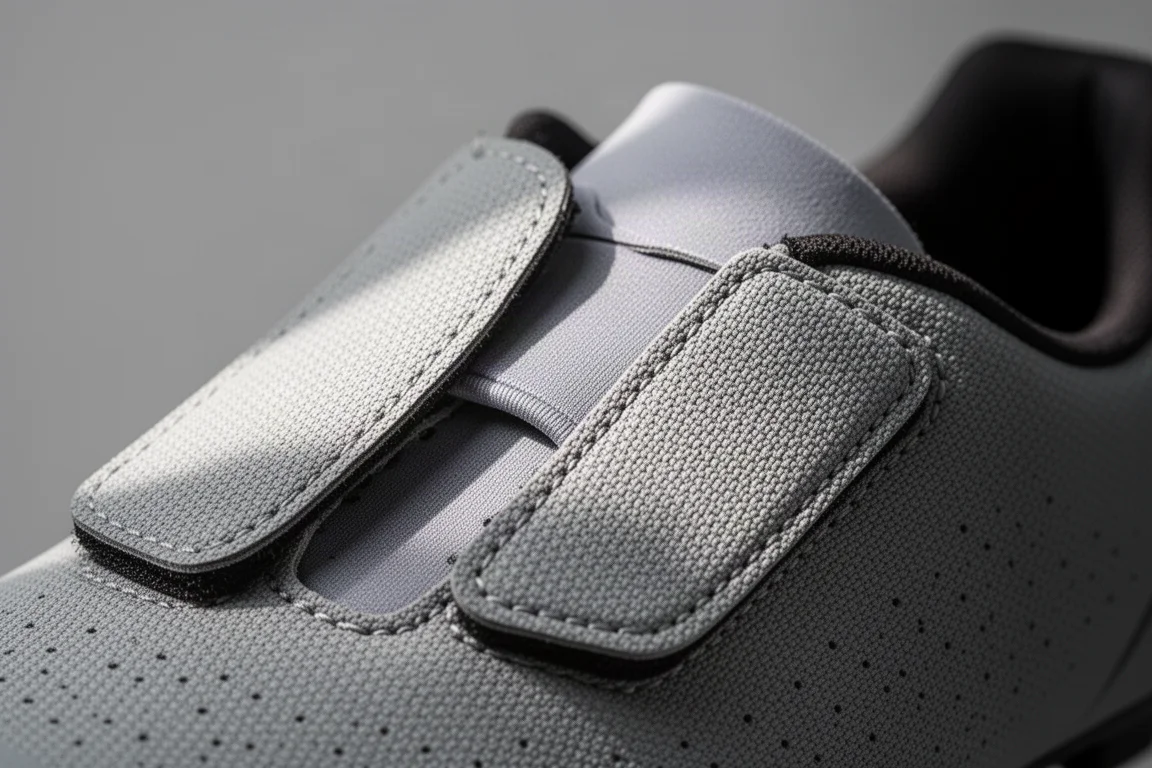
Beneath that, a full carbon fibre plate runs the length of the sole with a low 6 mm stack height, keeping the foot close to the pedal axle. Stiffness sits in the same territory as the top race shoes from the established brands, with no noticeable flex under hard efforts, yet comfort does not appear to be the trade-off it often is. Long rides, two-day gravel events, and bikepacking trips all feature in the shoe’s testing history without the fatigue that very stiff shoes can leave behind.
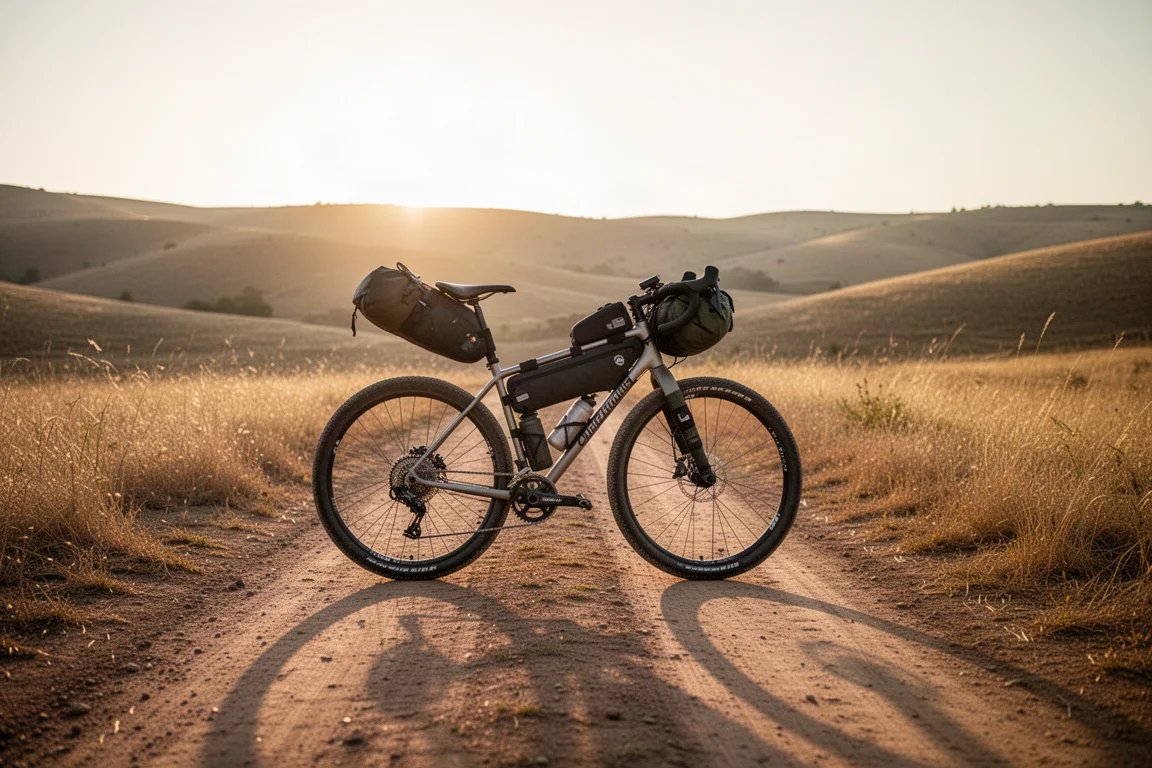
The road shoe has three-bolt drilling, the mountain bike version uses two-bolt, and both offer a generous range of fore and aft cleat adjustment with markers to speed up setup. The mountain bike model adds a grippy tread pattern, and the road model includes a small ventilation port under the sole. Half sizes are available, and sizing runs true against other major brands, so a rider who knows their size in a comparable race shoe can order with reasonable confidence.
Things to Consider Before Buying
There is no replaceable heel bumper or tread on either shoe, so wear at the heel cannot be swapped out the way it can on some competitors. The dials ship in gray only, and the striking camo finish seen during development is not a purchasable colorway. Available options are white, black, and gray. Replacing the dials is straightforward if they break or after a crash, and alternative dial colors can be fitted.
The upper has one small rough edge. On the inside of the ankle, the material covering the ankle opening meets the stretchy tongue liner with a slightly sharp transition. On the first two rides that edge can dig in, and it settles once the material is worked in and the dial tension is adjusted. It is a minor point, and one worth watching on the production version of the shoe.
The bigger practical consideration is fit. Canyon sells direct, so there is no shop visit, no trying a pair on, and no way to compare two sizes side by side before committing. For a bike, that is a manageable risk because sizing is well understood. For a €330 pair of shoes, it is a real question mark, especially for riders who normally need a wide or narrow fit. Canyon’s position is that the insole design leaves enough room that a wide version is unnecessary, but that is difficult to verify without trying the shoes on.
Buying Advice
If you already know your size in a comparable high-end race shoe and you have regular width feet, the Tempr CFR is a straightforward recommendation. Sizing runs true, half sizes are offered, and the comfort story is the strongest part of the shoe. The wrap-around closure is genuinely different from the norm, and it is the main reason the shoes stay comfortable over long distances without giving up stiffness.
Riders with wide feet, or anyone who has had trouble with fit in the past, should think carefully. Without a try-on option, the sensible approach is to confirm the return terms before ordering and to be honest about how fussy your feet are. The mountain bike and gravel version is worth considering for riders who split their time between road and off-road, since it shares the same upper and sole and adds the tread and two-bolt drilling that gravel and mountain bike pedals need.
Conclusion
Canyon’s first high-end shoes are a serious effort rather than a branding exercise. The Tempr CFR pairs a carbon sole with race-level stiffness and an upper that spreads pressure in a way that is unusual in this category. The lack of a wide fit option, the non-replaceable heel and tread, and the inability to try before buying are the points to weigh up. For riders who know their size and want comfort alongside performance, it is a compelling option among premium race shoes.
Product link
View more details for Canyon Tempr CFR
This product is mentioned in the review. Check the specifications, options, and compatibility before buying.
View more details for Canyon Tempr CFRFurther reading
Related Reviews
Cycling Shoes
Best Cycling Shoes Ranked: Fit, Cleat Position and What to Check Before Buying
A practical ranking of cycling shoes by cleat position and fit neutrality, from the models that most often cause problems to the ones that fit best.
Cycling Shoes
Best Cycling Shoes Ranked: Fit, Cleat Position, and Stability Compared
A practical ranking of road and off-road cycling shoes based on cleat position, foot shape, arch support, and long-ride stability.
Cycling Shoes
Best Wide Fitting Cycling Shoes: Four Options Worth Knowing
A practical guide to wide fitting cycling shoes, covering the Lake CX239, Lake CX242, Shimano RC903 wide fit and G8 2620 arch support.