Triathlon Bikes
Canyon Speedmax Review: What Wind Tunnel Aero Data Really Shows
A measured look at how the Canyon Speedmax compares with a road bike and clip-on aero bars at real age group racing speeds.
Introduction
Aerodynamics is the single largest force a triathlete has to overcome on the bike. Even at 30 km/h, roughly 70 to 80 percent of the resistance comes from aerodynamic drag. Above 40 km/h, that figure climbs past 90 percent. Rolling resistance and drivetrain friction matter, but air is what does most of the work against you.
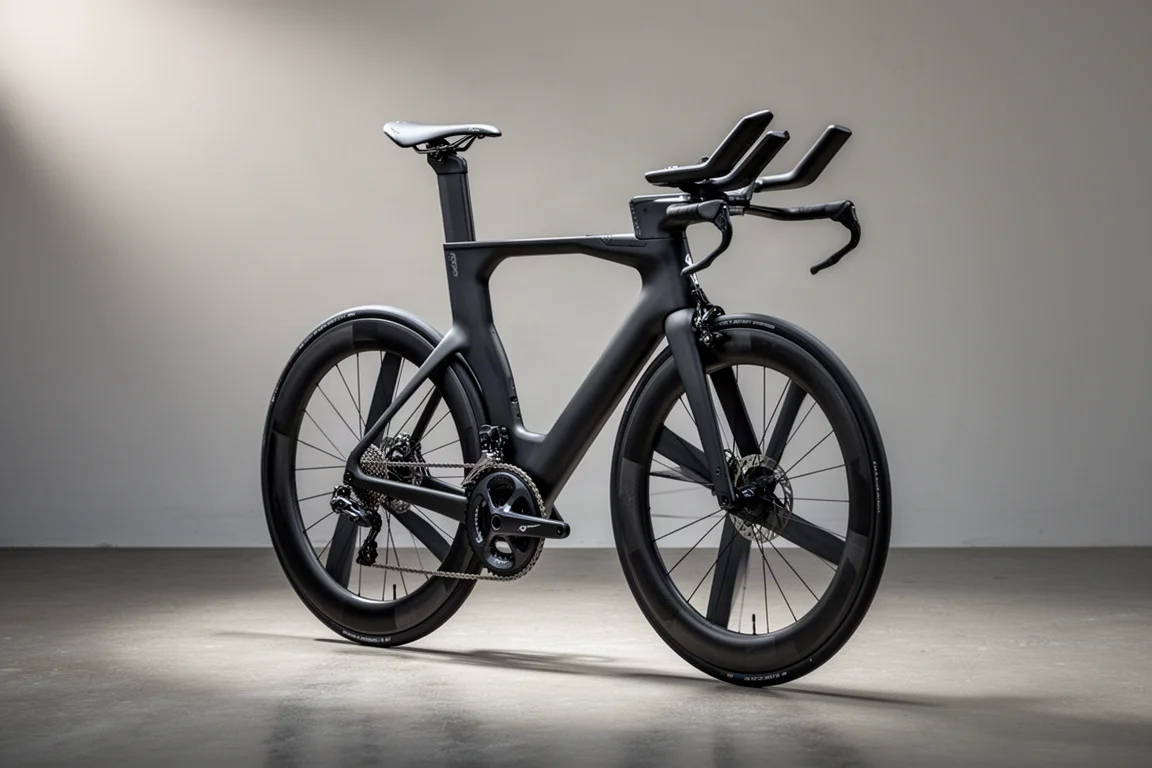
That is the context for a dedicated triathlon bike. Wind tunnel measurements taken at age group racing speeds of 30 km/h and 40 km/h, including yaw angles of 0 and 10 degrees, put hard numbers on the difference a machine like the Canyon Speedmax can make compared with a road bike.
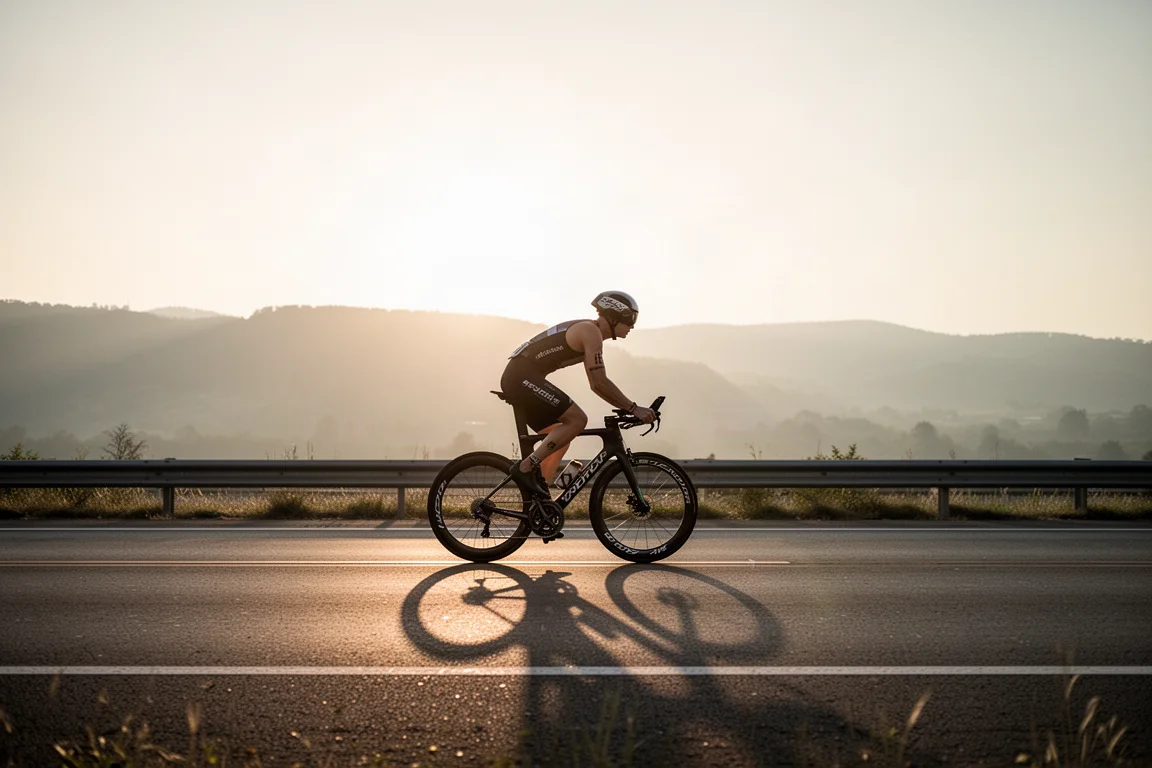
The short version: aero matters, and the gains are real, but they sit at the end of a priority list rather than the beginning. This review works through what the data actually shows.
Who the Canyon Speedmax Is For
The Speedmax is built for athletes who race triathlon over 70.3 or full Ironman distances and want to hold an aerodynamic position for hours rather than minutes. Its geometry and setup revolve around riding in the aero bars, which is a different proposition from a road bike adapted with clip-on extensions.
It also suits riders who value integration and setup choices. The platform offers more mounting options and adjustment range than a road frame, which matters once you start refining position, hydration and storage.
It is not, however, an automatic upgrade for every rider. A triathlon bike with a poor position is not faster than a well set up road bike with clip-on aero bars. Fit and discipline still decide the outcome.
Where the Aero Gains Come From
Testing started from a road bike in an upright position on the hoods, then moved through progressively more aerodynamic setups. Moving from the hoods to the drops produced an 8 W improvement at 30 km/h and almost 19 W at 40 km/h. Tucking onto the hoods reached 25 W at 30 km/h and 55 W at 40 km/h, though that position is very difficult to hold for long.
Adding aero bars to the road bike was the biggest single step: 30 W at 30 km/h and 60 W at 40 km/h. For anyone racing triathlon on a road bike, clip-on extensions are the clearest value in the whole set of results.
The Speedmax then added further gains on top. In a relaxed position the saving was comparable to the road bike with aero bars, and at 10 degrees of yaw the triathlon bike opened a 7 W advantage at 40 km/h. Ridden in a normal racing position with a lower head, the numbers were substantial: 30 W at 30 km/h, 65 W at 40 km/h, and up to 75 W at 10 degrees of yaw. That puts it around 20 W ahead of the road bike with aero bars.
Holding Your Position: The Free Speed
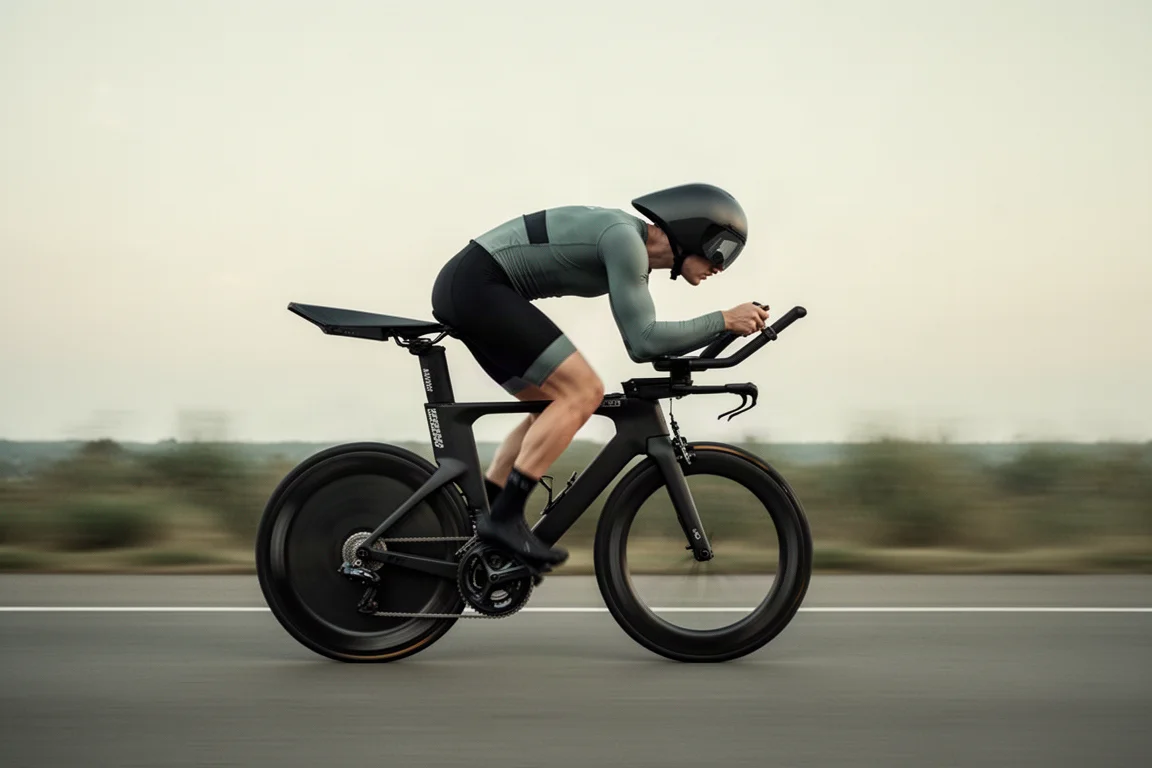
On the Speedmax, moving the head from a raised position to a lower, tucked one delivered savings of up to 12 W. That is free speed in the truest sense, because it requires no purchase at all.
The practical risk is positional fatigue. Two hours into a ride, heads tend to drift upward, and the data suggests that spending 40 km of a 180 km bike leg with a raised head could cost 2.5 to 3 minutes. The fix is training the position until it can be sustained, with the caveat that you still need to produce power while you are in it. That is trainable, and it should be trained.
Integrated Storage and Setup Choices
Small setup details added up quickly. Widening the armrests by about 1 cm on each side cost 3 W at 30 km/h and 5 W at 40 km/h. Dropping from 85 mm deep wheels to 50 mm wheels cost 2.7 W at 30 km/h, 5 W at 40 km/h, 6.3 W at 10 degrees of yaw, and 11 W at 40 km/h in yaw.
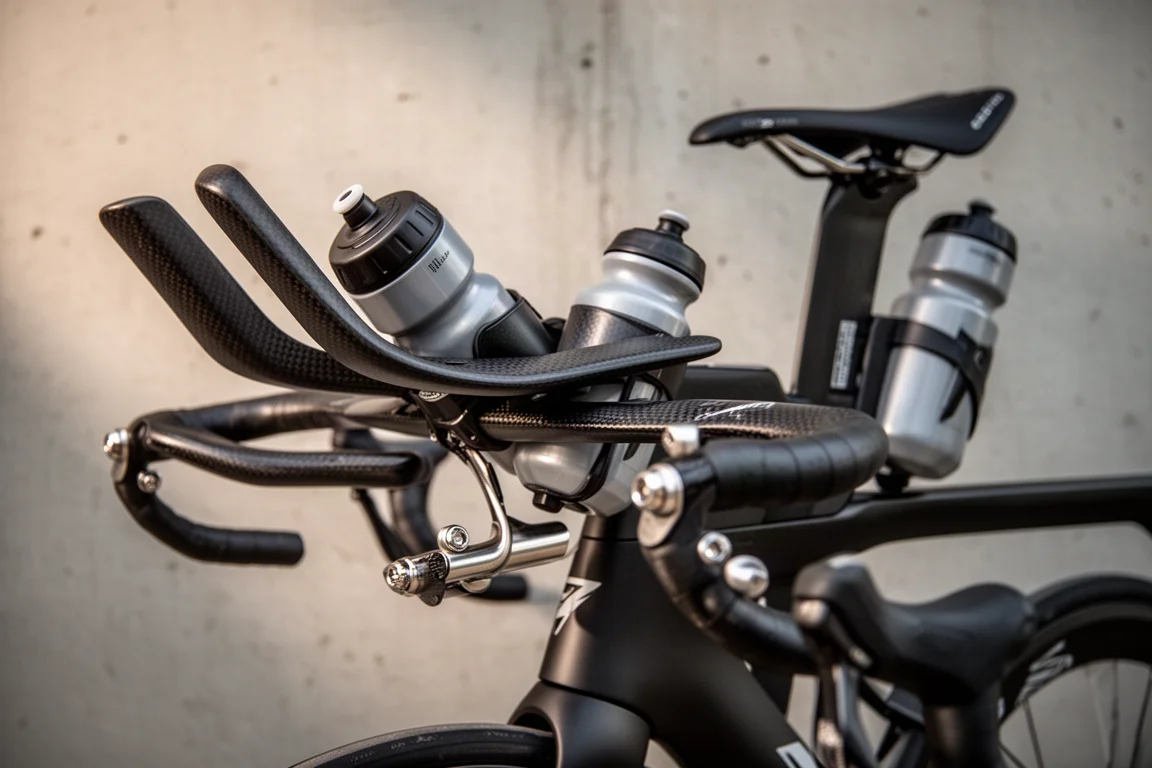
Hydration choices were just as measurable. Swapping two standard 500 ml bottle cages for a single 650 ml fuel bottle saved between 2 and 7 W across the speed and yaw range. Adding a bottle behind the saddle to recover the lost capacity cost only 0.5 W across all conditions, and was still quicker than the original two bottles on the down tubes. A mount between the arms added a further 3 to 5 W, for a total of around 8 W over the standard two bottle setup. Optimising those mounts further, by raising them and moving them closer to the chest, has the potential to improve things again.
Helmets followed the same pattern. Moving from a standard vented road helmet to an aero road helmet produced a 3.7 W saving at 40 km/h in separate testing, while a dedicated time trial helmet added around 5 W on average and 9 W at 40 km/h. Five watts over an Ironman is worth roughly 3.5 to 4 minutes.
Things to Consider Before Buying
The wind tunnel numbers assume a rider holds one position for an entire bike leg in clean air, with no fatigue, no nutrition stops and no junctions. Real racing does not look like that. A poor nutrition decision, a bonk on the run, or riding 10 W too hard in the first 20 km because it felt easy will cost far more time than any equipment change measured here. A slow transition, a mechanical or a wrong turn can do the same.
That is why the sensible order of priorities runs from fitness and training consistency, to pacing and race execution, to nutrition strategy, to position and bike fit, to free aero gains such as head position. Equipment upgrades come after all of that. The Speedmax belongs at the end of that list, not the start.
It is also worth being clear that the gains measured here came against a very well set up road bike, and the triathlon bike still had the advantage of a refined position on top. Anyone buying a Speedmax should budget for a proper bike fit, because the frame alone does not deliver the numbers.
Buying Advice
The Canyon Speedmax is a compelling platform for athletes who already race long course triathlon and are ready to work on position. The data shows a meaningful advantage over a road bike with clip-on aero bars, particularly once yaw and a refined head position are accounted for, and it adds the comfort and integration that matter over a 180 km bike leg.
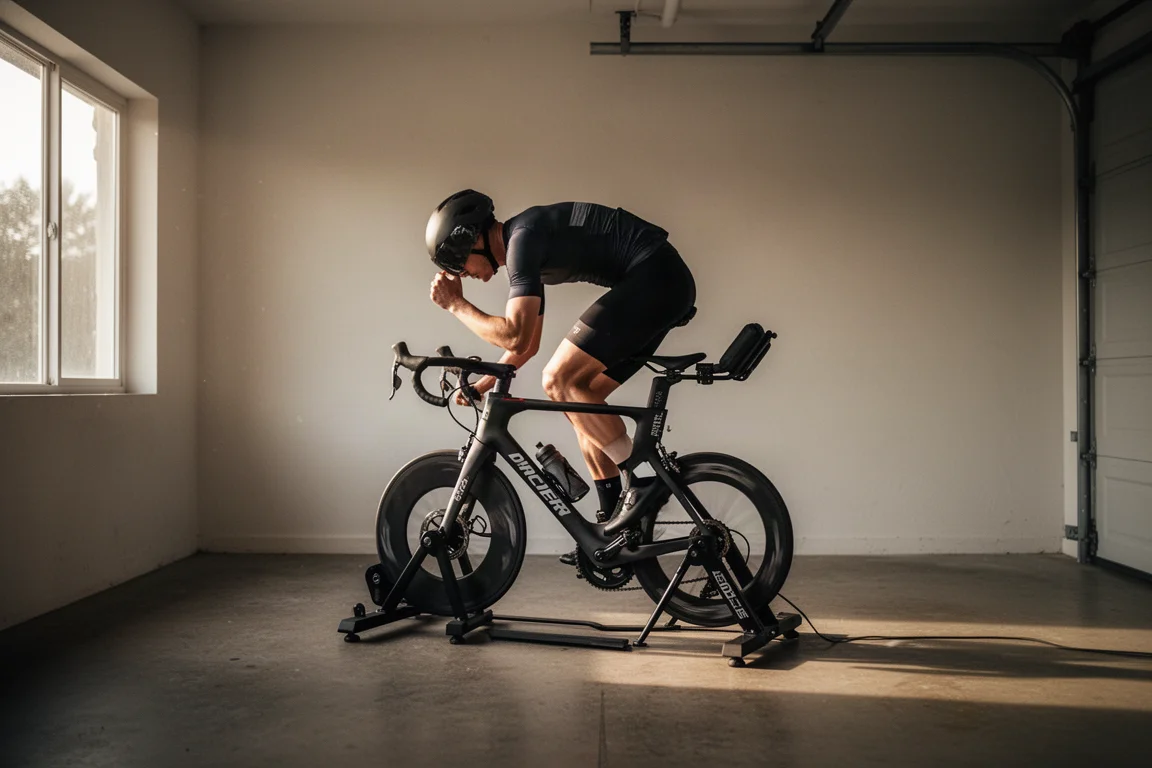
For riders earlier in the journey, the same data points somewhere cheaper first. Clip-on aero bars, a trained head position and a tidier hydration setup deliver a large share of the available speed at a fraction of the cost. Moving to a dedicated triathlon bike like the Speedmax makes sense once the basics are already in place and the position work has become a habit.
Conclusion
Aerodynamic drag is the dominant force at triathlon racing speeds, and the tunnel results show that both position and equipment change it measurably. The Canyon Speedmax sits at the top of that equipment chain, offering an advantage over a road bike with aero bars that grows with yaw and with a well held head position. The gains are real, but they only pay off on top of consistent training, sound pacing, good nutrition and a fit that lets you hold the position for the whole ride.
Product link
View more details for Canyon Speedmax
This product is mentioned in the review. Check the specifications, options, and compatibility before buying.
View more details for Canyon SpeedmaxFurther reading
Related Reviews
Triathlon Bikes
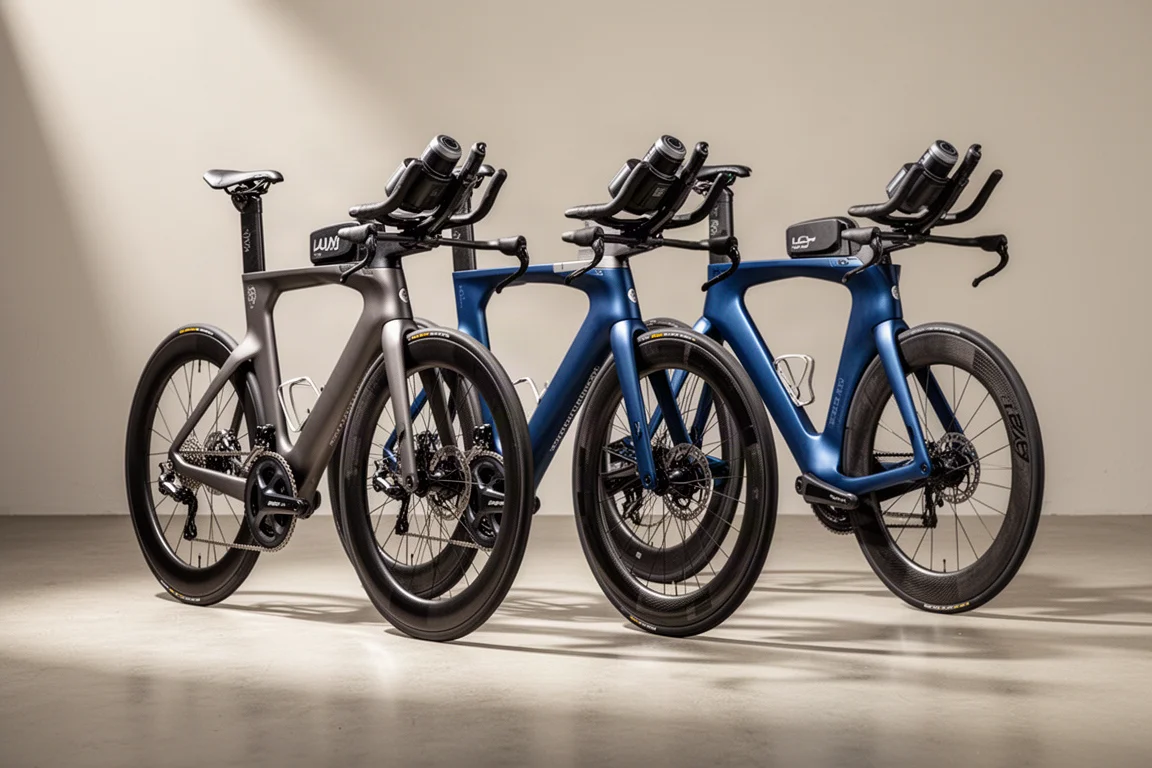
Best Triathlon Bikes 2026: Seven Race Bikes Compared
Seven triathlon bikes assessed on front-end adjustability, onboard hydration and storage, and value, from the most common bike in transition to lower-cost race options.
Triathlon Bikes
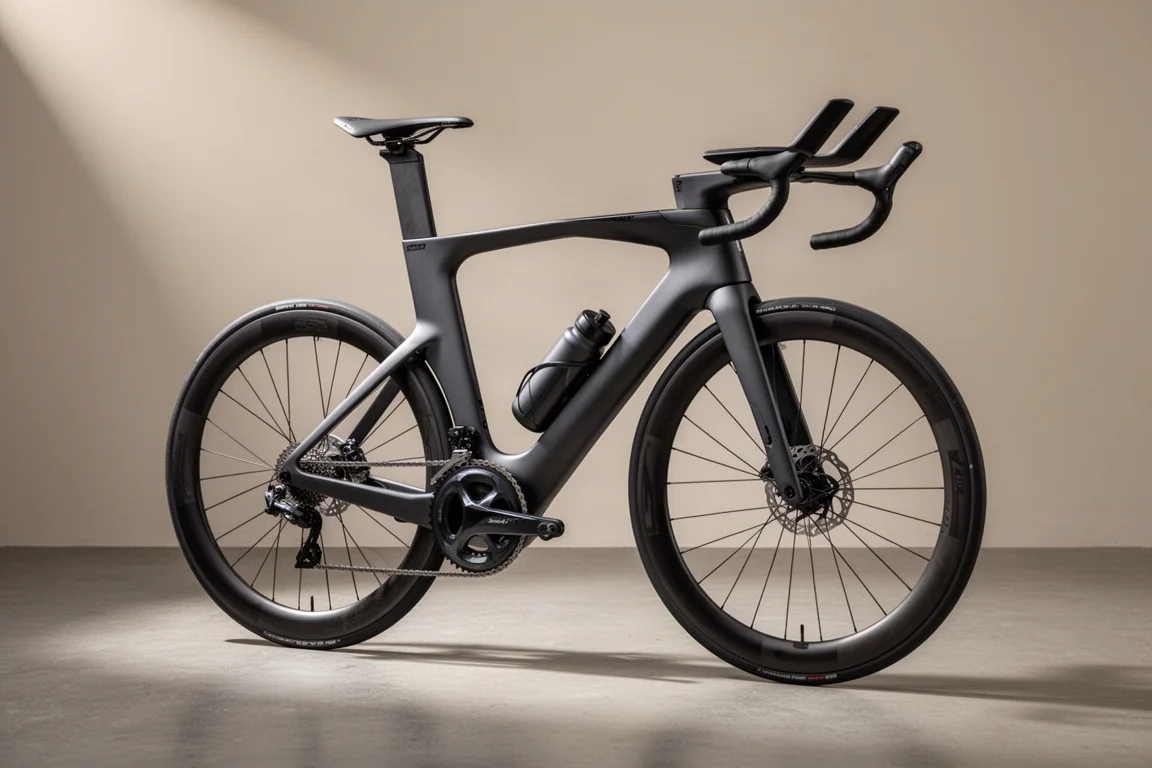
BMC Speedmachine Review: A Formula One-Informed Triathlon and TT Bike
The BMC Speedmachine pairs Red Bull Advanced Technologies aerodynamics with a redesigned frame, integrated hydration, and a 500 gram weight saving over BMC's previous triathlon platform.
Triathlon Bikes
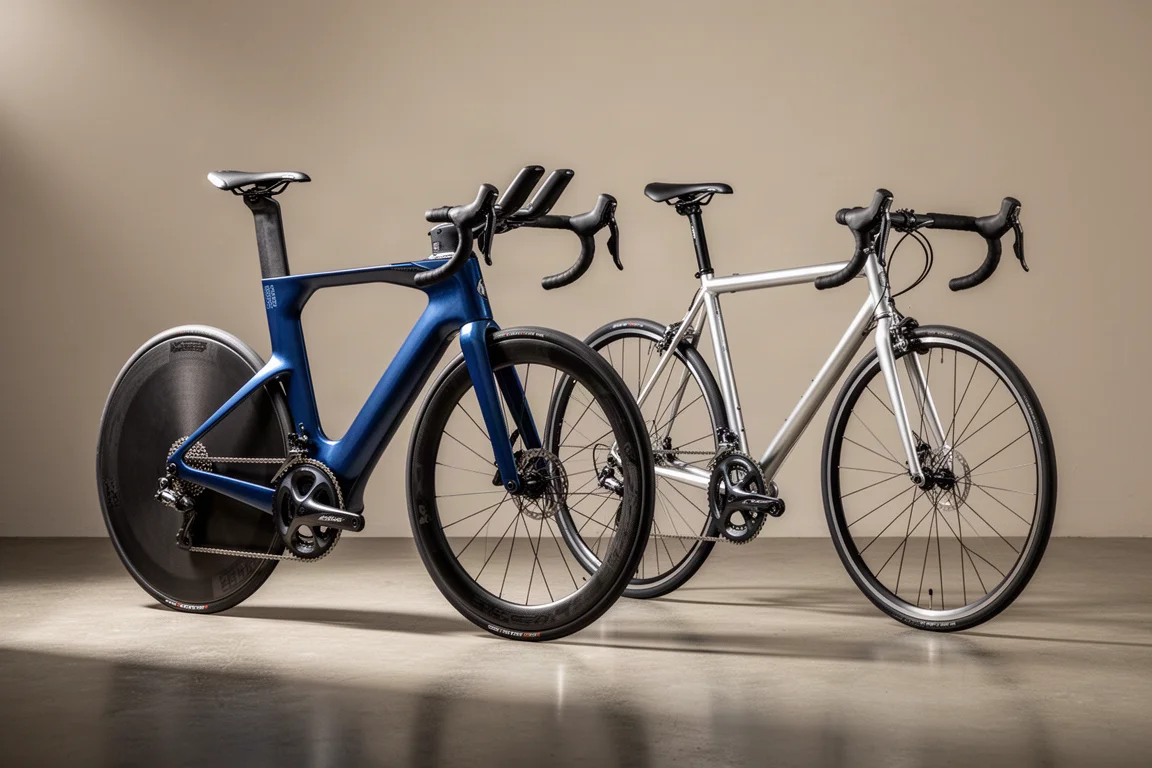
Buying Speed: Canyon Speedmax CFR vs Triban RC 120 Road Test
A head-to-head 22 km test of a premium triathlon race bike, an affordable disc-brake road bike, and a disc wheel upgrade, with the numbers and the trade-offs that matter.