Triathlon Bikes
Canyon Speedmax Review: The 2026 Triathlon Flagship, Explained
Canyon's sixth-generation Speedmax is lighter, faster and far more adjustable than before. Here is what the Aero ID redesign changes and which trim makes sense.
Introduction
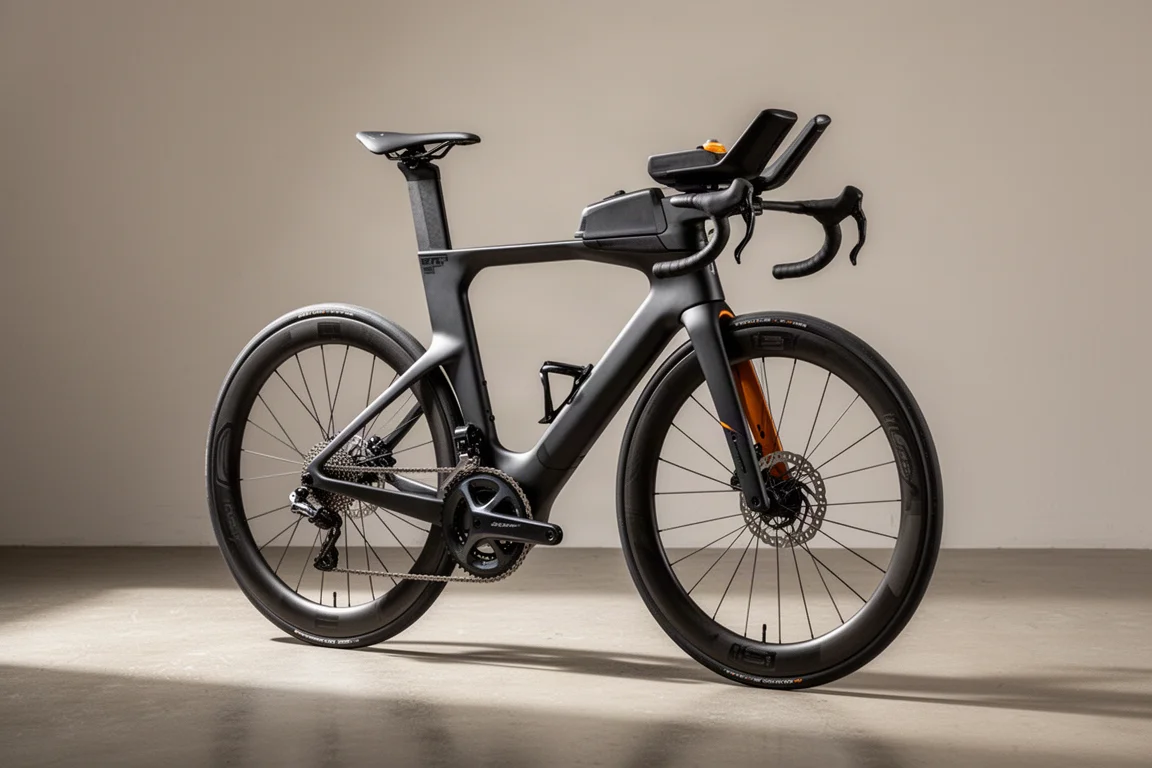
Canyon has rebuilt its triathlon flagship from the ground up. The sixth-generation Speedmax is faster than the frame it replaces, and the complete Aero Base package, which covers the frame, seat tube, base bars and cockpit, is more than 500 g lighter. The frame on its own is around 250 g lighter than the previous version.
Those numbers matter, but they are not the most interesting part of this bike. The previous Speedmax was already one of the fastest frames in triathlon, and Canyon’s record in the sport includes eight Ironman World Championship wins. The harder problem was taking a machine developed around a small group of elite athletes and making it work for the age-group athletes who actually buy triathlon bikes. That meant more capacity for hydration and fuel, an enclosed aerodynamic cockpit, and a fit range broad enough to cover riders who are shorter, taller or shaped differently from the professionals.
Canyon’s own testing suggests the result is quick. Tested straight out of the box against a fully customised World Championship winning setup, the new bike showed a 15 W saving at 50 km/h. The Speedmax is now on sale, and the range runs from the SLX 7 through to the CFR.
Who the Canyon Speedmax Is For
This is a long-course triathlon bike rather than an all-rounder. It is built for athletes who race 70.3 and Ironman distance events and want a dedicated machine for the bike leg.
The most useful change is who it now fits. Canyon worked closely with its professional athletes during development, and two very different requests shaped the final design. Smaller riders, including female athletes, asked for a frame they could genuinely get low on. The answer is a shorter head tube and a seat post with more usable height range, so a rider can drop the front end and still use every storage option on the bike. Riders with short legs and a long torso asked for a frame that is short enough to step over but long enough to reach. The answer there is a shorter overall frame with enough saddle and seat post adjustment to move the saddle forward, in some cases ahead of the bottom bracket, which is standard practice in triathlon.
In practice, that makes the Speedmax worth a serious look if you have struggled to find a triathlon bike that lets you hold an aerodynamic position comfortably, or if you have had to compromise on reach or stack just to get a frame that fits your height.
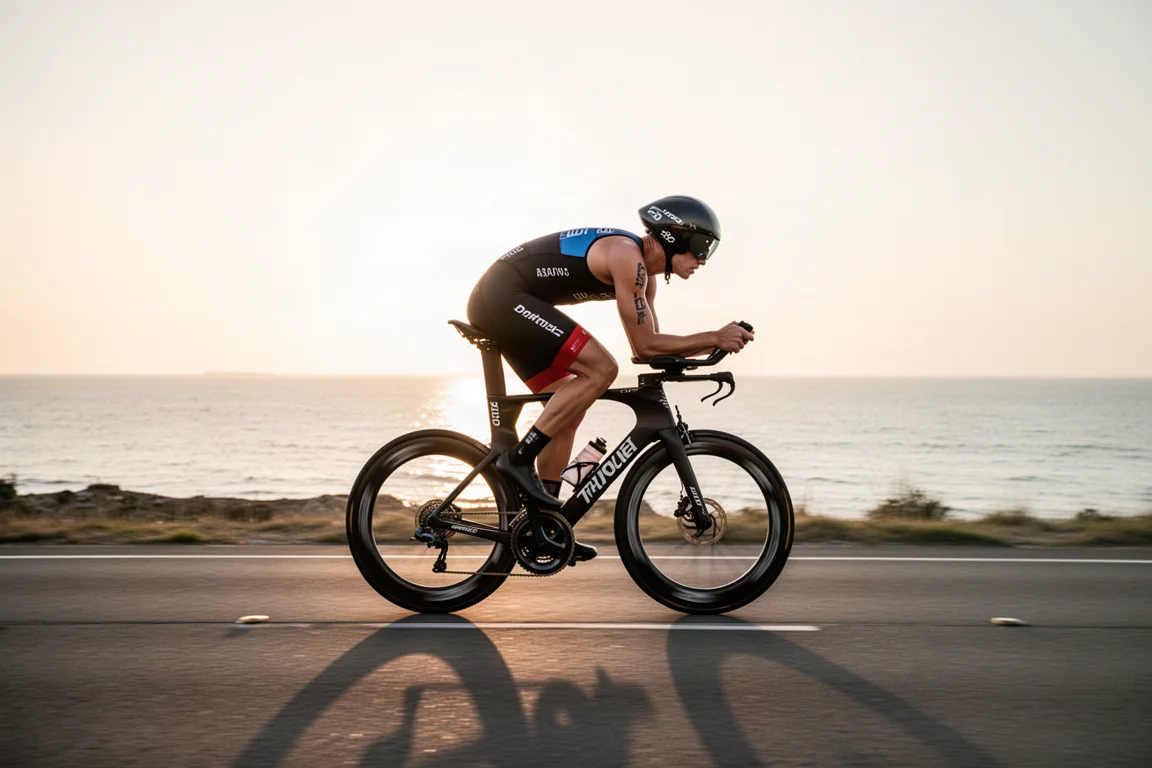
It is a less natural choice if you want one bike for group rides, hilly sportives and the occasional time trial. The Speedmax is at its best on fast, steady courses where holding position for hours is the priority.
Main Strengths
Canyon organised the redesign around an internal framework called Aero ID, which divides the bike into four areas: Aero Shield, Aero Fit, Aero Fuel and Aero Base. The logic is straightforward. Around 75% of total drag comes from the rider, so a fast frame only pays off if the cockpit, storage and position all work together to keep that rider efficient.
Aero ID and the Four Design Pillars
Aero Shield covers the front end, the first part of the bike to meet the air and the part the rider’s arms sit inside. Aero Fit covers position and adjustability. Aero Fuel covers hydration and nutrition storage. Aero Base covers the frame, seat tube, base bars and cockpit. Every element was developed against the same set of priorities, so the bike can be configured around a rider rather than the other way round.
Fit and the Perfect Positioning System
Canyon’s Perfect Positioning System, shortened to PPS, takes a small set of measurements, including height, inseam, forearm diameter and riding preferences, and returns a recommended setup. It is a sensible place to start before ordering, because the front end has a lot of range to work with.
The cockpit post comes in three lengths: short, long and extra long. Which one arrives with your bike is decided by your fit, so the useful part is the adjustment built into it. Canyon states at least 35 mm of stack adjustment, 50 mm of reach adjustment and 20 mm of angle adjustment, all reached through four screws, two on the base bar and two on top. Two online algorithms help customise the front cockpit shaft to your numbers.
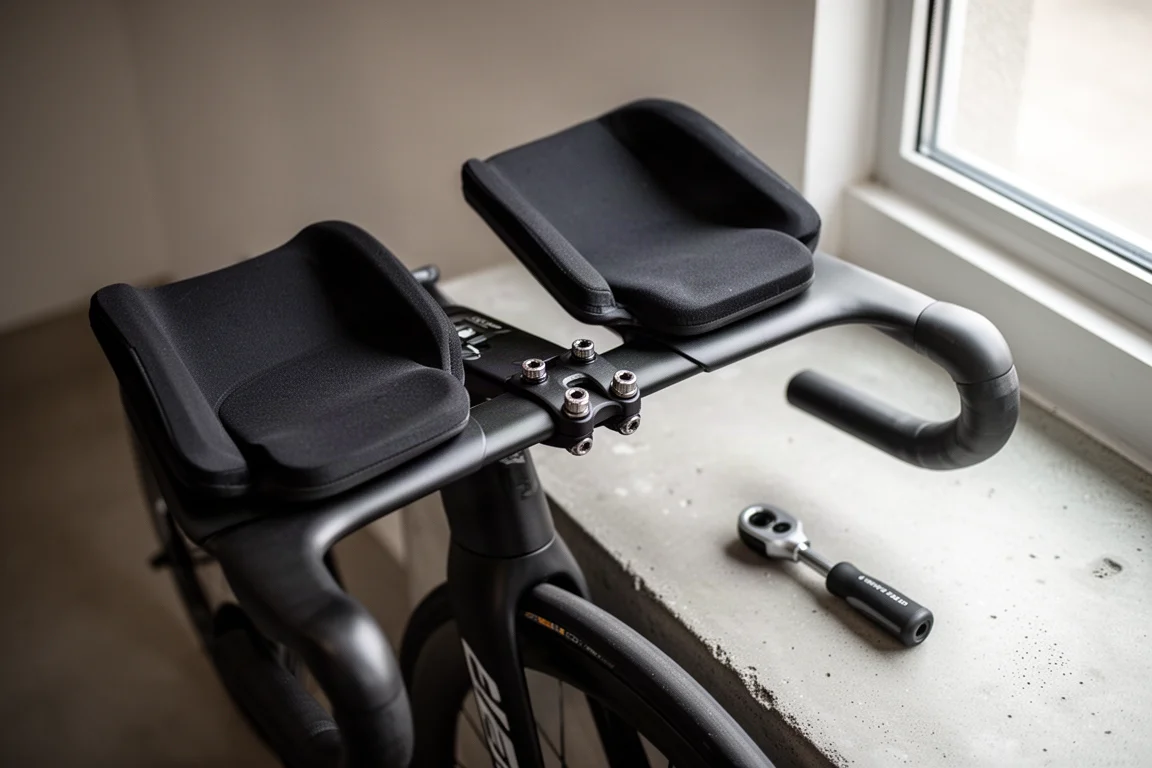
For riders who have spent years chasing a position on frames with limited adjustment, that range is the headline feature. A fast frame that forces a compromise on position is slower in the real world than a slightly heavier frame that lets you hold your best shape for four hours.
Aero Fuel and On-Board Carrying Capacity
Canyon set itself the target of adding 3.5 litres of carrying capacity with no aerodynamic penalty. Most of that capacity sits high on the bike, and to protect handling the designers pushed it as far back as possible.
The system starts between the arms. Both cockpits ship with the Load 400, which can be upgraded to the Load 650 for extra storage or swapped for the Fuel 650, a 650 ml fluid container. Behind the cockpit you can add a BTC unit for more fluid, gels and small items. Inside the frame, the H2O bladder reservoir has been updated for easier refilling and cleaning, and holds 650 ml on the smallest frame up to 850 ml on the largest.
Standard bottle cages can still be mounted on the down tube and the seat tube, although those positions cost aerodynamic performance. For riders with very little exposed seat post, Canyon has introduced the Splitter Plate Pro, which restores one or two bottles behind the saddle. Riders with more seat post can still run one or two bottles behind the saddle with the original post.
Cockpit, Storage and Practical Details
The Aero Shield cockpit comes in two versions. The standard cockpit, fitted to the SLX models, has raised sidewalls, adjustable width, adjustable extension length and adjustable hand grips. The Aero Shield Pro, standard on the CFR and available as an upgrade on the SLX, has noticeably higher sidewalls and is offered in seven sizes, determined by your PPS measurements. Its hand grips are fixed and shaped around an extension angle of 20 to 35%, matching the setups used by the professional riders.
The smaller details have been carried over and refined. A TX25 tool lives in the base of the front fork, and the bike now uses TX25 hardware throughout, with a spare tool and a torque tool included. There is also a frame-integrated pouch with room for tyre levers, an inner tube, a spare valve, two CO2 canisters and a double-sided bit for the torque tool.
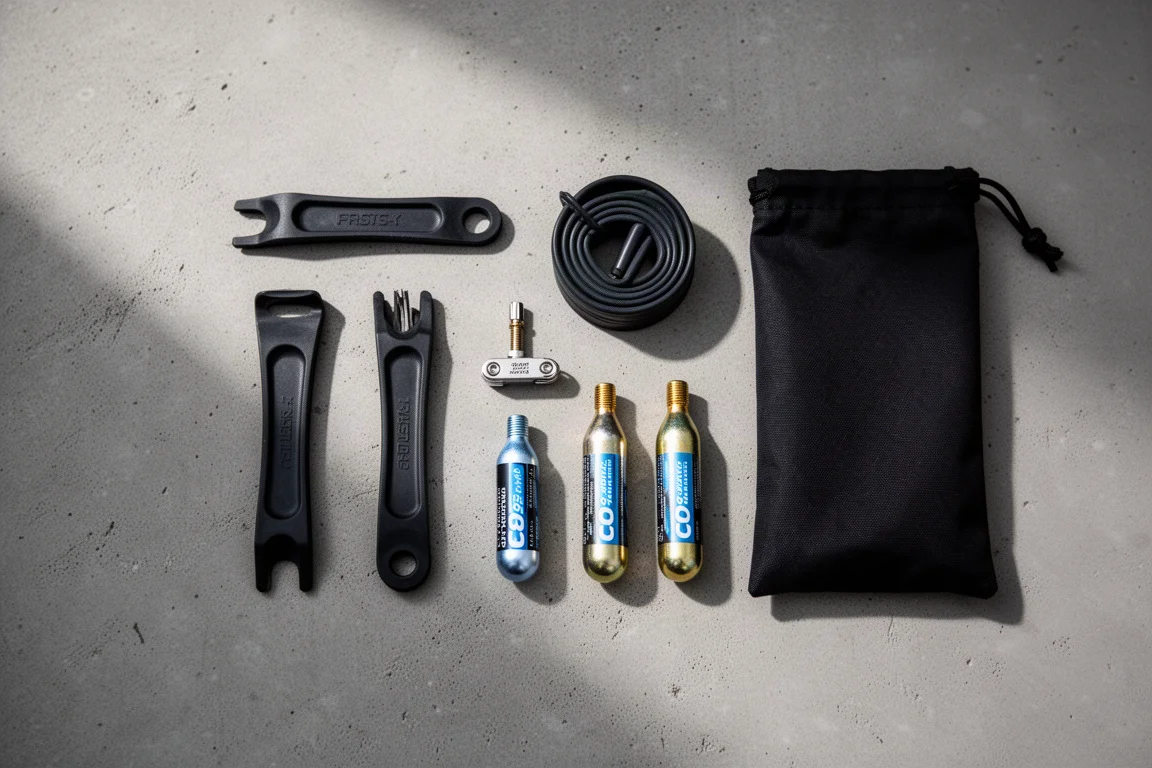
Together those touches make the bike easier to live with between races. None of them changes how fast the bike is, but they remove the small frustrations that tend to surface on race morning.
Things to Consider Before Buying
The Speedmax range is expensive, even by triathlon standards. Canyon lists the SLX 7 at €6,499 and the SLX 8 at €7,999, both lower than the equivalent previous-generation models, and the CFR at €11,000, which holds the previous price.
Options add up. The Splitter Plate Pro is a €250 upgrade on the SLX and included on the CFR. The Aero Shield Pro cockpit is a €500 upgrade on the SLX and standard on the CFR. Both SLX models come with the standard seat post and the standard Aero Shield cockpit as factory equipment.
Fit is the other consideration. PPS is a strong starting point, but a bike this adjustable still benefits from a proper fit session once it arrives. Because the rider accounts for roughly 75% of total drag, position will affect your finish time more than any component choice.
A few practical points are worth noting before ordering. The Aero Shield Pro’s hand grips are fixed and optimised around a defined extension angle range, so riders who prefer a very different hand position may get on better with the standard cockpit. Bottle cages on the down tube and seat tube are possible but cost aerodynamic performance. The bike ships with a stock saddle, and many riders will want to fit one they already know they can hold for several hours.
Colour choice is broad. The SLX is offered in five finishes: Cosmic Dust, Lava Red, Glacia, Light Lavender and Deep Ocean. The CFR comes in six, with Pro Black and Pro White as standard and further finishes available for an additional €500.
Buying Advice and Trim Comparison
The good news is that all three models share the same frame, the same adjustability and the same Aero Fuel system. The differences come down to components, cockpit specification and finish.
The SLX 7 uses Shimano 105 and is the entry point to the range at €6,499. If you want the new frame and the full fit range without paying for a top-tier groupset, this is the model to look at.
The SLX 8 sits at €7,999 and is available with either Shimano Ultegra or SRAM Force AXS. It is the middle option, and for many age-group athletes it is likely to be the sensible one, pairing the same frame and cockpit adjustability with a higher-grade drivetrain.
The CFR is the flagship at €11,000, offered with Shimano Dura-Ace or SRAM Red AXS. It arrives with the Aero Shield Pro cockpit and the Splitter Plate Pro included, so the upgrades that cost extra on the SLX are already part of the package.
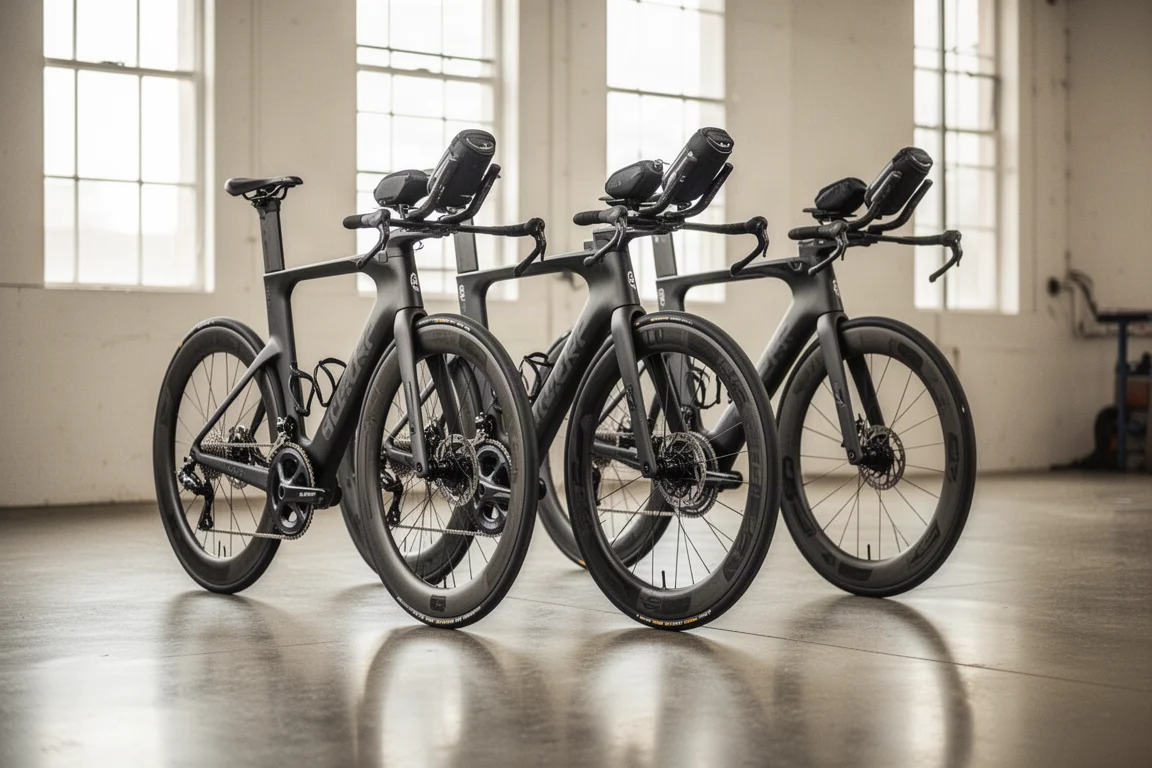
Whichever model you choose, start with the PPS measurements, then decide early whether you want the Splitter Plate Pro, because that choice depends on how much seat post you have exposed. Riders with short legs and limited seat post will get the most from it, and it is the clearest example of how this generation of Speedmax was designed around real riders rather than a single prototype.
Conclusion
The sixth-generation Canyon Speedmax is a rare thing in triathlon: a bike that gets faster and easier to live with at the same time. It is lighter than its predecessor, it carries more fuel and fluid, and its front end adjusts far enough to suit riders who have never fitted comfortably on a triathlon frame before.
The compromises are the familiar ones for this category. It is expensive, it is built for a specific job, and getting the best from it still depends on your position. If you race long-course triathlon and want a dedicated bike that can be dialled in around you, the Speedmax deserves a place on your shortlist.
Product link
View more details for Canyon Speedmax
This product is mentioned in the review. Check the specifications, options, and compatibility before buying.
View more details for Canyon SpeedmaxFurther reading
Related Reviews
Triathlon Bikes
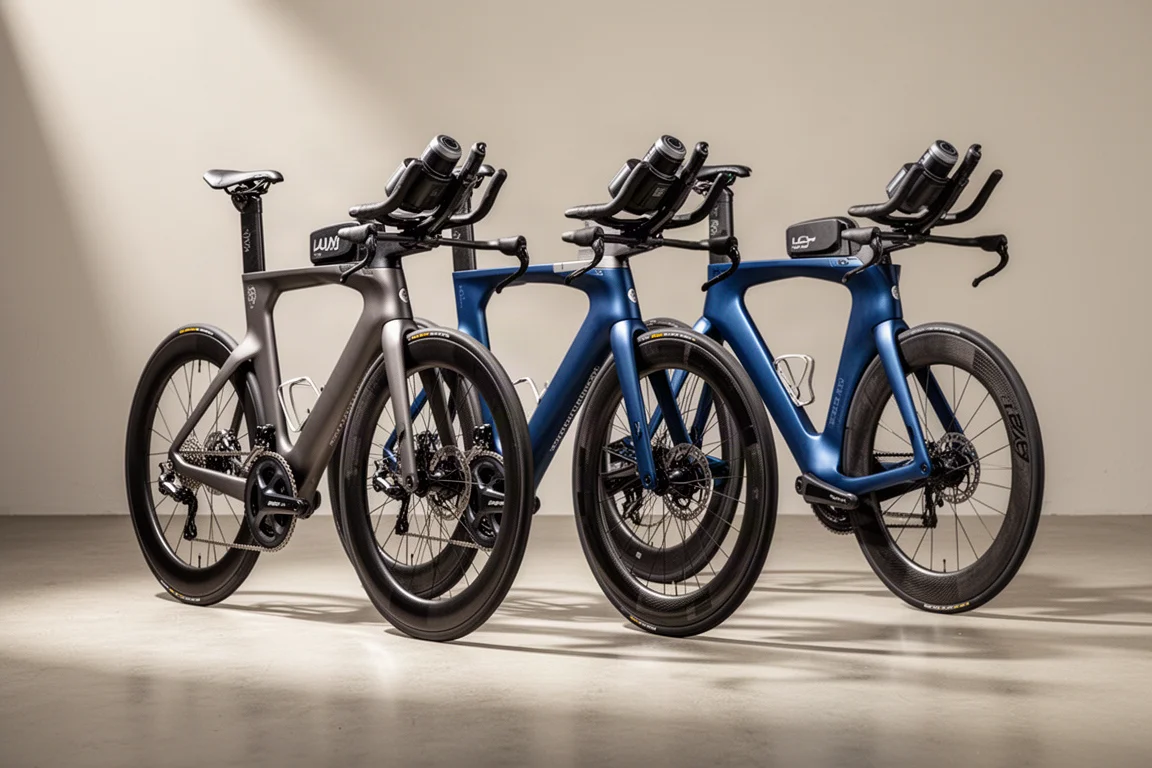
Best Triathlon Bikes 2026: Seven Race Bikes Compared
Seven triathlon bikes assessed on front-end adjustability, onboard hydration and storage, and value, from the most common bike in transition to lower-cost race options.
Triathlon Bikes
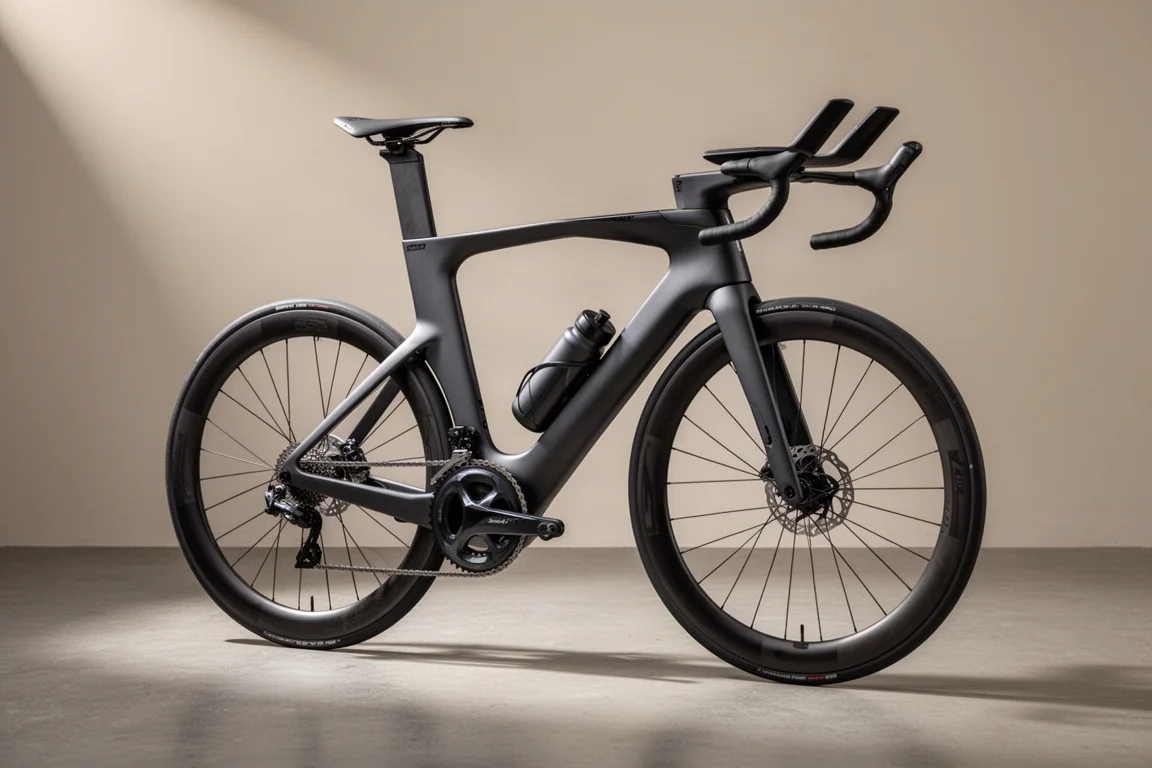
BMC Speedmachine Review: A Formula One-Informed Triathlon and TT Bike
The BMC Speedmachine pairs Red Bull Advanced Technologies aerodynamics with a redesigned frame, integrated hydration, and a 500 gram weight saving over BMC's previous triathlon platform.
Triathlon Bikes
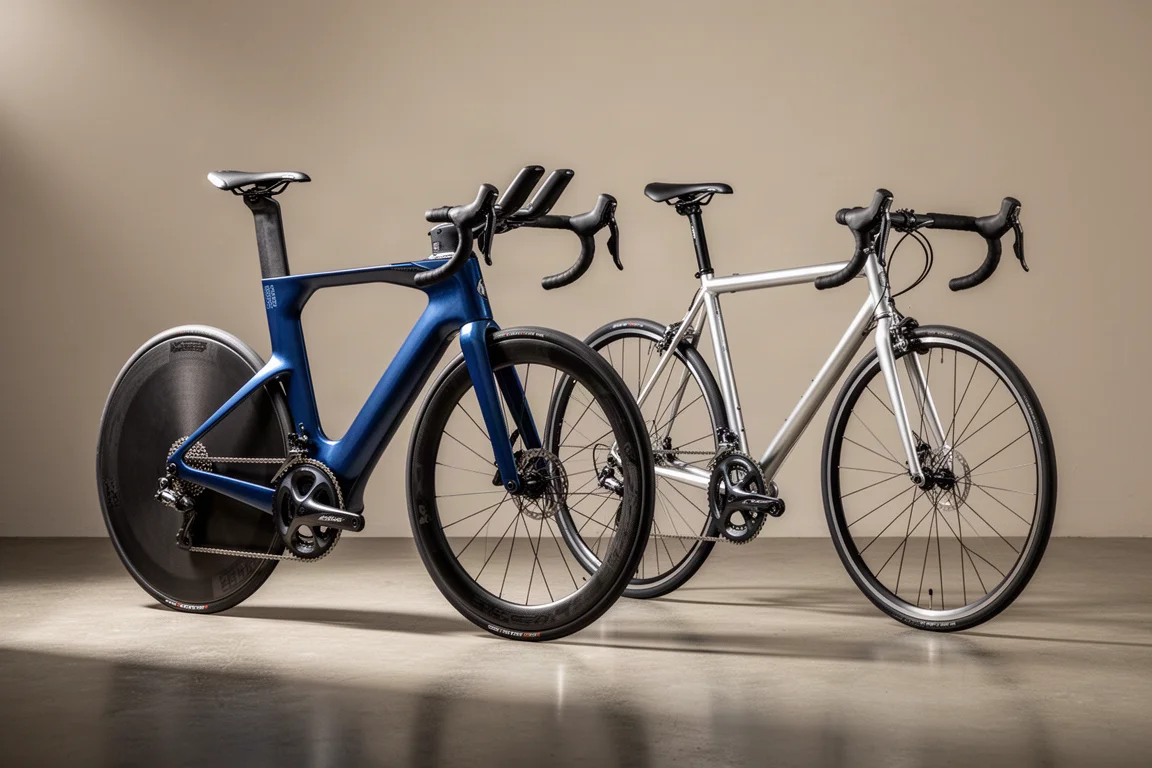
Buying Speed: Canyon Speedmax CFR vs Triban RC 120 Road Test
A head-to-head 22 km test of a premium triathlon race bike, an affordable disc-brake road bike, and a disc wheel upgrade, with the numbers and the trade-offs that matter.