Triathlon Bikes
Canyon Speedmax CFR Review: What a Top-Tier Triathlon Bike Really Delivers
A day on the Canyon Speedmax CFR, with timed flat and climbing efforts against a road bike, plus what the numbers mean before you buy.
Introduction
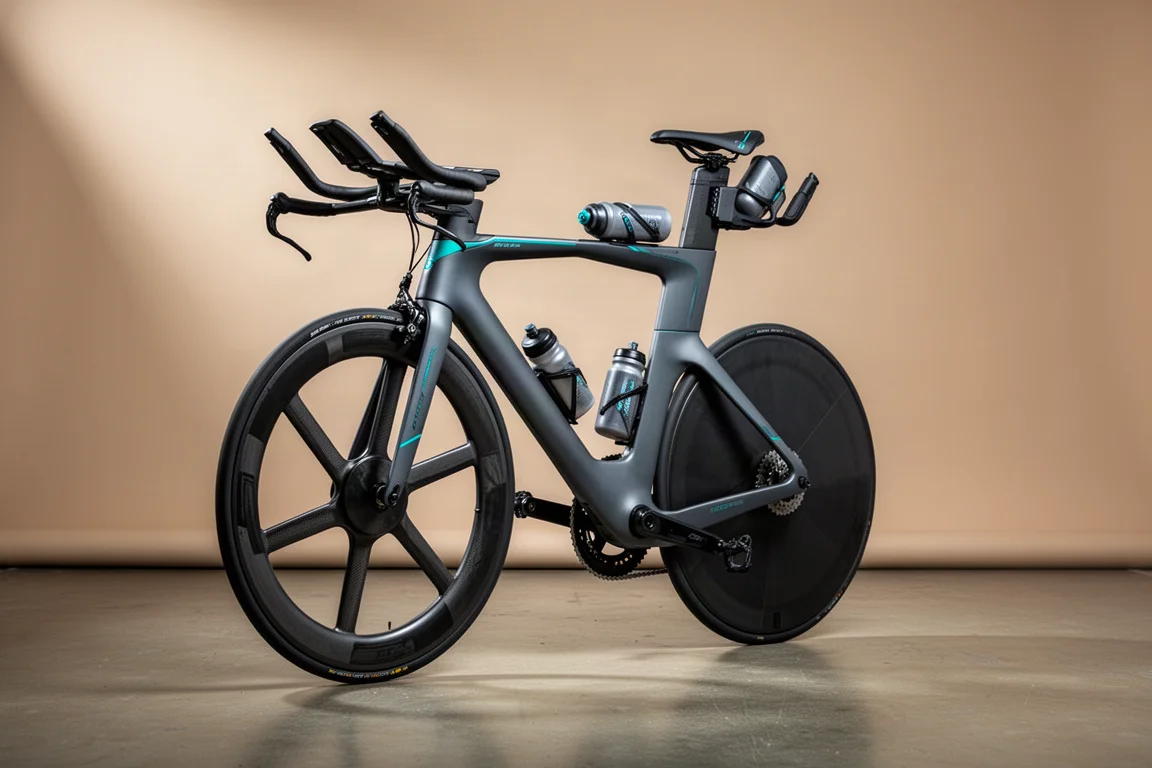
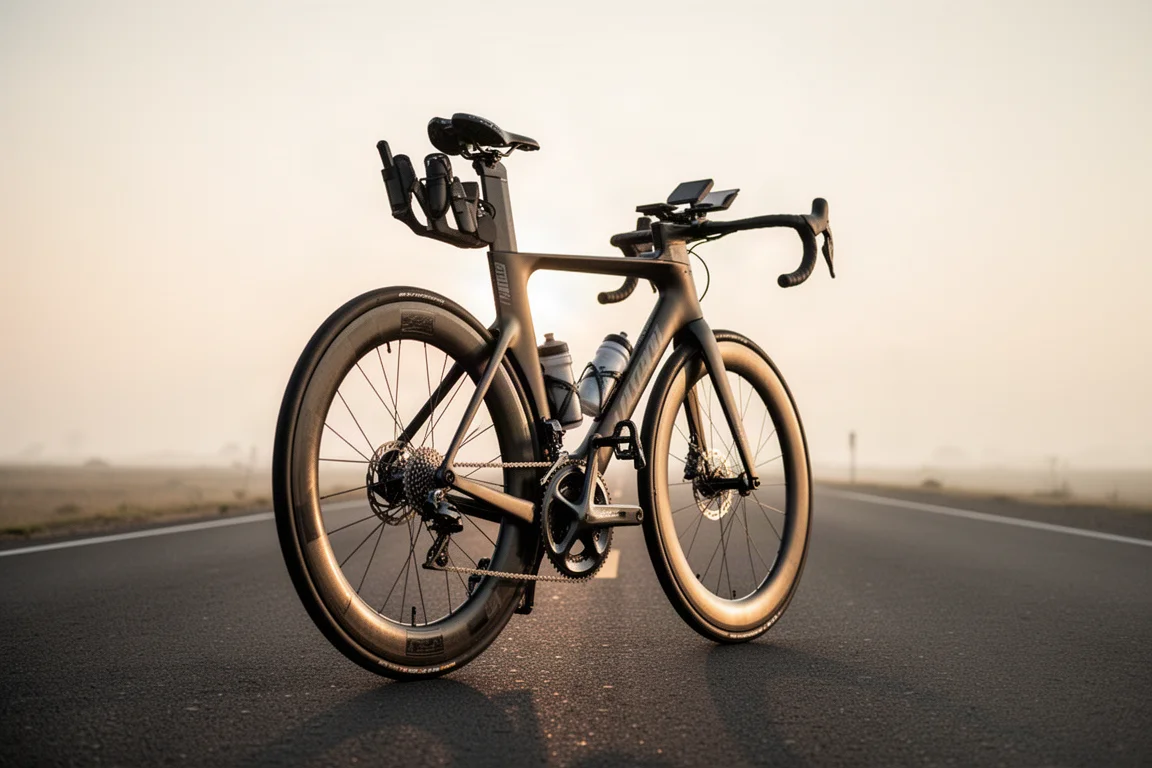
The Canyon Speedmax CFR sits at the top of Canyon’s triathlon range, and it is built around a single priority: covering a race course as quickly as possible. Shimano Dura-Ace Di2 electronic shifting, a cockpit designed around a long aero tuck, deep aero tube profiles and integrated storage all point in the same direction.
The useful question is what a bike like this actually delivers in practice, especially for a rider who is still finding their feet in the sport. To answer it, a relative newcomer to triathlon spent a day on the Speedmax CFR, riding a flat 11 kilometre time trial course and a short steep climb, then repeating both efforts on a conventional road bike so the two could be compared directly.
Who This Bike Is For
This bike is aimed squarely at experienced and elite triathletes, riders who already spend most of their training hours in an aero position and who race courses where speed on flat and rolling roads decides the result. It is not a first triathlon bike, and it is not designed to be one.
A rider who has not yet adapted to aero bars, or who is still working out which races and distances they enjoy, will usually get more value from a simpler machine first, where the learning mistakes cost far less. The geometry here assumes you already want to be low and narrow for long stretches.
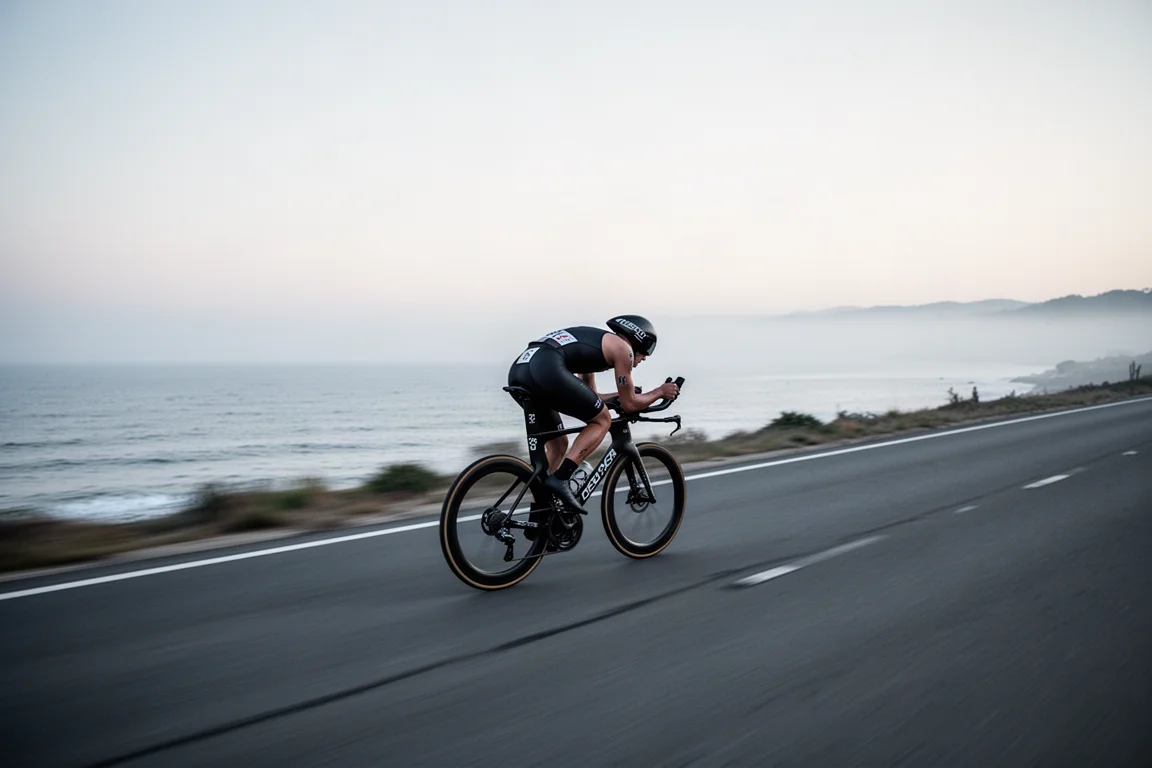
The surprise during testing was comfort. A rider relatively new to aero bars expected the aggressive setup to feel hostile, and found the opposite: once underway, the position was stable and genuinely holdable, and the bike felt composed rather than twitchy in the tuck.
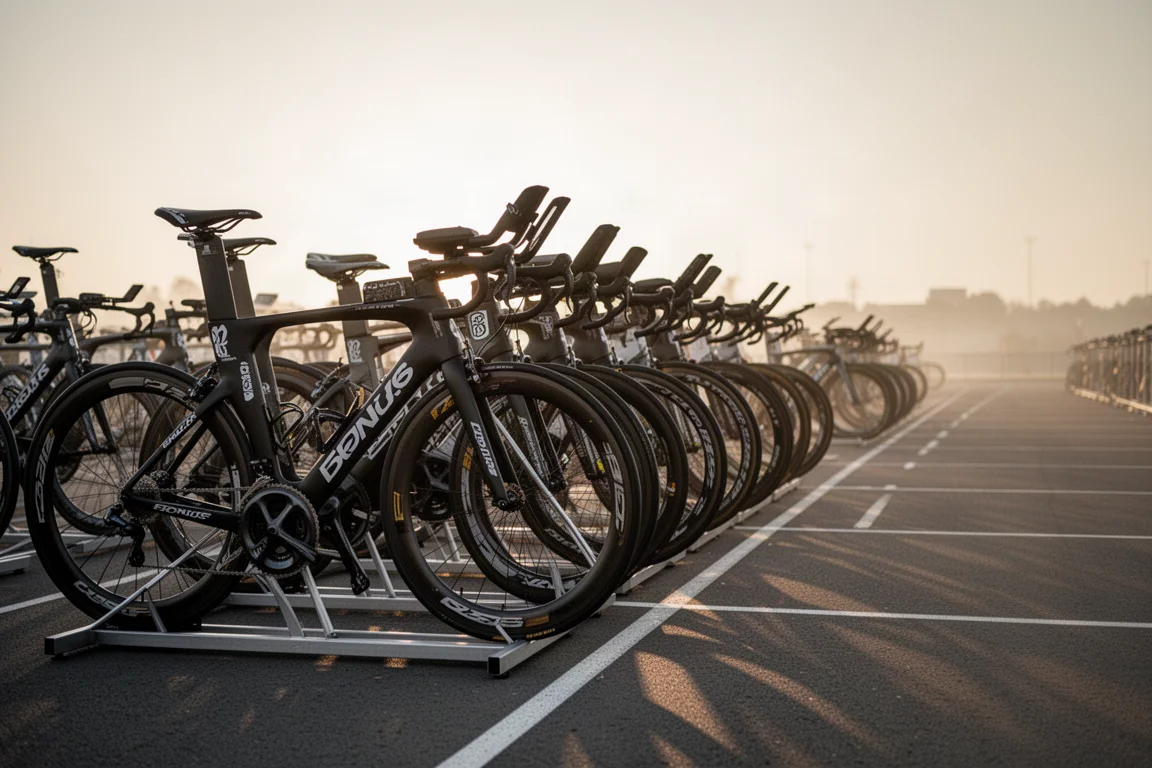
Gears were the other immediate impression. Dura-Ace Di2 electronic shifting moved between gears almost imperceptibly, smoothly and without any drama, which matters on a course where you are constantly adjusting effort rather than hunting for a gear.
Main Strengths
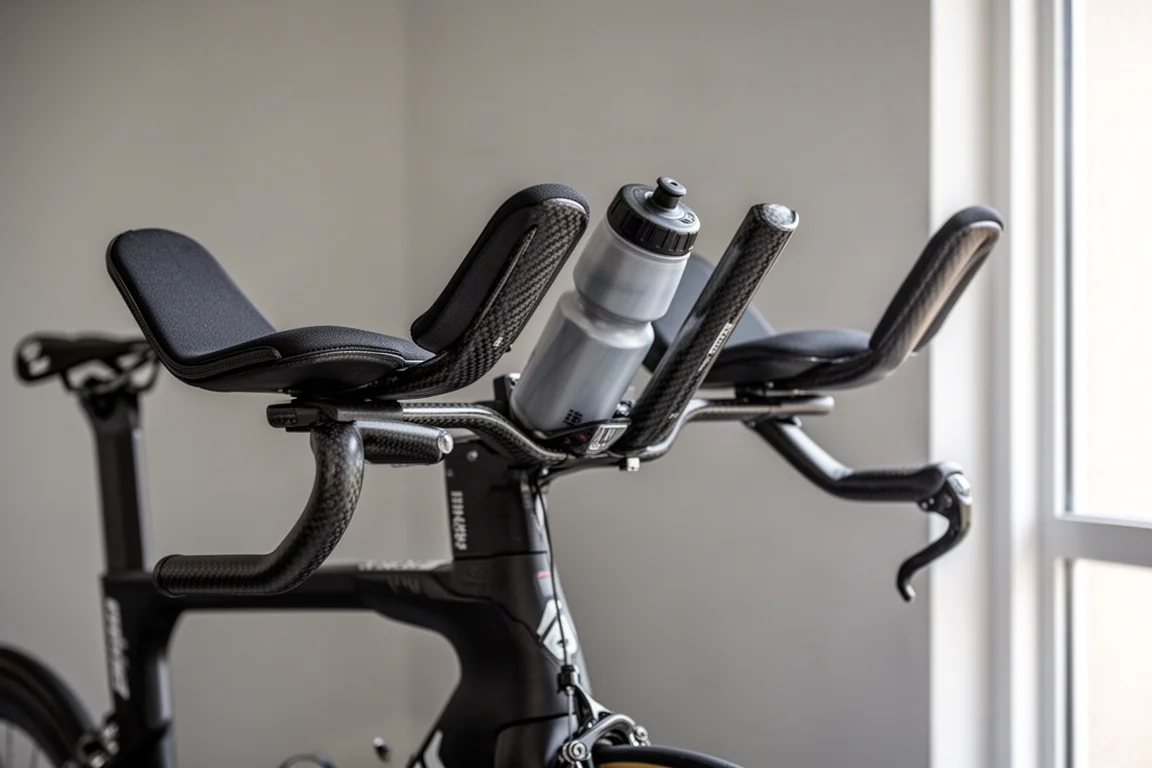
The strongest argument for the Speedmax CFR is that everything on it is designed around the aero position rather than adapted to it. The cockpit, the tube shapes and the frame geometry all support a low, narrow tuck, which is why a rider who was new to aero bars could settle into the position and stay there.
Shimano Dura-Ace Di2 shifting is a clear part of that experience. Changes are quick and quiet, and the system removes the mechanical effort of shifting from the aero bars, so your focus stays on holding the position and managing effort.
Integrated storage is a practical advantage as well. Carrying what you need on the frame rather than on your body keeps the silhouette clean and reduces clutter, and over a long-distance race that also means fewer things to think about in the closing hours.
Put together, these details make the bike feel like a system rather than a collection of parts. Riders who have previously tried clip-on aero bars on a road bike will notice the difference most clearly, because here the position is the starting point, not an add-on.
Flat Speed and Climbing: Real-World Numbers
On the flat 11 kilometre time trial course, the difference was substantial. The Speedmax CFR covered the distance in 21 minutes 01 second, with a maximum speed of 45 kilometres per hour and an average power of 180 watts. The road bike finished the same course in 22 minutes 11 seconds at a similar average power of around 175 watts.
That is a gap of 70 seconds over just 11 kilometres. Extrapolated to an Ironman-distance ride, the same difference adds up to more than 20 minutes of race time, which is why the flat and rolling sections of a triathlon course matter so much. The extra watts produced on the aero bike were modest and nowhere near enough to explain the gap on their own, which underlines how much the position itself contributes.
The climbing test told a different story. On a 0.6 kilometre climb averaging seven percent, with pitches reaching 18 percent, the road bike went quicker at 3 minutes 25 seconds and an average of 234 watts, while the Speedmax CFR took 3 minutes 40 seconds at 230 watts.
That result is not a flaw, it is physics. Around a seven percent gradient is roughly the point where aerodynamic gains start to matter less and weight and climbing efficiency start to matter more. At lower amateur speeds, that tipping point arrives earlier, so a steeper course will naturally favour a lighter road setup.
Things to Consider Before Buying
The first thing to weigh is your race calendar. If your target events are predominantly flat or rolling, with only short climbs in the mix, the aerodynamic advantage on the majority of the course comfortably outweighs a slower ascent on a steep ramp.
If your training roads and chosen races are genuinely hilly, though, the calculation changes. The climb test above showed a road bike going faster on a steep gradient, and that pattern repeats on any course where sustained climbing dominates.
Second, aero bar confidence takes time to build. Riding low on the extensions feels unfamiliar at first, and the honest approach is to build up gradually, starting on the base bar and moving into the aero position as stability improves. Any rider who is not yet comfortable in a tuck will not unlock the bike’s main advantage straight away.
Third, this is a top-of-the-range machine and a significant investment. It makes most sense for riders who have already spent a season or two on a more affordable triathlon bike, know what they want from a race position, and are ready to commit to training in it.
Buying Advice
If your goal is a faster bike split on flat and rolling terrain, the case for this bike is straightforward. Seventy seconds over 11 kilometres is a real, repeatable gain, and on a long-distance course it compounds into a genuinely meaningful amount of time. Integrated storage and a position that stays comfortable deep into a ride make that speed easier to hold.
If you are earlier in your triathlon journey, a cheaper triathlon bike remains the smarter route. Use it to learn the aero position, use it to make your mistakes, and use it to work out what kind of racing you actually enjoy.
Whatever you choose, factor in your local terrain before you commit. A rider who spends most training hours on steep roads may find a road bike with a sensible setup more rewarding day to day, while a rider with flat race targets and a settled aero position will get the most from a machine like the Speedmax CFR. Match the bike to the course, and the decision becomes much easier.
Conclusion
The Canyon Speedmax CFR does exactly what it claims to do. It is faster where triathlon races are usually won, it is more comfortable in the aero position than its aggressive look suggests, and it is slower on genuinely steep climbs, which is a predictable trade-off rather than a fault.
For experienced triathletes chasing faster bike splits on flat and rolling courses, it is a serious and coherent piece of equipment. For everyone else, a more affordable triathlon bike remains the better first step, and there is no shame in taking it.
Product link
View more details for Canyon Speedmax CFR
This product is mentioned in the review. Check the specifications, options, and compatibility before buying.
View more details for Canyon Speedmax CFRFurther reading
Related Reviews
Triathlon Bikes
Best Triathlon Bikes 2026: Seven Race Bikes Compared
Seven triathlon bikes assessed on front-end adjustability, onboard hydration and storage, and value, from the most common bike in transition to lower-cost race options.
Triathlon Bikes
BMC Speedmachine Review: A Formula One-Informed Triathlon and TT Bike
The BMC Speedmachine pairs Red Bull Advanced Technologies aerodynamics with a redesigned frame, integrated hydration, and a 500 gram weight saving over BMC's previous triathlon platform.
Triathlon Bikes
Buying Speed: Canyon Speedmax CFR vs Triban RC 120 Road Test
A head-to-head 22 km test of a premium triathlon race bike, an affordable disc-brake road bike, and a disc wheel upgrade, with the numbers and the trade-offs that matter.