Triathlon Bikes
Canyon Speedmax CF SLX vs Canyon Speedmax CFR: Picking the Right Triathlon Bike for a Hilly Course
A practical comparison of the Canyon Speedmax CF SLX and Speedmax CFR, built around Canyon's own course modelling of the hilly St. George Ironman bike leg.
Introduction
The Ironman World Championships left Hawaii for the first time in its history when the pandemic pushed the race to St. George, Utah. The change of venue matters far more than the map suggests. The St. George bike leg packs roughly 2,248 metres of climbing into 180 kilometres, which forces athletes and equipment designers to weigh two competing priorities against each other: the weight of the bike and its aerodynamic efficiency.
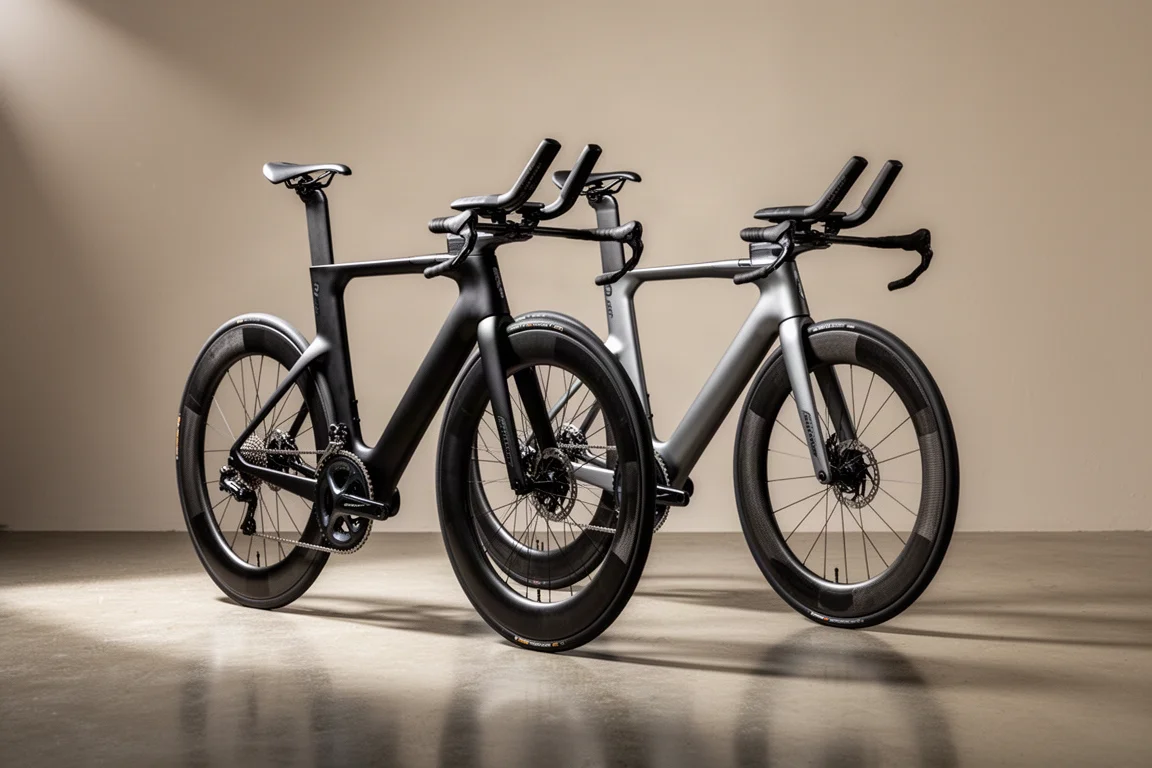
Two Canyon Speedmax models sit at the centre of that debate. The Speedmax CF SLX is the UCI time trial version with rim brakes, a platform that has already proven itself at the highest level. The Speedmax CFR is the newer, top-of-the-range disc brake machine, released in November 2020 and built around Canyon’s latest aerodynamic work. When Lionel Sanders lined up on the older CF SLX, it turned a technical question into a very public one: on a course this hilly, does weight really beat aerodynamics?
How the St. George Course Changes the Math
St. George is not a pure climbing test. It is a loop course run over several laps, so almost every metre gained on the way up is given back on the way down. The two headline climbs, Gunlock Drive and Snow Canyon, average around 1.5 percent and 3.5 percent respectively. Only a handful of pitches rise above 6 percent. The rest of the 180 kilometres is made up of rollers, short kickers and long stretches with very little genuine flat.
The descents are the other half of the story. Riders can average above 60 km/h coming down from the main climbs, and 70 km/h or more is realistic with a favourable wind. That matters because aerodynamic drag rises steeply with speed. The faster a descent is, the more a slippery frame is worth, and the less a lighter frame gives back.

This is the tension at the heart of the course. Weight helps most at low speed on steep gradients. Aerodynamics helps most at high speed, which is where this course spends far more of its time. Canyon’s own modelling suggests the crossover point is much narrower than most riders assume.
Canyon Speedmax CF SLX: The Proven Rim-Brake Racer
The Speedmax CF SLX is the UCI time trial version of Canyon’s Speedmax line, and it uses rim brakes. Its racing record is the strongest argument in its favour: the bike has carried the men’s winner at the last five Ironman World Championship events, although those races were held on the flatter Kona course rather than in St. George.
One detail worth noting is that the UCI time trial version is not the lightest Speedmax in the range, since the triathlon version of the same frame is lighter. Even so, the CF SLX holds a weight advantage over the CFR of roughly 875 grams. On a complete race bike, that looks like a substantial saving.
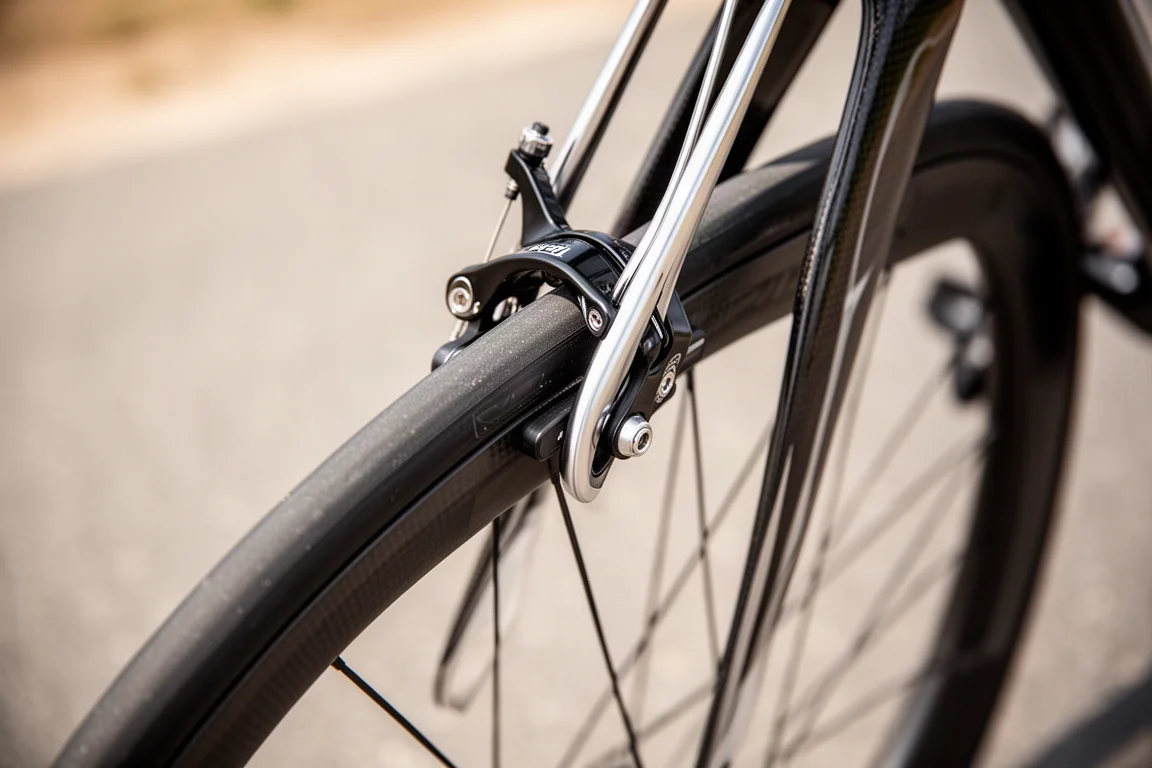
In context, the saving shrinks. The mass being pushed uphill is the rider plus the bike, and against a total of that size, 875 grams works out closer to one to one and a half percent. At the speeds riders actually climb this course, that difference produces only a small return.
Canyon Speedmax CFR: The Newer Disc-Brake Platform
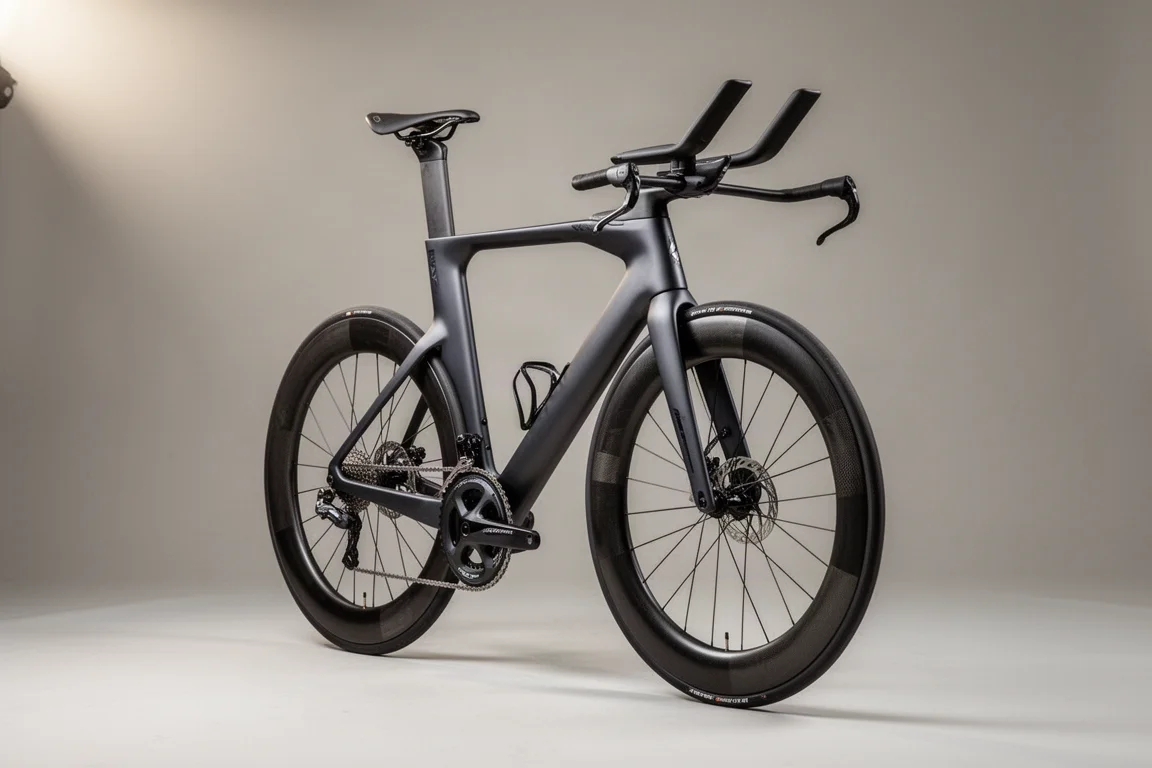
The Speedmax CFR is Canyon’s top-of-the-range triathlon platform, introduced in November 2020 with disc brakes and the company’s newest aerodynamic shaping. It was developed alongside the athletes Canyon works with, and it represents the direction the brand believes the category is heading.
The aerodynamic gap between the two frames is measurable. Canyon puts the bike-only difference at 7 to 9 watts depending on frame size, with 9 watts for a size large and around 7 watts for a size small. Once a rider’s position is included and optimised on the newer frame, the gap measured on a track test was closer to 18 watts, after the fit was lengthened slightly and gains were confirmed.
Over the St. George course, 18 watts is worth roughly 7 minutes. That figure comes from a segment-by-segment analysis of the course rather than a single steady-state estimate, and it is the strongest single argument for the CFR on this terrain.
Aerodynamics, Weight, and the Numbers Behind the Choice
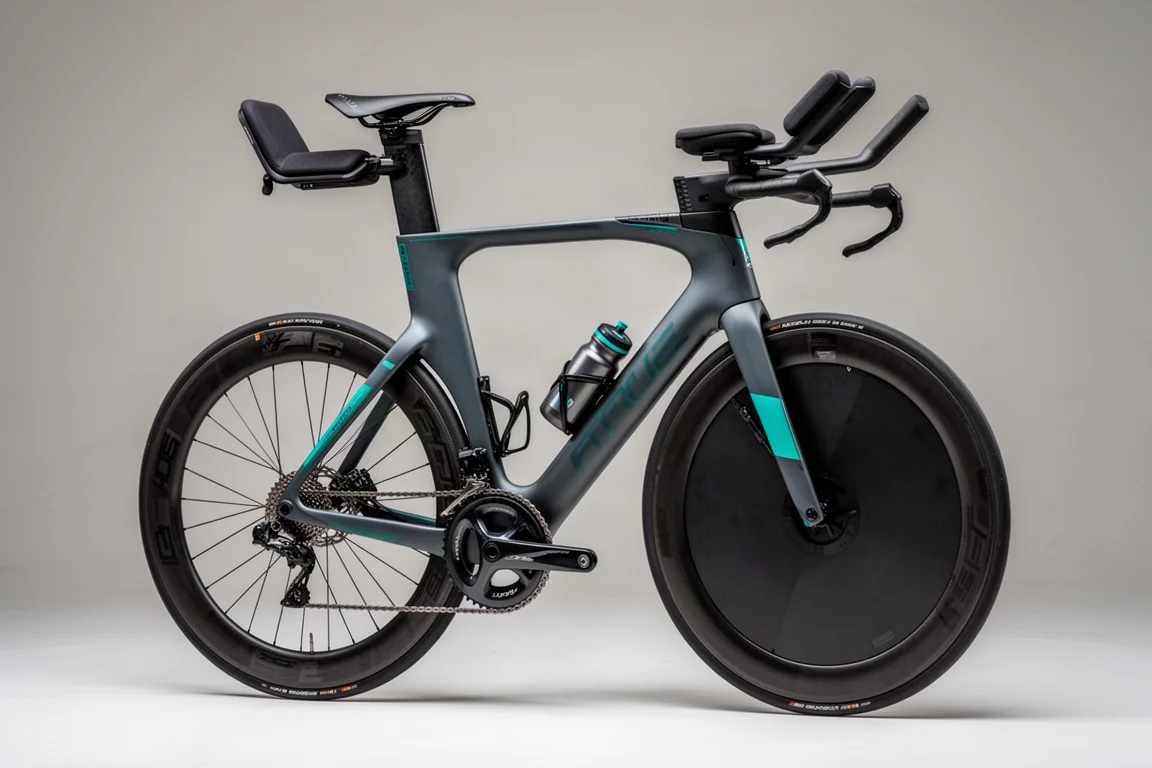
To quantify the trade-off, Canyon digitised the St. George course, split it into segments and calculated the gradient of each one. The team then modelled speed segment by segment, with help from Steve Gribble, an engineer based in Silicon Valley whose online tool accepts a power figure and returns a speed for a given segment.
The result is stark. Across roughly 180 kilometres, the lighter bike is faster on only about 2 kilometres, on the segments where the average gradient sits near 6 percent. Where the lighter bike does win, it gains around 0.2 to 0.3 km/h.
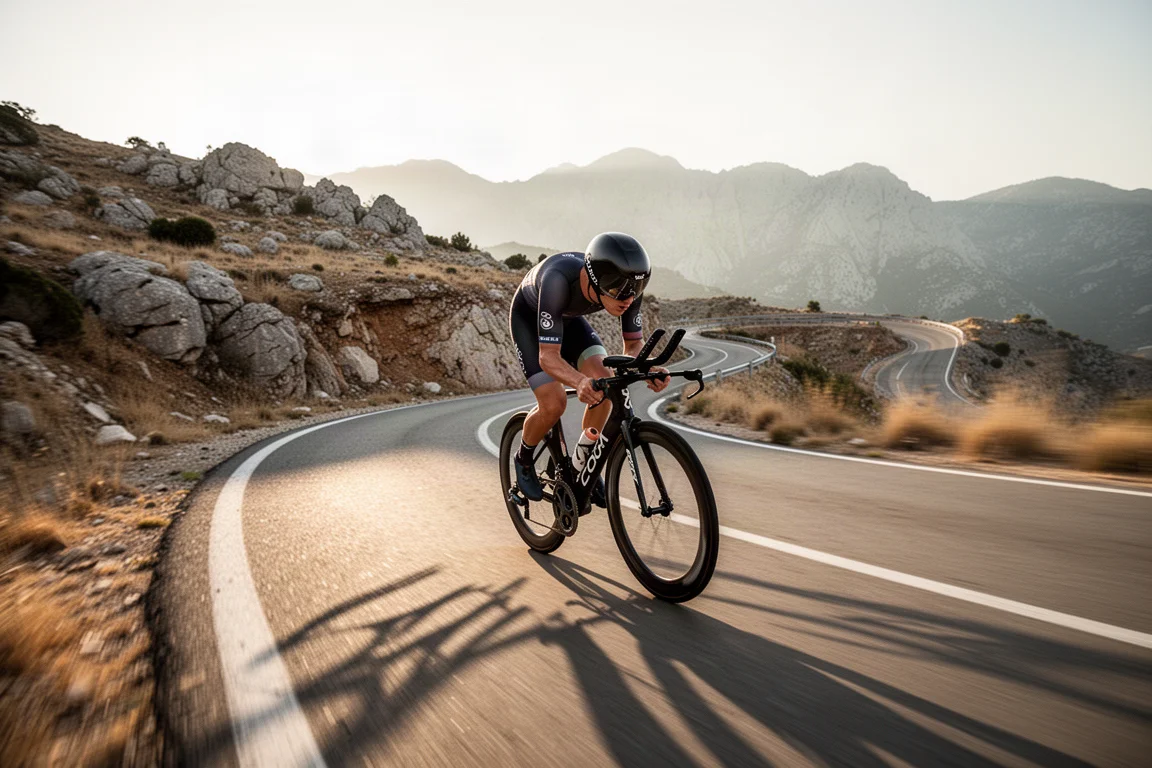
Everywhere else, the more aerodynamic bike is faster, and the margins are far larger on the descents. On segments ridden at 70 to 80 km/h, the aerodynamic advantage is worth up to 2.5 to 3 km/h. On gradual climbs and rolling terrain the aero bike still leads, because the gradients are not steep enough to hand the advantage back to weight.
Climbing speed explains part of this. A rider grinding uphill at 16 to 18 km/h cannot extract much from a weight saving, because the returns scale with time spent at low speed on steep grades. This course simply does not provide enough of that.
Why Rider Confidence Still Matters
There is a limit to what the numbers can settle. Position on the bike matters more than the frame for most riders, and the same track testing that produced an 18 watt gap also showed that a small change in fit, lengthening the position, delivered meaningful gains. A well-fitted rider on the older frame can beat a poorly fitted rider on the newer one.
Belief is a real variable too. Athletes ride better on equipment they trust, and equipment that feels unstable or unfamiliar can cost more than it saves. A rider who dislikes a setup may lose focus or confidence even when the modelling says otherwise. Canyon’s stated approach is to give athletes and customers equipment they believe in, which is a reasonable position when the margins between frames are measured in single-digit watts.
Race dynamics add another layer. A weaker swimmer exits the water chasing, and an aerodynamic deficit is amplified when riding near other competitors, even in a non-drafting race, because a group can share pace while a solo rider cannot. On fast descents, a small aero disadvantage can mean watching a group pull away, then spending extra energy to close the gap. That energy is often paid for later on the run.
Buying Advice: Which Speedmax Makes Sense
For most age-group athletes, and for professionals racing rolling or flat courses with long, fast descents, the Speedmax CFR is the more defensible purchase. Its aerodynamic advantage is measurable at the frame level and larger still once position is optimised, and on courses like St. George the aero bike is faster for all but a tiny fraction of the distance.
The Speedmax CF SLX remains a serious race bike rather than a compromise. It carries a genuine weight advantage of around 875 grams, it has a proven championship record, and rim brakes are simpler to live with for riders who prefer them. If your target events are genuinely steep, or if you already own and trust the platform, it is not an unreasonable choice.
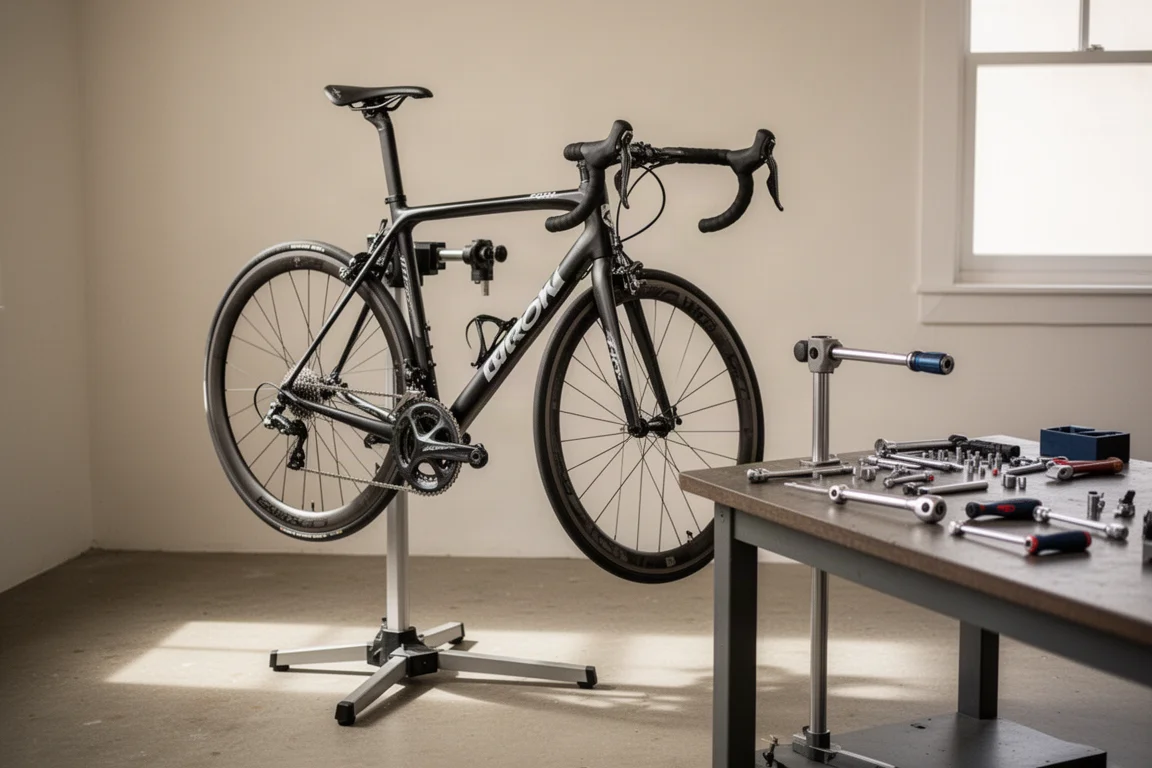
The most useful rule is to sort priorities in order. Fit comes first, because position outweighs frame choice for most riders. Course profile comes second, because a hilly route with fast descents still rewards aerodynamics far more than it rewards weight. Frame choice comes third, and at that point the gap between these two Canyon platforms is a matter of 7 to 9 watts at frame level and up to 18 watts once the rider is included.
Conclusion
St. George gave triathlon a rare natural experiment: a hilly world championship away from Hawaii that forced a hard look at the weight versus aerodynamics question. Canyon’s own modelling points to a clear answer. Weight matters on only a couple of kilometres of the 180 kilometre course, while aerodynamics matters almost everywhere. The newer Speedmax CFR is the faster choice on paper, and the older Speedmax CF SLX remains a proven race-winning machine with a small weight advantage of its own. Fit and rider confidence sit above both.
Further reading
Related Reviews
Triathlon Bikes
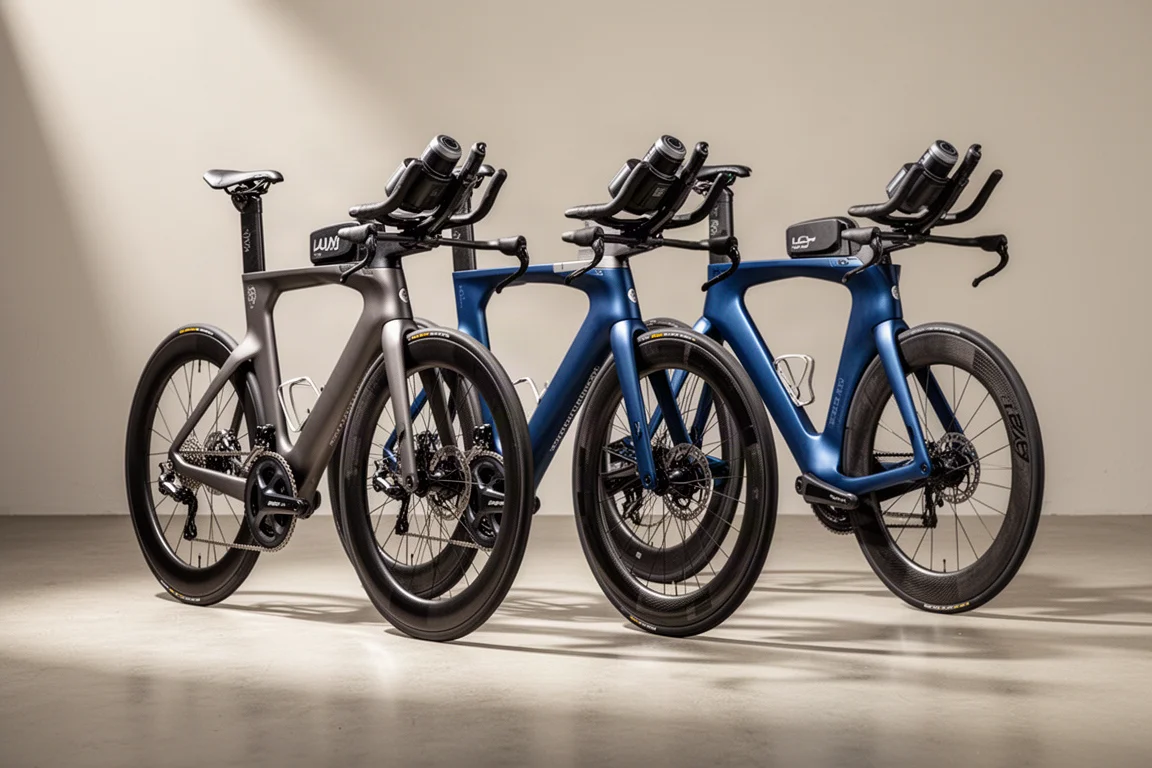
Best Triathlon Bikes 2026: Seven Race Bikes Compared
Seven triathlon bikes assessed on front-end adjustability, onboard hydration and storage, and value, from the most common bike in transition to lower-cost race options.
Triathlon Bikes
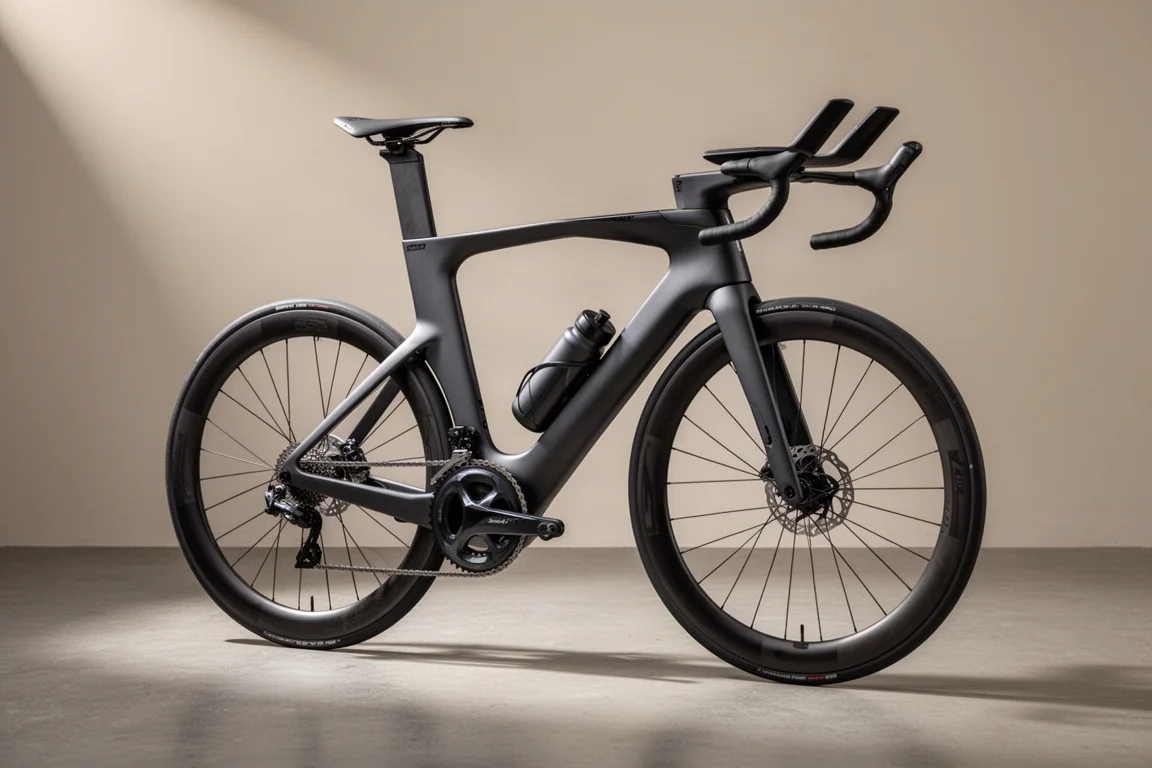
BMC Speedmachine Review: A Formula One-Informed Triathlon and TT Bike
The BMC Speedmachine pairs Red Bull Advanced Technologies aerodynamics with a redesigned frame, integrated hydration, and a 500 gram weight saving over BMC's previous triathlon platform.
Triathlon Bikes
Buying Speed: Canyon Speedmax CFR vs Triban RC 120 Road Test
A head-to-head 22 km test of a premium triathlon race bike, an affordable disc-brake road bike, and a disc wheel upgrade, with the numbers and the trade-offs that matter.