Triathlon Bikes
Canyon Speedmax CF Review: A Practical Triathlon Bike for Going Faster
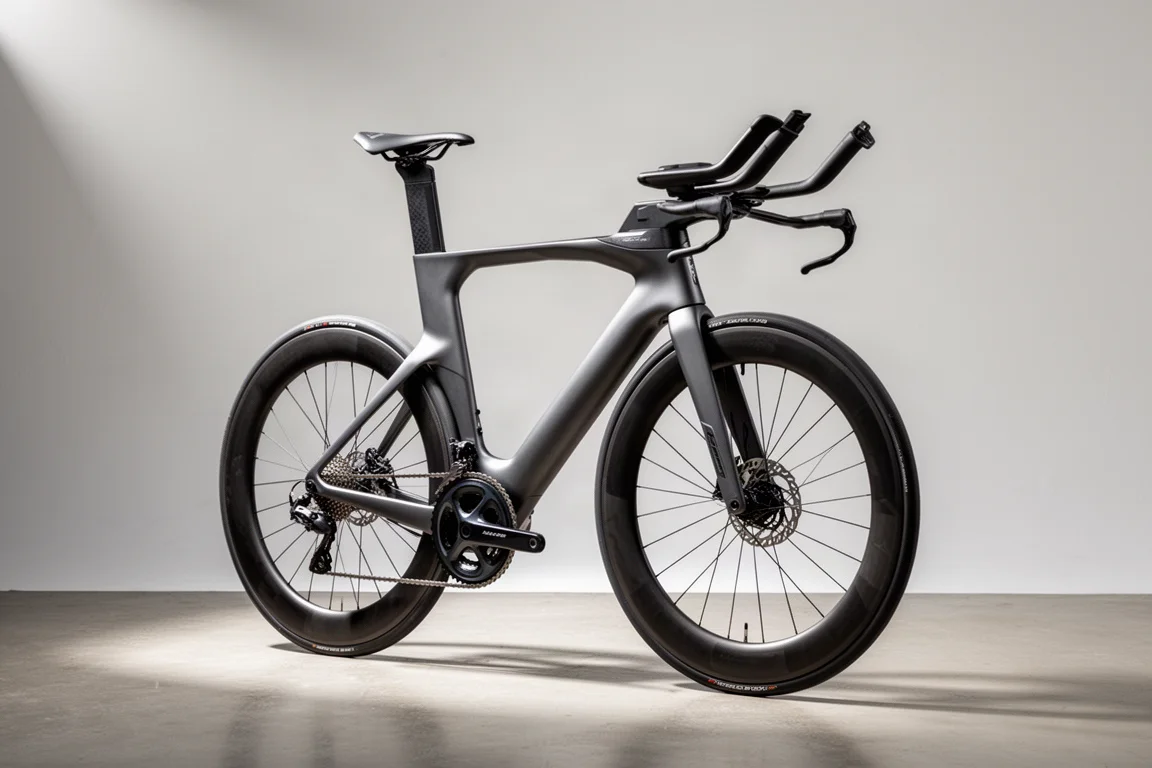
Canyon's more affordable Speedmax CF pairs aero geometry with built-in hydration and storage, plus two build options and a genuinely approachable price for a triathlon bike.
Introduction
Triathlon and time trial bikes exist for one reason: to make a rider faster for the same effort. For anyone moving up from a standard road bike, the commonly quoted figure is a saving in the region of 17 minutes over an Ironman bike course. That is a large enough number to make the switch worth investigating properly, and the Canyon Speedmax CF is one of the more accessible ways to find out whether it holds true.
The Speedmax CF sits as the more affordable model in Canyon’s Speedmax range, and the brand positions this latest version as faster than the bike that won Kona in 2019. It carries the integrated hydration and storage that triathletes have been asking for, and it is available in two builds that sit at a fraction of the price of the top-tier triathlon bikes.
Who This Bike Is For
The clearest candidate for the Speedmax CF is a triathlete who already owns a road bike, has put real miles into it, and is now looking for a return on all those training hours. If the goal is a faster bike split rather than a different kind of riding, the geometry and cockpit here are built specifically for that job.
It also suits riders who want to be self-sufficient over long distances. Everything needed to carry fuel and fluids on course is designed into the frame and cockpit, so there is no need to bolt on aftermarket parts before race day.
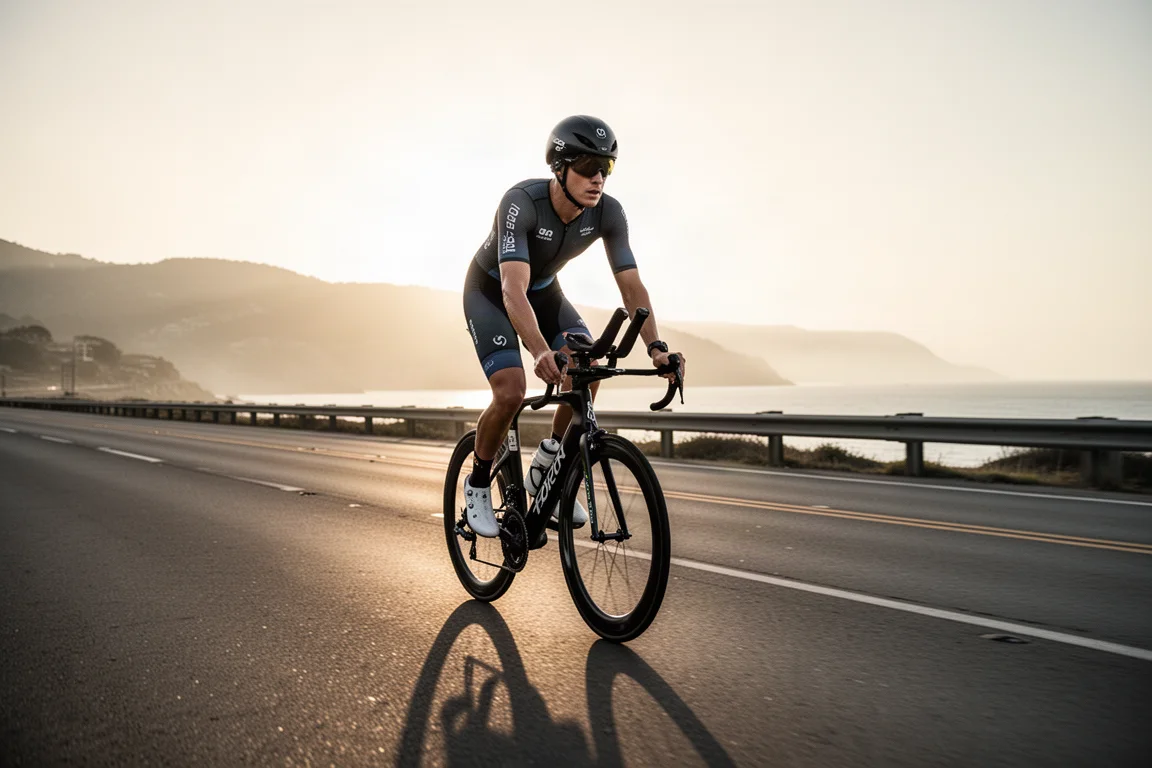
Riders who are unsure about committing to a dedicated race bike are not left out entirely. Clip-on aerobars on an existing road bike are a sensible middle step, and the Speedmax CF becomes more compelling once the distances get longer and the position starts to matter more.
Why a Triathlon Bike Is Faster
The advantage is not just a marketing claim. Triathlon bikes are aerodynamically optimised for the kind of courses a triathlon tends to use, and the biggest single factor is geometry and setup. The frame and cockpit are designed to be ridden in the aerobars, which reduces frontal area, the surface the rider has to push through the air. Less frontal area means more speed for the same power output.
That difference shows up most clearly on long, steady efforts where holding an aero position is realistic, and it is why a triathlon-specific platform makes sense for anyone chasing a faster bike split.
Storage and Hydration Built Into the Frame
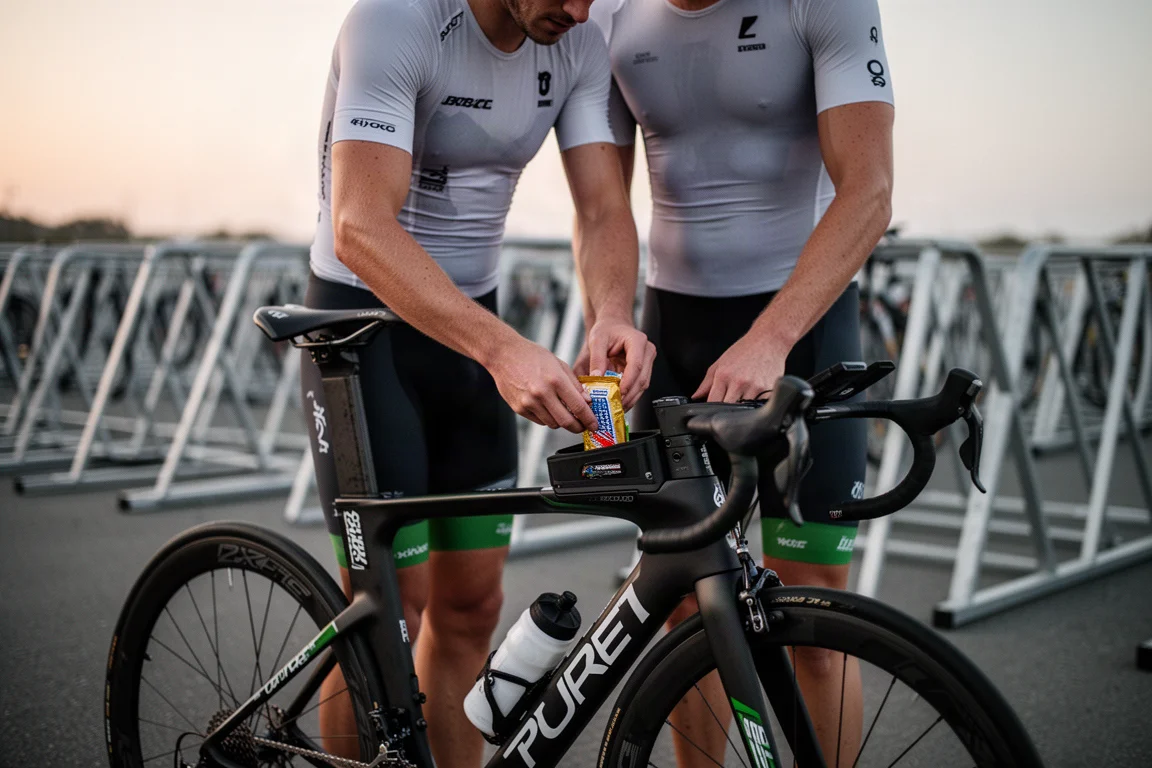
Fuel and hydration carriage is where the Speedmax CF makes its most practical case. The bike has built-in storage for nutrition and fluids, which is preferable to aftermarket add-ons because it integrates cleanly into the cockpit and frame and puts less wear and tear on the bike itself.
The headline option is an integrated hydration system that connects to the front end around the cockpit, with a straw rising between the aerobars. Canyon has clearly listened to rider feedback here, and it is the kind of feature that removes a distraction on race day. Above that sits top tube storage for gels and solid food, with a second access point underneath and a pull-out pouch that carries a CO2 cartridge, valve and similar spares down into the frame.
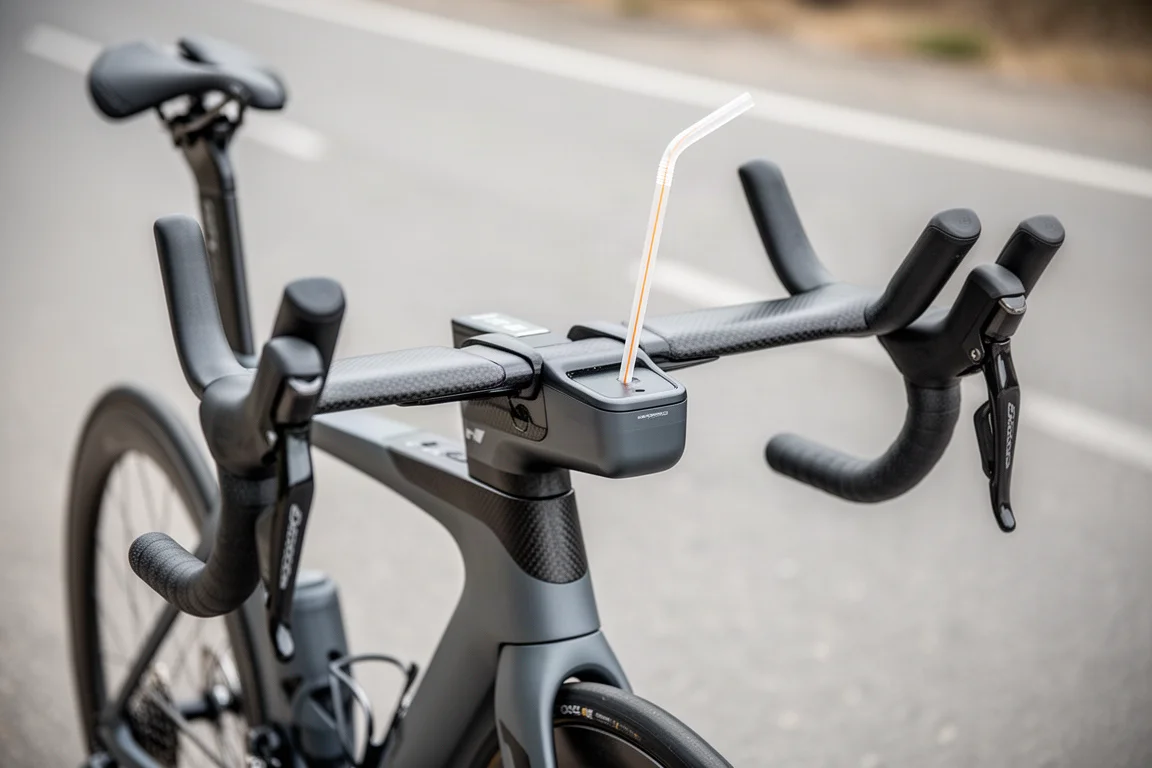
Further down, there are hydration mounting options on the downtube, an additional pouch for gels or spares, and screw holes at the back of the seatpost for bottle cage mounts and other accessories. Put together, the bike can carry enough to keep a rider self-sufficient through a full triathlon.
Fit, Adjustability, and Model Options
A triathlon bike has to fit a wide range of riders and positions, and the Speedmax CF is built with that in mind. All cables are routed internally, yet the handlebar height remains adjustable, as does the aerobar height, along with aerobar length, angle and tilt. That range of adjustment matters because getting comfortable in an aero position takes time and iteration.
Two builds are available. The first comes in around 3,999 euro with a Shimano 105 mechanical groupset, a power meter and deep section wheels. The second, at roughly 5,500 euro, steps up to a SRAM Rival AXS electronic groupset, deep section wheels, a power meter and wireless shifting from the aerobars. Both are a fraction of what a top-of-the-range triathlon bike costs.
What the Real-World Test Showed
A 10 km course gave a useful, if modest, answer to the speed question. A rider new to triathlon bikes covered the distance in 18:34 on a road bike, then 17:44 on the Speedmax CF, with a third effort on the road bike fitted with clip-on aerobars coming in at 18:21.
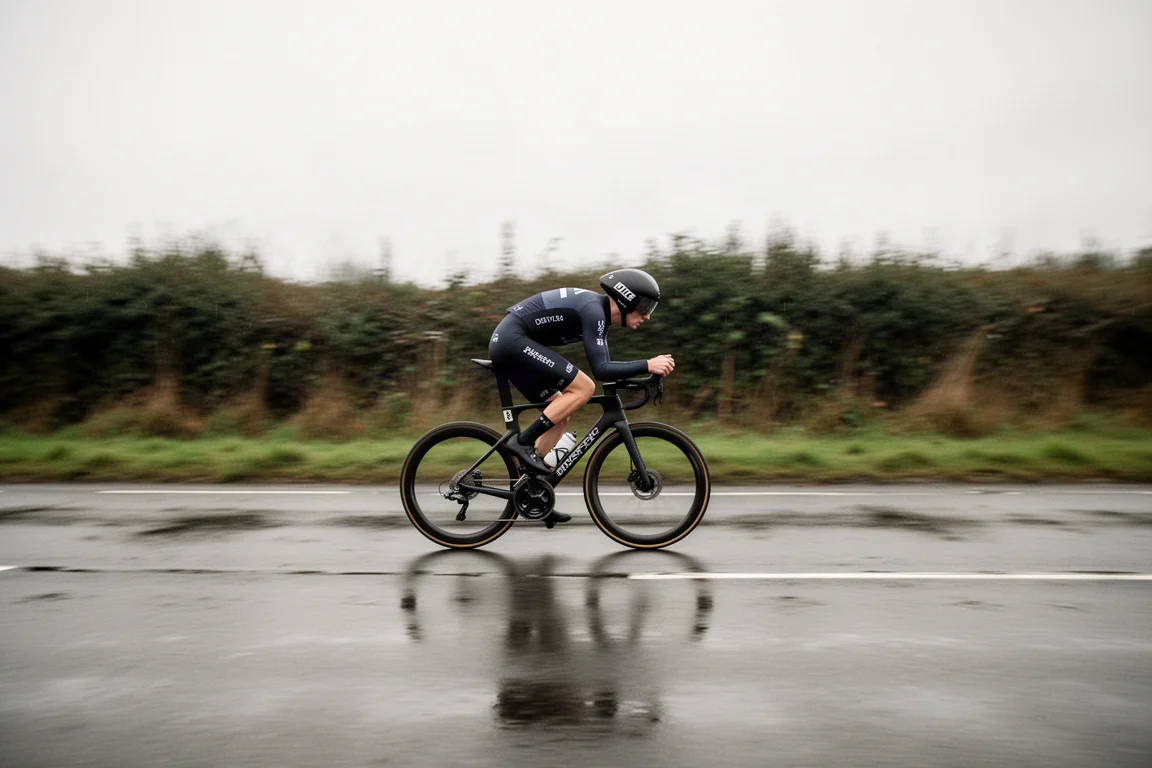
Two things stand out. First, the triathlon bike was the fastest of the three setups, which supports the argument that the platform itself delivers the gain. Second, clip-on aerobars produced only a marginal improvement over the plain road bike. That is a genuinely useful middle ground if a dedicated triathlon bike is not yet on the cards, though a road bike’s geometry is not really designed around aerobars, and storage and hydration still have to be added separately as the distances grow.
Things to Consider Before Buying
A triathlon bike handles differently from a road bike, and that takes adjustment. Riders stepping across for the first time often notice the front end feeling jittery in windy conditions, which is a consequence of the aero position and deep section wheels rather than a fault in the frame. Expect a period of adaptation before the position feels natural.
It is also worth thinking about the discipline involved. The aerodynamic benefit depends on actually spending time in the aerobars, so comfort and fit matter more than headline numbers. Budget accordingly: the mechanical build with a power meter is a strong starting point, while the electronic build adds wireless shifting from the aerobars for riders who want the more complete race setup.
Buying Advice
For a triathlete who has already invested in training and wants a faster bike split, the Speedmax CF makes a convincing case. The aero geometry delivers the core benefit, the integrated hydration and storage remove the need for improvised solutions, and the two build options keep the price well below the flagship triathlon bikes.
Choose the 3,999 euro build if the priority is value, a mechanical drivetrain and a power meter for structured training. Step up to the 5,500 euro build if electronic shifting and wireless gear changes from the aerobars are worth the extra to you. If a dedicated race bike still feels like too big a commitment, clip-on aerobars are a reasonable first move, with the understanding that road bike geometry and add-on storage will eventually become the limiting factors.
Conclusion
The Speedmax CF answers a simple question well. Triathlon bikes are faster, the position and geometry are the reason, and Canyon has made the platform genuinely practical by building nutrition and hydration into the bike rather than leaving riders to improvise. With sensible pricing across two builds and a wide range of cockpit adjustment, it is a credible and well-considered step up for anyone who wants to go faster without buying the most expensive bike in the rack.
Product link
View more details for Canyon Speedmax CF
This product is mentioned in the review. Check the specifications, options, and compatibility before buying.
View more details for Canyon Speedmax CFFurther reading
Related Reviews
Triathlon Bikes
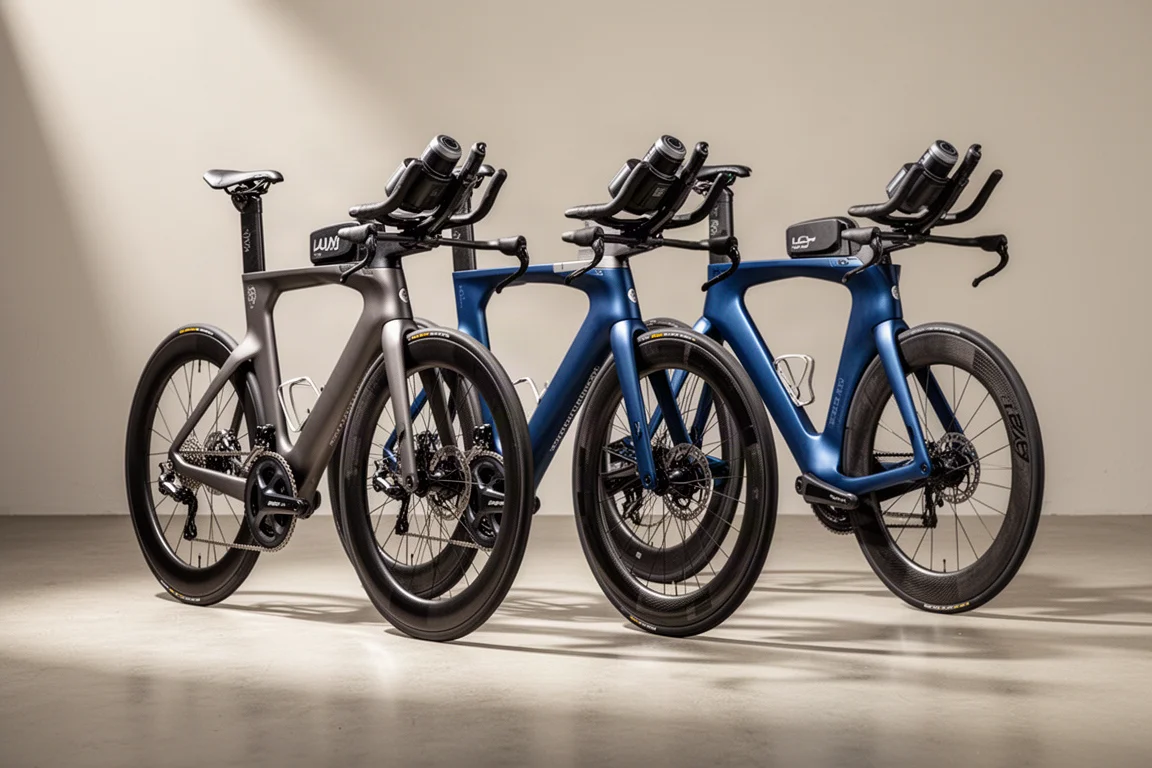
Best Triathlon Bikes 2026: Seven Race Bikes Compared
Seven triathlon bikes assessed on front-end adjustability, onboard hydration and storage, and value, from the most common bike in transition to lower-cost race options.
Triathlon Bikes
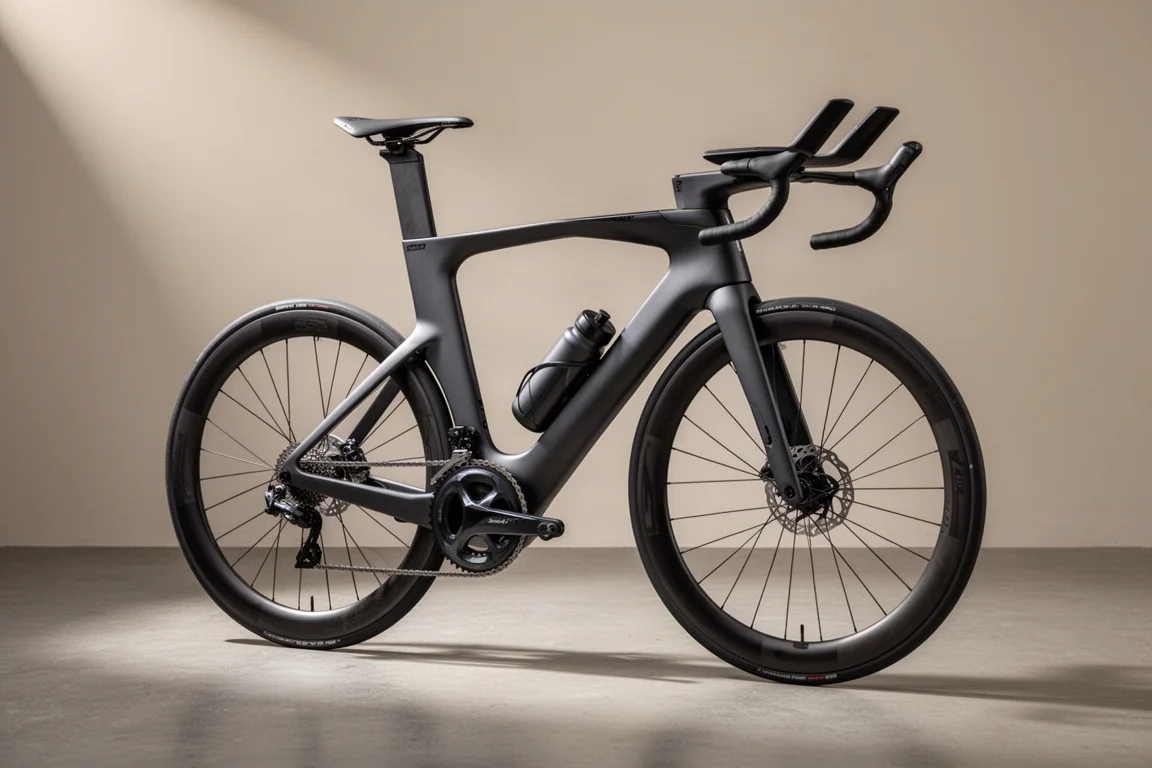
BMC Speedmachine Review: A Formula One-Informed Triathlon and TT Bike
The BMC Speedmachine pairs Red Bull Advanced Technologies aerodynamics with a redesigned frame, integrated hydration, and a 500 gram weight saving over BMC's previous triathlon platform.
Triathlon Bikes
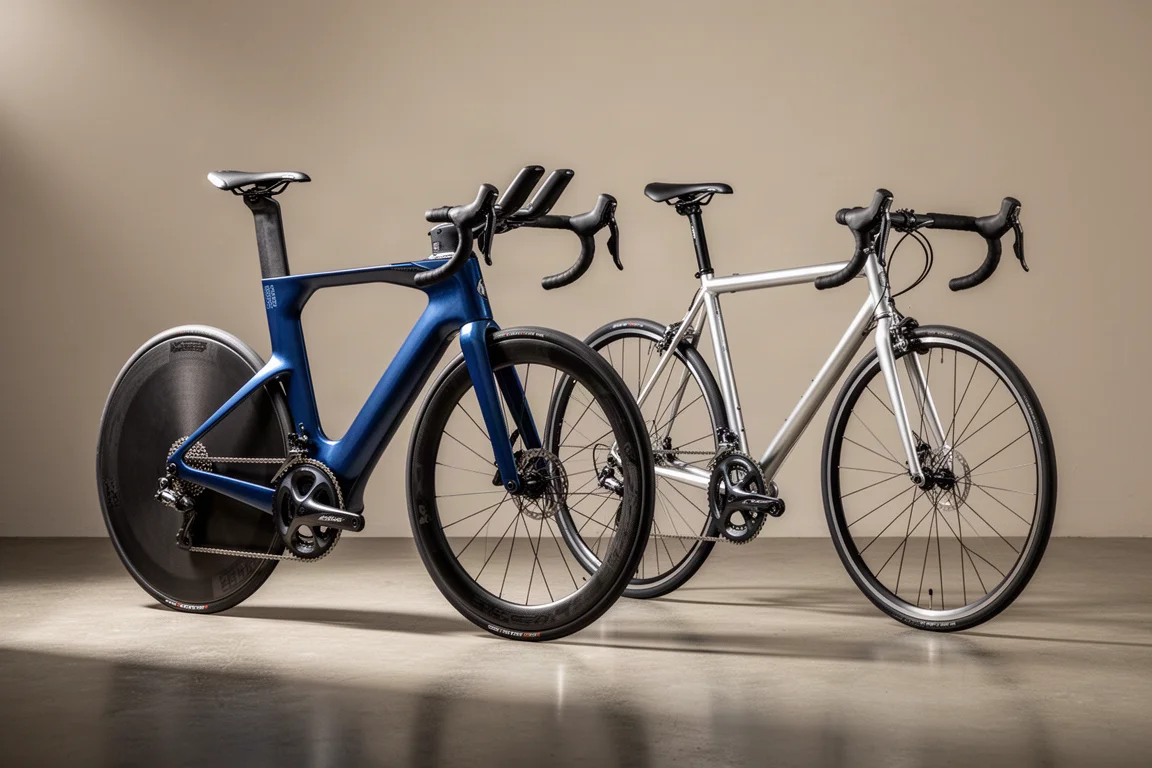
Buying Speed: Canyon Speedmax CFR vs Triban RC 120 Road Test
A head-to-head 22 km test of a premium triathlon race bike, an affordable disc-brake road bike, and a disc wheel upgrade, with the numbers and the trade-offs that matter.