Triathlon Bikes
Canyon Speedmax 2026 Review: Faster, Lighter, and Easier to Fit
Canyon's sixth-generation Speedmax pairs a claimed 15 W aero saving with a 250 g lighter frame, a new fit system, and more hydration capacity than before.
Introduction
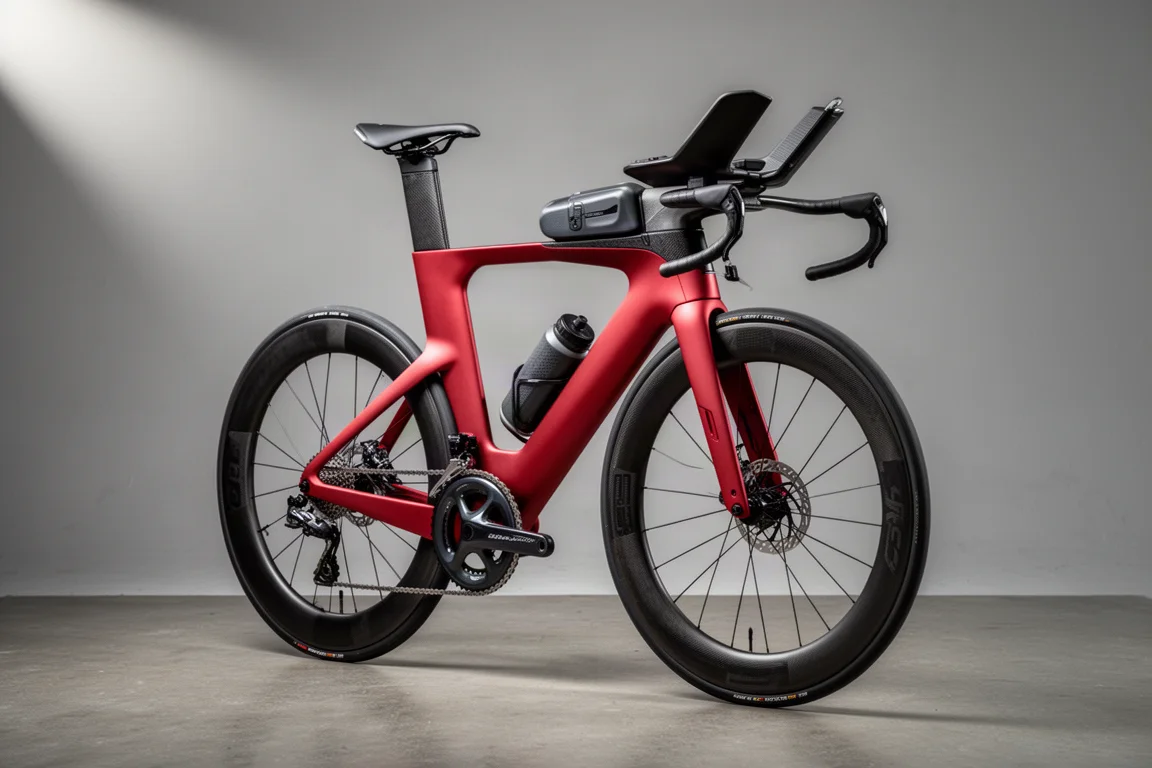
Canyon’s Speedmax has been one of the benchmark frames in triathlon for several seasons, and the sixth generation is the most ambitious version yet. The brief behind it was unusual: make an already fast bike faster and lighter, then take a platform developed with professional athletes and make it work for age-group triathletes as well.
The measurable claims are notable. Canyon says the new bike recorded a 15 W saving at 50 km/h when tested straight out of the box against a fully customized 2024 World Championship-winning setup. The frame is 250 g lighter than its predecessor, and the complete aero package, including the seat tube, base bars and cockpit, is over 500 g lighter in total.
Just as important is what changed around the frame. Canyon rebuilt the front end, the fit system, and the hydration and storage options, all with the goal of letting more riders hold a genuinely fast position.
Who This Bike Is For
This is a bike for triathletes who race long course and care about aerodynamics, but it is also aimed at riders who have previously found Speedmax geometry difficult to live with.
Two fit problems drove much of the redesign. Smaller riders needed more seat post adjustment and a lower front end, which Canyon addressed with a shorter head tube and a wider saddle height range. Riders with a long torso relative to their leg length needed more reach without moving up a frame size, and the new geometry lets the saddle travel further forward, including ahead of the bottom bracket.
If you have ever been told that a bike is fast but hard to fit, this generation is a direct answer to that. The same frame sizes now cover a wider spread of body types, and the cockpit and storage options stay available whichever size you ride.
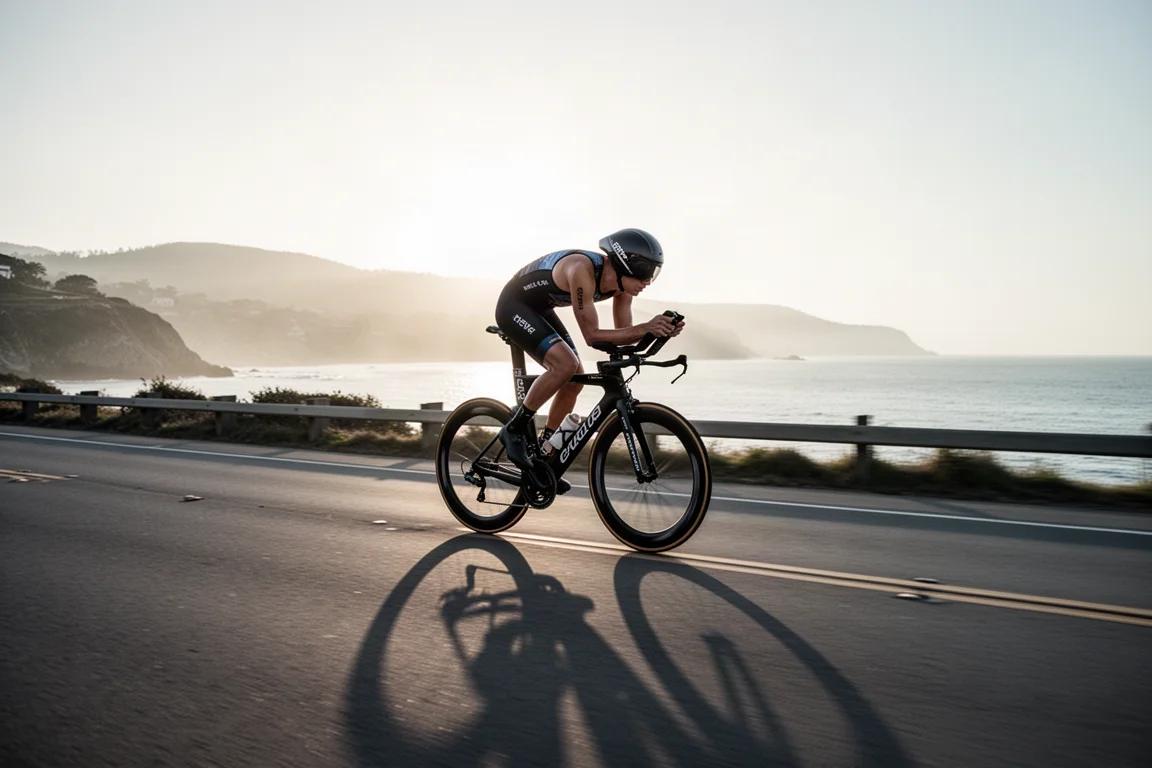
For riders stepping up from a road bike with clip-on bars, the Speedmax remains a specialised purchase. It is built around long-course racing, integrated hydration, and a fixed aero position, and that focus is worth being honest about before you commit.
Main Strengths
Canyon groups the design work under the Aero ID banner, split into four areas: the Aero Shield at the front end, Aero Fit for position, Aero Fuel for hydration and storage, and the Aero Base frameset. The thinking behind it is straightforward. The rider accounts for around 75% of total drag, so a fast frame is only worth something if the rider can actually hold a fast position on it.
Aerodynamics and Speed
The 15 W saving at 50 km/h is the headline, and it is measured against a fully customized, World Championship-winning setup rather than a stock rival. The frame contributes a 250 g weight reduction, and the wider aero package adds up to more than 500 g.
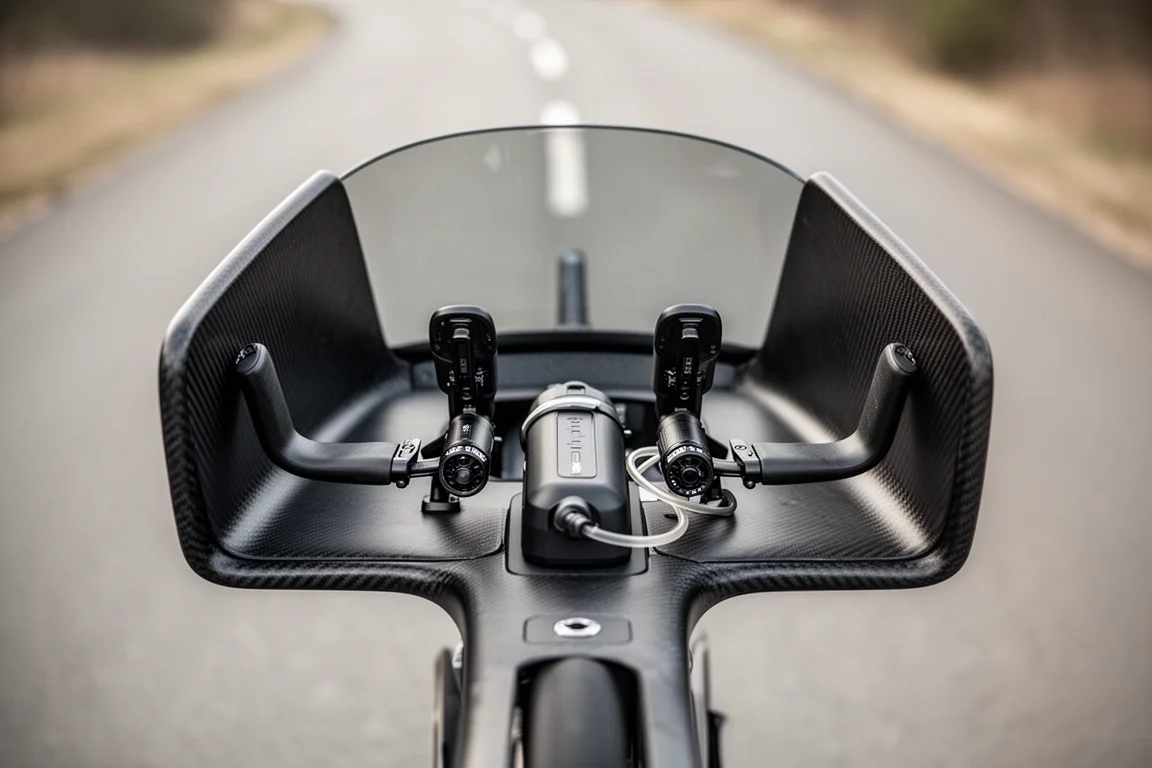
Beyond the raw numbers, the front end is where the changes are most visible. The enclosed cockpit, the raised sidewalls, and the shaping of the area between the extensions all work together, and the design was developed alongside Canyon’s professional athletes rather than handed to them once it was finished.
Fit and Adjustability
Canyon’s Perfect Positioning System takes a small set of measurements, including height, inseam, forearm diameter, and riding preferences, and returns a recommended setup. The front end is where most of that adjustment happens.
The cockpit post comes in three lengths, short, long, and extra long, and the correct one is supplied with the bike. What matters is the range inside it: at least 35 mm of stack adjustment, 50 mm of reach adjustment, and 20 mm of angle adjustment, all reachable through four screws, two on the base bar and two on top. Two tools on Canyon’s website help fine-tune the front end further.
There are also two cockpit designs. The standard cockpit that ships with the SLX has raised sidewalls plus adjustable width, extension length, and grips. The Aero Shield Pro, standard on the CFR and available as an upgrade on the SLX, uses much higher sidewalls and comes in seven sizes, with grips fixed at an angle optimised for the 20 to 35% extension range used by Canyon’s athletes.
Fuel and Hydration Capacity
Canyon set itself the target of adding 3.5 L of carrying capacity with zero added drag. Much of that capacity sits higher on the bike, but it is positioned as far back as possible so handling stays predictable.
The Aero Module covers between-the-arms options. Both cockpits ship with the Load 400, which can be upgraded to the Load 650 for storage or swapped for the Fuel 650 with 650 ml of fluid capacity. A behind-the-cockpit option adds further fluid or gel storage.
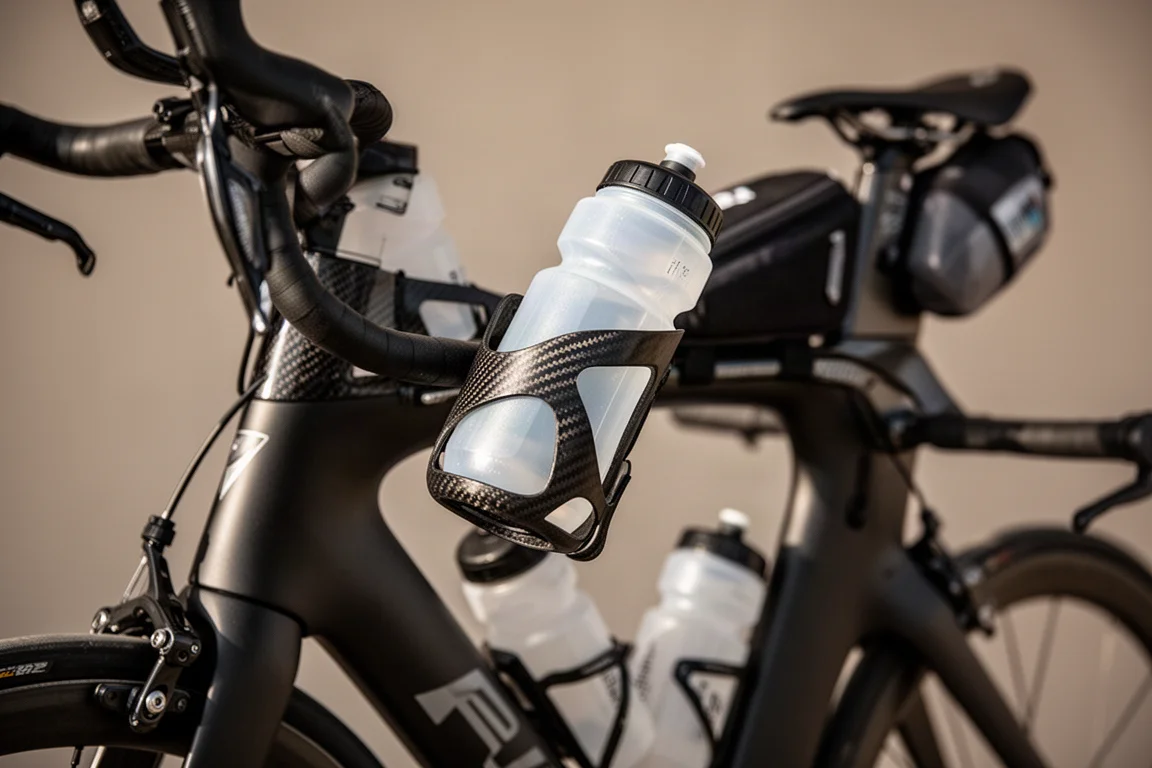
Inside the frame, the built-in H2O reservoir has been updated for easier refilling and cleaning, and holds 650 ml on the smallest frame up to 850 ml on the largest. Behind the saddle, the Splitter Plate Pro gives riders with limited exposed seat post, often smaller riders, the same one or two bottle options as taller athletes. Standard seat posts still support one or two bottles behind the saddle.
Storage and On-Bike Tools
The practical details have been carried over and refined. A TX25 tool lives in the base of the front fork, the whole bike now uses TX25 fittings, and a spare plus a torque tool are included.
There is also a purpose-built pouch that slots inside the frame. It holds tyre levers with room for an inner tube, a spare valve, two CO2 canisters, and a double-sided bit for the torque tool, which covers most of what race day emergencies demand.
Things to Consider Before Buying
A few points are worth checking before you order. On SLX builds, two of the most interesting parts are upgrades rather than standard equipment: the Aero Shield Pro cockpit adds 500 EUR and the Splitter Plate Pro adds 250 EUR. Both are included on the CFR.
Traditional bottle cages on the down tube or seat tube remain an option, but they are not the aerodynamic choice, which is why so much of the design focuses on integrated storage.
It is also worth remembering that the fit system depends on the accuracy of the measurements you supply and on Canyon’s algorithms. No sizing tool replaces a proper bike fit, particularly on a bike where position matters this much. The carrying capacity is aimed squarely at long-course racing too, so riders who race short distance may find they do not need all of it.
Buying Advice
The range is built around two models. The SLX 7 uses Shimano 105, while the SLX 8 is available with either Shimano Ultegra or SRAM Force AXS. Canyon says both sit below the pricing of the previous generation, which makes the entry point to the platform more accessible than before.
At the top, the CFR comes with Shimano Dura-Ace or SRAM Red AXS at 11,000 EUR, keeps the same hydration and storage options as the SLX, and includes the Splitter Plate Pro as standard. The new Speedmax is on sale now.

The choice mostly comes down to groupset, cockpit, and finish. The SLX is offered in five colourways, and the CFR in six, with Pro Black and Pro White as standard and the remaining four available for an additional 500 EUR.
If you are a smaller rider, or you already know your position needs work, budget for the Aero Shield Pro and the Splitter Plate Pro on an SLX build. If you want the fastest configuration straight out of the box, the CFR includes both.
Conclusion
The sixth-generation Speedmax is a clear step forward rather than a cosmetic update. A claimed 15 W saving at 50 km/h, a 250 g lighter frame, more than 500 g saved across the aero package, and a cockpit that can be adjusted through four screws all point to a bike that is faster and easier to live with than its predecessor.
The fit story matters just as much. A shorter head tube, greater seat post range, a saddle that can move further forward, and a front end that adapts to a wider range of riders make this a Speedmax that suits more triathletes than any version before it. If you race long course and want a platform that can be dialled in properly, this one deserves a serious look.
Product link
View more details for Canyon Speedmax
This product is mentioned in the review. Check the specifications, options, and compatibility before buying.
View more details for Canyon SpeedmaxFurther reading
Related Reviews
Triathlon Bikes
Best Triathlon Bikes 2026: Seven Race Bikes Compared
Seven triathlon bikes assessed on front-end adjustability, onboard hydration and storage, and value, from the most common bike in transition to lower-cost race options.
Triathlon Bikes
BMC Speedmachine Review: A Formula One-Informed Triathlon and TT Bike
The BMC Speedmachine pairs Red Bull Advanced Technologies aerodynamics with a redesigned frame, integrated hydration, and a 500 gram weight saving over BMC's previous triathlon platform.
Triathlon Bikes
Buying Speed: Canyon Speedmax CFR vs Triban RC 120 Road Test
A head-to-head 22 km test of a premium triathlon race bike, an affordable disc-brake road bike, and a disc wheel upgrade, with the numbers and the trade-offs that matter.