Triathlon Bikes
Canyon Speed Max Review: Is a Dedicated Triathlon Bike Worth It?
A practical look at the Canyon Speed Max triathlon bike, where it gains time, where it gives some back, and how it compares with a road bike running clip-on aero bars.
Introduction
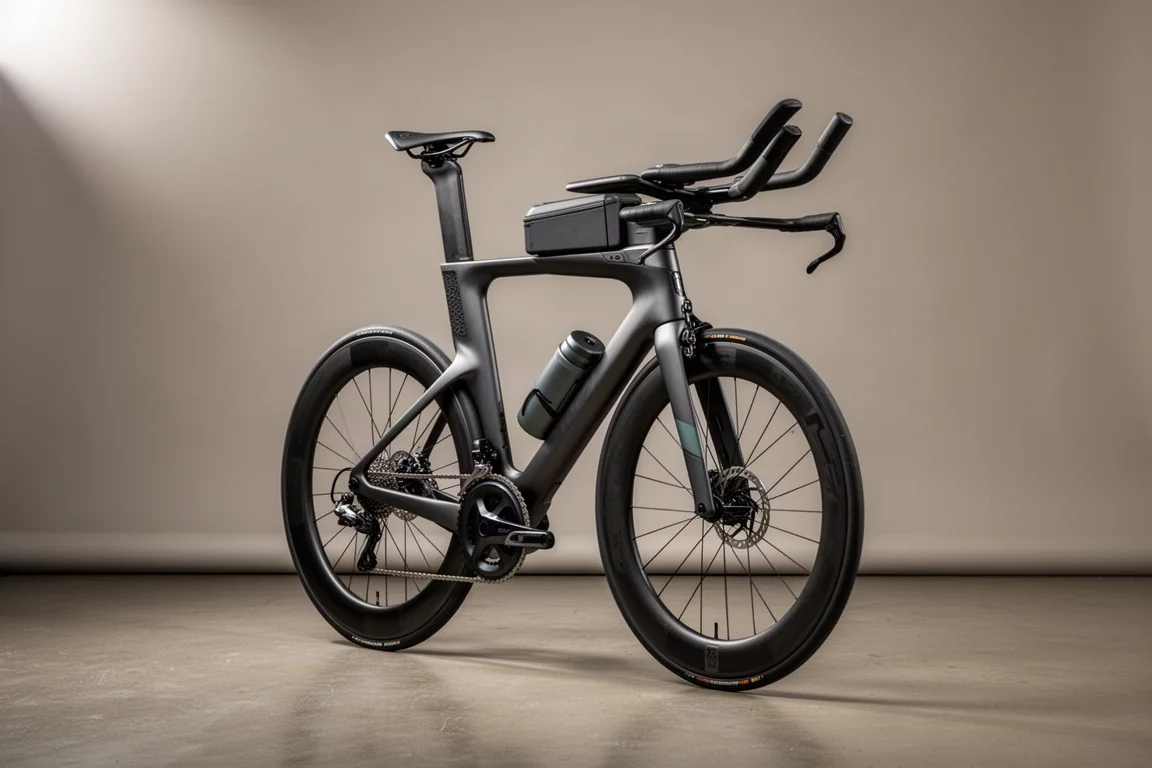
The triathlon bike versus road bike question refuses to go away, and for good reason: the two machines are built to solve different problems. A triathlon or time trial bike exists for one job, delivering the fastest possible bike split through frame aerodynamics, an aggressive but sustainable position, and integrated storage for fuel and hydration. A road bike is built for a different world entirely, for riders working within a peloton, drafting in a group, and conforming to strict design rules that shape every tube on the frame.
So why does the debate persist? Because each bike is stronger in different places. On a flat, straight course, the dedicated triathlon bike is clearly faster. A road bike fitted with clip-on aero bars sits between the two, beaten by the triathlon bike but still ahead of a road bike with no aero bars at all. The real question is not which bike is fastest in isolation, but which one is fastest for the riding you actually do.
Who This Bike Is For
The Canyon Speed Max is aimed at the rider whose priority is a fast, non-drafting triathlon bike leg. If your season is built around triathlon and your bike leg is where you want to find time, this is the kind of machine that makes sense. It also suits riders who have moved past the entry stage and know they will keep racing, because a dedicated triathlon bike is a commitment to a specific kind of riding.
It is a less obvious choice for someone who wants one bike to do everything. Riders who also enter road races, ride in groups, or take part in draft-legal events will usually be better served by a road bike with clip-on aero bars. That setup keeps the handling, comfort, and lightness of a road bike while adding an aero position for non-drafting triathlons. In practice, a road bike with clip-ons is the answer most often given to riders who are just starting out, unsure how many triathlons they will race, or not yet confident in their bike handling.
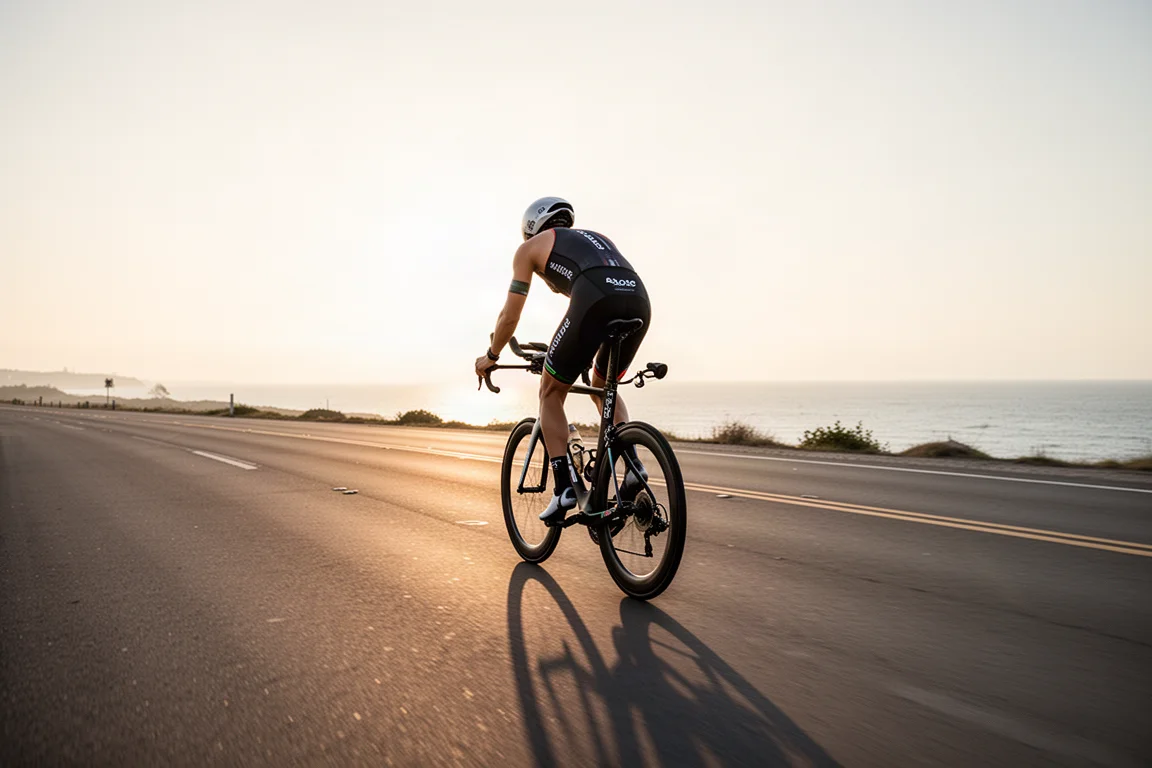
There is also a psychological dimension worth naming. A road bike feels light and nimble the moment you pedal away, and that first impression colours how the whole ride feels. The triathlon bike can feel less flickable from the first pedal stroke, even though it is usually the faster machine over a complete course.
Main Strengths
Aerodynamics is the core argument, and the science on it is fairly settled. Aerodynamic efficiency matters more than weight until average speed drops below roughly 15 kilometres per hour. For professionals that threshold sits near a seven to eight percent gradient, while for age group riders it is more like four to five percent. Unless you expect to average under 15 kilometres per hour for an entire bike leg, the triathlon bike will be the faster option.
Part of that comes from the frame itself. Triathlon bikes are not bound by the three-to-one tube rule that limits how deep a tube can be relative to its width on a road-legal frame, which is why you see such broad, deep tube profiles on triathlon bikes. The geometry plays a role too. The rider sits further forward with more weight over the front wheel, and the lower front end allows a much flatter, more stretched position than a road bike can offer even with aero bars fitted.
On a flat, straight test route, the gains are measurable. In a short flat comparison the triathlon bike was around ten seconds faster over the effort, which scales to roughly two to three minutes over a standard 40 kilometre triathlon bike leg. A large part of that comes from staying in position: on the triathlon bike you can shift gear without leaving the aero bars, while a road bike with clip-ons still requires you to move a hand to the drops to change gear.
Storage and practicality round out the picture. The Canyon Speed Max carries built-in bento-style storage with proper provision for spares, which matters because you cannot fill your jersey pockets before a race that starts with a swim. You can stuff essentials into a tri-suit in T1 and empty them out in T2, but that simply costs more time.
Things to Consider Before Buying
Handling is the honest trade-off. With the rider’s weight carried further forward and a narrower base bar, a triathlon bike can feel cumbersome through tight bends and less stable in crosswinds or on bumpy surfaces. A road bike, by contrast, stays balanced between the wheels and dances through corners, which is why it remains the default choice for twisty routes or for riders who are less confident in their handling.
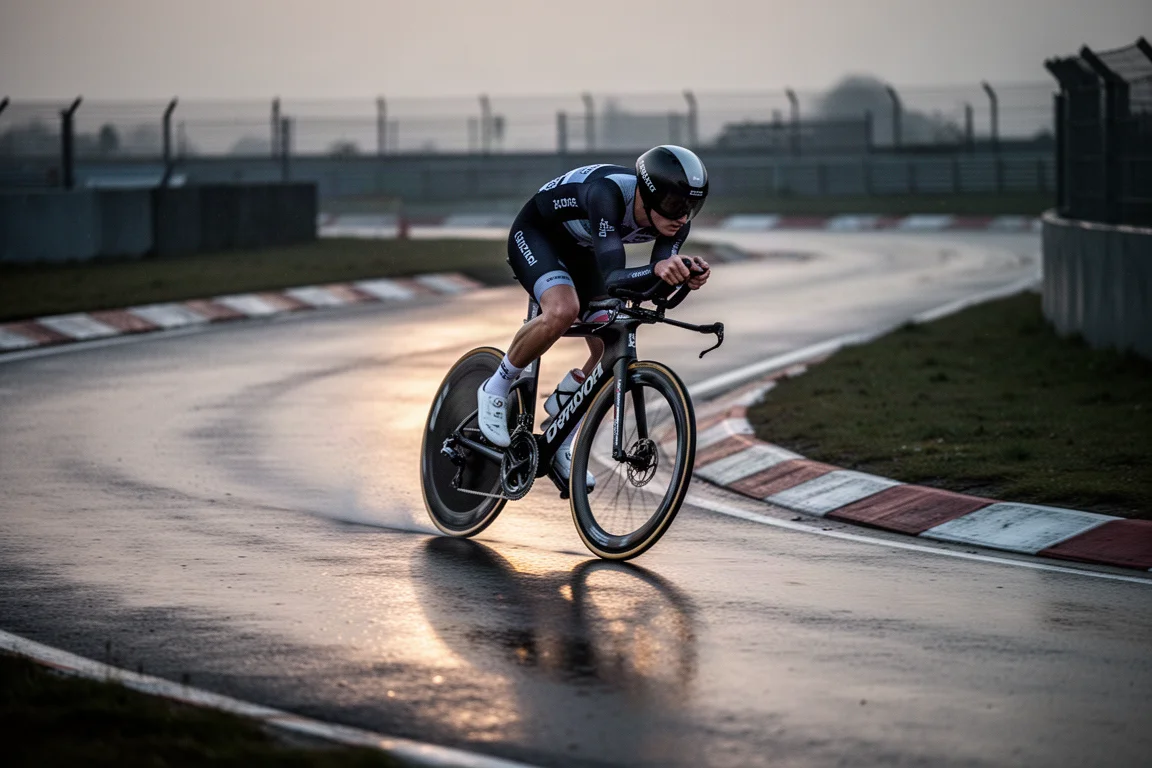
Test data backs that up. On a short technical circuit, a triathlon bike was eight seconds slower for one rider and five seconds slower for another, exactly as you would expect given the layout. What matters is how rarely that layout appears in triathlon. Very few triathlon courses resemble a criterium, and with practice most riders corner and descend nearly as quickly on a triathlon bike as on a road bike. Even a rider who never reaches that proficiency would have to be very poor in the corners to lose the time gained everywhere else on the course.
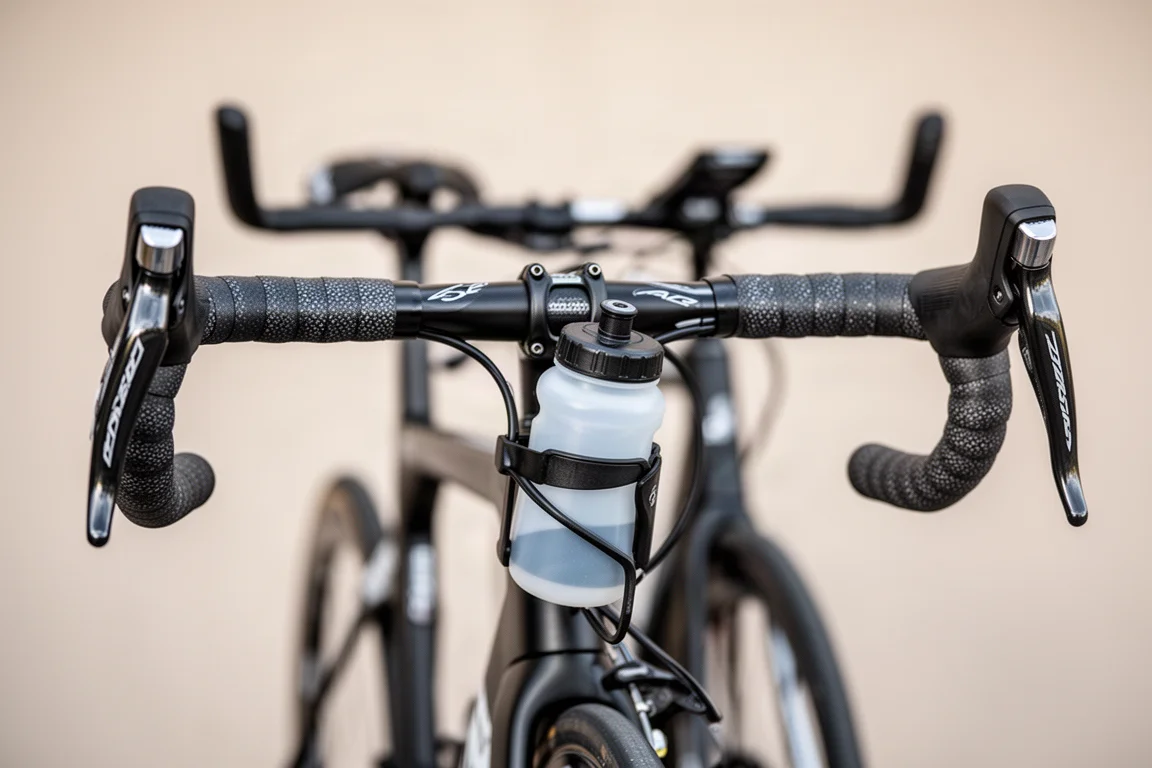
The tempting middle path has limits worth understanding. Putting clip-on aero bars on a road bike does not turn it into a triathlon bike. The seat tube angle is far less slack, so you do not get the same power transfer. The head tube is taller, so you cannot get nearly as low at the front. The tubing is less aerodynamic, and you lose the built-in storage. It is still faster than the same road bike without aero bars, and it remains a genuinely good option for a versatile rider, but it is a compromise rather than an equivalent.
Hill climbing is a smaller factor than it first appears. The Canyon Speed Max weighs 9.42 kilograms, against 7.81 kilograms for a comparable road bike, a difference of about 1.6 kilograms. That is only around 1.8 percent of the combined rider and bike weight, and it is close to meaningless unless the climb is genuinely significant, which is rare in triathlon. On a short, punchy hill averaging around 17 kilometres per hour, aerodynamic advantage was still present and the triathlon bike was not the slower machine.
One practical point for anyone considering a road bike with clip-ons: the position is a compromise. Committing properly to that posture usually means raising the saddle and pushing it forward, and even then the fit can feel forced. Gear shifting from the aero position is awkward, since you still have to reach for the drops.
Buying Advice
The decision comes down to money, goals, and how much of your riding happens in a group. If your budget allows and your goal is to go as fast as possible in triathlon, a dedicated triathlon bike is the right tool and the Canyon Speed Max is built squarely for that purpose.
If you want one bike that covers more ground, including the occasional road race, group rides, and the occasional triathlon, then a road bike with clip-on aero bars is a sensible and often smarter answer. The penalty is modest: roughly under two minutes over a standard distance triathlon compared with a dedicated triathlon bike, which is a small price for a machine you can ride in far more situations.
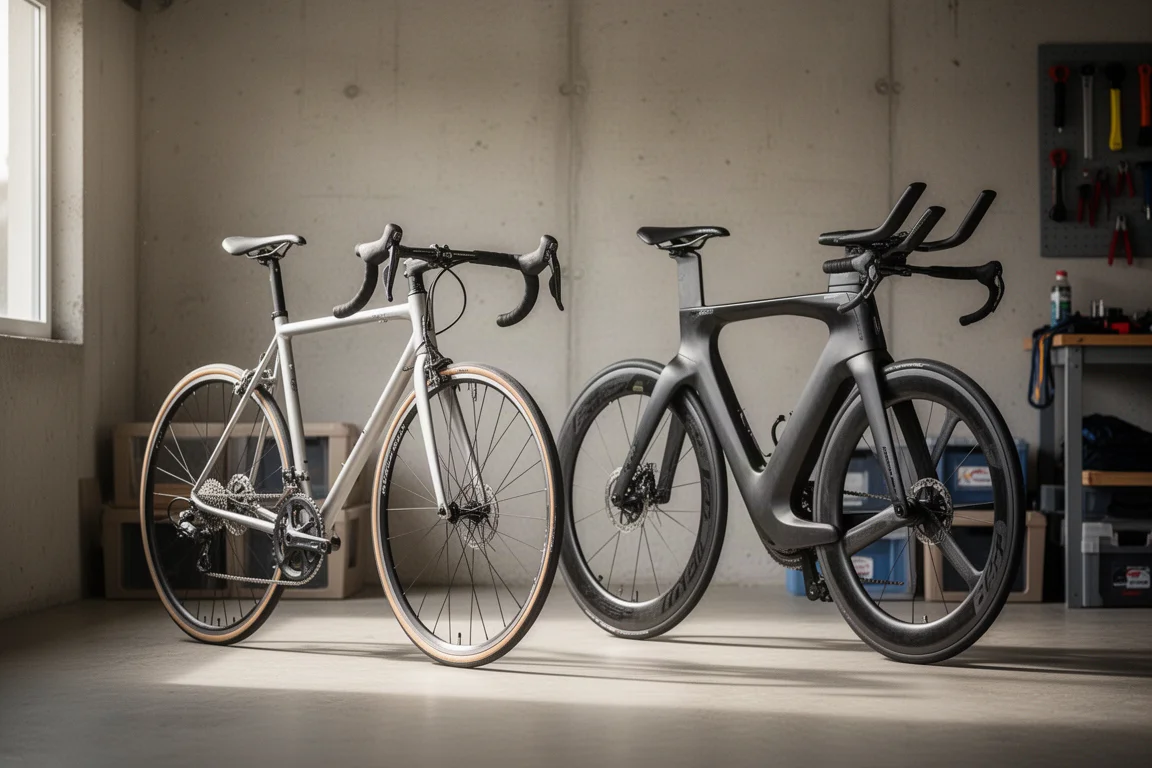
Before committing, be honest about the courses you race and the conditions you ride in. Riders who spend most of their time on open, rolling roads and non-drafting courses will get the most from the Speed Max. Riders who mix in technical circuits, group rides, and draft-legal events will usually find more value in a road bike with aero bars. Neither choice is wrong, but they do lead in different directions.
Conclusion
The Canyon Speed Max is a focused machine, and it rewards riders who share that focus. It is aerodynamically quicker than a road bike in almost every scenario that matters in triathlon, it carries fuel and spares the way a race bike should, and it lets you stay in position rather than reaching for the shifters. The trade-offs are real but narrow: slightly more weight, less composure in tight corners, and less versatility away from racing.
Buy it if triathlon is the point. Choose a road bike with clip-on aero bars if you want one bike that handles everything else well and gives up only a small amount of time on race day.
Product link
View more details for Canyon Speed Max
This product is mentioned in the review. Check the specifications, options, and compatibility before buying.
View more details for Canyon Speed MaxFurther reading
Related Reviews
Triathlon Bikes
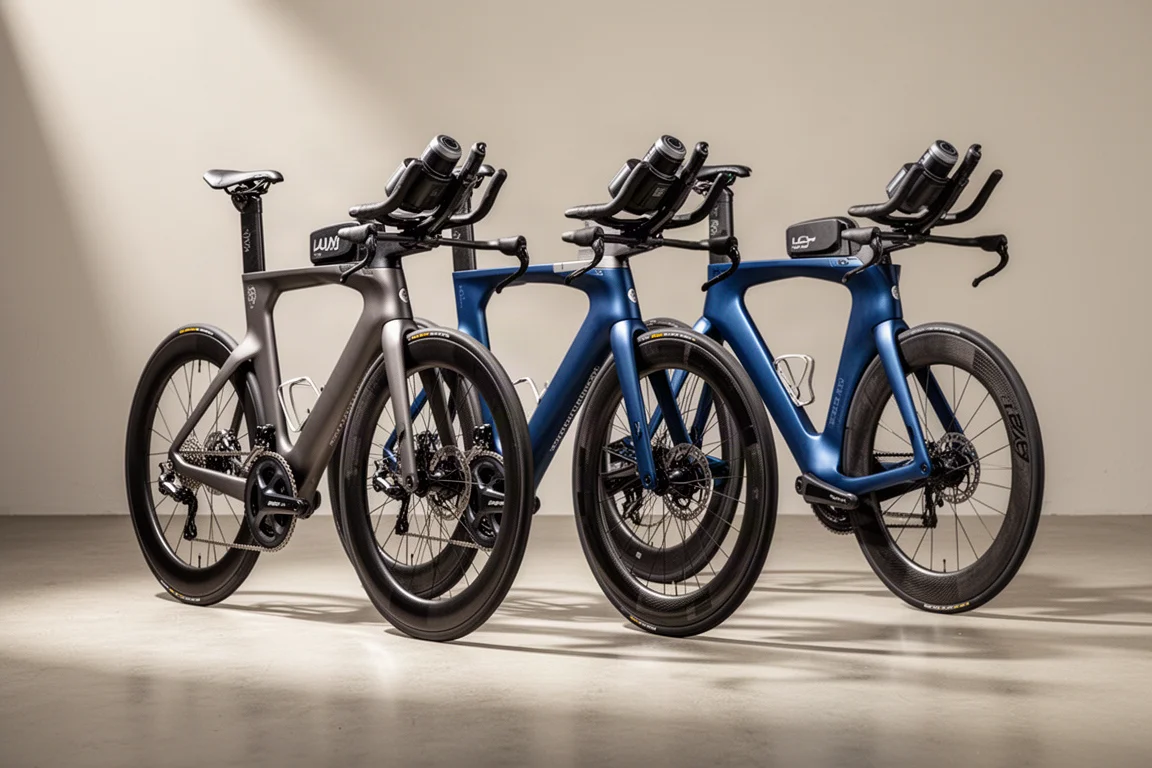
Best Triathlon Bikes 2026: Seven Race Bikes Compared
Seven triathlon bikes assessed on front-end adjustability, onboard hydration and storage, and value, from the most common bike in transition to lower-cost race options.
Triathlon Bikes
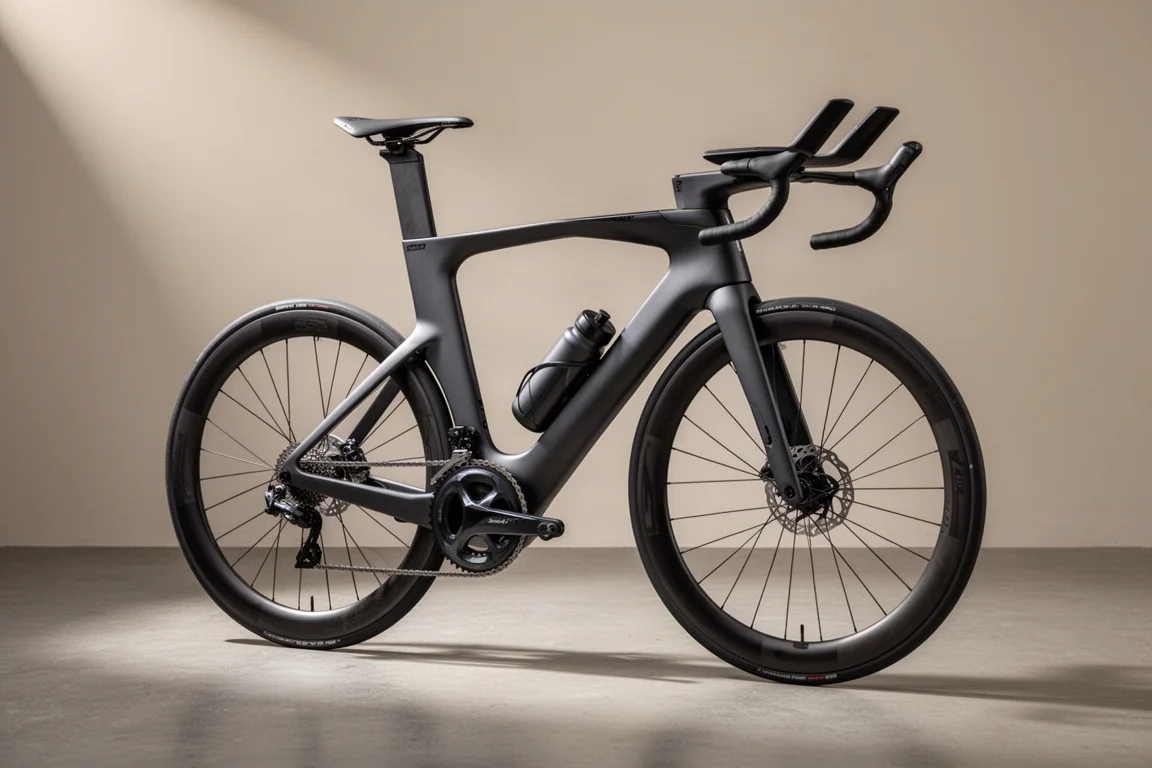
BMC Speedmachine Review: A Formula One-Informed Triathlon and TT Bike
The BMC Speedmachine pairs Red Bull Advanced Technologies aerodynamics with a redesigned frame, integrated hydration, and a 500 gram weight saving over BMC's previous triathlon platform.
Triathlon Bikes
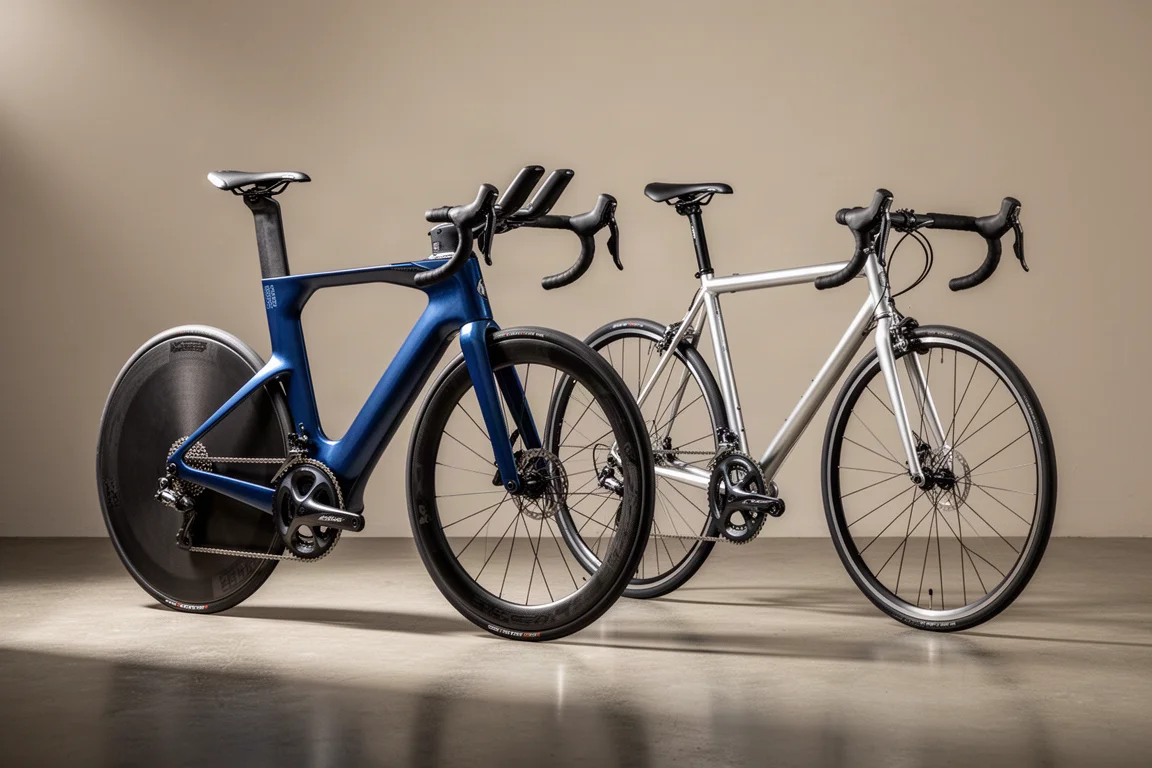
Buying Speed: Canyon Speedmax CFR vs Triban RC 120 Road Test
A head-to-head 22 km test of a premium triathlon race bike, an affordable disc-brake road bike, and a disc wheel upgrade, with the numbers and the trade-offs that matter.