Electric Mountain Bikes
Canyon Spectral:ON CFR Review: A Big-Battery E-MTB That Makes Climbing Fun
A full-carbon electric mountain bike with a Shimano EP8 motor and a 900Wh battery. Here is what it feels like on real trails, and who it actually suits.
Introduction
Electric mountain bikes are still met with a raised eyebrow in some riding circles, but the case for them is easier to make once you have spent a day on one. The Canyon Spectral:ON CFR is a useful bike to test that argument on, because it does not hide what it is. It is a big, fully equipped, full-suspension e-mountain bike with a large motor and a large battery, and it makes no apology for the weight that comes with them.
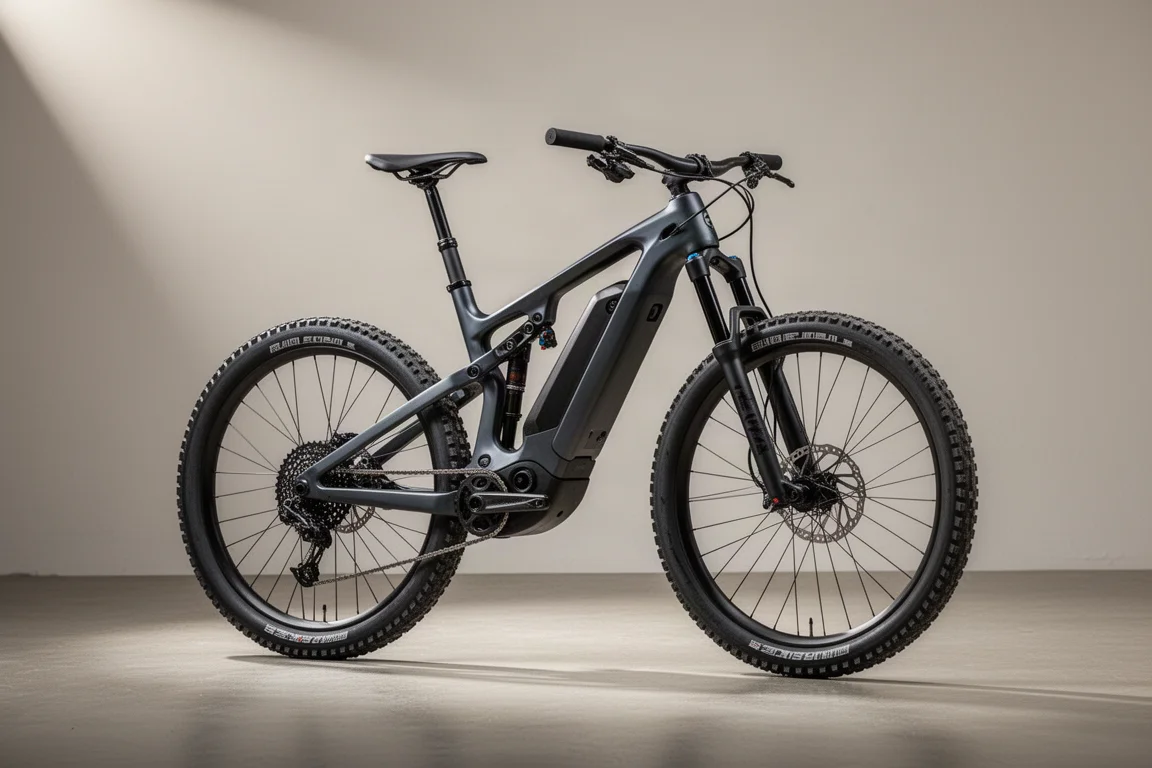
The version ridden here is the second from the top of the range. That means a full carbon frame and carbon swingarm, carbon wheels, Shimano XTR brakes and drivetrain, top-end Fox suspension front and rear, and a dropper seatpost. The headline components are the Shimano EP8 motor and a 900Wh battery housed in the downtube.
That specification puts the bike at just over 8,500 pounds, which is a serious amount of money. The range does start from just over 5,000 pounds, so there are more accessible options in the lineup if the top end is out of reach.
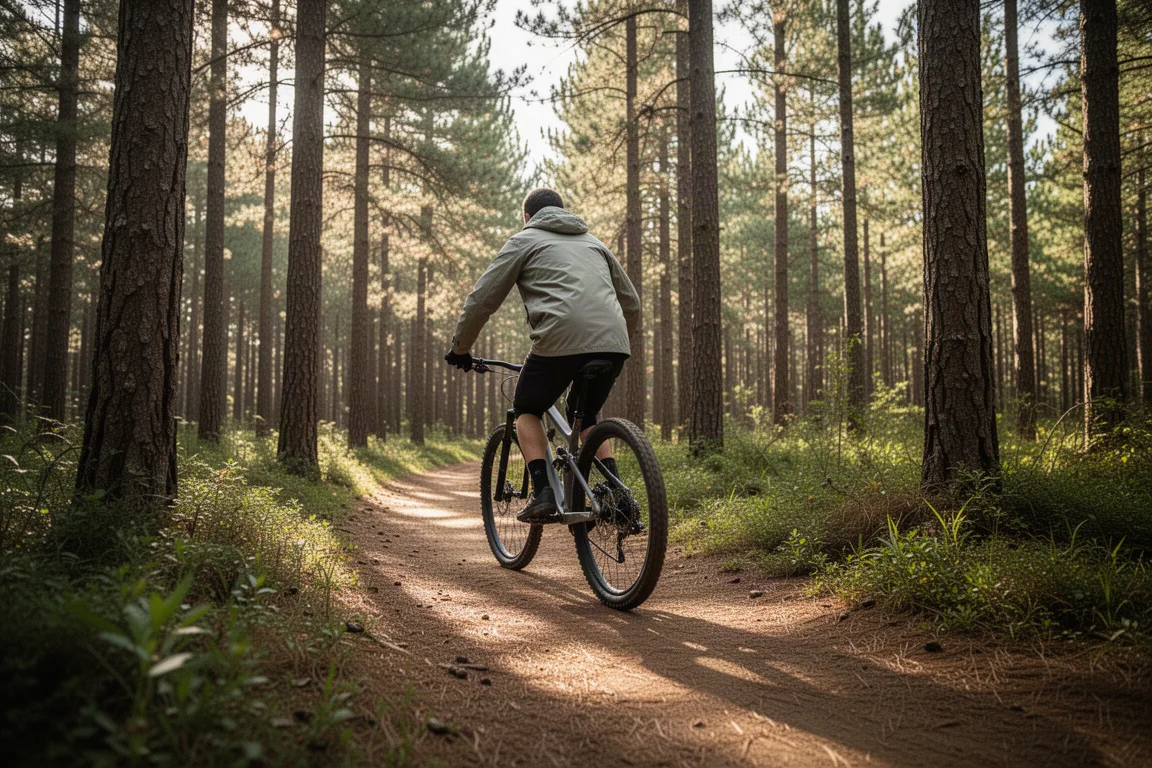
The bike was ridden at a trail centre in a Devon forest, on a red-graded purpose-built trail that moves into black-graded terrain later on. It is a sensible place to get to know a new bike: not the most technical riding in the world, but a good mix of climbs, roots, rocks and fast corners before moving on to chunkier ground.
Who This Bike Is For
The honest answer is that this bike is for riders who ride for fun rather than for competition. It suits someone who enjoys climbing and pushing themselves, but who is not chasing race results or training targets. If you want to spend more of a ride grinning and less of it grinding, the assist changes the shape of the day.
It also suits riders who simply want to ride a bike and get general fitness from it without worrying about VO2 max, FTP or power output figures. You still pedal, you still get out of breath, and your heart rate still climbs. The motor just takes the edge off the hardest parts.
What it is not is a lightweight, subtle trail bike. This is a big bike with a big motor and a big battery, and it feels like one in the right ways.
Main Strengths: Motor, Handling and Weight
The first surprise is the climbing. With the EP8 motor assisting, steep fire-road climbs that would normally be a grind become genuinely enjoyable, and technical climbs become far more achievable. The bike takes on gradients that would otherwise stall momentum and keeps you moving up them.
The second surprise is the handling. At just over 22 kilograms it is relatively light for an electric mountain bike, and the low, planted feel carries into corners. On slower speed trails it feels agile, responsive and playful rather than cumbersome, and it takes body English well when you throw it through a turn. The motor also helps drive you out of corners with real speed.
When pedalling flat linking sections or bombing down a steep descent, the bike carries speed nicely. It also rolls through the assisted speed limit rather than stopping at it, so building speed beyond the assistance threshold feels reasonably natural rather than like hitting a wall.
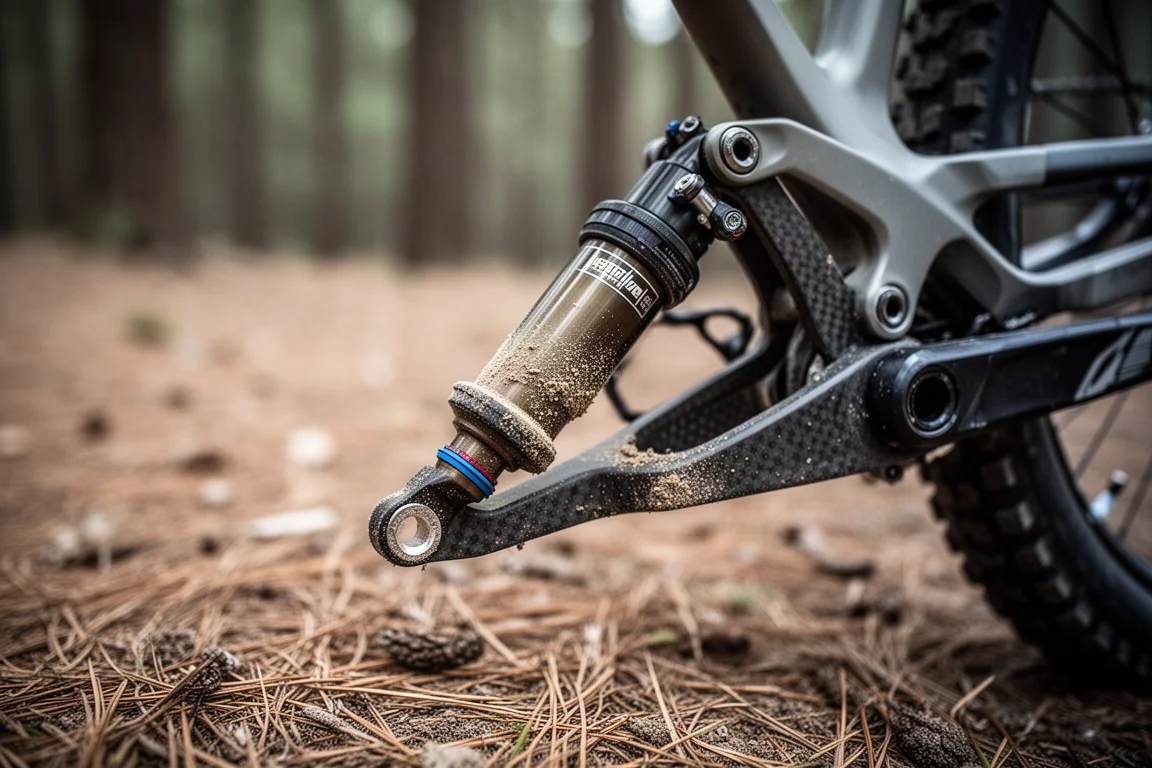
And then there is the quiet part of the story: the weight. In practice you feel it far less than the numbers suggest. Even in the lower assist setting there is enough support to take away the weight of the bike as a barrier, which is what makes the whole thing work on slower, tighter trails.
Ride Feel and Assist Modes
The bike offers the usual spread of assistance levels. The top setting delivers a big, almost comical surge of power, and it will drain the battery quickly if you leave it there. Once the novelty of that wears off, the middle setting becomes the natural home. It does just enough to cancel out the bike’s weight and make the ride feel closer to a normal trail bike, while still leaving you with a proper workout.
The lowest setting still provides meaningful help. There is one bar of battery used over the course of a substantial ride, which gives a sense of how far the 900Wh battery can stretch when you are not leaning on the most powerful mode all day.
Two characteristics are worth knowing about before you buy. The first is motor noise. It is present, though on a trail ride it is largely masked by tyre noise, the freehub, your own breathing and the general racket of riding. It becomes more noticeable on smooth fire-road climbs and in the most powerful assist setting.

The second is the assisted speed limit, which cuts in at 25 kilometres per hour. That is quick in the context of trail riding, and faster than many riders would typically sustain on an unassisted bike without a race effort, but you do notice it. The upside is that the transition through the limit is smooth rather than abrupt.
Things to Consider Before Buying
Budget is the obvious consideration. At just over 8,500 pounds this is a premium machine, and while you get a lot of bike and a lot of high-end equipment for that money, it is still a substantial outlay. The range starting at just over 5,000 pounds gives you a route in for less, though the specification will differ.
The second consideration is what kind of e-bike you actually want. This is a big-motor, big-battery design that prioritises range and assistance over outright lightness. There is a newer breed of lighter electric trail bikes with smaller motors and batteries, offering less assistance in exchange for a lighter overall package and a ride that feels closer to an unassisted bike. If your priority is a natural feel above all else, that category is worth understanding before you commit.
The third is whether an e-mountain bike fits how you ride at all. If you race, or if your satisfaction comes specifically from the effort required on an unassisted bike, this is probably not the tool for the job. If you ride for fun, enjoy technical trails and want to push your limits without the climbs dictating how much of the day you enjoy, the trade-off looks very different.
Buying Advice
The Spectral:ON CFR makes the most sense for riders who want a full-carbon, high-specification e-mountain bike and who value climbing ability, range and trail confidence over the lightest possible build. It is at its best on mixed trail centre terrain where you are climbing, descending and linking sections together across a long day.
If the price is a stretch, look further down the same range, where the entry point sits at just over 5,000 pounds. If you are unsure whether you want this much motor and battery, ride a lighter alternative back to back with a bike like this before deciding. The difference in character is significant, and it is the decision that will shape your ownership experience more than any individual component.
Either way, the case for an electric mountain bike is easier to make after a day like this one than it is in theory. The climbs get easier, the descents stay as good as they always were, and the ride finishes with more energy left in the tank.
Conclusion
The Canyon Spectral:ON CFR is a genuinely fun bike. It is a big, well-equipped electric mountain bike with a full carbon frame, top-end suspension and brakes, and a motor and battery combination that transforms how a trail centre ride feels. It is agile and playful on slower trails, composed when you push it, and it makes climbing something to look forward to rather than endure.
The caveats are real: it is expensive, it carries the weight of a large battery, the motor makes itself heard on smooth climbs, and the assistance cuts out at 25 kilometres per hour. None of those things stop it from being enjoyable, but they are the details that separate the right buyer from the wrong one.
If you ride for fun, want more of your day to be spent going downhill and less of it spent suffering uphill, and you are comfortable with the price of a premium build, this is an easy bike to recommend trying.
Product link
View more details for Canyon Spectral:ON CFR
This product is mentioned in the review. Check the specifications, options, and compatibility before buying.
View more details for Canyon Spectral:ON CFRFurther reading
Related Reviews
Electric Mountain Bikes
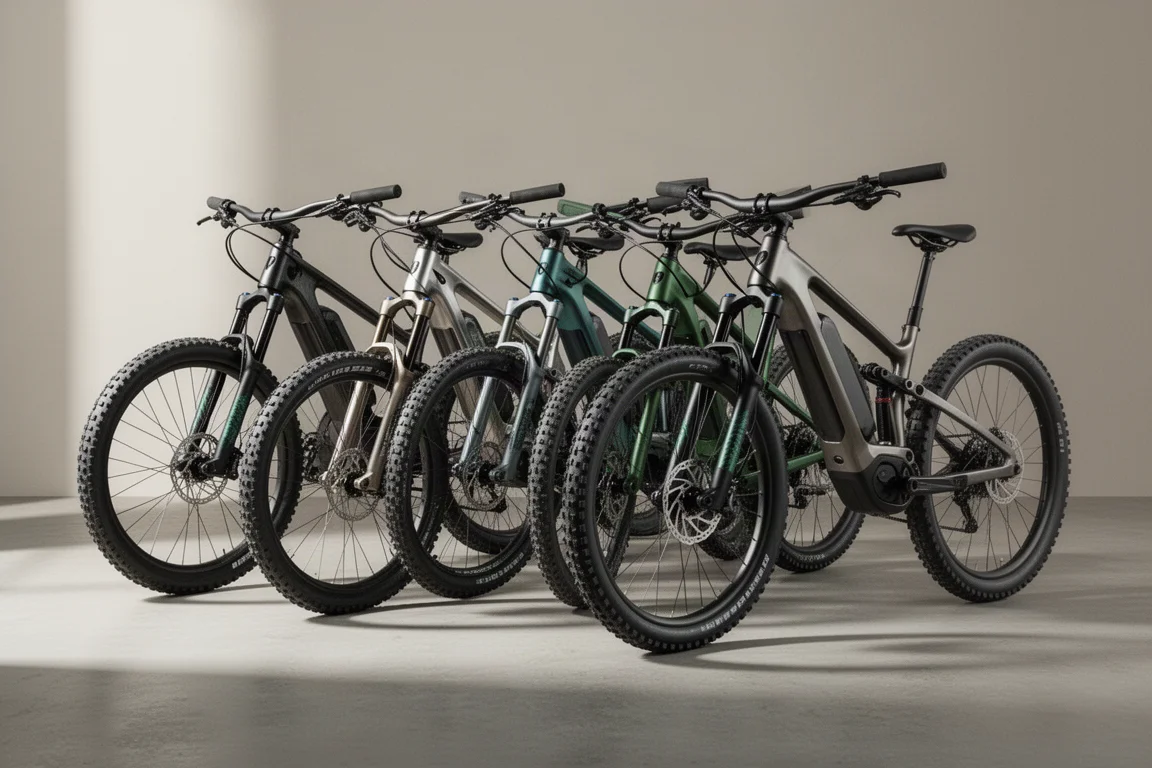
Best E-Mountain Bikes: Five Electric Trail and Enduro Bikes Compared
A practical look at five electric mountain bikes, from a lightweight carbon trail build to long-travel enduro machines, with the trade-offs that matter before you buy.
Electric Mountain Bikes
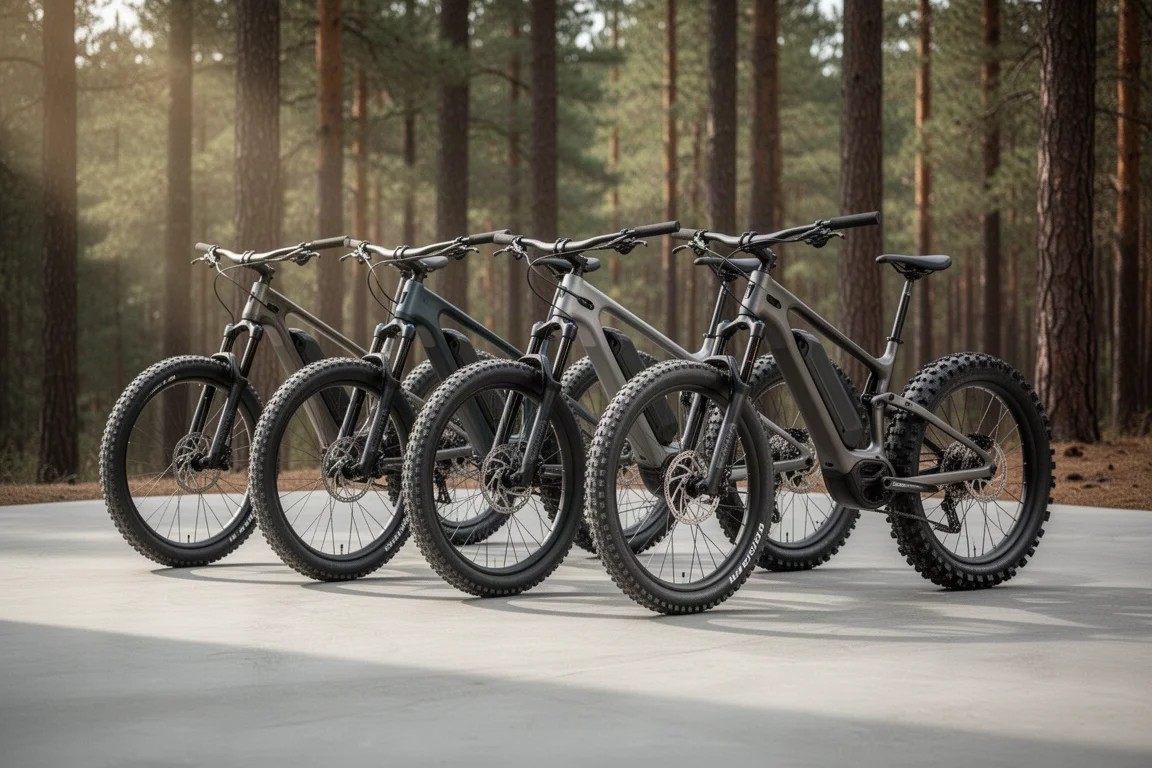
Best Electric Mountain Bikes 2026: Four Price Points Compared
Four electric mountain bikes from £999 to £9,999 compared on motor power, battery capacity, weight, and trail performance.
Electric Mountain Bikes
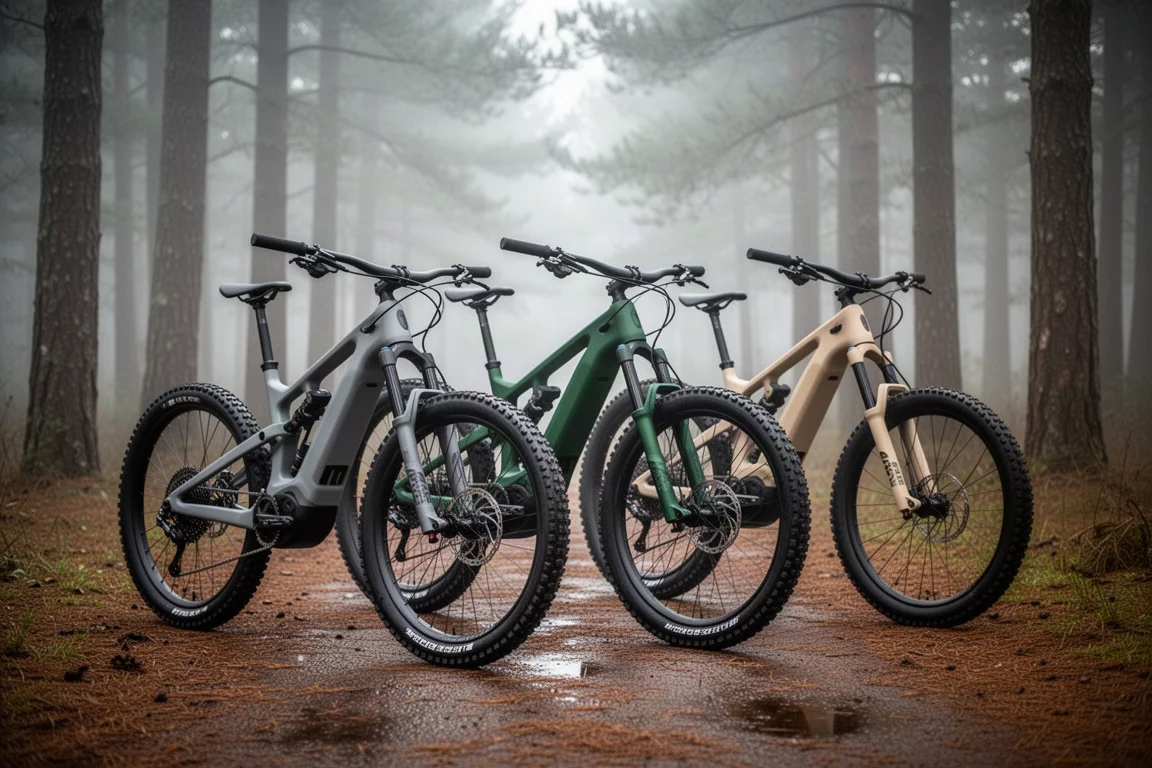
Best Electric Mountain Bikes: Five E-MTBs Worth Shortlisting
Five full-suspension electric mountain bikes compared, from lightweight trail machines to full-power enduro rigs, with the strengths and trade-offs to weigh before buying.