Mountain Bikes
Canyon Spectral CF9 Review: A Trail Bike With the K.I.S.S. Steering Stabilizer
Canyon's updated Spectral CF9 brings the K.I.S.S. steering stabilizer to every build, 140 mm of rear travel and in-frame storage. Here is what to know before buying.
Introduction
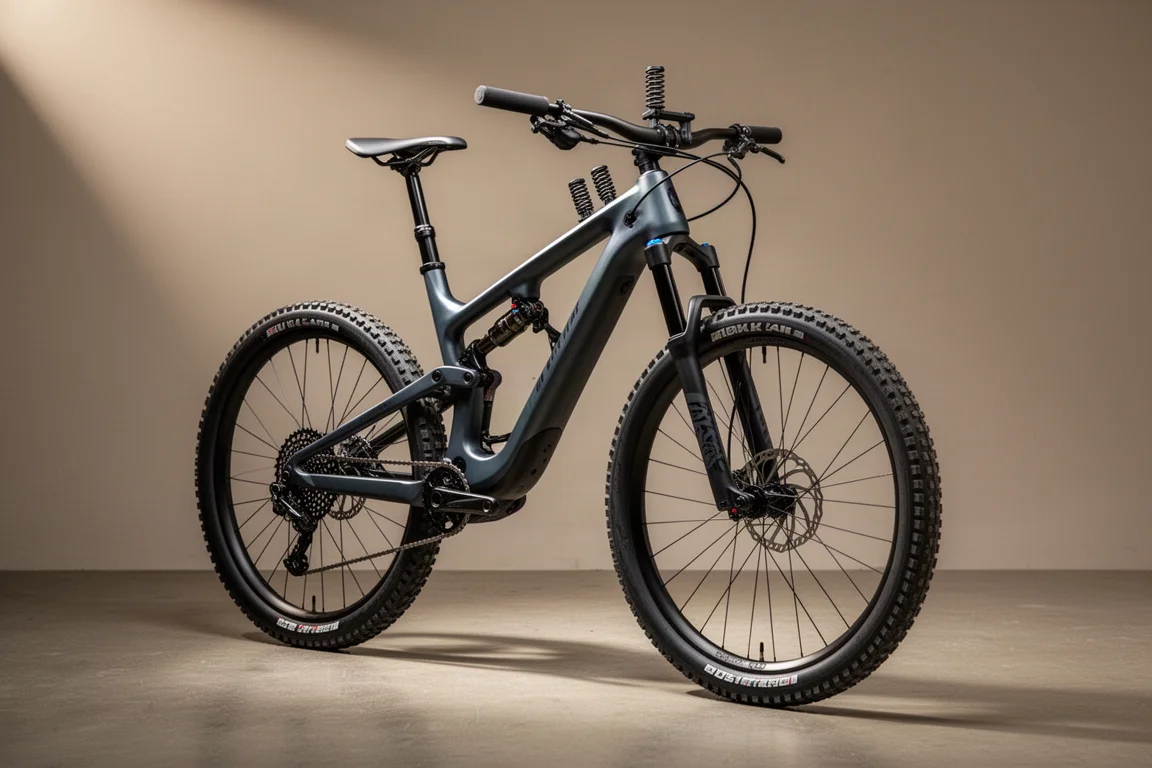
The Canyon Spectral is the brand’s all-round trail bike, and the newest version looks remarkably close to the bike it replaces. Underneath that familiar silhouette, it is a very different machine. The headline change is that every model in the range now ships with Canyon’s K.I.S.S. steering stabilizer, a system built around two springs housed in the top tube that work to bring the bars back to centre as you ride.
Canyon has also simplified a range that had grown complicated, and reworked the details that shape day to day ownership. The question worth answering is whether those changes make the Spectral CF9 a better trail bike for the way most riders actually ride.
Who the Canyon Spectral CF9 Is For
The range is now four models: the CF7, the CF8, the CF9 and the CF Limited. Every one of them can be run with either full 29-inch wheels or a mullet setup, with the exception of the extra small size, which is mullet only. US customers receive the full 29-inch build only.
Travel sits at 140 mm at the rear and 150 mm up front, which is 10 mm less at both ends than before. That places the CF9 firmly in aggressive trail bike territory rather than enduro. It is aimed at riders who want a single bike for long trail centre days, bike park laps and quick local woodland sessions.

Geometry follows the longer, lower direction of recent trail bikes without going to extremes. The head angle remains at 64 degrees in the low position and the seat angle is 76.5 degrees on every size. Chainstay length is the same across the range, at 429 mm in mullet mode and 437 mm in full 29er mode, and there is no size specific geometry. Reach is on the longer side of things: a medium frame measures 475 mm, which is close to what other brands label a large, so sizing down from your usual choice is worth considering.
The K.I.S.S. Steering Stabilizer Explained
In basic terms, K.I.S.S. is two springs housed in the top tube that actively work to bring the bars back to centre. A slider on the top tube adjusts how strong that effect is. Canyon claims the centring force improves the predictability of steering, counteracting traction loss on loose terrain, deflected steering on rough and off-camber sections, and front wheel flop on steep climbs.
This is the latest version of the system, and Canyon says the springs have been softened, with a lower maximum and minimum setting inside the adjustment window. Every bike ships with a blanking plate for the top tube, so the system can be removed entirely if you would rather run a conventional setup.
Main Strengths: Climbing and Pedaling Feel
Climbing is a genuine strength. The seated position is comfortable and distributes weight evenly between the wheels, so the rear tyre keeps grip while the front stays loaded and tracks accurately on steeper pitches. The 76.5 degree seat angle and a fairly long 559 mm effective top tube length on a size small add up to a position that supports an efficient pedal stroke across a wide range of trails and gradients.
On more technical trails, leaving the climb switch open maximises grip and comfort, and the bike keeps good pedalling characteristics and rear end stability even in that setting. On smooth climbs, flicking the climb switch on sharpens pedalling efficiency further.
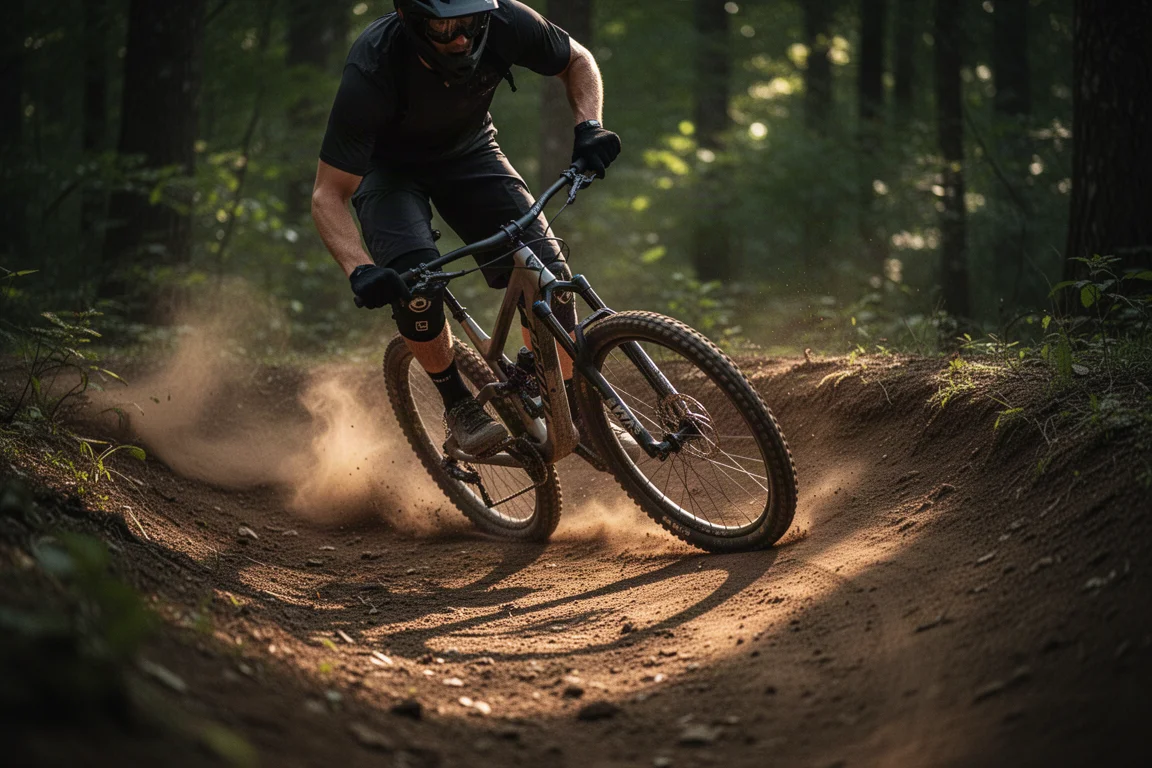
For a bike with this much descending ability, the CF9 climbs better than the travel figure and geometry might suggest, which is what makes it such an easy bike to live with as a single do-it-all machine.
Main Strengths: Descending, Handling and Suspension
With the K.I.S.S. tension set to taste, the CF9 feels intuitive from the first run. It is light on its wheels with plenty of pop, and the moderately damped shock tune gives a decent platform to push against while helping to maintain speed, though it gives up a little small bump finesse in the process.
The bike stays playful without losing precision. It maintains stability through turns, so aggressive riding never feels vague or nervous, and it handles harder hits well. The 64 degree head angle gives a wide comfort zone on descents and the bike does not feel easily overwhelmed. Riders who want to push the upper end of its limits may want a sturdier front tyre than the Maxxis Minion DHR2 in EXO casing that comes on the build.
Frame Storage and Practical Details
Internal frame storage is now part of the package. The lid uses a lever mechanism that Canyon says can be opened easily by cold and muddy hands, and it proved straightforward in brief use. Inside there is room for Canyon’s optional tool bundle in a water-resistant bag, holding tyre levers, an inner tube, a CO2 inflator and cartridges, and a two-in-one multi-tool. Canyon has also developed a compact rain jacket weighing under 100 g specifically for the Spectral.
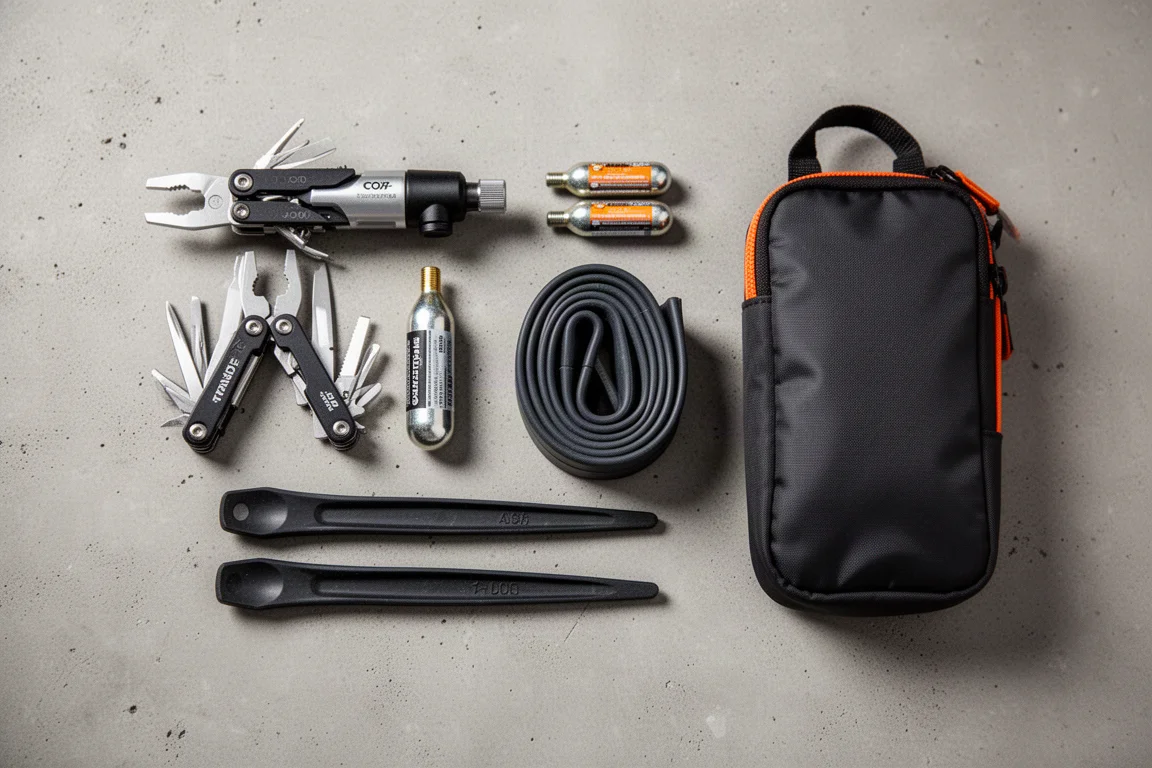
Riders who need to carry more will find accessory mounts under the top tube. Canyon worked with Fidlock on a dedicated 850 ml bottle, and a standard bottle cage will fit as well.
Things to Consider Before Buying
The steering stabilizer is the biggest consideration. It takes time to fine-tune the spring tension, and set too firmly the bike becomes difficult to initiate a turn, wanting to stand up and causing understeer with panicked braking mid-turn. There are genuine pros and cons to the system, and finding the sweet spot is part of owning the bike. Set up well, the effect in turns becomes minimal while still adding front end stability on steep trails, when the front wheel is loaded less than ideally, or when bouncing over rough sections.
Sizing deserves attention too. Reach is long for a given size and there is no size specific geometry, so riders may want to move down a size compared with their usual bike.
It is also worth noting what has changed elsewhere. Travel has dropped 10 mm at both ends, and the range has been cut back to four models. Wheel size can be swapped later, but it takes a different rear wheel and a flip chip in the chainstay. A second flip chip in the lower shock mount alters geometry, raising the bottom bracket by 8 mm and steepening the head and seat angles by half a degree. The Spectral 125 remains available for a short time.
Buying Advice
The CF9 makes the most sense for riders who want one bike that climbs comfortably and descends with confidence, whether that is a full day at a trail centre, laps in the bike park or a quick session in the local woods. Component quality is high and functional throughout, and the geometry is balanced enough to feel settled without becoming dull.

Before committing, think about three things. First, how much you value the K.I.S.S. system and whether you would rather keep things simple, remembering that the blanking plate lets you remove it. Second, sizing, because the reach numbers are long for each frame size. Third, tyres, since a sturdier front tyre may suit riders who ride hard. Get those right and the CF9 is a very easy bike to recommend.
Conclusion
The updated Canyon Spectral CF9 is a refined trail bike rather than a dramatic reinvention. The K.I.S.S. steering stabilizer takes time to dial in and will not suit every rider, but it is removable and it does add front end stability in specific situations. Around it sits a comfortable climber, a predictable and playful descender, and a practical frame with storage that makes the bike easier to live with.
For riders who want a single bike that handles trail centre blasts, bike park laps and local woodland rides without fuss, the Spectral CF9 makes a strong case.
Product link
View more details for Canyon Spectral CF9
This product is mentioned in the review. Check the specifications, options, and compatibility before buying.
View more details for Canyon Spectral CF9Further reading
Related Reviews
Mountain Bikes
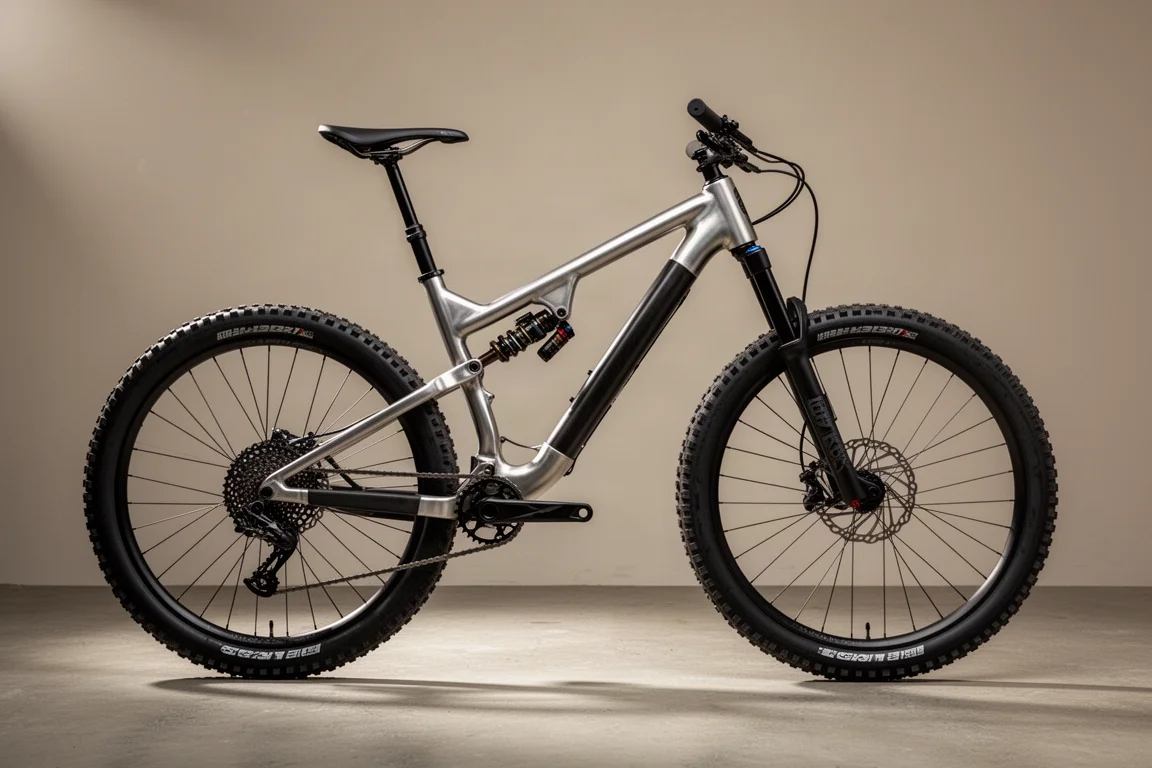
Atherton AM.130 Review: 3D-Printed Titanium Lugs and a 130mm Trail Bike That Descends Like a Bigger Machine
The Atherton AM.130 pairs 3D-printed titanium lugs with carbon tubes and a DW6 suspension platform. Here is how it rides, what the build delivers, and who it suits.
Mountain Bikes
Beginner Mountain Bike Buying Guide: What to Look For in a Trailworthy Hardtail
A practical framework for evaluating beginner mountain bikes, whether new or used, by examining key components that indicate real trail capability.
Mountain Bikes
Best Aluminum Mountain Bikes 2026: Five Alloy Bikes Worth Your Attention
Five aluminum mountain bikes that show how far alloy has come, from a 120mm trail bike and a versatile machined frame to a 180mm freeride machine.