Electric Mountain Bikes
Canyon Neuron:ONfly Review: How It Compares to the Specialized Turbo Levo SL
Canyon's new lightweight e-MTB pairs the Bosch SX motor with a 400 Wh battery and 140 mm of travel. Here is how it stacks up against the Specialized Turbo Levo SL.
Introduction
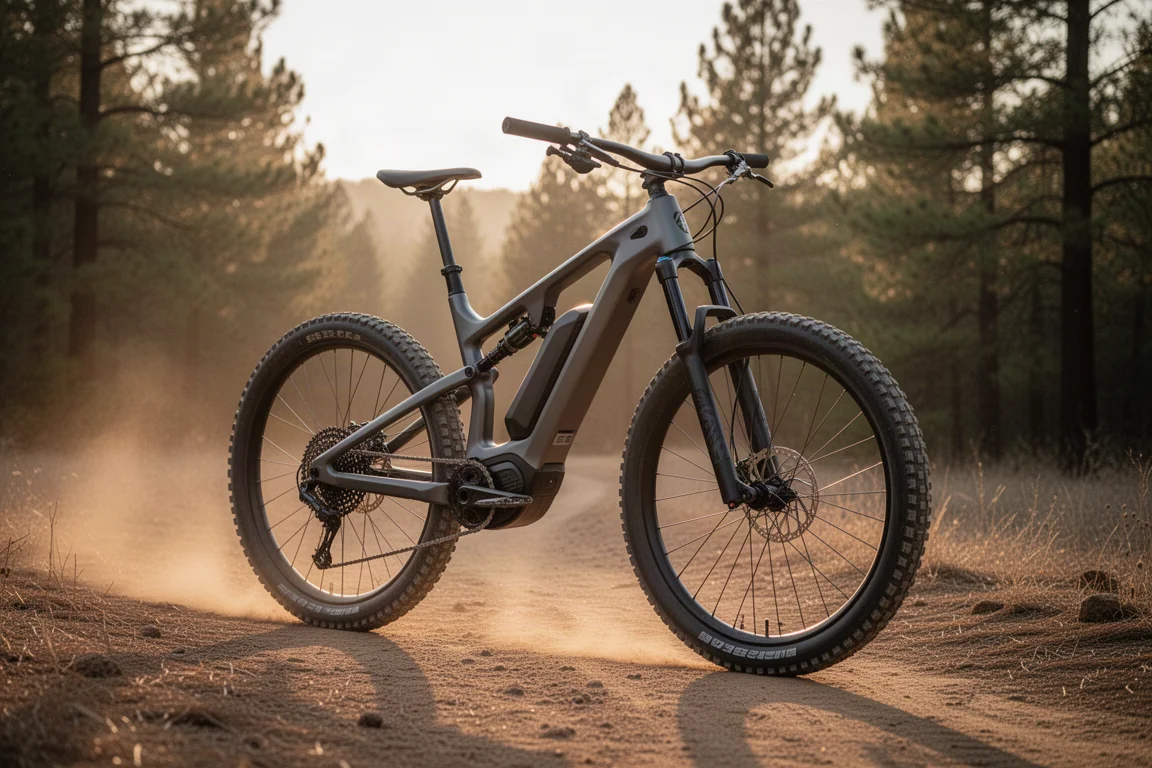
Canyon has added a new lightweight electric mountain bike to its range. The Neuron:ONfly is built around the Bosch SX drive system, a lower-power, lower-weight motor designed to sit between two familiar poles. On one side are light-assist bikes that feel close to an analog trail bike but run short of help on steep climbs. On the other are full-power e-MTBs that carry big batteries and plenty of grunt but are heavy to lift onto a rack and less playful once the trail turns downhill.
The Neuron:ONfly is Canyon’s answer to that gap. It is significantly lighter than a typical Bosch Performance CX setup, yet it can still call on a serious amount of assist when the pedals are turning quickly. The Specialized Turbo Levo SL is the obvious reference point for anyone shopping in this space, so it is worth looking at both side by side before deciding.
What the Bosch SX Motor Changes for Lightweight E-MTBs
The headline number is weight. Canyon says the Bosch SX drive system and its battery save roughly 7.5 lbs compared with a typical Bosch Performance CX motor and battery, and up to nearly 3 kg compared with the CX-powered Neuron. The battery is 400 Wh, noticeably smaller than a full-power unit, but it is larger than the pack used on the Specialized Turbo Levo SL.
The second number matters just as much. At higher cadence, the SX delivers the same 600 watts of peak assist associated with a full-power bike. Peak torque is lower, at 55 Nm against the 85 Nm of the Bosch CX, and the motor makes its power in a range of roughly 80 to 90 rpm rather than the low-cadence delivery of a CX. Riders willing to spin the pedals get a strong response. Riders who prefer to grind slowly will find less on tap.

That difference shapes the whole riding experience. Where a full-power bike can feel like a passenger ride, the SX rewards input, so the effort you put in comes back as speed. It also means the assist steps up in a way that feels closer to a change in your own fitness than a throttle. There is an optional battery pack for riders who want more range than the standard 400 Wh unit provides.
Canyon Neuron:ONfly: Bosch SX Power in a Light Chassis
The Neuron:ONfly keeps 140 mm of travel front and rear and rolls on a pair of 29-inch wheels. There is no mullet option, so the mixed wheel size setup that some riders prefer is not available on this bike. The motor is smaller and lighter than a CX unit, though still larger and heavier than the motors used by TQ and Specialized.
Assist is managed through four modes via a handlebar remote, and the settings can be tuned in the Bosch app to suit fitness level, terrain, and riding style. The two middle modes cover most trail riding, with a downshift and a burst of pedal speed often doing the work of a higher assist setting.

Four bikes will be available at launch, priced from just under €5,000 up to €8,000. The entry-level CF7 uses a RockShox Pike fork, a Shimano Deore drivetrain, and SRAM Code R brakes, with a weight for a size large of just over 20 kg. The SX motor is audible at high cadence, a low-pitched whir that is noticeable rather than silent, though not intrusive in normal riding.
Canyon is keeping the CX Race powered Neuron and the regular Neuron in the range alongside the new model, so buyers get a clear choice between outright power and lower weight.
Specialized Turbo Levo SL: The Agile Lightweight Benchmark
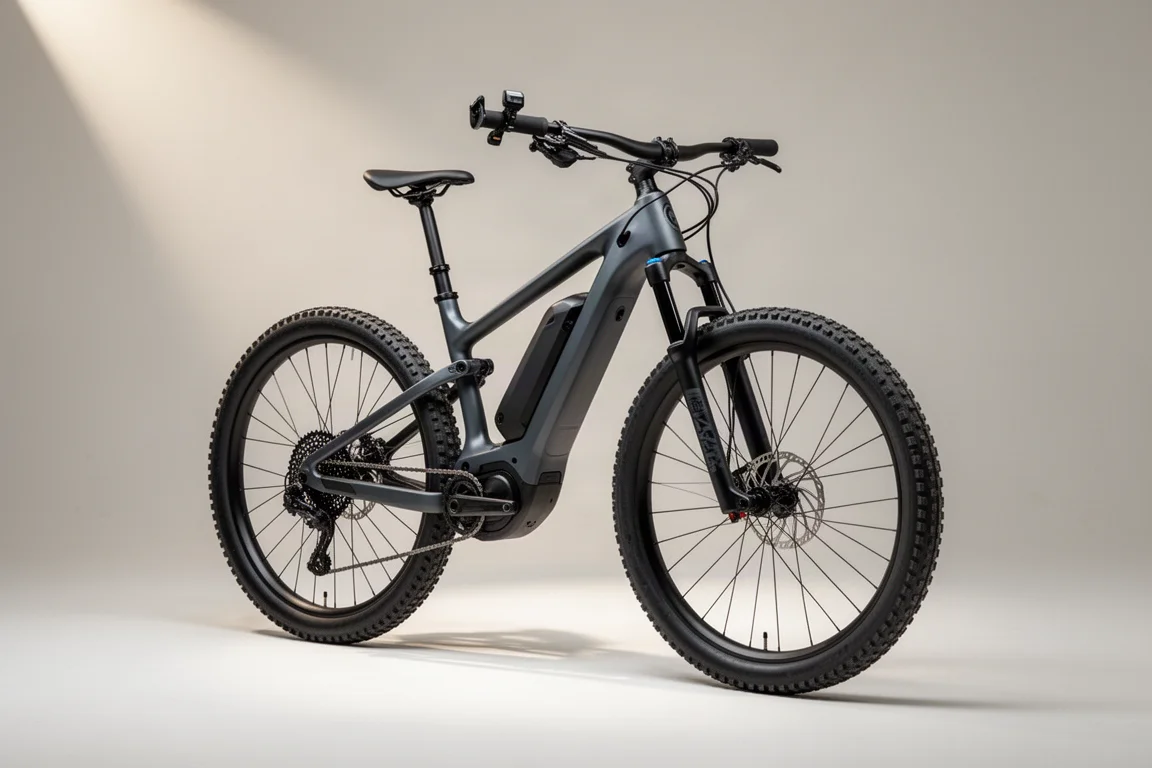
The Turbo Levo SL has been the reference lightweight e-MTB for a while, and it remains the bike many riders picture when they think about this category. It uses Specialized’s own motor rather than a Bosch unit, and it is lighter than the Bosch SX system. Its battery is also smaller than the Neuron:ONfly’s 400 Wh pack, which is part of how it keeps overall weight down.
On the trail the Levo SL is nimble and playful, and it is available with a mullet mixed wheel size setup that the Canyon does not offer. It carries the light, analog-like feel that defines this class of bike, and it has been a natural point of comparison for every lightweight e-MTB released since.

Where the Bosch SX stands out is punch. The SX feels punchier than the Levo SL and keeps more power in reserve when it is needed, which makes short, sharp climbs easier to manage. Even so, the Neuron:ONfly felt just as agile and playful as the Levo SL on the descents, so the trade-off is not as simple as lighter always being better. Riders who want more range than the standard pack provides can add the optional battery to the Canyon.
Buying Advice: Which Lightweight E-MTB Fits Your Riding
The right choice depends on how you ride more than on the spec sheet. The Neuron:ONfly suits riders who want to work for their speed. It delivers its best when cadence is high, and it rewards a rider prepared to spin rather than sit back and let the motor carry them. That makes it a good match for people moving across from an analog mountain bike who want to go faster without losing the feel of pedalling.

The Turbo Levo SL remains a strong option for riders who prioritize the lightest possible build and value the availability of a mullet wheel setup. If the deciding factor is assist on steep, punchy climbs, the Bosch SX has the edge in reserve power. A head-to-head ride on the same trails is the fairest way to settle the question, and riders who care about the details should compare both on terrain they already know well.
On value, the Neuron:ONfly range spans just under €5,000 to €8,000 at launch, which gives a spread of builds to choose from. The entry CF7 is the most accessible way into the platform, and its RockShox Pike fork, Shimano Deore drivetrain, and SRAM Code R brakes are a sensible starting point for trail riding.
Conclusion
The Neuron:ONfly fills a genuine gap in the lightweight e-MTB market. It is significantly lighter than a CX-powered e-MTB, it carries a 400 Wh battery with an optional range extender, and it can call on full-power-grade peak assist when the pedals are spinning. Canyon keeps the CX Race powered Neuron and the regular Neuron in the range, so buyers get a clear choice between power and weight rather than a single compromise.
Against the Specialized Turbo Levo SL, the Canyon trades a little outright lightness for more punch and a bigger battery. For riders who want assistance without losing the workout, that is a compelling middle ground.
Further reading
Related Reviews

Electric Mountain Bikes
Best E-Mountain Bikes: Five Electric Trail and Enduro Bikes Compared
A practical look at five electric mountain bikes, from a lightweight carbon trail build to long-travel enduro machines, with the trade-offs that matter before you buy.
Electric Mountain Bikes
Best Electric Mountain Bikes 2026: Four Price Points Compared
Four electric mountain bikes from £999 to £9,999 compared on motor power, battery capacity, weight, and trail performance.
Electric Mountain Bikes
Best Electric Mountain Bikes: Five E-MTBs Worth Shortlisting
Five full-suspension electric mountain bikes compared, from lightweight trail machines to full-power enduro rigs, with the strengths and trade-offs to weigh before buying.