Electric Mountain Bikes
Canyon Neuron:ONfly Review: A Lightweight eMTB That Bridges Two Camps
Canyon's first lightweight eMTB pairs Bosch's 600 W SX motor with a carbon frame and a sharp entry price. Here is how the Neuron:ONfly range performs, and which build makes the most sense.
Introduction
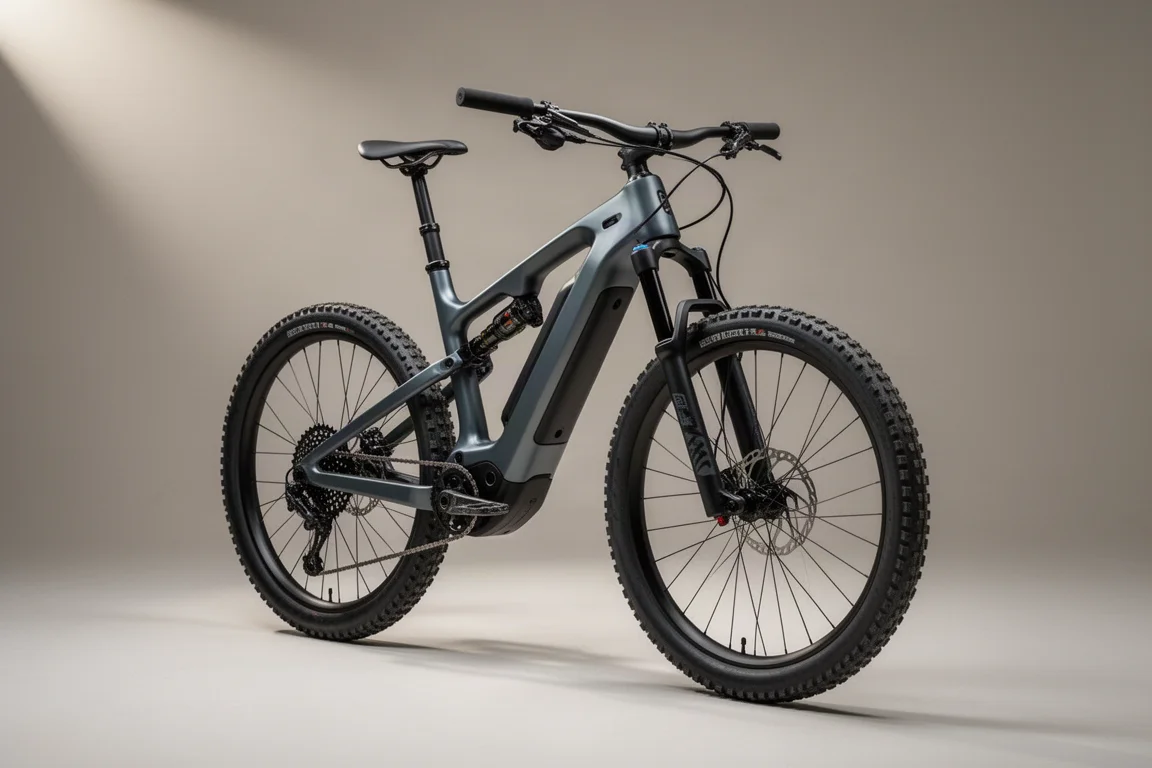
Canyon’s first lightweight electric mountain bike arrives at a moment when the category is split in two. On one side sit the lightweight, lower-power machines that are not always as light as the name suggests. On the other are the bigger, heavier full-power bikes with more torque and a larger battery. With current battery technology you cannot have both at once, and if you could, it would not be cheap.
The Neuron:ONfly is Canyon’s attempt to sit between those camps. It uses Bosch’s SX motor with up to 600 W of assistance, a carbon frame, and pricing that undercuts several obvious rivals. The real question is whether it genuinely bridges the gap.

That makes it a genuinely interesting proposition for riders who want more punch than a typical lightweight eMTB without carrying the bulk of a full-power bike.
Bosch SX Power: What the Motor Delivers
The SX motor is the headline act. It delivers the same maximum assistance as Bosch’s larger, heavier Performance Line CX, at 600 W, with torque reduced from 85 Nm to 55 Nm. Against lighter-duty systems the difference is stark: the Specialized Turbo SL 1.2 motor is rated at 320 W of maximum assistance and 50 Nm of torque, and the Canyon feels noticeably punchier in comparison.
In practice the power delivery gives a proper kick and comes close to keeping pace with heavier, torquier bikes on climbs, though not quite. For most riders it has more than enough. The eMTB mode offers plenty of grunt for muscling up climbs without feeling uncontrollable on steeper, more technical gradients, while boost mode can feel abrupt enough to compromise traction.
There is a trade-off in riding style. Where the Performance Line CX generates maximum assistance at lower cadence, from around 70 rpm, the SX asks you to spin faster and stay active with your gear choice. Riders who already pedal at a higher cadence will appreciate the feel. Riders used to a more relaxed cadence on a full-power bike should expect to adapt.
Noise is the other compromise. The motor is clearly audible, with a pronounced whirr as you pedal, and there is a distinct rattle from inside the motor that turns into a clacking sound on rougher descents. It does not appear to affect performance, but it is distracting.
Canyon Neuron:ONfly: The Shared Frame, Battery, and Motor
The frame, battery, and motor are shared across the whole Neuron:ONfly range, so the core experience does not change with trim level. The SX motor carries a claimed weight of around 2 kg, and the battery is a 400 Wh unit.
That battery is integrated into the frame. Removing it means removing the motor, so charging normally happens with the battery left in the bike. An optional 250 Wh range extender is available for longer days out.
On a first ride, run mostly in eMTB mode, roughly 14 mi / 22 km with 750 m of climbing left just under 30 percent in the battery, and that was without the range extender. It is a reasonable foundation for a solid ride, with more range testing still to come.
Canyon Neuron:ONfly CF9: The Build We Tested
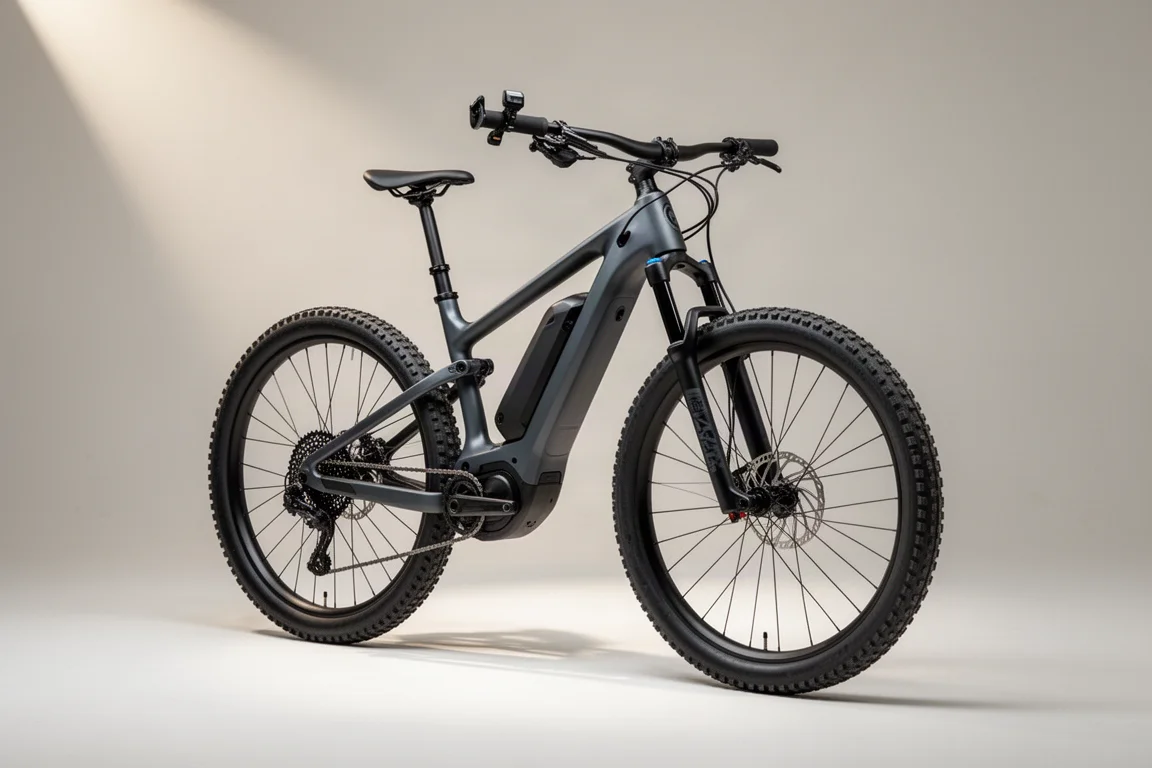
The CF9 is the higher-spec build and the one used for a first taste of the bike. Its claimed weight is 19.9 kg, nearly 3 kg lighter than the Performance Line CX-equipped Neuron:ON CF8. Suspension comes from a RockShox Pike Select+ fork paired with a Deluxe Select+ rear shock.
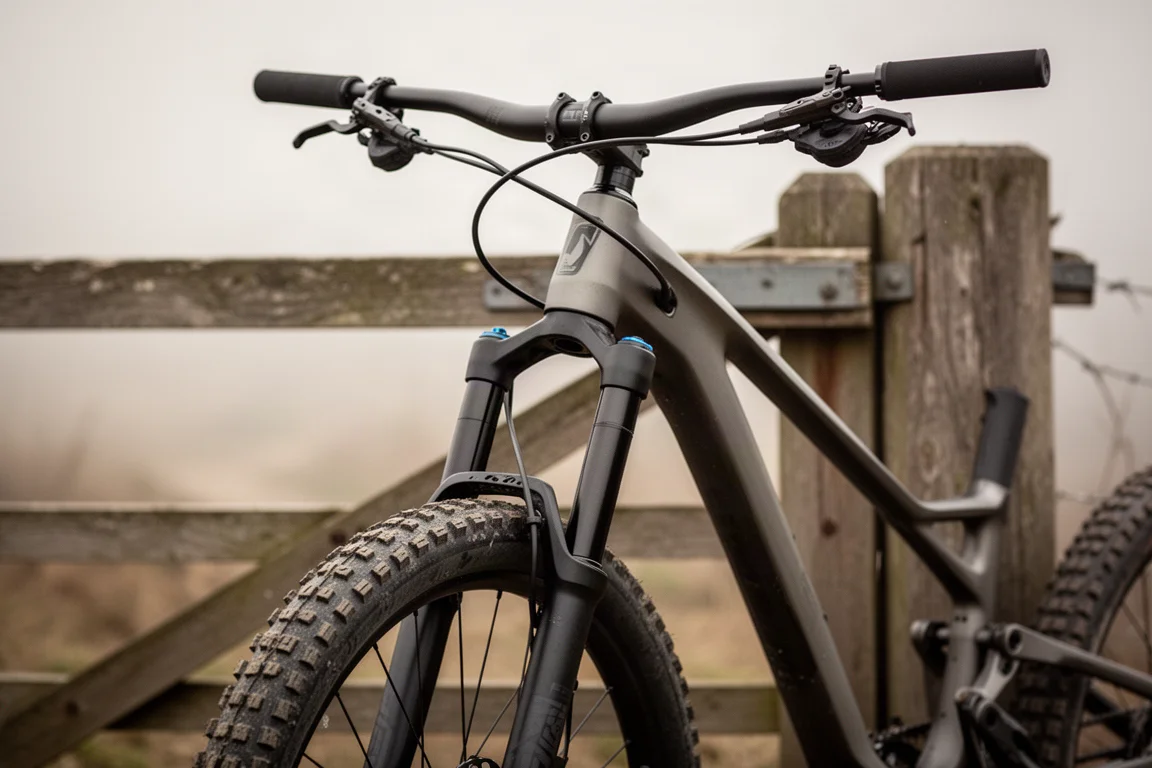
Tire spec deserves a note. The CF9 as ridden ran a Super Soft compound, Super Trail casing Magic Mary up front. Production bikes will run a Magic Mary at the front and a Nobby Nic at the rear. The softer, grippier front tire suits how hard the bike can be ridden, at a small cost in rolling speed.
Pricing for this build sits at around £6,699, which is a considerable outlay but a respectable one for a carbon-framed, high-performance electric mountain bike.
Canyon Neuron:ONfly CF7: The Value Pick
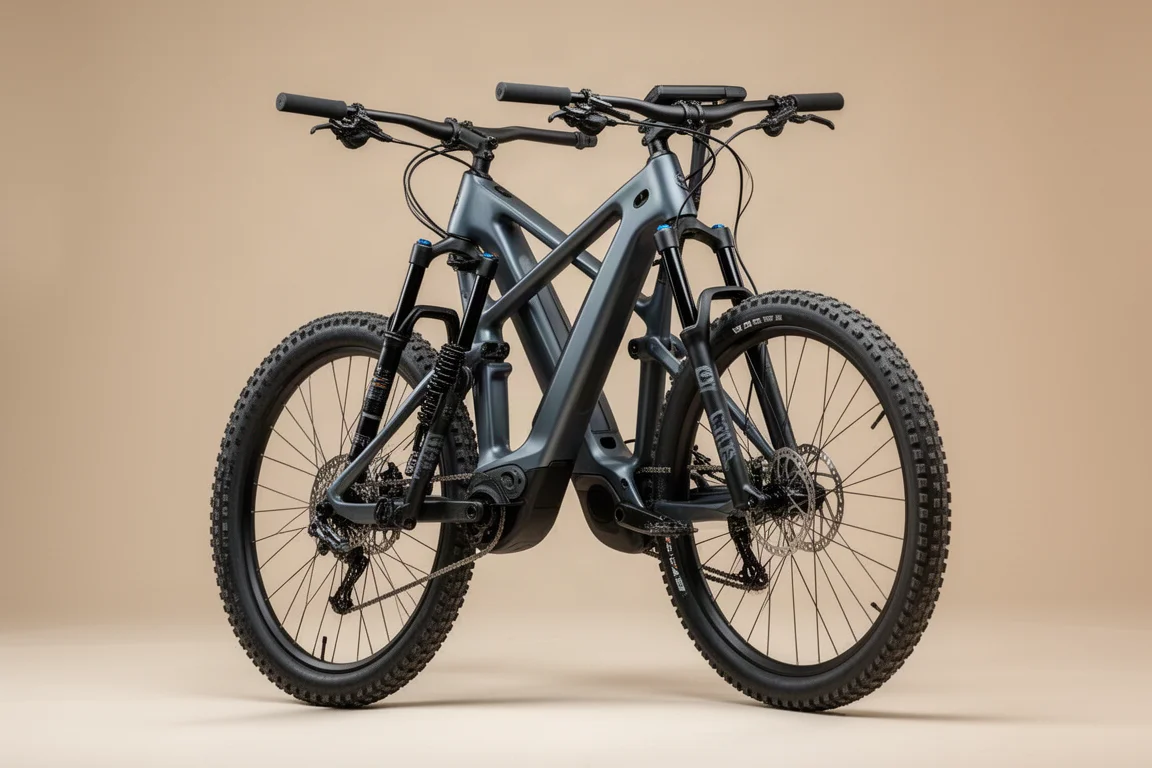
The CF7 is the entry build at £4,649 / $4,849, and it is the only model from the range confirmed for the US, with US pricing not yet settled at launch. It shares the same carbon frame, motor, and battery as the CF9, and it also runs the Deluxe Select+ rear shock.
For riders weighing value, this is the build that stands out. Compared with the Specialized Turbo Levo SL Alloy at £5,250, the CF7 is both lighter and cheaper, which is an impressive position for a carbon-framed electric mountain bike.
Geometry and Handling
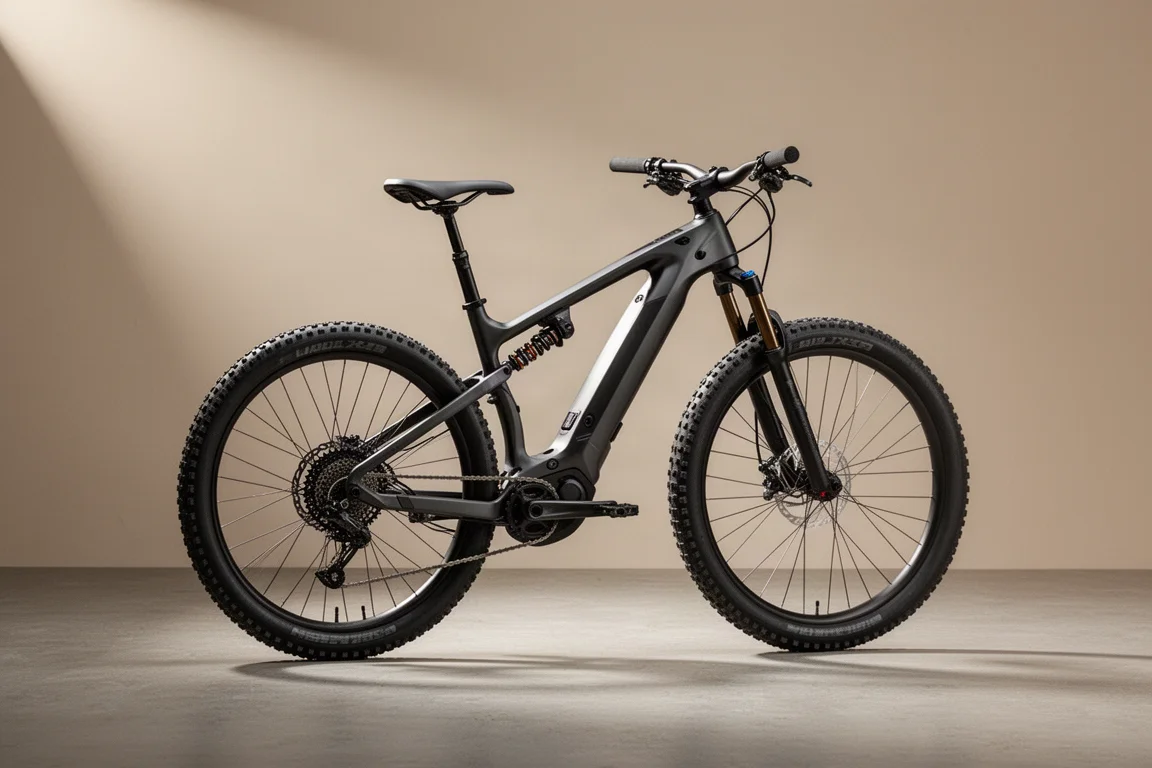
The numbers sit firmly in modern trail bike territory: a 64.5 degree head angle, 485 mm reach on a size large, a 76.5 degree seat angle, 450 mm chainstays, 635 mm stack, and a bottom bracket just 340 mm off the ground.
On the trail that translates into a bike that feels stable at speed and carries momentum through corners, helped by the low bottom bracket. The stack height keeps your weight from being pitched too far forward over the bars.

There is clearly more cornering potential here than a short first ride can reveal, and the geometry gives the rear end a lot to live up to.
Suspension and Components
The rear shock is the one area worth scrutiny before buying. On a 140 mm travel bike, the Deluxe Select+ felt tauter and less plush than expected, closer in feel to a 130 mm bike. A piggyback-equipped Super Deluxe would likely suit the bike’s geometry better. That said, time spent on pressures, rebound, and volume spacers may unlock more from the unit.
Elsewhere the specification is hard to fault. There is a 780 mm bar across the range and a long-travel dropper post on every size: 170 mm on small, 200 mm on medium and large, and 230 mm on XL. A frame-mounted chain guide keeps the chain in check, and there is generous chain slap and frame protection. Cables run through the headset for a clean look, though that makes something as simple as a gear or dropper cable swap more involved.
Buying Advice
The Neuron:ONfly makes most sense for riders who want meaningfully more assistance than a typical lightweight eMTB while keeping the bike light enough to feel playful, and who are happy to pedal at a higher cadence. Riders who prefer a relaxed cadence and maximum torque should look at a full-power bike instead.

Two things to weigh before buying: the motor noise and rattle, and the integrated battery, which means charging with the battery in the frame unless you are prepared to drop the motor. If neither bothers you, the CF7 is the value pick of the range and the build most riders will be happy with.
Conclusion
The Neuron:ONfly is not perfect. The motor rattle is genuinely annoying, the rear shock would benefit from more tuning or a beefier unit, and the production tire spec is not as aggressive as the bike’s capability suggests. It is also not cheap, even in base form.
Even so, it offers a whole lot of performance for a wide range of riders. The Bosch SX motor is noisy but impressive, and it points toward a future where lighter bikes carry this much assistance. Backed by Canyon’s reputation for good value, this is one of the more significant bikes of the year for anyone watching the lightweight eMTB category.
Further reading
Related Reviews

Electric Mountain Bikes
Best E-Mountain Bikes: Five Electric Trail and Enduro Bikes Compared
A practical look at five electric mountain bikes, from a lightweight carbon trail build to long-travel enduro machines, with the trade-offs that matter before you buy.
Electric Mountain Bikes
Best Electric Mountain Bikes 2026: Four Price Points Compared
Four electric mountain bikes from £999 to £9,999 compared on motor power, battery capacity, weight, and trail performance.
Electric Mountain Bikes
Best Electric Mountain Bikes: Five E-MTBs Worth Shortlisting
Five full-suspension electric mountain bikes compared, from lightweight trail machines to full-power enduro rigs, with the strengths and trade-offs to weigh before buying.