Electric Mountain Bikes
Canyon Neuron:ONfly CF9 and CF7 Review: A Lightweight eMTB That Bridges Two Camps
Canyon's first lightweight eMTB pairs the Bosch SX motor with a carbon frame. Here is how the CF9 and CF7 differ, and what to weigh before buying.
Introduction
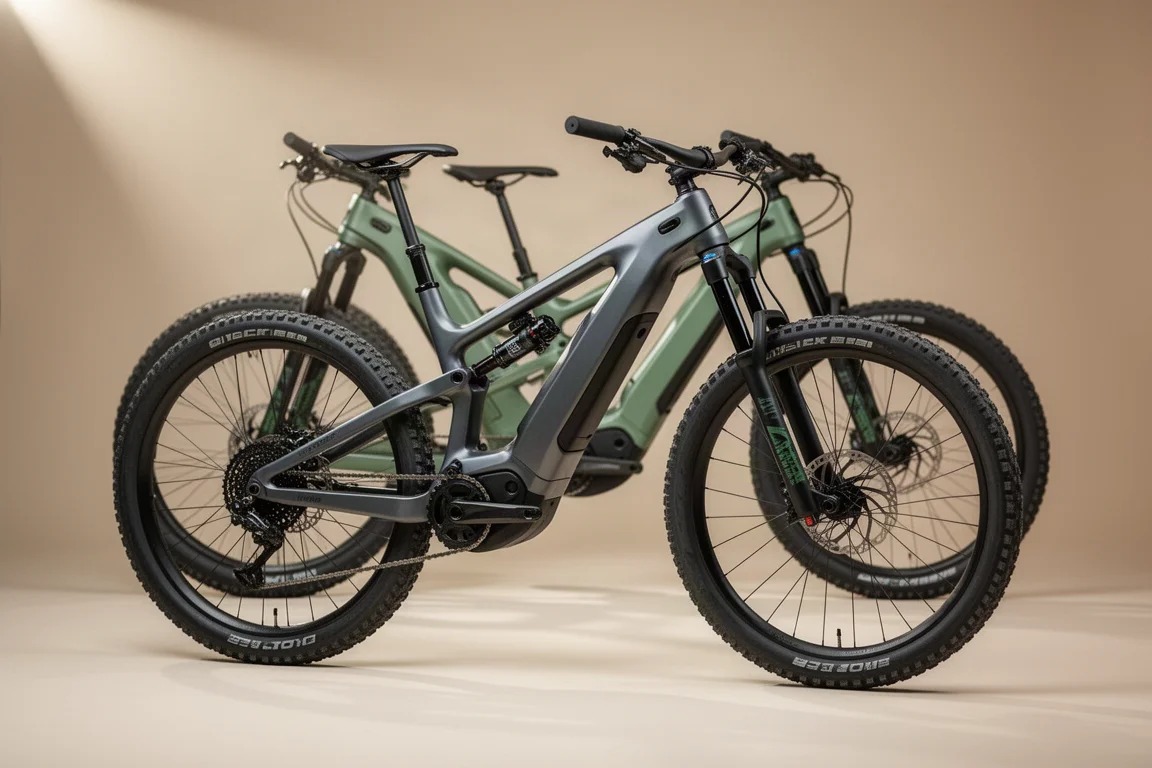
Canyon’s first lightweight electric mountain bike arrives with a genuinely interesting proposition. The Neuron:ONfly is built around Bosch’s SX motor, and it sets out to sit between two established camps in the eMTB world: the lightweight, lower-power bikes that are not always as light as the name suggests, and the heavier full-power machines that trade agility for torque and range.
Two models open the range, and they share the same carbon frame, motor and battery. The CF9 is the higher-specification build, while the CF7 is the entry point. Because the core of the bike is identical, the choice between them comes down to components and price rather than the way the bike rides.
Why the Neuron:ONfly Matters
The headline figures behind the Bosch SX motor are what make this platform worth a closer look. It delivers up to 600 W of maximum assistance, matching the larger Bosch Performance Line CX, while torque drops from 85 Nm to 55 Nm. Pair that with a claimed 2 kg motor weight and a 400 Wh battery, and you have a system that saves real mass compared with a full-power eMTB.
That combination is unusual among lightweight motors, which often settle for less outright assistance. The result is a bike with a proper kick, one that can almost keep pace with heavier, torquier machines on a climb while still feeling like a trail bike underneath you.

For riders who have always found full-power eMTBs too heavy to be fun, this is the interesting part. The Neuron:ONfly shows what happens when assistance and low weight start to meet in the middle, and it offers a glimpse of where the category is heading.
Bosch SX Motor: Power, Cadence and Noise
On the trail, the SX motor gives a distinct shove of power. Most riders will find it more than enough, and the middle eMTB mode in particular offers plenty of grunt for muscling up climbs without feeling uncontrollable on steeper, more technical terrain. Boost mode is a different story, since its power delivery can be a little abrupt and that can compromise traction on loose ground.
The trade-off for all that output is cadence. The SX needs a higher pedaling rate than the Performance Line CX, which produces its maximum assistance from around 70 rpm. With the SX you cannot forget about gear choice, and you need to stay active on the bike and be prepared to put some work in. Riders who naturally spin a higher cadence tend to appreciate the ride feel, while those used to the more relaxed cadence of a full-power motor should expect to adjust their style.
Noise is the more obvious compromise. The motor is noticeably more audible than comparable lightweight units, with a pronounced whirr as you pedal, and there is a genuine rattle from inside the housing that turns into a clacking sound on rougher descents. It sounds like a chain moving around inside a carbon frame. It does not appear to affect performance, but it is distracting, and it is worth hearing for yourself before committing.
Battery, Weight and Range
The battery is integrated into the frame, and that has a practical consequence: removing it means removing the motor first. Charging happens with the battery left in the bike, so you need power where the bike lives, or a forgiving household if the bike comes indoors muddy.
Weight is where the package makes its case. The CF9 build came in at a claimed 19.9 kg, nearly 3 kg lighter than the more powerful, bigger-battery Neuron:ON CF8 with its Performance Line CX motor. That gap is the whole point of the platform, and it is the difference you notice when lifting the bike onto a rack or steering it through tight turns.
Range looks adequate in real use. Over roughly 22 km with 750 m of climbing, ridden mostly in the middle eMTB mode, the bike finished with just under 30 percent battery remaining, and that was without the optional 250 Wh range extender. Longer and harder rides will test that figure further, but there should be enough juice for a solid outing.
Canyon Neuron:ONfly CF9
The CF9 is the build that shows the platform at its best. It pairs the shared carbon frame and Bosch SX system with a RockShox Pike Select+ fork and a Deluxe Select+ rear shock, along with a wide 780 mm bar and a long-travel dropper post.
The rear end is the one part of the specification worth watching. It felt firmer and less plush than a 140 mm travel bike would suggest, with a sweet spot that took time to find. A piggyback shock along the lines of a Super Deluxe may prove a better match for how hard the bike can be ridden, and riders who like a very supple rear end should plan on spending time with pressure, rebound and volume spacers.
Canyon Neuron:ONfly CF7
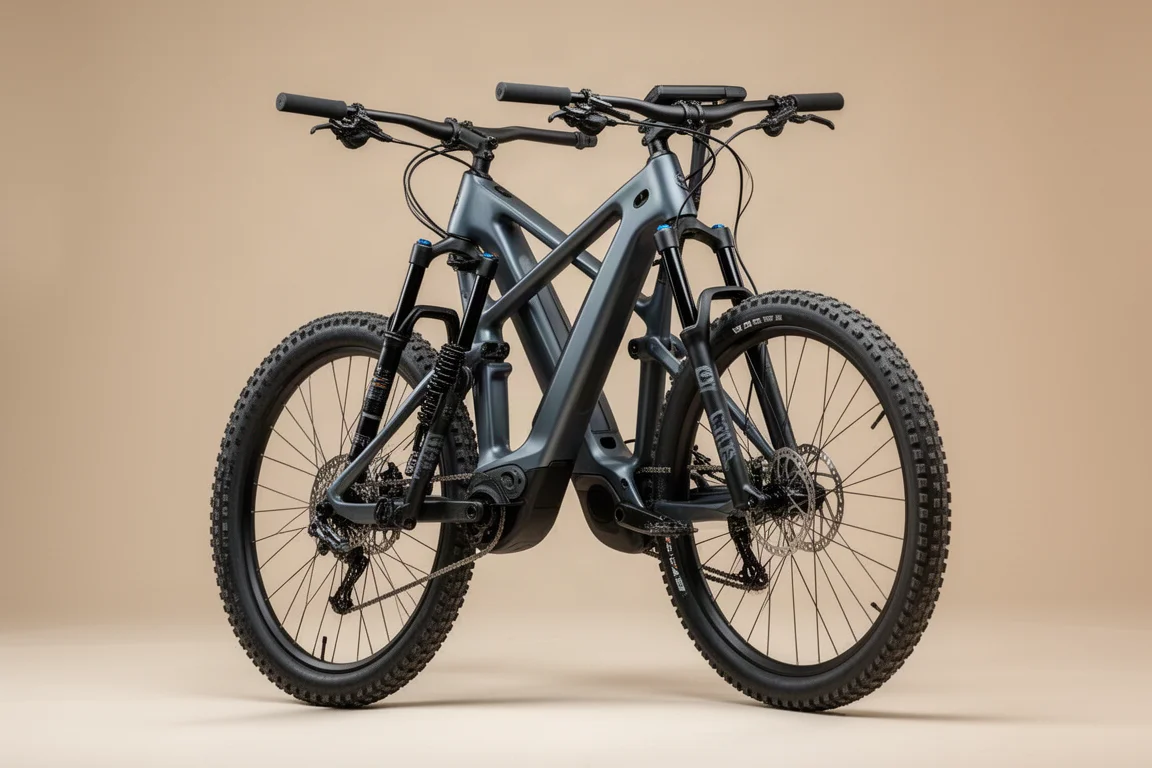
The CF7 is the cheapest way into the range, at £4,649, and it is the only model from the line-up expected to be offered in the US. It uses the same frame, motor and battery as the CF9, and it also runs the Deluxe Select+ rear shock, so the core experience carries over intact.
Value is where it stands out. Compared with a Specialized Turbo Levo SL Alloy at £5,250, the Canyon is lighter and cheaper even in this base form, and it feels punchier on the trail thanks to the SX motor’s 600 W of assistance against the Levo’s 320 W and 50 Nm. For a high-performance electric mountain bike with a carbon frame, that is a respectable package.
One caveat is tires. Production bikes are specified with a Schwalbe Hans Dampf up front and a Nobby Nic at the rear, and the front tire in particular may not suit how hard the bike can be ridden. A grippier front tire is a sensible first upgrade.
Geometry, Suspension and Spec Notes
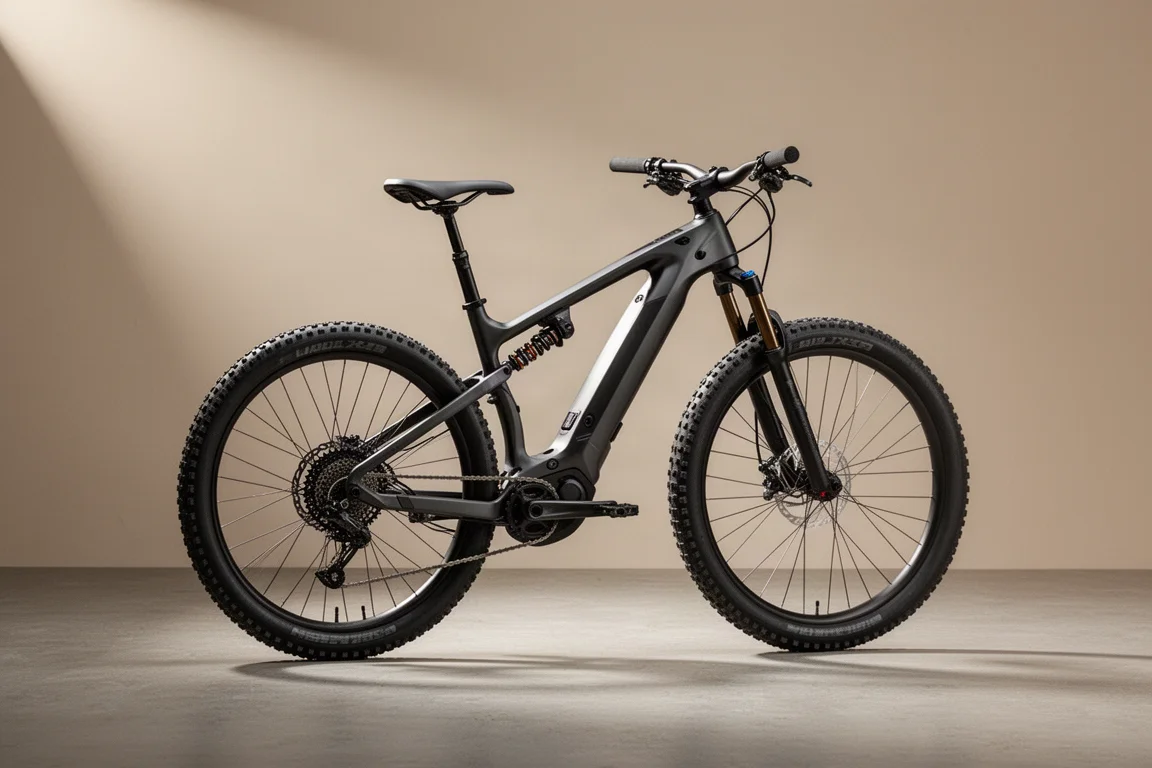
The numbers sit where a modern trail bike should. A 64.5 degree head angle, 485 mm reach on a size large, a 76.5 degree seat angle, 450 mm chainstays and a 635 mm stack add up to a bike that feels stable at speed and eager through corners. A 340 mm bottom bracket height contributes to that planted, on-rails feel, and the stack keeps your weight from being pitched too far forward over the bars.

Suspension comes from RockShox across the range, with the Pike Select+ fork and Deluxe Select+ shock shared with the base CF7. Elsewhere the specification is well judged: an adequately wide 780 mm bar, a long-travel dropper post on every size, a small frame-mounted chain guide, and carefully designed chain slap and frame protection. Dropper travel runs to 170 mm on the small, 200 mm on the medium and large, and 230 mm on the extra large.
Cables are routed through the headset, which gives a very clean look at the front of the bike. It does make a simple job like replacing a gear or dropper post cable more involved, and that is worth knowing if you do your own maintenance.
Who Should Consider the Neuron:ONfly
This bike makes most sense for trail riders who want assistance without the mass of a full-power eMTB, and who are happy to be an active part of the ride. If you naturally spin a higher cadence and enjoy working for your climbing speed, the SX motor’s character will feel natural rather than demanding.
It also suits riders who value a stable, confident trail geometry more than outright motor torque. The flip side is that anyone coming from a full-power bike will need to adjust their cadence, their gear choice and their expectations about how quiet the ride is.
Buying Advice
If the platform appeals, the CF7 is the model that makes the strongest case. It carries the same frame, motor, battery and rear shock as the CF9 at the lowest price in the range, and it is the version expected to reach the US. The CF9 adds a better fork and a lighter overall build, so it is the one to choose if you want the platform at its most refined and the budget allows.

Before you buy, plan for three practical things. First, charging happens with the battery in the frame, so think about where the bike will live and how you will get power to it. Second, listen to the motor noise if you can, because the rattle is a matter of personal tolerance and it is the most likely thing to bother you long term. Third, budget for a front tire swap if you ride aggressively. None of these are deal breakers, but all of them shape how happy you will be with the bike.
Conclusion
The Canyon Neuron:ONfly is not perfect. The motor rattle is genuinely annoying, the rear shock could use more tuning or a beefier replacement, and the production tire specification undersells how hard the bike can be ridden. It is also not cheap, even in base form.
What it does offer is a lot of performance for a wide range of riders, and a clear look at where electric mountain bikes are heading. Bosch’s SX motor is noisy but impressive, the carbon frame keeps weight genuinely low, and the CF7 in particular undercuts and outperforms a well-known alloy lightweight rival. If lighter, punchier eMTBs keep developing along these lines, even the most stubborn holdouts may find themselves converted.
Further reading
Related Reviews

Electric Mountain Bikes
Best E-Mountain Bikes: Five Electric Trail and Enduro Bikes Compared
A practical look at five electric mountain bikes, from a lightweight carbon trail build to long-travel enduro machines, with the trade-offs that matter before you buy.
Electric Mountain Bikes
Best Electric Mountain Bikes 2026: Four Price Points Compared
Four electric mountain bikes from £999 to £9,999 compared on motor power, battery capacity, weight, and trail performance.
Electric Mountain Bikes
Best Electric Mountain Bikes: Five E-MTBs Worth Shortlisting
Five full-suspension electric mountain bikes compared, from lightweight trail machines to full-power enduro rigs, with the strengths and trade-offs to weigh before buying.