Electric Mountain Bikes
Canyon Neuron:ON Review: A Lively Short-Travel Electric Mountain Bike
A full carbon electric mountain bike with 140mm of travel, a Bosch motor and SRAM GX Eagle Transmission, reviewed for riders who want fast, flowing trails and genuine value.
Introduction
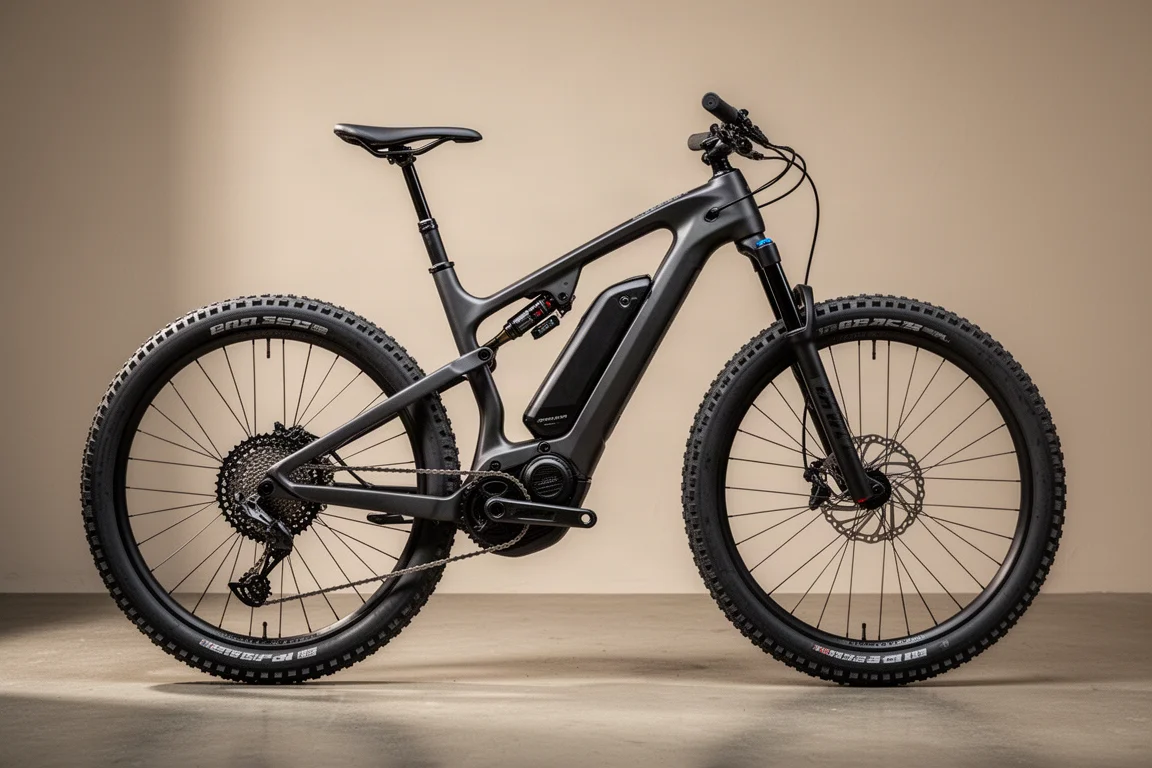
The Neuron:ON is Canyon’s shortest-travel electric mountain bike, with 140mm of suspension front and rear and 29-inch wheels at both ends. The top model reviewed here combines a full carbon frame, a Bosch motor and battery, and SRAM’s GX Eagle Transmission drivetrain. Lower down the range, aluminium versions bring the same concept to a smaller budget.
The value proposition is genuinely striking. This complete, fully equipped electric mountain bike costs roughly what a premium carbon road frameset alone can command, which makes the specification list look unusually generous. It also helps that the bike is quick on the climbs and exceptionally fun to ride.
This review covers who the bike is designed for, the features that stand out, the details worth weighing up before you buy, and how the whole package holds together.
Who This Bike Is For
The motor-free Neuron is positioned as a cross-country trail bike. Adding a motor shifts the emphasis slightly: this is a bike for riders who want to explore their local trails, cover real distance, and take on technical terrain while still favouring fast, flowing singletrack.
If climbing is something you tolerate rather than enjoy, the assistance makes long days out far more achievable. The geometry is deliberately less extreme than Canyon’s longer-travel models such as the Spectral, Strive and Torque, and that has a direct benefit. At low speed the bike is more manoeuvrable and changes direction far more easily than the bigger, slacker, heavier electric bikes in the range.

Riders who value a lively, playful feel over maximum suspension travel will find the fit here. The Neuron:ON is not built to be a shuttle-friendly descender. It is built to make everyday trails feel quick, direct and rewarding.
Frame, Geometry, and Specification
The range-topping model uses a full carbon frame. Suspension comes from a RockShox Pike Ultimate fork up front and a Deluxe shock at the rear, a combination that is plenty stiff enough for the bike’s intentions and easy to set up with a sensible baseline. Travel is 140mm at both ends, and the 29-inch wheels roll on fast, knobby tires that suit the bike’s flowing-trail character.
Canyon has updated the Neuron platform with revised geometry, and the result is intentionally less aggressive than the brand’s bigger electric models. That choice keeps the bike nimble at lower speeds and on less severe trails, which is exactly where it spends most of its time.
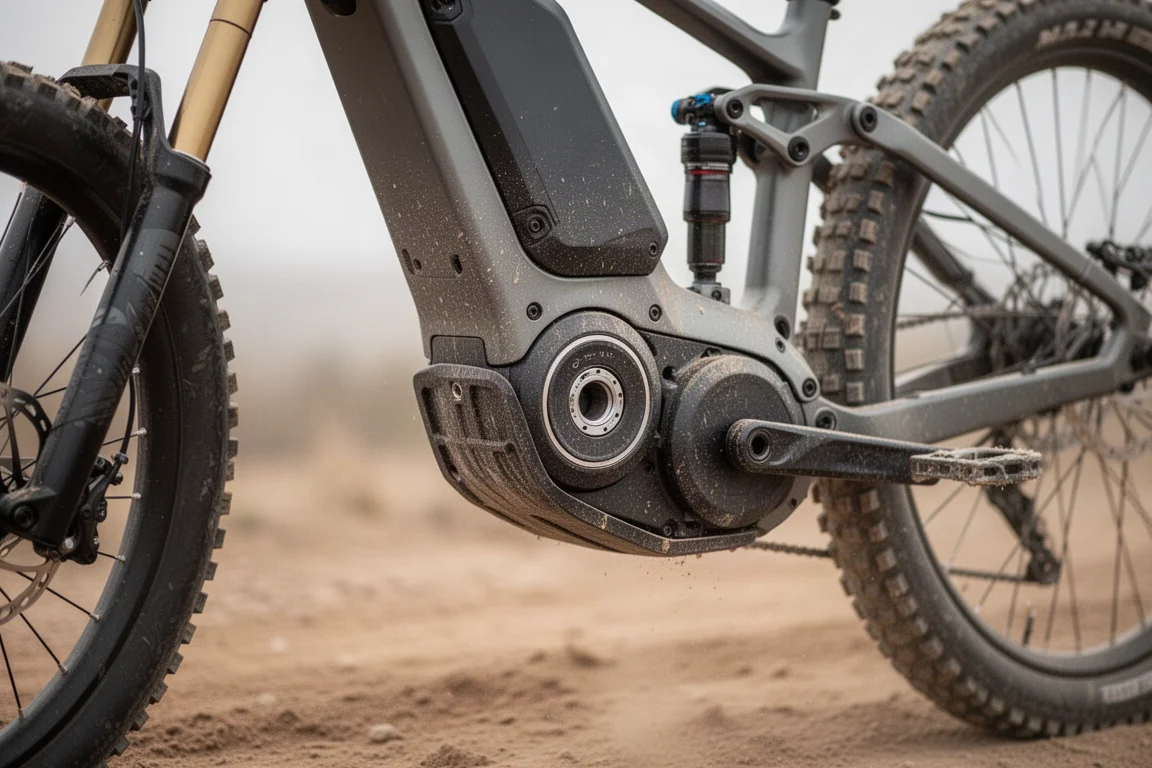
A few practical details stand out. There is room in the mainframe for a large water bottle, and a small chain guard at the front works alongside a narrow-wide chainring and a clutch mechanism to keep the chain in place. A generously sized bash guard sits under the motor and doubles as a skid plate, while a mud flap behind the swingarm helps keep debris out of the oversized, well-sealed bearings.
The rear through axle uses a lever that pulls out when you need it and stows flush when you do not, so no tools are required and nothing protrudes from the frame.
Bosch Motor and Battery Performance
The Bosch drive unit is one of the strongest arguments for this bike. Power delivery is smooth and seamless, and the motor feels punchier and more responsive than the Shimano EP8 system, particularly at low speed and on awkward, half-pedalled climbs where instant response matters most. Four assistance levels give a finer choice of support for different situations, and the assistance itself feels natural and organic rather than abrupt.
Canyon integrates the control unit into the top tube, with a power button and bars that show remaining runtime and the current assistance level. A bar-mounted remote handles assistance changes and a walk mode, which keeps the cockpit free of clutter. There is no bar display for range, distance or ride data, and that simplicity is deliberate: fewer distractions, and the support you need when you need it.
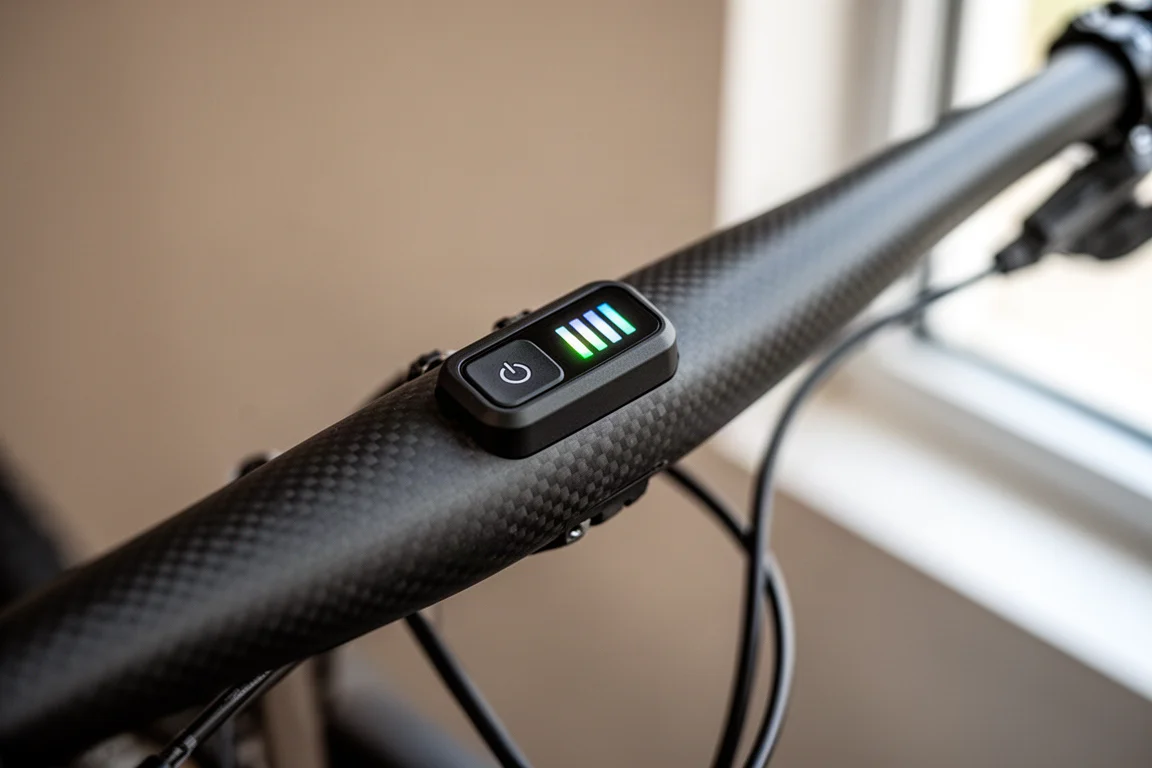
The battery is charged through a port under a rubber flap on the downtube. In practice the range is generous, comfortably covering several rides of 30 to 50 kilometres. The one notable limitation is that the battery cannot be removed from the frame for charging at home, which is worth factoring in if you store your bike without easy access to a power point.
SRAM GX Eagle Transmission
This model is the launch platform for SRAM’s GX Eagle Transmission drivetrain, and the design is a genuine departure from a conventional setup. The rear derailleur mounts directly to the frame at the dropout and through axle, eliminating the derailleur hanger that is so often a weak point on a mountain bike.
The result is a chunky, oversized rear mech that can be disassembled and have individual parts replaced, which is good news for serviceability. The mounting is exceptionally strong and secure, and the unit has proven highly reliable in use.
The headline benefit is shifting under load. On a mechanical setup, a steep technical climb usually demands that you ease off the power to get a clean shift. Here you can keep the power down and shift anyway, with no crunching, no delay and no hesitation. On an e-bike, where a motor pushes a lot of torque through the drivetrain, that matters more than it does on an unassisted bike.
GX Eagle Transmission uses the same technology as SRAM’s higher-end groupsets but with more affordable materials and a small weight penalty. A neat detail is the battery mount: the same battery used across SRAM’s AXS road, gravel and mountain bike systems slides into the rear mech, where it sits well protected from impacts.
What Works Well on the Trail
On fast, flowing singletrack the bike is right at home. The combination of fast-rolling knobby tires and 29-inch wheels front and rear helps it devour trail, and it climbs exceptionally well. The efficiency on offer means you can often run a lower assistance level than you might expect.
What really defines the ride is how alive it feels. The Neuron:ON is far more manoeuvrable than the bigger, heavier electric bikes in the range, and it moves around the trail more like a conventional trail bike. You get less suspension travel and a less slack head angle than a burlier machine, which means you have to ride it rather than simply be carried by it. For riders who want to feel like a pilot rather than a passenger, that is a strength rather than a compromise.
The climbing position, with a steep seat angle and grippy tires, makes technical ascents as entertaining as the descents. Suspension is composed, with good damping, and the whole package feels light and easy to place on the trail.
There is also a practical argument for the motor that has nothing to do with performance. When time is short, an hour-long ride at lunch or after work becomes genuinely worthwhile, because the assistance gets you back up the climb quickly enough to squeeze in another run or two without finishing the day exhausted.
Things to Consider Before Buying
The battery is fixed inside the downtube, so charging happens where the bike is stored. If you live in an apartment or keep your bike somewhere without power, that is a real constraint to plan around.
Cable routing runs inside the steerer tube. It produces an exceptionally clean frame with no unnecessary holes, but it does make maintenance more involved than a conventional external setup.
The geometry is intentionally less aggressive than Canyon’s longer-travel electric models. Riders who want a slack, planted descender for steep and severe terrain should look at the Spectral, Strive or Torque instead. The Neuron:ON trades some of that capability for agility, low-speed manoeuvrability and a lighter, more playful feel.
Finally, this is the top of the range. Aluminium versions sit lower down the lineup and bring the same overall concept to a lower budget, so it is worth deciding which parts of this specification actually matter for the trails you ride.
Buying Advice
As a complete package, the Neuron:ON is a strong value proposition. A full carbon frame, a Bosch motor and battery, SRAM GX Eagle Transmission and RockShox suspension come together at a price that is comparable to a premium carbon road frameset on its own, which is remarkable when you consider how much bike you are getting.
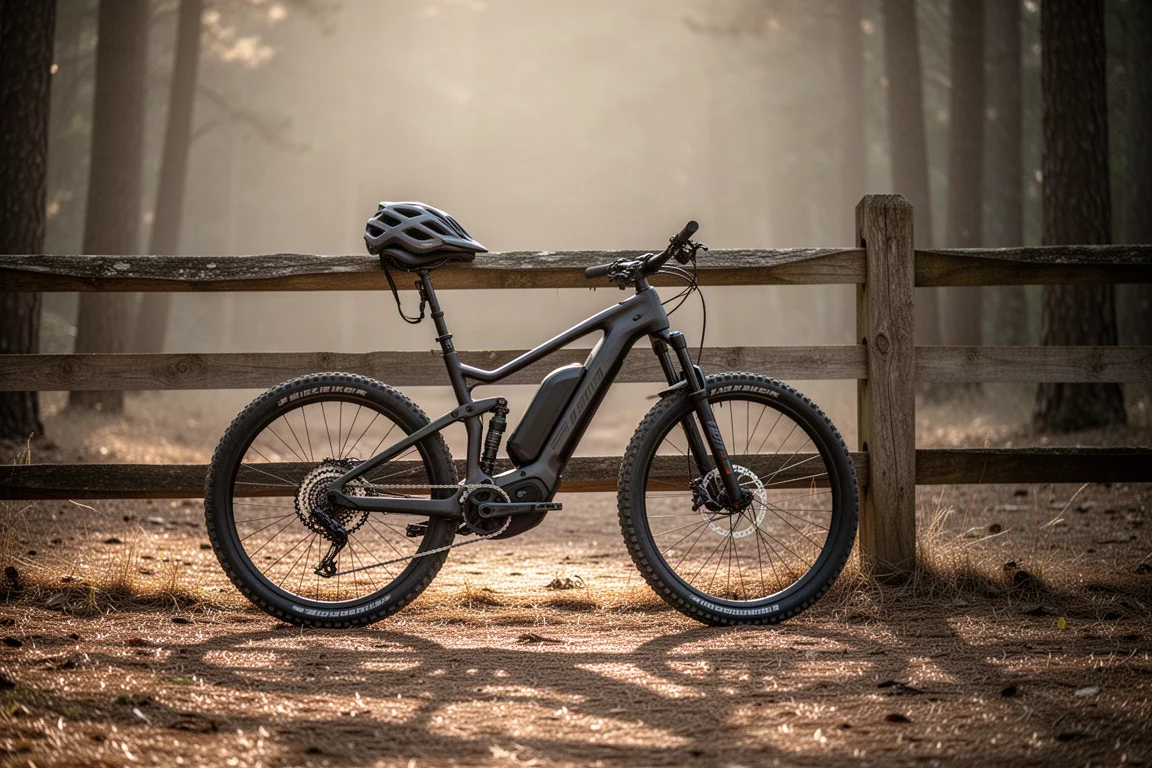
Match the bike to your riding. If your typical week involves fast, flowing singletrack, long distances and climbs you would rather not grind out unaided, this specification delivers exactly that, with the added bonus of a drivetrain that shrugs off shifts under load. If your priorities lean towards steep, technical descents and maximum travel, a longer-travel model in the range will suit you better.
Check the charging situation at home before you buy, and think about whether the carbon frame and Transmission drivetrain are worth the premium over the aluminium options for the trails you actually ride.
Conclusion
The Canyon Neuron:ON is an easy bike to recommend to the right rider. Ride performance, handling, component choice and value for money all line up, and it looks good while doing it. It is lively where heavier electric bikes feel sluggish, responsive where others feel remote, and it makes short rides count. If it matches what you are looking for in an electric mountain bike, it deserves a place on your shortlist.
Product link
View more details for Canyon Neuron:ON
This product is mentioned in the review. Check the specifications, options, and compatibility before buying.
View more details for Canyon Neuron:ONFurther reading
Related Reviews
Electric Mountain Bikes
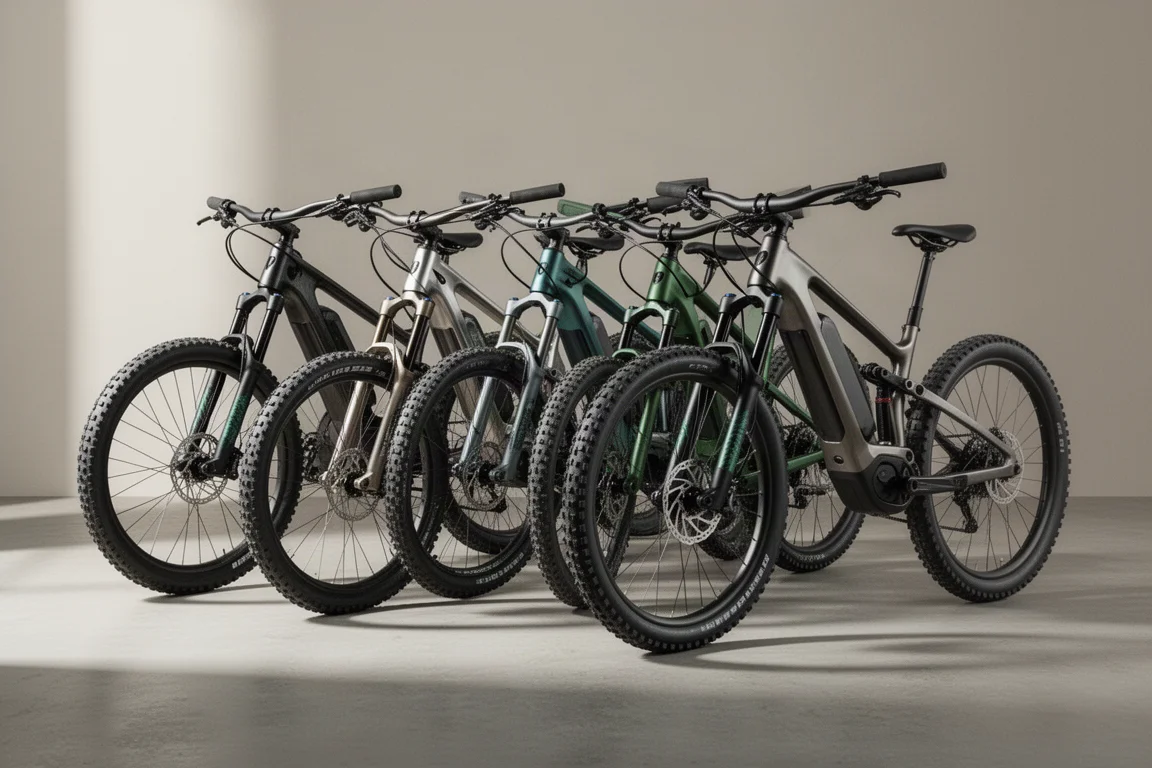
Best E-Mountain Bikes: Five Electric Trail and Enduro Bikes Compared
A practical look at five electric mountain bikes, from a lightweight carbon trail build to long-travel enduro machines, with the trade-offs that matter before you buy.
Electric Mountain Bikes
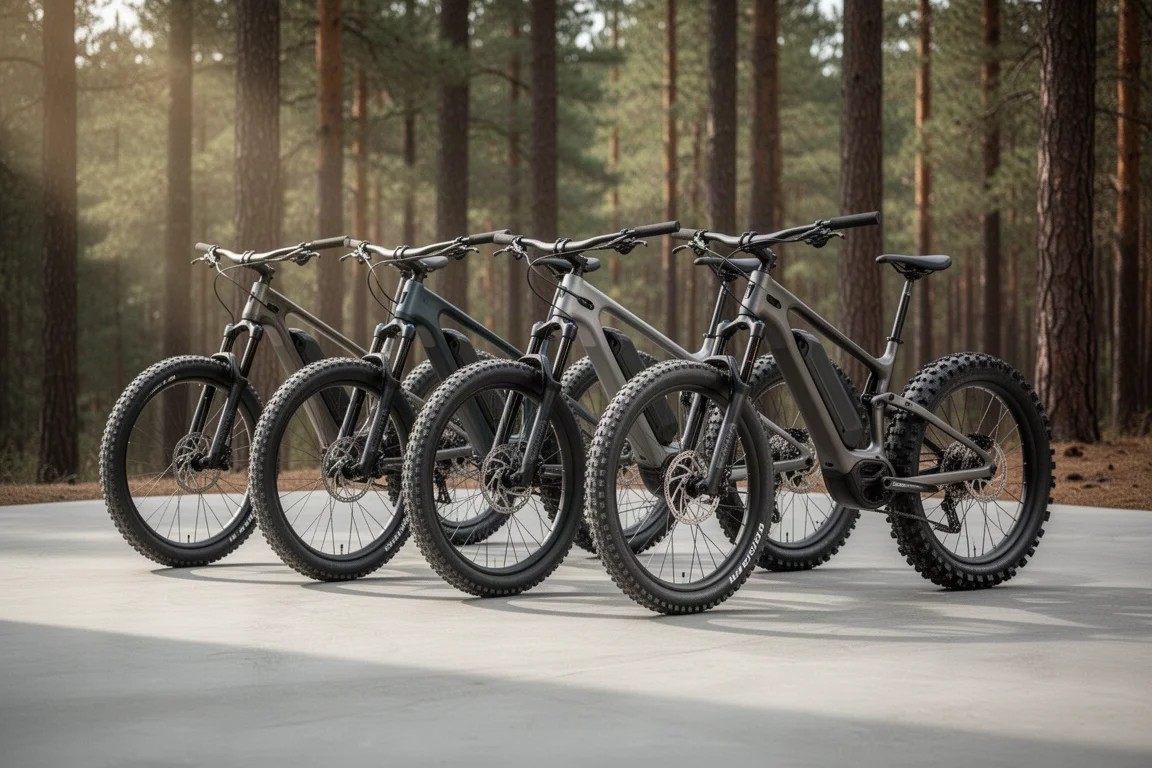
Best Electric Mountain Bikes 2026: Four Price Points Compared
Four electric mountain bikes from £999 to £9,999 compared on motor power, battery capacity, weight, and trail performance.
Electric Mountain Bikes
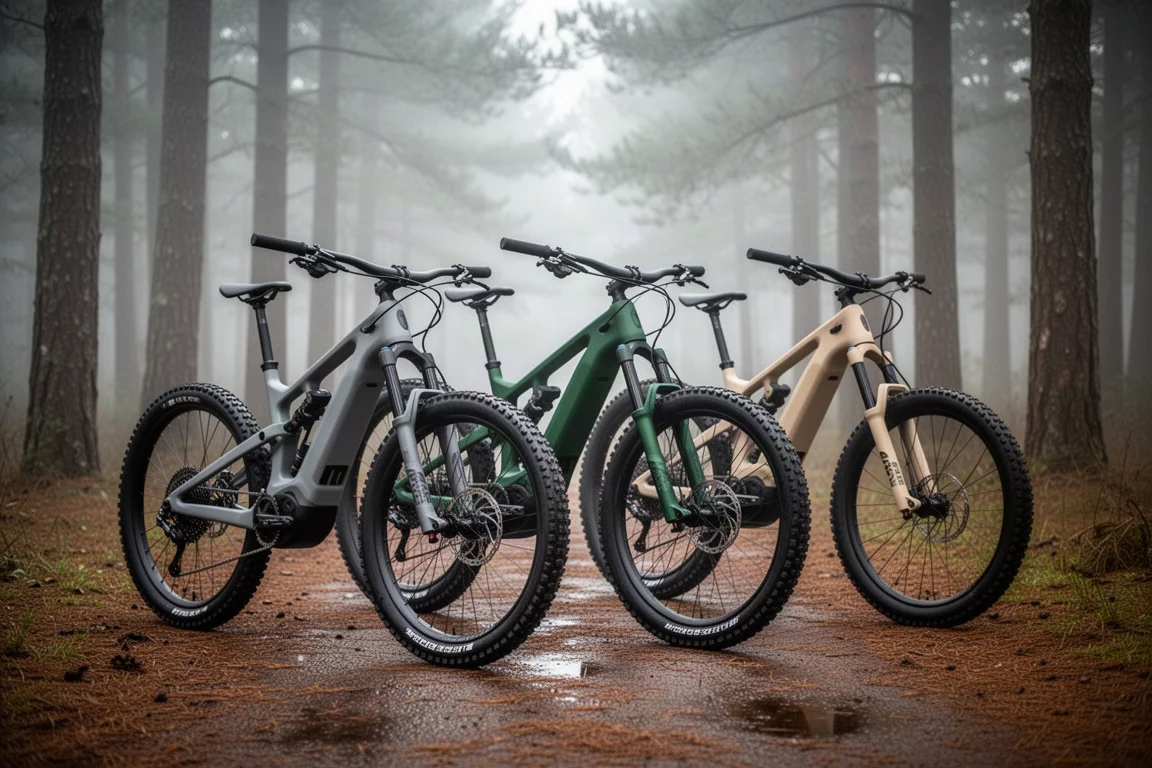
Best Electric Mountain Bikes: Five E-MTBs Worth Shortlisting
Five full-suspension electric mountain bikes compared, from lightweight trail machines to full-power enduro rigs, with the strengths and trade-offs to weigh before buying.