Mountain Bikes
Canyon Neuron CF9 SL Review: A Versatile Trail Bike Built to Cover Ground
A carbon trail bike with 130mm of rear travel, modernised geometry, and a high-spec build aimed at riders who want efficiency on the climbs and composure on the descents.
Introduction
Canyon’s mountain bike range covers a lot of ground, and the Neuron sits squarely in the middle of it. It carries slightly more travel than the short-travel Spectral 125 and less than the Spectral 29, which puts it in sturdier trail bike territory. Canyon designed the Neuron as a true all-rounder, a bike intended to feel equally at home on a multi-day epic and on a quick lunchtime blast. Riders who want a specifically aggressive, speed-first ride are steered toward the Spectral models, while the Neuron is pitched at those who value comfort and efficiency over an all-out attitude.
The CF9 SL is the second most expensive build in the range, and it is the model tested here. At around £4,799, it pairs the carbon frame with a specification list that is difficult to argue with at the price.

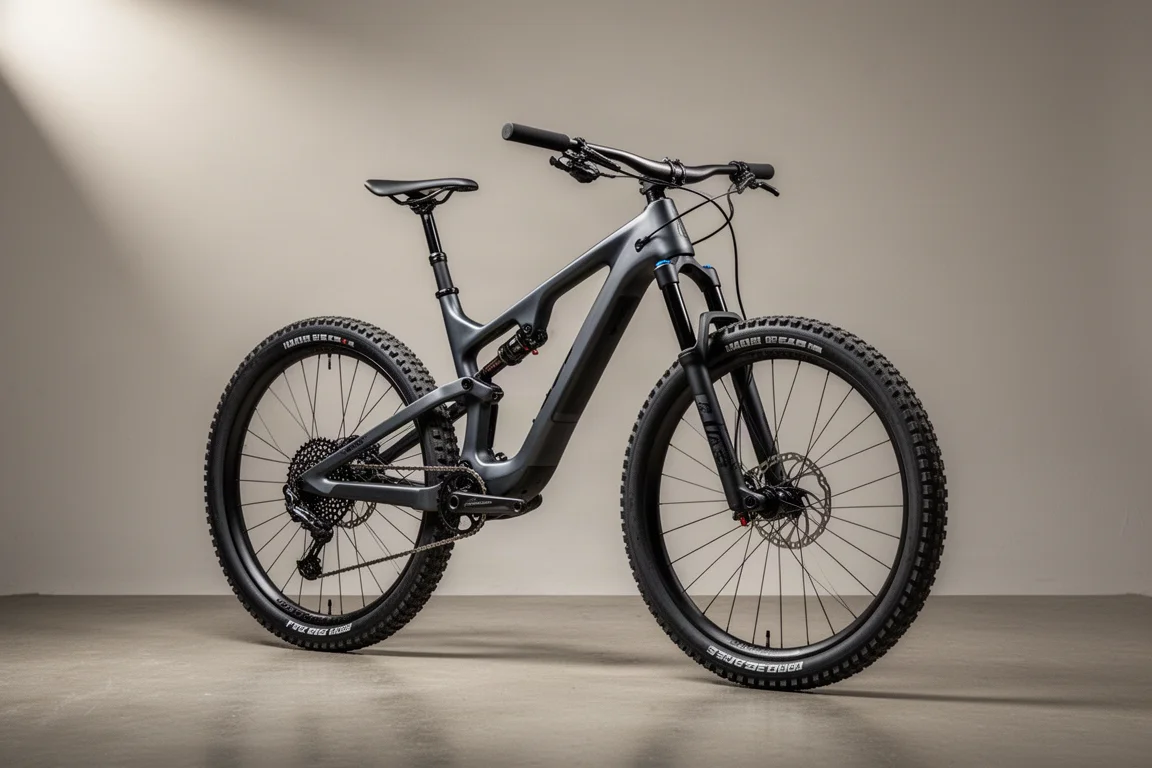
For the latest generation, Canyon reworked the frame and pushed the geometry in the same direction as much of the industry, with longer front centres, slacker angles, and shorter seat tubes. The result is a more modern silhouette and a bike that is meant to stay capable across a wider spread of terrain.
Who the Canyon Neuron CF9 SL Is For
The Neuron is not trying to be a specialist. It is aimed at riders who want one bike that handles long days out as comfortably as it handles a fast local loop, and who would rather have efficiency and predictability than a machine that demands to be pushed everywhere.
If your riding is mostly trail centre loops, flowing singletrack, and long climbs followed by descents that do not tip into downhill territory, the CF9 SL fits that brief well. It also suits riders who cover a lot of ground and do not want to arrive at the top of a climb drained. Those who want a bike with a sharper, more aggressive character should look at the Spectral range instead, since the Neuron deliberately trades some of that attitude for comfort.
Frame, Geometry, and Suspension Updates
Canyon offers the Neuron in both carbon and aluminium, and the two frame constructions share the same suspension travel, kinematics, and geometry, so they should ride in a broadly similar way. The carbon frame does carry a few more sophisticated details: its seat tube is straight, so it accepts a longer dropper post insertion depth, and its internal cable routing runs through sleeved guides, whereas the aluminium frame’s routing runs only through the down tube.
The numbers have moved meaningfully. The effective seat tube angle steepened by 1.5 degrees to 76 degrees, which Canyon says improves pedalling performance, traction, and front wheel control on steep trails. The head tube angle slackened by 1.5 degrees to 66 degrees for better stability at speed. Reach grew too, with a medium frame stretching by 22mm from 433mm to 455mm, and seat tubes lost 20mm of length to make room for longer droppers, which come fitted as standard.
Suspension is Canyon’s triple phase design, delivering 130mm of rear wheel travel and matched to a 140mm fork up front. Around that, Canyon focused on durability and usability: a wider main pivot for rigidity, reinforced pivot bolts, new double lip seals, and a special grease intended to keep contamination out of the bearings. Sealed cable routing runs from the headset to the rear of the stays.
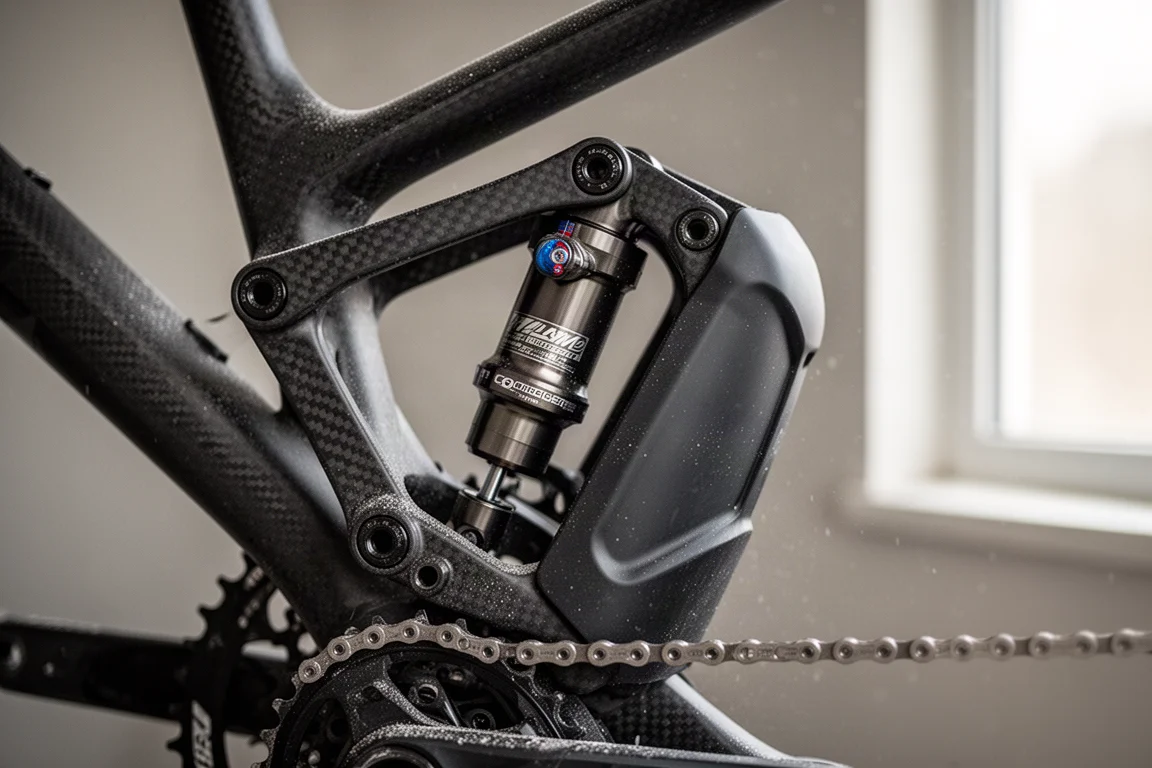
Protection is unusually thorough for this category. A bolt-on down tube protector can be unscrewed and replaced if it is damaged beyond repair. The chainstay protection includes a change shield, a part that sits flush against the chainring near the yoke area to stop the chain jamming between the chainring and the chainstay. There is also an upper chain guide mounted near the main pivot to keep the chain in place over rough ground. The frame accepts a bottle cage, has mounts for a down tube load bag, and uses SRAM’s universal derailleur hanger. Internal frame storage was left out in favour of simplicity and low weight.
Climbing Performance and Efficiency
With its low weight and fast rolling tyres, the CF9 SL covers ground efficiently and lets you hold speed without burning through your energy reserves. The updated seated position puts the rider in a comfortable place to produce a strong pedal stroke, which helps on steeper or more technical climbs.
The rear suspension is a little active with the shock fully open, and on smooth climbs the climb switch is worth using. The middle position works particularly well here, firming up the rear end without introducing the harshness of a full lockout. Over rough ground, the supple suspension lets the rear wheel track the surface and maintain grip.
The rear tyre is the limiting factor. The Wicked Will fitted out back quickly runs out of depth in greasy conditions, though on the rockier trails typical of a trail centre it performs strongly, and its low rolling resistance is a real bonus on longer rides. Even with the 66 degree head tube angle, the front end remains easy to control through twisting climbs and uphill hairpins. On the steepest terrain, the fairly tall stack height means shifting your weight forward to keep the front wheel tracking, but for most climbing this is not an issue. Taken as a whole, the CF9 SL is a versatile climber that gets you to the top without turning the ascent into a chore.
Descending and Trail Manners
Flowing singletrack is where the Neuron is at its most fun. The speed it carries down the trail and its reactive handling give the bike a lively feel, while the travel on offer means it stays composed in rougher terrain, so a large bump early in a descent does not feel like it will pitch you off. In slower, twistier singletrack, the geometry lets you weave through tight lines with ease and build speed again if you stall on an awkward section.
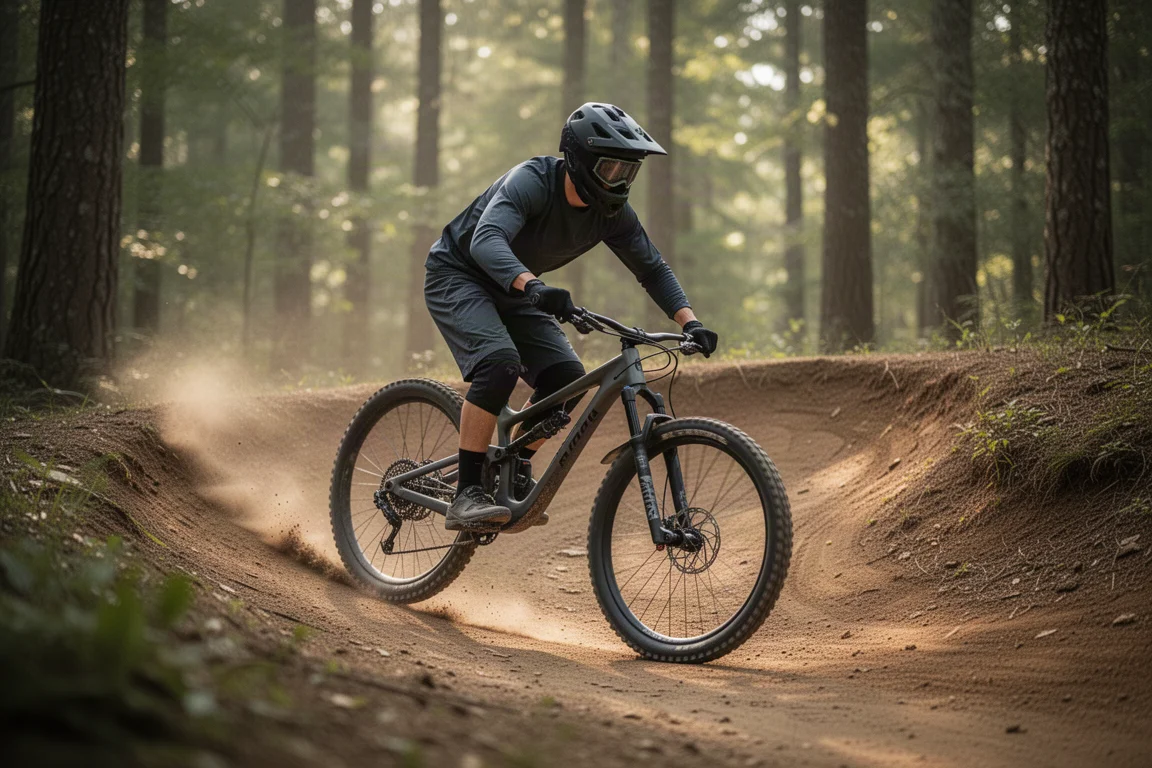
On descents the bike is comfortable across a wide variety of trails. On flowing blue trails it delivers an engaging ride, happy to rail berms, pump, and jump. As things get rougher, the progressive suspension does a decent job of isolating the rider from bumps without blowing through its travel. Even so, it takes a surprising amount of hard riding, probably beyond where the bike feels most at home, to use the full stroke of the shock. Removing a volume spacer, or fitting a smaller one, would give a more linear feel and allow full travel to be used while still running less sag for efficiency.
Despite its more relaxed remit compared with the Spectral range, the Neuron is surprisingly capable on off-piste and steeper trails, and in those situations you reach the limits of the tyres before the limits of the frame, suspension, or brakes.
Component Highlights: Brakes, Drivetrain, and Cockpit
The specification is a strong point of this build. Suspension comes from Fox at Factory level, with a 140mm travel 34 Fit 4 fork and a Float DPS shock. A standout inclusion is the SRAM Code RSC brakes with a 200mm front and 180mm rear rotor, a substantial upgrade for a trail bike and one that measurably boosts confidence on difficult terrain. Braking performance is excellent.
The drivetrain is a full SRAM GX Eagle groupset. The bike rolls on carbon DT Swiss XMC wheels wrapped in a Schwalbe Nobby Nic front and Wicked Will rear tyre combination. A stiff 760mm wide Race Face Next 35 carbon handlebar and a Race Face Turbine stem sit up front, with a Canyon G5 dropper post and an Ergon saddle finishing the build.
The front end of the bike is noticeably stiff, which comes partly from the handlebars, the carbon rims, and the damper inside the fork. On longer descents this tends to feed vibration back into the hands. A more forgiving handlebar and a suppler damper would help here. In the corners, the bike is agile and easy to flick from side to side, while the low bottom bracket creates a feeling of stability and calm.
Things to Consider Before Buying
There are a few points worth weighing up before committing. The rear tyre is the weakest link in the specification, and riders who spend time on greasy or loose surfaces will likely want to change it. The stiff front end transmits more feedback into the hands than some riders will want on long descents, so a cockpit swap may be on the cards.
The suspension character also deserves a thought. The shock needs to be pushed hard to use full travel, so lighter or less aggressive riders may want to revalve the air spring with a smaller volume spacer to make the most of the 130mm on offer.
If internal frame storage matters to you, note that Canyon deliberately left it out here in favour of simplicity and low weight. Riders who need to carry a lot on the frame will still find a bottle cage mount and down tube bag mounts.
Finally, there is the question of which build makes sense. The CF9 SL is the second most expensive model in an 11-bike range that spans carbon and aluminium frames, with the base Neuron 5 starting at $1,849 and the range-topping CF LTD reaching $5,749. There are five frame sizes, with the two smallest running 27.5-inch wheels and the three largest on 29-inch wheels. Canyon also offers three women’s specific bikes, which use the same unisex frames but come with a women’s saddle, narrower 740mm handlebars on all sizes, and a distinct paint scheme. A Neuron Young Hero Edition is available in 2XS and XS for £1,499, designed to fit riders down to 144cm with suspension tuned for weights as light as 30kg, using smaller 650b wheels, shorter cranks, and narrower 700mm handlebars.
Buying Advice
The CF9 SL makes the most sense for riders who want a high-spec trail bike without moving into the more aggressive end of the range. The brakes alone are a meaningful addition at this level, and the Fox Factory suspension and carbon wheels round out a build that would be expensive to replicate elsewhere.
If your priority is covering ground quickly while still having real capability on the descents, this is a coherent package. It can handle longer adventures and quick laps of the local woods, and the updated geometry and suspension give plenty of security on the trails it is most likely to meet.
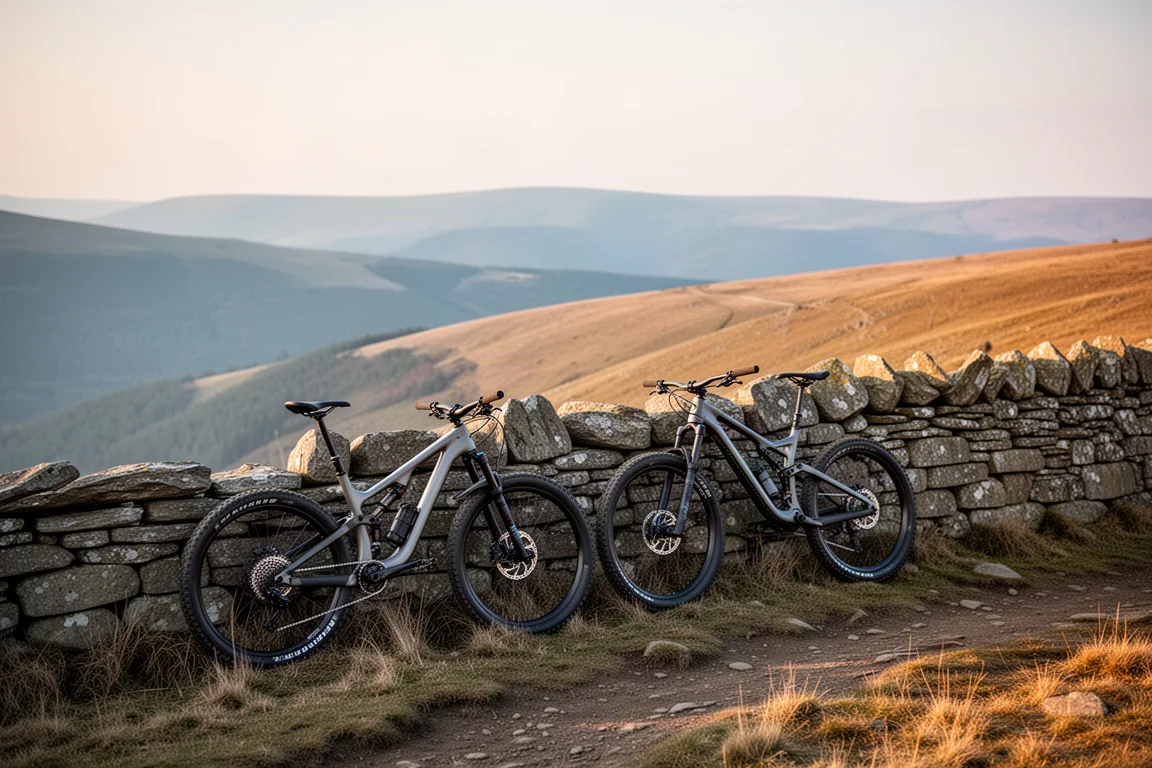
Riders on a tighter budget should not overlook the aluminium models in the range, since they share the same travel, kinematics, and geometry. Riders who want a bike with a sharper, more aggressive edge should look at the Spectral line instead. For a versatile all-rounder that does not pigeonhole itself, the Neuron is worth a serious look.
Conclusion
Canyon set out to make the Neuron a bike that works for a wide spread of riders and terrain, and the CF9 SL delivers on that brief. It climbs efficiently, feels lively on flowing singletrack, and stays composed when the trail gets rougher. The specification is generous for the price, the brakes are excellent, and the frame updates bring the geometry in line with what modern trail riders expect.
The compromises are clear rather than hidden: tyre choice, front end stiffness, and a suspension tune that takes hard riding to use fully. None of them are deal breakers, and all of them are addressable. For riders who want one bike that can do a bit of everything well, the Neuron CF9 SL is a confident recommendation.
Product link
View more details for Canyon Neuron CF9 SL
This product is mentioned in the review. Check the specifications, options, and compatibility before buying.
View more details for Canyon Neuron CF9 SLFurther reading
Related Reviews
Mountain Bikes
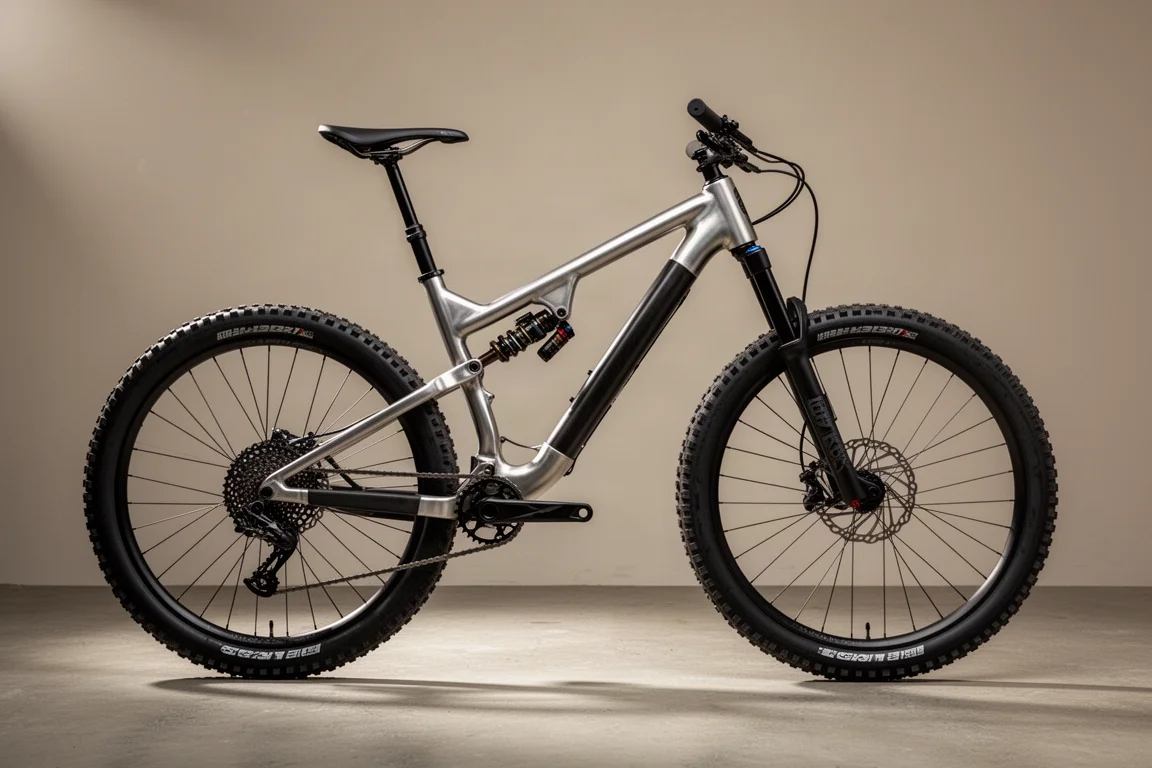
Atherton AM.130 Review: 3D-Printed Titanium Lugs and a 130mm Trail Bike That Descends Like a Bigger Machine
The Atherton AM.130 pairs 3D-printed titanium lugs with carbon tubes and a DW6 suspension platform. Here is how it rides, what the build delivers, and who it suits.
Mountain Bikes
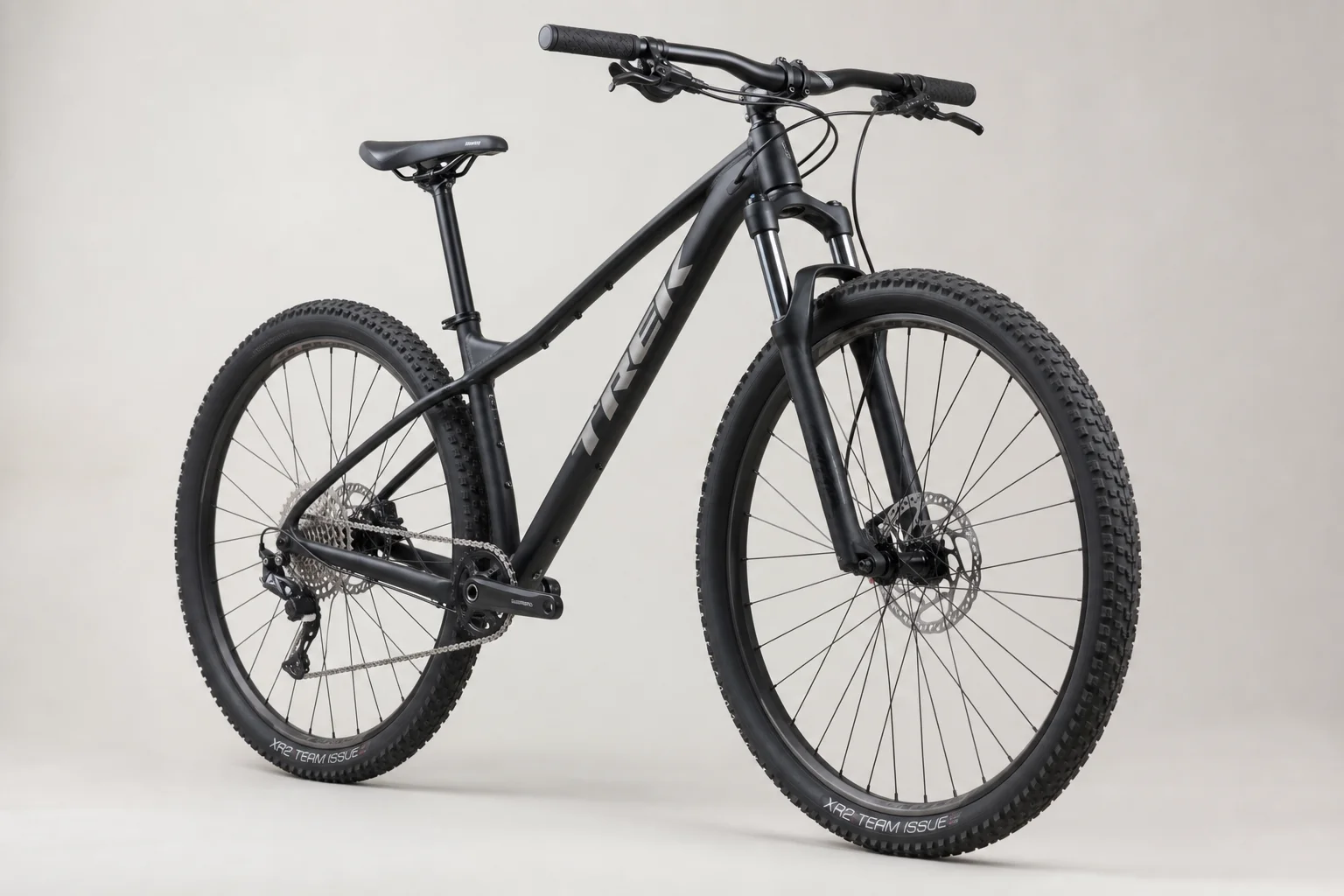
Beginner Mountain Bike Buying Guide: What to Look For in a Trailworthy Hardtail
A practical framework for evaluating beginner mountain bikes, whether new or used, by examining key components that indicate real trail capability.
Mountain Bikes
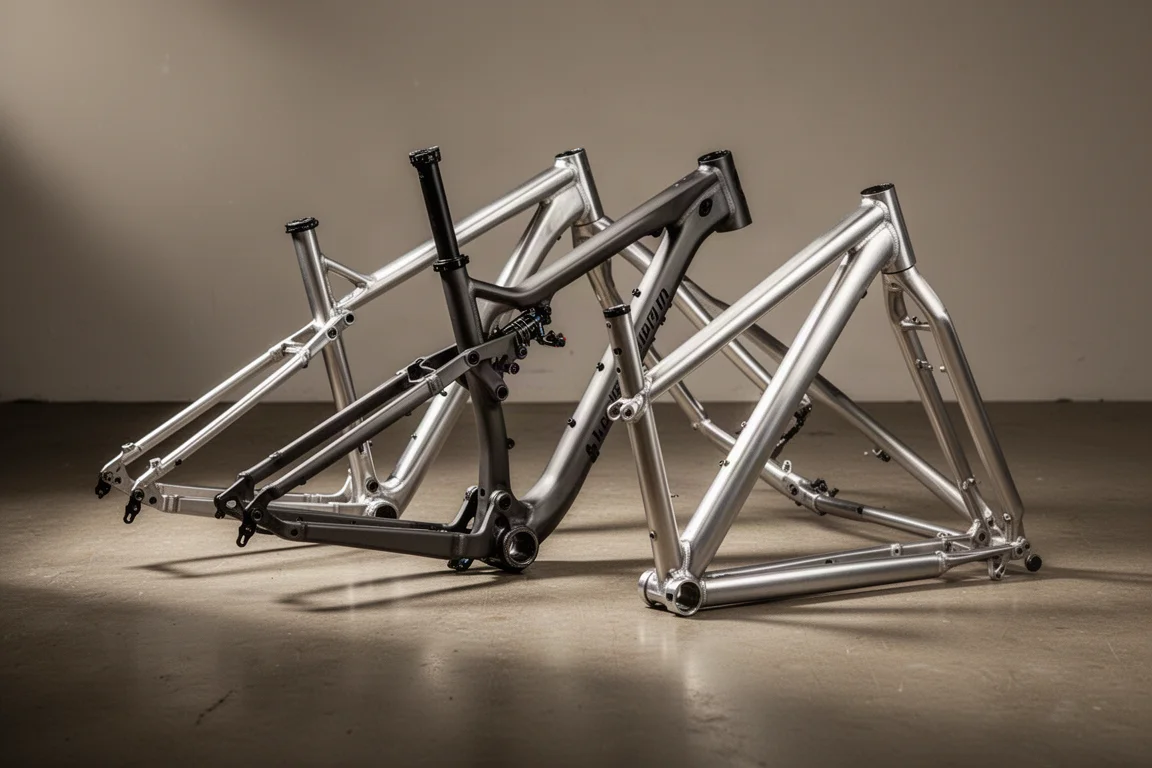
Best Aluminum Mountain Bikes 2026: Five Alloy Bikes Worth Your Attention
Five aluminum mountain bikes that show how far alloy has come, from a 120mm trail bike and a versatile machined frame to a 180mm freeride machine.