Mountain Bikes
Canyon Lux World Cup CFR Review: A Single-Minded XC Race Bike
A lightweight cross-country race bike with a premium build, sharp geometry and a deliberately firm rear suspension. Here is what to weigh up before buying.
Introduction
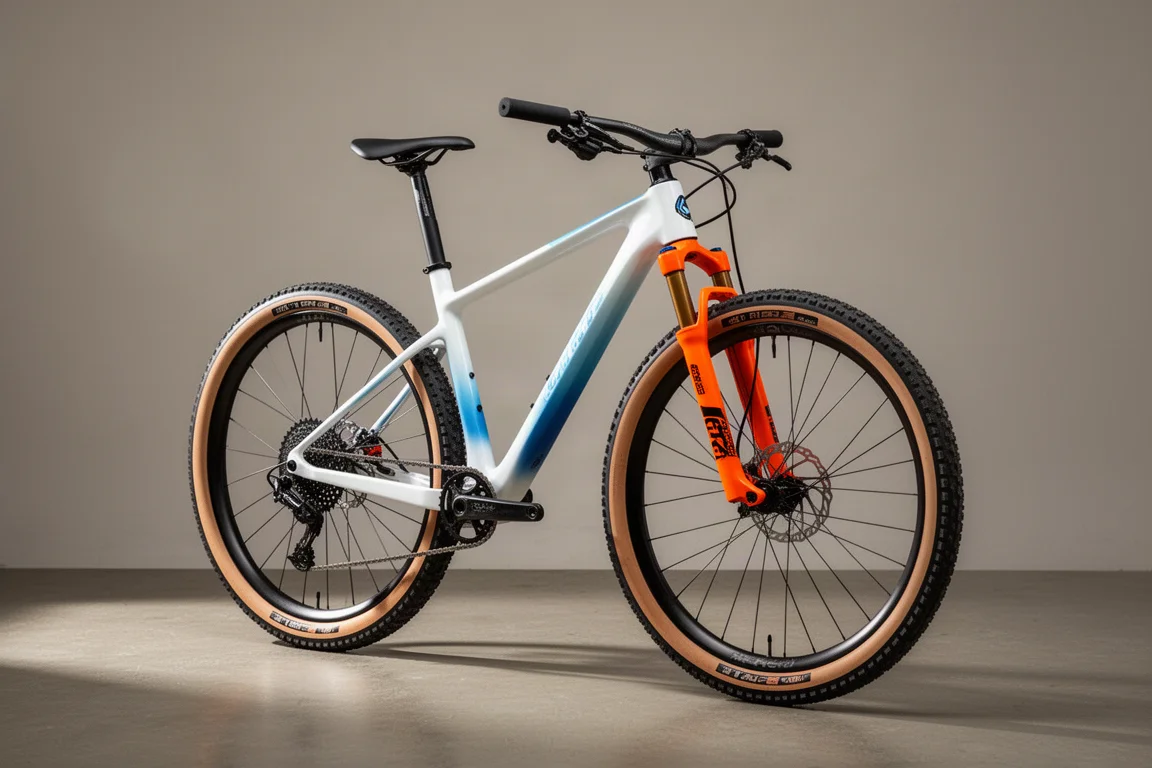
The Canyon Lux World Cup CFR is one of the fastest cross-country mountain bikes in the current Canyon range, and almost every design decision on it points the same way: speed. The CFR platform has been substantially updated with a lighter carbon frame, 100 mm of travel front and rear, and geometry that is longer, slacker and more progressive than before. The build covered here is one of two CFR top-line specifications, sitting just below the most expensive version. In a size large, without pedals, it weighs a claimed 10.7 kg, which is genuinely light for the components involved.
The price is £6,700, which is a great deal of money, but context changes the picture. A comparable Trek Supercaliber with the same groupset and carbon wheels would cost around £11,000, so this bike comes in at nearly half the price of that comparison while still being dressed in premium equipment. Riders who want the same frame for less have a sensible alternative: the CF model starts at £2,900, using the same frame with a different carbon layup, Shimano SLX components and roughly a two kilogram weight penalty.
Who this product is for
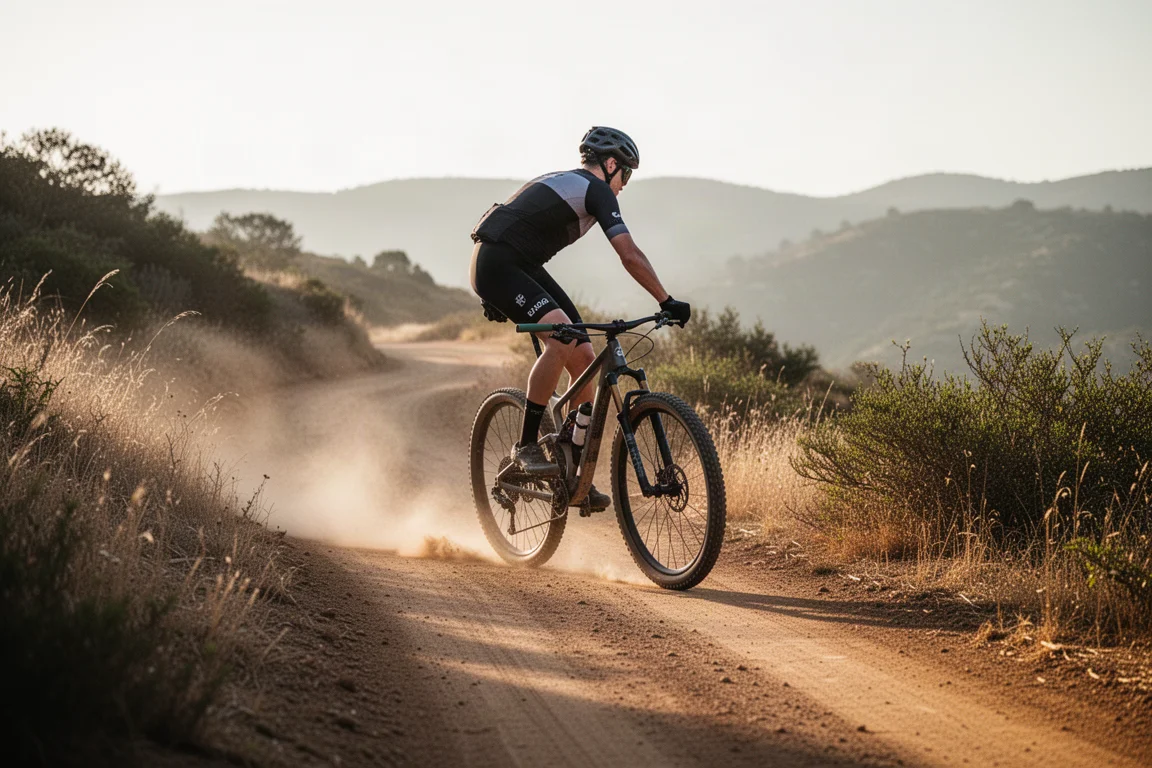
This is a bike for riders whose priority is going as fast as possible, particularly on cross-country race courses. It suits marathon and XC racers who value low weight, efficient pedalling and a firm, taut feel under power, and it suits anyone who simply enjoys riding local trails at maximum pace.
It is a less natural fit for riders who want a comfortable, compliant trail companion. The suspension is tuned for speed rather than cushioning, and the geometry is honed rather than relaxed, so the rider has to do more of the work. Riders planning long-distance adventures, marathon stage events or bikepacking trips should look elsewhere in the range, where a bike such as the Lux Trail offers more travel and a wider bandwidth of use.
Main strengths
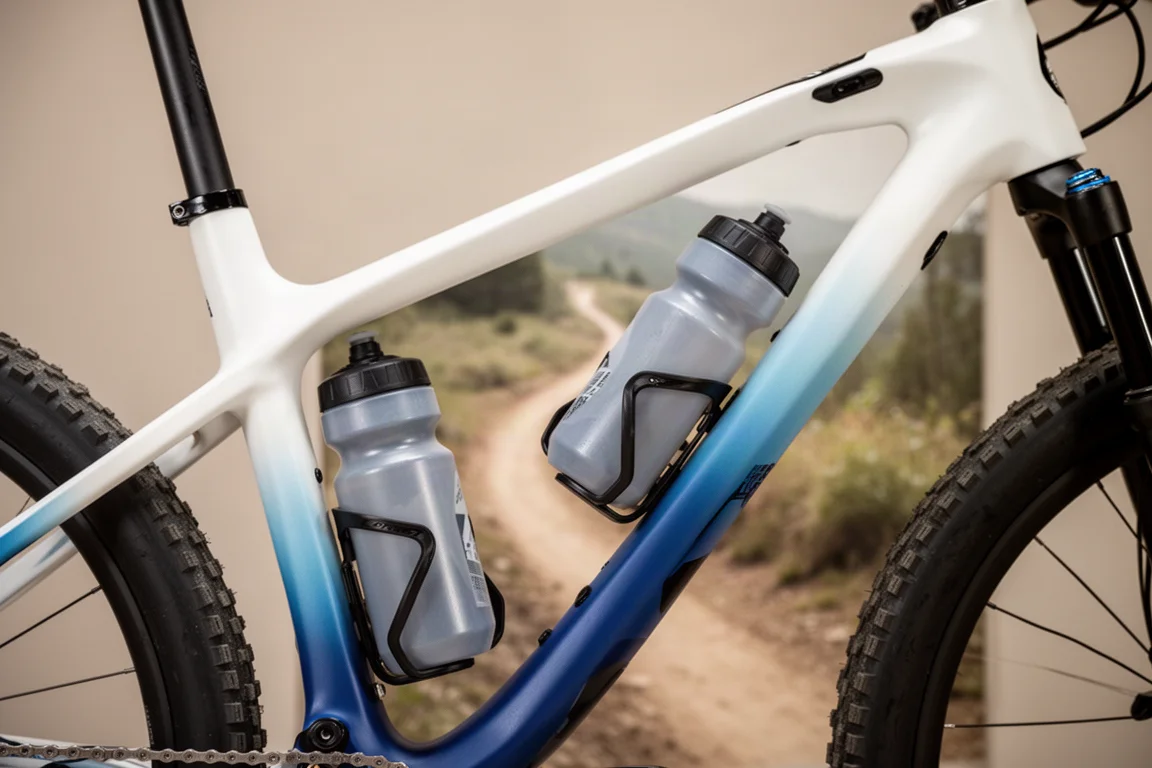
The headline strength is the weight and stiffness of the frame. Combined with a firm rear end and fast-rolling tyres, the bike accelerates hard and carries speed with very little effort. There is space in the mainframe for two water bottles, which means hydration packs can stay at home on race day and long training rides. The rear through axle has a lever built into it that retracts, so wheel changes at the trailside need no tools. Ceramic Speed SLT bearings in both the headset and the main pivot add long-term durability and peace of mind. Tyre clearance runs up to 2.5 inches, giving room for big rubber or generous mud clearance in winter conditions.
The one-piece carbon fibre handlebar and stem is a real highlight. It looks sharp, and the stem length, bar reach and overall shape work well. The component specification leaves little to fault. The Shimano XTR 12-speed mechanical drivetrain shifts lightly at the lever, stays quiet and precise, and needs no charging, which is a reminder of how good mechanical shifting remains. The DT Swiss carbon wheels are another standout: low-profile, wide carbon rims keep the weight down, and the DT180 hubs spin up quickly with fast freehub engagement. Being DT Swiss, they are also easy to service and straightforward to source spares for.
Handling and suspension performance
The ride is defined by its focus. Climbing is where the bike shines most, and the low weight, stiff frame and efficient pedalling position make steep ascents feel noticeably quicker. Descending is fast but demanding. The longer, slacker geometry brings it closer to the trail bike end of the spectrum than the outgoing version, yet it never becomes an enduro sled. It covers ground quickly, but it asks for full attention at all times. The rider is in charge, and the bike does not flatter a passive approach. For courses that are technical without being savage, that trade-off is easy to accept.
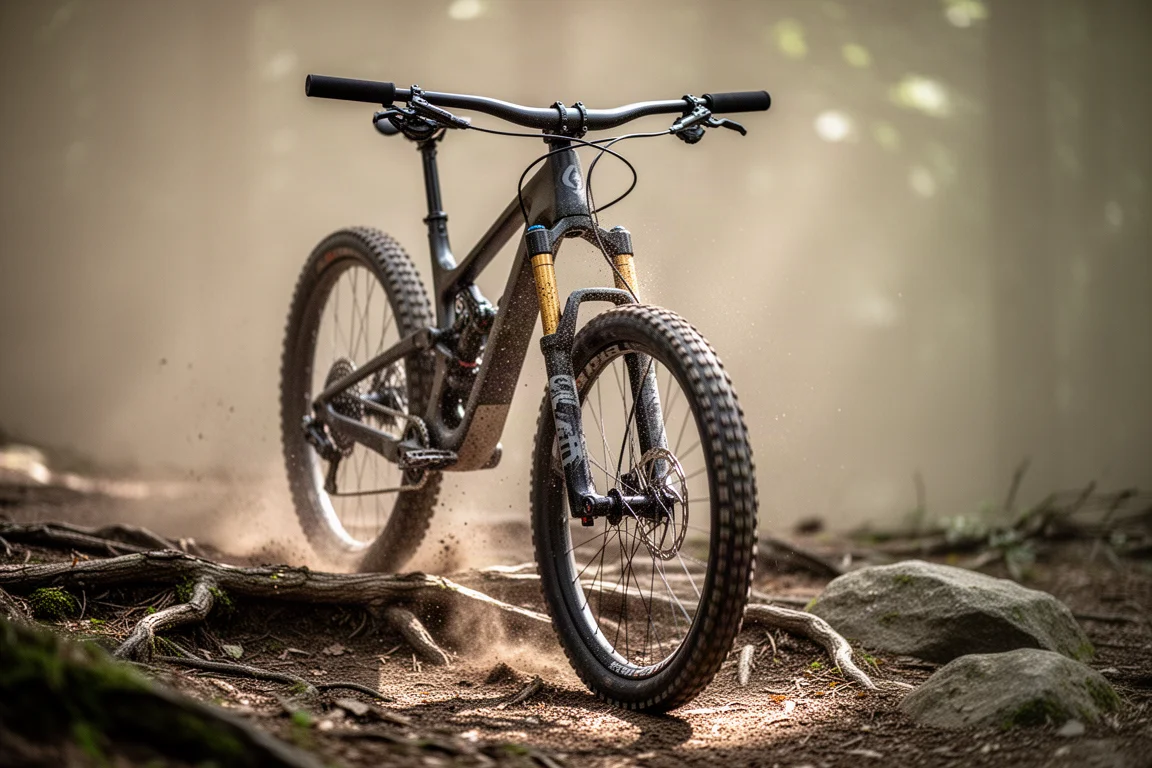
Suspension is 100 mm front and rear, with Fox dampers controlled by a single dual lockout lever. The fork is stiff enough for a bike of this class, handles small bumps well and still copes with bigger impacts, and setup to rider weight is quick thanks to the adjusters on the back of the fork. The rear shock behaves quite differently. It stays firm and taut under pedalling, rarely bobbing or moving around, and at times it feels close to a hardtail. It absorbs larger hits from roots, rocks and drops effectively, but it is reluctant over small and medium impacts and will not deliver a plush, compliant ride over rough ground. It exists to help the rider go fast, not to smooth out the trail.
Things to consider before buying
The most significant omission is a dropper seat post. Without one, steep and technical descents are harder work, and it is the first change worth making if you buy the bike. A dropper adds weight, but the trade is well worth it for most riders.
The one-piece bar and stem is superb as it comes, but it also locks you in. If you want a longer or shorter stem, a wider bar or a different bar shape, changing it is not straightforward. Cable routing through the steering tube is another point to weigh up. It produces a tidy head tube junction with no ports along the down tube, but servicing the headset bearings becomes more involved, which matters on a mountain bike regularly exposed to mud and grit. A tangle of cables still gathers at the front of the bike regardless.
Rebound adjustment on the rear shock is fiddly because the shock is recessed into the top tube. Canyon supplies a small Allen key that lives on a cable at the front of the bike for the job, and it is a task most riders will only repeat once or twice while dialling in their setup.
Buying advice
If you race cross-country, or you ride purely for the thrill of going quickly, this bike is one of the most compelling options available, and the value against comparable premium race bikes is strong. The XTR drivetrain, DT Swiss carbon wheels and Fox suspension make a coherent, race-ready package that needs very little attention out of the box. Budget for a dropper seat post if your terrain includes steep descents, and accept the firm rear suspension as part of the design rather than a flaw.

The CF model deserves serious consideration too. It shares the frame for £2,900, and while the weight penalty is around two kilograms, that is modest and can be trimmed later with wheel and component upgrades. For most riders, that is the more sensible entry point into the platform.
The honest caveat is scope. This bike is uncompromisingly built for racing and fast riding, and it is not the right match for everyone. If your riding is mostly relaxed trail cruising, long-distance adventures, marathon events with rough terrain or bikepacking, a more versatile platform will serve you better. If, on the other hand, speed is the point, this bike delivers it in a way that few others do.
Conclusion
The Canyon Lux World Cup CFR is a focused, fast and impressively light cross-country race bike with a premium specification and a price that looks reasonable next to its closest competitors. It rewards riders who want to be fully engaged, and it makes going quickly feel effortless. Provided you accept the firm rear suspension, the fixed bar and stem, and the absence of a dropper post, it is a very strong choice for racing and fast trail riding.
Product link
View more details for Canyon Lux World Cup CFR
This product is mentioned in the review. Check the specifications, options, and compatibility before buying.
View more details for Canyon Lux World Cup CFRFurther reading
Related Reviews
Mountain Bikes
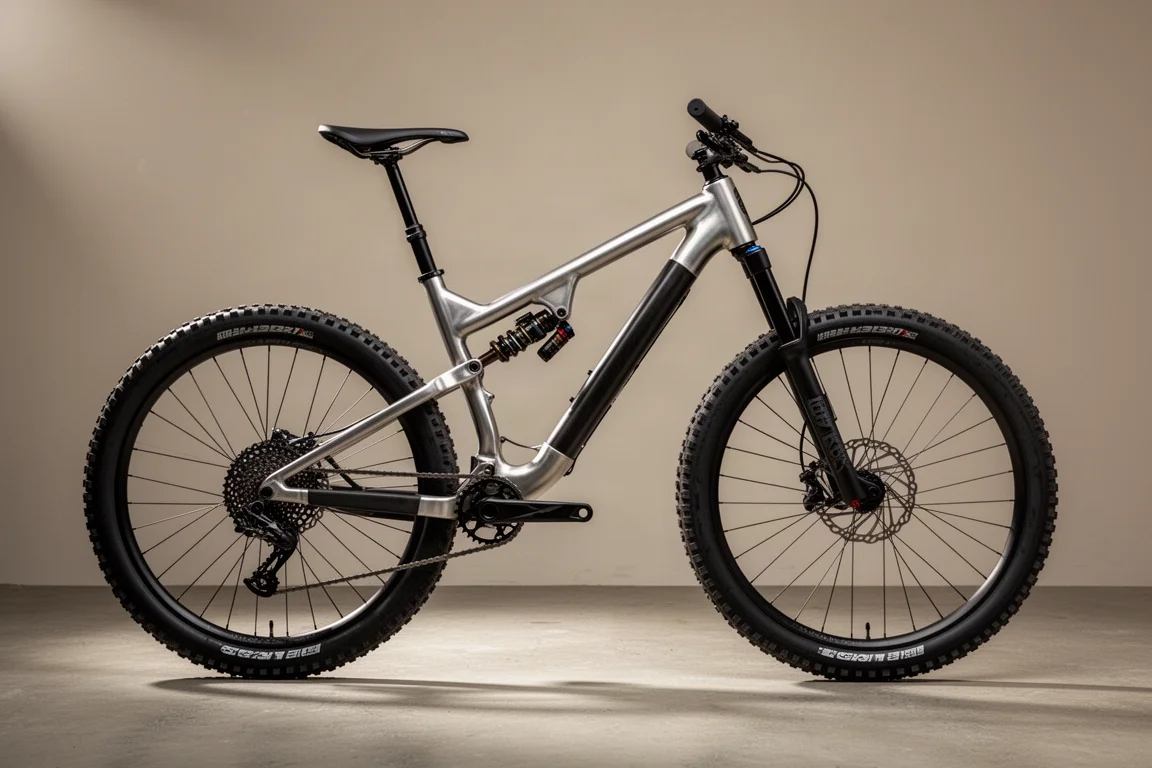
Atherton AM.130 Review: 3D-Printed Titanium Lugs and a 130mm Trail Bike That Descends Like a Bigger Machine
The Atherton AM.130 pairs 3D-printed titanium lugs with carbon tubes and a DW6 suspension platform. Here is how it rides, what the build delivers, and who it suits.
Mountain Bikes
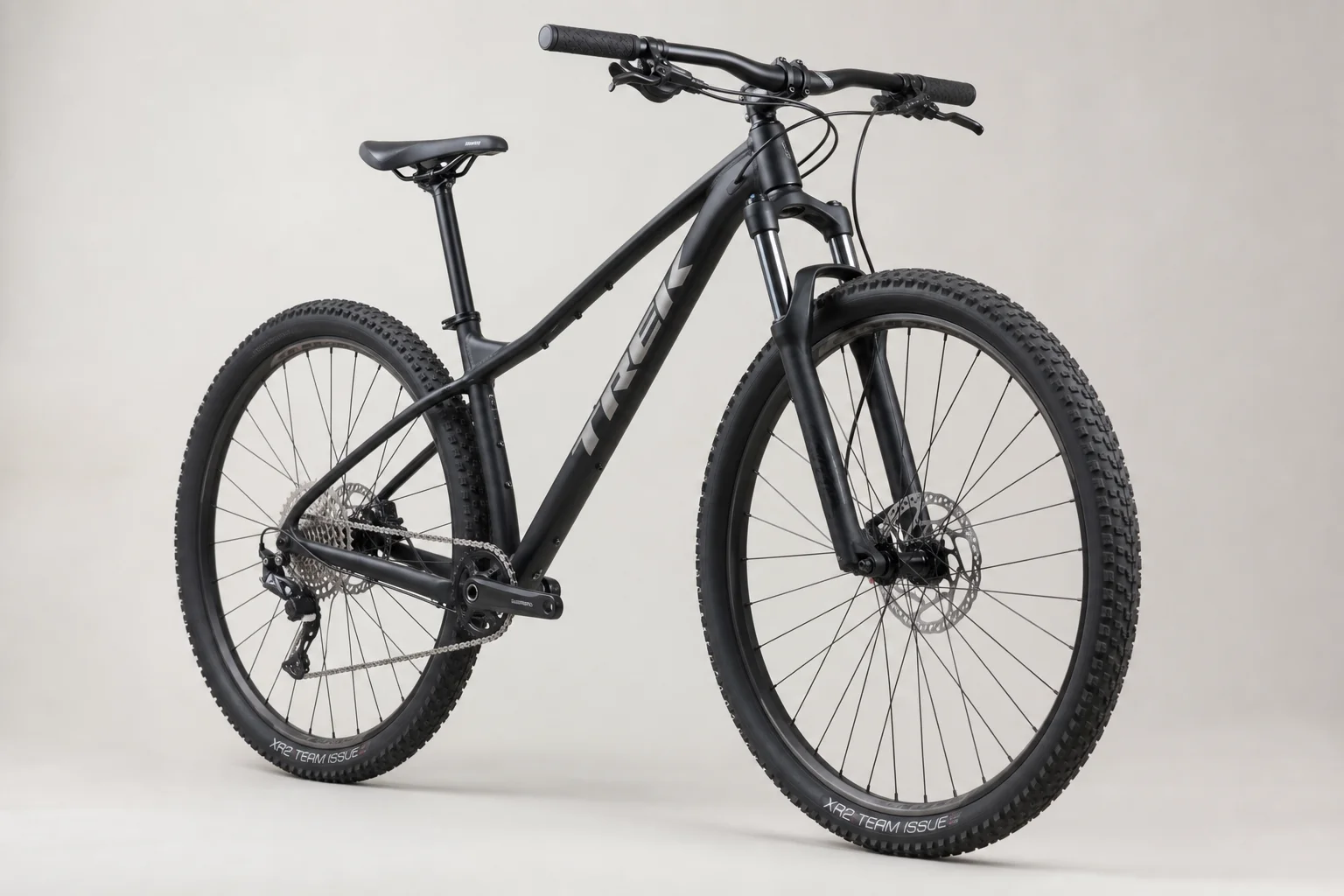
Beginner Mountain Bike Buying Guide: What to Look For in a Trailworthy Hardtail
A practical framework for evaluating beginner mountain bikes, whether new or used, by examining key components that indicate real trail capability.
Mountain Bikes
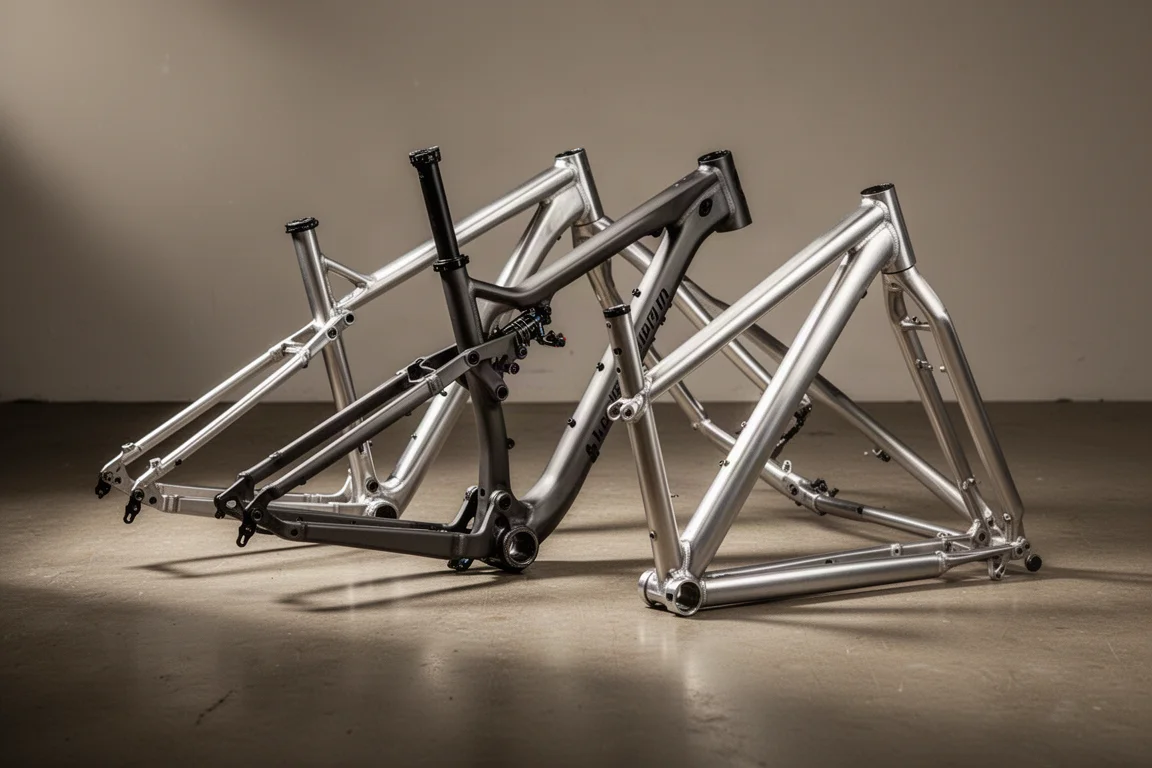
Best Aluminum Mountain Bikes 2026: Five Alloy Bikes Worth Your Attention
Five aluminum mountain bikes that show how far alloy has come, from a 120mm trail bike and a versatile machined frame to a 180mm freeride machine.