Mountain Bikes
Canyon Lux Trail Review: A Lighter, More Capable Short-Travel Trail Bike
The redesigned Canyon Lux Trail moves away from race-day stiffness toward a more active, more composed short-travel trail bike with clever frame storage.
Introduction
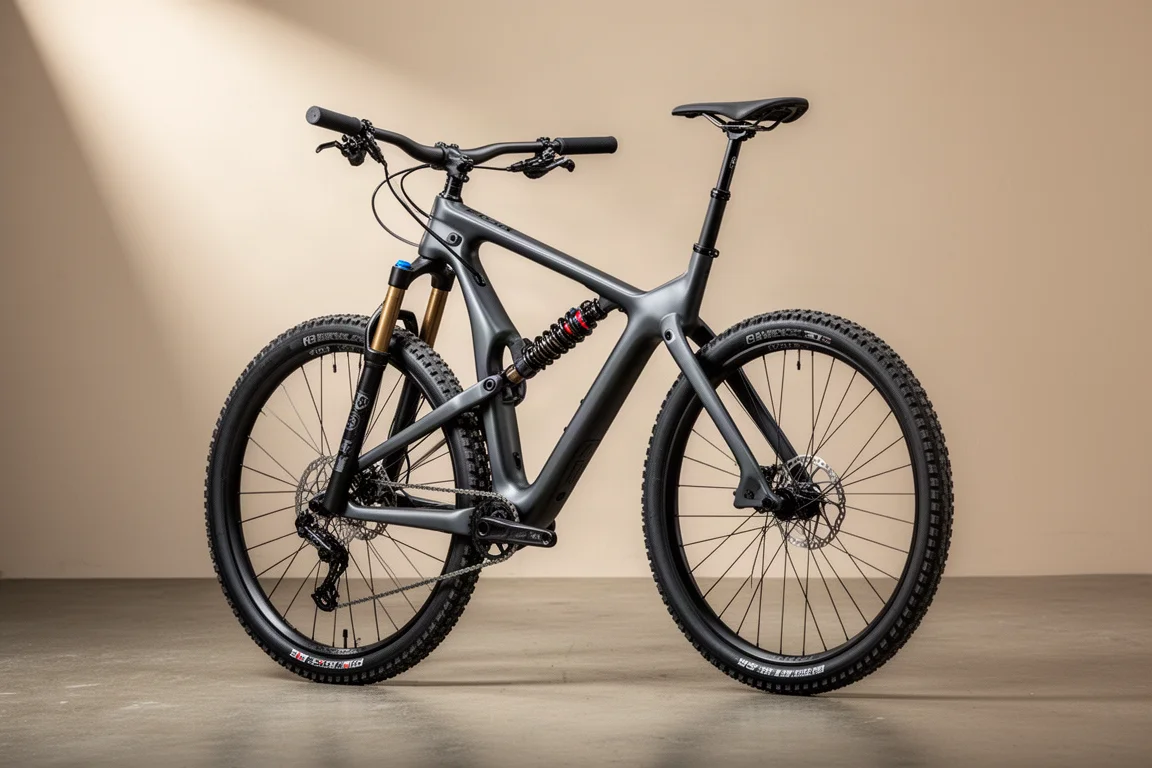
The Canyon Lux Trail is the longer travel, slacker and more fun focused version of Canyon’s Lux XC World Cup race bike. The first generation arrived around two years ago, and this new model has been redesigned from the ground up with the clear aim of pushing it further into down country territory and making it a better bike away from the racetrack.
The headline changes are structural rather than cosmetic. The geometry has been revised with a slacker head angle and a steeper seat angle, the latter intended to put the rider in a better seated position and address the excessive length of the outgoing bike. Travel stays broadly similar, at around 120mm up front, but a new hanging rocker linkage now drives a top tube mounted rear shock, which gives Canyon far more freedom to tune how the suspension behaves.
Carbon is the only frame material in the new line-up, offered as CF SLX or CFR, and the range runs from just over £3,000 to £8,000 for the range topping CFR model. The claimed frame weight is 2kg, which is competitive, though it sits roughly 300g heavier than the very lightest frames in this category.
Who This Bike Is For
This is a bike for riders who like to ride fast but are not racing. The appeal is bandwidth: more margin for error than an XC race bike gives you, without giving up the low weight and climbing efficiency that make long days out feel manageable.
It also suits riders who want one bike to cover a lot of ground. The frame carries two bottles, there is genuine on-board storage, and the seated position has been improved, all of which point towards long distance rides, big days out and bikepacking trips rather than pure lap times.
If your priority is squeezing out the last few watts on a race course, a dedicated cross country machine will still be the sharper tool. If your priority is having more fun on technical terrain while keeping the climbs quick, this is the more sensible choice.
Main Strengths
The most convincing part of the new Lux Trail is how much more usable it feels across a whole ride, rather than in one narrow set of conditions.
Suspension and Linkage
The new hanging rocker linkage activating the top tube mounted rear shock is the single biggest change. It allows Canyon to tune the suspension to be more active, supple and supportive than the Lux XC World Cup race bike, and the result is a bike whose suspension is working all the time rather than sitting firm and reluctant until a hard impact forces it into action.
A handlebar remote controls both the fork and the shock, switching between fully open, a pedal mode and a fully locked out setting. That gives you a quick way to settle the bike on smooth climbs without giving up composure when the trail turns rough again.
The rest of the frame details follow a practical theme. The bottom bracket is threaded rather than press fit, matching the direction most brands have moved back towards. There is room for two bottles inside the front triangle, with a 600ml bottle on the seat tube and a 750ml bottle on the down tube, which matters on long rides where you would rather carry water on the frame than on your back.
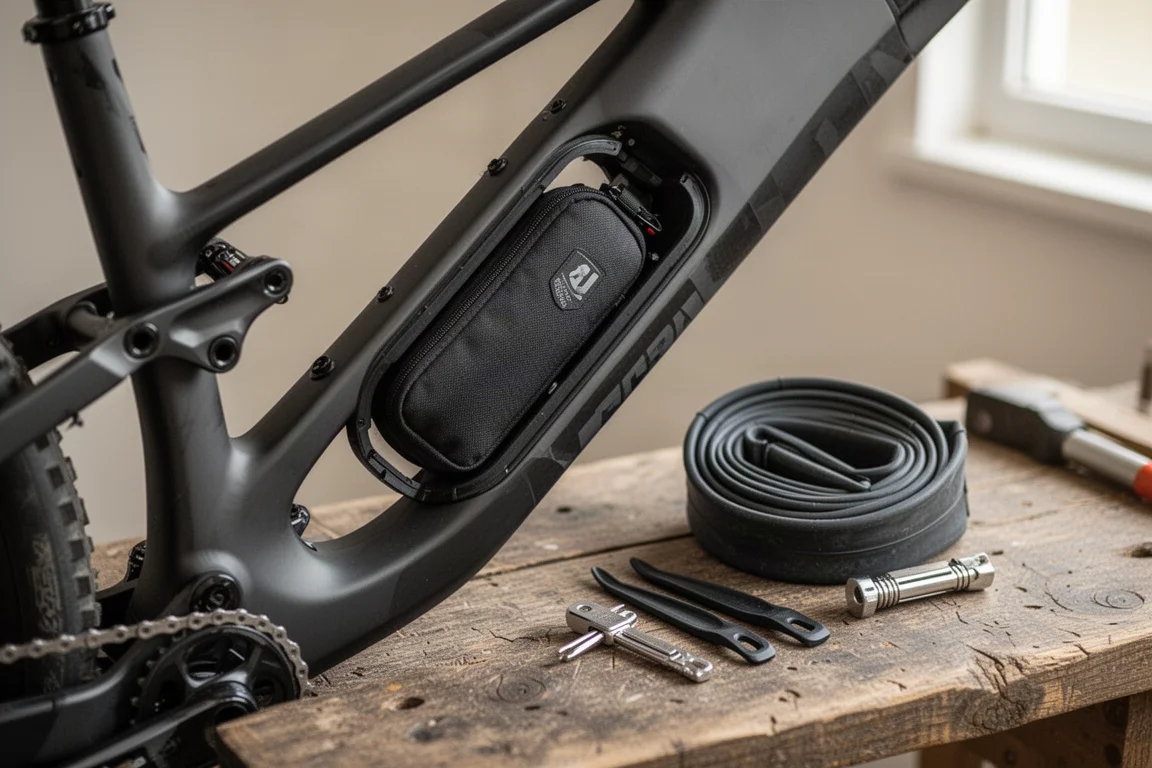
Frame storage has also arrived on this model. A hatch in the down tube, opened with a neat ergonomic dial, reveals a CO2 canister and a bag holding an inner tube, with tools, tyre levers and a plug stored underneath. A multi-tool sits beneath the top tube and pulls out for quick saddle height or stem adjustments. The storage is tight but well considered, and there is enough volume that a lightweight thermoplastic inner tube swap could free up a little weight.
Geometry and Climbing Manners
On the climbs, the Lux Trail pedals very well. Looking down, the suspension is clearly moving and can appear to bob, but the sensation through the bike is efficient rather than wasteful. Riders who are sensitive to that movement can twist the dial into pedal mode, which cuts out the excess motion while still allowing the shock to move for medium impacts, so traction and comfort remain intact. Between the open and pedal settings, this is a very well mannered climbing bike.
The steeper seat angle puts the rider further forward over the bottom bracket for better pedalling performance, and combined with the slacker head angle the fit feels natural rather than cramped. At 11.6kg the bike is not holding anyone back on the way up, and the revised suspension tune makes long seated efforts noticeably more comfortable than a firm race setup.
Descending Confidence
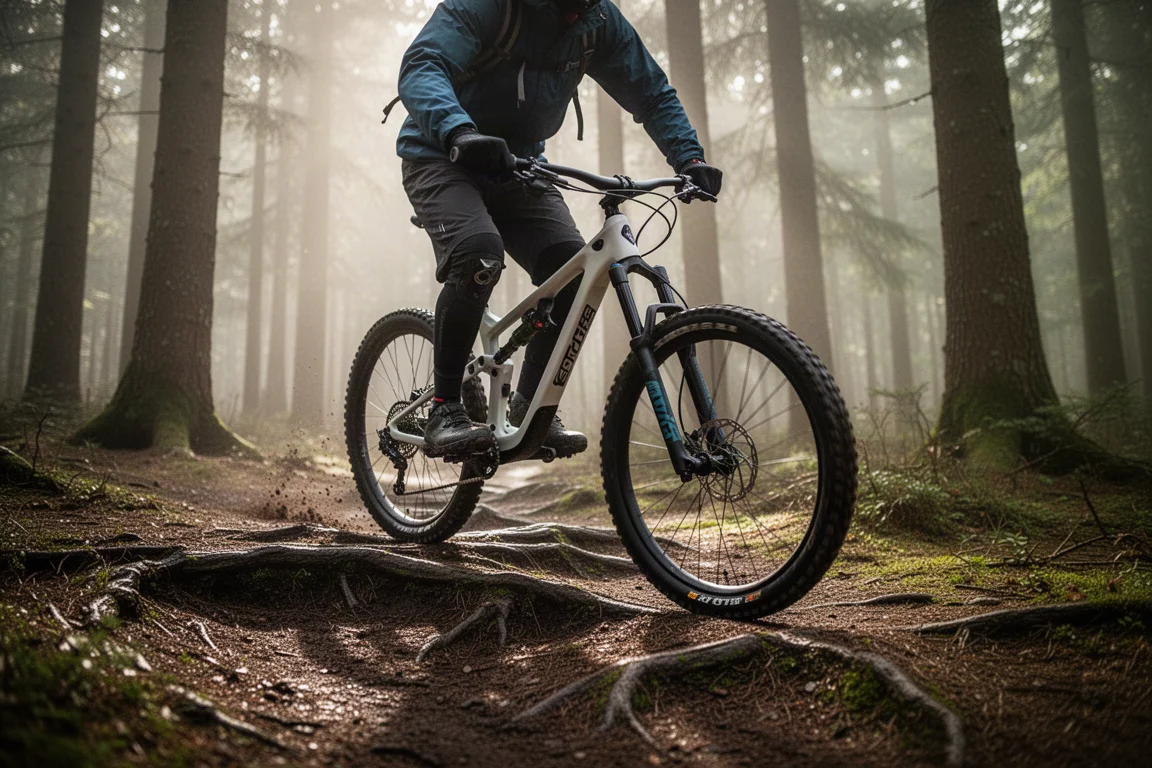
The contrast with the cross country bike is stark. The Lux Trail feels settled over bumps and through corners, with far more composure and a sense of being a long way from the limit rather than perched on a spiky edge. It rides like a mini trail bike, a smaller sibling to a longer travel machine, and that is exactly the character the previous version lacked.
A large part of that comes from the RockShox SID fork and rear shock. The combination offers genuinely high quality suspension performance, sensitive off the top, supportive in the mid stroke and capable of handling bigger impacts, with plenty of stiffness from the fork. A dropper seatpost is fitted as well, paired with a fairly short seat tube, which leaves room to fit a longer dropper for more drop and more clearance when it is needed most.

Things to Consider Before Buying
A few details are worth weighing up before committing, and they are the sort of things that only a longer period of ownership will fully answer.
Internal cable routing is used throughout. That keeps the frame clean but is a divisive choice, particularly for anyone who does their own maintenance. The one piece bar and stem is another fixed element: as with Canyon’s road bikes, there is no way to adjust bar width or stem length when you buy the bike. Adding accessories to that bar is also a challenge, since there is no integrated accessory mount or modular system of the kind found on the Canyon Grail, so lights, computers and bags will need creative mounting solutions.
The down tube hatch is a clever feature, but its exposure to mud and grit through a wet winter is a fair question. The frame is also around 300g heavier than the lightest frames in this class, and there is no aluminium option, so the entry point to the range is a carbon one.
Buying Advice
The range starts from just over £3,000 and climbs to £8,000 for the range topping CFR build. Every model uses a carbon frame, so the decision is mostly about which specification level matches your riding and your budget.
The CFR model is very expensive indeed, and the high end equipment flatters the bike. The sensible approach is to decide which parts you genuinely need and which you would replace anyway, then compare the mid range CF SLX builds against the top of the range. The frame and suspension platform are shared across the line, so the core character of the bike carries through regardless of build level.

If you ride in wet, muddy conditions for much of the year, factor in the maintenance implications of internal routing and the exposed frame storage hatch, and budget for a tubeless setup that suits loose terrain. If you want a light bike that climbs quickly but rewards you on the descents, the platform itself is the reason to buy, not the badge on the components.
Conclusion
The new Canyon Lux Trail is a big improvement over the original. Better suspension, better geometry and better frame details add up to a more rounded bike, and the frame storage, threaded bottom bracket and two bottle capacity are genuinely useful touches for long distance riding.
It remains a niche proposition: a short travel, lightweight bike with progressive geometry, built for riders who want climbing speed and descending confidence in the same package. On first impressions it delivers exactly that, and it is a far more enjoyable bike than the version it replaces.
Product link
View more details for Canyon Lux Trail
This product is mentioned in the review. Check the specifications, options, and compatibility before buying.
View more details for Canyon Lux TrailFurther reading
Related Reviews
Mountain Bikes
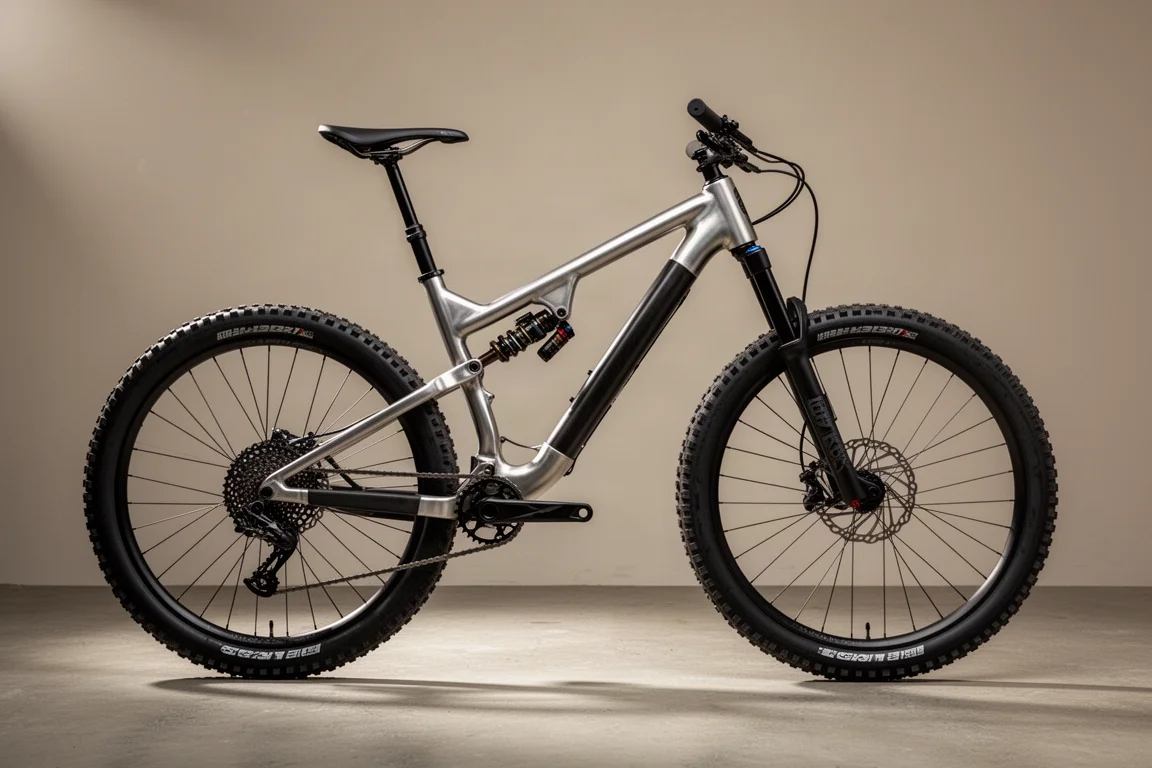
Atherton AM.130 Review: 3D-Printed Titanium Lugs and a 130mm Trail Bike That Descends Like a Bigger Machine
The Atherton AM.130 pairs 3D-printed titanium lugs with carbon tubes and a DW6 suspension platform. Here is how it rides, what the build delivers, and who it suits.
Mountain Bikes
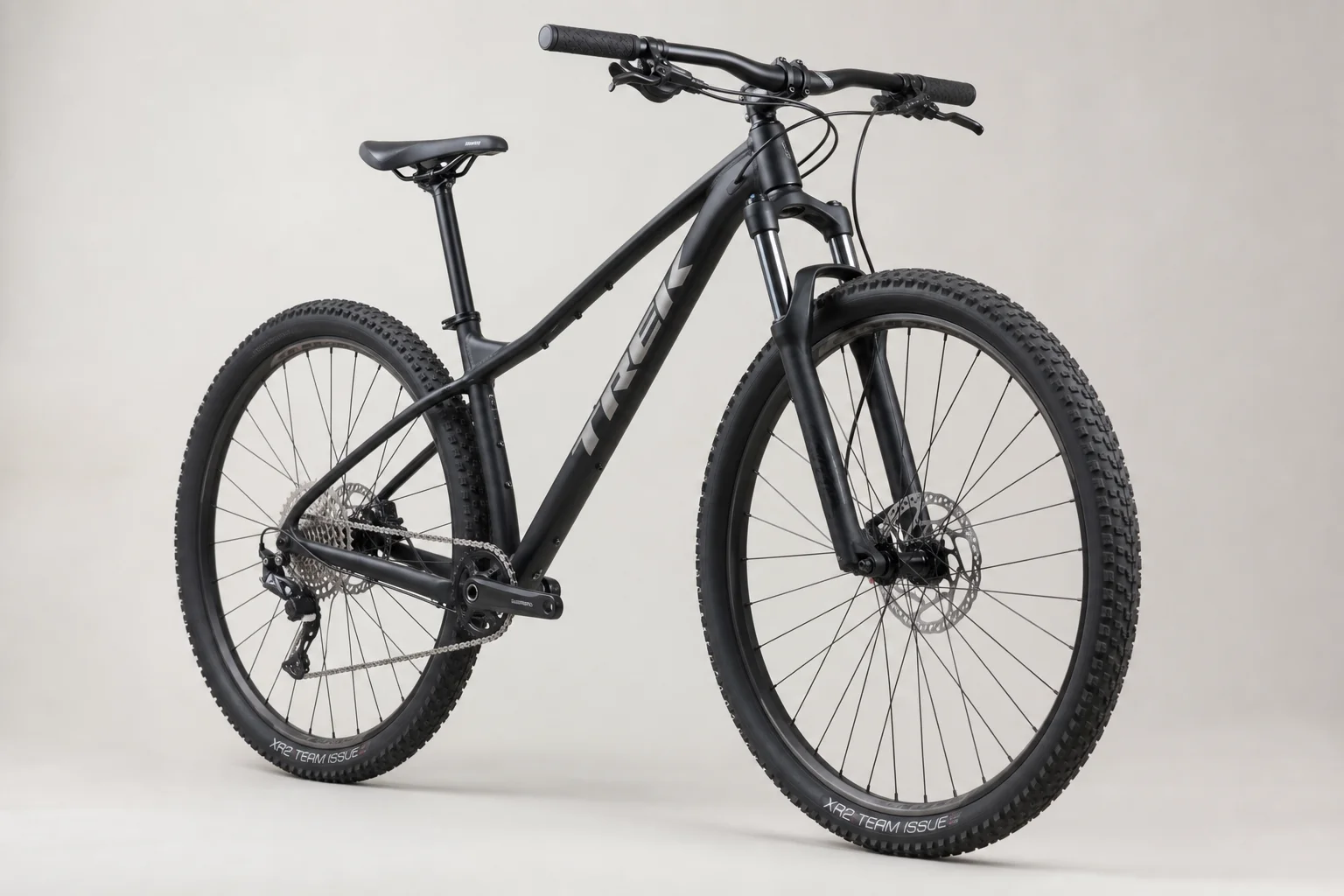
Beginner Mountain Bike Buying Guide: What to Look For in a Trailworthy Hardtail
A practical framework for evaluating beginner mountain bikes, whether new or used, by examining key components that indicate real trail capability.
Mountain Bikes
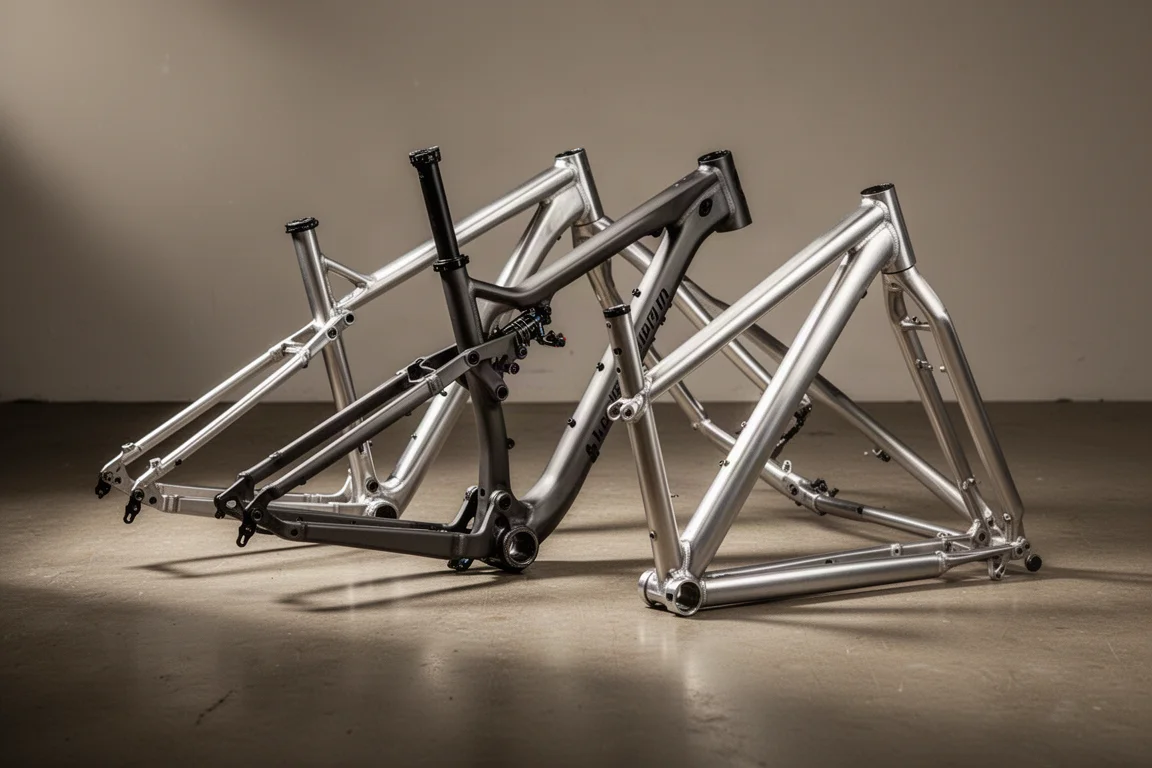
Best Aluminum Mountain Bikes 2026: Five Alloy Bikes Worth Your Attention
Five aluminum mountain bikes that show how far alloy has come, from a 120mm trail bike and a versatile machined frame to a 180mm freeride machine.