Mountain Bikes
Canyon Lux Trail CFR LTD Review: A Featherweight Down Country Bike Built for Speed
A light, fast and surprisingly capable down country machine with a race-ready build, plus a few cockpit and tyre details worth knowing before you buy.
Introduction
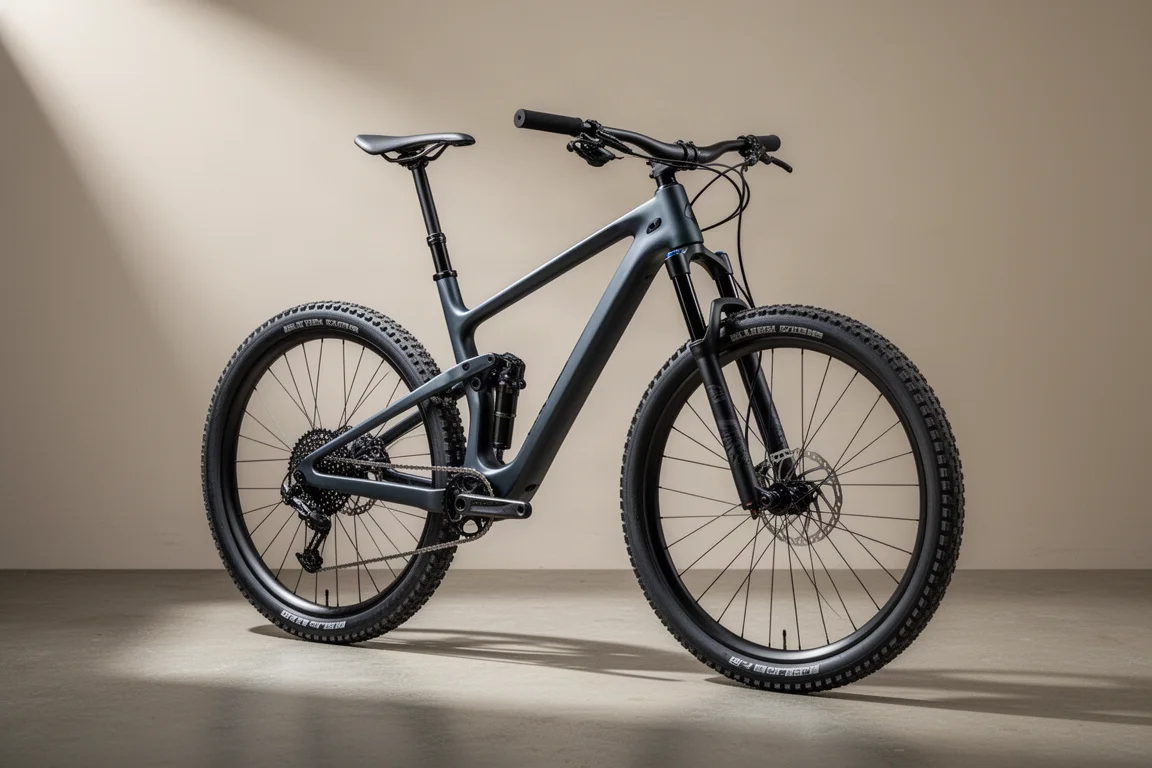
The Canyon Lux Trail CFR LTD is a down country bike in the truest sense. It carries a bespoke frame that shares only a rough outline with its race-winning sibling, the Lux World Cup, and it pairs that light chassis with geometry and suspension that reach well beyond traditional cross country manners.
At 12.31 kg without pedals, including the onboard trailside repair accessories, it is impressively light for a bike with this much descending ambition. Remove those accessories and the figure drops to a claimed 11.72 kg. That low weight is not wasted either, because the Lux Trail climbs with real intent and descends with far more composure than its numbers suggest.
Who This Bike Is For
This is a bike aimed at speed-focused riders who want one machine for long days, hard climbs and technical descents. The trail-shredding intent is obvious from the first pedal stroke, and it encourages you to ride terrain that would normally suit a bigger, burlier bike. Riders who value a light, efficient package but do not want to be limited to smooth cross country courses will find a lot to like here.

It is also a bike that rewards an engaged, aggressive riding style. Sharper, more accomplished riders will get the most from it, because the geometry asks you to stay over the front of the bike rather than sit back and let it do the work. Less experienced riders venturing beyond their comfort zone may find that same trait less forgiving.
Climbing Performance and Efficiency
The 120 mm travel RockShox SID Ultimate fork and SID Luxe rear shock are linked to a three-position grip shift remote, letting you choose between open, pedal and lock modes. Each setting progressively firms up the damping. Lock mode turns the bike into an outright rigid pedal machine that suits smooth tarmac and intense sprints, while the mid-level pedal setting extends its usefulness onto smoother, undulating, high-intensity trails. Even there, the dampers still take the sting out of thumps while keeping unwanted suspension movement to a minimum.
Open the dampers fully and there is a surprising abundance of grip, thanks to the fluttery, responsive nature of the fork and shock. Square-edge hits and worn trail centre surfaces highlight this best. The rear suspension is smooth and forgiving, and while hammering through the cranks can make it dip in and out of its sag point, the extra comfort and traction are well worth the marginal efficiency loss.
Traction matters here, because the Maxxis Rekon Race tread pattern can struggle on softer ground even with the suspension helping out. The geometry compensates well: stout 435 mm chainstays and a steep 76-degree seat tube angle keep the rear wheel close, focusing traction and improving pedalling efficiency. A roomy 633 mm top tube leaves plenty of space to move between the bars and saddle, so you can hold an aggressive race-like seated position while still shifting weight to balance grip.
Descending Capability and Geometry
The descending capability is impressive, but you need to bring commitment to unlock it. Within the context of its down country rivals, the geometry is long, slack and low, with a 67-degree head angle matched to a lengthy 480 mm reach. Those figures would not have looked out of place on a trail bike a few years ago, and they lift the performance ceiling well above the conservative geometry of older cross country bikes.
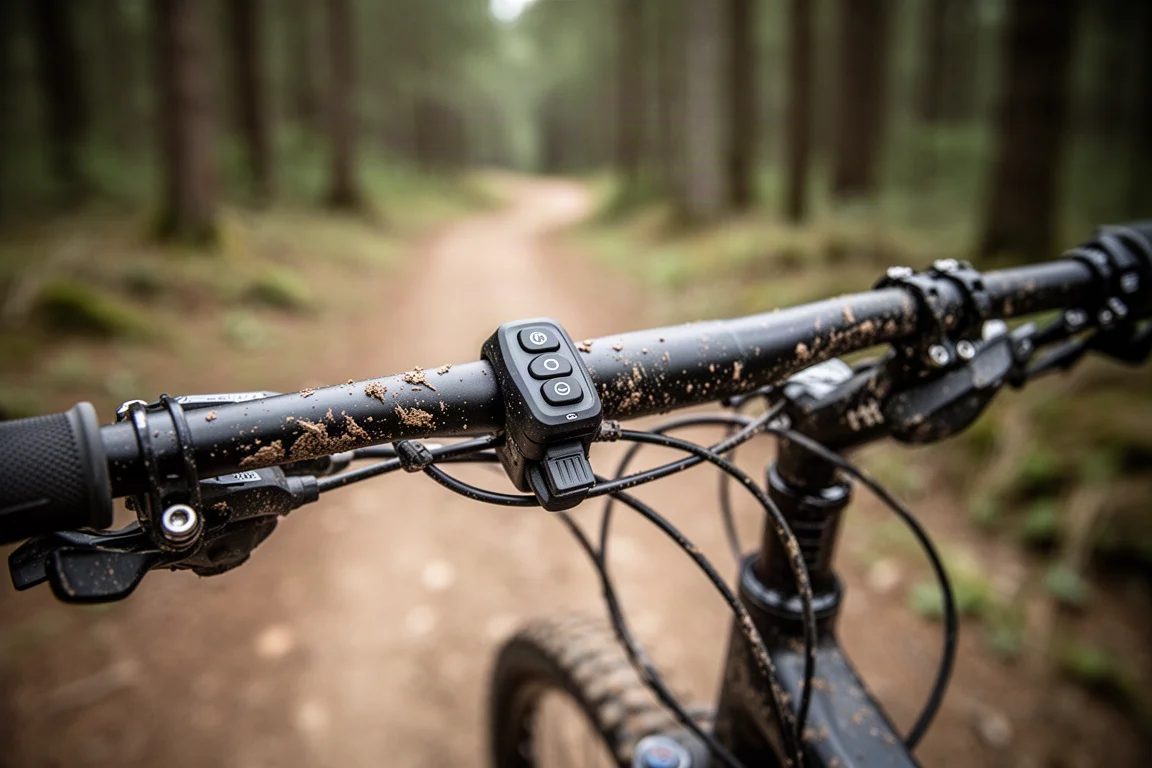
The suspension reinforces that trail-loving character. It creates a smooth, controlled ride with more grip than you would expect, and progressivity ramps up as you push deeper into the stroke. That maintains dynamic geometry in high-load berms and gives plenty of pop off takeoffs. Push further still and the rear shock’s bump stop is rarely felt, with full travel ending in a soft touchdown rather than a harsh clank. The SID’s 35 mm stanchions steer accurately and precisely, and the SRAM transmission stays totally silent through chunky ground thanks to generous rubberised chain slap protection on the stays.
Two limits are worth knowing. The Maxxis Rekon and Rekon Race tyres are excellent on hard doubletrack and surfaced trail centre loops, but grip fades as conditions deteriorate; many riders would benefit from the marginally chunkier tread of an Ardent or Forekaster without a huge penalty in rolling speed or weight. And the short rear end skews weight bias rearward, so the front wheel is easy to underweight when riding lazily. Stay aggressive over the front and the issue disappears entirely.
Suspension, Components and Build
The kit list creates a cohesive feel across the whole bike. The SID Ultimate fork and SID Luxe Ultimate shock are controlled by the three-position grip shift remote, and SRAM’s 12-speed XS Eagle AXS transmission is matched to 175 mm XX SL cranks with an inbuilt power meter and a 34-tooth chainring.
A 150 mm travel Reverb dropper carries an Ergon SM10 Pro saddle. Braking comes from SRAM Level Ultimate Stealth brakes with a four-piston front caliper and a two-piston rear, gripping 180 mm and 160 mm rotors respectively. DT Swiss XRC 1200 carbon wheels are wrapped in Maxxis rubber front and rear.
The Cockpit: A Detail Worth Checking
The biggest frustration is Canyon’s all-in-one bar and stem. It looks cutting edge, but its fixed geometry will not suit everyone. Key figures are a 760 mm width, a 50 mm effective stem, 15 mm of handlebar rise, 8 degrees of backsweep and 6 degrees of upsweep. The bars cannot be rolled in the stem’s imaginary clamp, and standard headset spacers cannot be used to adjust stem height.
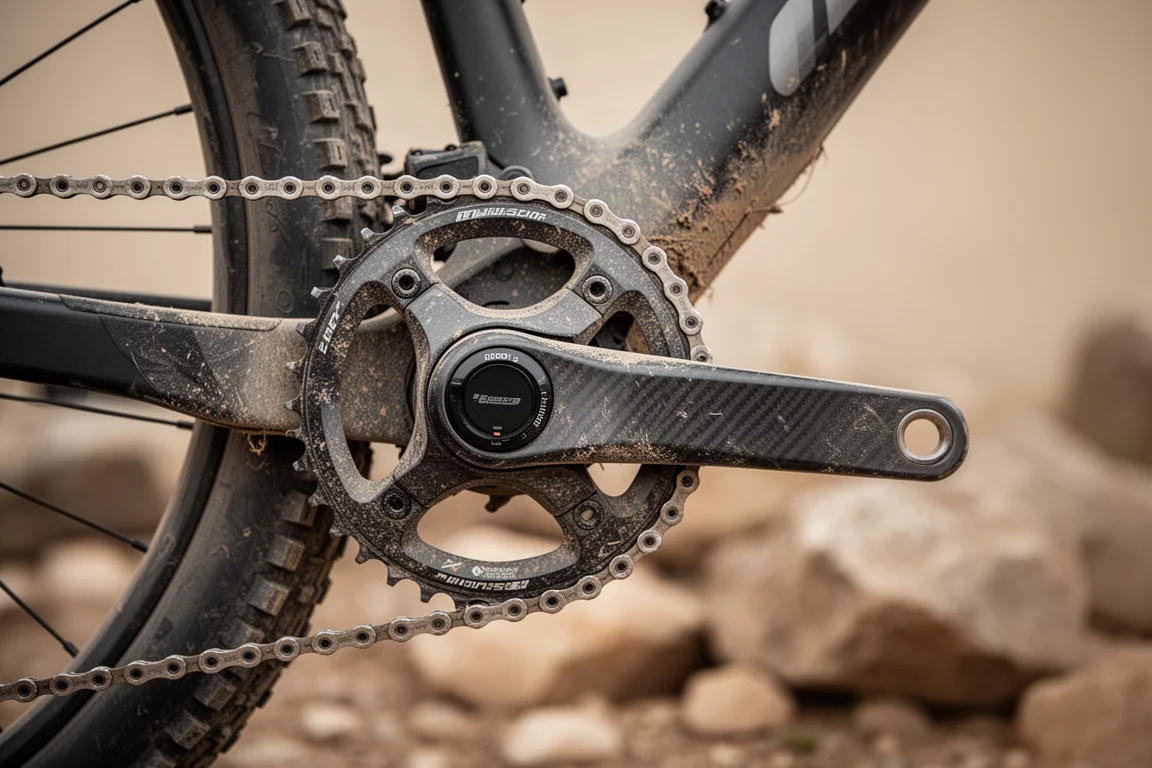
The shape and rise had a real impact on comfort, producing sore wrists after only an hour in the saddle, though other riders may not share that experience. It is worth comparing these figures against components you already get along with. The other consideration is the bar’s non-round profile, which makes mounting traditional band-clamp accessories such as lights or computers impossible. That is a shame given the bike’s all-day and all-night riding credentials. Canyon’s position is that the bike is designed for all-out performance with weight as a major concept, and that riders wanting accessory compatibility should consider the cheaper CF versions with their two-piece standard cockpits. Alternatively, you can buy the CFR version and swap the bar and stem for a circular setup.
Things to Consider Before Buying
Weight, geometry and component quality all line up well here, so the decision usually comes down to fit and intended use. The tyres are the first thing many riders will want to change if their local trails turn soft or loose, and the one-piece cockpit is the second if they rely on bar-mounted lights, computers or other clamp accessories.
It is also worth being honest about riding style. The Lux Trail rewards riders who stay engaged and forward on the bike. If you prefer a more relaxed, sit-back approach, a longer rear end and a grippier rear tyre would add stability when the riding gets spicy, and this bike deliberately trades some of that for agility and low weight.
Buying Advice
For a flagship build at this level, the Lux Trail CFR LTD represents pretty good value for money given the specification. The frame, suspension, drivetrain, wheels and brakes form a genuinely race-ready package that needs very little attention out of the box.
If the cockpit is a concern, the sensible path is either to step down to a cheaper CF version with a two-piece standard cockpit, or to budget for a bar and stem swap alongside a set of slightly chunkier tyres. Either route keeps the core strengths of the bike intact while removing its two most common annoyances.
Conclusion
True to its name, the Lux Trail is as suited to trail riding as it is to cross country bombing, with capabilities that outstrip its headline figures. Its geometry and sorted suspension combine to create a versatile and genuinely fun bike to ride.
It is not perfect. A longer rear end would boost stability when the riding gets spicy, and chunkier rubber would help in loose or wet conditions. Even so, the Canyon Lux Trail CFR LTD is close to ready for almost any terrain it encounters, and for riders who want a light, fast, one-bike solution, that is a compelling combination.
Product link
View more details for Canyon Lux Trail CFR LTD
This product is mentioned in the review. Check the specifications, options, and compatibility before buying.
View more details for Canyon Lux Trail CFR LTDFurther reading
Related Reviews
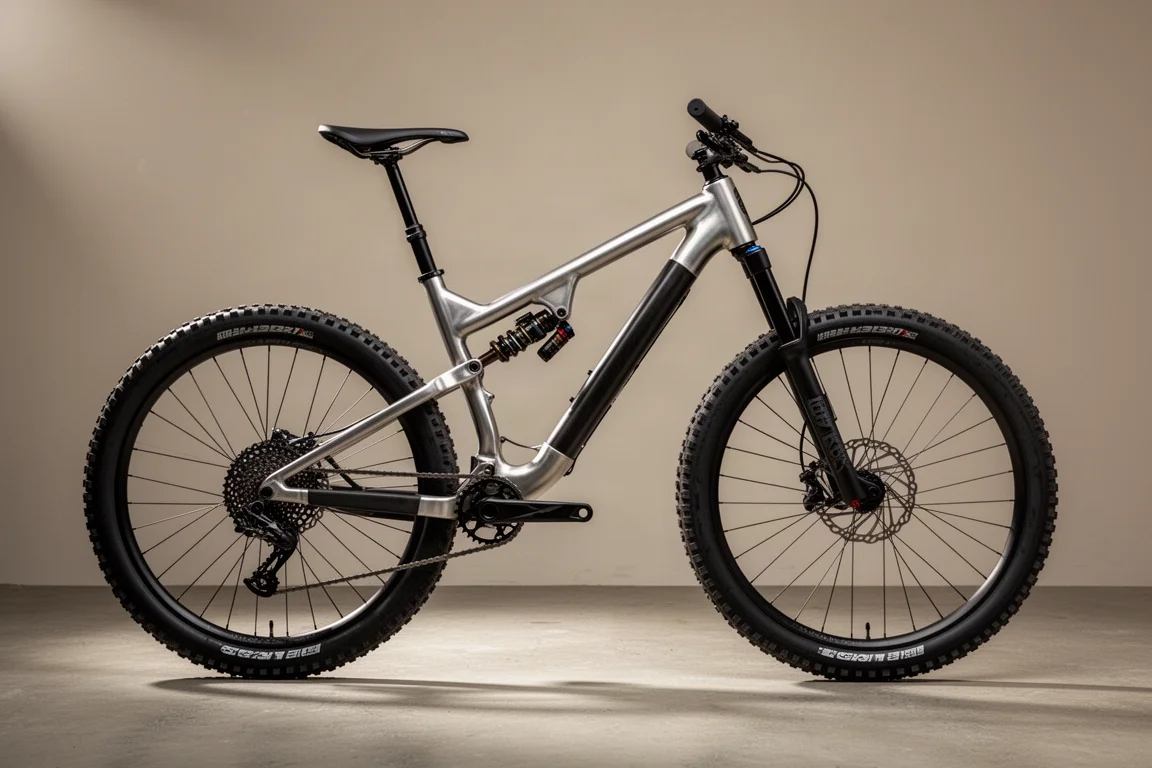
Mountain Bikes
Atherton AM.130 Review: 3D-Printed Titanium Lugs and a 130mm Trail Bike That Descends Like a Bigger Machine
The Atherton AM.130 pairs 3D-printed titanium lugs with carbon tubes and a DW6 suspension platform. Here is how it rides, what the build delivers, and who it suits.
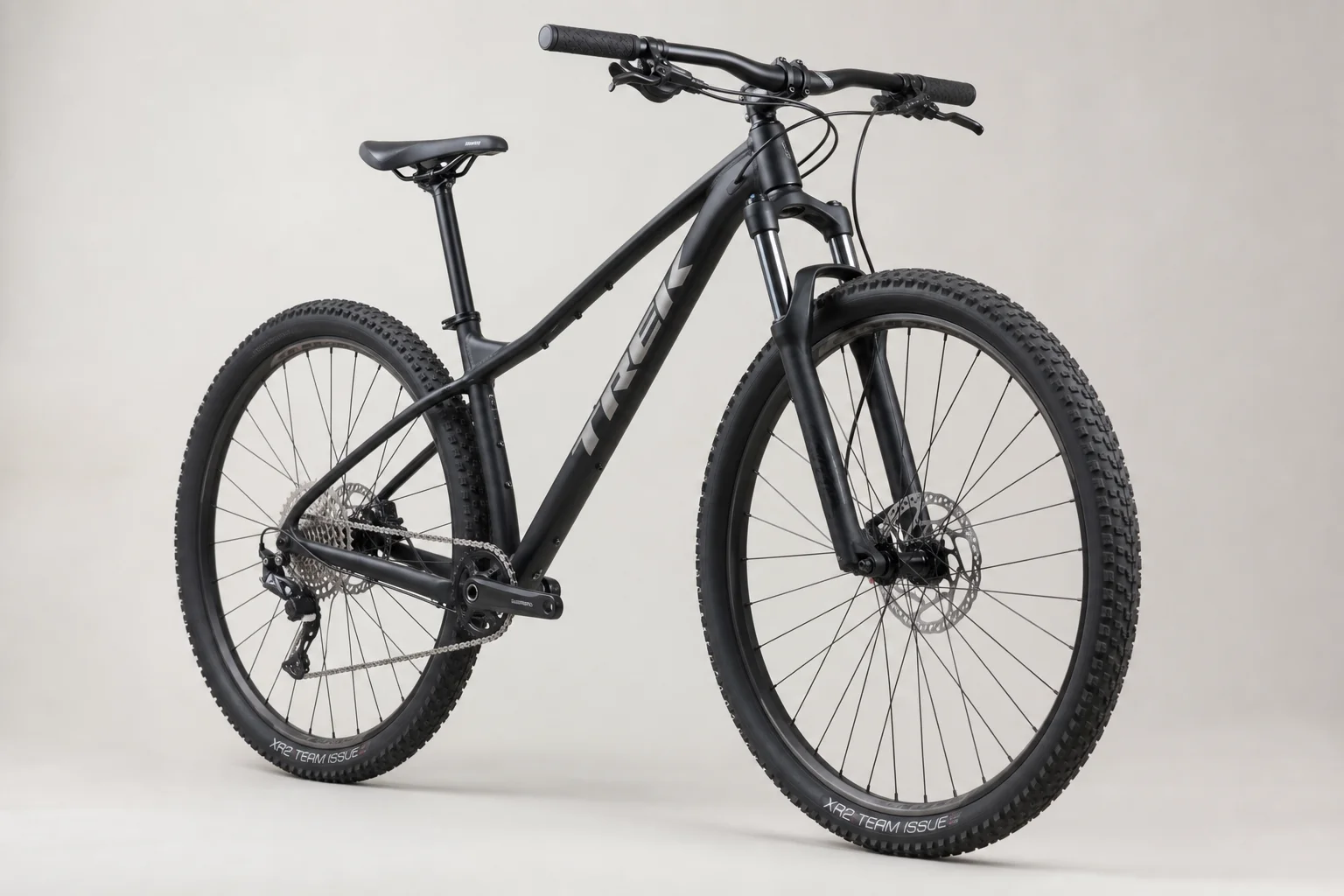
Mountain Bikes
Beginner Mountain Bike Buying Guide: What to Look For in a Trailworthy Hardtail
A practical framework for evaluating beginner mountain bikes, whether new or used, by examining key components that indicate real trail capability.
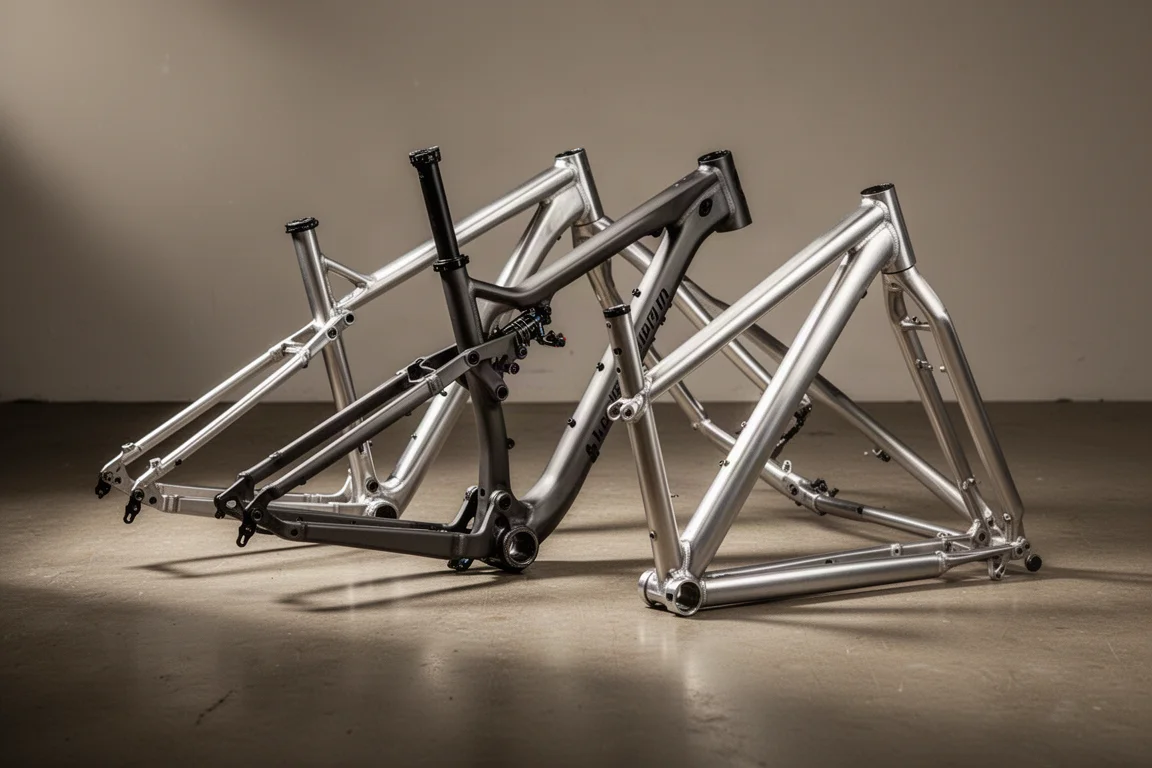
Mountain Bikes
Best Aluminum Mountain Bikes 2026: Five Alloy Bikes Worth Your Attention
Five aluminum mountain bikes that show how far alloy has come, from a 120mm trail bike and a versatile machined frame to a 180mm freeride machine.