Mountain Bikes
Canyon Exceed Review: A Carbon Hardtail for Rough Gravel and Mountain Trails
A carbon hardtail built for riders who want more comfort and control than a gravel bike offers on rough trails, with a clear look at where it makes sense.
Introduction
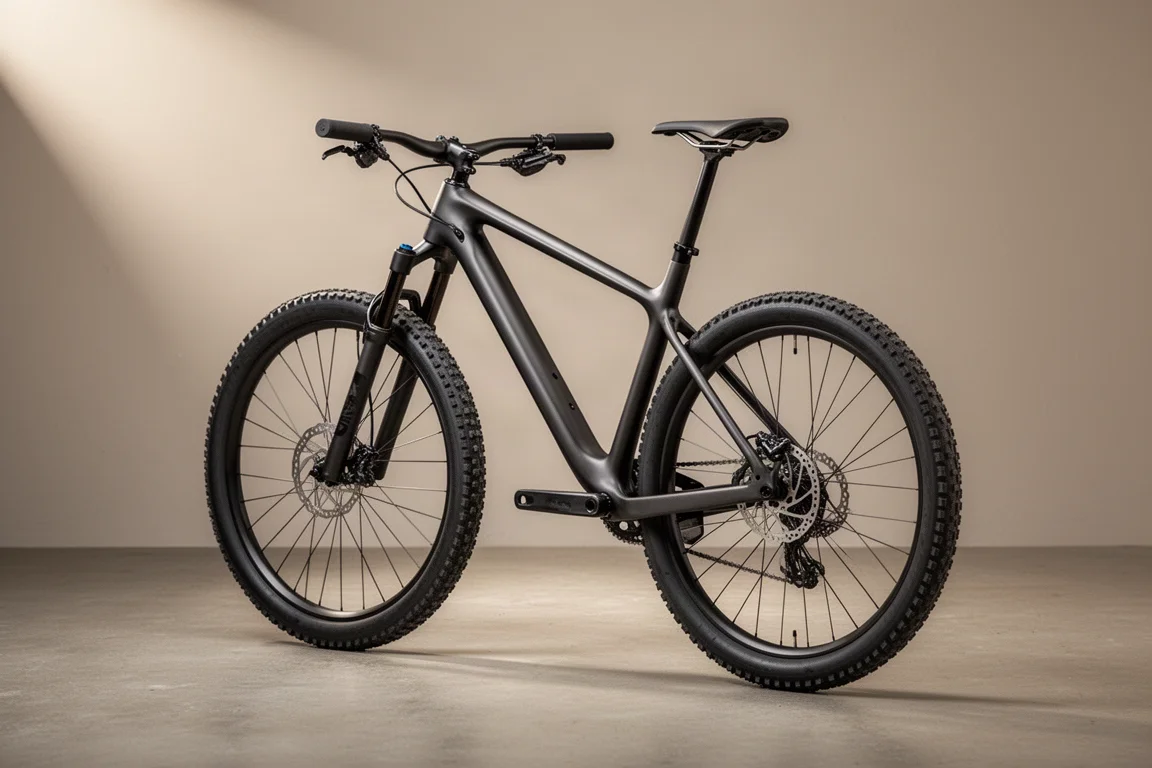
Gravel bikes keep getting better, and their limits keep moving. Even so, plenty of riders are trying to squeeze mountain bike tyres into gravel frames, and at some point the terrain makes the argument for you. That is the space the Canyon Exceed occupies: a carbon fibre hardtail aimed at riding that gravel bikes are popular for, but where the ground is rough enough that a mountain bike becomes the more sensible tool.
The thinking behind it is straightforward. Ultra-distance racing, bikepacking in the mountains, and long days on steep, rooty trails all reward bigger tyres, a suspension fork, a flat handlebar, and geometry built for control rather than outright speed. Other brands have introduced hardtails in the same spirit, and the Exceed is Canyon’s take on the idea.
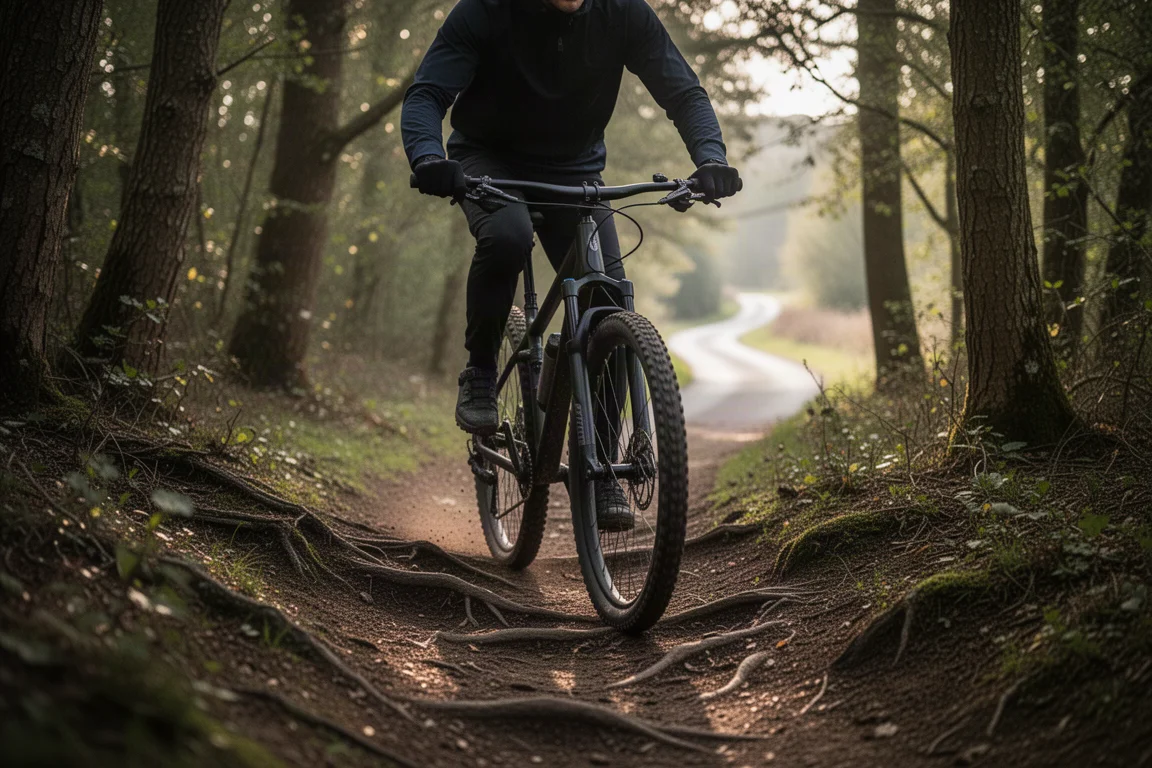
Where the line falls is personal. It comes down to the ratio of road to off-road in your riding and how rough that off-road really is. A gravel bike remains a fast, versatile machine for mixed surfaces. A hardtail like this makes more sense as the off-road half of the equation gets rougher, steeper, and more technical.
Who the Canyon Exceed Is For
This bike suits riders who spend most of their time in the woods on rough, bumpy, technical trails, especially those who find themselves bounced around on a gravel bike and wishing for more comfort and control. It is also a natural fit for riders planning long off-road routes where a mountain bike’s tyres, suspension, and handling pay off over many hours.
It is a less obvious choice if most of your riding happens on tarmac and smooth, well-maintained gravel with only occasional singletrack. In that case, the drop bar and gearing of a gravel bike still carry real advantages.
Frame and Geometry Highlights
The Exceed uses a carbon fibre frame, and Canyon keeps the range simple with a single level of carbon rather than a hierarchy of higher-grade frames. Five models make up the range, with prices running from around €2,000 to around €5,000.
Tyre clearance is a headline figure: the frame comfortably clears a 2.4 inch mountain bike tyre. The geometry has been updated to be longer and slacker, with a 67 degree head angle and 465 mm of reach on a size large. The top tube sits low for generous standover clearance and easier movement on twisty trails, while the front triangle is kept large enough to take a frame bag. At the back, the seat stays are slender and bowed out, which adds compliance in tune with the carbon seat post.
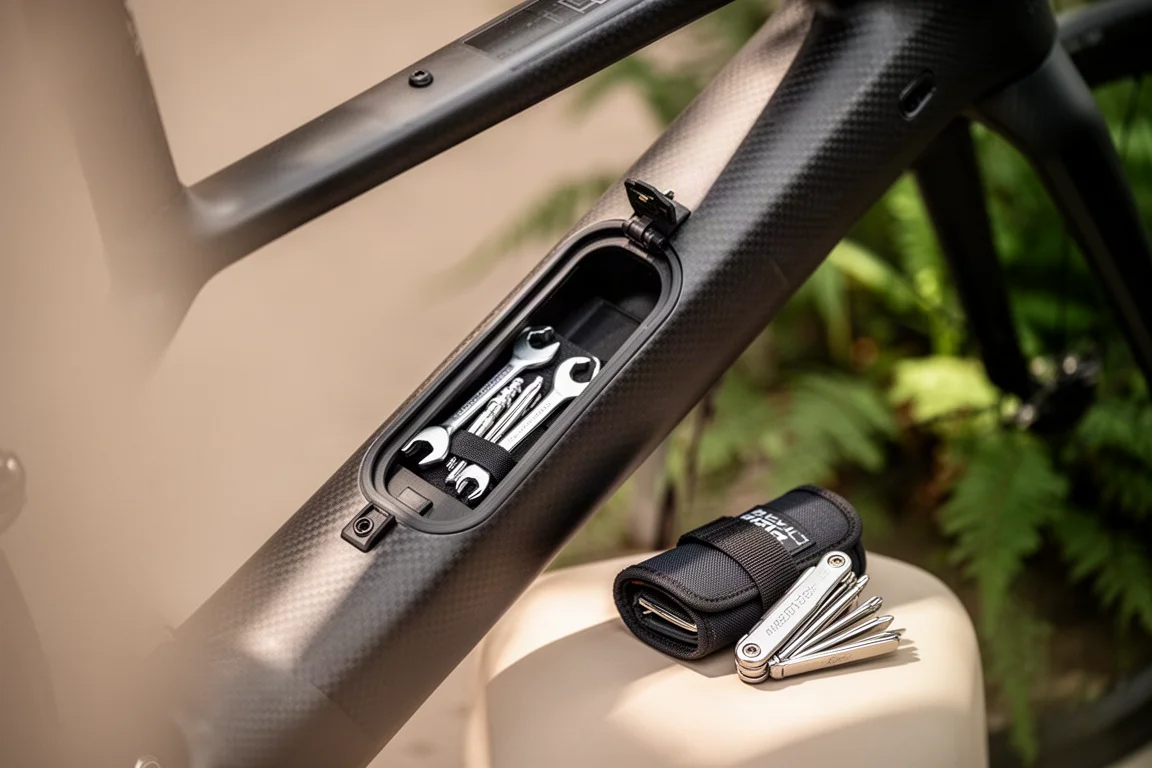
Canyon also carries over two details from its gravel line. Down tube storage, as used on the Grail, gives you somewhere to keep tools and small items inside the frame. The VCLS split seat post and a saddle designed for long-distance riding and racing are fitted to the higher models, and the range-topping build gets a one-piece handlebar and stem similar in approach to the Lux World Cup. Lower models use a conventional handlebar and stem, which makes fitting handlebar bags and extensions simpler, but they do not include the split seat post.
Ride Feel and Handling
On the trail, the Exceed feels sprightly and nimble. The frame is stiff and the weight is low, so it darts through corners and carries speed well. It climbs strongly and descends confidently, and the wide flat handlebar gives plenty of leverage through tight, twisty sections.
Riding the same trails back to back on a gravel bike shows the gap clearly. Where the gravel bike is right at the edge of what it can comfortably do, needing constant attention to hold a line and keep speed, the hardtail stays well inside its limits. On loose, rooty, uneven ground the bigger tyres and suspension fork translate into traction and composure that a drop bar bike cannot match.
Comfort and Long Distance Design
Comfort is a big part of the story here, and the split seat post does much of the work. It takes the sting out of rough surfaces in a way that matters over long distances, which is exactly the kind of riding the bike is designed for.
On a mixed loop of road, gravel, and singletrack, average speed came out roughly the same as on a gravel bike. What is lost on tarmac is made up in the woods, where the hardtail is faster and far less demanding to ride.
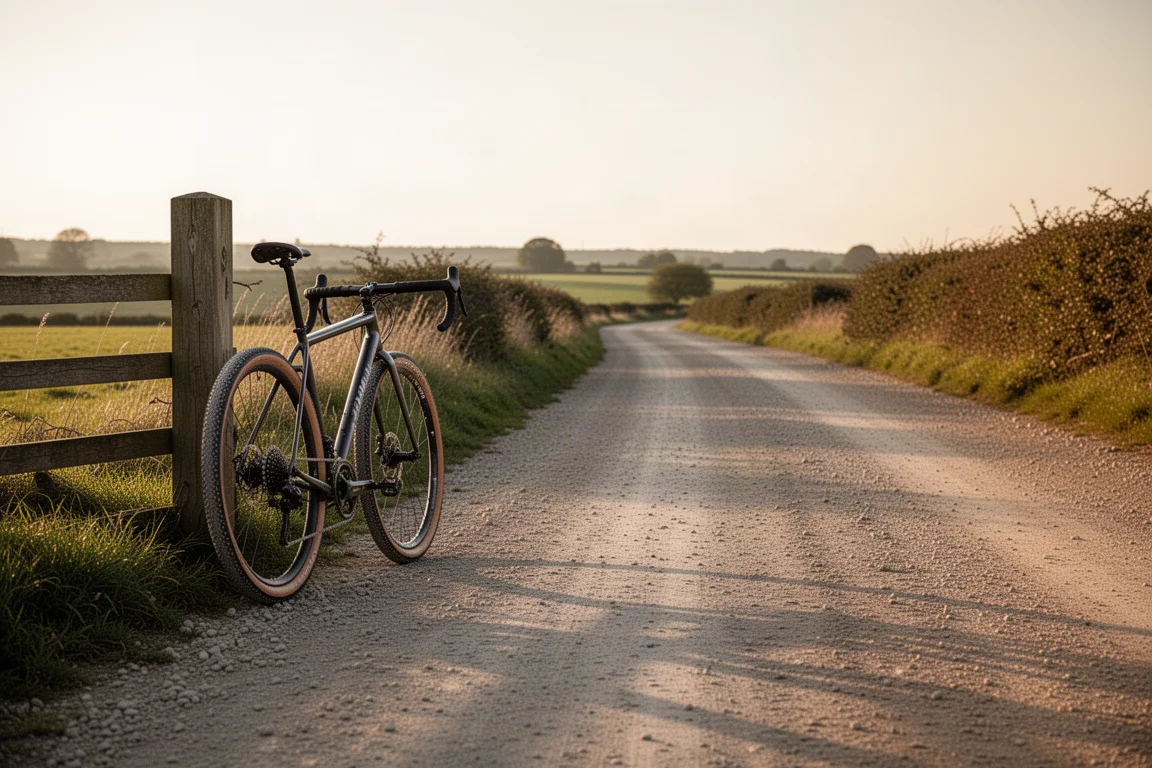
That balance is worth remembering. The Exceed is not trying to be the fastest option everywhere. It is trying to be the most capable option on the roughest parts of a route, while remaining perfectly pleasant on everything in between.
Road and Smooth Gravel Performance
The bike rolls well on tarmac, and the tyres are quick on the road. The limitations are positional rather than mechanical: the flat handlebar is wide, there is no drop position to tuck into, and the gear range is oriented towards climbing rather than high-speed riding.
On smooth gravel, the same pattern repeats. The larger tyres and the suspension fork add comfort and calm the surface, but you give up the aero position and multiple hand placements of a drop bar. If your riding is mostly fast, smooth surfaces, a gravel bike will feel quicker and more efficient.
Things to Consider Before Buying
A few points are worth weighing before you commit.
- The flat bar and the climbing-focused gearing make this slower on road and smooth gravel than a gravel bike.
- The split seat post and the one-piece cockpit come on the higher models. Lower models use a regular handlebar and stem and skip the split post, though that does make mounting bags and extensions easier.
- Riders used to a dropper post may miss being able to drop the saddle on steeper, more technical descents.
- The range-topping build is expensive, and the frame is the same across the range, so a lower model is a sensible way to get the platform without the premium price.
- For most riders who enjoy mixed-surface, long-distance riding, this works alongside a gravel bike rather than replacing it.
Buying Advice
The decision comes down to what your riding actually looks like. If you ride off-road most of the time, on trails that are steep, rooty, and bumpy, the Exceed offers more fun, more control, and considerably more comfort than a gravel bike. If technical singletrack is only a small part of a route that is otherwise road and smooth gravel, a gravel bike still makes more sense, particularly as gravel tyres get wider and suspension stems become more common.
If you are leaning towards the Exceed, look at the lower models first. They share the same carbon frame and the same tyre clearance, and the conventional bar and stem are easier to set up with handlebar bags and extensions. Step up if the split seat post and the one-piece cockpit matter to you.
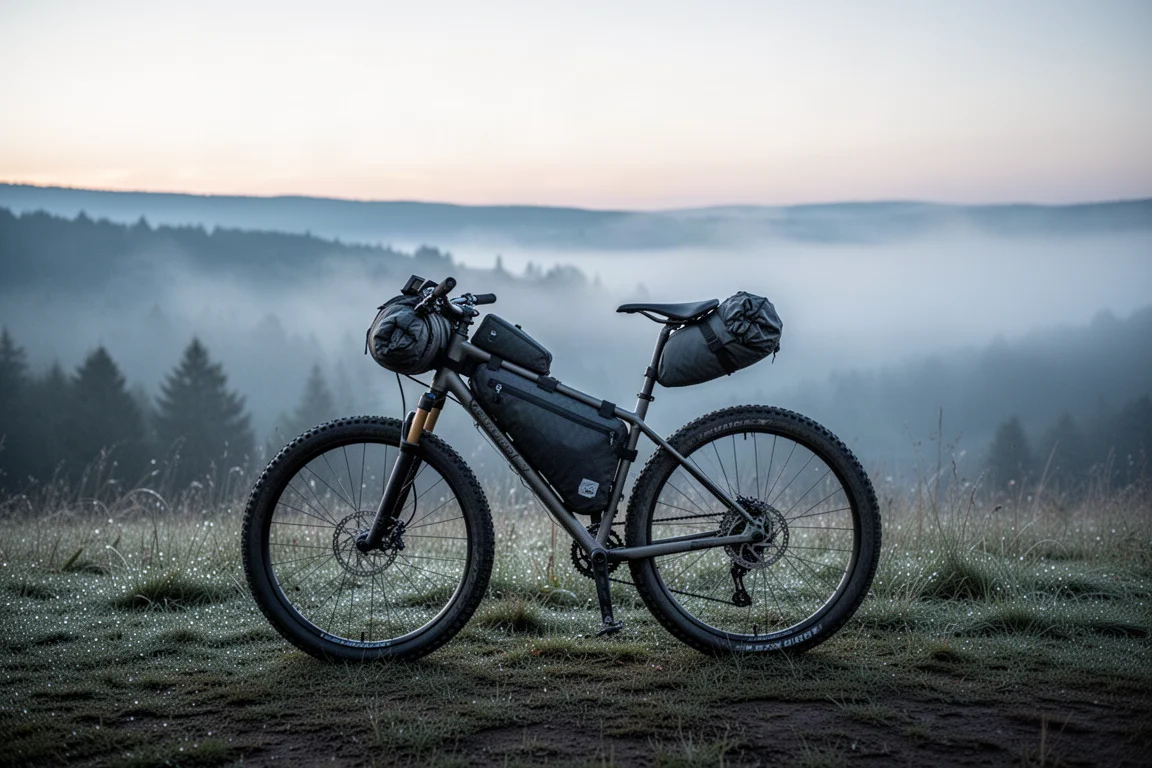
For riders heading into ultra-distance off-road races or mountain bikepacking, the top of the range makes the strongest case. The combination of big tyres, suspension, a low top tube, and a compliant rear end is built for exactly that kind of riding.
Conclusion
The Canyon Exceed is a well-rounded carbon hardtail that sits in the space between gravel and mountain biking, and it handles that space with confidence. It is nimble, stiff, and comfortable, and on rough trails it is a clear step ahead of a gravel bike, at the cost of some speed and efficiency on road and smooth gravel. Choose it if your riding is rough enough to need it, and keep a gravel bike if your routes stay mixed.
Product link
View more details for Canyon Exceed
This product is mentioned in the review. Check the specifications, options, and compatibility before buying.
View more details for Canyon ExceedFurther reading
Related Reviews
Mountain Bikes
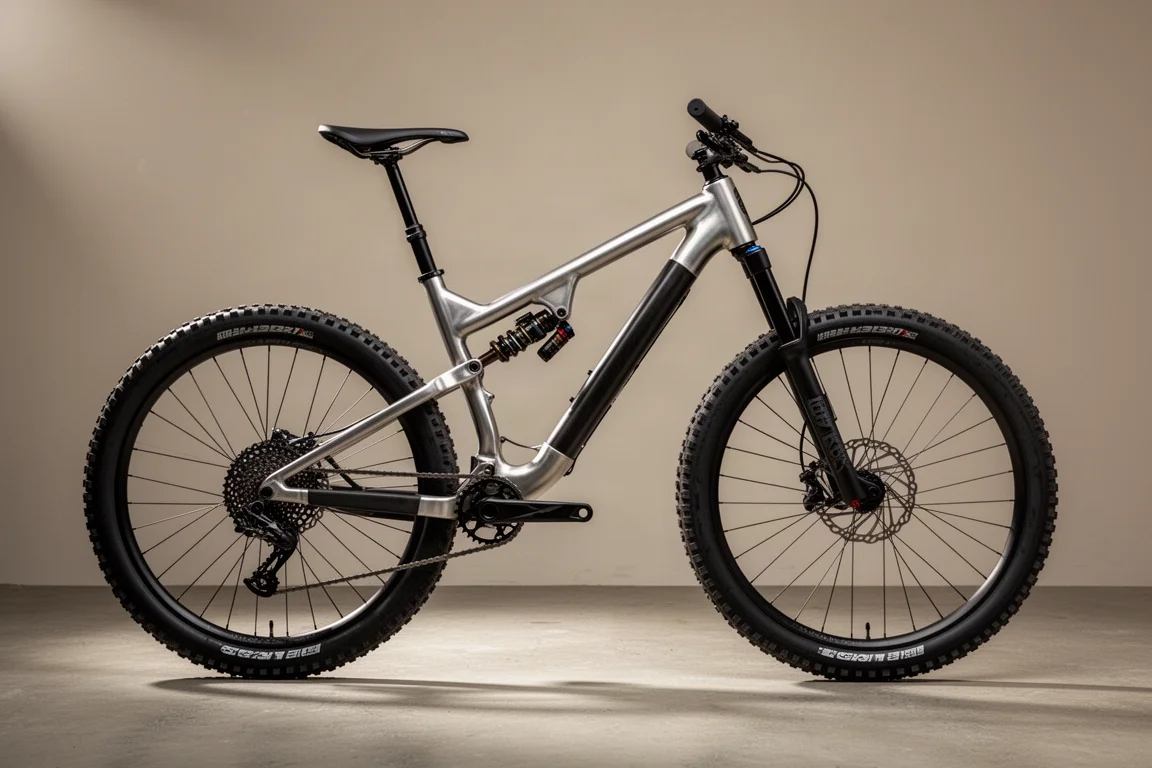
Atherton AM.130 Review: 3D-Printed Titanium Lugs and a 130mm Trail Bike That Descends Like a Bigger Machine
The Atherton AM.130 pairs 3D-printed titanium lugs with carbon tubes and a DW6 suspension platform. Here is how it rides, what the build delivers, and who it suits.
Mountain Bikes
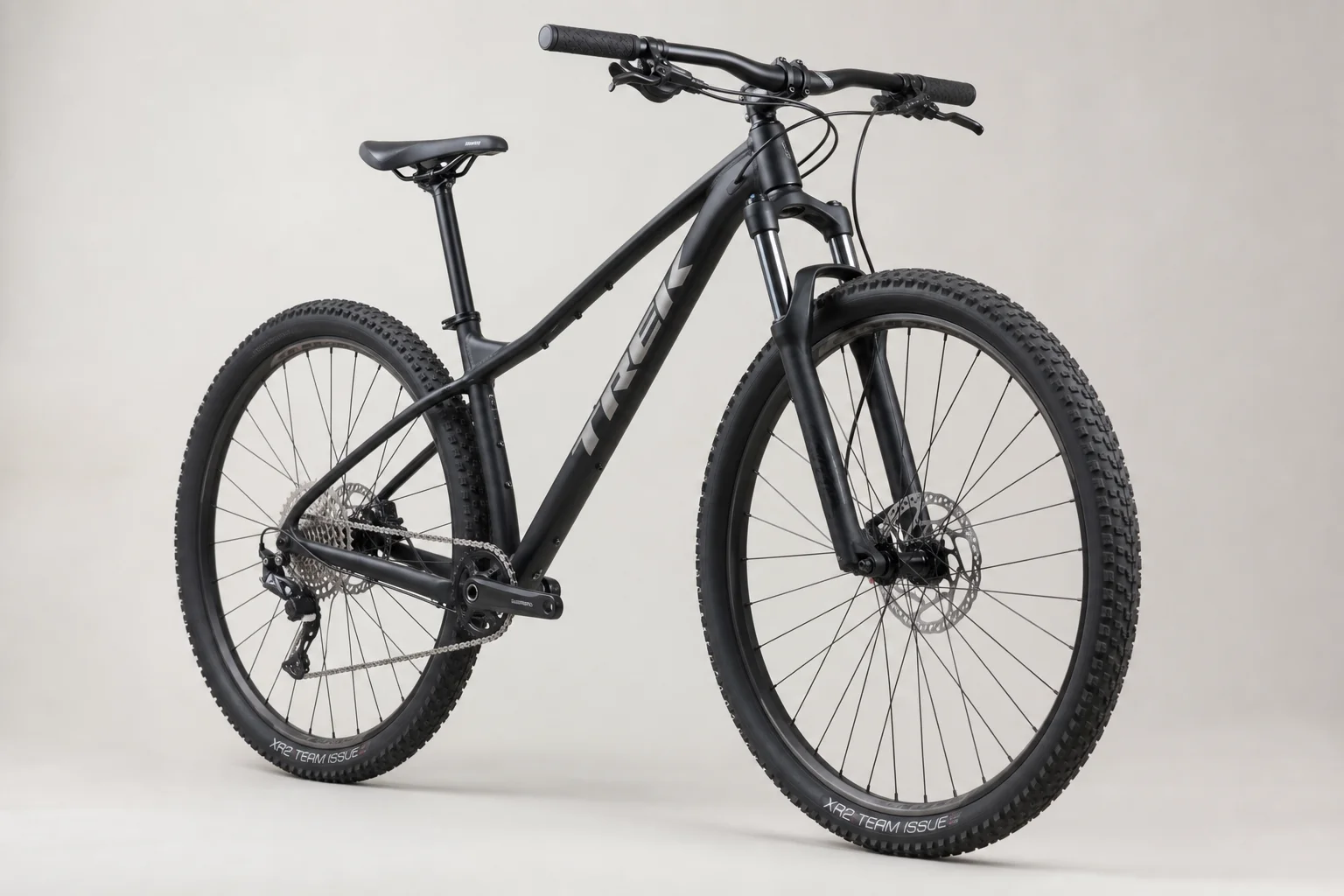
Beginner Mountain Bike Buying Guide: What to Look For in a Trailworthy Hardtail
A practical framework for evaluating beginner mountain bikes, whether new or used, by examining key components that indicate real trail capability.
Mountain Bikes
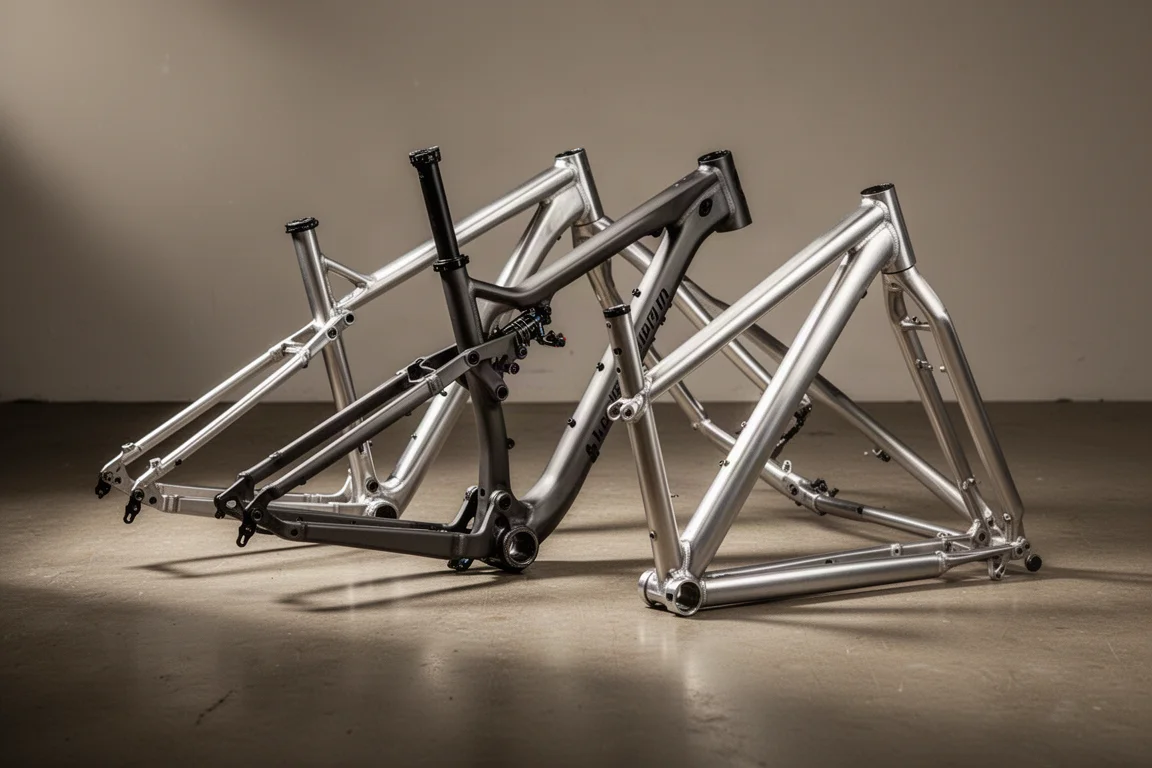
Best Aluminum Mountain Bikes 2026: Five Alloy Bikes Worth Your Attention
Five aluminum mountain bikes that show how far alloy has come, from a 120mm trail bike and a versatile machined frame to a 180mm freeride machine.