Electric Road Bikes
Canyon Endurace:ONfly Review: A Light E-Road Bike That Still Feels Like a Road Bike
A light, discreet e-road bike with a TQ HPR 40 motor, reviewed on a hilly 30 km loop to see whether assistance really makes you faster and whether it stays fun.
Introduction
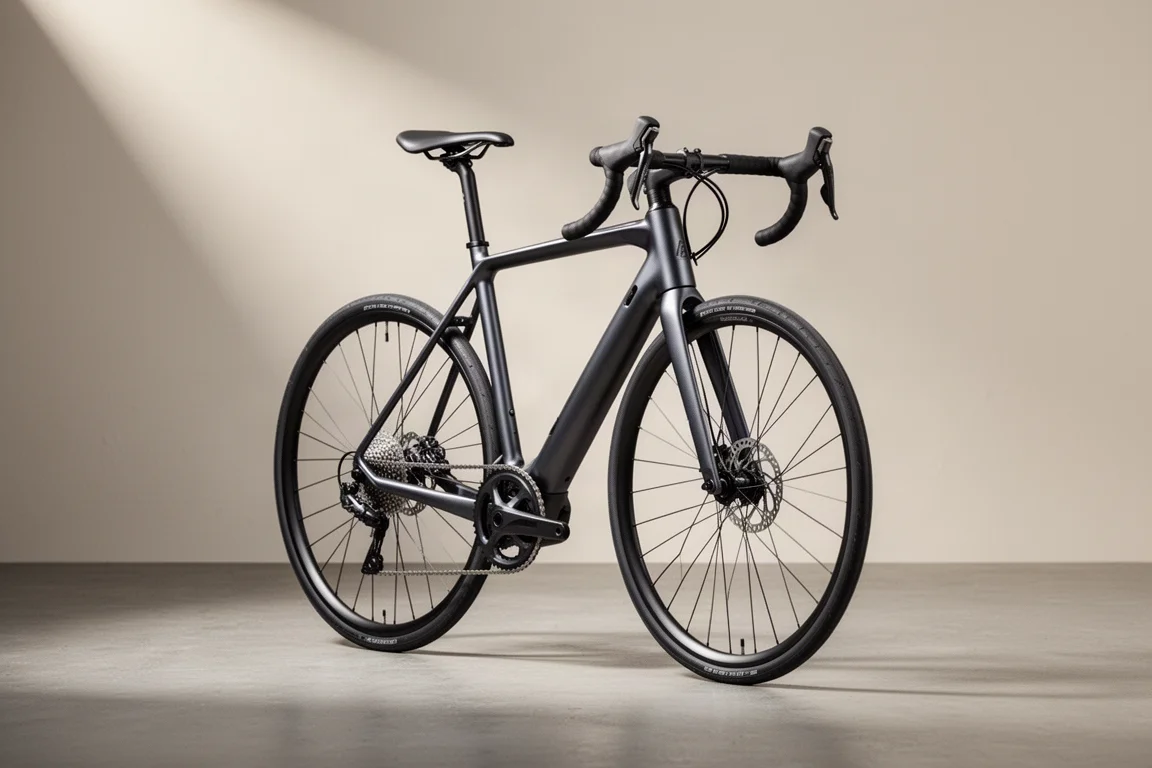
Assistance on an e-road bike has to stop at 25 km/h in most markets, which raises an obvious question. On a bike that is designed to be ridden quickly anyway, how much of the time is the motor actually doing anything at all? The Canyon Endurace:ONfly is built around exactly that problem, pairing a lightweight frame with a TQ HPR 40 motor that is tuned for subtlety rather than raw output.
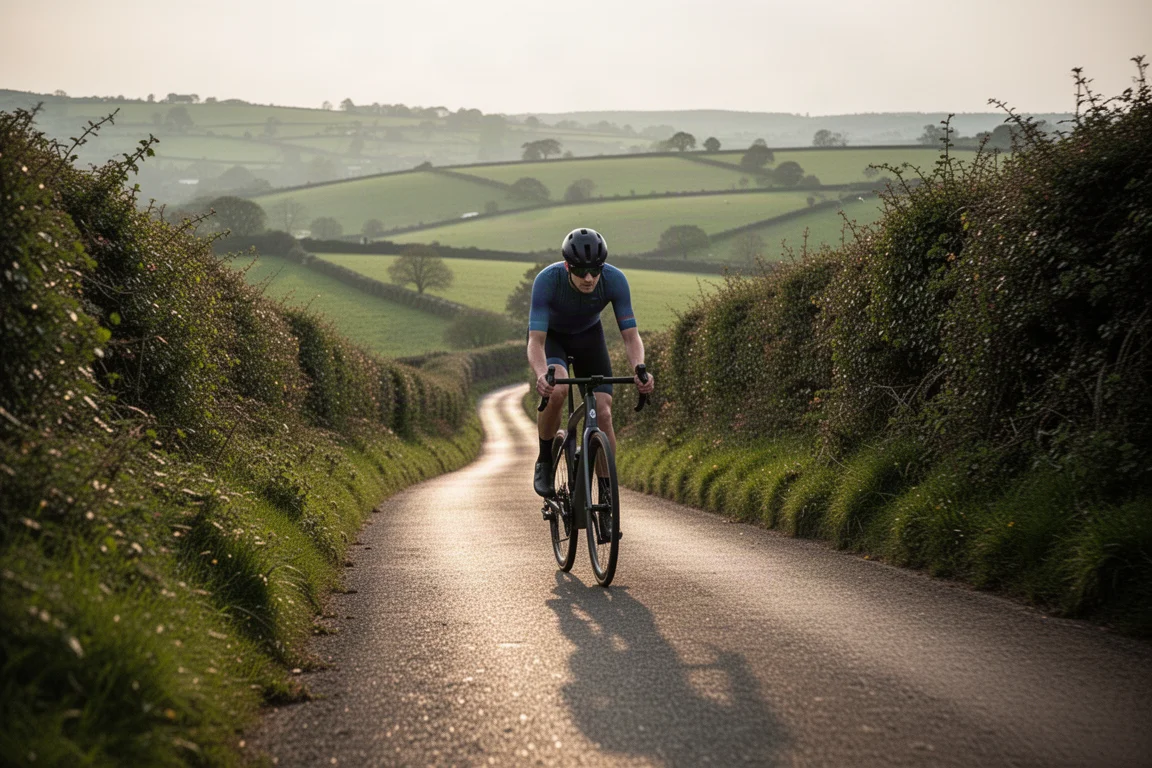
To find out what that amounts to in practice, the bike was ridden back to back against a standard road bike on a rolling 30 km loop with two hard climbs. One lap was completed on a regular road bike in 59 minutes at an average of 220 watts. The same loop on the Endurace:ONfly took 56 minutes at an average of 225 watts, so roughly three minutes faster while working marginally harder rather than less.
Two other riders joined the test to widen the picture: an experienced road cyclist who no longer chases form quite so obsessively, and a mountain biker with plenty of e-bike experience but very little time on drop handlebars. Their feedback shapes much of what follows.
Who the Canyon Endurace:ONfly Is For
This bike suits riders who want assistance that disappears into the background of a normal road ride. The motor is designed to be light, efficient and unobtrusive, and the top specification weighs in at under 10 kg, so the Endurace:ONfly carries none of the bulk that defines a full-power e-bike.
Rider weight and size matter a great deal here. A 200 watt assist is a meaningful addition for a smaller, lighter rider, and both the lighter and taller testers agreed that someone around 45 kg would feel a disproportionately large benefit on the climbs. Heavier riders still gain, but the same output represents a smaller share of the total effort required.
The bike also makes sense for riders coming from other disciplines. The mountain biker in the group had plenty of experience with e-mountain bikes and expected to feel the assistance cut out awkwardly on the flat, the way a heavier e-bike does once you pass the limiter. That expectation did not survive contact with the Endurace:ONfly, and the climbs in particular turned out to be far more enjoyable than expected. Riders who dread long ascents because they are always the slowest in their group are the clearest fit of all.
Main Strengths
A Road Bike Feel With Discreet Assistance
The defining quality of the Endurace:ONfly is how ordinary it feels. Testers repeatedly described it as a normal road bike with a motor attached rather than an e-bike with road bike ambitions. The handover between assisted and unassisted riding is difficult to detect, and the motor is quiet enough that you rarely notice it switching in and out.
That matters most on the flat, where an e-road bike spends a good deal of its time above the assistance threshold. Rather than feeling like a heavy bike being pushed through a limiter, the Endurace:ONfly simply keeps rolling. One rider described the sensation as a slightly heavier road bike rather than something fundamentally different, and noted that it never felt slower when the motor was not contributing.
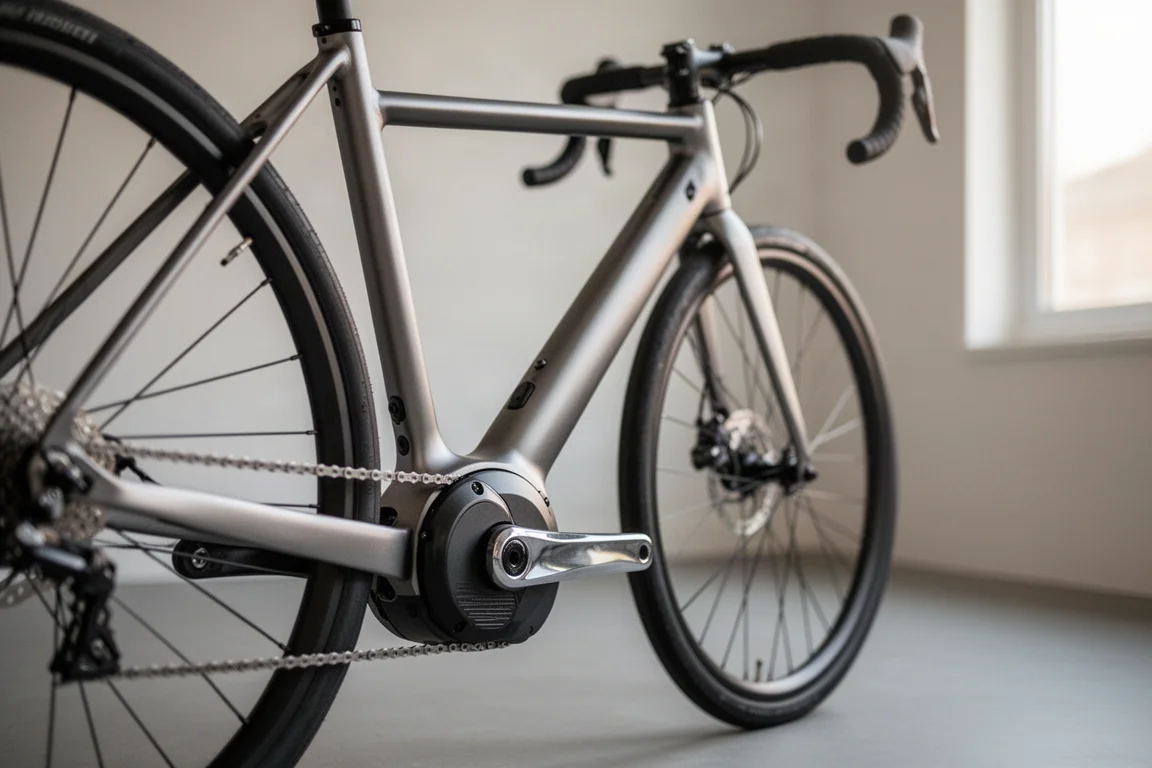
The specification supports that impression. The TQ HPR 40 motor produces 45 Nm of torque and around 200 watts of assistance, against over 80 Nm and roughly 750 watts on a full-power e-bike. The lower output allows a smaller, lighter battery and still delivers useful range, and it is the main reason the bike handles like a road bike instead of a moped.
Effort Still Required, Especially for Heavier Riders
Nothing about the Endurace:ONfly removes the work. Across the test loop, average power went up slightly rather than down, and one rider recorded their highest heart rate in 18 months because the assistance encouraged harder efforts rather than easier ones.
The assistance behaves a little like a strong hand in the small of your back on a climb. It nudges rather than shoves, and the harder you push, the more it pushes back. One rider compared it to riding alongside stronger friends who keep placing a hand on your back to keep you in the group. You still feel every gradient, but you spend less time crawling.
That characteristic is most noticeable for heavier riders, who get a real but proportionally smaller lift. On a 15 percent gradient the bike stayed in the big chain ring, and one rider took a minute and 20 seconds off a five minute personal best on a familiar climb. It is faster, but it is not passive.
Where the Speed Gains Show Up
The time savings are concentrated on hills and rolling terrain. On the 30 km loop, which averages two genuine climbs, the assisted lap came in three minutes quicker. The first climb averages around 6 percent but pitches to 13 percent, and the second is a mile long on a busy road where going flat out is the only way to enjoy it.
On flatter sections the difference is close to negligible, and at least one rider suspected they were a shade slower there, though not by anything measurable. That is the honest trade-off of a 25 km/h assistance limit: the motor earns its keep on gradients and stays out of the way everywhere else.
More interesting is what the bike does to pacing. Riders found themselves going too hard too early, chasing the boost up stepped climbs, and the assistance rewarded that behaviour instead of punishing it. The ride was harder than expected, not easier, and considerably more enjoyable because of it.
Things to Consider Before Buying
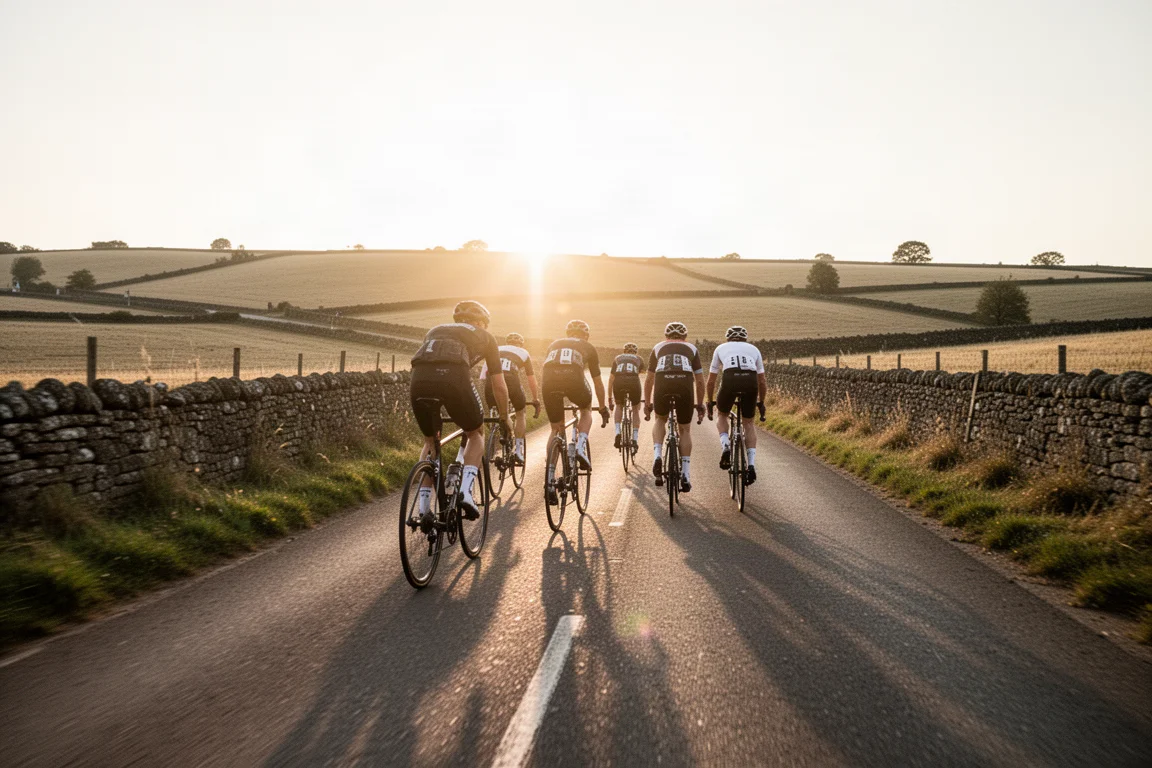
The clearest caveat is social rather than technical. When the group was asked whether an e-road bike would be welcomed on a regular road ride, the reaction was mixed. One rider felt it would not be well received unless there was a specific reason for it. That perception is worth weighing if group riding is central to how you ride.
There is also the question of novelty. One experienced tester enjoyed the bike enormously but was unsure whether that enjoyment would hold after six months, and admitted to a lingering thought about whether the assistance counted as cheating. Rider feedback on that point was split: one tester described the experience as fun but not more fun than a normal road bike, while others found the climbs transformed.
Buyers should also be realistic about the scope of the assistance. With 45 Nm and 200 watts on tap, this is not a bike that will propel you away from traffic lights or flatten a mountain pass on its own. It is a subtle aid for riders who already enjoy road riding and want the harder parts of a route to hurt less.
Buying Advice
The Endurace:ONfly makes the most sense for riders whose routes are genuinely hilly and whose fitness leaves them trailing on the climbs. A smaller, lighter rider gets more from a fixed 200 watt assist than a tall or heavy one, so the value of the motor scales with your size and the terrain you ride.
If your riding is mostly flat, the assistance will spend most of its time switched off, and a conventional road bike may serve you just as well. If your riding is rolling, steep or repetitive, the picture changes quickly: a few minutes saved over 30 km, personal bests falling on climbs you know well, and a bike that still feels sharp and refined when the motor is doing nothing at all.
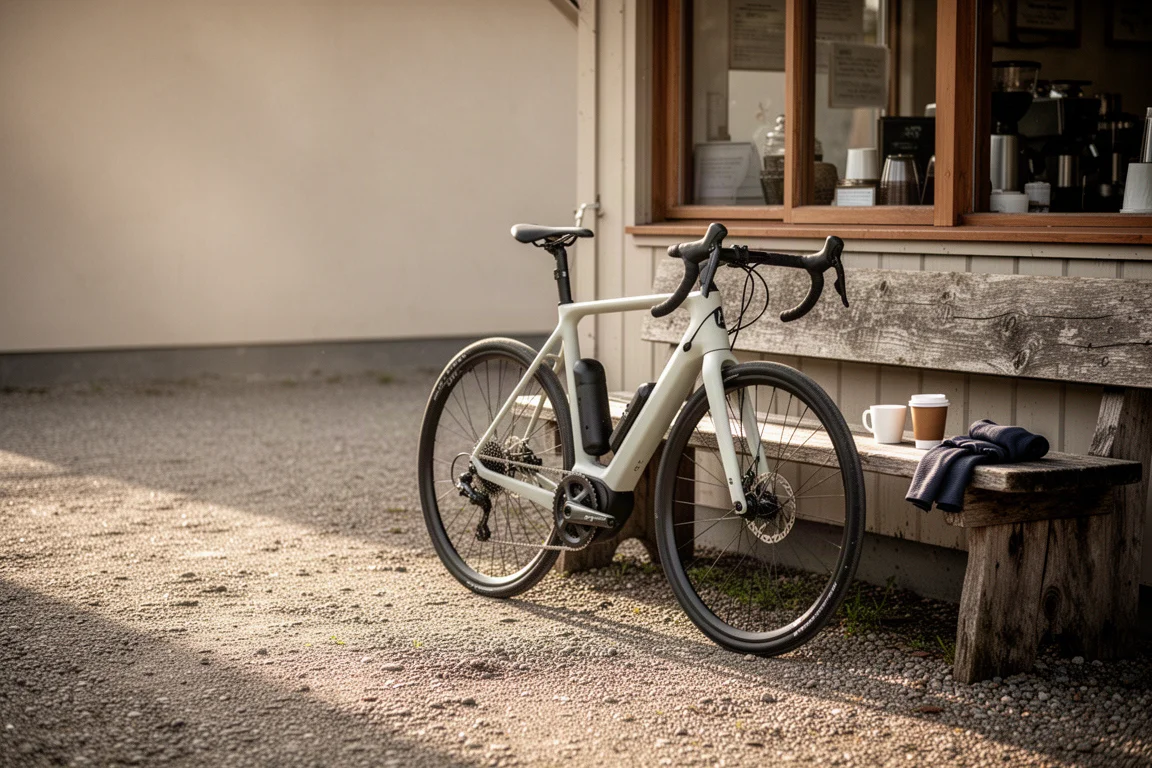
The range build quality and gearing drew consistent praise, with riders describing the bike as sharp and refined regardless of how much assistance was in play. That is arguably the strongest argument for this category. You are buying a good road bike first, and the assistance is a bonus that shows up precisely when you want it.
Conclusion
The point of the Canyon Endurace:ONfly is enjoyment, and the lower your fitness level or the more extreme your local terrain, the more that argument holds. The surprise is how conventional the bike feels when the motor is inactive, which makes the 25 km/h assistance limit far less of a limitation than it first appears.
It is not an easy option and it is not for everyone. Assistance of this kind rewards effort rather than replacing it, and riders who are already fast on their own roads may find the gains modest. For anyone who has quietly stopped looking forward to the climbing on their favourite loop, though, it is a genuinely persuasive proposition.
Product link
View more details for Canyon Endurace:ONfly
This product is mentioned in the review. Check the specifications, options, and compatibility before buying.
View more details for Canyon Endurace:ONflyFurther reading
Related Reviews
Electric Road Bikes
7 Best Drop-Bar Electric Road Bikes to Consider in 2026
Seven drop-bar electric road bikes compared on motor feel, weight, range, and versatility, from a value-focused alloy build to a carbon flagship.
Electric Road Bikes
Best Drop-Bar Electric Road Bikes: 7 Models Worth Considering
A practical look at seven drop-bar electric road bikes, from accessible all-rounders to flagship carbon builds, with the motor, range, and tire clearance details that matter.
Electric Road Bikes
Best E-Road Bikes: Five Lightweight Electric Road Bikes Worth Considering
Five electric road bikes that add assistance without spoiling weight, silence, or road bike looks, plus the trade-offs to weigh before buying.