Astrophotography
Canon Astrophotography Camera Mods Compared: EOS T7, EOS 60D and EOS Ra
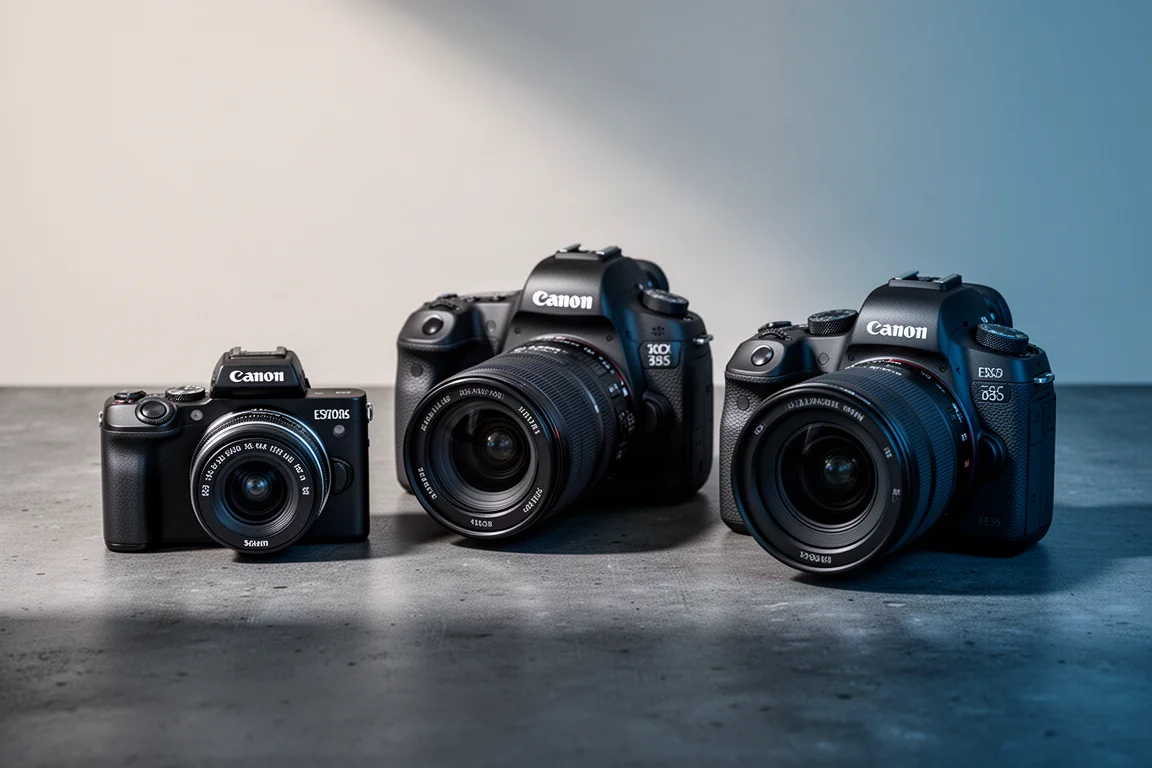
Three Canon cameras for deep-sky imaging compared under the same sky: an LPF2 removal, a Baader mod, a full spectrum conversion and Canon's factory-modified EOS Ra.
Introduction
If you are considering modifying a DSLR or mirrorless camera for astrophotography, you usually have a few different choices, and the terminology can feel overwhelming: low pass filter removal, full spectrum, Ha mod, Baader mod. All of these conversions share one goal: letting in more light in the deep reds of the visible spectrum, where the hydrogen-alpha emission line lives.
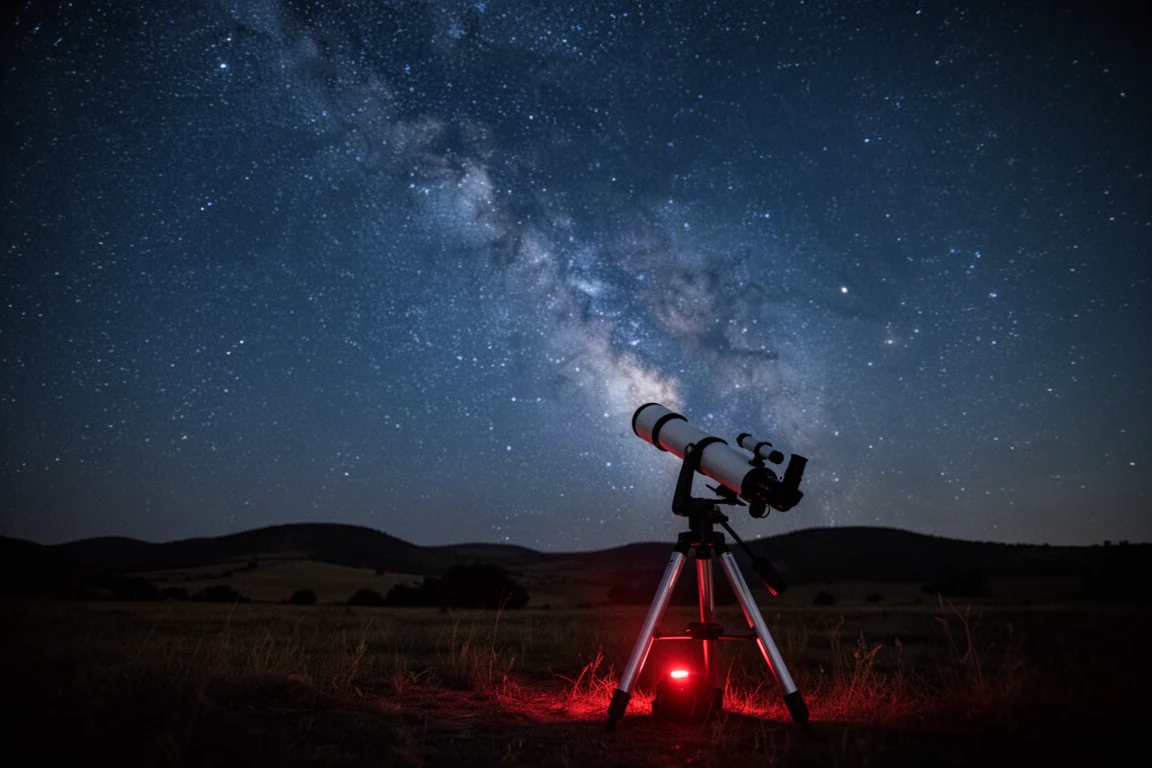
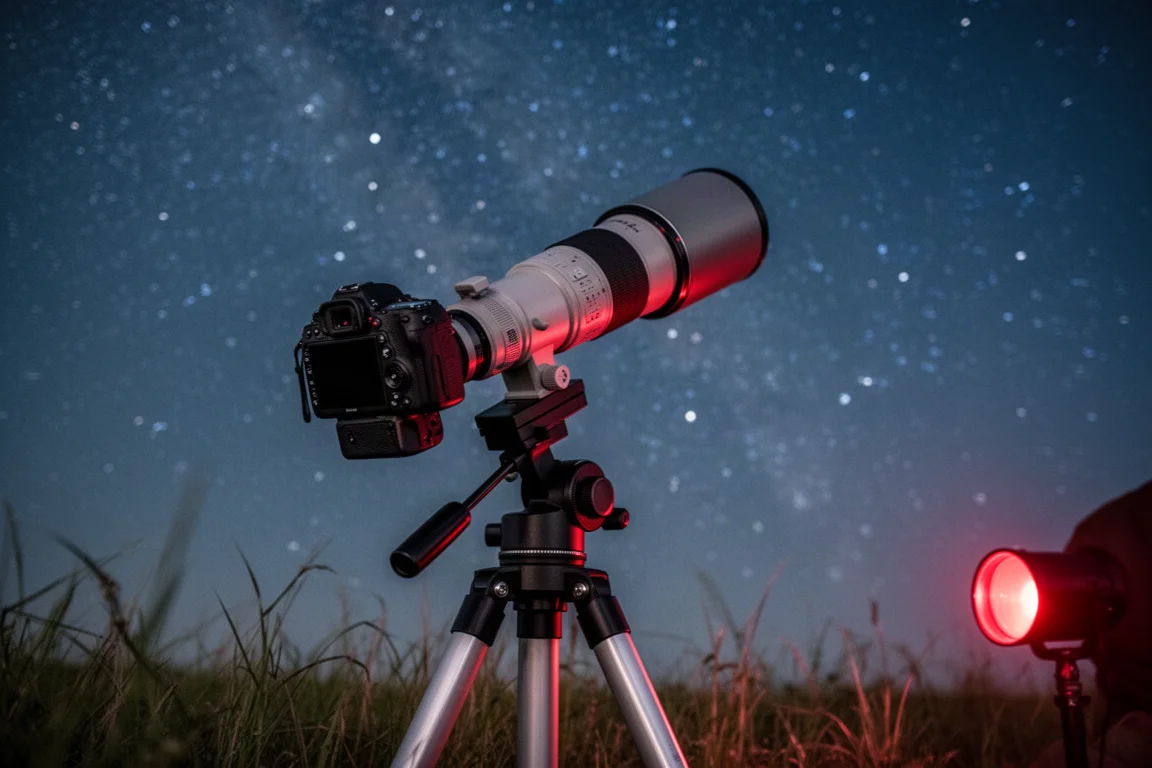
This guide breaks down the actual physical differences between the most common mod types, their pros and cons, and what to expect from each under the night sky, using results captured in a single night with the same 200mm Askar lens across three Canon cameras.
Why Modify a Camera for Astrophotography?
Stock cameras ship with a fairly aggressive IR cut filter that rolls off gradually in the deep reds. That gradual roll-off means the hydrogen-alpha (Ha) emission line, which is essential for capturing emission nebulae, is only passed at somewhere around 20 to 50 percent transmission.
After modification, that same line is typically passed at over 95 percent transmission. That makes it far easier to photograph dim emission nebulae such as the Heart and Soul, the California Nebula, or the North America and Pelican nebulae.
One practical note: this is not a do-it-yourself guide. Modifying a camera requires opening the body, and without a clean room and experience with small electronics it is a job best sent out. Services like astrogear.net perform these conversions, and cameras can also be bought already modified.
How the Filter Stack Works
In a typical stock Canon DSLR or mirrorless camera, light first hits the LPF1 filter after passing the mirror. LPF1 is an anti-aliasing filter that blurs small detail slightly to eliminate moire patterns, which does not really matter in astrophotography. It is also required if your camera has an auto dust cleaning function.
Behind LPF1 sits the LPF2 filter, and this is the one that needs to be removed in every kind of mod, because LPF2 is what limits the deep reds, cutting off much of the Ha and usually all of the S2 signal.
Note that this two-filter structure is specific to Canon. Sony and Nikon often glue their filters together in a sandwiched stack, which slightly changes which mods are possible, but the basic idea is the same: the filter limiting the deep reds is the one to remove.
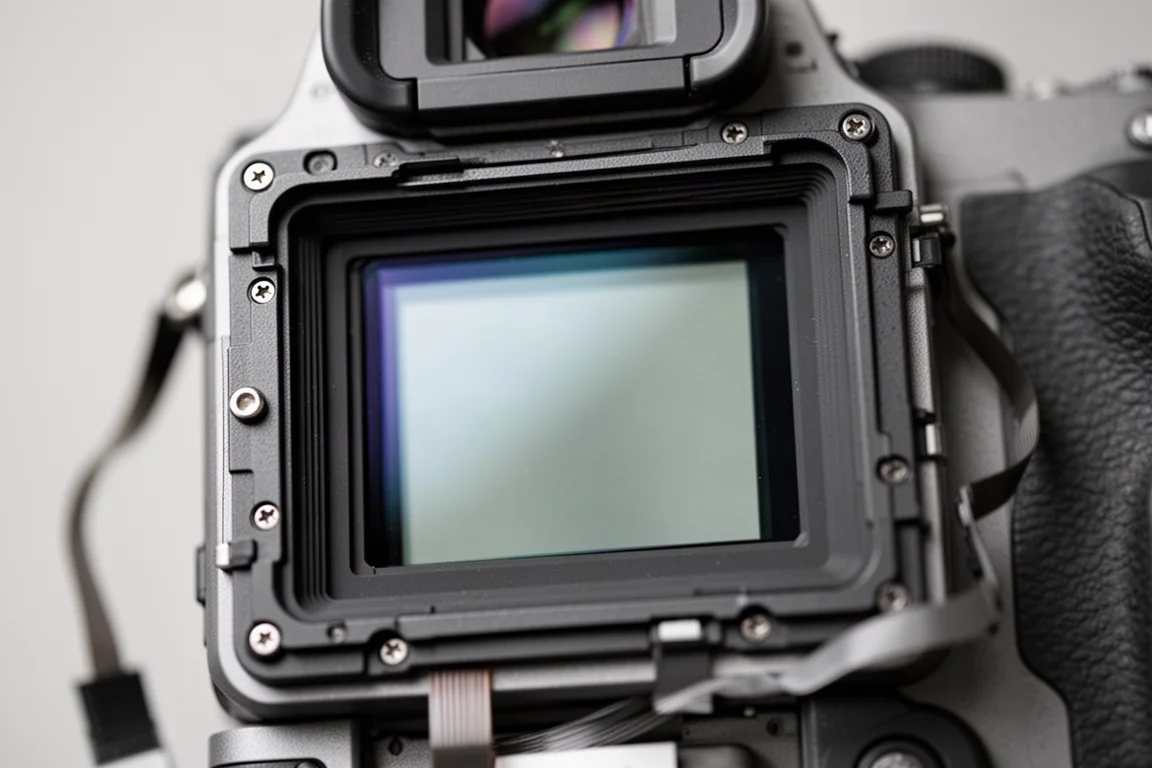
There are three main mod types to know:
- LPF2 removal (Ha mod): remove LPF2, retain LPF1. Usually the cheapest option.
- Baader mod: remove LPF1 and LPF2, then add a Baader astronomy-specific UV-IR cut (luminance) filter back in internally.
- Full spectrum mod: remove LPF1 and LPF2 and either replace them with clear glass or leave the sensor naked.
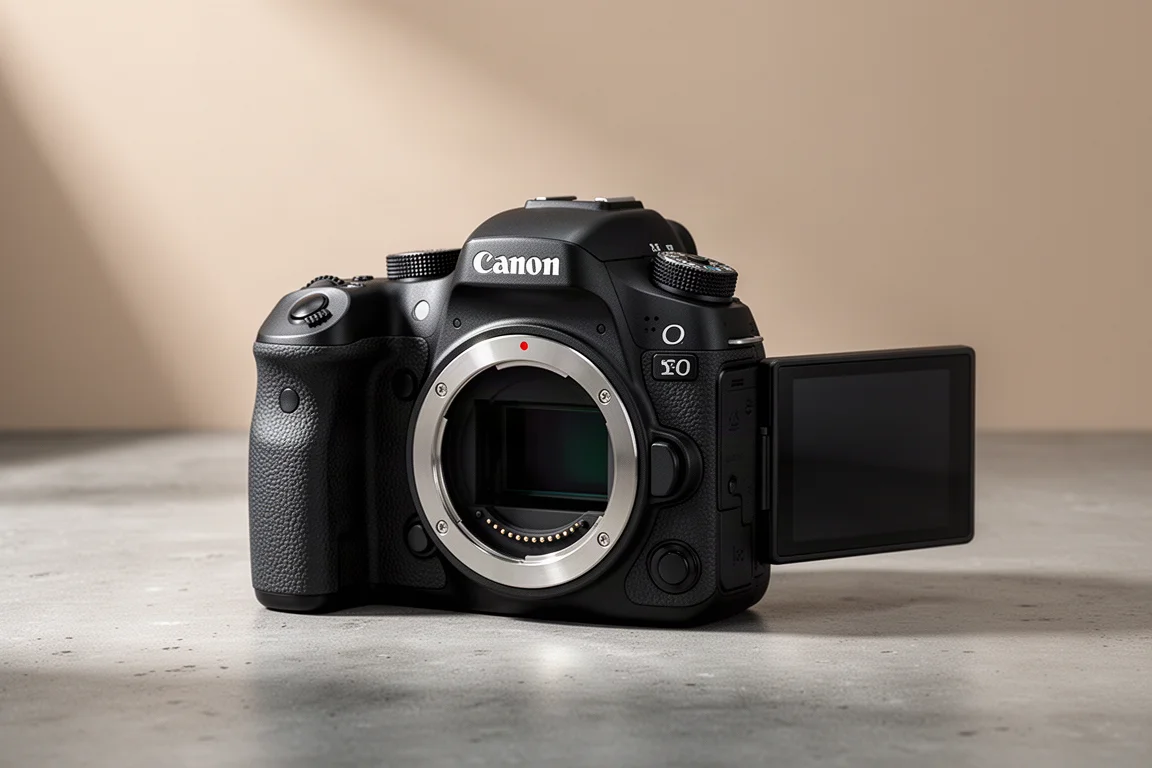
Canon EOS 60D with the LPF2 Removed
This is the classic budget Ha mod: LPF2 removed, LPF1 retained. A test shot of the North America and Pelican nebulae, built from 18 exposures of 30 seconds stacked together, shows colors quite different from a stock DSLR, because the mod lets in all that hydrogen signal. On an emission nebula like this it firms up details, even in the bright parts of the nebula such as the Cygnus Wall region.
The biggest advantage is cost: it is the cheapest mod available, it works well at letting in more Ha, and retaining LPF1 gives some protection from the elements if the camera is ever opened up without a lens or telescope attached. The trade-off is that LPF1 blurs small stars slightly.
Full Spectrum and the Baader-Modded Canon EOS T7
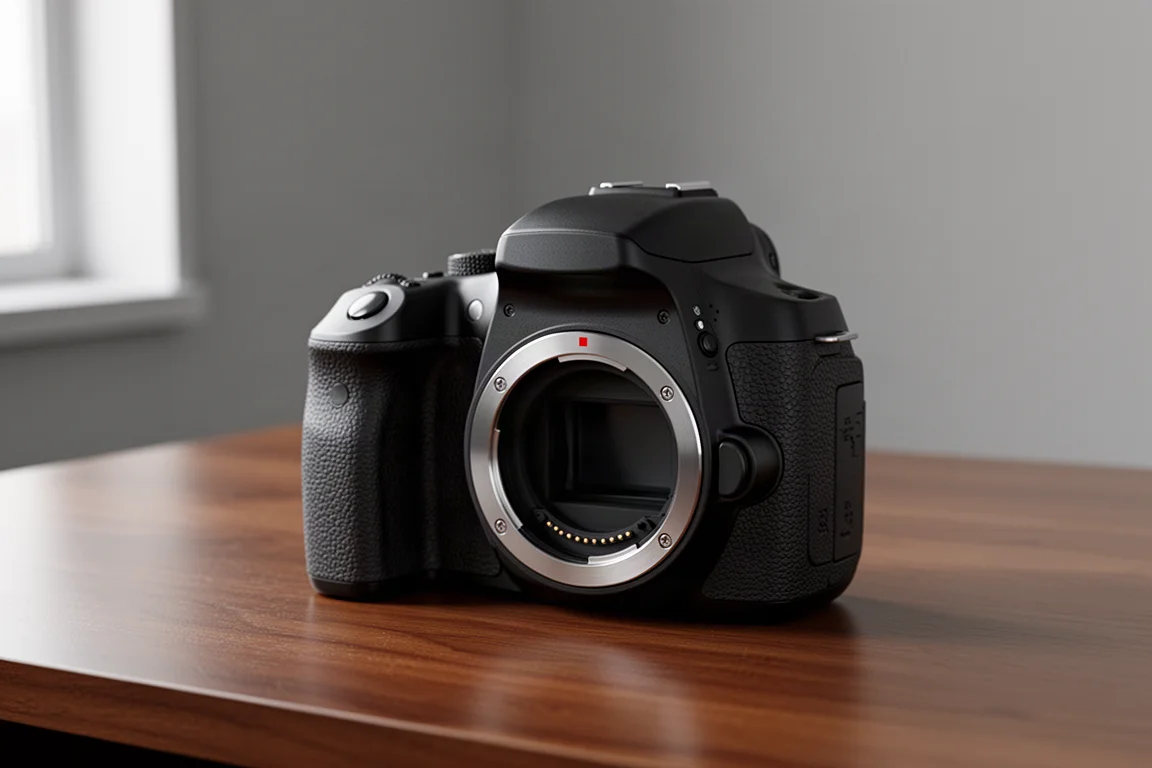
A full spectrum conversion removes the entire low-pass filter assembly. Compared to an LPF2-only mod, results look nearly identical at first glance, but removing LPF1 sharpens small detail, so stars split more cleanly. Zoomed out, the difference is subtle enough that it may not matter artistically.
The real advantage of full spectrum is flexibility. Swap in an IR pass filter like a Hoya R72 in front of the lens and you can shoot infrared photography during the day. The downside is cost: you will likely pay more overall because you need to buy different clip-in and external filters.
The Baader mod takes a different route. Like full spectrum, LPF1 and LPF2 are removed, but a Baader luminance filter is added back in internally, so no clip-in or external IR cut filter is needed at night. This makes the mod a bit more expensive, but the color rendering is noticeably different: there is still plenty of signal, but the reds do not overpower the image, and the result sits a little closer to the stock camera’s colors. The Canon EOS T7 tested here received this conversion, with both filters removed and the internal filter added, and the results over months of use have been strong.
Canon EOS Ra: The Factory-Modified Option
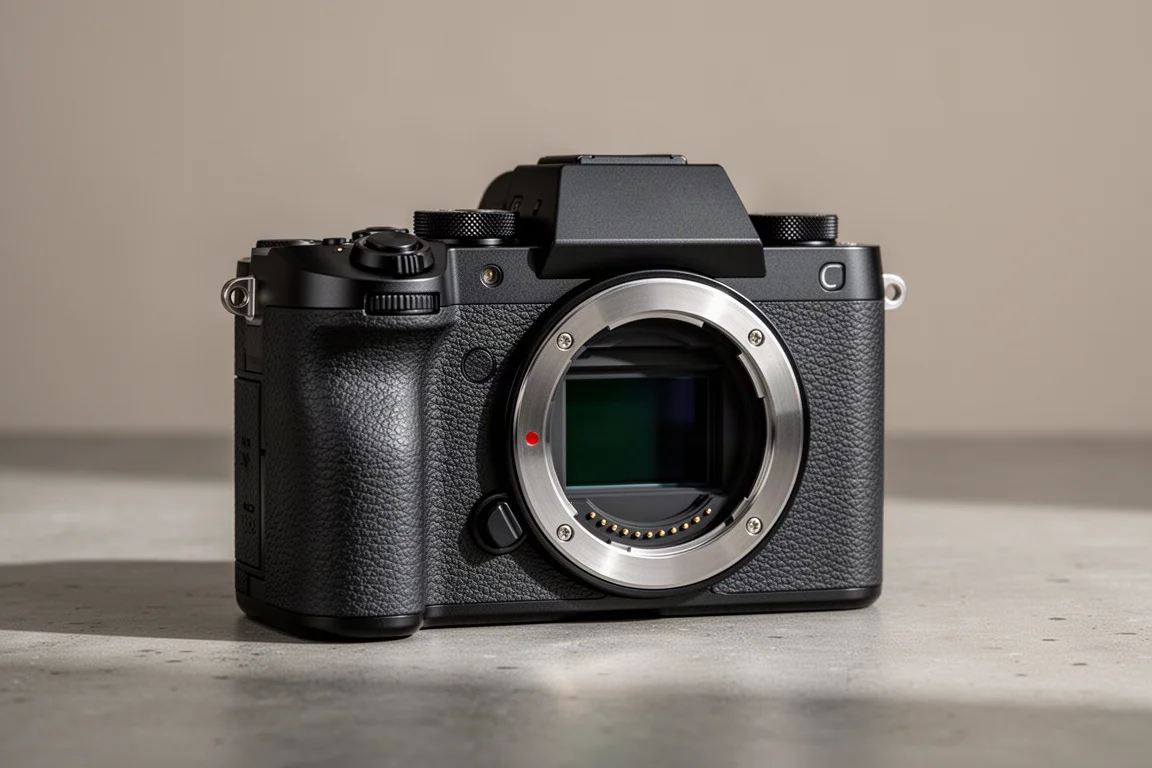
The Canon EOS Ra is a strange case: you buy it stock, but it arrives already modified by Canon, and Canon charges a significant premium for that. In side-by-side comparison, its stars look bloated next to the other cameras because the comparison was cropped down from full frame and the Ra has significantly bigger pixels than the crop-sensor bodies. Those bigger pixels are also why the image looks brighter.
Setting those differences aside, the Ra compares well against the Baader mod, which is exactly why it serves as a useful reference point.
Head-to-Head Results Under the Night Sky
Stacking all the results side by side, the differences between the mods are fairly subtle. With a few small adjustments in Photoshop, the images could probably be made to look even more alike.
The stock camera remains the weakest for emission nebulae, the LPF2 removal delivers a dramatic Ha boost at the lowest cost, the full spectrum conversion adds sharper stars and daytime infrared flexibility, and the Baader mod balances strong signal with more natural color rendering that happens to sit close to what the premium EOS Ra delivers.
Daylight Color Test and White Balance
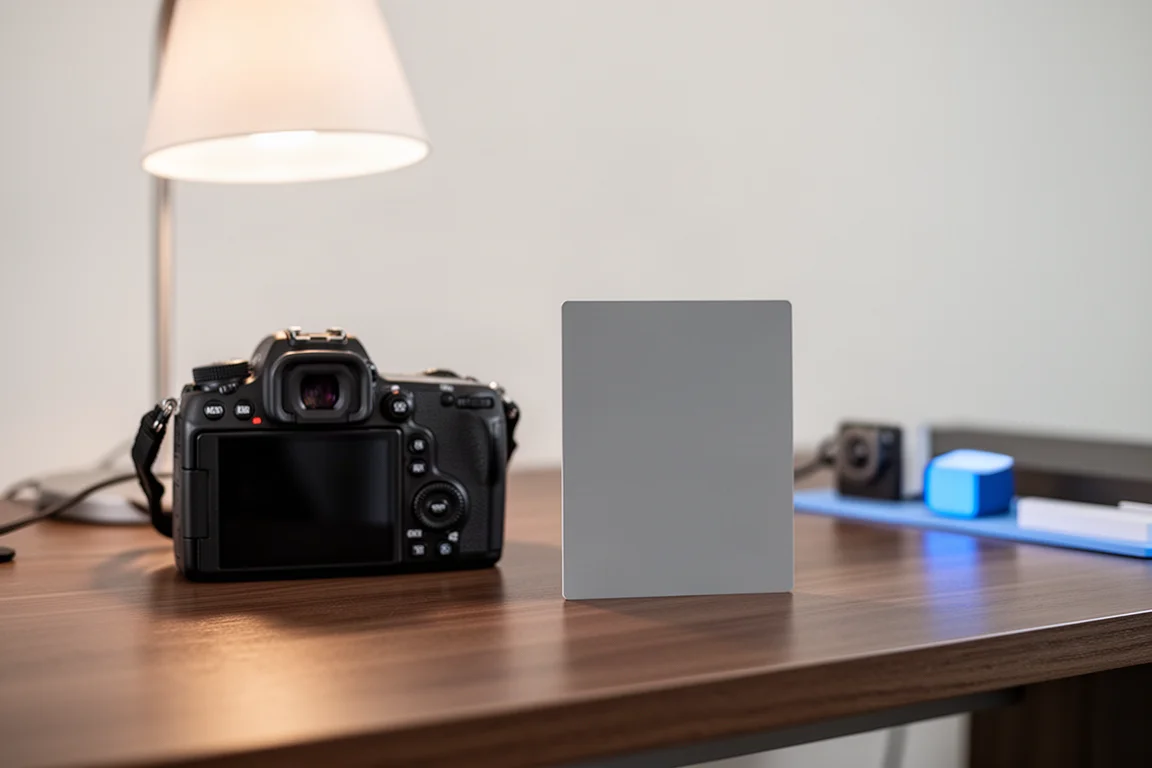
A daytime shootout with a lamp set to 6000 Kelvin, close to sunlight’s bluish white, revealed an important practical difference. On full auto with auto white balance, all the modified cameras produced poor color, while the Canon EOS Ra handled auto white balance fine because Canon has already applied a white balance shift in the firmware.
With a custom white balance set from a gray card for each camera, the results came much closer together. The lesson: modified cameras can absolutely be used for normal shooting, but you need to set a custom white balance rather than relying on auto.
Which Mod Should You Choose?
- Tightest budget: the LPF2 removal on a camera like the EOS 60D delivers most of the Ha benefit for the least money.
- Maximum flexibility: full spectrum lets you shoot sharpened stars at night and infrared photos by day, at the cost of buying extra filters.
- Convenience and balanced color: the Baader mod, as performed on the EOS T7, keeps the IR cut filtration built in and renders color closer to stock.
- Premium factory option: the EOS Ra skips the conversion service entirely and works well with auto white balance, at a significant price premium.
Conclusion
Every one of these conversions unlocks the deep-red hydrogen-alpha signal that stock cameras suppress, and under the night sky the real-world gaps between them are smaller than the terminology suggests. Choose the cheapest Ha mod if budget rules, full spectrum if you want daytime infrared versatility, the Baader mod for built-in convenience with pleasing color, or the EOS Ra if you prefer buying a factory-modified camera outright. Whichever route you take, the dim emission nebulae that once felt out of reach come within grasp.
Further reading
Related Reviews
Astrophotography
ASKAR FRA400C Review: A Versatile 400mm Refractor for Astrophotography and More
The ASKAR FRA400C is a compact 72mm refractor that balances reach, versatility, and portability for astrophotographers and visual observers.
Astrophotography
Askar SQA106 Review: A Premium 106mm Astrograph With Exceptional Optics
The Askar SQA106 is a premium 106mm quintuplet astrograph with impressive sharpness across full-frame sensors, though its price and weight demand careful consideration.
Astrophotography
Astro Imaging Gear 2026: Eight New Products Worth Watching
A look at the most interesting new astrophotography and astronomy products announced this year, from fast telescopes to smart cameras and wireless accessories.