Astrophotography
Canon EF 200mm f/2.8L vs Askar ACL 200 f/4: Which 200mm Lens Is Better for Astrophotography?
Two 200mm lenses for deep sky imaging compared on star quality, chromatic aberration, build, and accessories, with clear buying advice for both astronomers and daytime shooters.
Introduction
200mm has long been a favorite focal length for deep sky astrophotography. It is wide enough that even a micro four thirds sensor can fit very large supernova remnants, yet it still has enough reach to zoom in on fine details in large nebulae like the North America and Pelican nebulae.
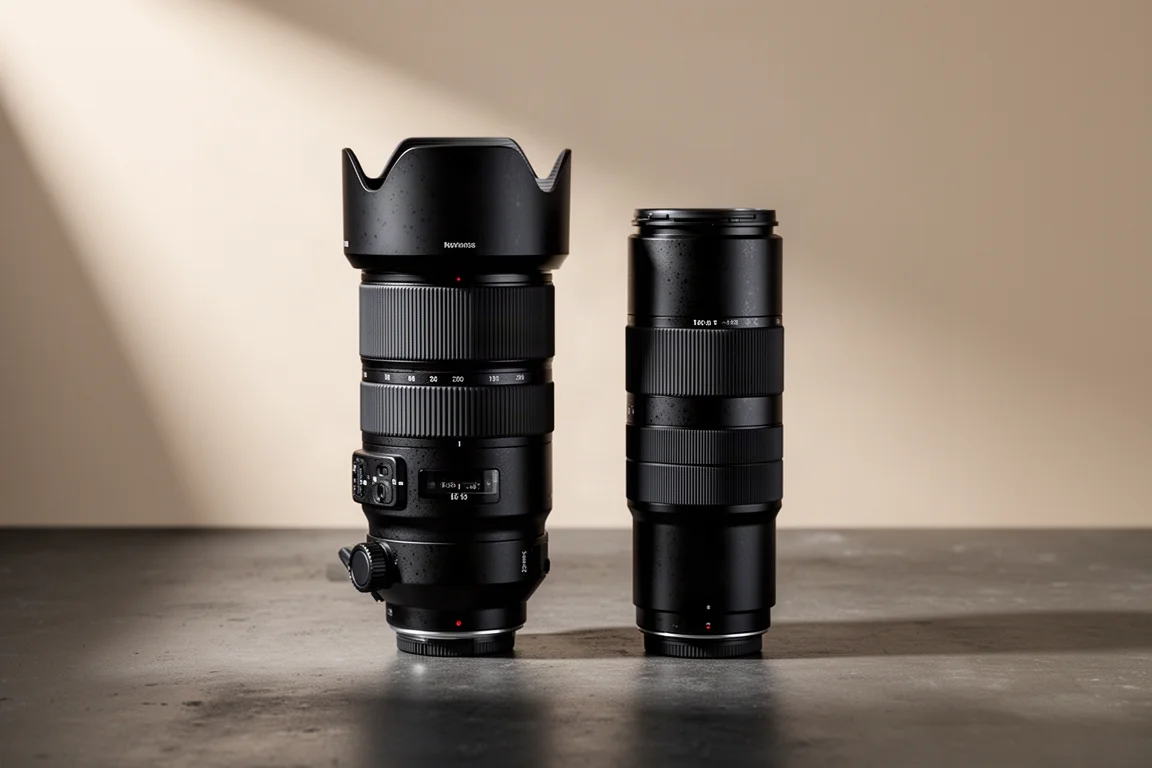
This comparison pits two very different 200mm lenses against each other: the Canon EF 200mm f/2.8L, a long-standing favorite that retails for $749 US new, and the Askar ACL 200 f/4 Astro Camera Lens, which retails for $729 US. One is a conventional camera lens with autofocus; the other is a purpose-built manual astro camera lens. The differences turn out to matter a lot depending on how you shoot.
Star Tests: Chromatic Aberration and Sharpness
The big gripe with the Canon is chromatic aberration, which shows up as red fringing around bright stars. And contrary to what you might expect, it is not only a problem for one-shot color cameras like DSLRs. Even in mono imaging, the spot size of red stars differs from where it should be, and blue stars still pick up red fringes. It is quite annoying, and fringing tends to become more of a problem after stacking than it looks in a single frame.
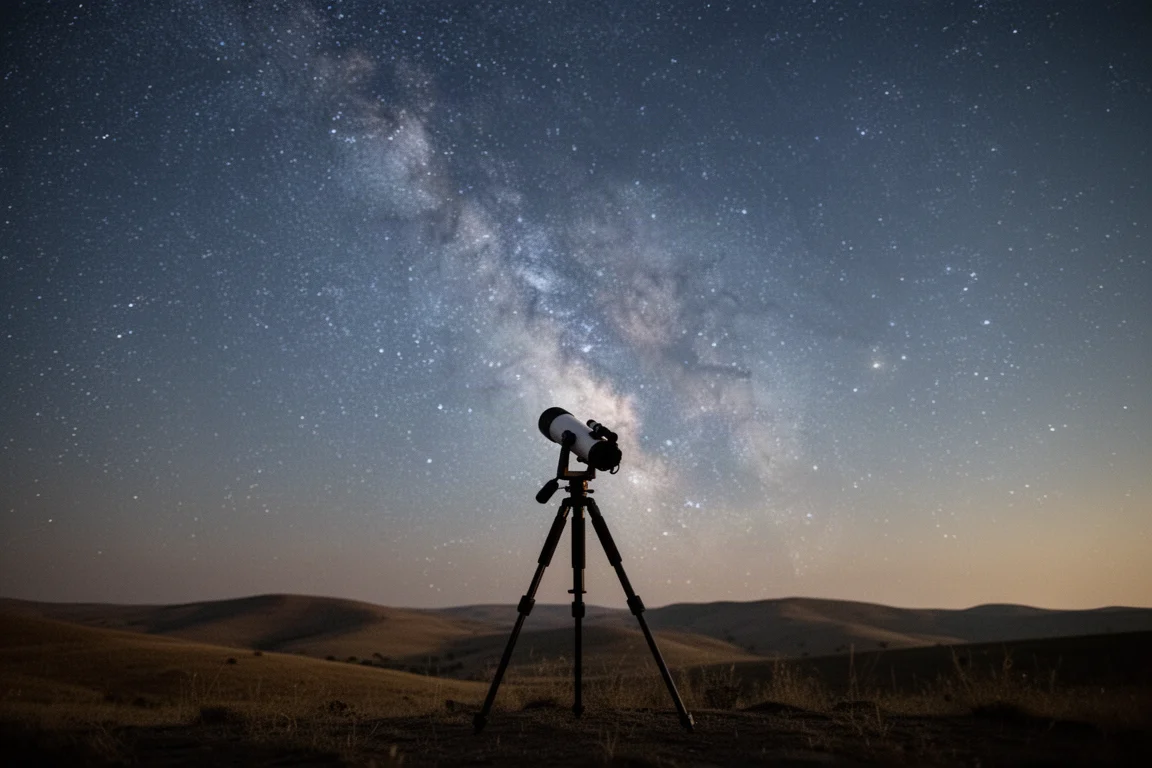
In a direct comparison using a stock Canon T7 DSLR with both lenses stopped to f/4, the Canon clearly shows red fringing, while the Askar shows essentially no chromatic aberration at all, which is genuinely impressive. On the Canon, the fringing is not even centered on the star; it shifts toward the center of the frame depending on where in the field the star sits.
Center sharpness at f/4 is basically a draw. Both are sufficiently sharp and well corrected in the middle of the frame, and across many test shots they sit in a similar league. In the corners, tested on full frame with a Canon EOS Ra, both lenses show about the same amount of corner distortion, though the Canon looks worse overall, mostly due to the chromatic aberration already covered. Keep in mind that copy-to-copy variation is real with any lens, so individual samples may perform slightly better or worse.
Aperture and Diffraction Spikes
The Canon can shoot at f/2.8, a full stop brighter than the Askar’s maximum f/4. That is an advantage, but a mixed one: Canon stars tighten up noticeably between f/2.8 and f/4, and stopping down with the internal iris produces diffraction spikes.
Both lenses have an internal iris, but the patterns differ. At f/5.6, the Askar’s pattern is softer, more even, and more pleasing, while the Canon shows a more distinct pattern with sharper spikes. The Canon uses eight aperture blades and the Askar uses ten, and the number of spikes on bright stars matches the blade count on each. If you dislike diffraction patterns entirely, inexpensive filter step-down rings used without a filter let you stop down without engaging the iris. You would be stepping down from 72mm on the Canon or 82mm on the Askar. It is slightly less convenient, but it works well.
Build, Accessories, and Handling
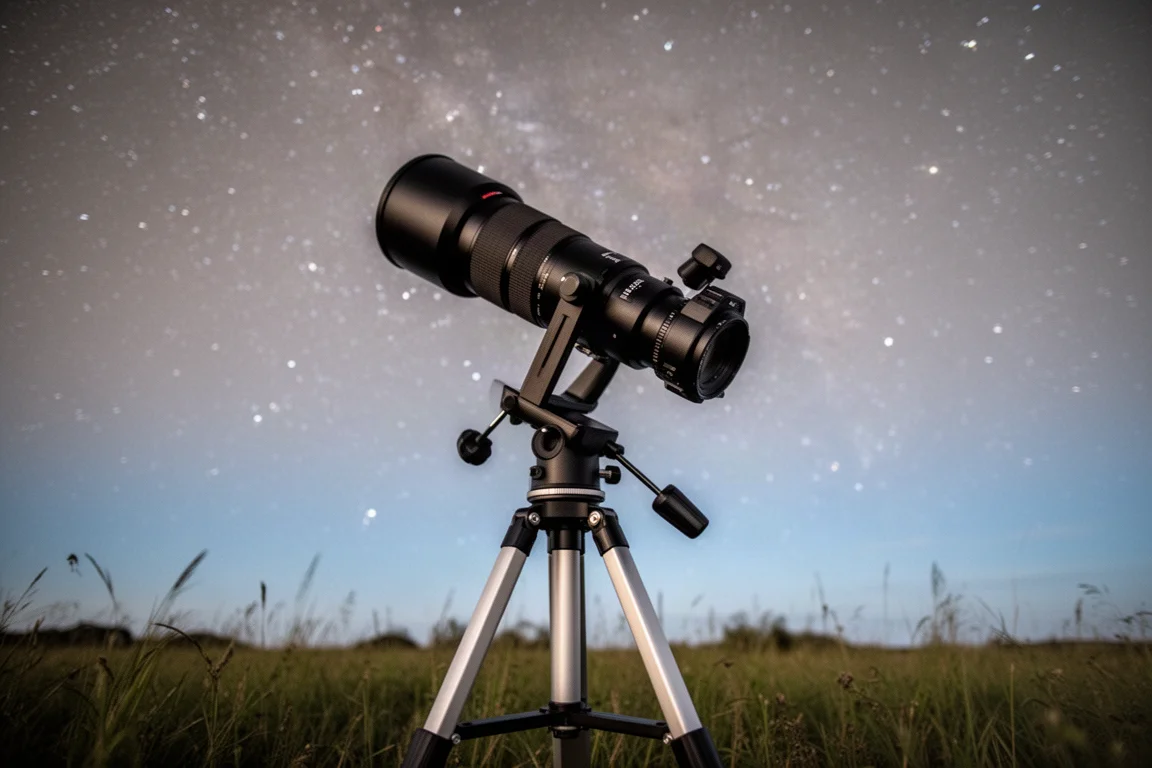
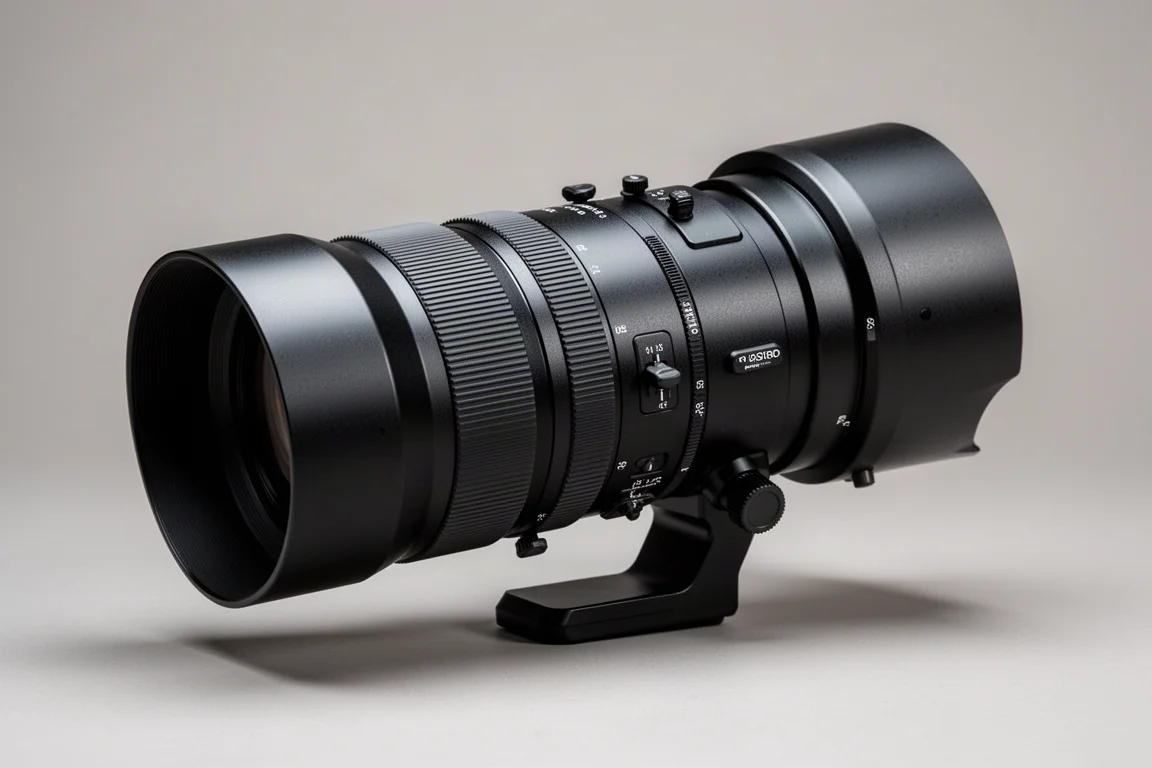
Out of the box, the Askar is the better value. It costs $20 less and already includes a well-machined rotating collar, a Vixen plate on the bottom for easy mounting, and a guide scope mounting shoe on top, plus a metal lens hood. All that metal makes it substantially heavier, at around two kilograms or 4.5 pounds.
The Canon is much lighter, but for a fair comparison you would add a third-party lens collar, a Vixen plate, and a guide scope clamp, which brings it to about 1.5 kilograms or 3.5 pounds. Those three parts could easily add $100 to the cost, so the Askar wins the price equation.
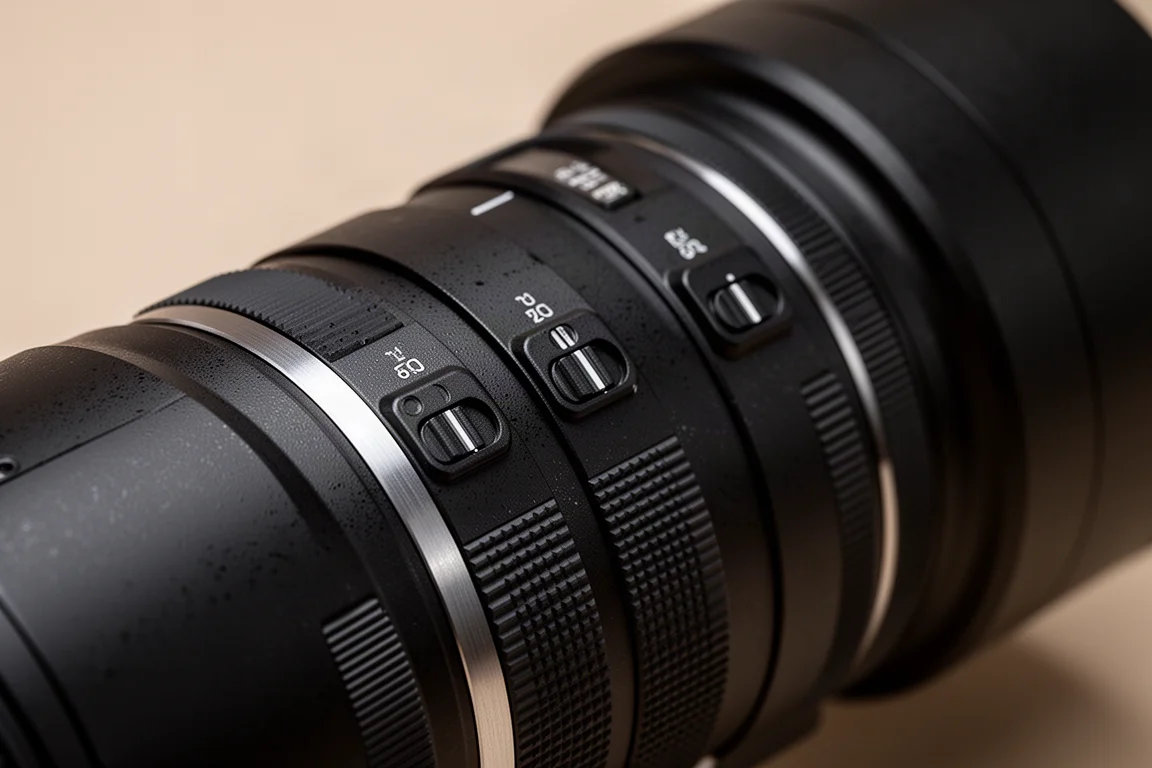
Another standout is the Askar’s barrel layout: three rings control the iris, coarse focus, and fine focus, and all three have locks so nothing shifts after you dial in aperture or focus. That is a sensible design for an astro camera lens.
Killer Features
The Askar’s killer feature is its rear connection: you can remove the back portion and screw a 2-inch or 48mm astro filter right into the imaging train, then use it with any camera, DSLR or astronomy camera. On the Canon, the only realistic options are a clip-in filter or putting a 2-inch filter on the front with step-down rings, which is not recommended because it adds a lot of vignetting.
The Canon’s killer feature is autofocus, which matters for three reasons. First, it makes the lens far more useful in daylight for wildlife, portraits, and eye autofocus. Second, on a modern Canon camera like the EOS Ra, you can tap the screen with a bright star centered and it will often autofocus on stars at a dark site, though you should switch back to manual focus once focused. Third, accessories like the Astro Mechanics ASCOM-compliant focus and iris controller can run automated focus routines with any Canon EF autofocus lens, checking focus throughout the night as temperatures change. Even that advantage is shrinking: Deep Sky Dad sells a 3D-printed belt and pulley system for the Askar 200 at a similar price that also gives automated focus, though it only works with this one lens.
Which One Should You Buy?
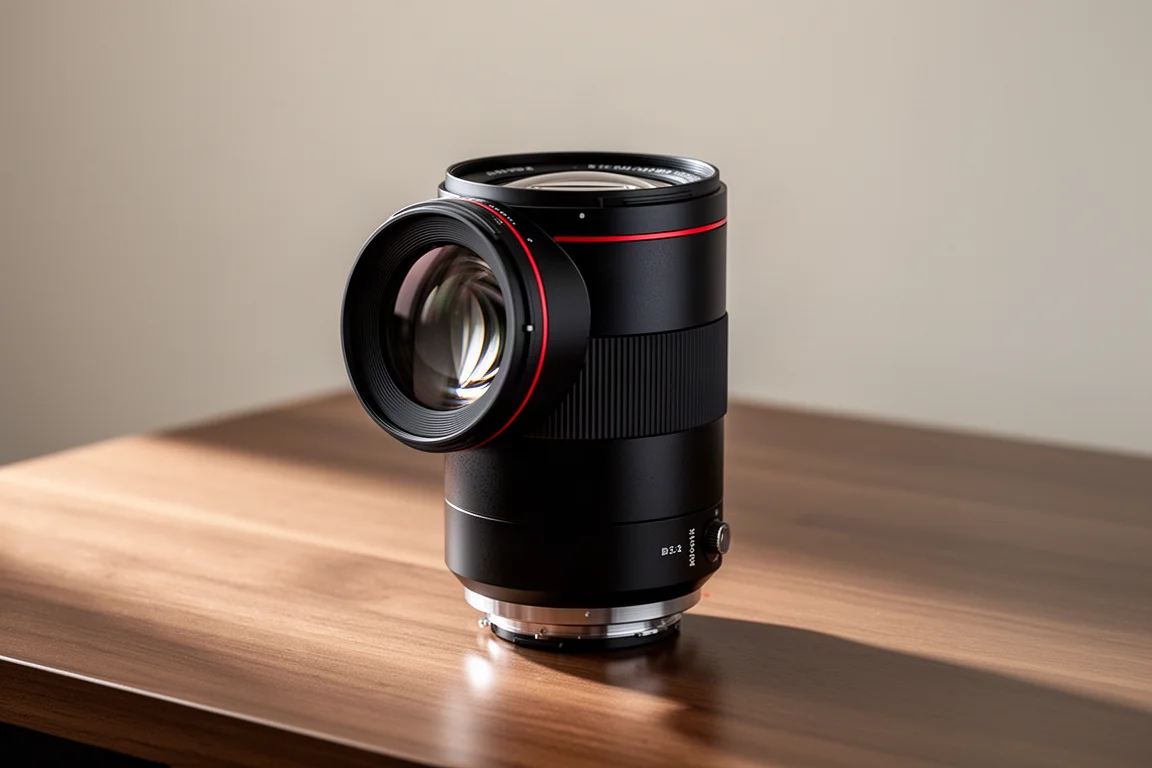
If the brighter f/2.8 aperture matters to you, or you want autofocus and a lens that doubles as a normal daytime Canon lens, the Canon EF 200mm f/2.8L is the better pick.
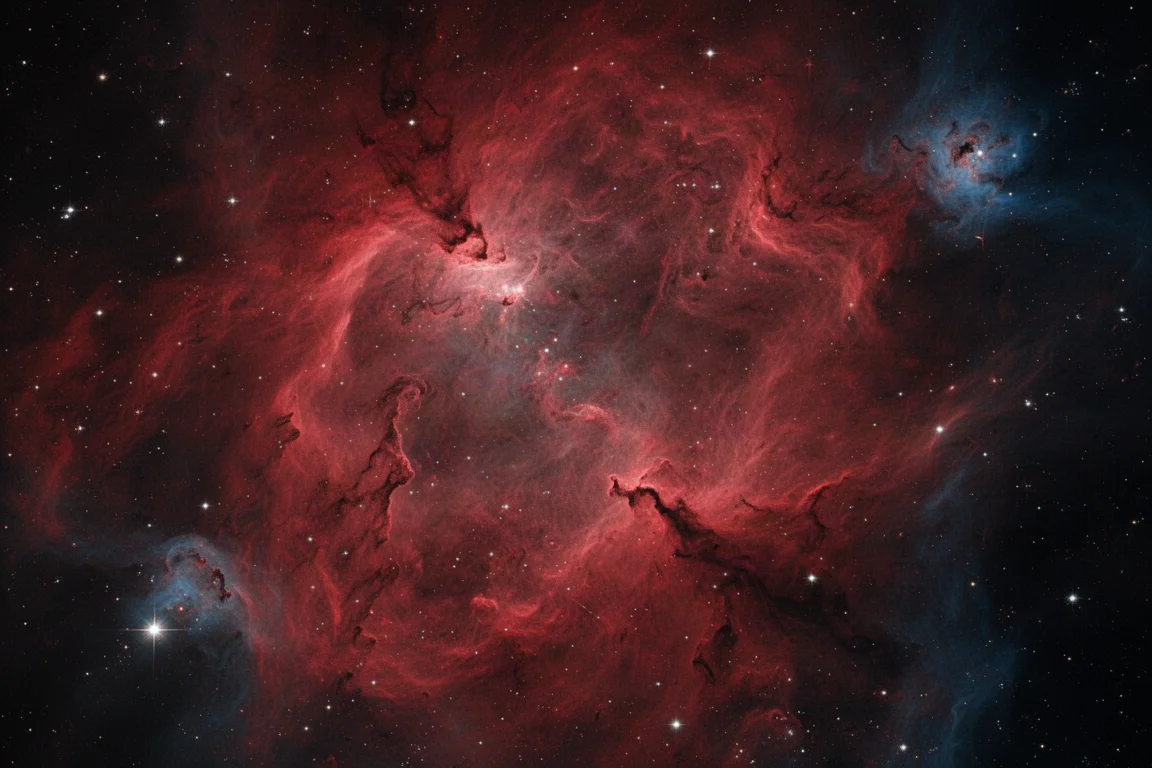
If you will mostly use the lens for astronomy, the Askar is the stronger recommendation. In this comparison it delivered much better star performance with no visible chromatic aberration, better build quality, and better value thanks to the included collar, Vixen plate, and guide scope shoe. It is also more versatile across camera systems: with 48mm threads and 55mm back focus, it adapts to almost any DSLR, mirrorless, or astronomy camera like a telescope would. And with the Deep Sky Dad belt and pulley kit, you can even add automated focusing.
Conclusion
These two lenses serve overlapping but distinct purposes. The Canon remains a great hybrid choice for shooters who want one lens for both day and night, and its f/2.8 aperture and autofocus are real advantages. The Askar ACL 200 f/4 is the more compelling pure astrophotography instrument, with cleaner stars, better correction, and a more complete accessory package for less money. Match the lens to how you actually shoot and you will not go wrong with either.
Further reading
Related Reviews
Astrophotography
ASKAR FRA400C Review: A Versatile 400mm Refractor for Astrophotography and More
The ASKAR FRA400C is a compact 72mm refractor that balances reach, versatility, and portability for astrophotographers and visual observers.
Astrophotography
Askar SQA106 Review: A Premium 106mm Astrograph With Exceptional Optics
The Askar SQA106 is a premium 106mm quintuplet astrograph with impressive sharpness across full-frame sensors, though its price and weight demand careful consideration.
Astrophotography
Astro Imaging Gear 2026: Eight New Products Worth Watching
A look at the most interesting new astrophotography and astronomy products announced this year, from fast telescopes to smart cameras and wireless accessories.