Cycling Components
Cannondale SuperSix EVO Hi-MOD Lab 71: Inside a 5.66 kg Hill Climb Build
A component-by-component look at a 5.66 kg hill climb build, from the Cannondale Lab 71 frame to sub-kilo wheels, 1x Dura-Ace, titanium rotors and race-day tire choices.
Introduction
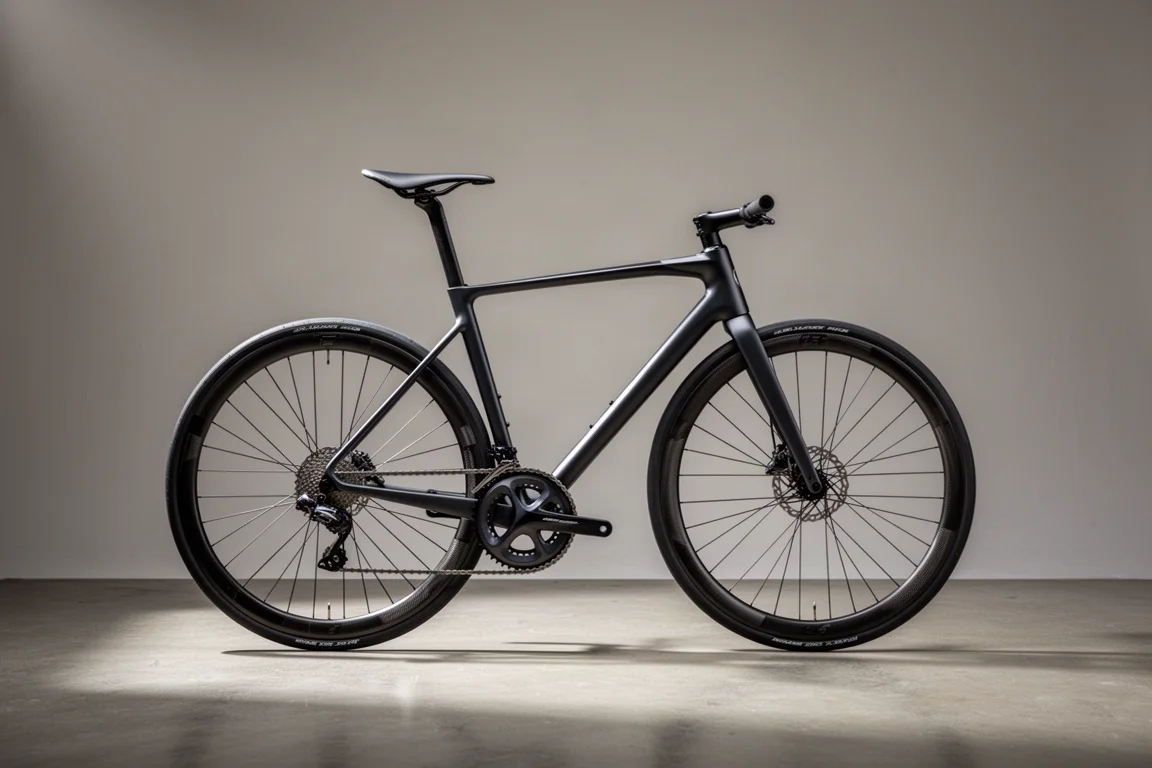
Hill climb racing is one of the few corners of cycling where every gram gets audited. This build belongs to a reigning national hill climb champion, and it shows how far a modern disc brake race bike can be pushed toward race weight. On the scales it came in at 5.66 kg, roughly 250 g more than the rim brake machine it replaced. That gap is small enough to make the case that disc brakes no longer rule out a serious climbing build. The rest of the bike is a study in selective compromise: sub-kilo wheels, titanium rotors, a single chainring drivetrain, and tires chosen according to the weather.
What Matters in a Hill Climb Build
Weight is the headline number, but it is rarely the whole story. A hill climb bike still has to be stiff enough to be ridden out of the saddle for most of an effort, and the frame needs to behave on the flat and downhill sections that often appear on championship courses. This year’s national route included a false flat and a descent, which is exactly why the frame’s aero features are worth having even on a bike built primarily for climbing.
Gearing is the next trade-off. Running a single chainring saves the weight of a front derailleur and an inner ring, but it also narrows the range. With roughly a quarter of the course either flat or downhill, the build keeps a full 11-30T cassette rather than trimming it down to a handful of cogs, as had been done in earlier seasons.
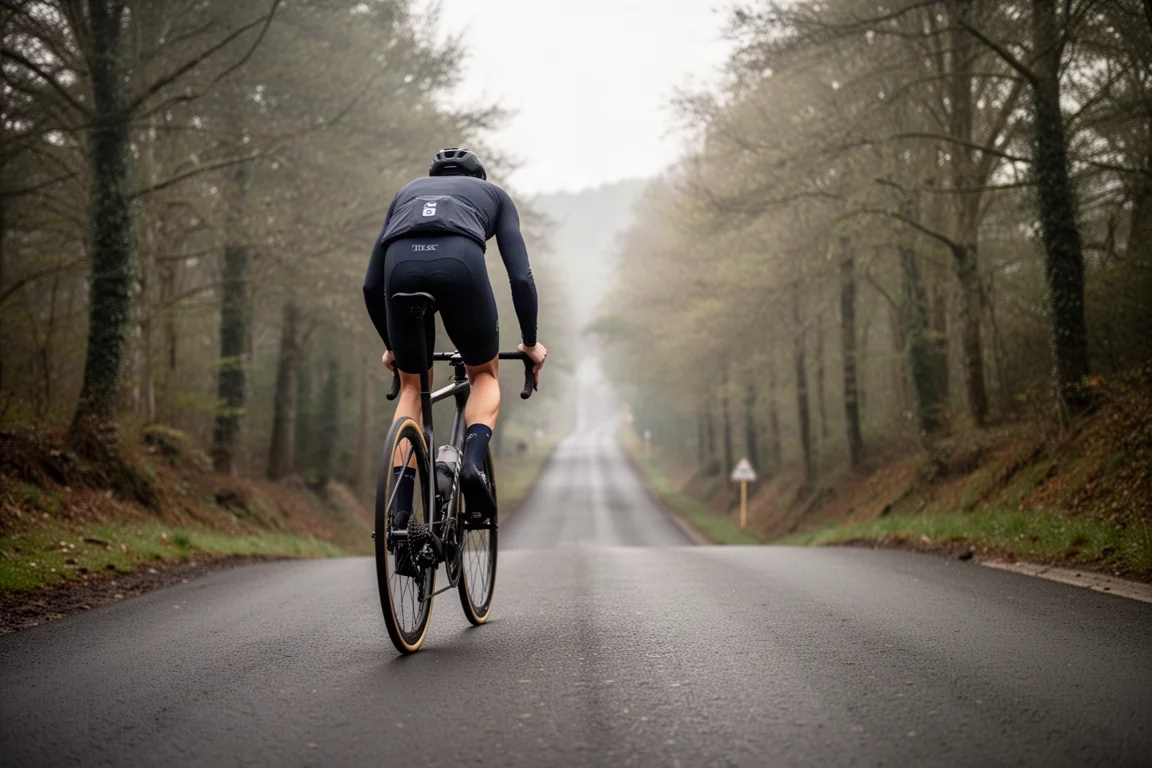
Reliability is the final consideration, and it is where this bike accepts the most risk. Extremely light tires, a standard chainring, no clutch in the rear derailleur and no chain catcher all trade security for speed. Anyone building something similar should decide up front how much of that risk they are comfortable carrying on race day.
The Frame: Cannondale SuperSix EVO Hi-MOD Lab 71
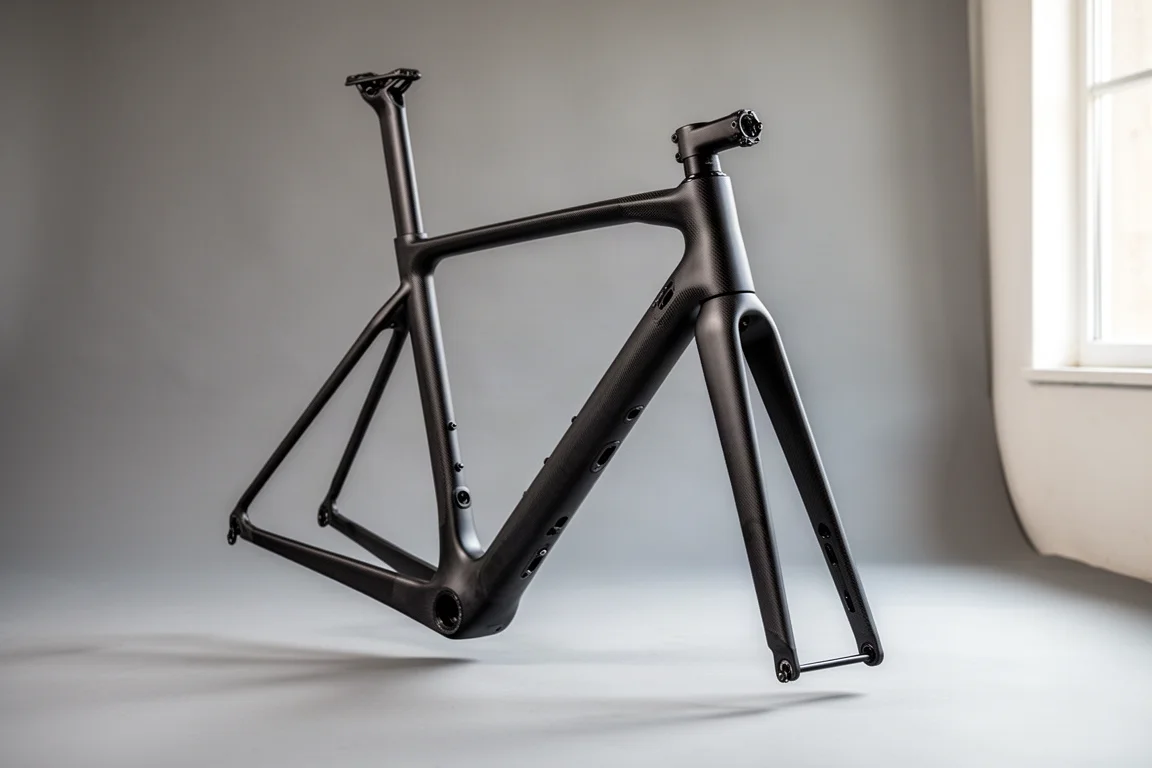
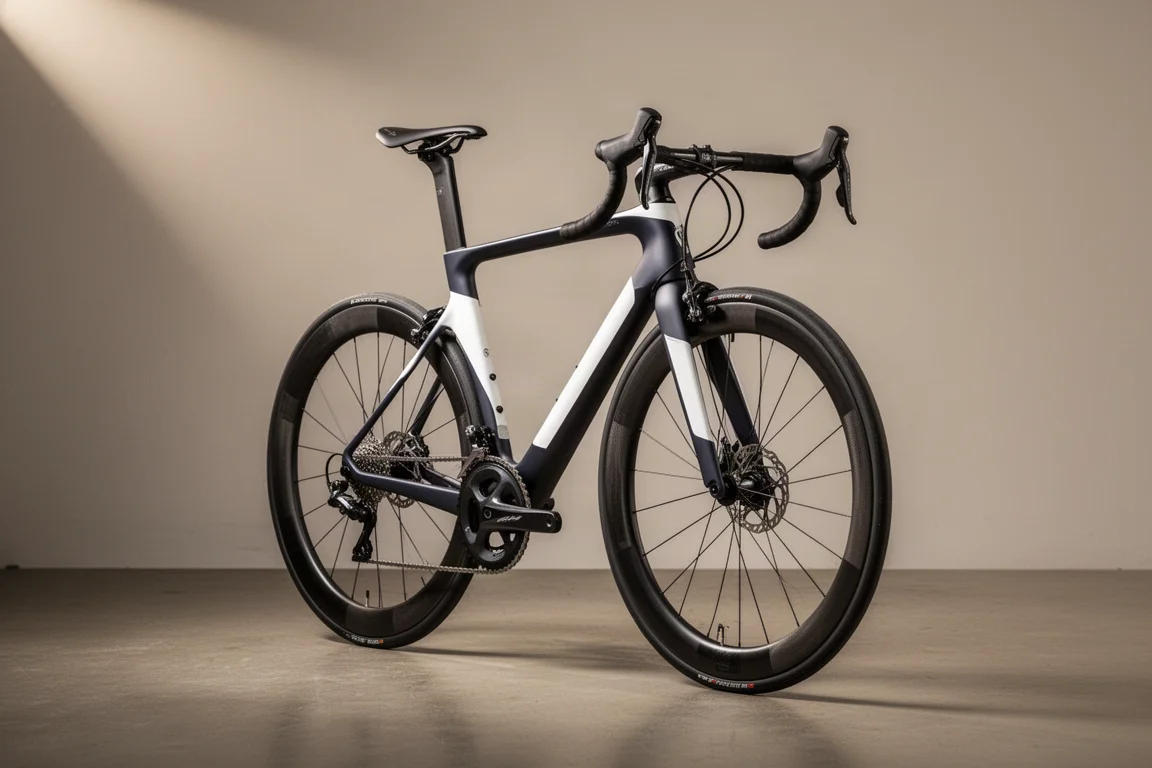
The frame is Cannondale’s current top-end SuperSix EVO, the Hi-MOD Lab 71. Cannondale quotes 770 g for a size 56, and this bike runs a size 54, so the actual frame should sit slightly below that figure. The previous frame weighed 840 g once it was stripped down, which means the frame change alone accounts for a meaningful saving before a single component is considered.
It is also described as very stiff, which matters more than usual here because the rider spends most of the effort standing. The frame carries aero tube shapes as well, a sensible addition given that championship courses are rarely one uninterrupted gradient.
Wheels and Braking: Hunt Hill Climb Wheels
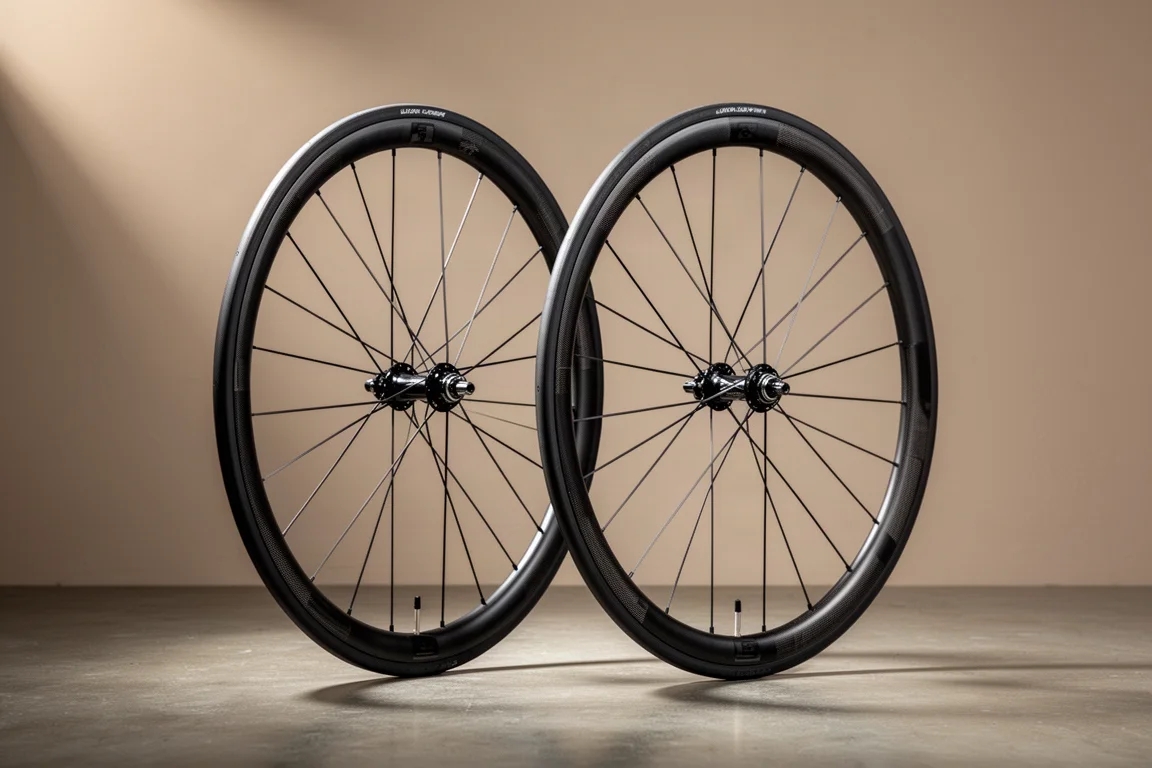
The wheels are Hunt’s hill climb model, built with carbon spokes and weighing under a kilogram, at around 960 g. They have been used across five or six hill climbs this season and are described as very stiff and very light, which is the combination that counts when the bike is being pushed uphill out of the saddle.
Disc brakes normally add weight, but this build claws most of it back with titanium rotors weighing 49 g each. Those rotors use a six-bolt fitting, so they need an adapter to mount on center lock hubs, and the standard adapters were heavy enough to erase the advantage. A lighter aftermarket adapter halved that weight to around 25 g, bringing each rotor and adapter combination to roughly 70 to 75 g.
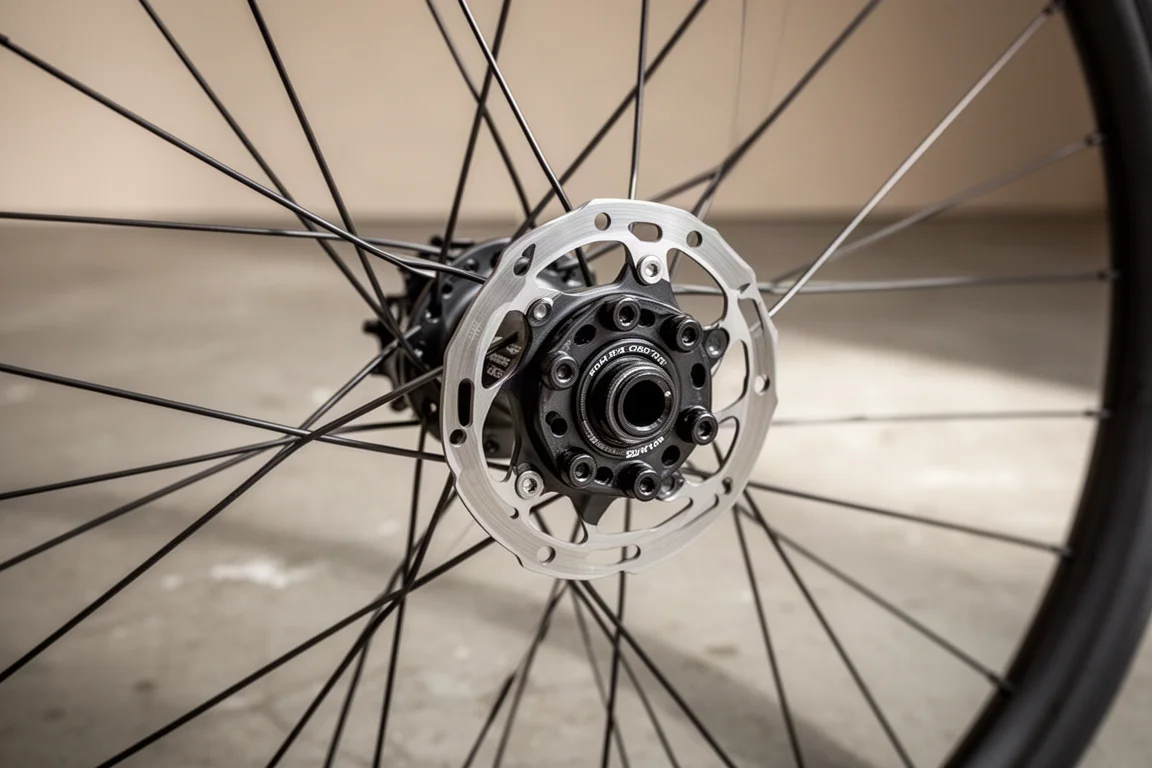
The result is a disc brake setup that stays broadly competitive on weight with the rim brake alternative, at the cost of more assembly work and a dependency on small, hard-to-find parts.
Drivetrain: Shimano Dura-Ace
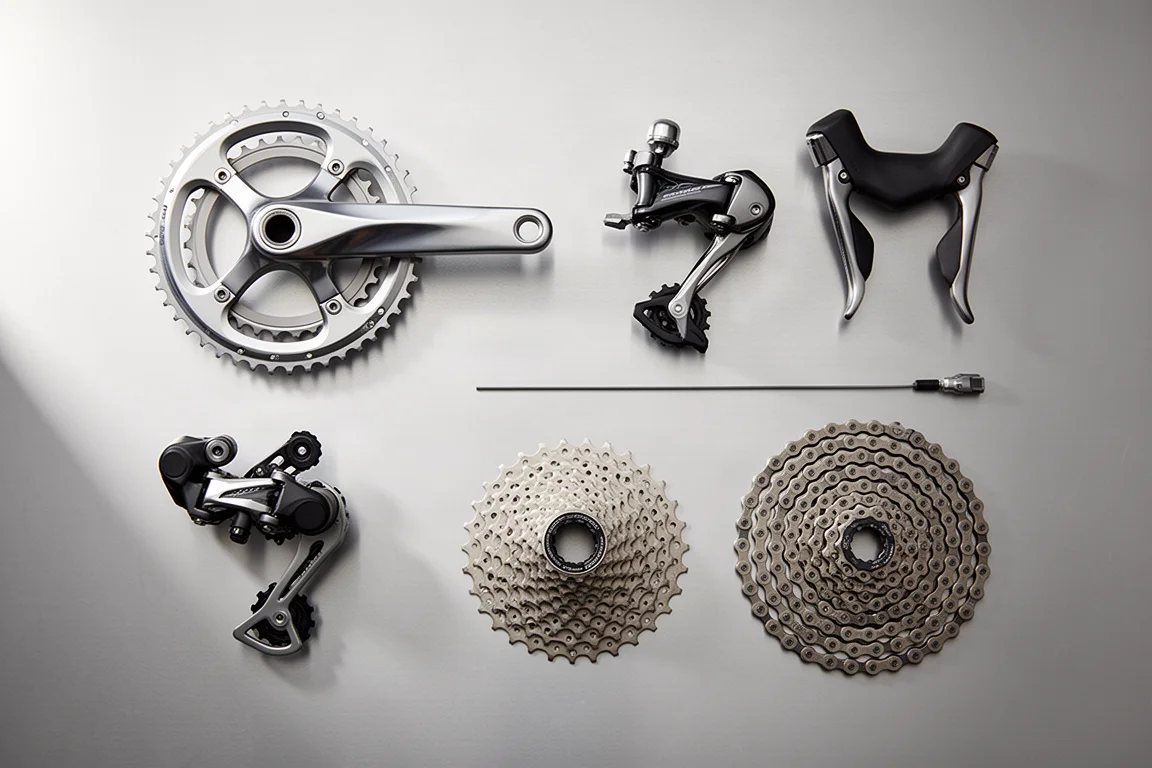
The drivetrain is a Shimano Dura-Ace build running 1x, with a single chainring at the front and an 11-30T cassette at the back. The cassette is kept in full because the course includes flat and descending sections, and trimming cogs would leave gaps in the range on the faster parts of the climb.
The riskiest element of the whole bike sits here. Dura-Ace 12-speed does not yet offer a narrow-wide chainring in the four-bolt pattern used on this build, so a standard chainring is fitted instead. There is no clutch in the rear derailleur and no chain catcher, which means a dropped chain remains a genuine possibility. The setup has been ridden and feels secure, but the risk is accepted rather than eliminated.
The chain is waxed, and the smoother running is noticeable, with a small efficiency benefit claimed for the waxed setup over a conventionally lubricated chain.
Power Meter: Rotor INspider
Power measurement comes from a Rotor INspider spider-based power meter that has been carried over for several seasons. Keeping the same meter year after year matters for training, because it keeps power numbers directly comparable instead of forcing a rider to recalibrate their expectations with every new unit.
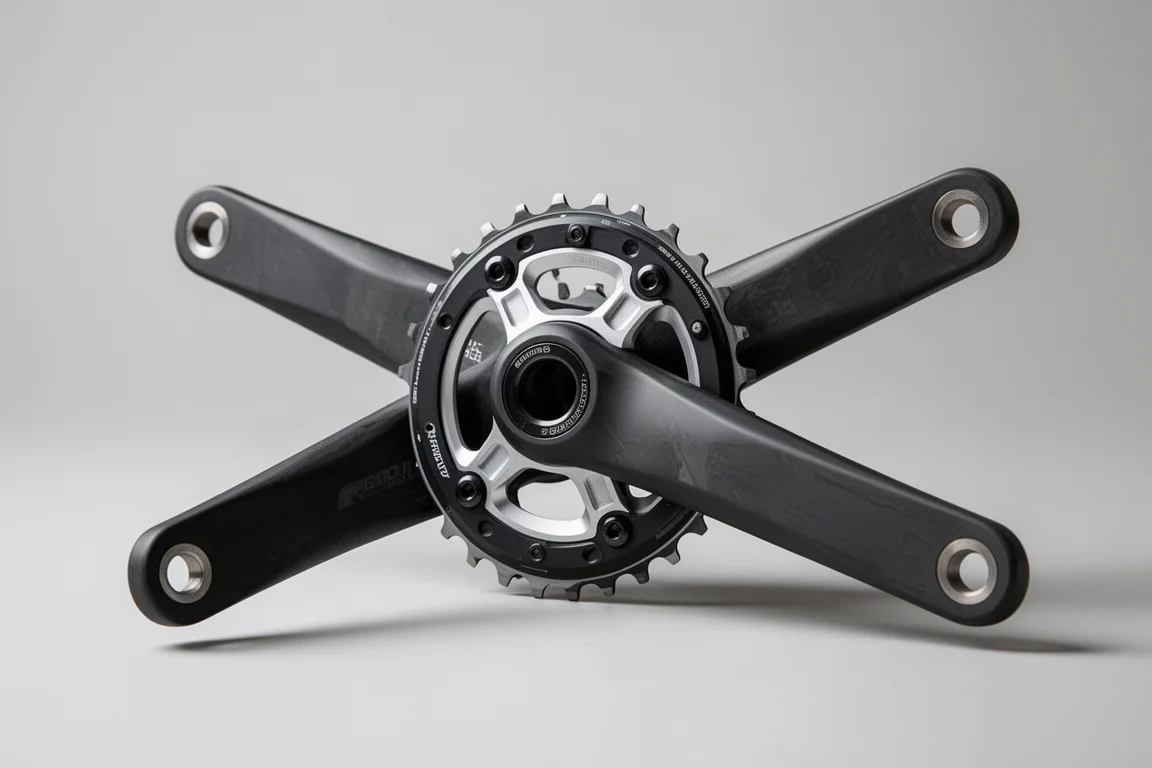
The cranks are new for this season: carbon arms replace the aluminium ones used previously, saving weight while staying stiff.
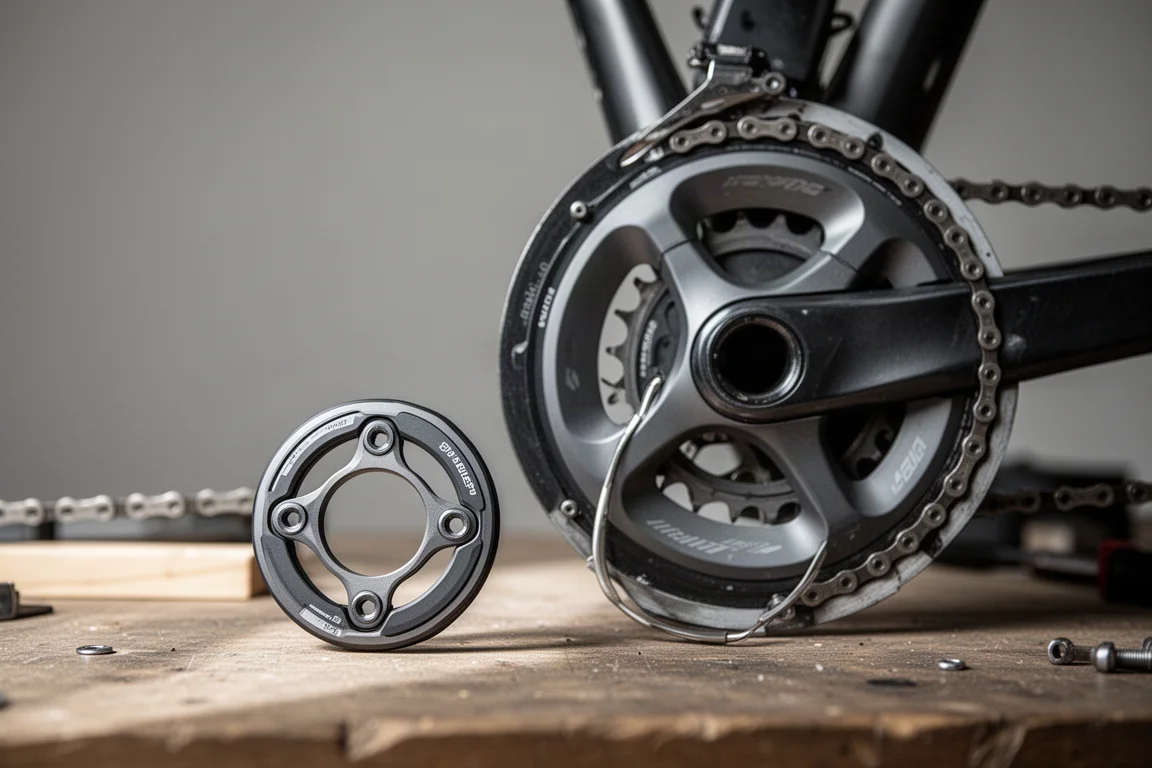
For a hill climb build, a spider-based meter is a pragmatic choice. It measures at the crank, it works with the single chainring setup, and it avoids adding a separate pedal-based system to the bike.
Tires: Vittoria Pista and Schwalbe Pro One
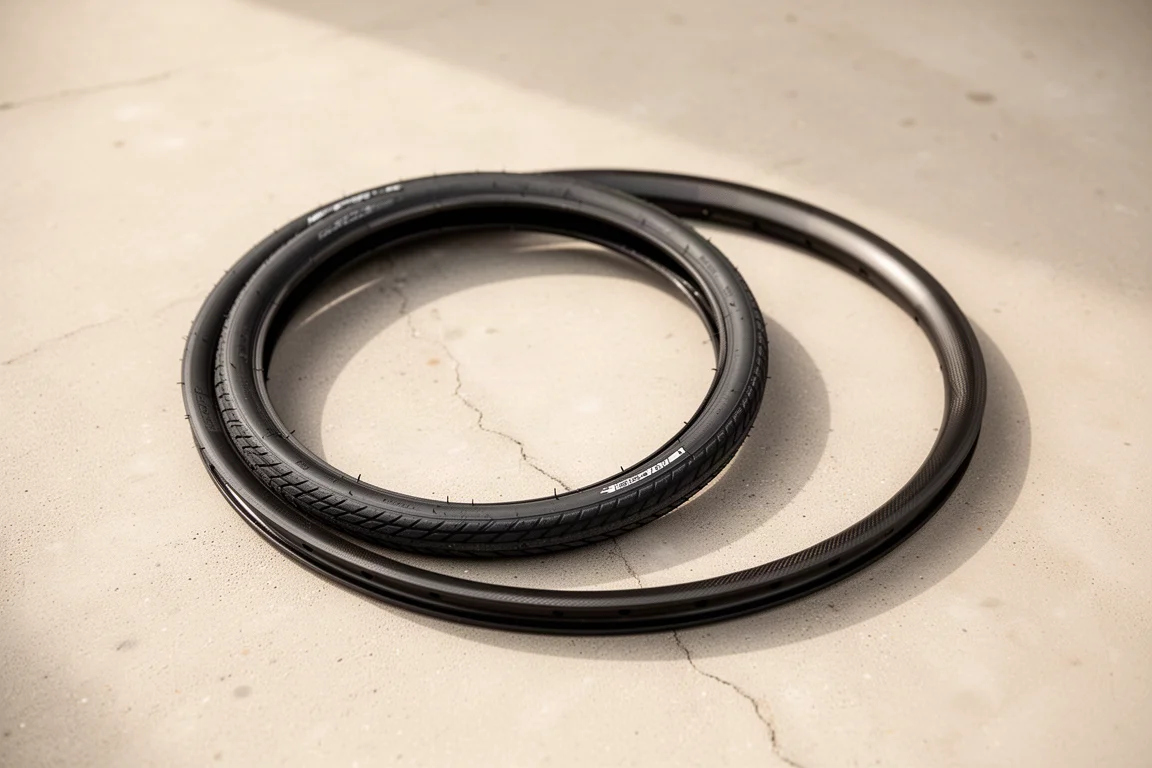
Two very different tire setups are used depending on conditions. For race day the choice is the Vittoria Pista, a track-specific tubular weighing 165 g per tire. It is extraordinarily light and equally fragile, with essentially no puncture protection. Labelled as a 23 mm tire, it measured 22 mm once mounted on the rim.
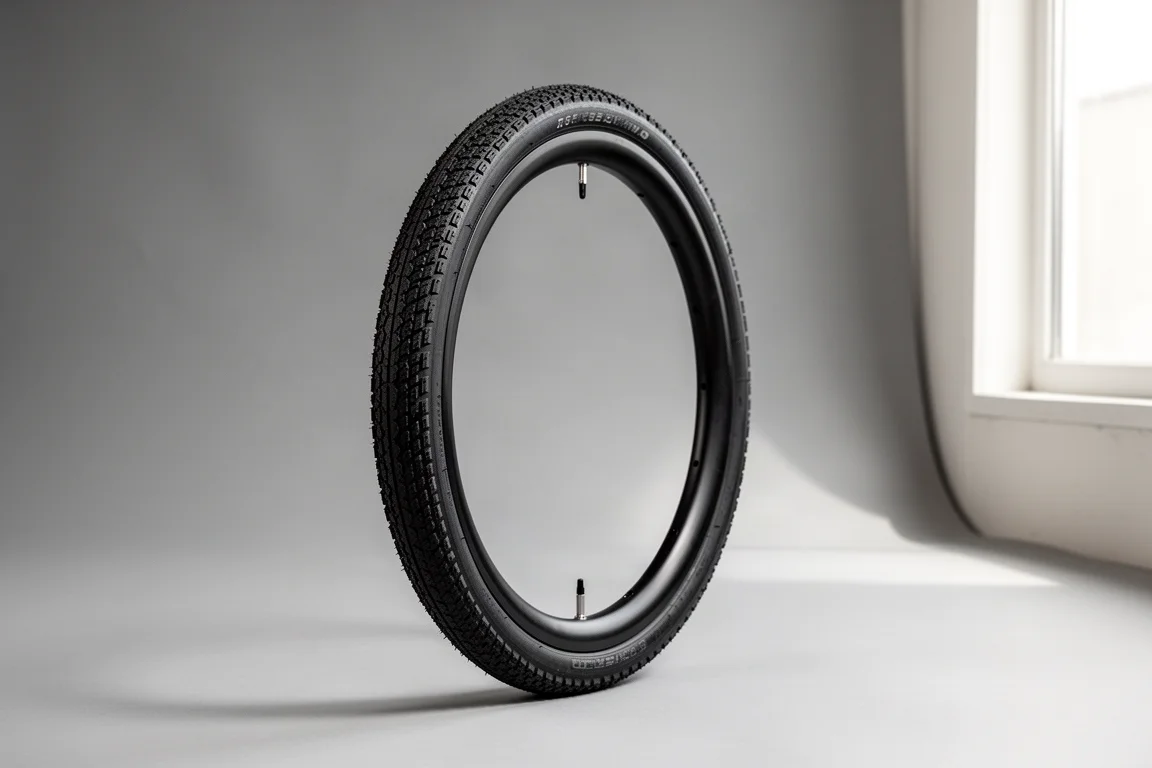
The wet-weather and training option is the Schwalbe Pro One, a tubeless tire in a 25 mm width. The extra volume allows lower pressures, which improves grip in the wet, particularly at the rear wheel where power delivery makes traction most critical. Choosing between the two is a race-day decision based on the forecast and the road surface, and pressures are adjusted to match; in wet conditions previously the rider dropped to roughly 55 to 60 psi.
Cockpit, Saddle and the Small Details
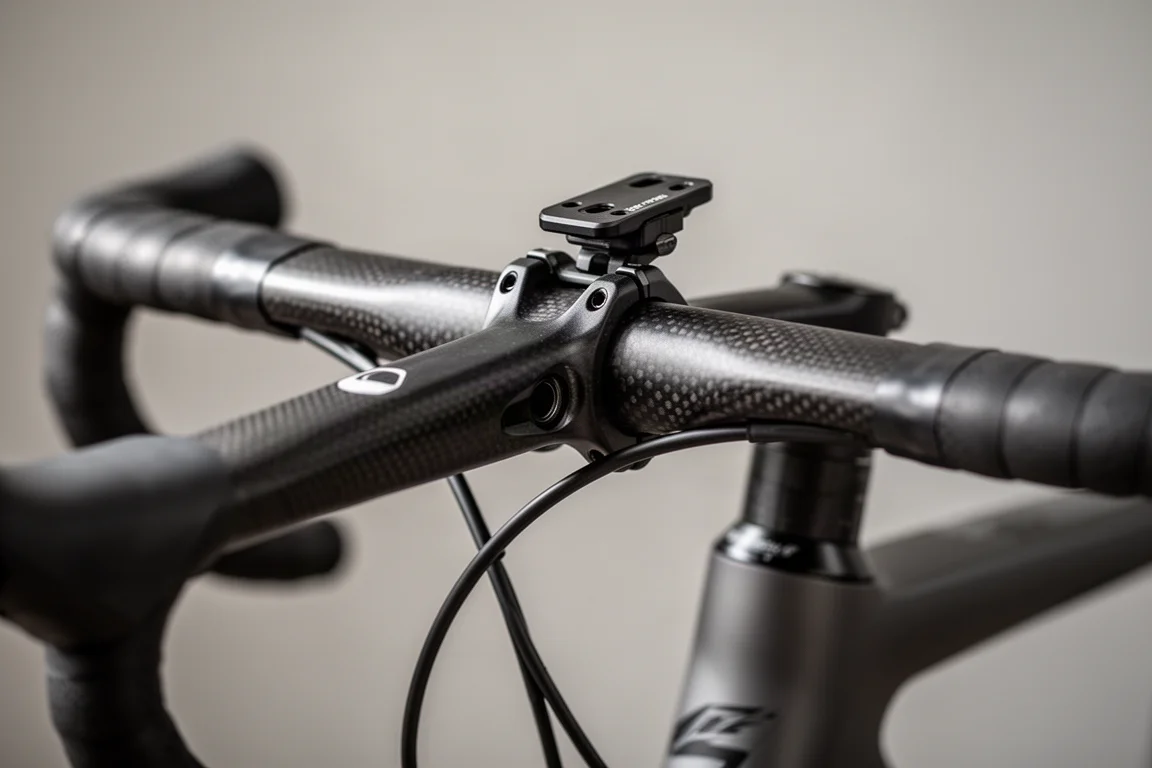
The cockpit is deliberately non-aero in shape and modern in construction: a carbon handlebar with a matching integrated stem, with the brake hoses routed through a small port underneath the stem and into the frame. It makes for a very clean front end, and a much longer build for the mechanic who assembled it.
Wide bars and an upright hood position are chosen for leverage when standing rather than for aerodynamics, and there is no bar tape on the bike at all, at any point in the season. A 3D-printed out-front mount weighs around 14 g and is made specifically for this stem. The lights are 3D-printed too and weigh around 4 g each, small enough to be almost invisible but present because hill climb and time trial rules require a light and a helmet in every race. The saddle is a short model of around 60 g and 245 mm, which lets the rider move forward over the cranks.
Taken together, these details are less about measurable gains and more about removing everything the rider does not need, while keeping the bike legal and comfortable for the position actually used.
Overall Buying Advice
Weight savings compound, but they only help if the bike still suits the course. The most transferable lessons from this build are about matching components to the terrain: keep the full cassette range if the route has flat or downhill sections, choose the tire according to the forecast, and accept that the lightest options are usually the most fragile.
Frame and wheels remain the two components where a change is most noticeable, since they carry the largest share of the bike’s weight and the biggest influence on how it feels under load. Stiffness deserves as much attention as weight here: a flexible bike that is ridden out of the saddle for most of a climb will not reward a low number on the scales.
Disc brakes are no longer a reason to avoid a lightweight climbing build. With titanium rotors and light adapters, the penalty on this bike came to about 250 g over the previous rim brake setup, which is a reasonable price for consistent braking.
Conclusion
This is a build where nearly every part has been chosen for a specific reason, and the 5.66 kg result shows how close a disc brake hill climb bike can get to a rim brake one. The frame saves weight and stays stiff, the wheels are sub-kilo, the drivetrain keeps the gear range the course demands, and the tires change with the weather. For riders building something similar, the useful takeaway is that the fastest hill climb setup is the one that matches the hill, not simply the one that weighs the least.
Further reading
Related Reviews
Cycling Components
A 20,000-Mile Budget Race Bike Build: Five Parts Worth Knowing
A rim brake race bike assembled from low-cost components and ridden for 20,000 miles. Here is what delivered real speed, what caused problems, and what to weigh before copying the formula.
Cycling Components
7 Bike Fit Products Fitters Avoid: What to Check Before You Buy
Seven bike components that regularly cause knee, foot and saddle problems, with the specific concerns behind each one and what to look for instead.
Cycling Components
Four Affordable Bike Upgrades That Improve Ride Feel
Four low-cost cycling products that make a real difference to ride feel, plus the free setup changes worth trying first.