Mountain Bikes
Cannondale Scalpel Review: A Refined 120mm Cross-Country Race Bike
The Cannondale Scalpel moves to 120mm travel, modern XC geometry and lighter frames, with the single-legged Lefty fork still leading the way.
Introduction
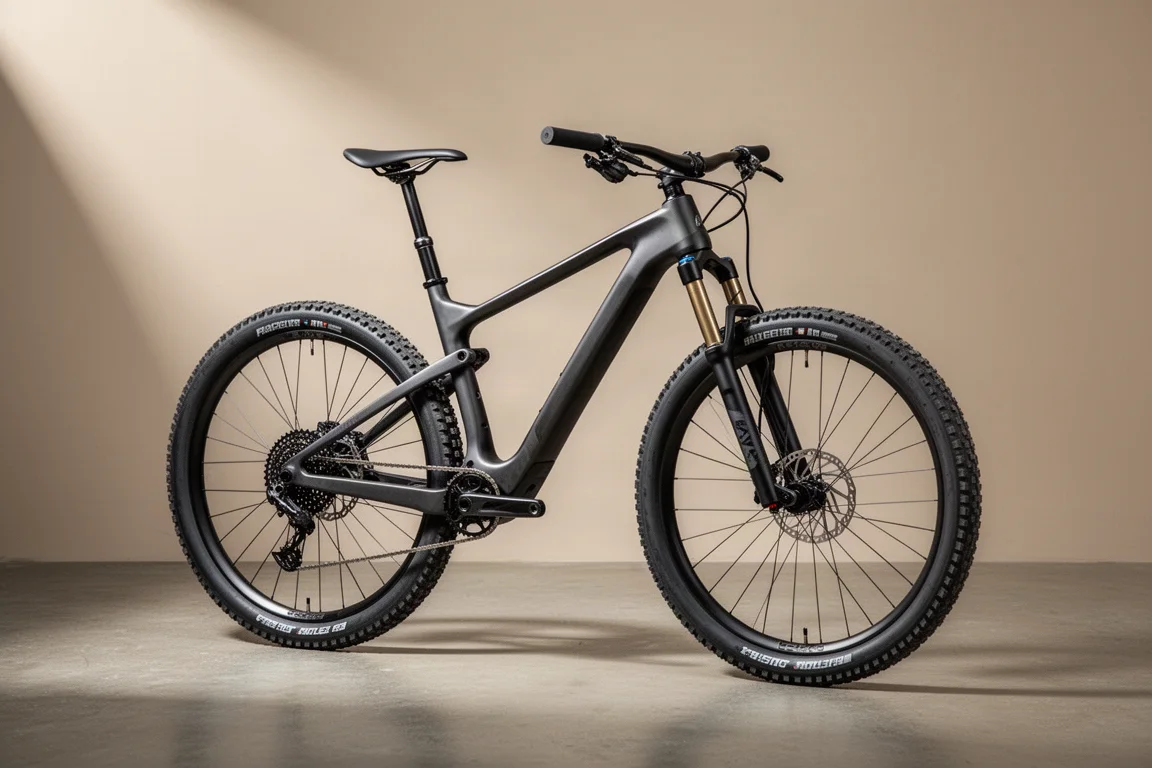
The Cannondale Scalpel has been part of the brand’s line for 22 years, and this latest generation is less a reinvention than a careful refinement. Suspension travel is now 120mm at both ends, geometry has been brought in line with what modern cross-country racing demands, and the builds stay focused on low weight. The separate SE model is gone, because the brand sees the needs of a modern XC racer and a rider after a fast, light bike as close enough to share one family.
Two details stand out immediately: a frame that has been slimmed down in tube surface area while still hitting the brand’s stiffness targets, and the single-legged Lefty fork that Cannondale continues to fit.
Who This Bike Is For
This is a race-focused cross-country bike that has been given a little more capability than before. The 120mm travel figure, longer reach and slacker head angle point to riders who race on courses littered with rocks, roots, drops and jumps, and who want a bike that stays composed when the track gets rough. It also suits riders who want a fast, light bike for long days rather than a dedicated trail machine, which is exactly the gap the discontinued SE used to fill.

If your priority is outright efficiency on smooth climbs with enough composure to handle technical descents, the Scalpel is aimed at you. Riders who want a heavier-duty trail bike with more travel are looking at a different category altogether.
Frame and Suspension: FlexPivot and Proportional Response
The Scalpel uses Cannondale’s FlexPivot layout, where a flexing zone replaces a pivot in the suspension linkage. The brand says this makes the design lighter and stiffer than a conventional arrangement, and maintenance free as well. The bike also uses Proportional Response kinematics, which means the pivot points are positioned differently depending on frame size, with the aim of giving consistent traction, braking and pedaling performance across the size range.
A TwistLoc remote on the handlebar locks the shock and fork. On bikes built for the North American market, only the shock gets a lockout. The shock lockout cable is routed neatly through the top tube to keep it out of sight.
Tube surface areas have been reduced to save weight while still meeting the brand’s head tube and bottom bracket shell stiffness targets. The bottom bracket shell is threaded, there are two sets of bottle bosses on every frame size, and an internal clamping mechanism keeps the internally routed cables and hoses quiet. Frame protection is included as well. Cables run through the headset, though a slimmed-down 1.5-inch upper bearing is used so that the bulk of cross-country brake levers should pass through it, which should reduce maintenance headaches.
Geometry and Fit
Chainstays are longer than before and vary with frame size, which helps keep the geometry balanced across the range. The seat angle has been steepened by about a degree and the head angle slackened to 66.6 degrees. Reach has grown by 10 to 15mm for a given size, with a size large measuring 475mm.
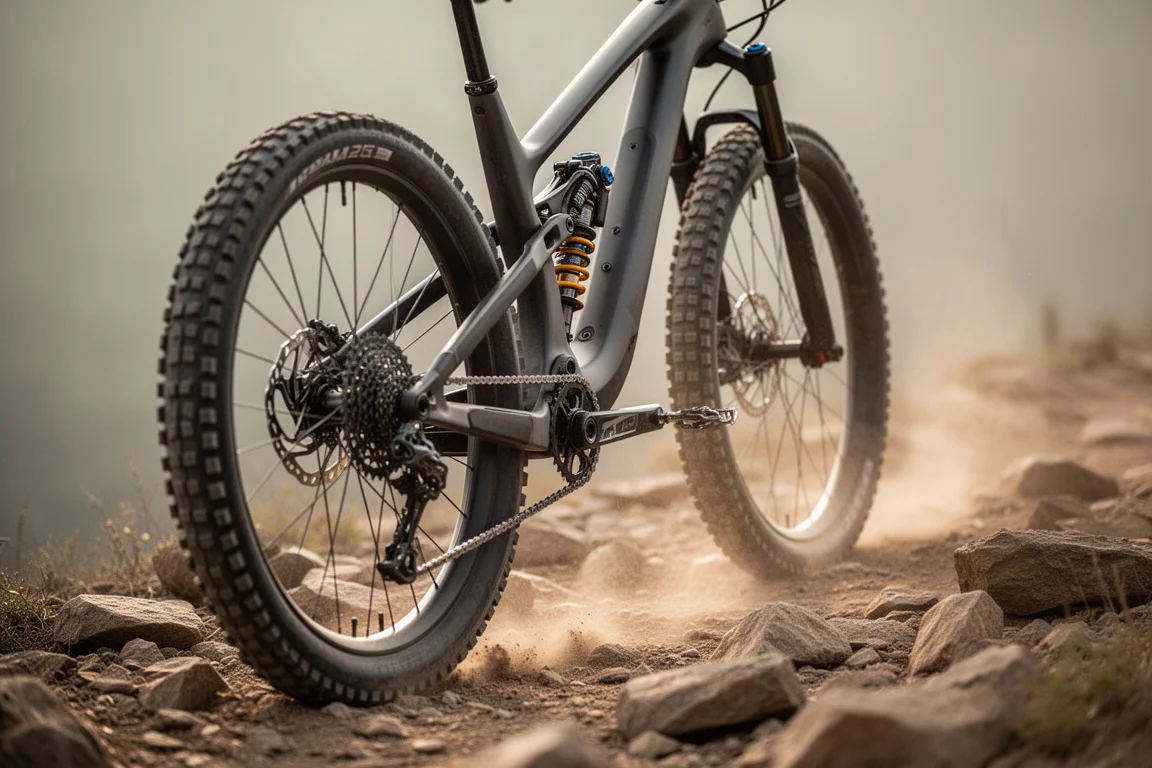
For riders, the practical result is a bike that places you in a more efficient climbing position while keeping the front end calmer when the trail points downhill.
The Lefty Fork: One Leg, Plenty of Stiffness
The Lefty is an upside-down, single-legged fork, and chassis stiffness is surprisingly good given the looks. Its internals differ from a conventional fork: the stanchion moves over sliding bushings and needle bearings rather than a fixed bushing. Cannondale says this reduces binding friction, making the fork smoother under braking on steep terrain, which helps comfort and grip. Travel is up to 120mm to match the rear.
How It Rides: Climbing and Traction
A fast rear tire and a firm lockout will make most bikes feel lively on smooth climbs, and the Scalpel does not disappoint. Despite the slimmer frame profile, it does not swing or sway under power when you haul on the bars. The TwistLoc is easy to operate, and on smooth climbs, even on dirt, switching to the locked position makes sense.
Switch to the open mode on chunkier climbs and the bike is still no slouch. The suspension stays settled during seated pedaling, and when it gets loose there is just enough free movement at the rear wheel to help generate more grip than the rear tire’s tread might suggest. The steeper seat angle feels good, and the front and rear proportions feel balanced.
How It Rides: Descending and Control
With the updated geometry, this is a more confident bike than the previous generation. The longer reach and slacker head angle give it stability at speed and through corners, and the front-to-rear balance remains good. It is still a race-focused bike, but there is enough to pick it up and play around. Jumps and drops do not seem to phase it.
Up front, the Lefty may split opinions on aesthetics, but it is a solid fork with plenty of stiffness. Its motion through the travel feels a little different from a traditional fork, which is likely down to the needle bearings, but it is reactive and smooth.

Builds, Models and Regional Differences
At the top of the range sit the Lab 71 bikes, which use high modulus MR70 and M40 XC carbon fibers. That makes the frame lighter, and a medium frame including hardware comes in at 1,780g, which is 20g lighter than the previous generation. That may not sound like much, but given that these are larger frames thanks to the updated geometry, it is an impressive achievement. Lab 71 frames are around 300g lighter than the Series 1 carbon frames used on the rest of the lineup, with a claimed complete bike weight of around 10.4kg in a size medium.
Cannondale runs two build families: one for North America and one for the rest of the world. North American bikes come with traditional two-legged forks unless you are on the Lefty-equipped Lab 71, while some rest-of-world models get Lefty options. Outside the Lab 71, none of the North American builds come with a fork lockout, while rest-of-world versions do. This comes down to market preferences.
The launch ride was on a Scalpel 1, equipped with the Lefty Ocho carbon fork and a RockShox SIDLuxe rear shock, both hooked up to the TwistLoc remote. A SRAM wireless transmission handled shifting, DT Swiss supplied the wheels, and the bike ran a 2.4-inch Recon Race at the front with a 2.4-inch Aspen at the rear.
Things to Consider Before Buying
The cable routing through the headset is worth understanding before you commit. The slimmed-down upper bearing should let most cross-country brake levers pass through, but it is still a design that puts service access slightly further out of reach than a conventional setup.
The single-legged fork is a genuine talking point, and it will not appeal to everyone on looks alone, even if it performs well. Spec differences between regions also matter: if you are shopping in North America and want a fork lockout, or a Lefty outside the Lab 71, you will need to check the individual build carefully. Cannondale describes this as a refinement of the previous bike rather than a wholesale redesign, so riders expecting a radical departure should set their expectations accordingly.
Buying Advice
The range starts with the Scalpel 4 and tops out with the Lab 71. Prices run from around £3,950 or $4,000 for the entry build up to about £10,000 or $14,000 for the Lab 71. The Scalpel 1 sits in the middle at around £8,550 or $9,500.
The core decision is whether the Lab 71’s weight savings justify the step up, or whether a Series 1 carbon frame with the same geometry and suspension layout makes more sense for your budget. Both share the FlexPivot rear end, the Proportional Response kinematics and the 120mm travel figure, so the geometry and ride character carry across the range. Match the build to your racing calendar and your local trails rather than to the headline weight figure alone.

Conclusion
The new Scalpel has been brought up to date with a new shape, more suspension travel and a modern parts package. It feels confident and capable both up and down hills, and it is a very competent climber. It is not as radical in shape as some of its cross-country rivals, but the differences come down to a few millimetres here and half a degree there. For riders who want a fast, light race bike with a bit more composure on rough tracks, this is a serious option to put on the shortlist.
Product link
View more details for Cannondale Scalpel
This product is mentioned in the review. Check the specifications, options, and compatibility before buying.
View more details for Cannondale ScalpelFurther reading
Related Reviews
Mountain Bikes
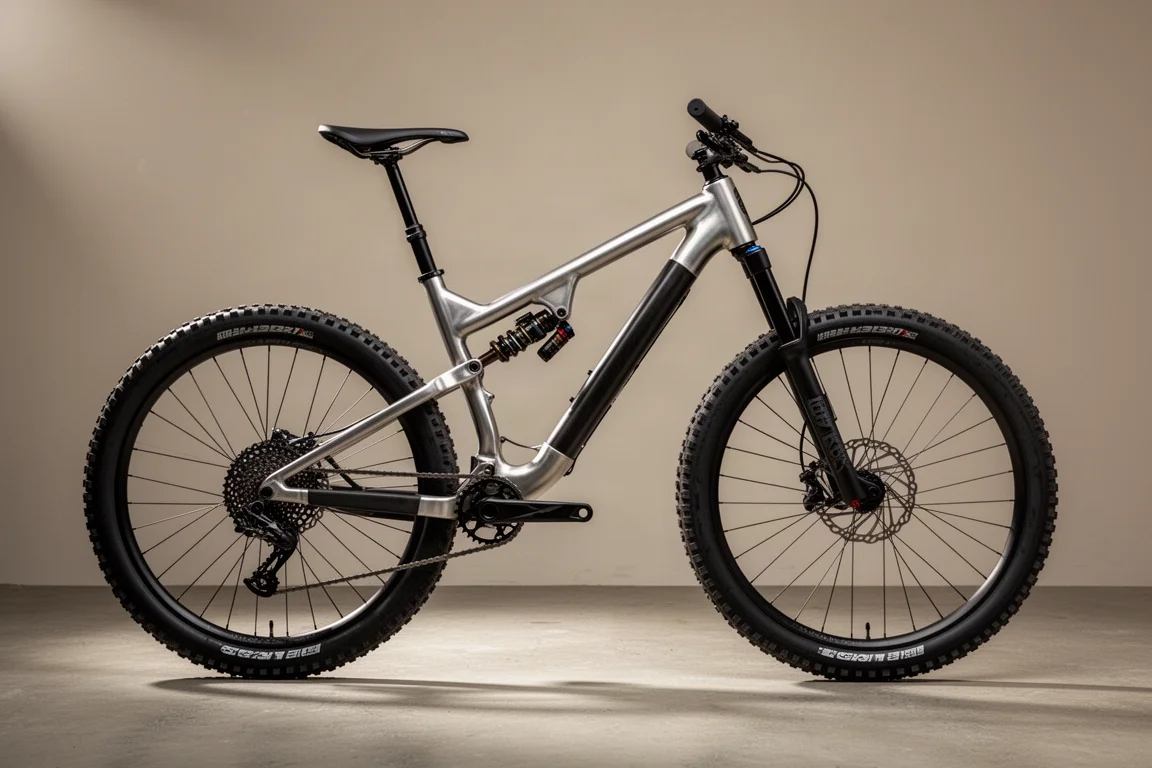
Atherton AM.130 Review: 3D-Printed Titanium Lugs and a 130mm Trail Bike That Descends Like a Bigger Machine
The Atherton AM.130 pairs 3D-printed titanium lugs with carbon tubes and a DW6 suspension platform. Here is how it rides, what the build delivers, and who it suits.
Mountain Bikes
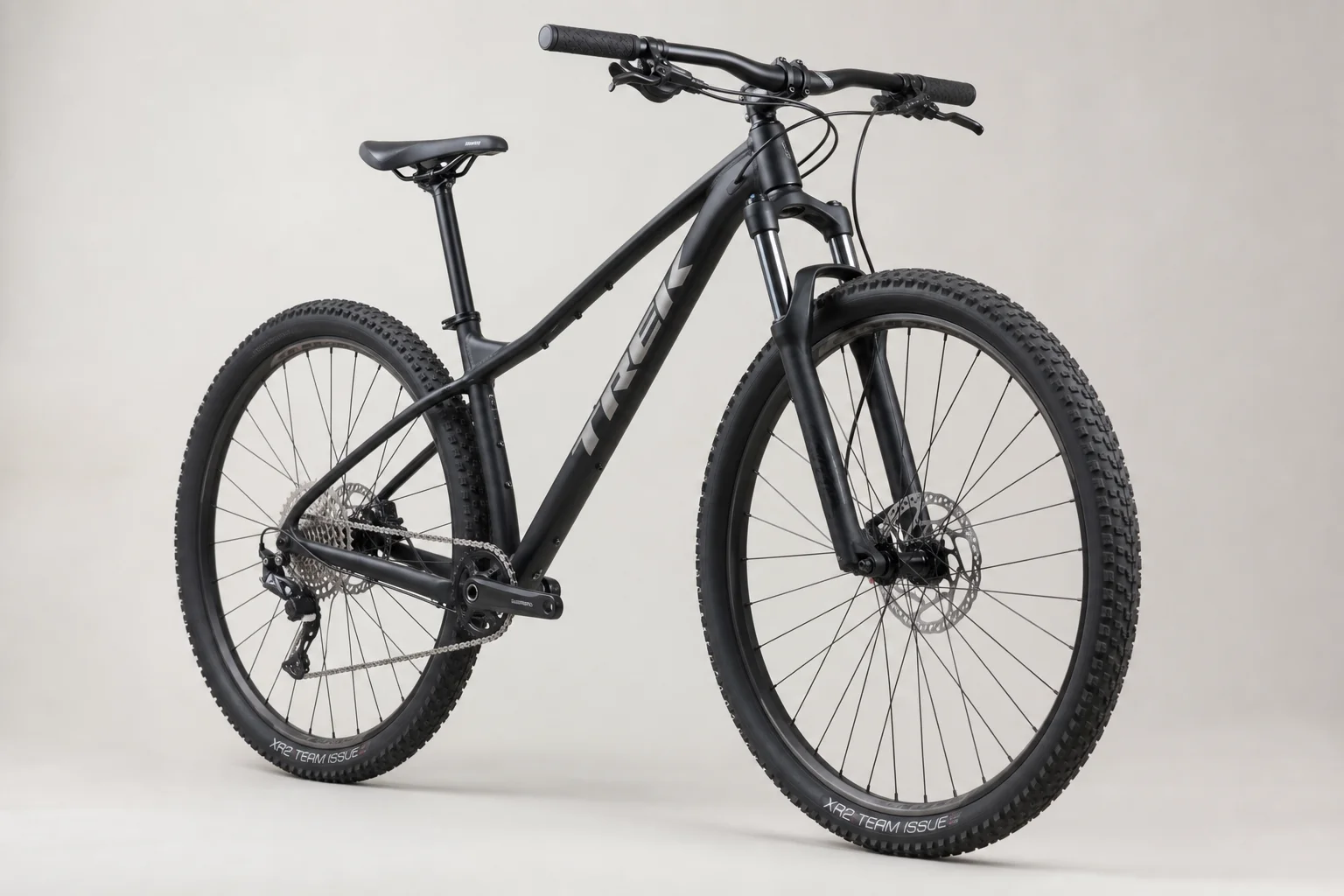
Beginner Mountain Bike Buying Guide: What to Look For in a Trailworthy Hardtail
A practical framework for evaluating beginner mountain bikes, whether new or used, by examining key components that indicate real trail capability.
Mountain Bikes
Best Aluminum Mountain Bikes 2026: Five Alloy Bikes Worth Your Attention
Five aluminum mountain bikes that show how far alloy has come, from a 120mm trail bike and a versatile machined frame to a 180mm freeride machine.