Road Bike Upgrades
Upgrading a Secondhand Road Bike: Cannondale CAAD12 Build Guide
A used Cannondale CAAD12 rebuilt with Shimano 105 12-speed, Hunt disc wheels and finishing kit, plus what each upgrade changes and what it costs.
Introduction
New road bikes carry a serious price tag, and not every rider needs the newest standards to enjoy a fast, capable machine. A used frameset rebuilt with a few well-chosen parts can feel close to new, and the total outlay can land well below a comparable showroom bike.
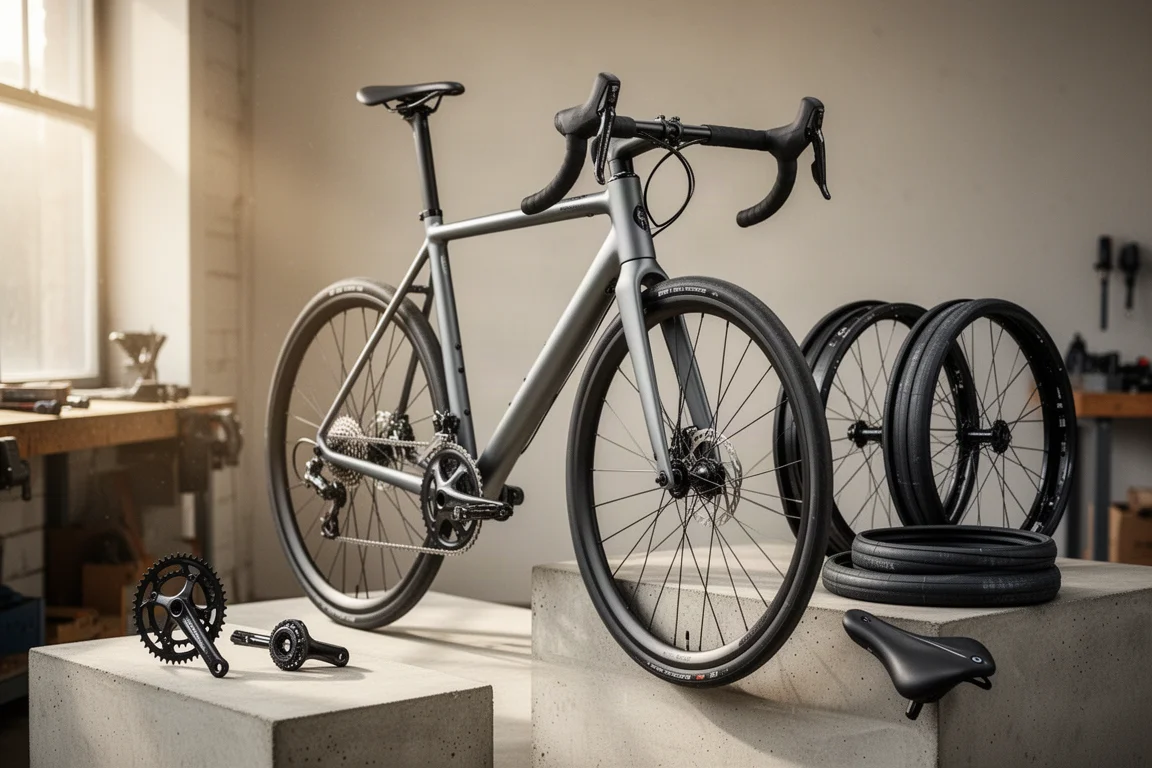
This build began with a secondhand Cannondale CAAD12 bought for £500. It was then refreshed with a Shimano 105 12-speed mechanical groupset and hydraulic disc brakes, a set of Hunt aluminium disc wheels, 30 mm tyres, a narrow Pro Vibe handlebar and a Fizik Antares saddle. As built, in a size 56, the bike weighs 7.8 kg. Total spend came to £1,970, a little under £2,000, and that figure excludes labour because the build itself was done as a favour.
What follows is a part-by-part look at the build, what each change contributes, and the compatibility questions worth answering before you start something similar.
What This Build Cost
The spend breaks down into one secondhand frame and a stack of new components:
- Secondhand Cannondale CAAD12 frame: £500
- Shimano 105 12-speed mechanical groupset: £550
- Hunt 34 AO Disc SL wheels: £500
- Pirelli P Zero Race 4S tyres, 30 mm: £80 for the pair
- TPU inner tubes: £25 for the pair
- Pro Vibe handlebar and stem: £200
- Fizik bar tape: about £15
- Fizik Antares saddle: £100
That comes to £1,970 in total, just under £2,000 once everything is added up. The wheels and the groupset account for more than half of it, and either one could have been left alone to keep the number much lower.
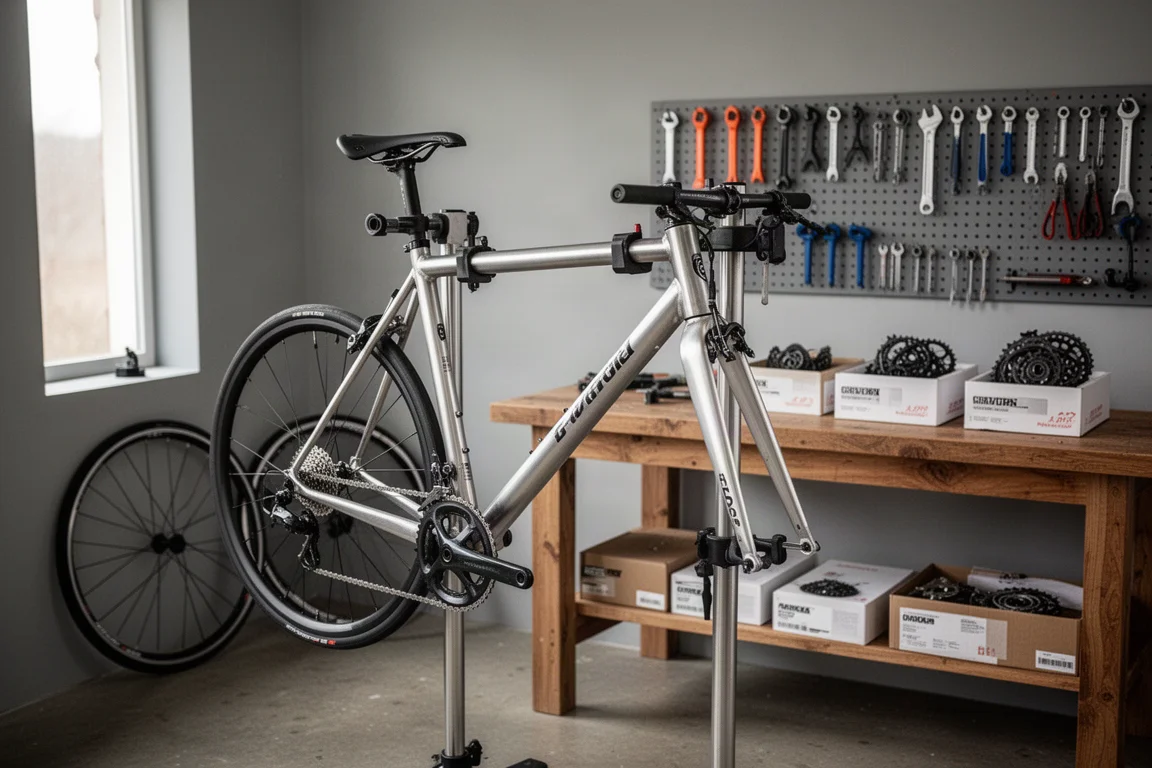
The aim was never to build as cheaply as possible. Carbon parts were avoided deliberately, but no corners were cut either. A cheaper build is entirely possible, especially if you reuse the handlebar, saddle and other parts already sitting in your spares box.
The Frameset: Cannondale CAAD12
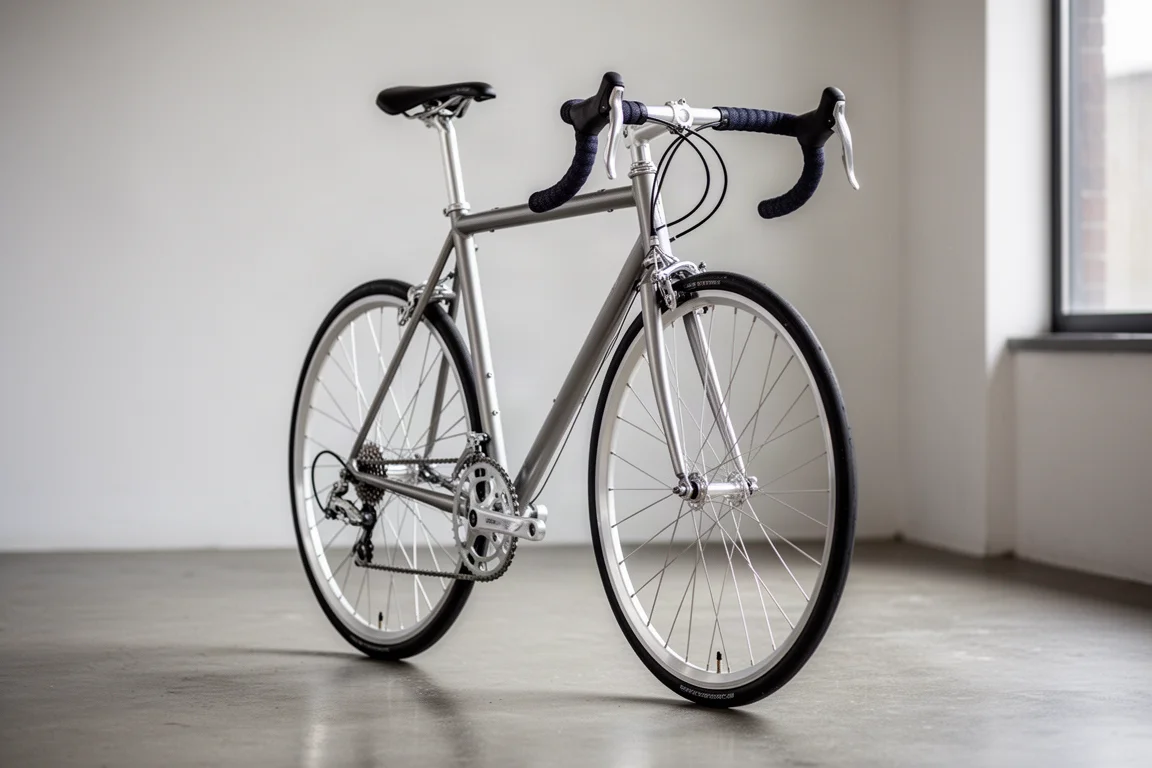
The CAAD12 is an aluminium frame from around 2018. It rides stiff and responsive, and while it is not as smooth as a carbon frame over broken surfaces, it is far from harsh. The CAAD10 and CAAD12 have a strong following and hold their value well, which matters when you are weighing up the real cost of a build like this one.
The frame also brings a handful of older standards into play. It uses quick releases rather than 12 mm through axles, and the rear spacing is 135 mm where modern road bikes use 142 mm. The bottom bracket is a BB30A press-fit shell, slightly wider than a standard BB30. Up front, the frame accepts flat mount brakes, but the fork uses a post mount, so a flat mount caliper needs an adapter bracket.
None of these are deal breakers, but they do shape the parts list. Fitting the Shimano crankset, which uses a 24 mm spindle, required a Wheels Manufacturing thread-together bottom bracket to match the BB30A shell. The brake adapter was available off the shelf. The lesson is simple: check the standards on any used frame before you order anything.
The Groupset: Shimano 105 12-Speed Mechanical
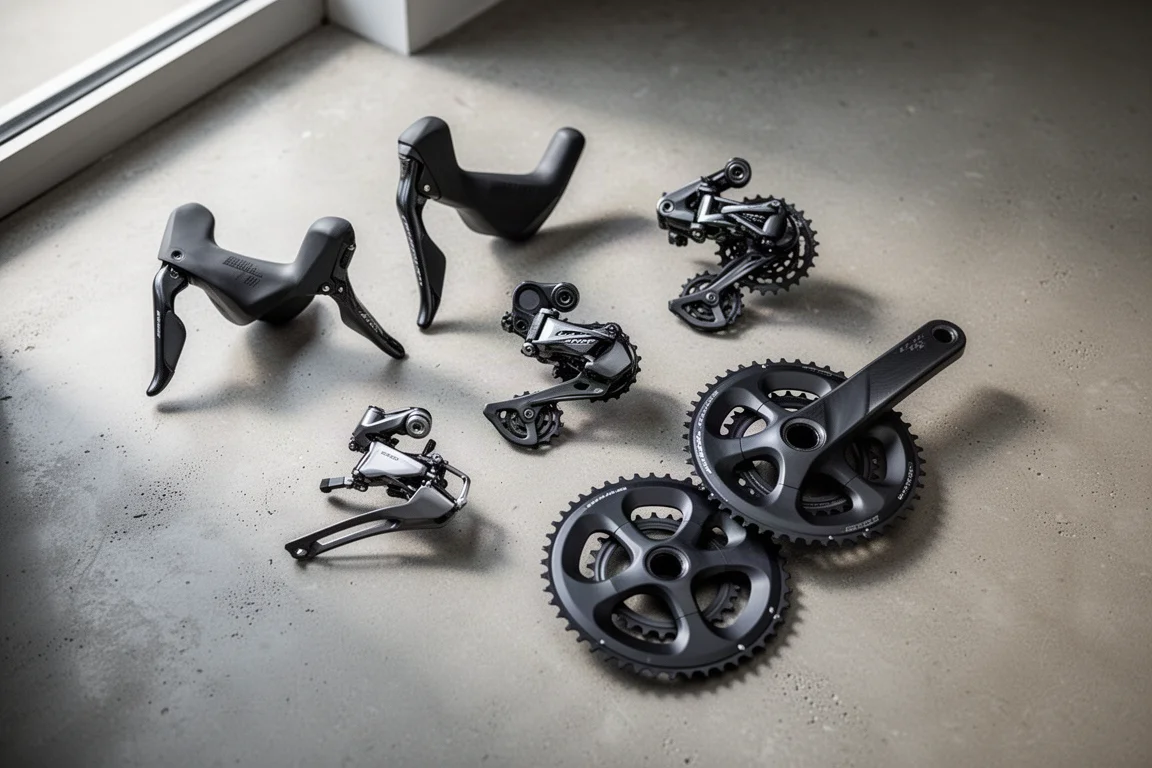
The groupset is the biggest single change here. The 12-speed Shimano 105 mechanical groupset with hydraulic disc brakes currently retails at around £550, down from a launch price close to £1,000. It brings 160 mm rotors front and rear, an 11-34 cassette and compact chainrings, so the climbing gears are covered comfortably.
It is also, at the moment, Shimano’s highest-end mechanical road groupset with hydraulic disc brakes. There is no mechanical Ultegra and no mechanical Dura-Ace, which makes this the flagship option for anyone who wants cables rather than batteries. The all-black finish looks considerably more expensive than the price suggests.
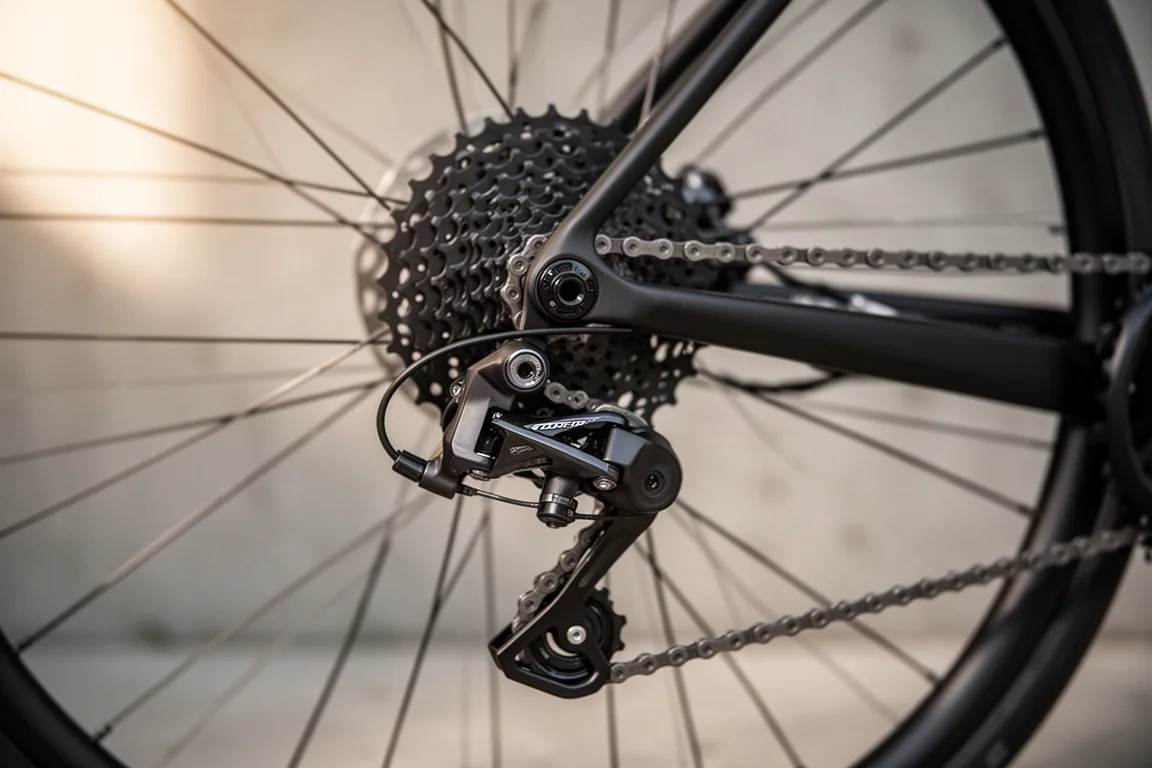
On the road, the shift quality is excellent. A light tap of the lever moves you up or down the cassette straight away, and the extra ratio tightens the gaps between gears. The new hoods are a clear improvement in ergonomics over the older, discontinued 105 that the bike came with. There are also no batteries to charge before a ride, which is a genuine advantage for anyone who has set off with a flat derailleur battery.
Mechanical shifting still holds its own, then, even in an era of wireless electronic groupsets.
The Wheels: Hunt 34 AO Disc SL
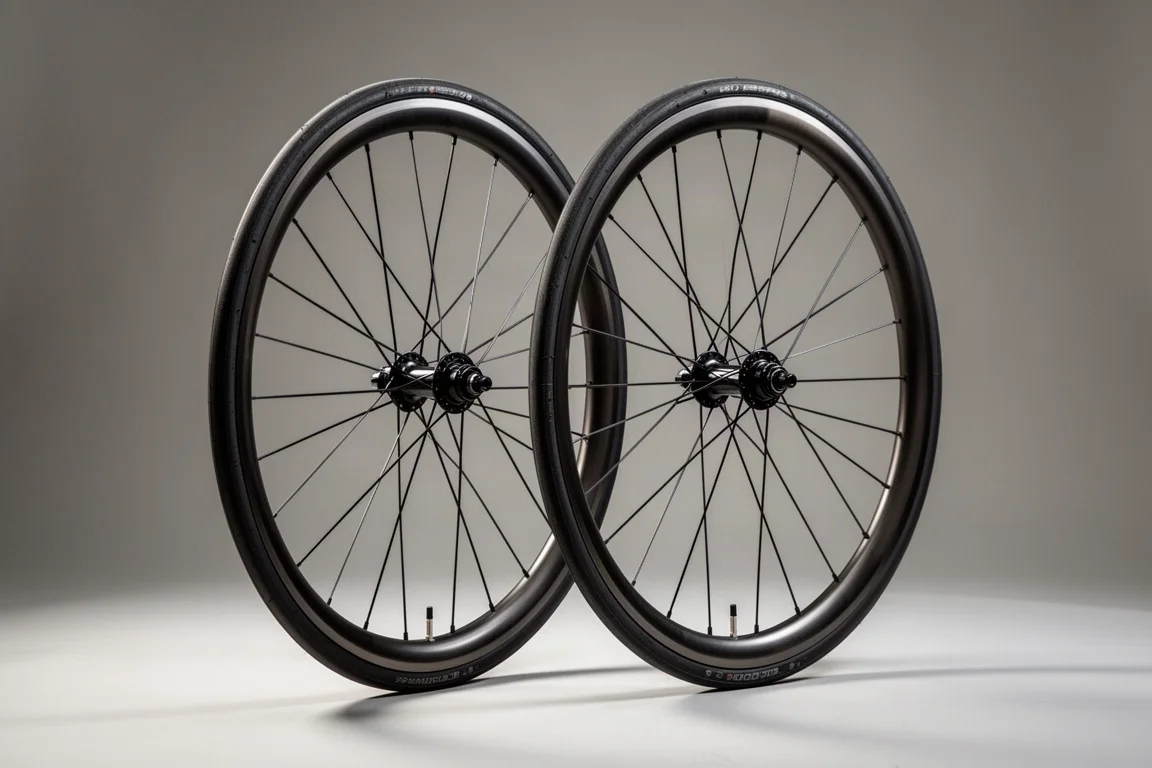
The wheels cost £500 for the pair, which is reasonable for a set that is lighter than the originals and slightly more aerodynamic thanks to the rim profile. They are also tubeless compatible, which keeps them useful as tyre preferences change.
The practical detail that matters most on an older frame is hub compatibility. These hubs work with both through axles and quick releases, and end caps are available to match the 135 mm rear spacing on this bike. Together with the tyres, the wheels made the single biggest difference to how the bike rides: lighter, a touch faster, and noticeably better in overall quality.
The Tyres: Pirelli P Zero Race 4S
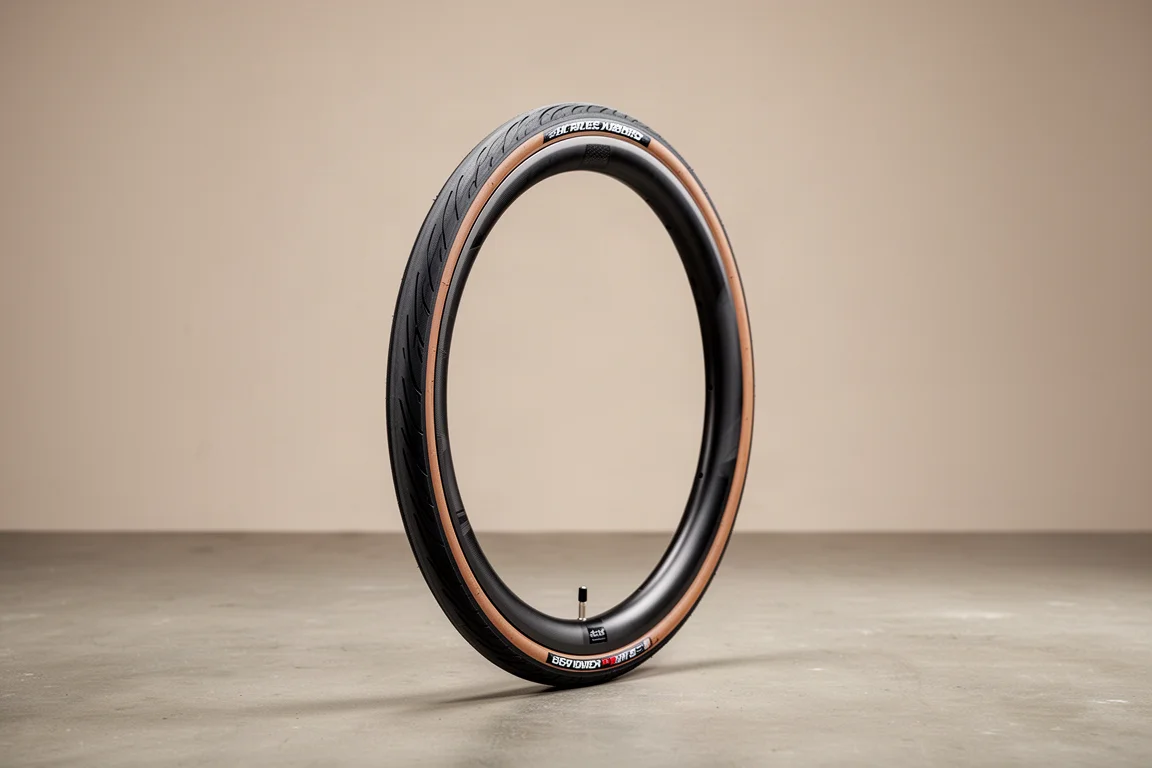
The Pirelli P Zero Race 4S tyres were chosen for wet, dirty winter roads. At £80 for the pair in a 30 mm width, they are a sensible middle ground between outright speed and durability. They are fitted with TPU inner tubes costing £25 for the pair rather than being set up tubeless.
The 30 mm width does real work on an aluminium frame. Clearance is generous at the rear of the frame but close at the fork, partly because of the plastic sleeve covering the brake hose on the inside of the fork, so it is worth checking before going wider.
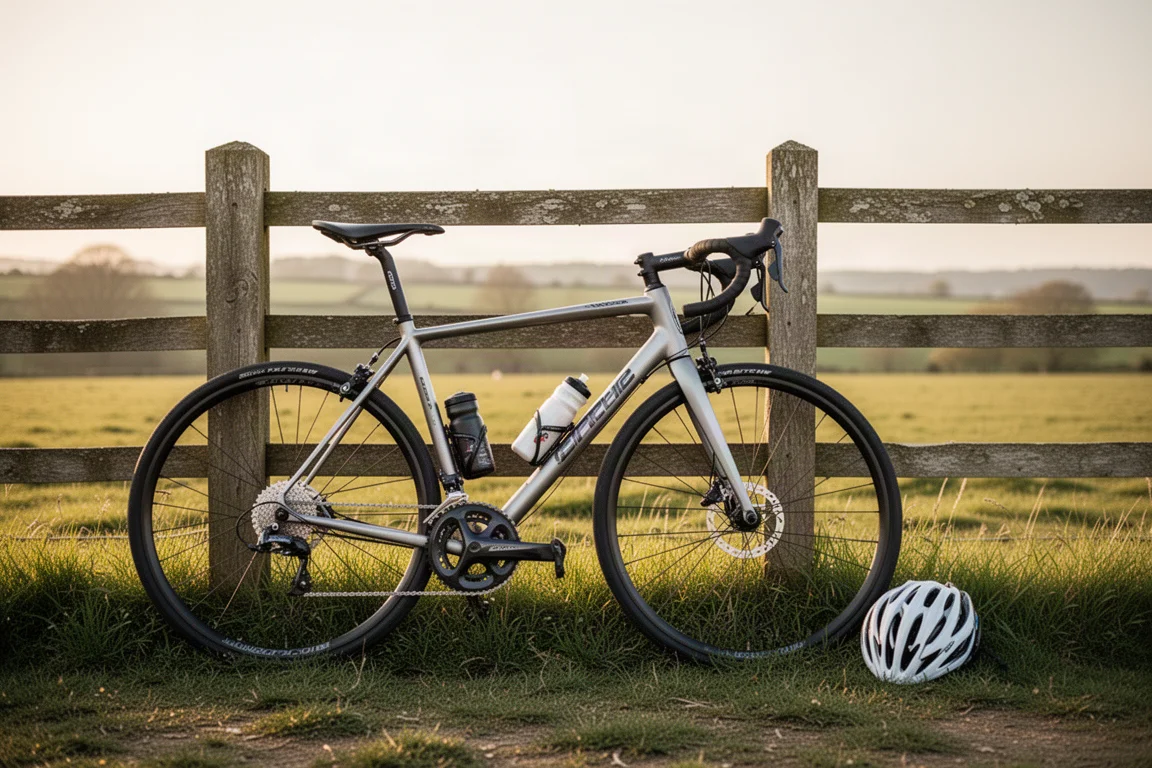
Even at low pressures, the ride stays firm. There is a fair amount of feedback through the handlebar and saddle, and the 30 mm tyres take the edge off without hiding the road. It is a stiff, responsive feel rather than a plush one, and riders who value comfort above all else should look at carbon frames first.
The Handlebar and Stem: Pro Vibe
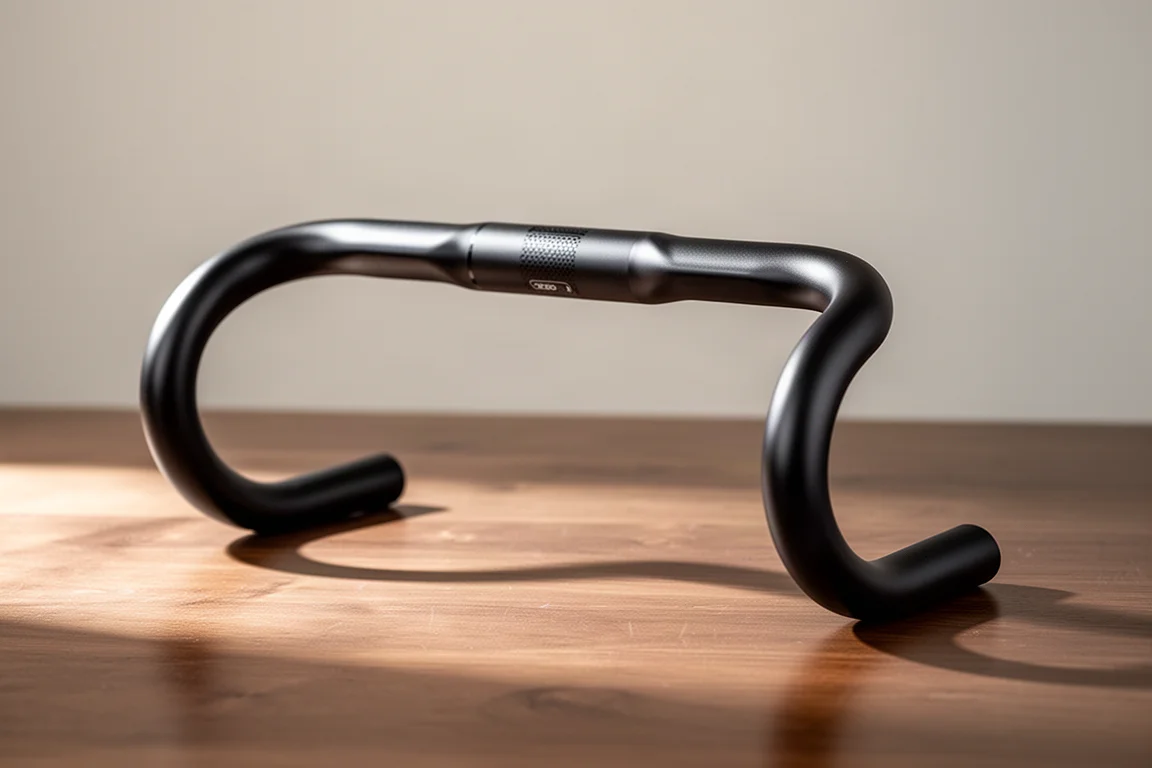
The Pro Vibe aluminium handlebar measures just 38 cm across, with a round profile and a shape that suits the rest of the build. The handlebar and a super light stem together came to £200, which is a luxury rather than a necessity, but it keeps the front end consistent with the alloy theme.
The narrow width is the interesting part. A 38 cm bar presents a smaller frontal area, and while this frame has none of the aerodynamic shaping of a dedicated aero bike, a narrower bar is a low-cost way to chase some of the same benefit. The stem is slammed, which looks clean but is not the most comfortable setup, and a minus 17 degree stem would be needed to make it sit horizontal with the top tube. Fizik bar tape, about £15, adds cushioning and grip, and matches the saddle.
The Saddle: Fizik Antares
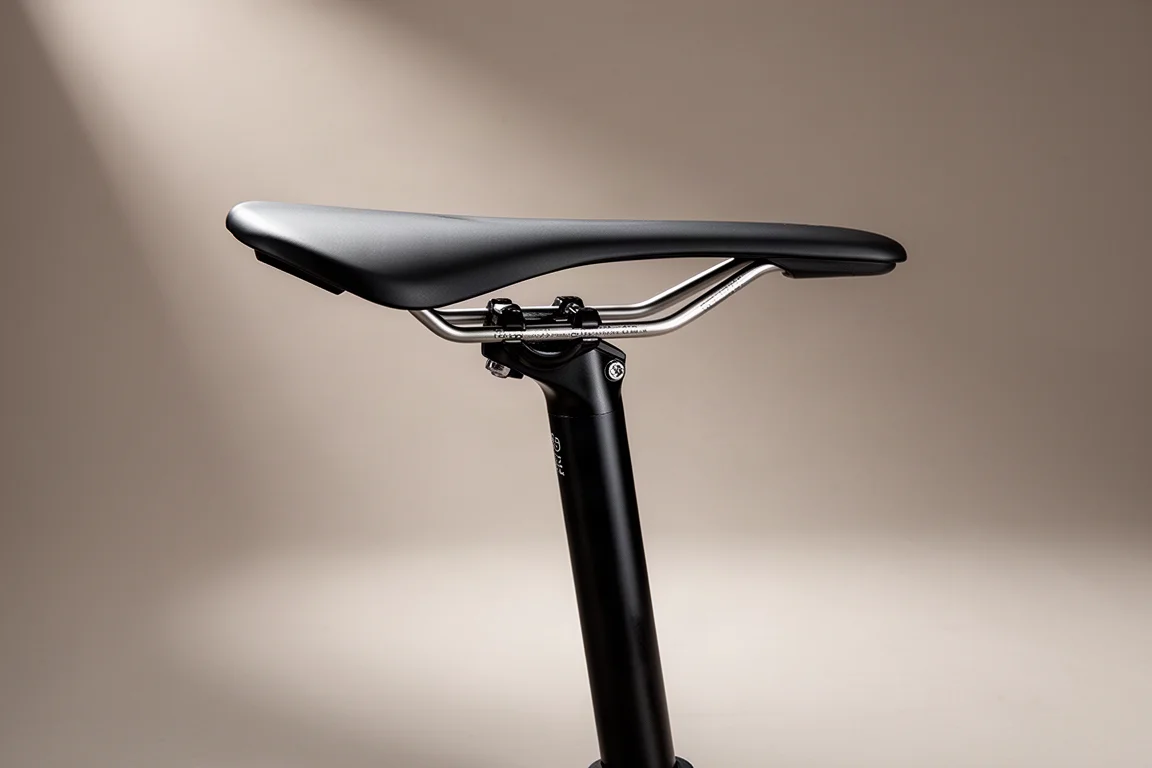
The Fizik Antares uses metal rails rather than carbon and cost £100. It is firm, noticeably firmer than many riders will be used to, and it takes a few rides to settle into. The matching bar tape ties the cockpit together visually, which is a small thing that makes a built-up bike feel deliberate rather than assembled from leftovers.
Overall Buying Advice
It is worth comparing this build against simply buying new. A brand new Cannondale CAAD13 with 11-speed 105 currently retails at £2,300. It has a better frame and modern standards throughout, including through axles and flat mount brakes, so none of the compatibility work described above is needed. Cannondale does not currently offer the CAAD13 with 12-speed mechanical shifting, only with 12-speed Di2 at a higher price. Elsewhere, Ribble sells an aluminium endurance road bike with 105 12-speed mechanical that undercuts this build on price.
There is a counterargument, though. The CAAD12 is a well-regarded frame rather than a generic one, and the CAAD10 and CAAD12 are increasingly sought after and tend to hold their value. That softens the real cost of the build over time in a way that a fast-depreciating aluminium frame does not.
So the honest guidance is this. If you want the simplest route to a modern road bike, buy new. If you enjoy the process, want a distinctive frame and are willing to budget for adapters and end caps, upgrading a used bike works well, provided you confirm the axle, brake and bottom bracket standards before you buy anything.
Conclusion
This build shows what a careful parts list can do for an older aluminium frame. The wheels and tyres transformed the ride quality, the 12-speed 105 groupset delivered flawless mechanical shifting with no batteries to think about, and the finishing kit pulled the whole thing together. The total came to £1,970, which is not cheap, but it produced a 7.8 kg bike in a size 56 with a frame that is likely to hold its value.
For riders who want maximum performance per pound and do not mind a little problem solving, a secondhand frame with well-chosen upgrades is a genuinely rewarding route. Just go in with a clear picture of the standards on the frame, and leave room in the budget for the small parts that make everything fit.
Further reading
Related Reviews
Road Bike Upgrades
Best Road Bike Upgrades Worth Buying: Tires, Tubes, Cables, Helmets, Brakes and Wheels
A practical guide to the road bike upgrades that deliver real gains, from tires and inner tubes to cables, aero helmets, brake pads, power meters and wheels.
Road Bike Upgrades
Budget Road Bike Upgrades: Carbon Wheels, a 3D Printed Saddle, and TPU Tubes
Three low-cost road bike upgrades, a 50mm carbon wheelset, a 3D printed carbon saddle, and RideNow TPU inner tubes, and what each one genuinely delivers.

Backpacking Gear
Building a 10 lb Base Weight: An Ultralight Backpacking Gear List
A practical walkthrough of the ultralight pieces behind a 10 lb base weight, from a 765 g pack and a roomy one-person tent to a full camp chair and a dependable water filter.