Road Bike Upgrades
Best Road Bike Upgrades Worth Buying: Tires, Tubes, Cables, Helmets, Brakes and Wheels
A practical guide to the road bike upgrades that deliver real gains, from tires and inner tubes to cables, aero helmets, brake pads, power meters and wheels.
Introduction
Getting faster on a road bike does not have to mean more training hours. A well-chosen set of upgrades can make a bike feel quicker, sharper and more enjoyable to ride, and the biggest gains are not always the most expensive ones.
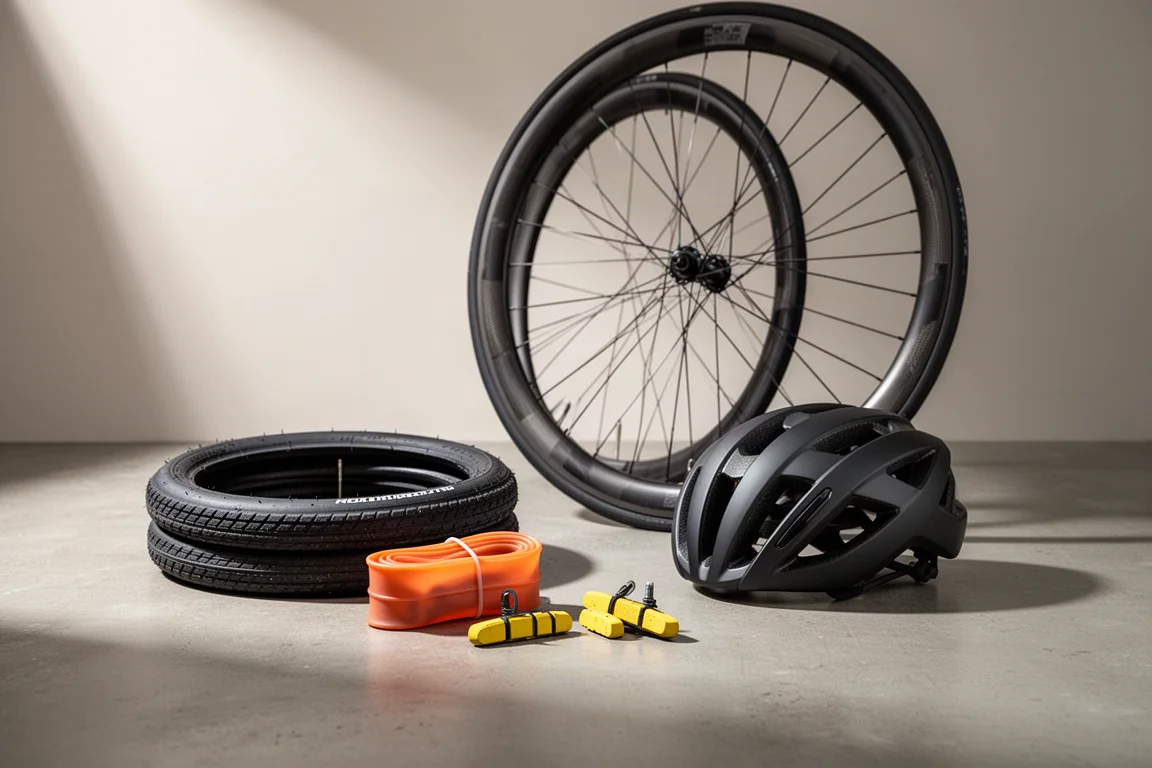
Tires, inner tubes, cables, helmets, brake pads, power meters and wheels all change how a bike performs and how it feels underneath you. This guide works through the upgrades that deliver the clearest benefits, with notes on where the money is best spent and where it is easy to overspend.
How These Upgrades Were Assessed
Each upgrade here was judged on three things: how much difference it makes to real riding, how it compares with the cost of the alternative, and how easy it is to live with over a full season.
Speed gains matter, but so does reliability. A tire that is marginally faster but punctures constantly is not an upgrade. The same logic applies to brake pads, cables and wheels, where the best choice is the one that keeps working ride after ride.
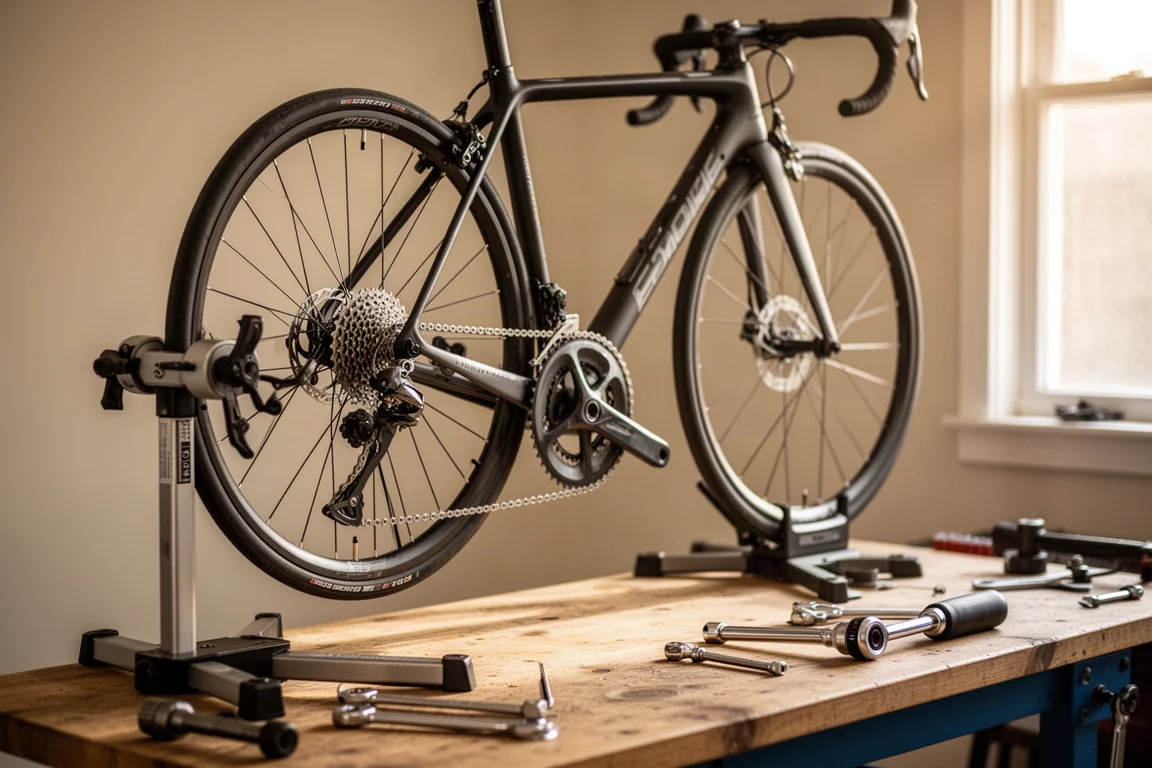
Practicality was the other filter. Some of the strongest upgrades on this list cost very little, while the more expensive ones need to justify themselves with a clear performance or comfort benefit. Where a cheaper option gets most of the way to the same result, that is noted in the section itself.
Best Tire Upgrade: Continental GP 5000 S TR
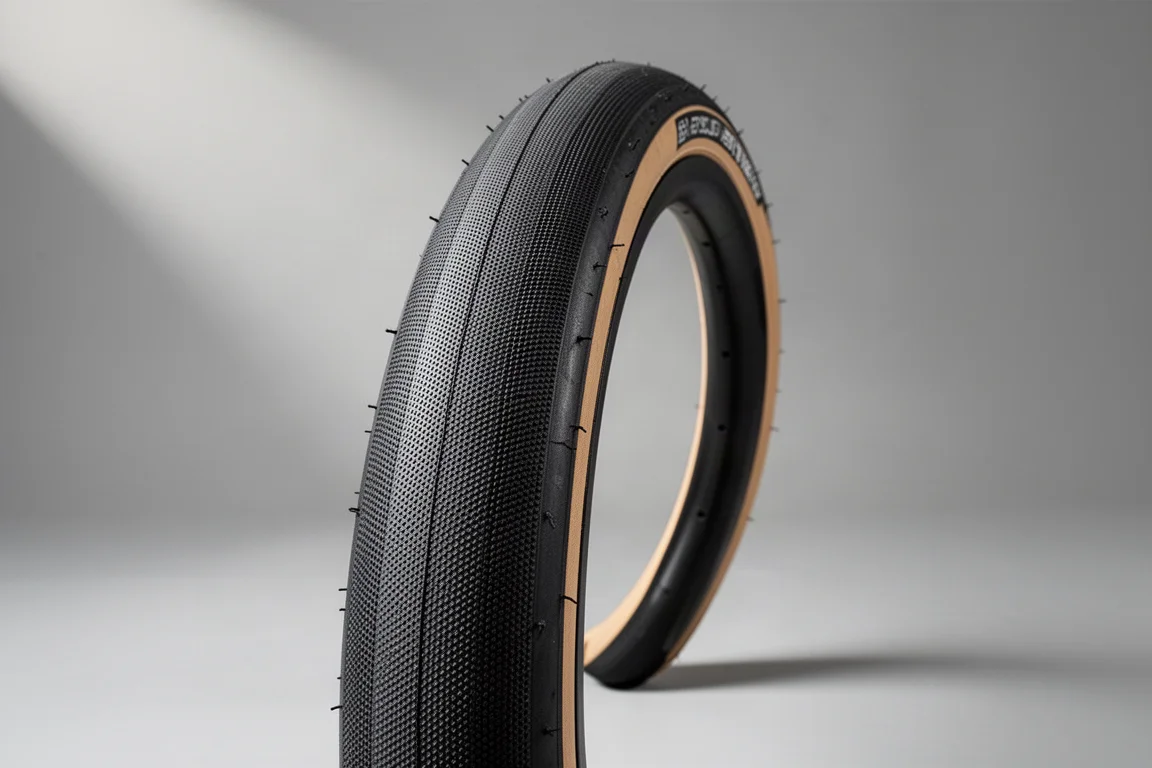
Stock tires on mid-range road bikes are often the weakest part of the build, which makes a fresh set of quality rubber the single most effective first upgrade. It is the change most riders notice immediately, and it is the one worth considering before anything else.
Time trial tires sit at the very top of the range and are genuinely rapid, but they do not last long, they are expensive, and they are prone to punctures in everyday use. A step down to a fast all-round performance tire keeps most of the speed while adding far more durability.
The Continental GP 5000 S TR sits in exactly that sweet spot, and comparable performance tires from brands such as Pirelli, Schwalbe and Vittoria deliver a similar balance.
Best Inner Tube Upgrade: Tubolito TPU Tubes
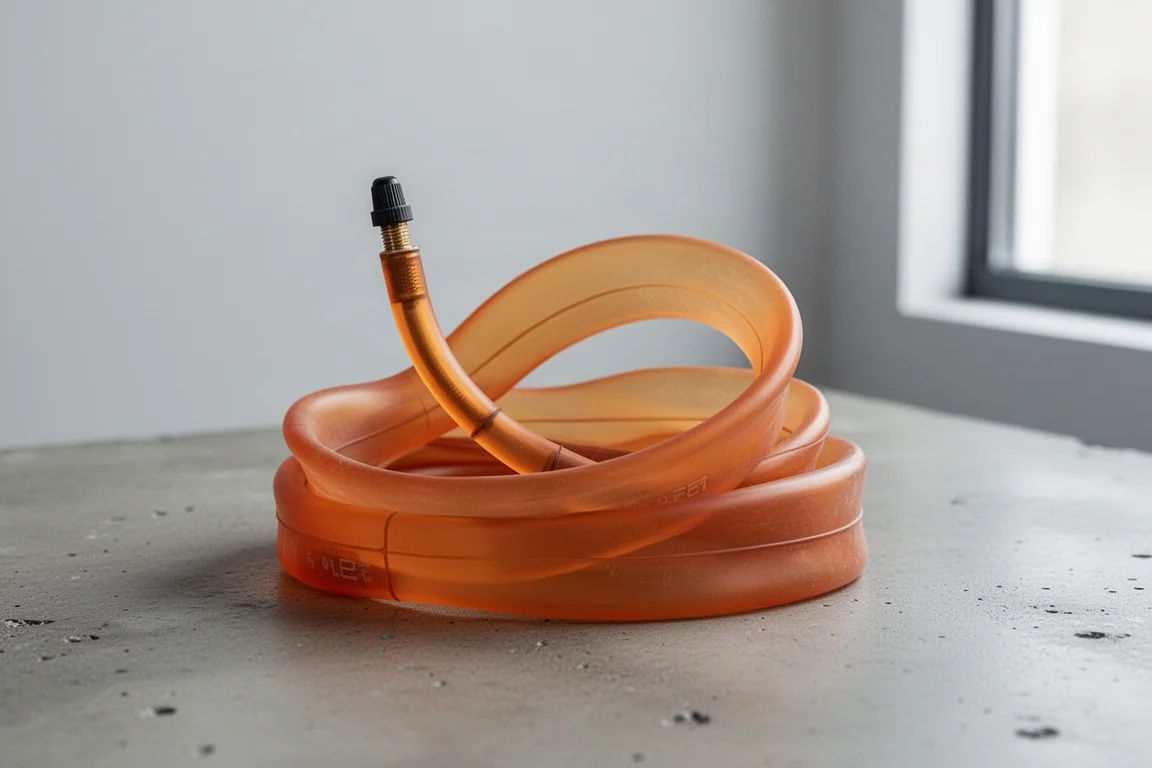
If you already have good tires but have never thought about what is inside them, standard butyl inner tubes are the next easy win. Latex and TPU tubes are lighter, give a better ride feel and roll faster, and the cost is modest relative to the improvement.
Tubeless remains the choice for riders who want extra puncture protection, and it is the setup many riders run on the road. For anyone who prefers to stay with inner tubes, though, TPU is the modern option, and it is light enough that it has been specified on high-end complete bikes purely for weight reasons.
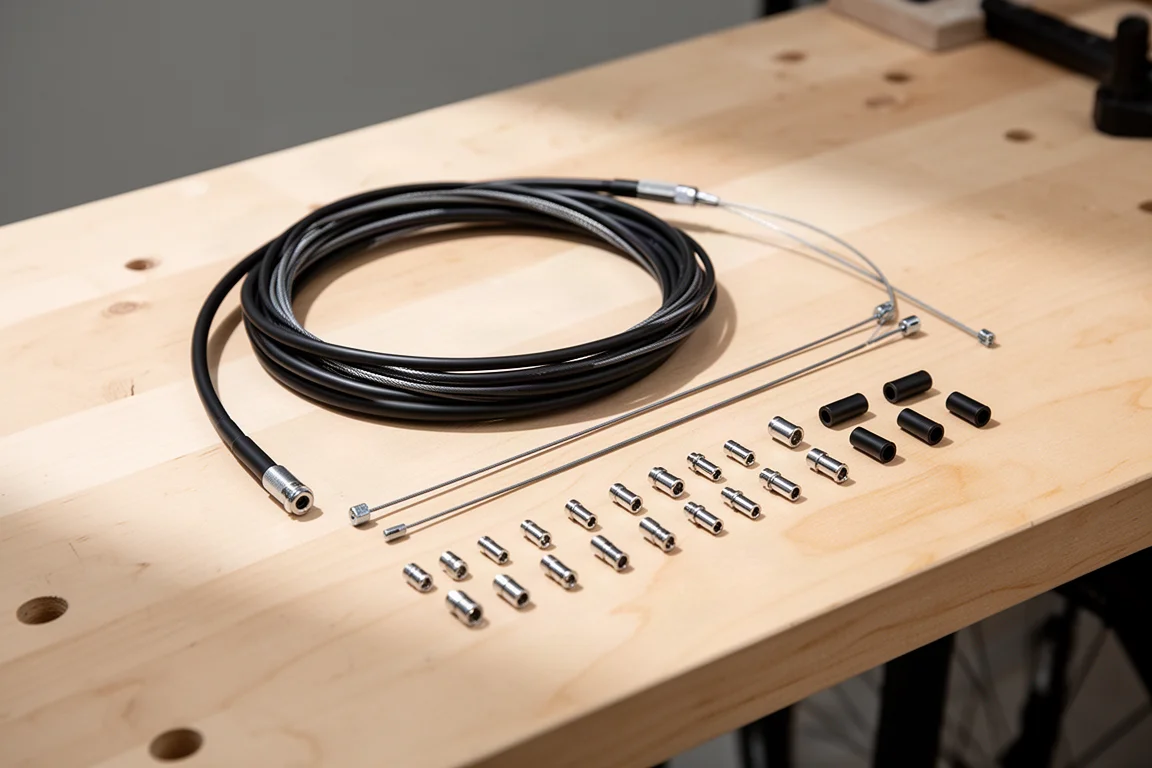
Best Cable Upgrade: Shimano Dura-Ace Cable Set
Mechanical cables do not wear out in the way people expect. They gradually gum up with dirt, and once that happens no amount of adjusting brings back the crisp, positive feel the bike had when it was new.
Replacing both the cables and the housing is the fix, and compressionless housing in particular makes a noticeable difference to how sharp mechanical shifting feels. Shimano’s Dura-Ace cable packs include everything needed and are fairly affordable, which makes this one of the cheapest ways to make an older bike feel new again.
Best Aero Helmet Upgrade: Van Rysel RCR-F
An aero road helmet is the value standout of the whole upgrade list. Wind tunnel testing has measured savings of roughly 7.5 watts at 35 km/h for an aero road helmet, which is close to three quarters of the gain from a set of aero wheels costing around £1,000.
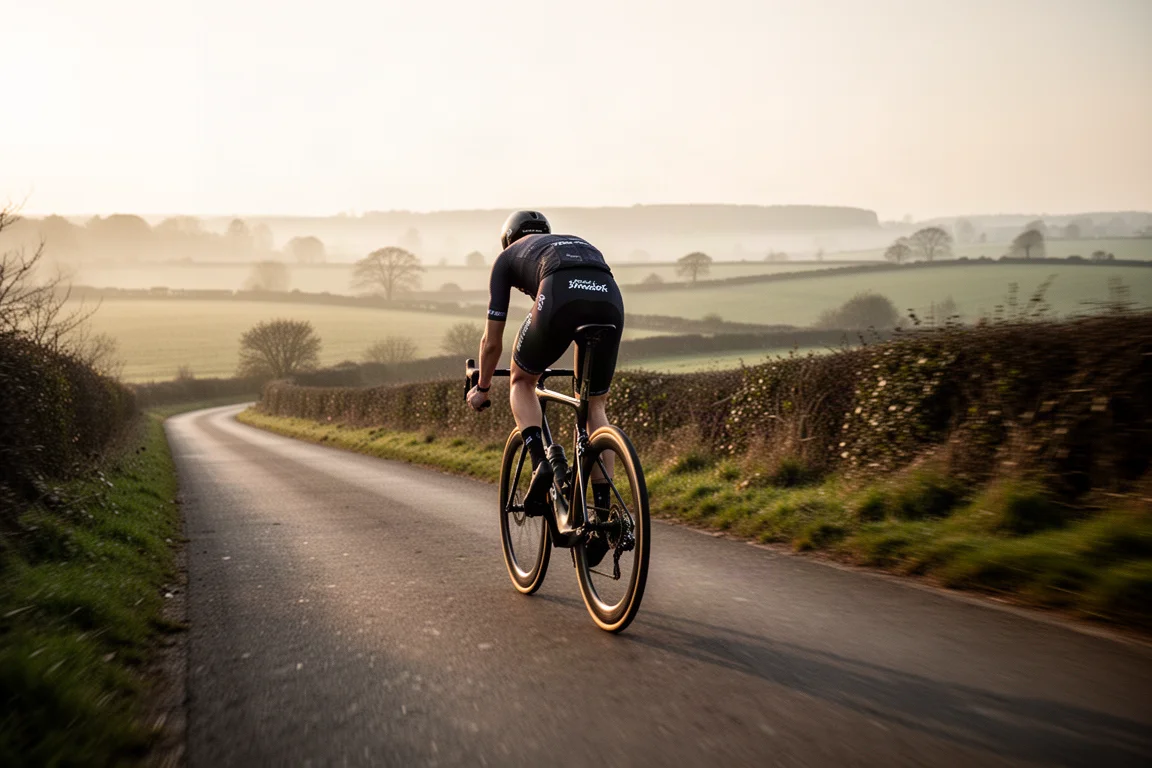
That means a helmet delivers most of the benefit of a much larger purchase. The Van Rysel RCR-F comes in at around £130 and is raced at World Tour level, while premium helmets such as the Specialized Evade 3 sit at around £275. Modern aero helmets also cool better than their reputation suggests, particularly at speed, although riders who run very hot may have to accept a small compromise.
Best Brake Pad Upgrade: SwissStop Yellow King
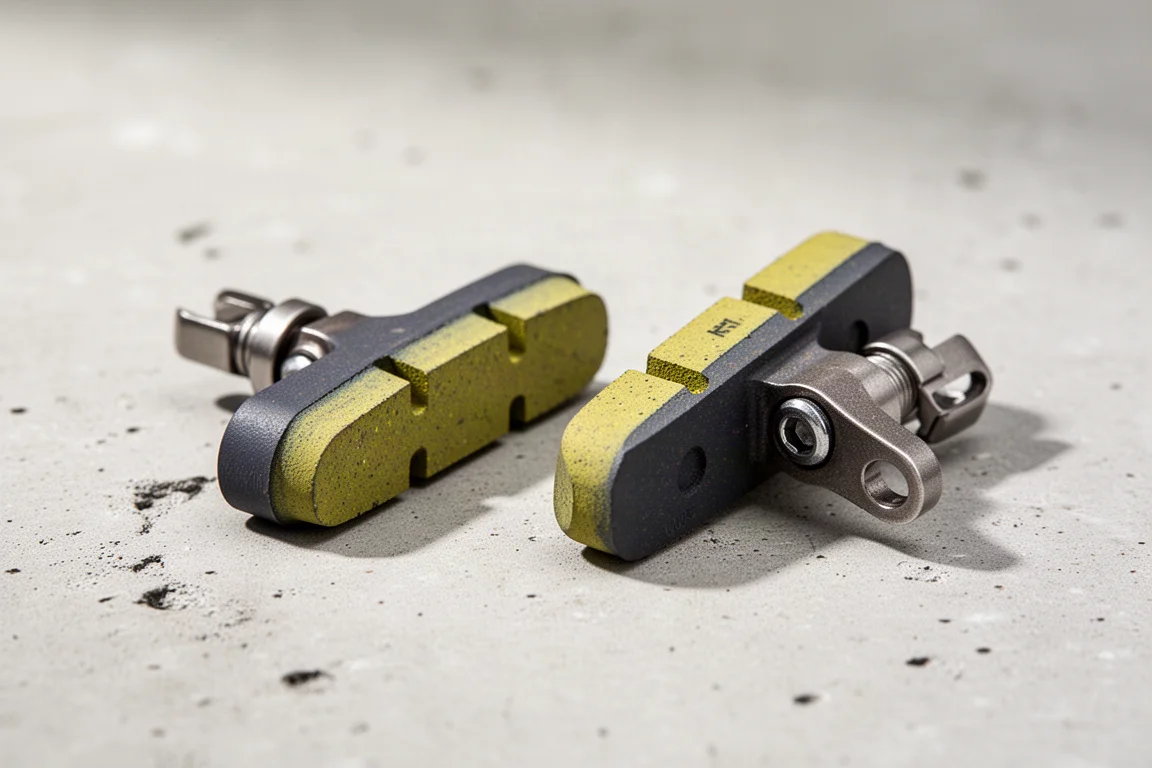
Braking is not the place to save money. If hydraulic disc brakes feel spongy, they need attention, and if you are still on rim brakes, pad choice makes a bigger difference than most riders expect.
Rim brake pads matter most on carbon wheels, where cheap pads perform poorly, particularly in the wet. SwissStop Yellow King pads are a dramatic improvement on carbon rims, and for alloy rims a low-cost option such as Clark’s Triple Compound does the job well. Whatever the setup, established brands such as Shimano, SRAM and SwissStop are worth the small premium, because better braking means you can ride faster safely.
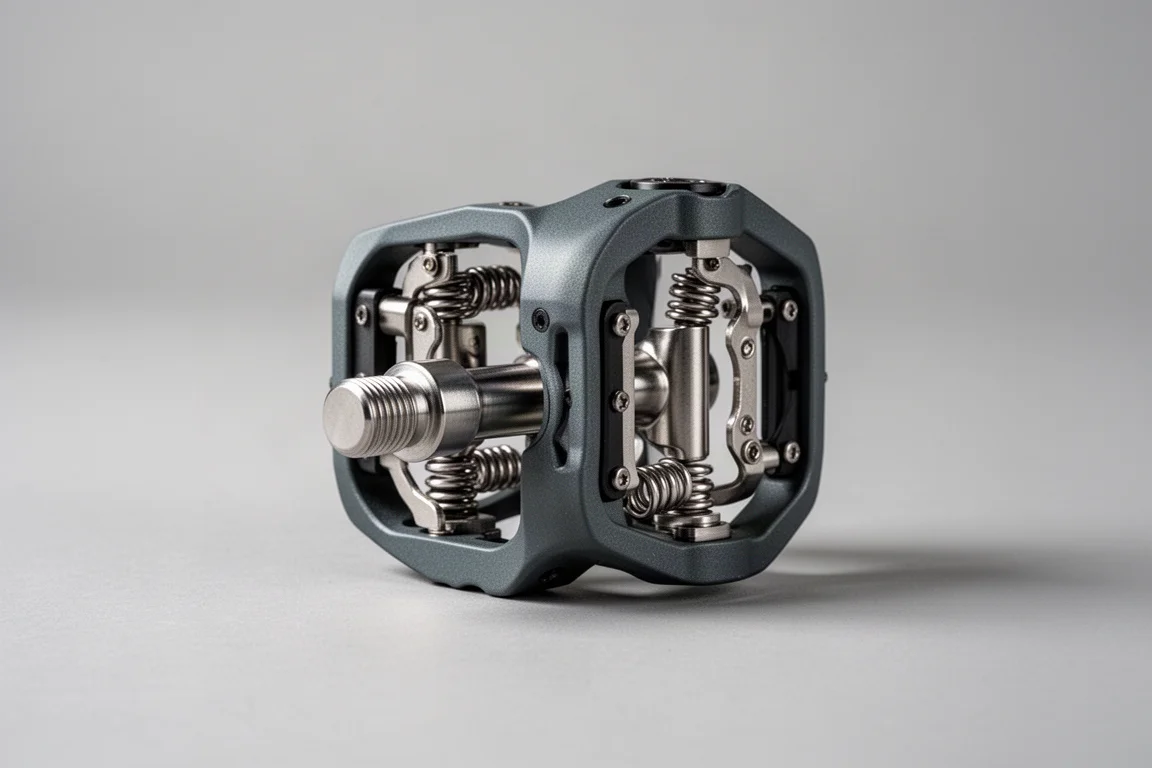
Best Power Meter Upgrade: Favero Assioma Pro MX
For riders who follow a structured training plan, a power meter is close to essential. The most versatile option is SPD-compatible power meter pedals, because the same set can be moved between a road bike and an off-road bike without buying twice.
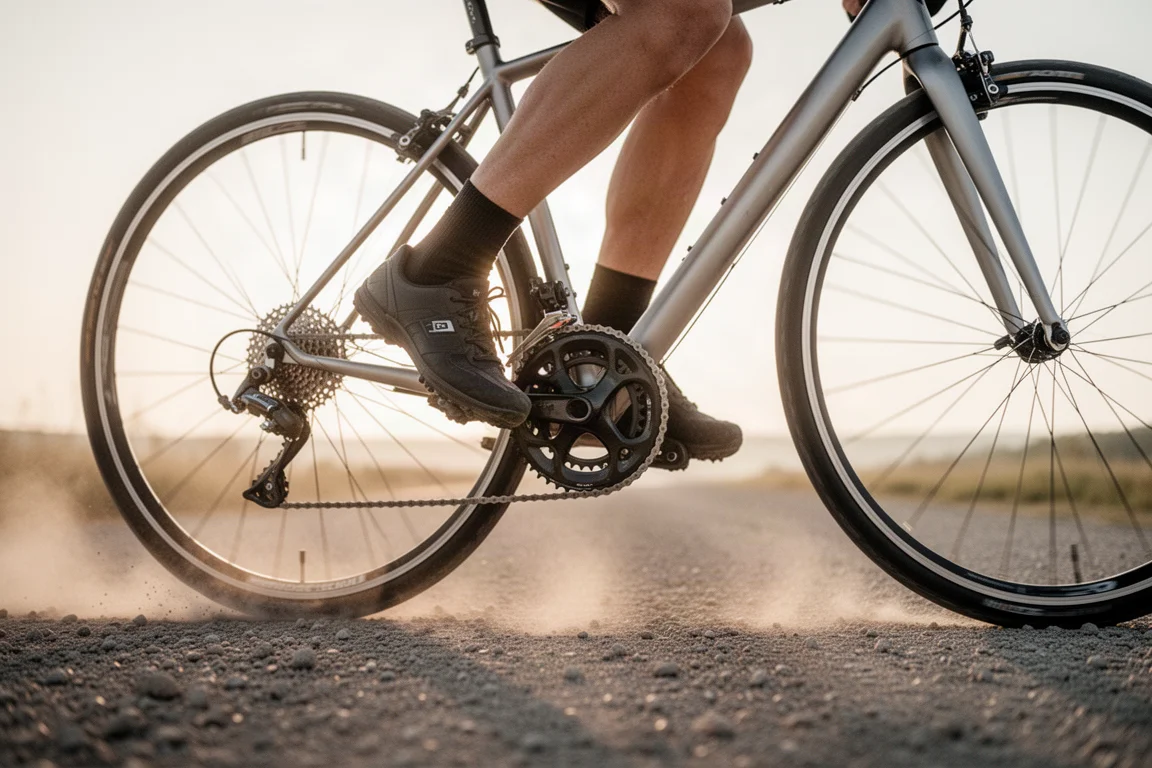
The Favero Assioma Pro MX is the pick here, and the Garmin Rally XC is another very good option that costs a little more. Either way, this is a purchase that pays off over months of training rather than in a single ride.
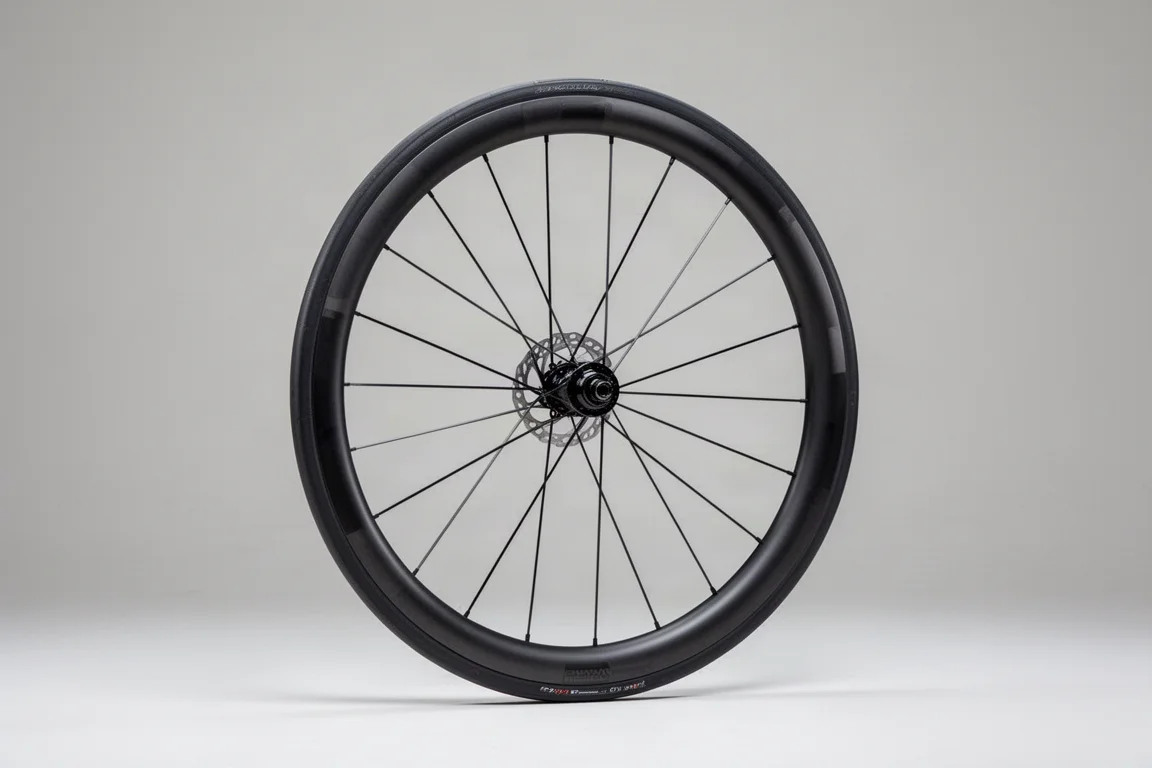
Best Carbon Wheel Upgrade: Zipp 303S
Short of buying a whole new bike, aero wheels are one of the most noticeable performance upgrades available. Carbon wheelsets have come down in price in recent years, with options such as the Zipp 303S landing around £1,000 and carbon disc wheelsets from direct-to-consumer brands often costing a little less.
They remain a serious spend, so it is worth being clear about what you are buying: aerodynamic depth is what makes a wheelset faster, and a lightweight set of wheels will not deliver the same gain.
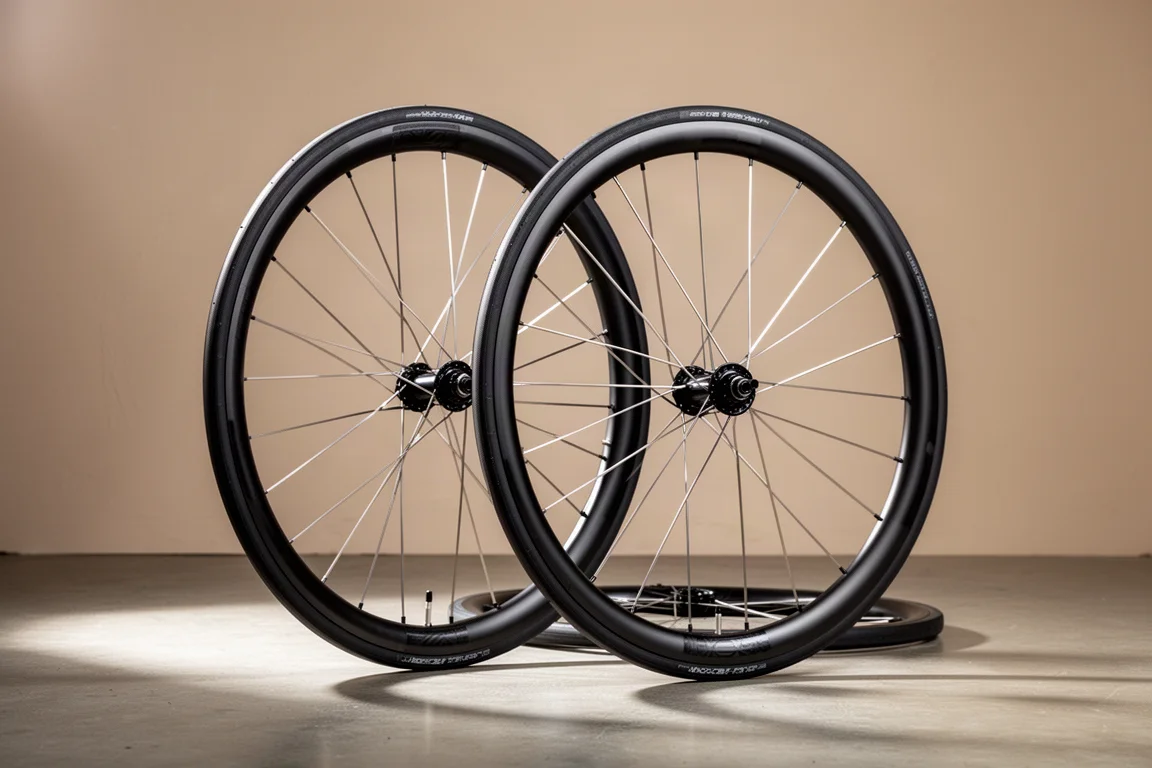
Best Alloy Wheel Upgrade: Hunt 34 Aero Wide Disc SL
Alloy wheelsets are easy to overlook, but there are plenty of good options that represent a genuine step up from the wheels most bikes are sold with. They cost less than carbon and still bring a useful aerodynamic improvement.
The Hunt 34 Aero Wide Disc SL is a strong example of the category. The same guidance applies as with carbon: prioritise the aero profile rather than chasing the lowest possible weight, because low weight on its own will not make you faster.
Other Upgrades Worth Considering
Not every worthwhile improvement needs a specific product recommendation. Keeping the drivetrain clean saves watts and money, and switching to a wax-based chain lube reduces wear and keeps the chain running smoothly. Immersive waxing is easier than it sounds and does not require a branded kit: a basic slow cooker and a little patience are enough.
A proper bike service is another upgrade that is easy to overlook. Stripping the bike down, cleaning everything, regreasing the bearings and relubricating the moving parts can make a bike feel brand new, and it often makes a bigger difference than expected. If you have the tools and the confidence, doing it yourself is the cheapest option available.
Cycling kit is the last of the overlooked upgrades, and fit matters far more than the badge on the jersey. A well-fitted, inexpensive jersey will be faster than a loose, expensive one, and a poorly placed pad will make long rides genuinely uncomfortable. Kit also wears out, and sagging shorts with a compressed pad are worth retiring.
Buying Advice
If you are starting from scratch, work in order of cost effectiveness. Tires come first, because they transform how a bike rides for a modest outlay. Inner tubes, cables and brake pads follow, each of them inexpensive, quick to fit and easy to feel on the road.
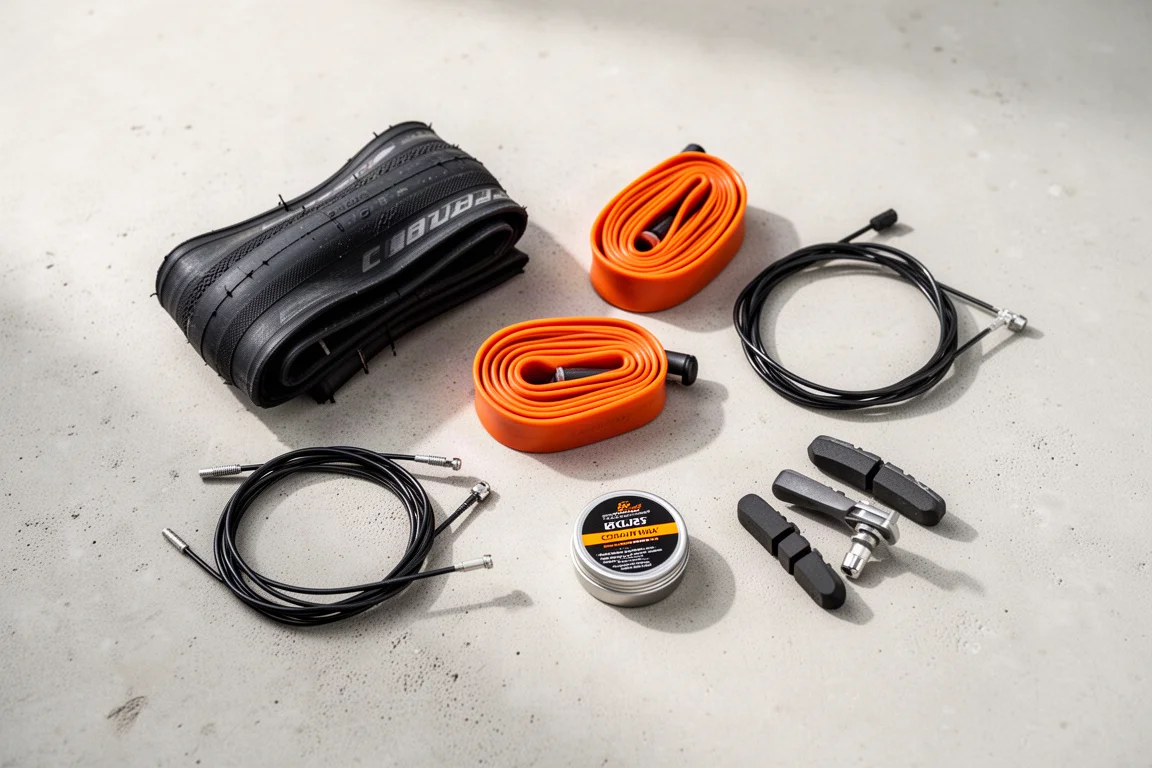
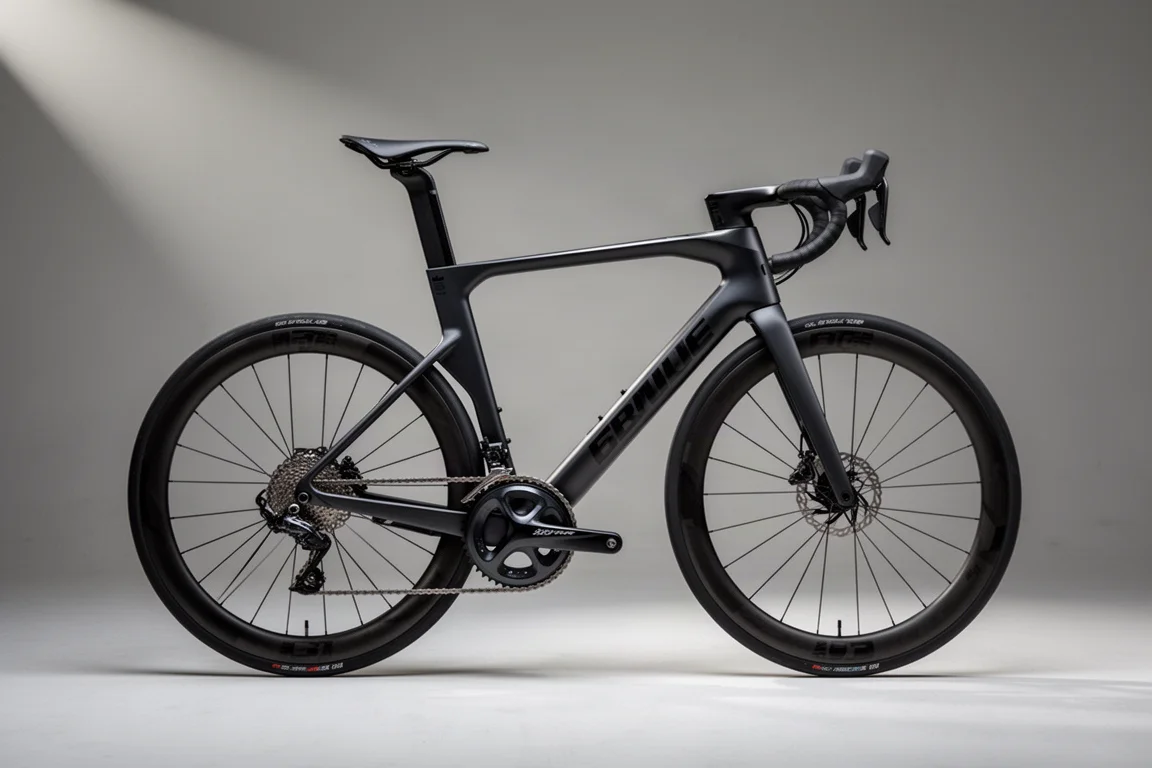
An aero helmet is the best value performance purchase on the list, since it delivers most of the gain of aero wheels for a fraction of the price. Wheels and power meters come last, not because they are ineffective but because they cost the most and only make sense once the basics are already sorted.
Two principles are worth keeping in mind throughout. Aerodynamics beats low weight when the goal is speed, and reliability beats a marginal gain on paper. An upgrade you trust is worth more than one you have to worry about.
Conclusion
The best road bike upgrades are the ones that solve a real problem: slow stock tires, tired cables, worn pads, or a bike that has never had a proper service. Start with the cheap, high-impact changes, then move to helmets and wheels once the fundamentals are covered.
Get the order right and the result is a bike that feels faster, stops better and is simply more enjoyable to ride, without replacing the bike itself.
Further reading
Related Reviews
Road Bike Upgrades
Budget Road Bike Upgrades: Carbon Wheels, a 3D Printed Saddle, and TPU Tubes
Three low-cost road bike upgrades, a 50mm carbon wheelset, a 3D printed carbon saddle, and RideNow TPU inner tubes, and what each one genuinely delivers.
Road Bike Upgrades
Upgrading a Secondhand Road Bike: Cannondale CAAD12 Build Guide
A used Cannondale CAAD12 rebuilt with Shimano 105 12-speed, Hunt disc wheels and finishing kit, plus what each upgrade changes and what it costs.

Backpacking Gear
Building a 10 lb Base Weight: An Ultralight Backpacking Gear List
A practical walkthrough of the ultralight pieces behind a 10 lb base weight, from a 765 g pack and a roomy one-person tent to a full camp chair and a dependable water filter.