Road Bike Upgrades
Budget Road Bike Upgrades: Carbon Wheels, a 3D Printed Saddle, and TPU Tubes
Three low-cost road bike upgrades, a 50mm carbon wheelset, a 3D printed carbon saddle, and RideNow TPU inner tubes, and what each one genuinely delivers.
Introduction
Road bike upgrades have a reputation for being expensive, and for a long time that reputation was fair. Deep-section carbon wheels, 3D printed saddles, and premium inner tubes have all sat firmly in the luxury bracket, which is why so many riders keep riding the same heavy wheels and worn-out foam saddle for years.
The three products in this guide take a different approach. Each one targets a specific weakness in a standard road bike, and each one costs a fraction of the mainstream equivalent: a 50mm carbon wheelset at around £250, a 3D printed carbon saddle at around £38, and a set of TPU inner tubes at around £8 each.
What matters is whether the savings come with hidden compromises. The short answer is that they largely do not, with a few compatibility details worth checking before you order. Here is what each upgrade actually delivers once it is bolted to the bike.
What Makes These Upgrades Worth Considering
Road bike performance comes down to three things that are easy to feel and hard to fake: aerodynamic drag and rotating weight, contact-point comfort, and rolling efficiency. The three upgrades here map neatly onto those three areas.
A deeper, lighter wheelset changes the way the bike accelerates and holds speed, and it is the single most visible change you can make to a mid-priced road bike. A saddle decides whether hour four of a ride still feels comfortable. Inner tubes sit at the cheapest end of the scale but still affect both weight and how the bike rolls.
Before buying any of them, check the details that determine whether a part will fit. For wheels that means the axle standard, the brake rotor mount, and the freehub body your groupset needs. For a saddle it means the rail profile and whether your seatpost clamp can take it. For tubes it means tyre width and valve length.
Best Aero Upgrade: 50mm Carbon Road Wheelset
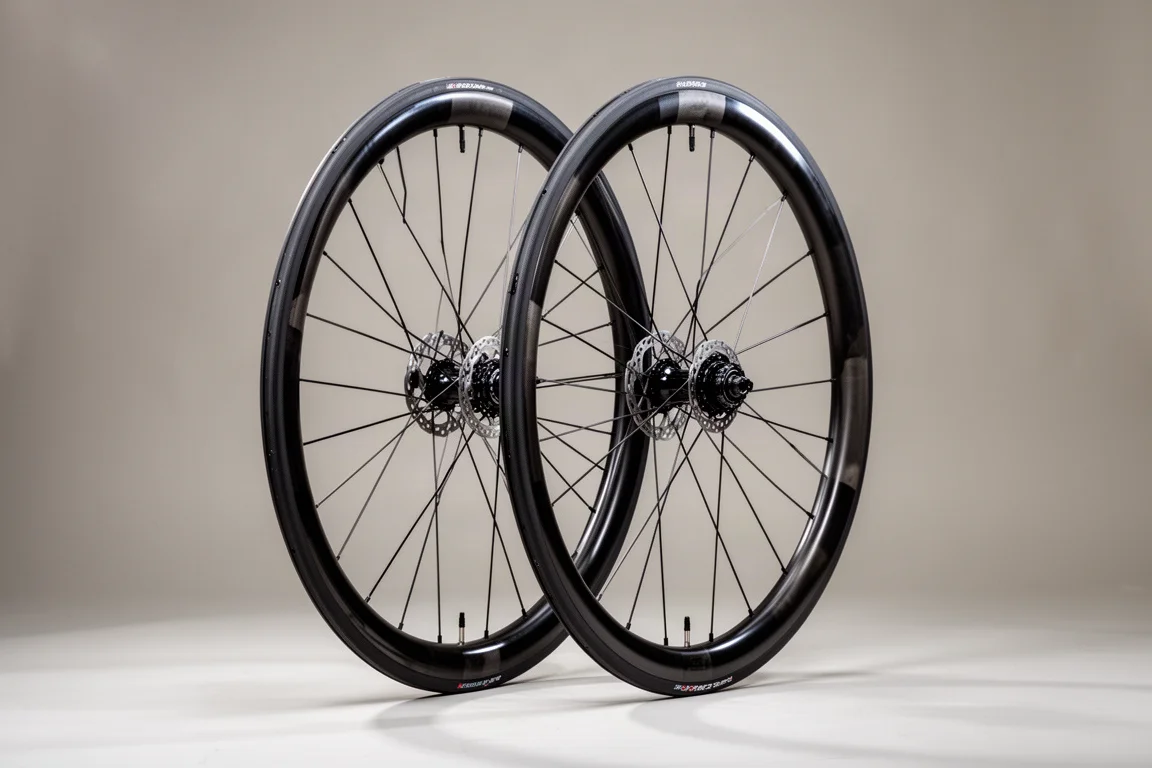
The wheelset uses T800 carbon fibre rims with a 50mm deep profile, and both shallower and deeper options are available. Externally the rim measures 28mm, with a 21mm internal width, and the hooked rim bed means you can run inner tubes or set them up tubeless depending on preference. The set weighs just over 1,600g, which is a substantial drop from the alloy wheels that typically ship on a mid-priced road bike.
Build quality is the part that surprises people. The carbon layup is smooth, the finish is even, and there are no obvious signs of rushed workmanship. The gloss black decals are understated, so the wheels look sharp without shouting about the price.
Spoke count is 24 front and rear, using bladed spokes with external nipples. That last detail matters more than it sounds, because external nipples make truing a wheel straightforward if it ever needs it, which in practice is rare. The hubs are entry level rather than exotic: no ceramic bearings, and the freehub is loud enough that people hear you coming. Shimano and SRAM freehub options are available, and the hubs are built for durability rather than minimum weight.
Rotor mounting is centre lock, and the axles are 12mm through axle front and rear, so the wheels suit a modern disc-brake road bike. Rim tape is supplied in the box, but tubeless valves are not, so plan for those separately if you intend to run them without tubes.
On the road they behave the way a 50mm carbon rim should. They spin up quickly, feel stable at speed, and give the sense of pace you would expect from a deep-section wheel. Absolute aerodynamic performance cannot be confirmed without wind tunnel testing, but the rim profile follows a well-established shape rather than anything radical, which is exactly what you want at this price.
Best Comfort Upgrade: 3D Printed Carbon Saddle
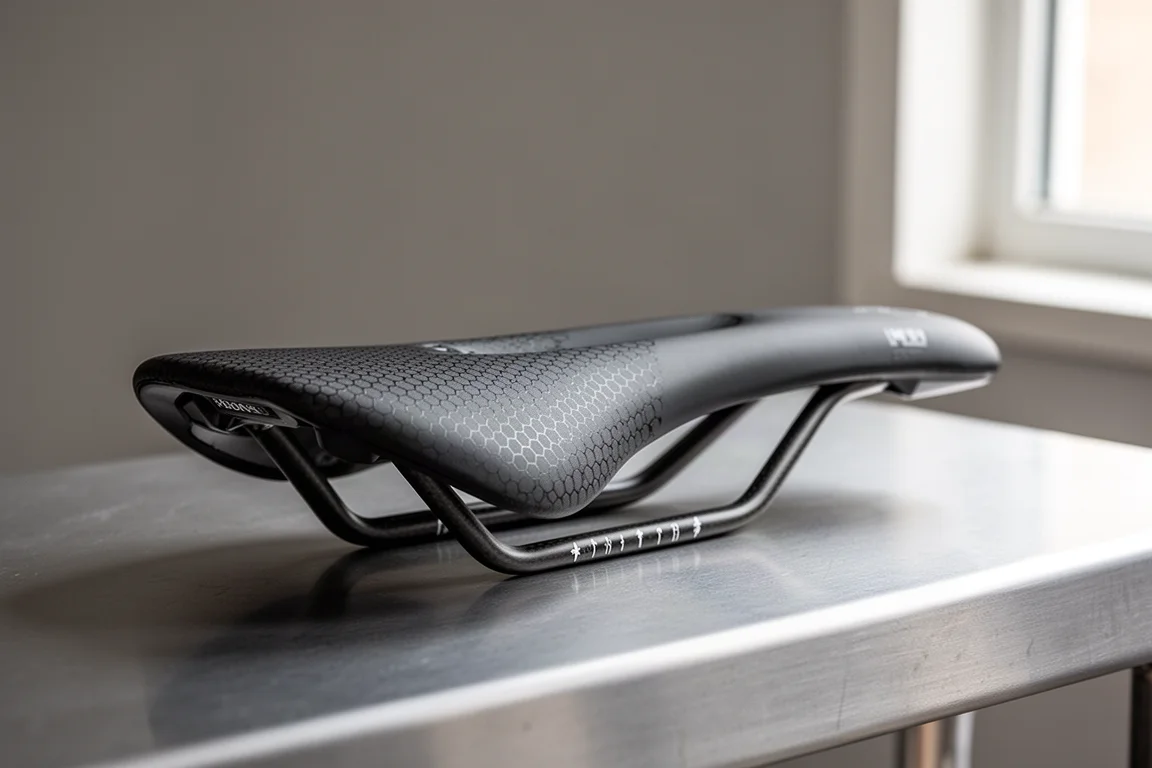
The 3D printed saddle pairs a printed honeycomb upper with a full carbon fibre base and carbon rails. At around £38 it sits far below the £250 to £400 that mainstream 3D printed saddles usually command, and that gap is the headline here.
Construction is tidy throughout. The carbon around the base is smooth, the rails are bonded cleanly into the shell with no glue marks, and measurement markers on the rails let you repeat your saddle position exactly when moving it between bikes.
Carbon rails are slimmer than metal ones and need a seatpost clamp that accepts the longer rail profile. If your clamp is designed for round metal rails, there is a metal-rail version of the same saddle that fits more easily.
Comfort is where this saddle earns its place. The printed upper is soft across its whole length rather than zoned firmer and softer, so it feels supportive at the sit bones and stays comfortable hours into a ride, which is the quality that matters on long days, touring, and ultra-distance events. The central channel reduces pressure, and the shape comes in two widths. The one point worth flagging is the nose, which is a little wider than some riders prefer when they are crouched low and pushing hard.
Saddle fit is deeply personal, so treat this as a shape worth trying rather than a guaranteed match.
Best Value Upgrade: RideNow TPU Inner Tubes
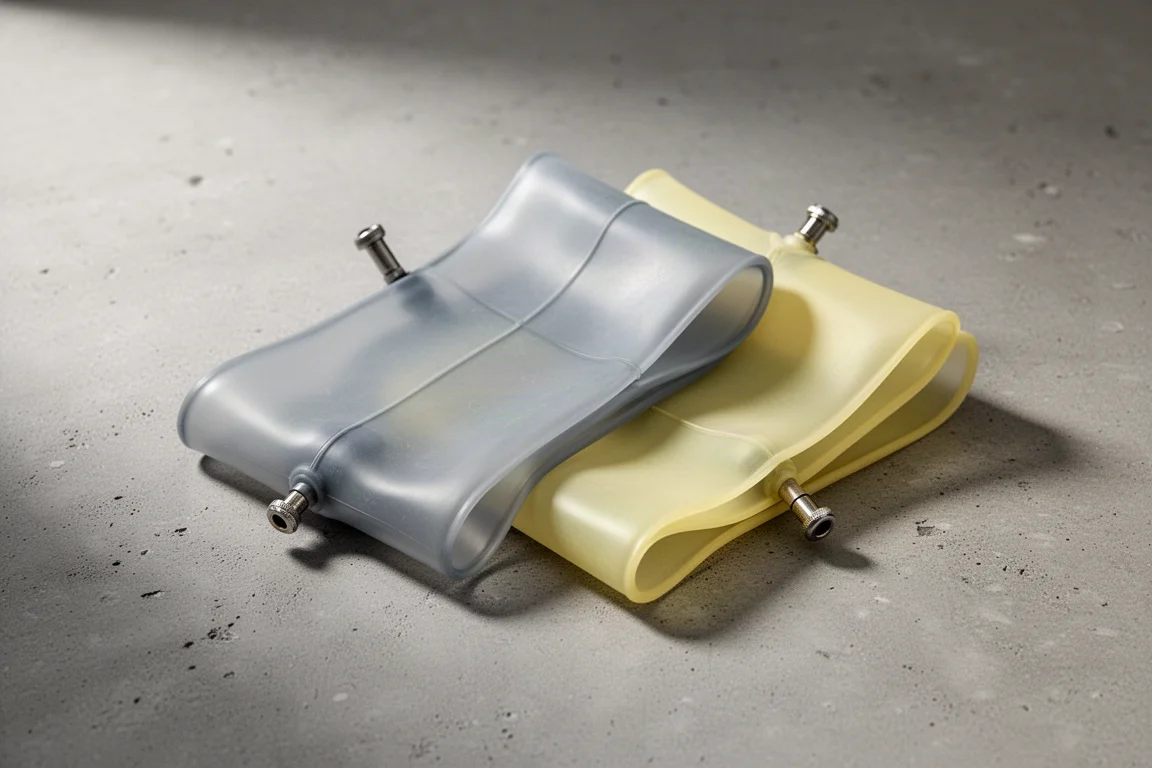
TPU stands for thermoplastic polyurethane, and tubes made from it are lighter and pack far smaller than butyl. The RideNow tubes cost around £8 each, against roughly £30 for many comparable TPU tubes, and the listing carries over 1,000 ratings with a 4.8 average.
They cover tyres from 18mm up to 32mm wide, with valve lengths of 45mm, 65mm, and 85mm, so there is a version to suit most rim depths and tyre sizes. That spread matters, because a valve that is too short will not reach through a deep rim, and a tube that is too narrow or too wide will not sit properly inside the tyre.
Installation is straightforward. Putting a small amount of air into the tube gives it shape, which reduces the chance of pinching it between the tyre and the rim as you work the tyre on. In use they hold air over a week or longer, which is a clear advantage over latex tubes that lose pressure quickly and need topping up before most rides.

On rolling resistance, some testing suggests TPU performs comparably to latex while being less fragile in normal use. They are also easier to live with than a tubeless setup, with no sealant to top up and no difficult seating process.
Buying Advice
If you only change one thing, the wheels deliver the most noticeable difference. They cut weight, add an aero profile, and change how the whole bike looks. Check three details first: 12mm through axles front and rear, centre lock rotor mounts, and the freehub standard your groupset requires.
If comfort is the problem rather than speed, the saddle is the cheaper fix. Confirm that your seatpost clamp will take carbon rails, or choose the metal-rail version if it will not.
The tubes are the lowest-risk purchase and the cheapest way to drop rotating weight. Match the valve length to your rim depth and the tube size to your tyre width, and they will fit almost any road setup.
None of these three parts pretends to be a flagship component, and none of them needs to be. Each one solves a specific, real problem on a normal road bike at a price that makes the upgrade easy to justify. Buy them in the order that matches what actually bothers you about your current setup, and the difference will be obvious on the first proper ride.
Conclusion
These three upgrades show how far budget road bike components have come. The 50mm carbon wheelset brings deep-section aero performance and a sub-1,700g build to a price that used to buy alloy wheels alone, the 3D printed saddle delivers the sustained comfort of a printed upper for a fraction of mainstream pricing, and the TPU inner tubes are the simplest, cheapest weight saving available.
Check the compatibility details before ordering, choose the version that matches your bike, and any one of these three will make a bigger difference than the money spent suggests.
Further reading
Related Reviews
Road Bike Upgrades
Best Road Bike Upgrades Worth Buying: Tires, Tubes, Cables, Helmets, Brakes and Wheels
A practical guide to the road bike upgrades that deliver real gains, from tires and inner tubes to cables, aero helmets, brake pads, power meters and wheels.
Road Bike Upgrades
Upgrading a Secondhand Road Bike: Cannondale CAAD12 Build Guide
A used Cannondale CAAD12 rebuilt with Shimano 105 12-speed, Hunt disc wheels and finishing kit, plus what each upgrade changes and what it costs.

Backpacking Gear
Building a 10 lb Base Weight: An Ultralight Backpacking Gear List
A practical walkthrough of the ultralight pieces behind a 10 lb base weight, from a 765 g pack and a roomy one-person tent to a full camp chair and a dependable water filter.