Backpacking Gear
Canadian Backpacking Gear: What Held Up on a Three-Day Rockies Trip
Ten pieces of Canadian-designed backpacking gear field-tested over three days in the Rockies, with honest notes on what worked, what did not, and who each item suits.
Introduction
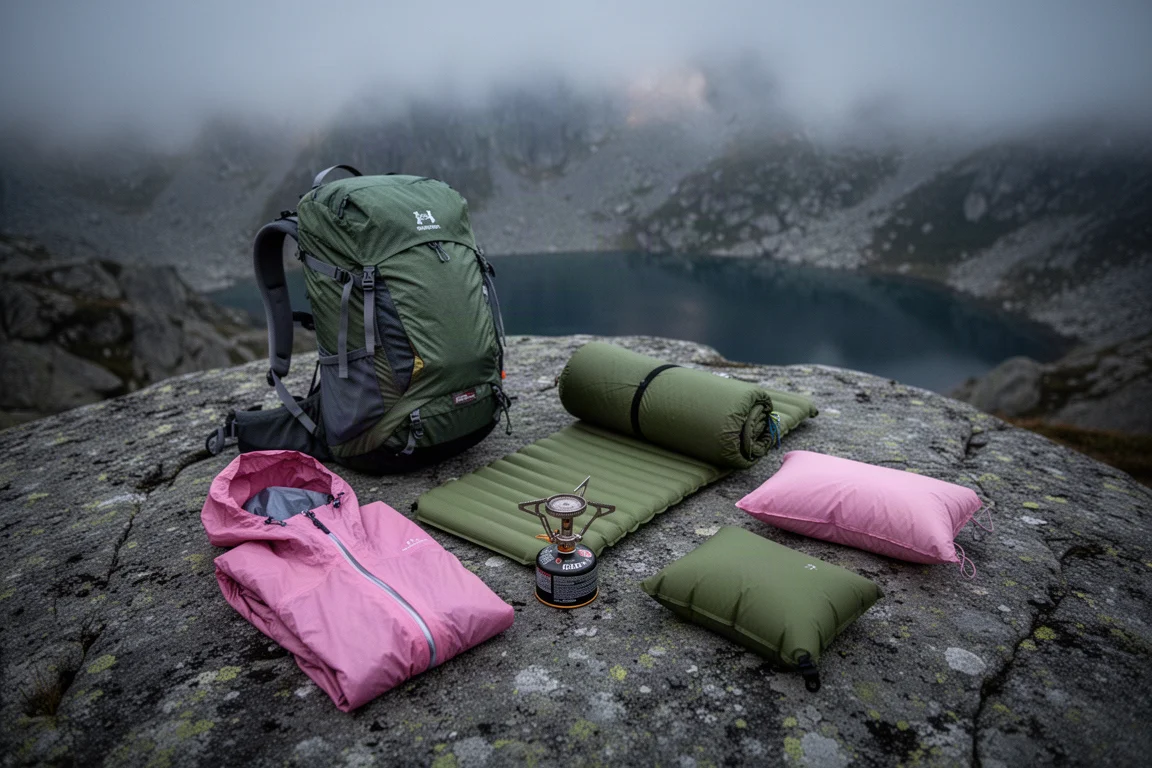
Backpacking in the Canadian Rockies is a different kind of test. Elevation gain arrives in steep, sustained bursts, weather shifts without much warning, and long stretches of trail dissolve into meadow, scree, or blown-down timber. Over three days and roughly 23 kilometres, a full set of Canadian-designed gear was put through those conditions, from a 40-litre ultralight pack to a one-person tent, a complete sleep system, and a lightweight rain shell.
Most of the kit came from Mountain Equipment Company, Canada’s largest outdoor retailer. A handful of other Canadian-designed items rounded out the load, including a rain jacket and a cooking accessory. Some of it performed exactly as hoped. Some of it went back to the store. Both outcomes are useful if you are assembling a kit for wet, mountainous three-season trips.
What We Looked For
Every item was judged on the same practical questions. Does it stay comfortable after several hours of climbing? Does it handle sustained rain without sagging, soaking through, or gaining weight? And does it earn the space it takes up in the pack?
Volume and packability carried extra weight here, because the pack in question was a 40-litre ultralight model. Shelter and sleep gear were assessed on interior livability and warmth, while clothing was judged on fit, durability, and whether the design solved a genuine problem rather than adding a feature for its own sake.
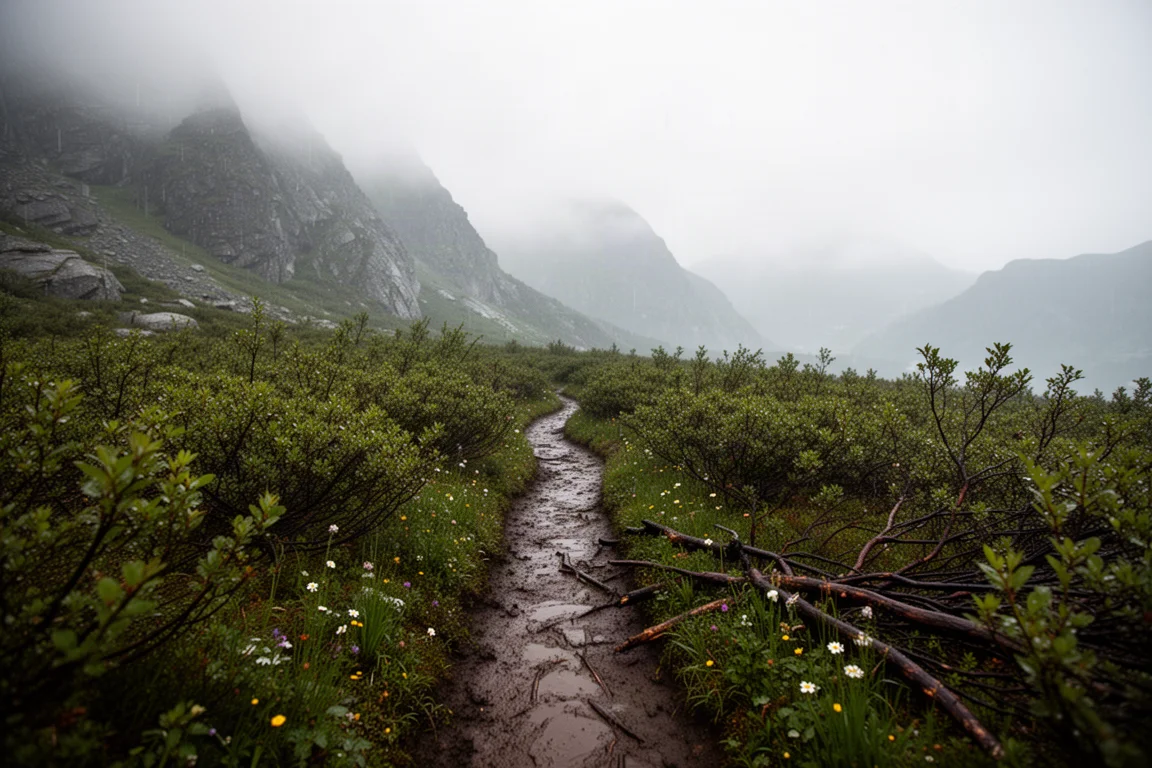
Conditions mattered as much as specifications. Three days of rain, humidity, hail, and one clear evening is a fair test for three-season gear, and it exposes weaknesses that a dry weekend never would.
MEC Cirrus 40L Ultralight Backpack
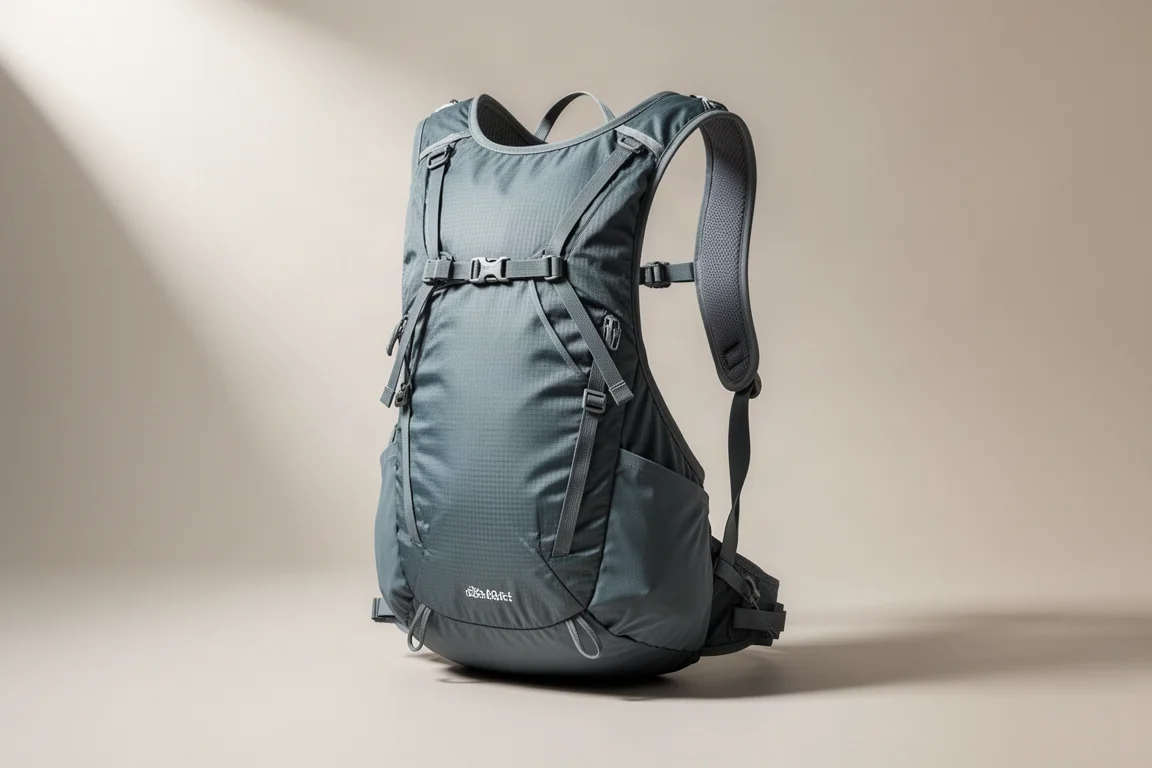
The Cirrus is a 40-litre ultralight pack built around a running vest style harness. Rather than the usual pair of sternum straps, it uses two straps that cross the chest, and the side pockets are flat and non-stretch instead of the elastic bottle pockets common on hiking packs.
The harness itself works well. Weight spreads across the shoulders, the pack stays stable on steep ground, and there were no hot spots over long climbs. Capacity is the compromise. Without stretch pockets, bottles have to ride inside the main body, which eats into the usable volume of an already compact pack. Bulkier items end up strapped to the outside, and the second chest strap does not sit comfortably on every body type.
For a tightly edited ultralight kit, the harness is genuinely good. For a larger load, or for anyone who relies on side pockets for bottles, the design asks for too many workarounds.
MEC Wander Wall Pants
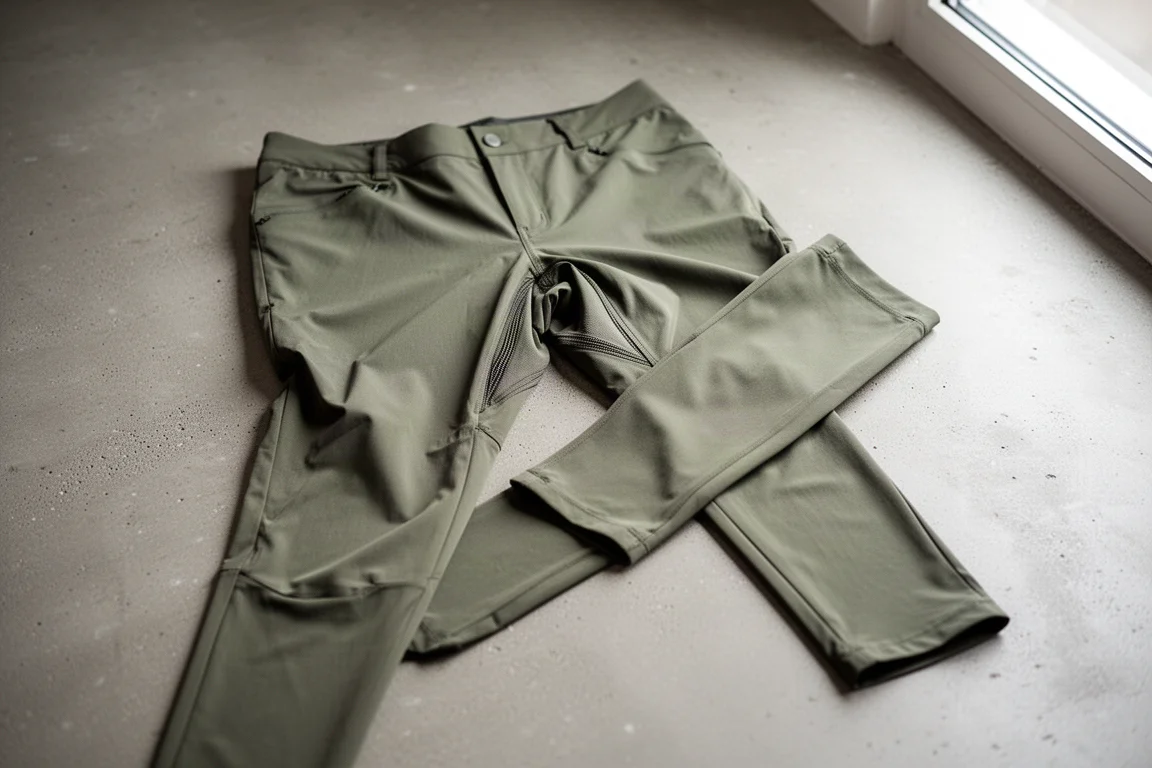
The Wander Wall pants are lightweight, durable, and cut with a gusseted crotch that keeps them flexible on steep ground. The fabric is thin enough to stay comfortable in humid, damp conditions without feeling fragile.
Sizing is the one thing to plan for. The thighs run tight, and sizing up is often the right call. That leaves a generous waistband, which sounds like a problem on a long climb but did not cause the pants to slip. The result is a pair that moves well, handles scrambling, and holds up over consecutive days of hard use.
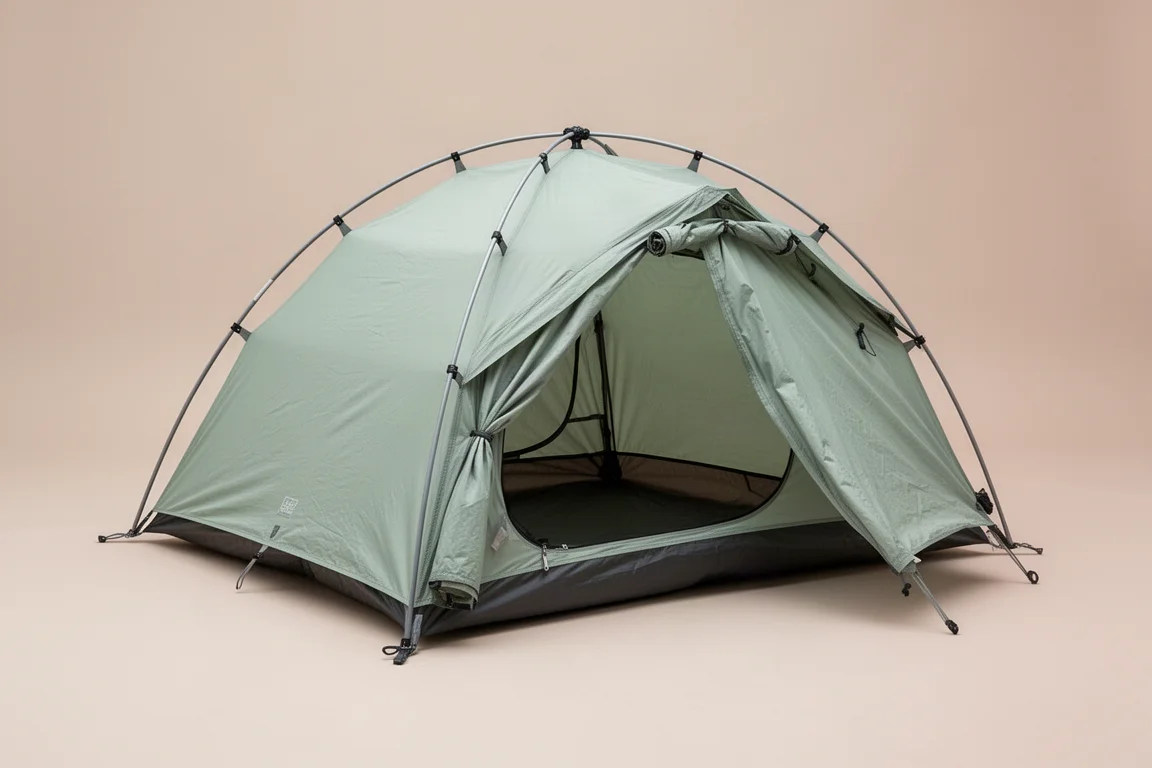
MEC Spark UL 1-Person Tent
The Spark UL is a one-person hubbed tent, meaning the body attaches to specific sides of the pole structure through two hubs, one at the centre and one at the foot. It pitches quickly once the pole orientation is clear, and the dual roll-back door is a genuinely nice feature.
Interior space is the main issue. The peak height sits at the middle of the tent rather than near the head, so sitting up means shifting to the centre. The walls scoop inward along the sides, narrowing the usable volume further, and there is only a single interior pocket. For a smaller sleeper that is workable. For a taller or broader person it will feel cramped.
The rainfly is nylon and sags noticeably in sustained rain, which means repeated re-tensioning. There are no attachment points to pull the side walls outward, so the interior cannot be opened up. This one went back to the store.
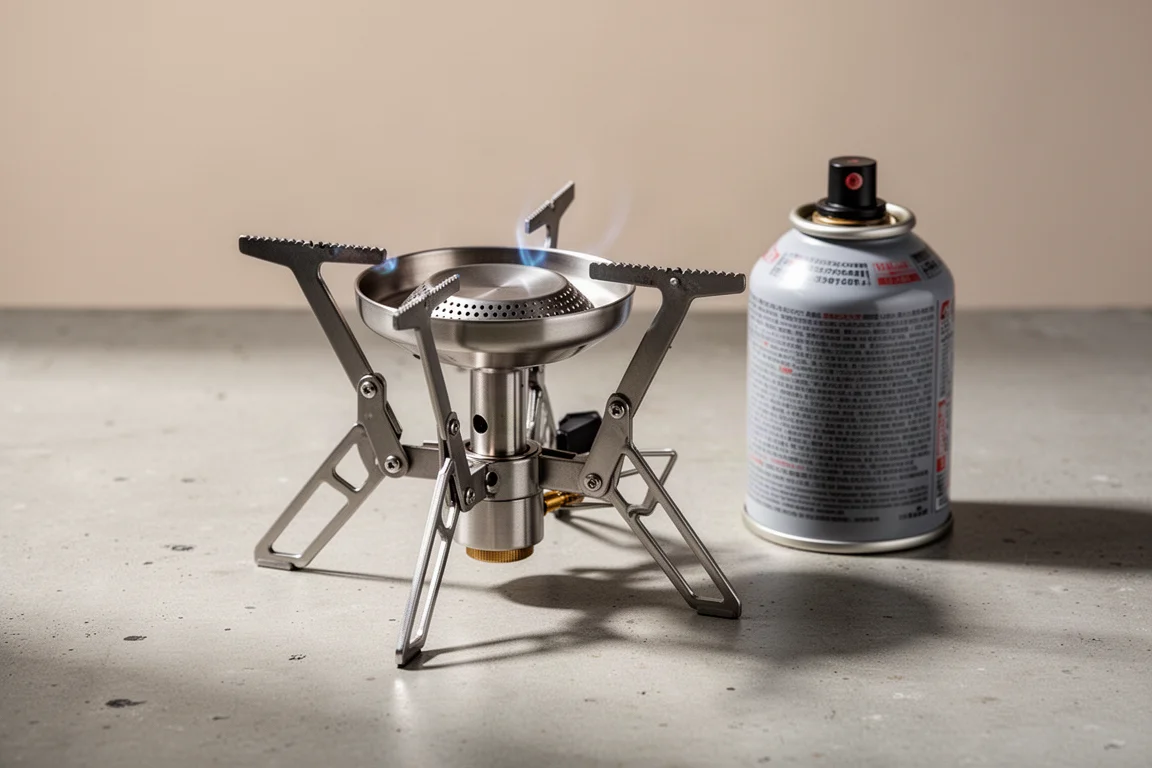
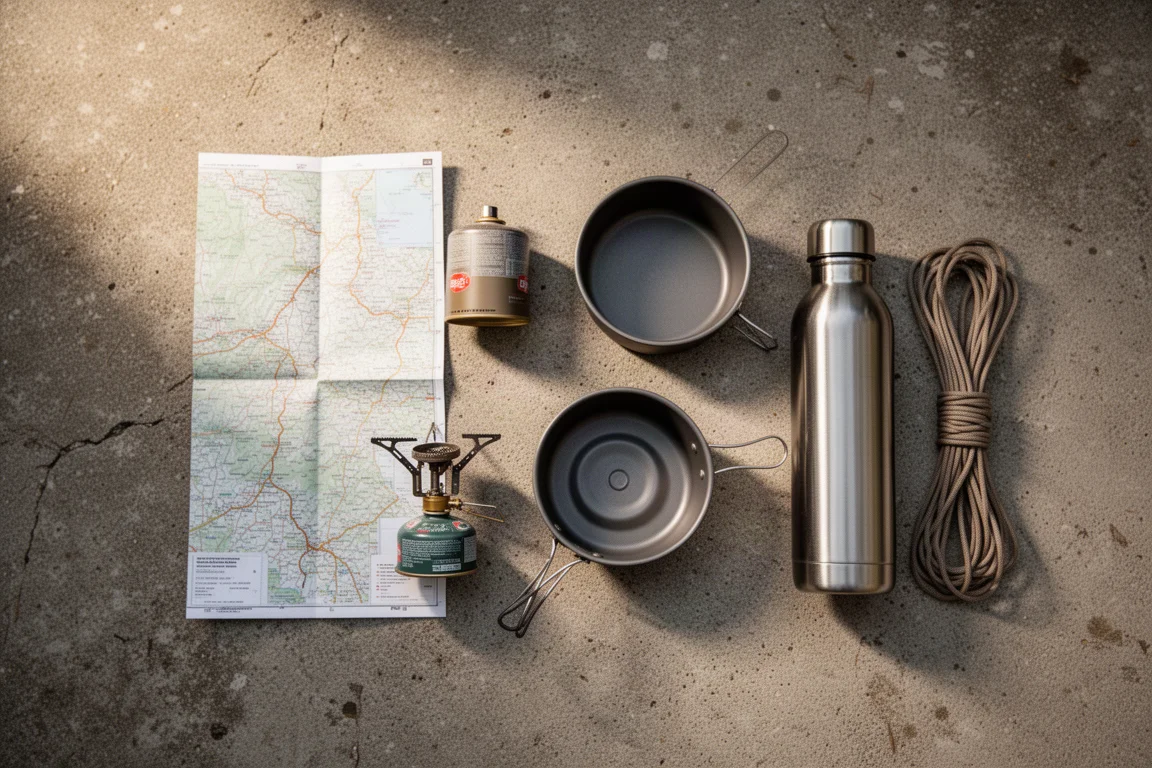
MEC Mini Stove
The Mini Stove is a simple three-prong canister stove with folding arms that collapse into a compact package. It is lightweight and sits at an accessible price point, which makes it an easy first stove or a backup for short trips.
It has no built-in igniter, so a lighter is required, and it is not a fast or particularly wind-resistant performer. Boiling water took noticeably longer than expected, and in breezy conditions the flame struggled to hold its heat. For simple meals on short outings it does the job. As a primary stove for longer trips, the missing igniter and the slow boil times are hard to overlook, and it was returned after the trip.
MEC Vector Air Force UL Sleeping Pad
The Vector Air Force UL is a bulky pad for its class, but it trades packability for comfort. It is thick, stable, and comfortable enough that it stood out as the strongest part of the entire sleep system.
MEC positions it as a four-season pad, though the R-value of 5.4 puts it closer to a solid three-season option in genuinely cold conditions. On a mild, damp night it stayed warm and comfortable throughout.
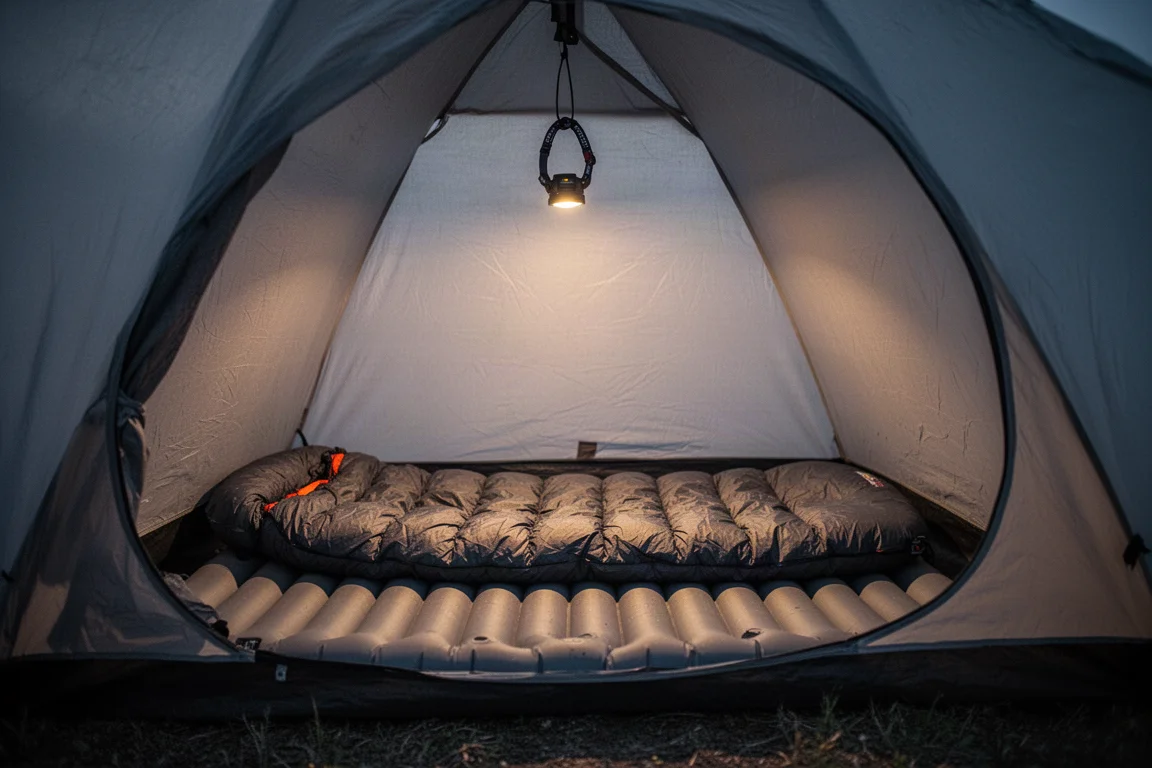
The pump sack is the standout detail. The stuff sack doubles as an inflation bag, and it is designed to be filled a specific way, which makes setup quick and keeps moisture out of the pad. It is a small design decision that makes a real difference at the end of a long, wet day.
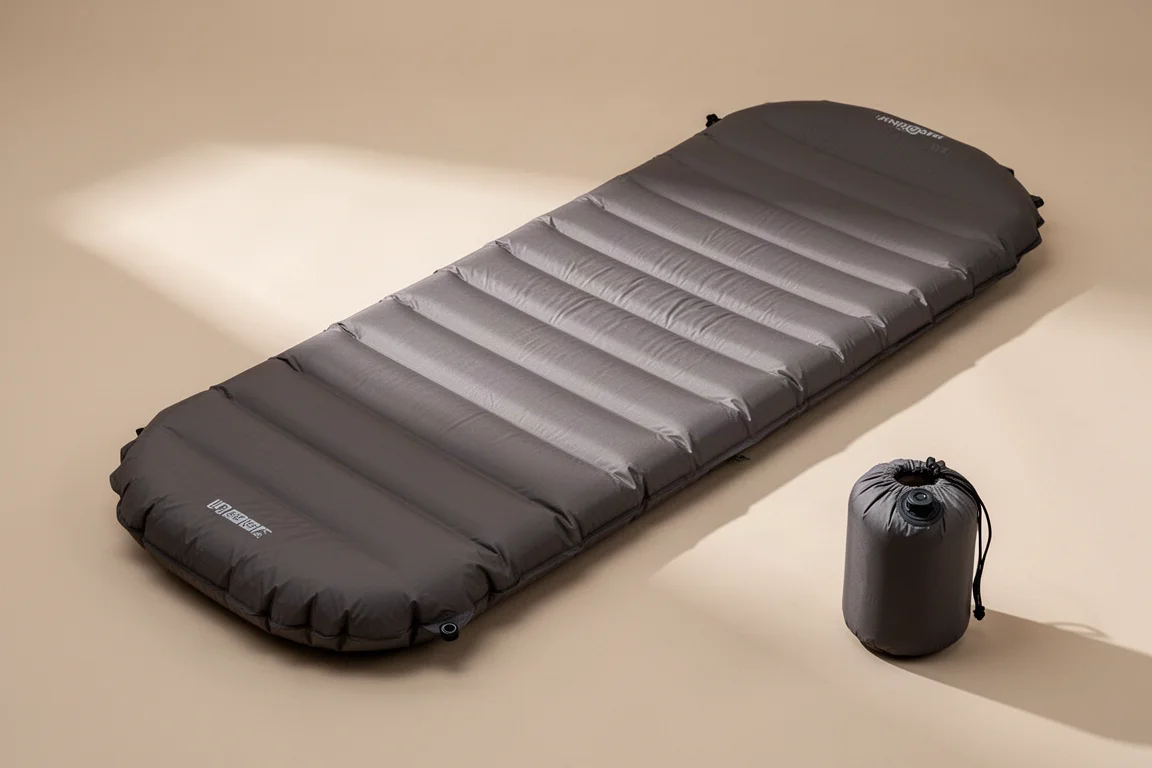
MEC Deluxe Air Pillow
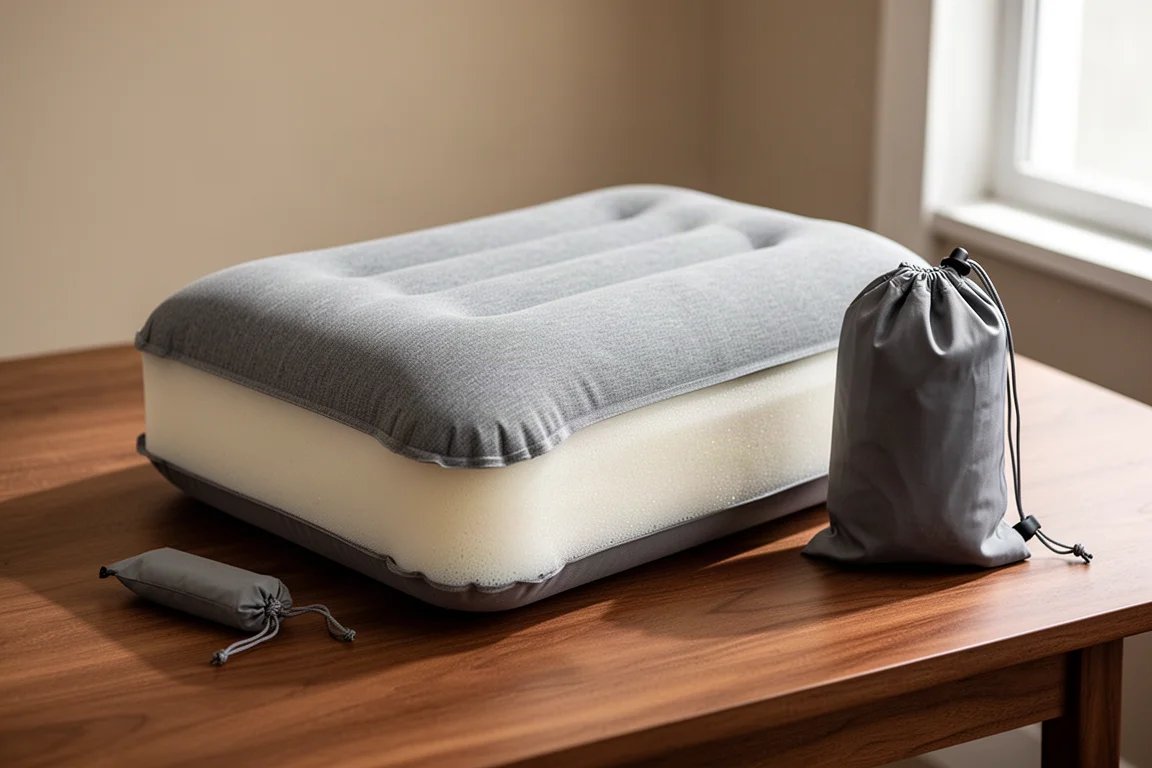
The Deluxe Air Pillow in the medium size is larger and bulkier than most backpacking pillows, and it packs down into a small stuff sack. It combines an air chamber with a thin layer of foam cushioning, which keeps it from feeling like a balloon under your head.
Size is the trade-off. It takes up more room than a minimalist pillow and adds weight to the kit. What it buys is a pillow that actually behaves like a pillow, which matters on a trip where sleep quality decides how the next day goes.
MEC Delphinus Sleeping Bag
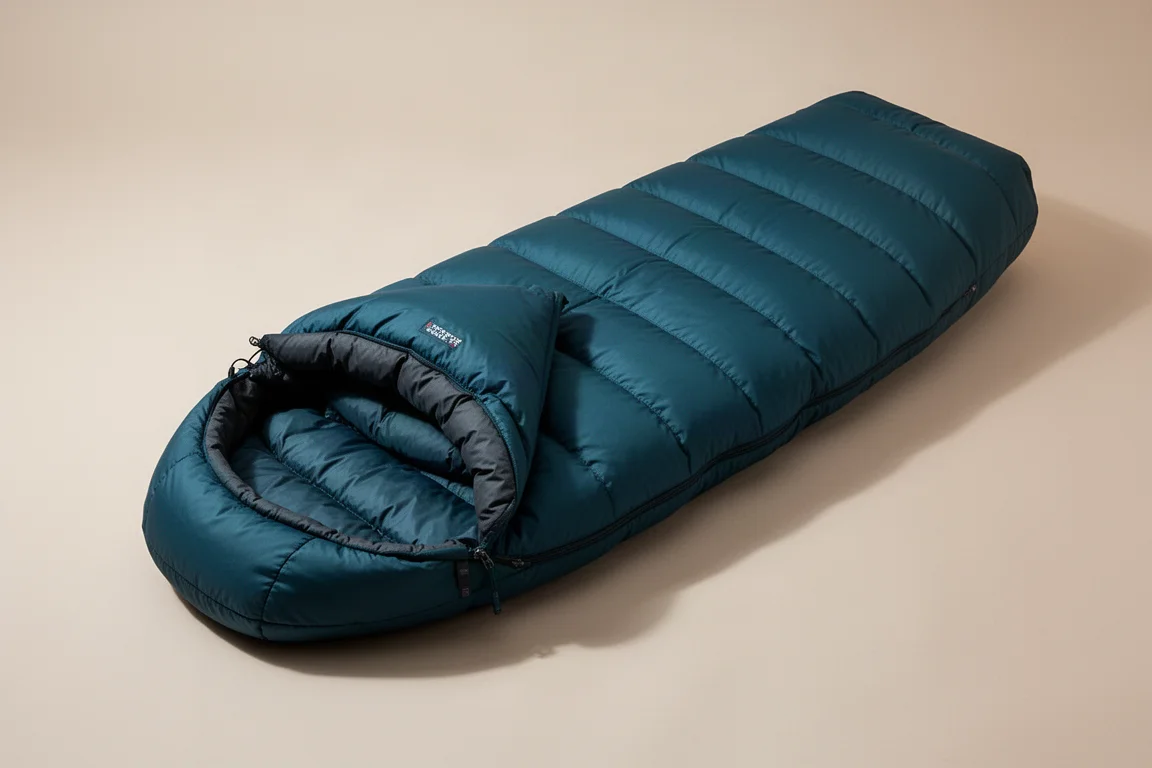
The Delphinus is rated to -9°C as a comfort rating rather than a lower limit, which makes it a warmer bag than the number alone suggests. The draft collar wraps closely around the neck and closes off both sides, and that single detail made the biggest difference to warmth on a damp, cold night.
It is a bag that rewards pairing with a warm pad and a proper hood adjustment, and it is best suited to three-season mountain conditions rather than deep winter.
Pika Pot Lid
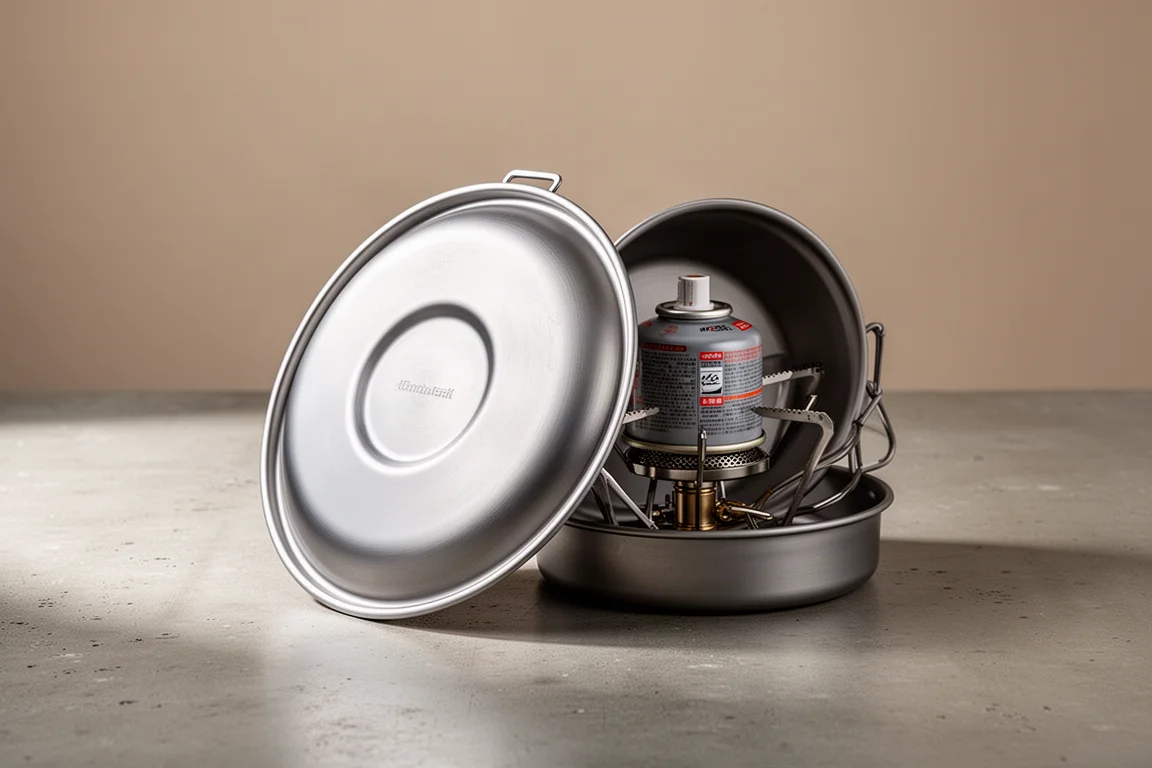
The Pika Pot Lid replaces a standard pot lid with a twist-lock design. It seals and releases with a turn rather than a pull, and the underside includes small ramps that make it easier to lift a lighter out of the pot. Those details were designed with limited hand strength in mind, and they make the whole cooking routine quicker.
It performed exactly as intended. The twist mechanism is the kind of small improvement that becomes obvious the moment you go back to a conventional lid, and it is an easy accessory to justify for anyone who cooks in a pot every day on trail.
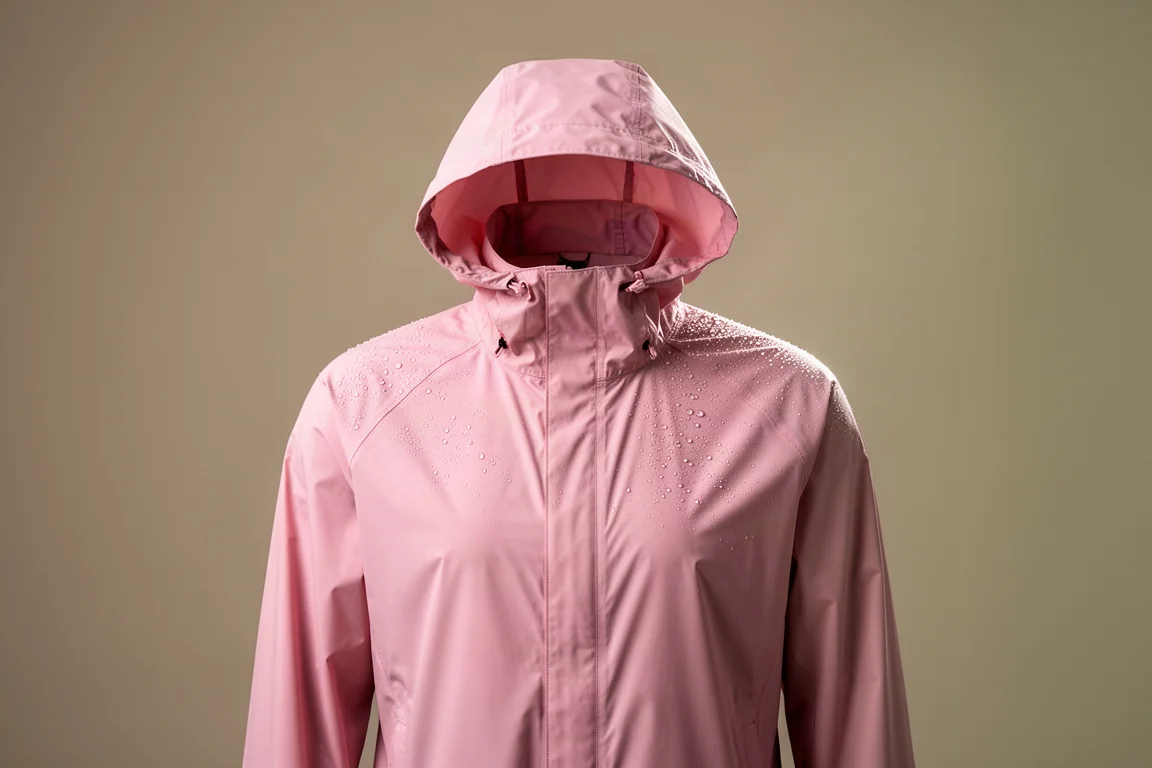
Arc’teryx Rain Jacket
Arc’teryx is a Canadian brand, and its lightweight rain shell was worn almost continuously once the weather turned. It kept out sustained rain without feeling clammy, and the fabric stayed breathable during long, steep climbs.
The hood is the detail that stood out. It extends well forward, covering the face as well as the head, which keeps rain off without needing a cap underneath. The jacket is light enough to carry without thinking about it and comfortable enough to wear for hours at a time.
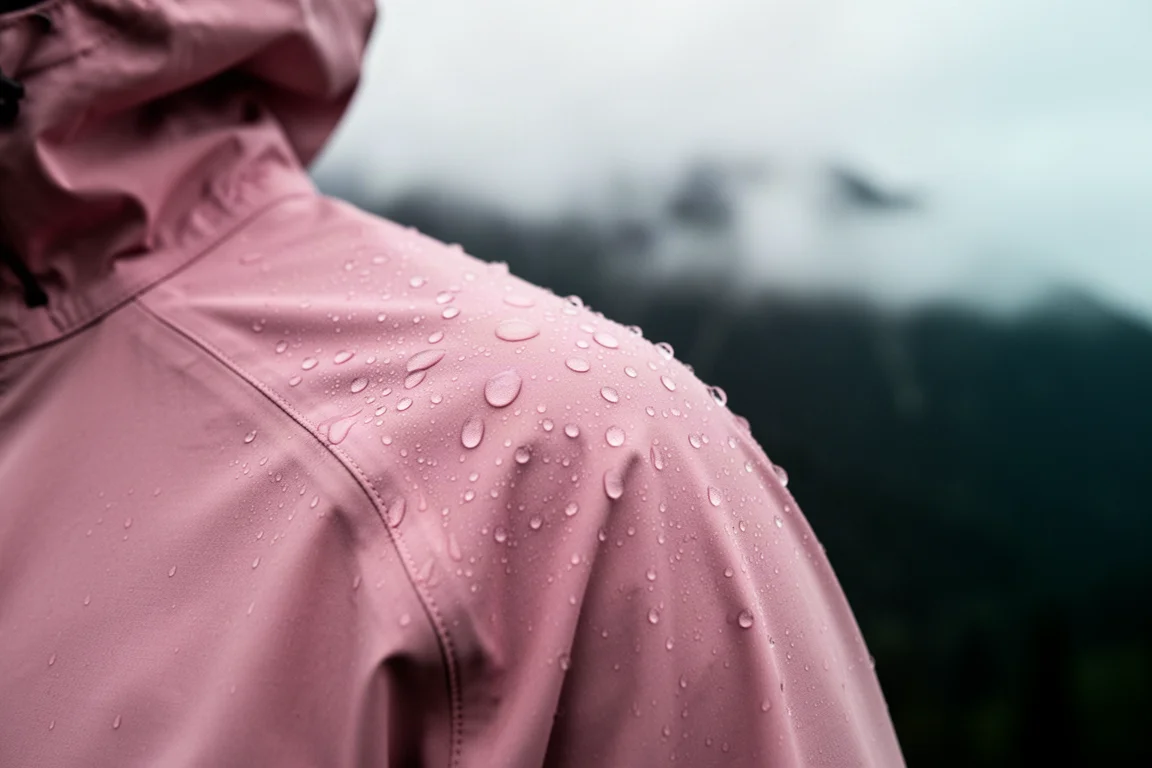
It is a premium piece and priced accordingly. As a shell that gets worn on every wet day of a trip, though, it earns its place in the pack.
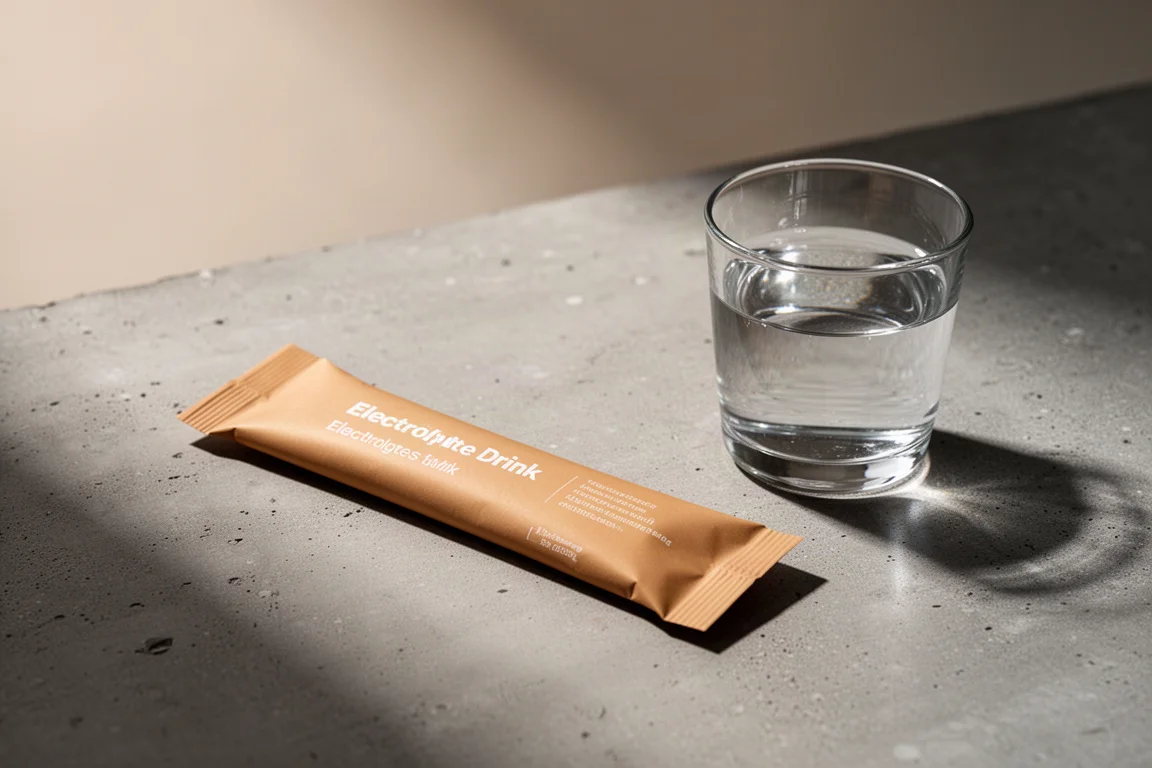
Element Electrolyte Drink Mix
Element is an electrolyte drink mix used both day to day and on trail. It is mixed into a bottle before hiking and helps manage hydration-related issues such as muscle cramps, fatigue, and headaches that build up over long days of climbing.
The mango chili flavour is the standout. It is easy to drink repeatedly, which matters when the alternative is plain water for three days straight, and it is the kind of item worth packing in quantity for a wet, demanding trip.
Overall Buying Advice
The strongest performers in this set were the sleep system and the pants. The sleeping pad, pillow, and sleeping bag worked together as a genuinely comfortable setup, and the pad’s pump sack was the single best design detail of the trip. The pants needed a size up but were comfortable and durable from the first climb to the last descent.
The tent and the stove were the weakest links, and both went back. The pack sits in between: an excellent harness paired with compromised storage. If you are shopping for Canadian-designed backpacking gear, prioritize the sleep system and the clothing, and be honest about how much interior space you need from a one-person shelter before committing to an ultralight model.
Conclusion
Three days in the Rockies with wet weather, steep climbs, and route-finding across untracked terrain is a demanding test. The gear that came through it well was the gear that solved a specific problem simply: a comfortable pad, a warm bag with a proper draft collar, a pillow that behaves like a pillow, and pants that move with you.
The items that disappointed did so for clear reasons, whether that was sagging fabric, limited interior volume, or a stove without an igniter. None of those are deal-breakers for every buyer, but they are worth knowing before you spend. Match each piece to the conditions you actually hike in, and the kit will hold up.
Further reading
Related Reviews

Backpacking Gear
Building a 10 lb Base Weight: An Ultralight Backpacking Gear List
A practical walkthrough of the ultralight pieces behind a 10 lb base weight, from a 765 g pack and a roomy one-person tent to a full camp chair and a dependable water filter.
Backpacking Gear
A 15-Pound Lightweight Backpacking Gear List for Solo Trips
A beginner-friendly 15-pound backpacking setup built from easy-to-find gear, with notes on what each piece does, how it packs, and where to spend your attention.
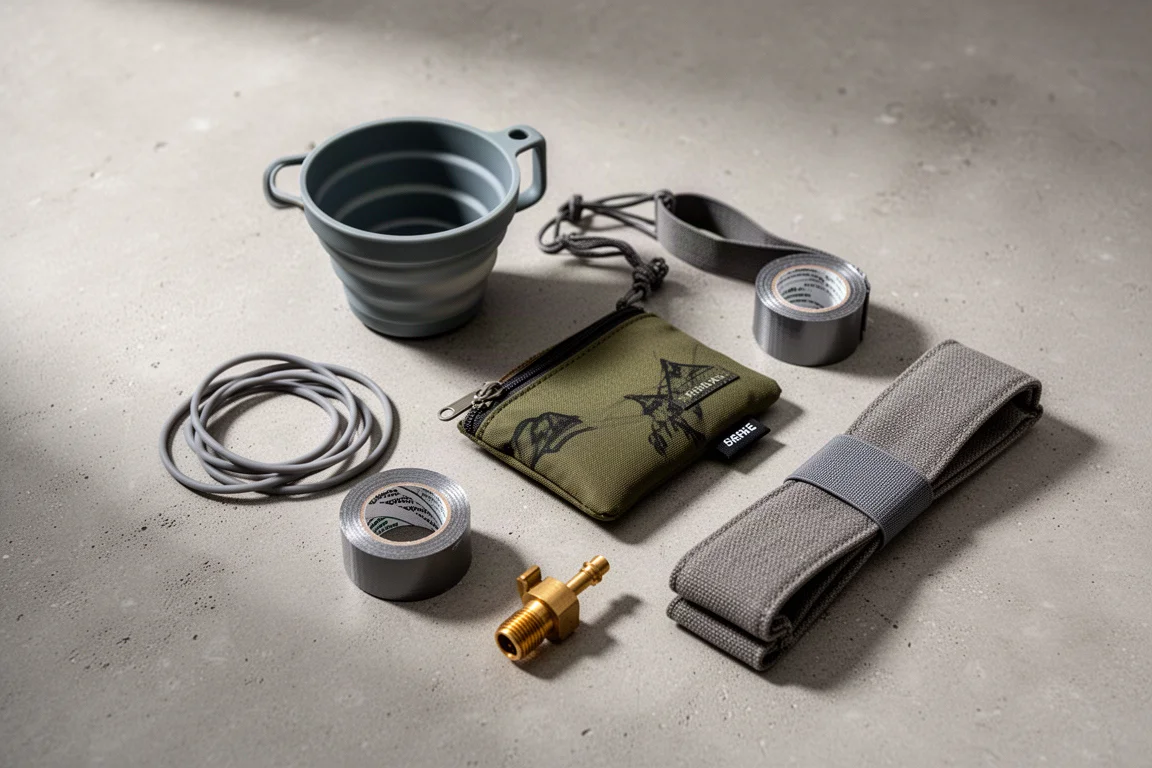
Backpacking Gear
8 Ultralight Backpacking Gear Upgrades Worth Carrying
Eight small, affordable backpacking upgrades that solve real trail annoyances, from a pillow that stays put to a fuel valve that rescues leftover canister gas.