Backpacking Gear
Canadian Backpacking Gear Tested on a Three-Day Rockies Trip
A full kit of Canadian backpacking gear went through three days of rain, lightning and route finding in the Rockies. Here is what earned its place and what went back to the store.
Introduction
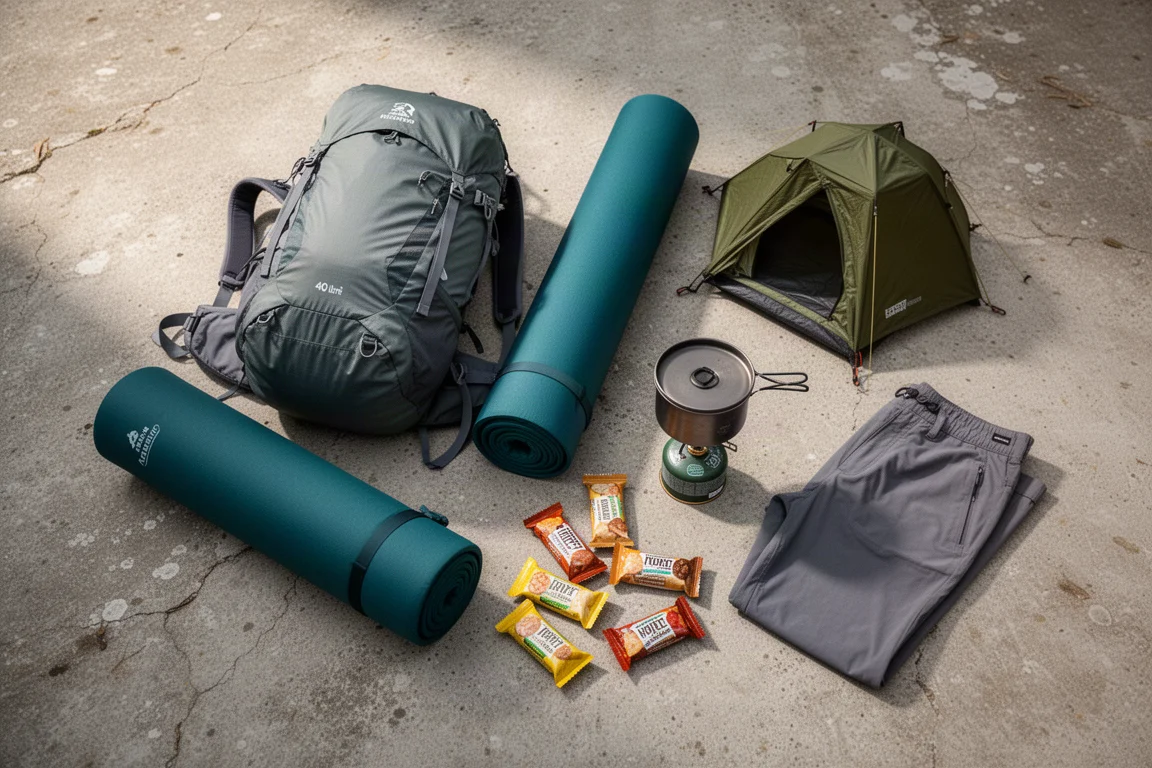
Backpacking in the Canadian Rockies asks different questions of a kit than most three-day routes. The weather turns quickly, storms can catch you above tree line, trails sometimes dissolve into route finding, and the elevation gain adds up fast. A full kit of Canadian gear went through three days and roughly 23 kilometres in Alberta, camping at Pinto Lake and then at Michelle Lakes along the Great Divide Trail.
Most of the kit came from Mountain Equipment Company, Canada’s largest outdoor retailer. Some of it earned a permanent place in the pack. Some of it went back to the store. Here is how each piece actually performed.
How This Gear Was Tested
The route ran three days and covered roughly 23 kilometres, with four passes in total and about 538 metres of elevation gain on the first day alone. Conditions were deliberately unkind: rain on and off for most of the trip, one severe storm cell with hail and lightning while the group was above tree line, soaked foliage and blowdowns across the trail, and long stretches where the route had to be read rather than followed. A fresh bear dig along the way meant frequent calling out on the approach.
Everything was used the way it would be on a real trip: cooked with, slept on, worn wet, packed and repacked. Two items were returned to the retailer afterwards, and one was kept but judged to be the wrong fit.
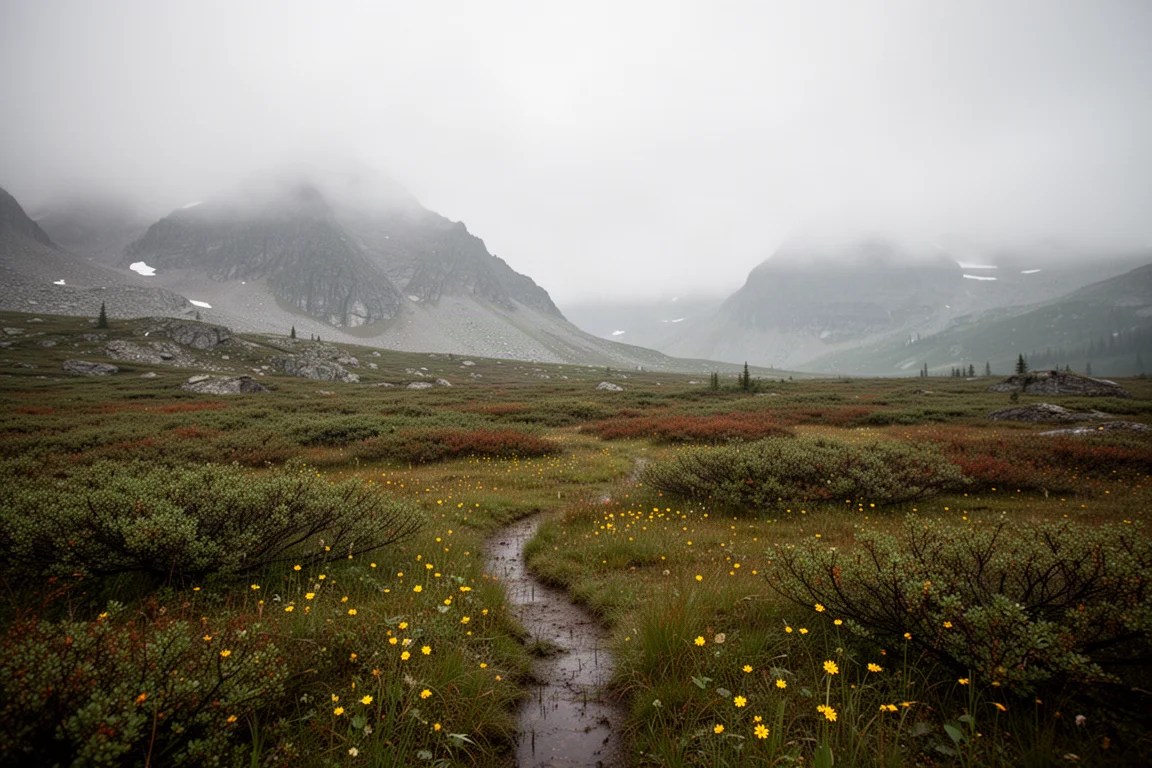
The judgements below are based on how the gear handled those conditions, not on spec sheets.
MEC Cirrus 40L Backpack: Light, Compact, and Fit-Specific
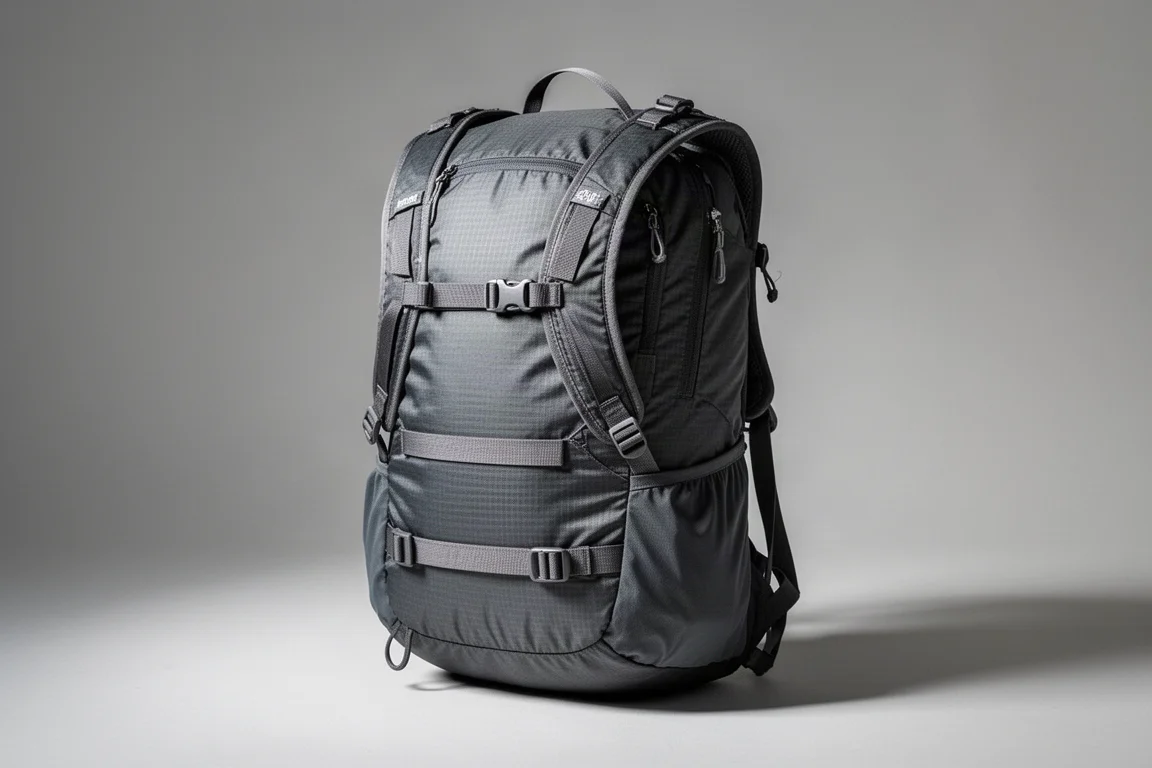
The Cirrus is a 40-litre ultralight pack built around a running-vest style harness, with two sternum straps across the chest. It carried comfortably on the move, which is not a given for unisex running-vest designs.
The compromise is capacity and pocket design. The side pockets have no stretch, so bottles have to sit inside the main body, and every litre of water carried effectively reduces usable volume. With a tent strapped to the top and gear hanging off the outside, the 40 litres filled up quickly. There are no dedicated bottle pockets, which is why a separate bottle-to-tube hydration adapter became part of the setup.
By the end of the trip the verdict was clear: a good pack for someone who packs very light and drinks from a reservoir, but not the right pack here. The non-stretch side pockets and the double chest strap were the deciding factors.
MEC Wander Wall Pants: The Standout From the Clothing Range
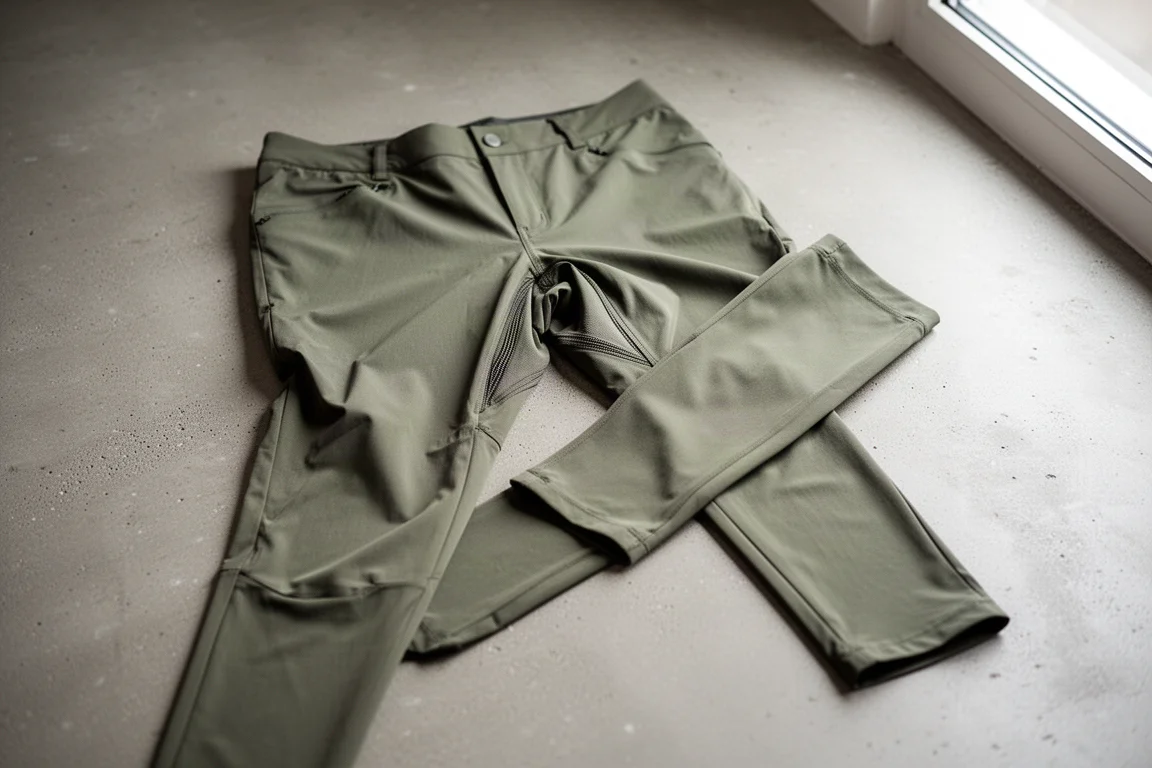
These looked like a mistake in the store. The fit felt tight through the thighs and uncomfortable, but sizing up one step from the usual size changed everything. The waistband then ran large, which raised obvious worries about them slipping down on steep climbs. They stayed put for three days.
The gusseted crotch gives them a lot of freedom of movement on steep ground, and the fabric is lightweight while still shrugging off wet brush, blowdowns and mud. They were worn soaked for most of a day and kept working. The sizing is genuinely unusual, so treat the size chart as a starting point rather than an answer.
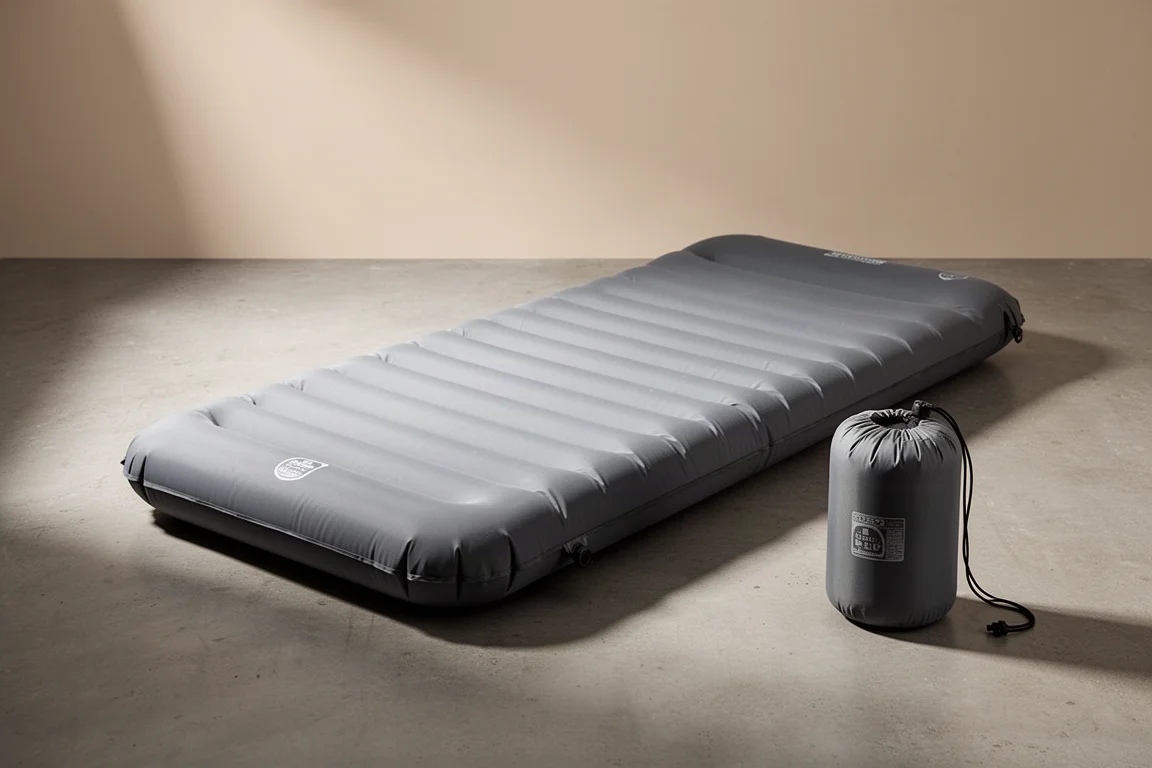
MEC Vector Air Force UL Sleeping Pad: Comfort Over Packed Size
This pad is bulky to pack, and that is the trade for how comfortable it is to sleep on. It was the most comfortable part of the sleep system across both nights.
The rating is worth reading carefully. It is described as a four-season pad, but the R-value is 5.4, which falls short of what a genuine four-season pad should offer. In the conditions on this trip it was warm enough, but it is not a winter pad.
The best detail is the stuff sack, which doubles as a pump sack. It fills a specific way rather than by stuffing, and it makes inflating the pad quick and dry.
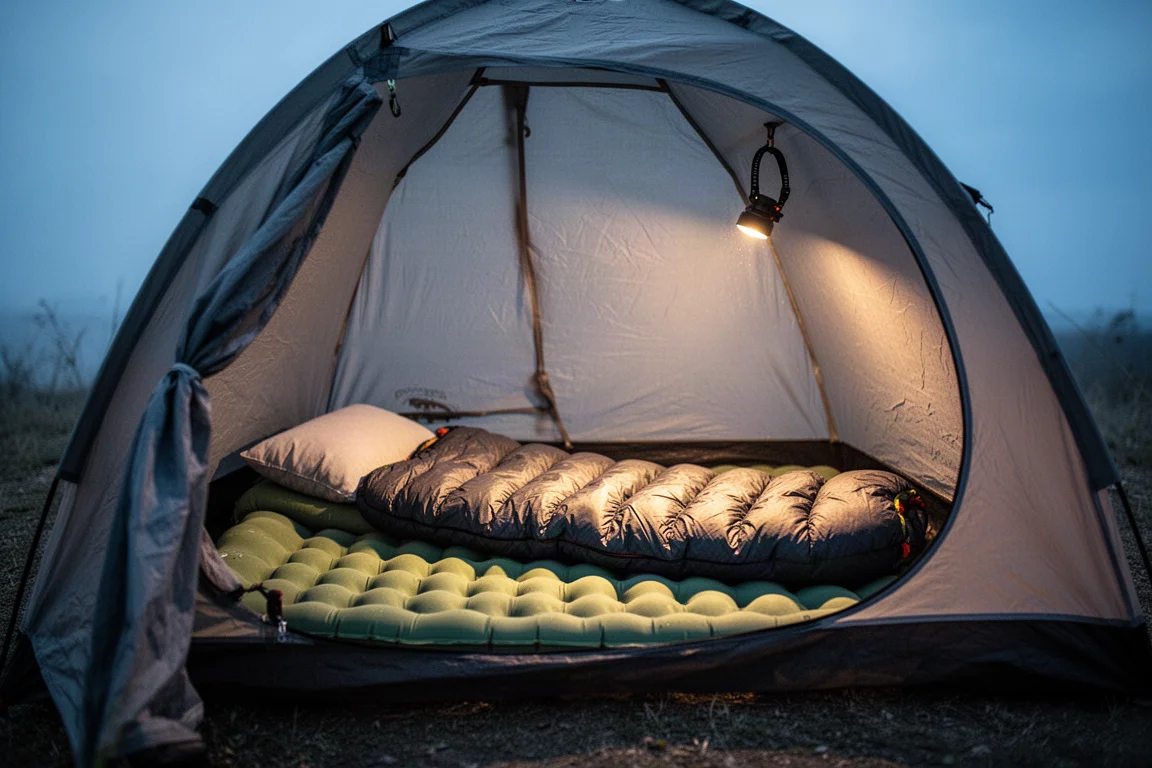
For anyone who values a full night of sleep over shaving grams, this is a straightforward recommendation. Just plan pack space for it.
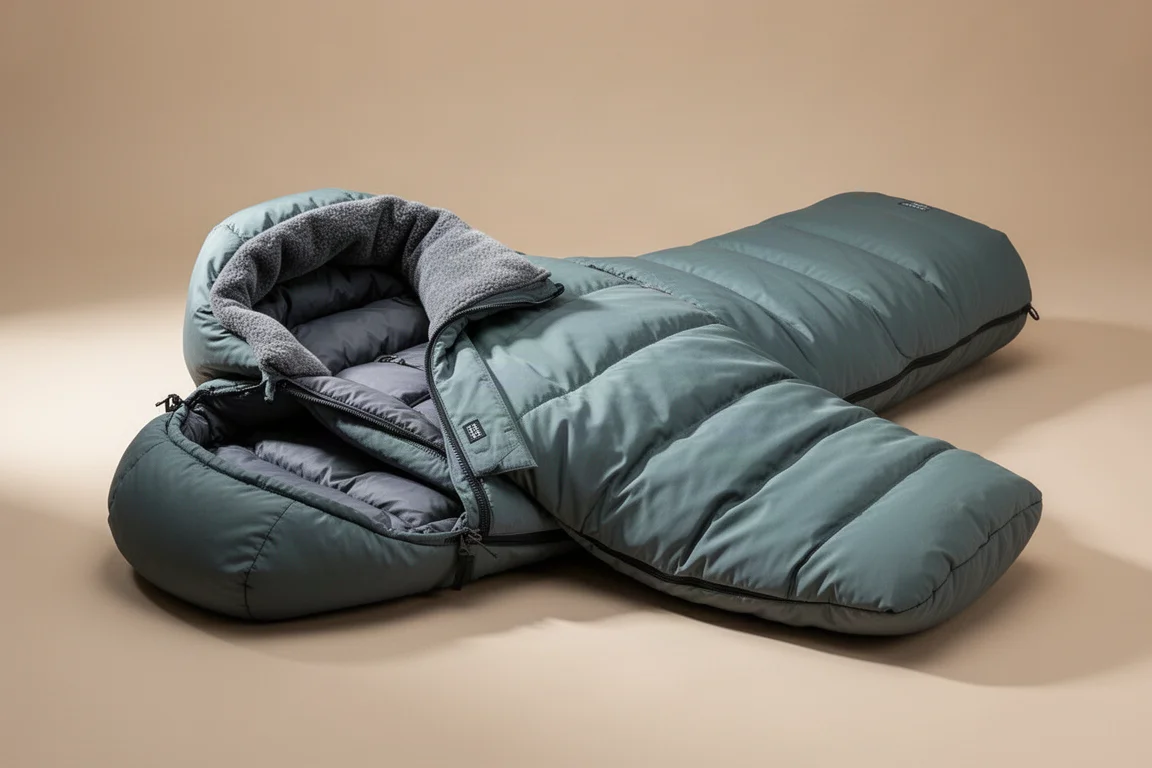
MEC Delphinus 9° Sleeping Bag: Warmth That Starts at the Collar
The 9° figure on this bag is a comfort rating rather than a lower limit, which is a useful distinction when deciding what to wear to bed.
The draft collar is the feature that mattered most. It wraps around the neck with protection on both sides, and it made a bigger difference to warmth than anything else in the sleep system. The hood cinches down over the head, and after tightening it the first night went from slightly cold to comfortable.
It is a solid three-season bag for damp, cool conditions, though on colder nights a warm layer inside helps.
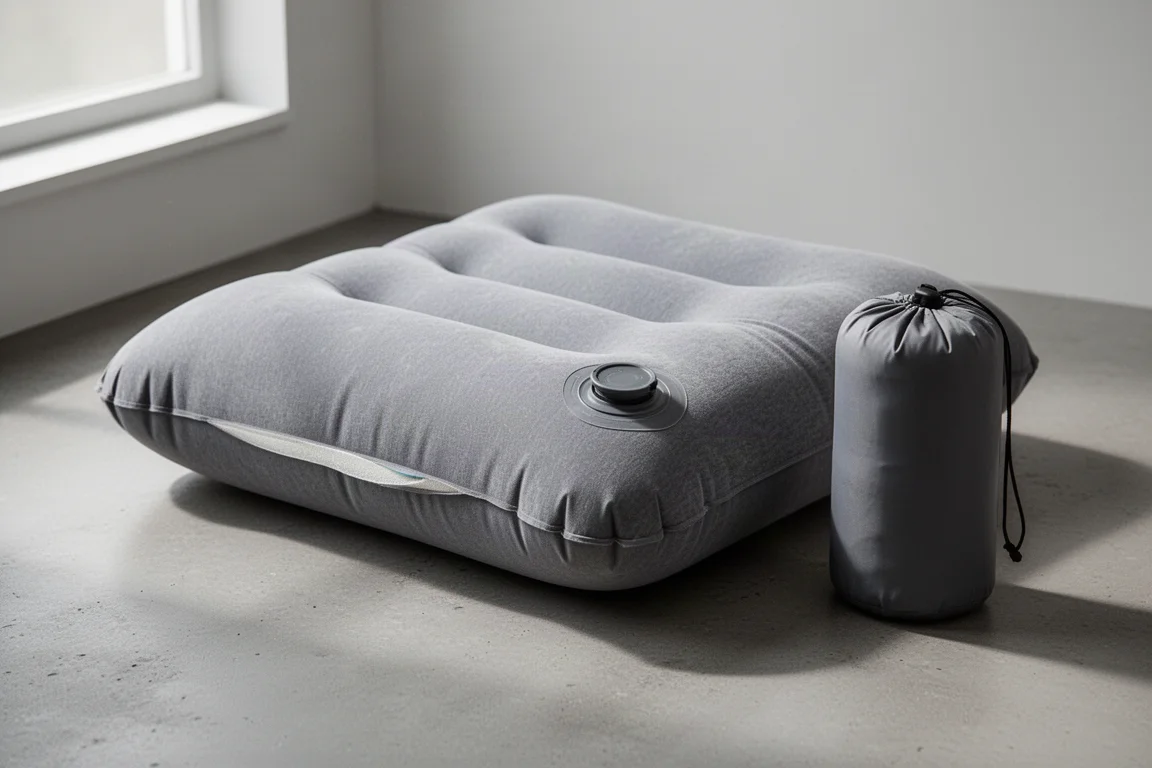
MEC Deluxe Air Pillow (Medium): A Small Luxury That Earns Its Space
This is a larger camp pillow than most backpacking options, and it packs into its own small stuff sack. It is an inflatable pillow with a layer of foam that adds real cushioning instead of the usual balloon feel.
The medium size was the right call. It is bulky compared with minimalist pillows, but it is comfortable enough to replace the bundled-up jacket trick entirely, and it made a noticeable difference to sleep quality.
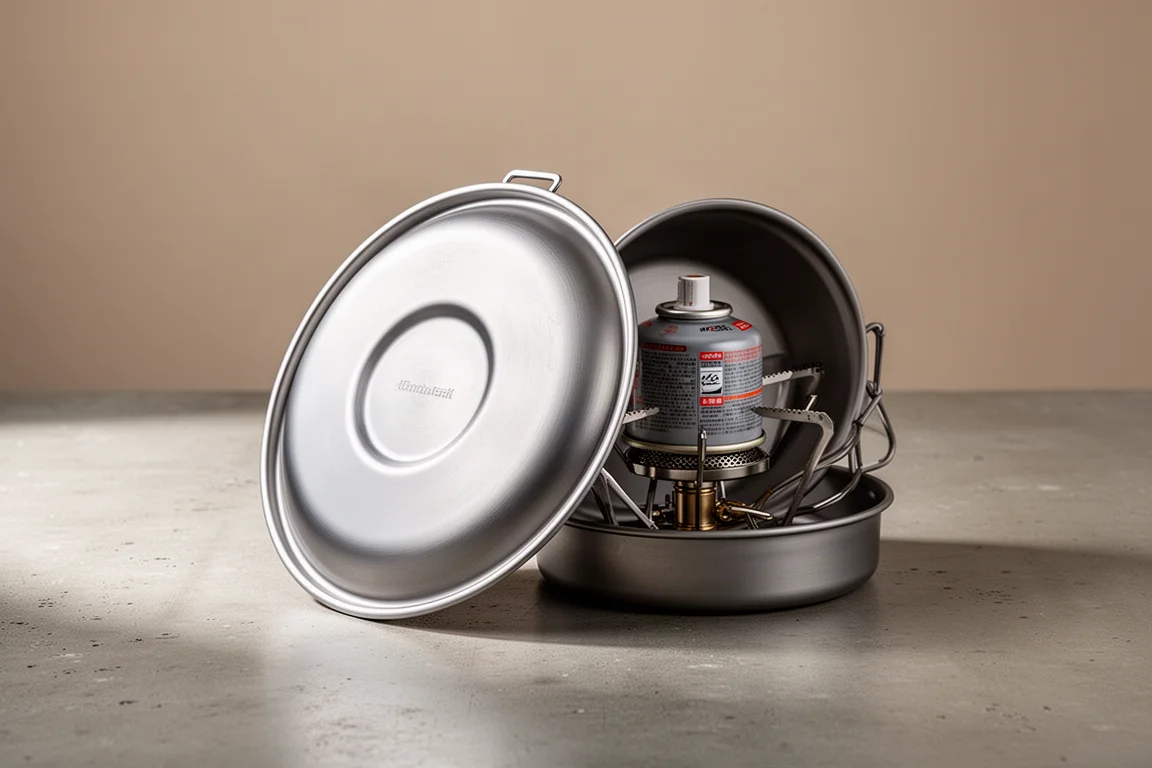
Pika Pot Lid: A Small Accessory That Solved Real Annoyances
Swapping the standard lid on a titanium pot for this one changed two small, repeated tasks. The twist mechanism makes the lid easy to remove even with cold, wet hands, and the small ramps built into the lid hold a lighter so it is always within reach. It is a thoughtful design detail for anyone whose grip is limited.
It performed exactly as described across several days of cooking in poor weather.
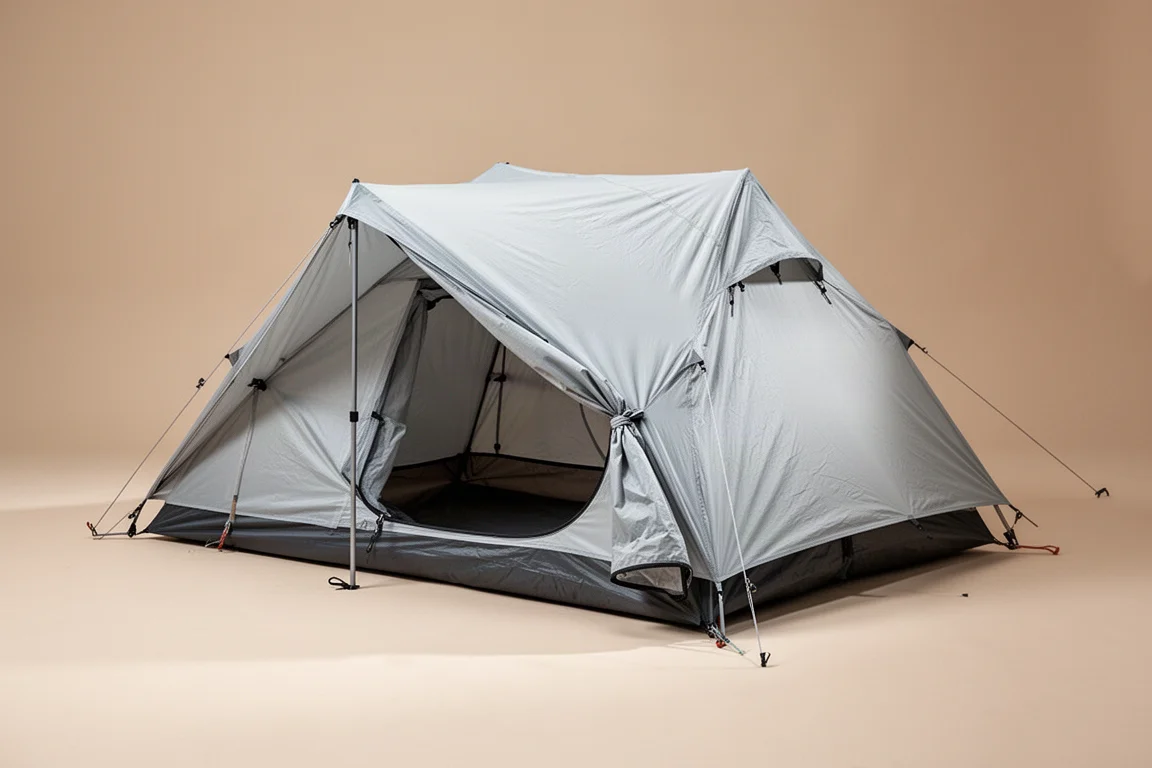
MEC Spark UL 1-Person Tent: Compact, But Compromised in Rain
This is a hubbed tent, with two hubs attaching to the underside of the poles. The design adds interior volume, but it moves the peak height to the middle of the tent rather than near the head, so sitting up means shifting to the centre first. That gets old quickly in a small shelter.
The bigger issue is the rainfly. The nylon material sags noticeably in sustained rain and needs repeated re-tensioning, which is exactly what you do not want to be doing in a storm. The interior is narrow even for a one-person tent, with walls that scoop inward, a single small pocket and no overhead storage. There are also no clips or guy lines on the side walls to pull them out for more room.
The dual roll-back door is a genuinely nice touch. Overall, this one went back to the store, and anyone tall or broad-shouldered should expect it to feel cramped.
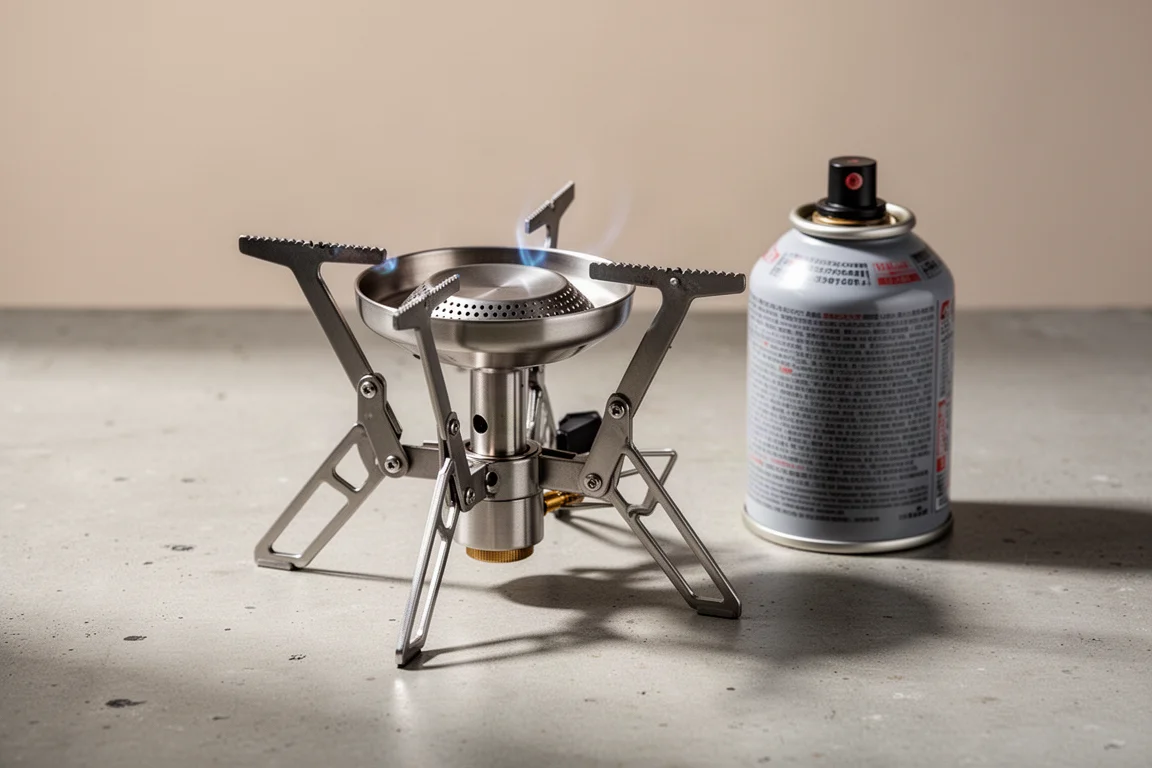
MEC Mini Stove: Simple, Light, and Slow
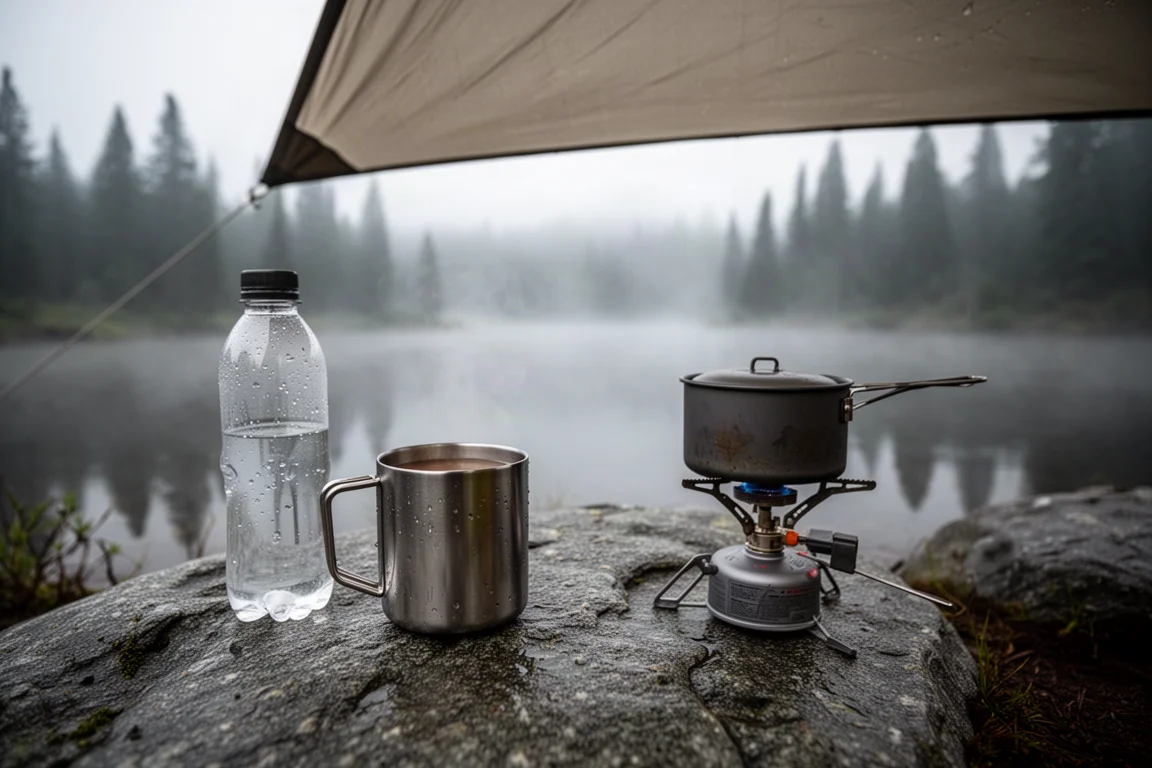
The Mini Stove is a simple three-pronged canister stove with folding supports that closes down small. It is light, and it comes in at an approachable price.
Two things hold it back. There is no built-in igniter, so a lighter is mandatory, and lighting a stove with a lighter in wind and rain is a chore. It is also slow to boil, which is noticeable when you are waiting on dinner in cold conditions. It was fine, but not worth keeping, and it went back to the store alongside the tent.
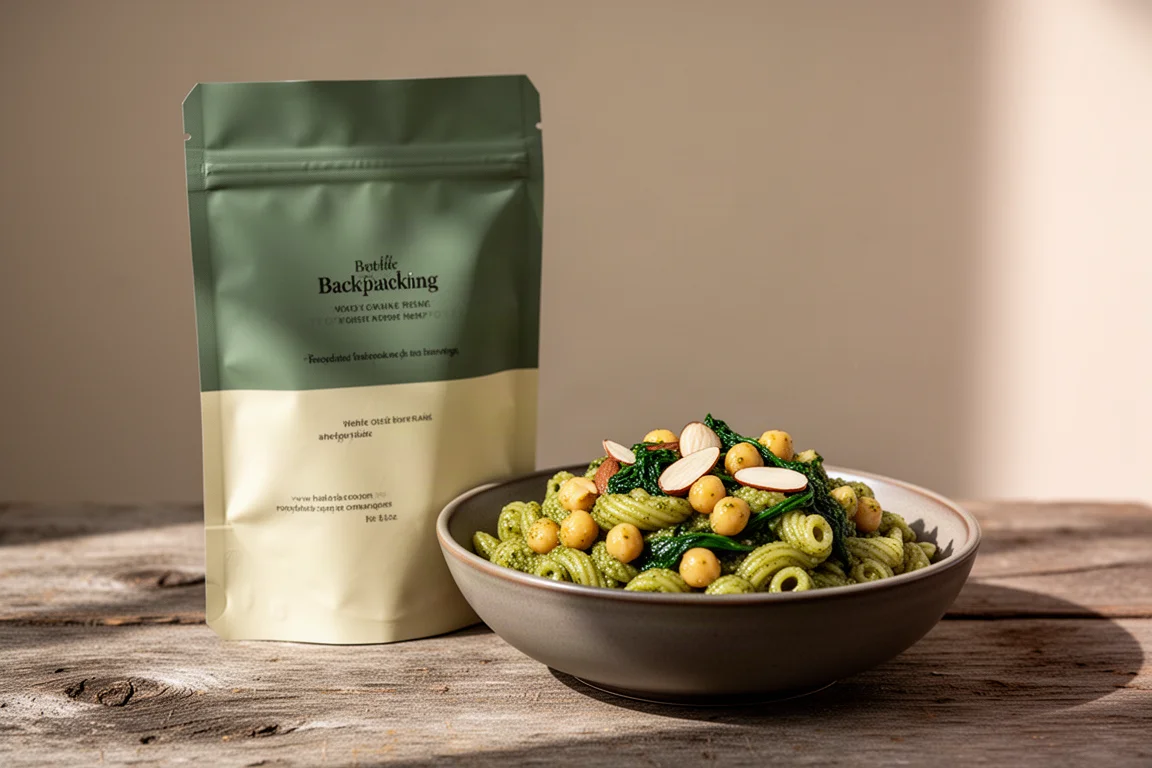
West Coast Kitchen Pasta With Pesto: A Dinner Worth Carrying
This pesto pasta comes with cranberries, feta, parmesan, fresh spinach, almonds and chickpeas, which is a more interesting mix than most dehydrated dinners manage.
It smelled good while rehydrating and tasted even better, which after a wet day of climbing is the only test that matters. It needs boiling water, so it is a pot-and-fuel meal rather than a cold soak.
Happy Yak Shrimp Curry: The Better Boil-in-Bag Meal
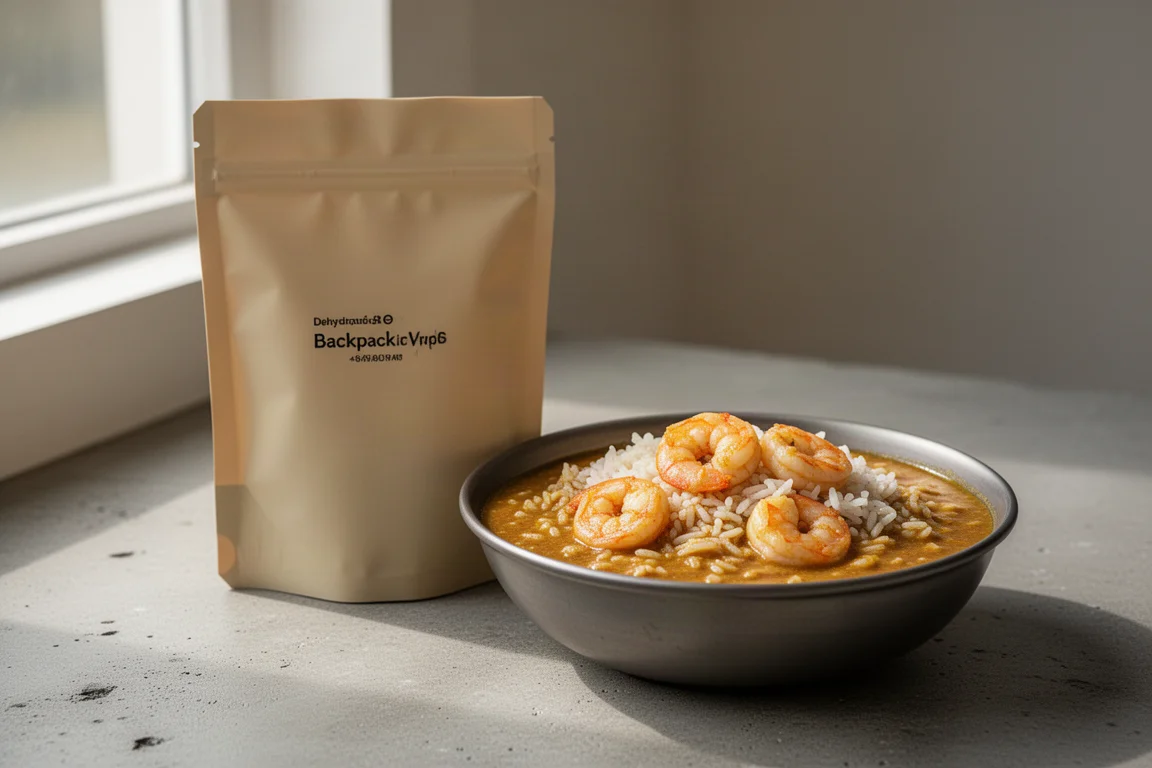
This was the best meal of the trip. The instructions call for cooking it in a pot, but it rehydrates perfectly well straight in the bag, which means no pot to clean afterwards. That approach has worked reliably across repeated trips.
A taco and tortilla mix from the same brand was the opposite experience: too runny to eat as intended, and better treated as a side with tortillas. Note that the brand no longer sells in the United States, so ordering from Canada may be necessary.
Element Electrolyte Drink Mix (Mango Chili): The Daily Constant
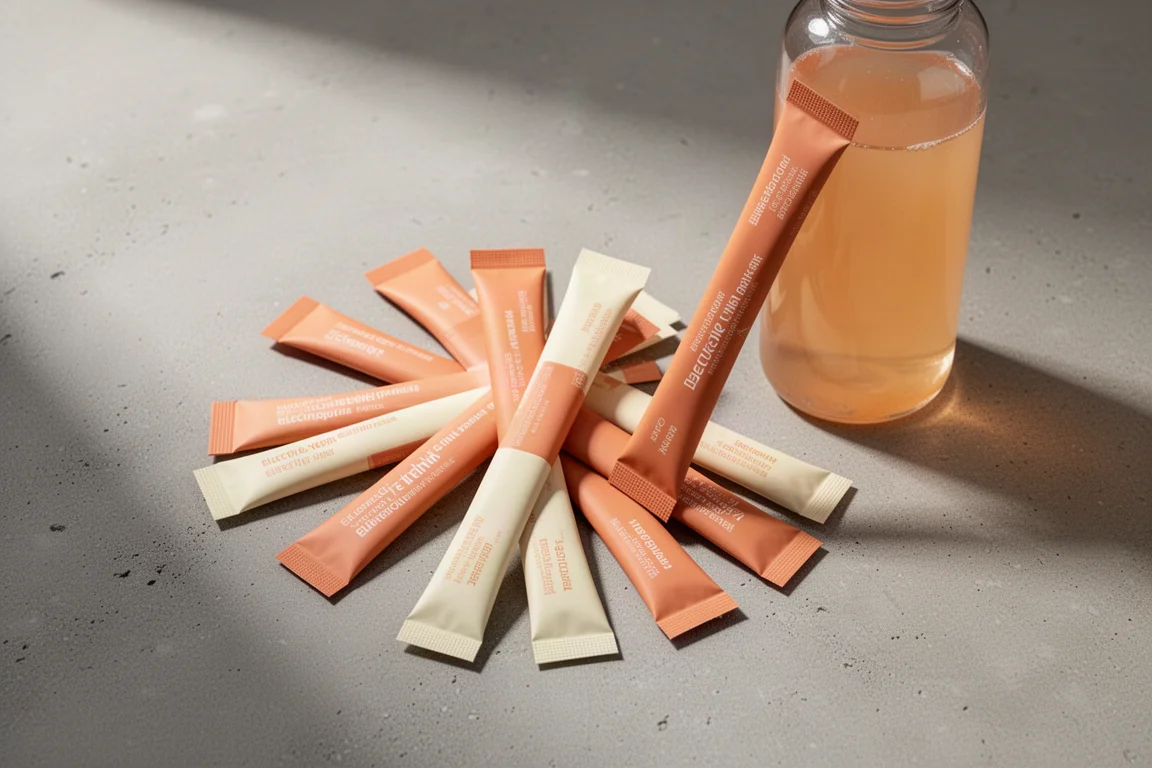
One stick went into a bottle every morning of the trip. The mango chili flavour is the reason it stayed interesting across three days of repeated use, and it is worth trying if you usually stick to citrus.
The point of carrying it is hydration support on long, hard days, particularly for cramping and fatigue. It is light, simple to mix, and it earns its place in a food bag.
It is also one of the few items on this list that gets used at home as much as on the trail.
Exact Chocolate Wafer: The Snack That Surprised
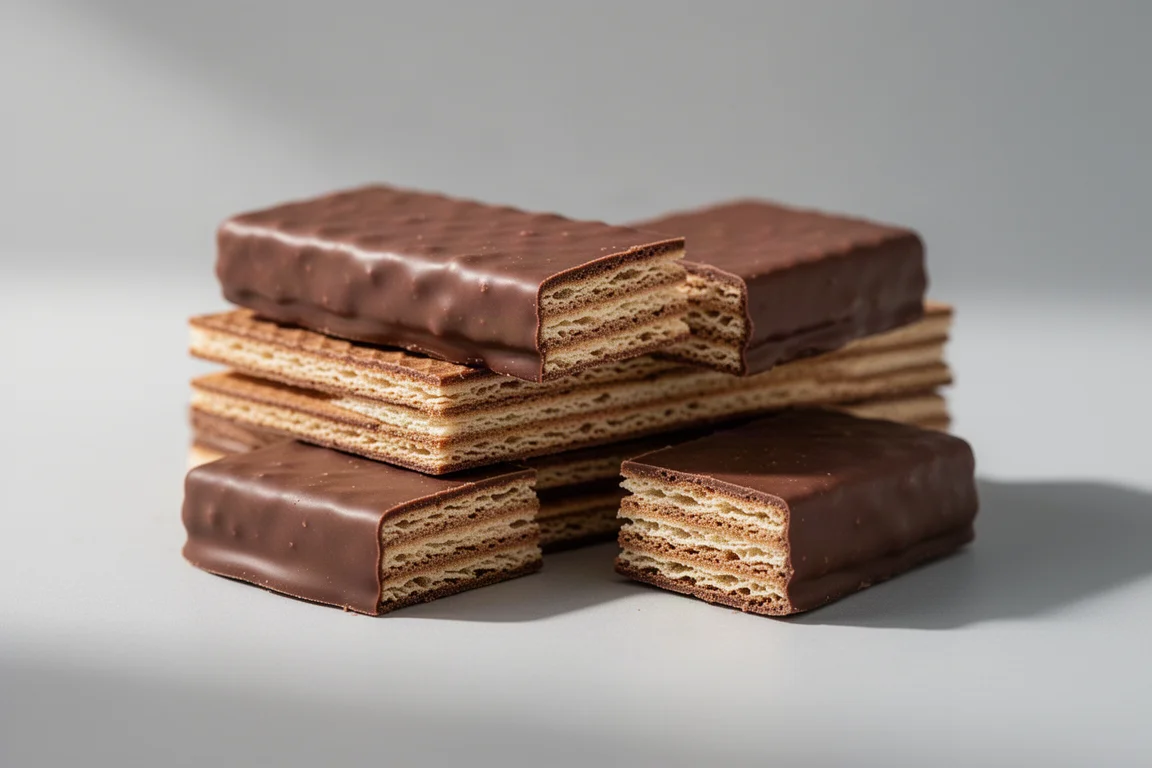
This is a chocolate wafer bar, and the inside is a genuine layered wafer cookie rather than the dense, chewy texture most trail bars settle for. The coconut version was the favourite of the trip, and it stands out among the snack bars tried over the past year.
It holds up in a pack, travels well in cold weather and is easy to eat while walking. Availability outside Canada is the main limitation.
Quick Notes on the Rest of the Kit
A few other items are worth a mention. A Hardside Hydration adapter, an American-made accessory, solved the pack’s missing bottle pockets by turning a standard water bottle into a drink-on-the-move system with a short tube and bite valve.
For coffee, a Flash Fuel blend of instant and micro-ground coffee needed to be poured and left to settle before drinking, and it left one more thing to rinse out. Plain instant is simpler.
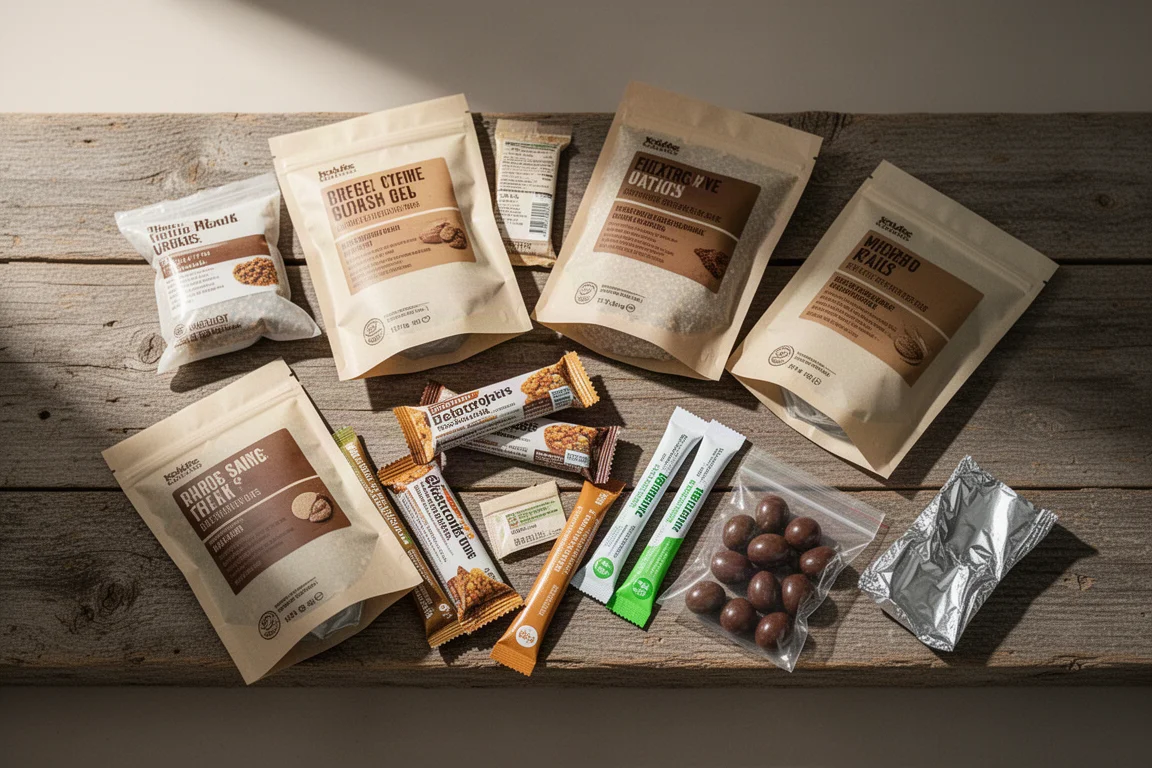
Snacks covered a lot of ground. A Hornby Organic oatmeal raisin bar made a cold but effective breakfast pulled straight from the bear locker. Cheesies, a puffed cheese snack, was crunchy and salty, and preferred over the mass-market alternative it resembles. Smarties, the Canadian chocolate candies that resemble M&Ms, were fine but not worth the hype. A Honey Stinger salted caramel waffle, an Exact Bofi Pie, an Exact Maple Fruit Bar and a Hornby Organic chocolate espresso bar rounded out the food bag on the final day, while a Pinnacle Foods creamy Tuscan chicken penne pasta from an American brand earned high praise when the two packs swapped dinners.
Overall Buying Advice
The clear winners were the sleep system and the pants. A comfortable pad, a pillow with actual cushioning and a bag with a proper draft collar made the difference between a rough night and a good one, and the pants handled wet, brushy terrain better than anything else worn on the trip.
The tent and the stove went back to the store. Neither was broken, but neither justified its space: the rainfly sagged in rain and the interior was tight, and the stove was slow and needed a separate lighter. The pack was kept but judged not to be the right fit, mostly because of the non-stretch side pockets and the chest strap layout.
Before buying, decide what you actually need. If you carry bottles rather than a reservoir, check pocket stretch and depth before anything else. If you camp in sustained rain, tension the rainfly on a shelter before committing to it. And if you cook in wind, an integrated igniter and faster boil times are worth paying for.
Conclusion
A three-day Rockies trip is a hard test for any kit, and this one split cleanly. The sleep system, the pants, the pot lid, the wafer bar and the electrolyte mix all earned their place, and the shrimp curry was the best meal of the trip. The tent, the stove and the pack did not work out, and that is useful information too.
Match gear to the conditions you actually expect, and the good pieces will do the rest.
Further reading
Related Reviews

Backpacking Gear
Building a 10 lb Base Weight: An Ultralight Backpacking Gear List
A practical walkthrough of the ultralight pieces behind a 10 lb base weight, from a 765 g pack and a roomy one-person tent to a full camp chair and a dependable water filter.

Backpacking Gear
A 15-Pound Lightweight Backpacking Gear List for Solo Trips
A beginner-friendly 15-pound backpacking setup built from easy-to-find gear, with notes on what each piece does, how it packs, and where to spend your attention.

Backpacking Gear
8 Ultralight Backpacking Gear Upgrades Worth Carrying
Eight small, affordable backpacking upgrades that solve real trail annoyances, from a pillow that stays put to a fuel valve that rescues leftover canister gas.