Cycling Components
Campagnolo Super Record Wireless Review: A Mixed First Look at the Italian Brand's Wireless Groupset
Campagnolo's first fully wireless road groupset brings excellent braking and thoughtful gear ratios, but shifting noise, lever ergonomics, and a premium price leave real questions for buyers.
Introduction
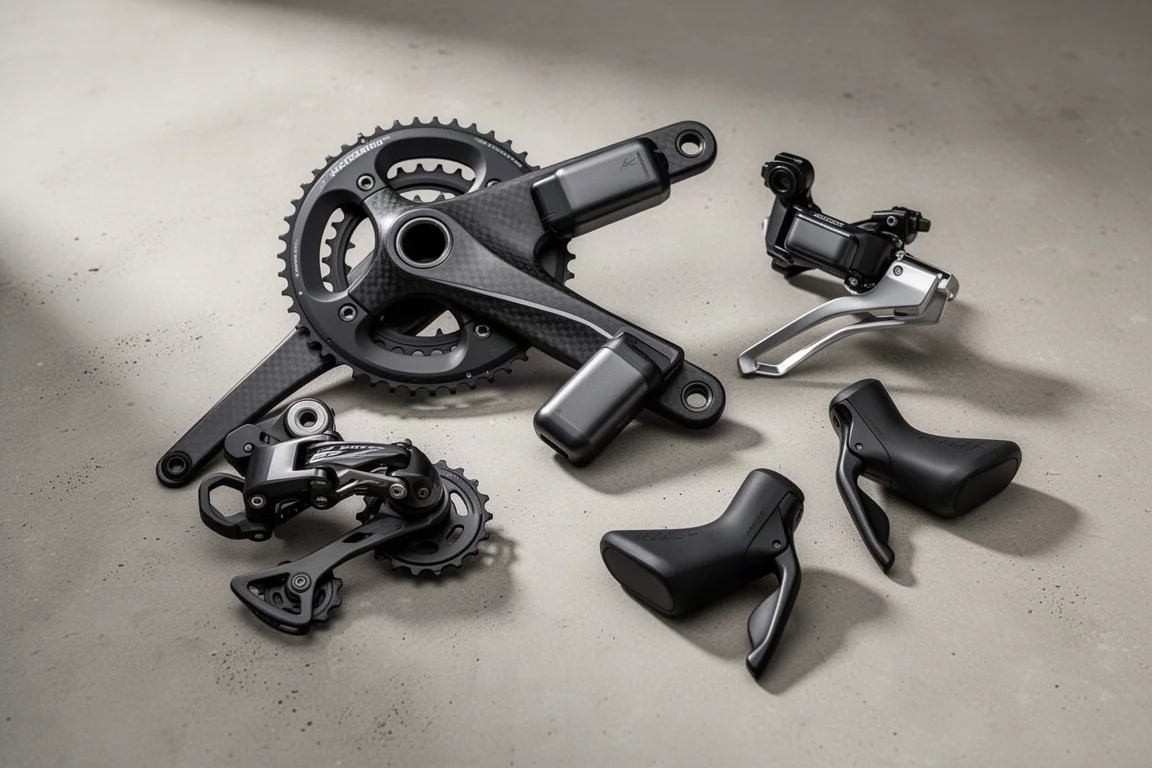
Campagnolo has finally launched Super Record Wireless, the brand’s first fully wireless road groupset, after years of patents and speculation pointing in this direction. It replaces Super Record EPS, and the list of changes is long: a genuinely wireless transmission, updated brakes, new gearing options, completely redesigned hoods, and the disappearance of the thumb shifters that defined Campagnolo levers for decades.
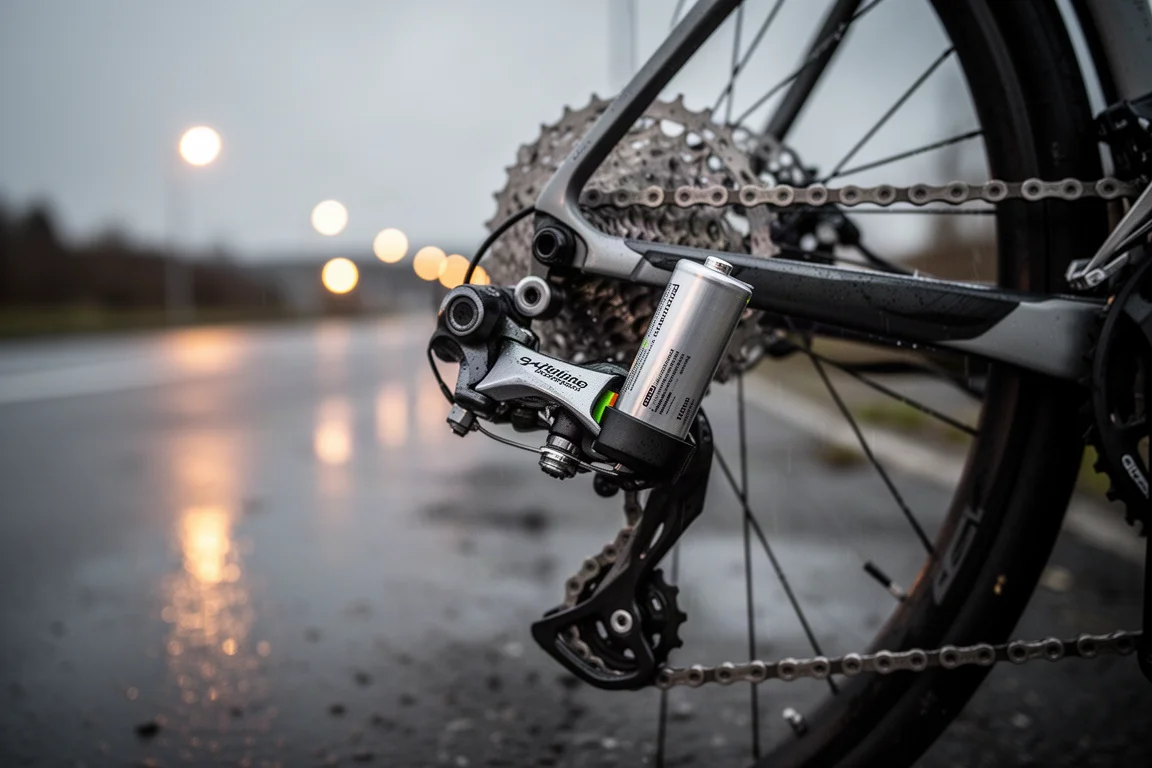
Wireless here means what it says. Each derailleur carries its own battery, much like the SRAM approach, but the batteries are not interchangeable between units, so a flat battery mid-ride cannot be swapped from one derailleur to the other to get you home. Charging happens on or off the bike through a magnetic cable connector, and charge times are quick: roughly 45 minutes to reach 90 percent, and about an hour to a full charge. Claimed battery life is around 750 kilometres, and that figure refers to hard riding rather than gentle cruising.
The system also includes buttons on the inside of the shifters for switching the groupset on and off manually, which is useful when the bike is being transported, since the system only wakes from standby when the bike is moving. Both levers run on standard CR2032 cells, and the access port is easy to reach.
Who This Groupset Is For
Super Record Wireless is aimed at riders who want a fully wireless Campagnolo drivetrain and are prepared to pay a significant premium for it. The lever shape tends to suit riders with larger hands, and the deep hydraulic reservoirs give plenty to hold when gripping the hoods from the sides. Anyone who has spent years with Campagnolo’s traditional thumb shifters should know that this is a different interface: two shift buttons now sit behind the brake lever, configurable through the companion app, with the upper button shifting up and the lower button shifting down by default.
Riders who want a power meter built in, or who rely on satellite shifters for sprinting or climbing positions, will need to wait. Neither is available at launch, and Campagnolo has indicated that both are planned for the future, with a power meter option arriving at an even higher price point.
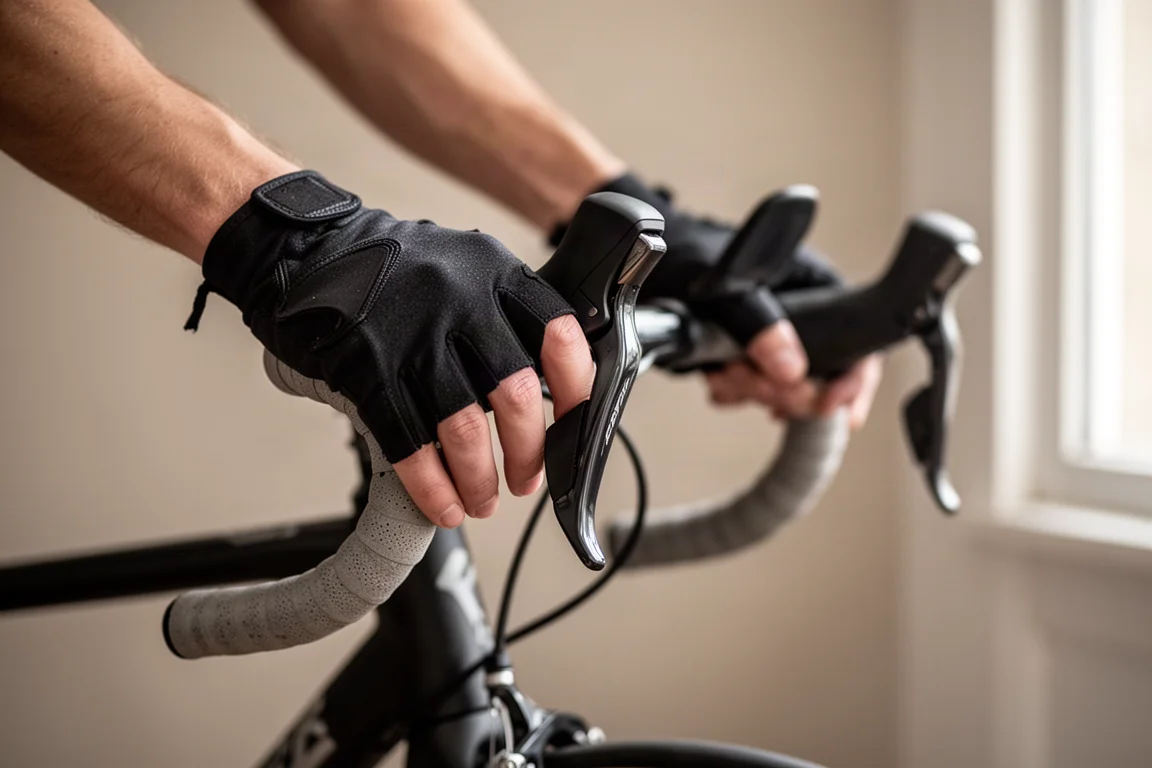
The levers use a redesigned shape that Campagnolo describes as more ergonomic, and lever reach can be adjusted with a Torx head bolt on the front, reached through a hole in the lever body.
Main Strengths
The brakes are the standout. They feel smooth and progressive rather than sharply biting, with a gentle sound of pad meeting rotor as lever pressure builds and power ramping up in step. Locking a wheel takes an uncharacteristically hard pull, which leaves the rider feeling in control and suggests that a panicked grab in a dangerous moment is less likely to end in a skid.
Gear ratios are the other genuine highlight. Three cassette options are offered, in 10-25, 10-27, and 10-29, matched to chainring sets of 50-34, 48-32, and 45-29. Campagnolo kept single-tooth jumps toward the bottom of the block and two-to-three-tooth jumps in the easier gears, and the result is that cadence changes feel natural. There is no hunting for the right gear; it is simply there when you shift into it.
Wireless operation itself proved trouble-free, with no connectivity issues during a first ride. It works, and the charging routine is quick and straightforward.
Campagnolo’s classic lever feel is still present as well. The blades curve gently, sit softly under the fingers, and retain the smooth shape the brand is known for.
Things to Consider Before Buying
Shifting is where the picture becomes less flattering. The drivetrain is loud when changing gear, loud enough to feel unnecessary rather than characterful. Shifts are also not always perfectly smooth: on one climb, shifting up the block produced the familiar crunch of a chain slipping over the cassette before it settled. Those moments were not constant, and for every rough shift there were many seamless ones, but they were frequent enough to dent confidence in the system.
The front derailleur is not as quick as Shimano’s equivalent either, with an ever so slight hesitation on shifts. That is a detail worth confirming with more time on the bike rather than treating as final.
Lever ergonomics raise their own questions. There is a noticeable gap behind the back of the levers, which is not an issue on flat hoods but becomes one when pulling on the bars out of the saddle, where the sharp edges of the shifter housing dig into the fingers. When descending and pulling on the levers, a harsher angle on the upper outside edge presses into the palms. The hood rubber has a slight sheen, consistent with other Campagnolo products, and tends to become slippery sooner than rival brands once sweat is on the surface. The two shift buttons also feel quite similar to each other, which makes building subconscious familiarity harder, and full-fingered winter gloves could make hitting the wrong button more likely. The top of the hoods cannot be cut either, because the hydraulic reservoirs sit high.
Missing features matter at this level too. There are no programmable buttons on top of the reservoirs, which would allow gear changes while tucked into a fast position on the bars without moving the hands to the brake levers. There is no power meter included, and no satellite shifters at launch. Aesthetically, the group has a more mass-market, second-tier look than earlier Super Record generations, without the price tag to match.
Buying Advice
The pricing is the hardest part of the decision. Super Record Wireless is listed at 4,199 pounds, 5,399 dollars, or 5,200 euros, which places it significantly above SRAM Red and Shimano Dura-Ace in a power meter equipped bundle, and the Campagnolo price does not include a power meter at all. Buyers are therefore paying the highest price in the category for a groupset that currently offers less integrated technology than its main rivals.
For riders already committed to Campagnolo and excited by a wireless setup, the braking performance, the well-judged gear ratios, and the dependable wireless connection are real reasons to consider it. For everyone else, the sensible approach is to weigh how much the lever feel and the Campagnolo name are worth against a shifting experience that is not yet as polished as the competition, and against features that are promised but not yet shipping. This is a first look rather than a final verdict, and longer testing may well soften some of these concerns.
Conclusion
Super Record Wireless is a genuine step forward for Campagnolo: the brand has embraced wireless transmission, delivered excellent braking, and thought carefully about cadence and gear ratios. At the same time, the loud and occasionally rough shifting, the lever ergonomics, the missing power meter and satellite shifters, and the premium price make it a difficult recommendation without reservations. Riders with larger hands who value braking feel above all else will get the most from it, while those comparing purely on shifting refinement and integrated features should look carefully before committing.
Product link
View more details for Campagnolo Super Record Wireless
This product is mentioned in the review. Check the specifications, options, and compatibility before buying.
View more details for Campagnolo Super Record WirelessFurther reading
Related Reviews
Cycling Components
A 20,000-Mile Budget Race Bike Build: Five Parts Worth Knowing
A rim brake race bike assembled from low-cost components and ridden for 20,000 miles. Here is what delivered real speed, what caused problems, and what to weigh before copying the formula.
Cycling Components
7 Bike Fit Products Fitters Avoid: What to Check Before You Buy
Seven bike components that regularly cause knee, foot and saddle problems, with the specific concerns behind each one and what to look for instead.
Cycling Components
Four Affordable Bike Upgrades That Improve Ride Feel
Four low-cost cycling products that make a real difference to ride feel, plus the free setup changes worth trying first.