Cycling Components
Campagnolo Ekar GT Review: Wider Gravel Gearing at a Lower Price
Campagnolo's Ekar GT brings a wider cassette range, a new 36-tooth chainring option and a lower price to the Italian brand's mechanical gravel groupset.
Introduction
Campagnolo has updated its gravel groupset with a new version of Ekar called Ekar GT, and the headline changes address two long-standing sticking points: it costs less than the original, and it offers a wider spread of gears. For riders who like the idea of an Italian mechanical gravel drivetrain but found the original hard to justify, that combination is a meaningful shift.
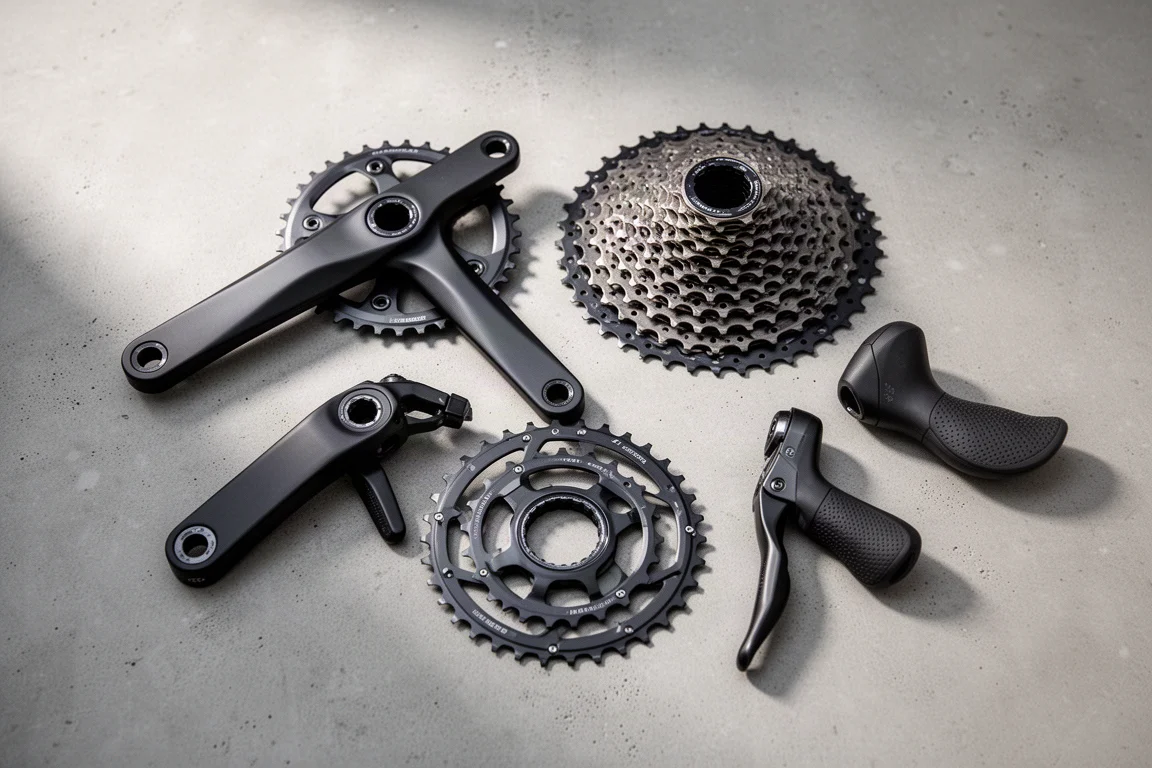
The gearing story is the most interesting part. When Ekar arrived in 2020 it introduced a 9-tooth smallest cog, but the largest cog options were limited to 36 or 42 teeth, and getting a 44-tooth cassette meant starting with a 10-tooth cog, which trimmed the overall range. Ekar GT adds a fourth cassette choice, so riders can now pick from 9-36, 9-42, 10-44 and 10-48. The new 10-48 cassette is the adventure-oriented option, and it can be paired with a new 36-tooth chainring so the group delivers genuinely low climbing gears for loaded gravel rides.

There is more to the update than ratios. The groupset carries over Ekar’s shifting logic, while the crankset has moved from carbon to aluminium as part of a broader set of cost-conscious material choices. The result is a groupset that is easier to afford and more versatile, with a few trade-offs worth understanding before ordering.
Who This Product Is For
Ekar GT makes most sense for gravel riders who want to stay with a mechanical drivetrain. Cable-actuated shifting remains popular for its simplicity, serviceability and feel, and Ekar GT now competes far more directly on gearing with the mechanical options from other brands. It is also the obvious choice for anyone who already likes Campagnolo’s hood shape and shift layout, because the new group keeps both.
The wider cassette range and the 36-tooth chainring option broaden the appeal to bikepackers and riders who tackle steep, loose climbs with a loaded bike. If you have ever run out of gears on a long gravel ascent, the 10-48 cassette is the configuration to look at first.
It is a less natural fit for riders who want electronic shifting, or who simply want the lightest possible build. Ekar GT is built to a price, and the material choices reflect that.
Main Strengths
The most convincing argument for Ekar GT is choice. Four cassettes now cover everything from fast, tight-ratio gravel riding to heavily loaded adventures: 9-36, 9-42, 10-44 and 10-48. Combined with the new 36-tooth chainring, the 10-48 cassette gives Campagnolo a genuinely low bottom gear where the original Ekar was limited.
The retention of Ekar’s shift logic is another plus. A finger paddle moves you into an easier gear, while a stepped thumb paddle takes you into a harder one, a design intended to work from both the hoods and the drops. It looks unconventional, but it does what it promises in use, and that matters more than appearances when you are shifting on rough surfaces.
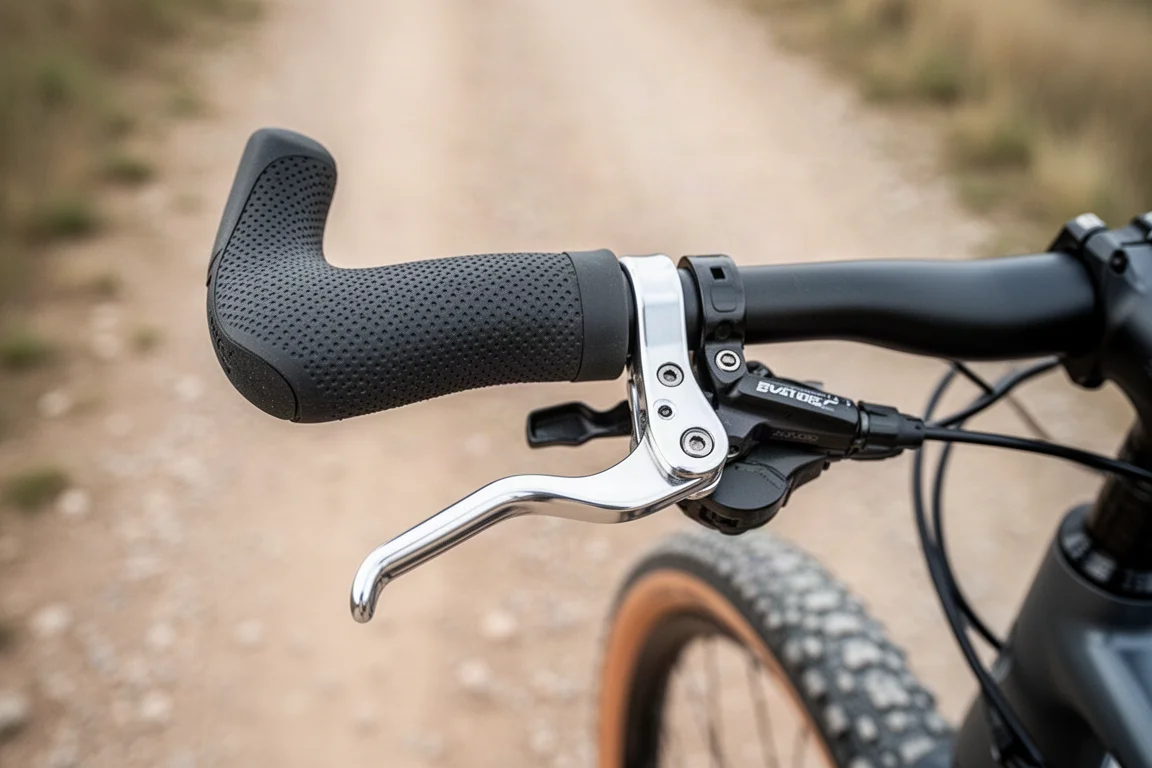
Campagnolo has also kept the hood shape that many riders find comfortable, with a profile that echoes the older Super Record shifters. Together with the lower price, those are the changes that make Ekar GT worth a closer look.
Things to Consider Before Buying
The clearest trade-off is weight. Campagnolo claims 2.7 kg for Ekar GT, but it is not clear which components that figure includes or in what configuration, so the number is hard to compare directly with rival groupsets. The original Ekar carried a claimed weight of 2,385 g, which suggests the move to more affordable materials has added mass.
Materials are the other consideration. The crankset is aluminium rather than carbon, and that theme runs through the groupset. It is a reasonable trade for a lower price, but riders chasing the lightest possible setup should factor it in.
It is also worth checking final pricing and availability in your own market, since the details were still being confirmed around launch.
Gearing Compared With Other Gravel Options
At the low end, all of the main gravel groupsets now offer a bottom ratio below 1:1. Ekar GT’s easiest available combination produces a ratio of 0.75. Shimano’s GRX setup with a 40-tooth chainring and a 51-tooth largest cog works out at 0.78, so Ekar GT goes slightly lower. SRAM’s easiest Apex Eagle mullet combination, a 38-tooth chainring with a 52-tooth cassette, is lower still at 0.73.

The practical takeaway is that Campagnolo is no longer behind on climbing gears. Riders who want the absolute easiest gear still have options that go a touch lower, but the gap is now small enough that it should not decide a purchase on its own.
Price and Value in Context
Ekar GT is listed at around $1,599, compared with $1,764 for the original Ekar. On paper the saving looks modest, but given how much material, shipping and general costs have risen in recent years, holding the price down at all represents a real improvement in relative value.
The competitive picture is tight. Cheaper mechanical options exist, with Shimano’s GRX RX820 sitting at around $1,542 depending on the build, while around $1,616 reaches SRAM’s wireless Force AXS option, and SRAM’s cheaper Apex Eagle starts at around $1,200 or €1,192. What Ekar GT does well is remove the old price penalty for choosing Campagnolo, so the brand no longer asks riders to spend noticeably more to get its gravel drivetrain.
Buying Advice
If you want a mechanical gravel groupset with a wide range and you like Campagnolo’s shifting layout, Ekar GT now belongs on your shortlist. The 10-48 cassette with the 36-tooth chainring is the configuration to choose when low climbing gears matter most, while the tighter 9-36 and 9-42 cassettes suit faster gravel riding where close steps between gears are more useful.

Check the weight of a complete build against your priorities before committing, and confirm final pricing in your region, since the launch details were still being settled. Riders who want the lightest setup or electronic shifting should look closely at what else is available at a similar spend. Riders who want a durable, serviceable mechanical drivetrain with proper adventure gearing will find Ekar GT considerably easier to justify than the original.
Conclusion
Ekar GT is a sensible update: more cassette choice, a new 36-tooth chainring option, a lower price and the same shift logic that already worked well. It closes most of the gearing gap with its rivals while making the Campagnolo name more accessible to more gravel riders. The main compromises are weight and materials, and those are worth weighing carefully against the money saved.
Product link
View more details for Campagnolo Ekar GT
This product is mentioned in the review. Check the specifications, options, and compatibility before buying.
View more details for Campagnolo Ekar GTFurther reading
Related Reviews
Cycling Components
A 20,000-Mile Budget Race Bike Build: Five Parts Worth Knowing
A rim brake race bike assembled from low-cost components and ridden for 20,000 miles. Here is what delivered real speed, what caused problems, and what to weigh before copying the formula.
Cycling Components
7 Bike Fit Products Fitters Avoid: What to Check Before You Buy
Seven bike components that regularly cause knee, foot and saddle problems, with the specific concerns behind each one and what to look for instead.
Cycling Components
Four Affordable Bike Upgrades That Improve Ride Feel
Four low-cost cycling products that make a real difference to ride feel, plus the free setup changes worth trying first.