Backpacking Gear
Camp-Worthy Backpacking Gear: Seven Ultralight Picks Worth Packing
Seven camping and backpacking items put through the same simple test: does it earn its place in the pack, or does it just add weight and cost?
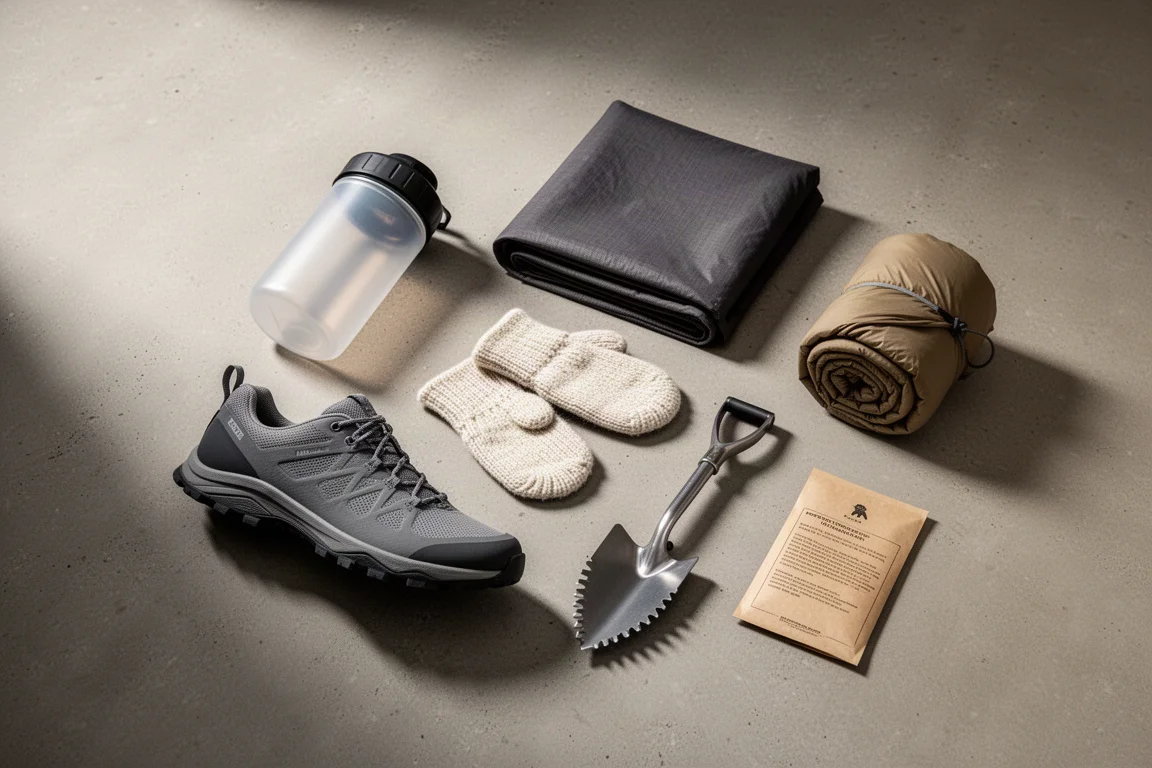
Introduction
Some gear earns a permanent spot in the pack. Some of it looks clever in a catalog and then sits in a bin at home. The difference usually comes down to a handful of practical questions: does it solve a problem you actually have, does it survive real use, and does the price make sense for how often you will reach for it?
This roundup covers seven pieces of camping and backpacking kit, from a bear canister with a redesigned latch to a pair of handsewn fleece mitts. A few are established favorites, and a couple are still working their way toward wide availability. Each one gets the same treatment here: what it does well, where it asks you to compromise, and who it is really for.
What Makes Gear Worth Carrying
Weight and packed volume matter, but they are not the whole story. A two-ounce item you never use is heavier than a heavier item you reach for every day. The pieces worth carrying tend to share a few traits: they replace something bulkier, they remove a small recurring annoyance, or they make a task on trail meaningfully easier.
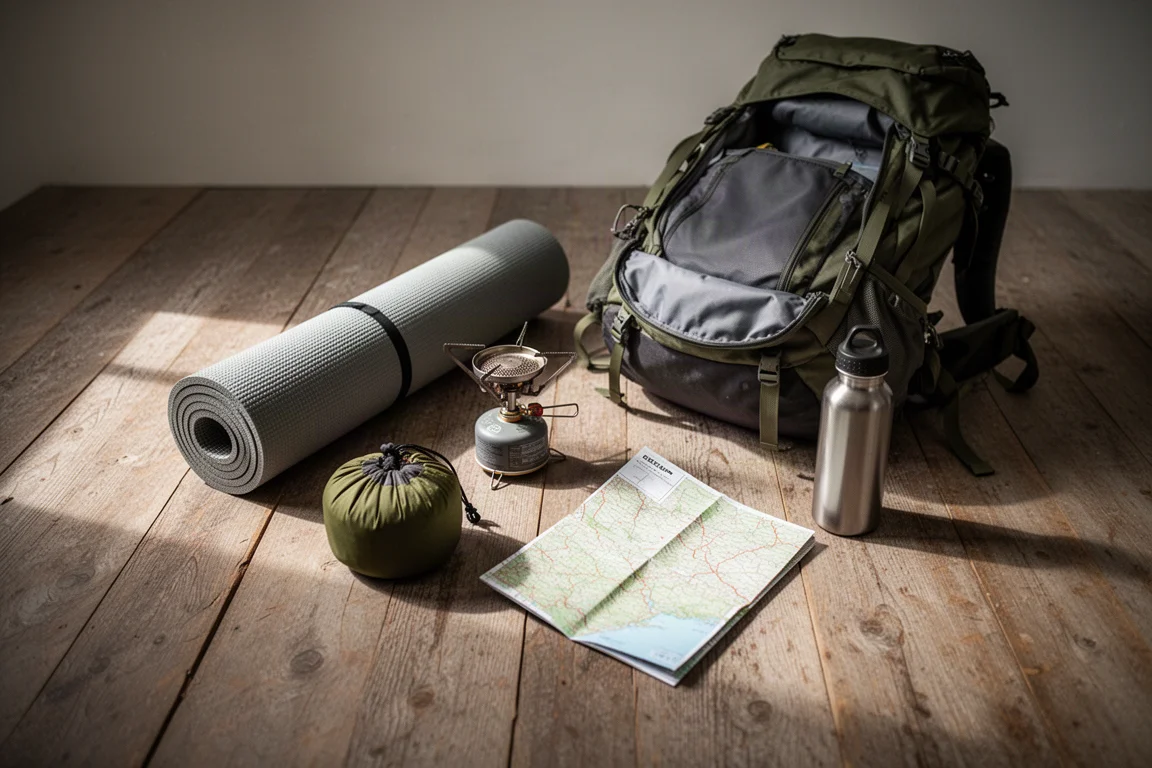
Durability and price sit on the other side of that ledger. Some of the gear below is genuinely expensive for what it is, and that is worth saying plainly. Others are inexpensive enough that the decision is easy. Where an item is optional rather than essential, this guide says so instead of pretending everything belongs in every pack.
Grub Can Bear Canister: Easier Opening, Narrower Profile
Bear canisters are one of the few pieces of backpacking gear that are legally required in many backcountry areas, and they are also among the most complained about. The usual gripes are that they are bulky and that the lid becomes a puzzle when your hands are cold.
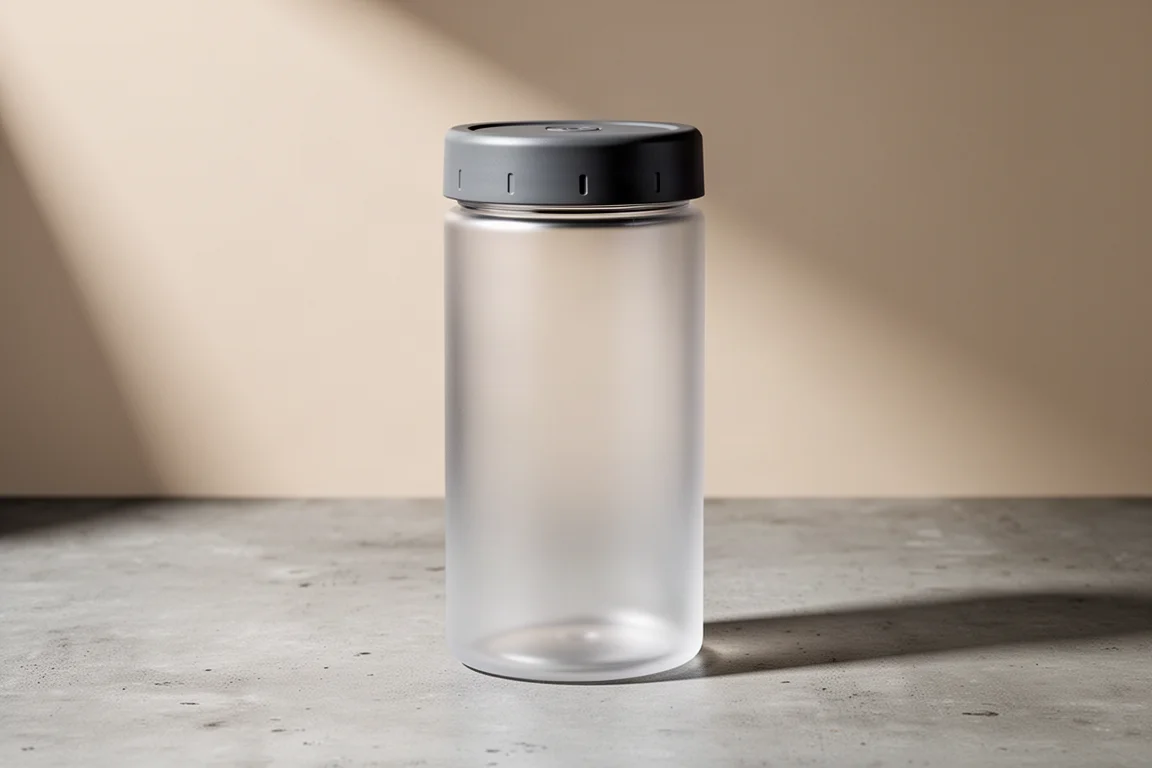
The Grub Can addresses both. It is narrower than a typical canister, which makes it easier to slot into a pack, and the body is transparent enough that you can see what is inside without emptying it. The lid uses three alignment points that you line up and then twist off, similar in feel to a combination lock. You can feel the parts seat as you turn, so you are not guessing in the dark. It is made in the USA.
Dry Brew Coffee Chew: Caffeine Without the Brew Kit
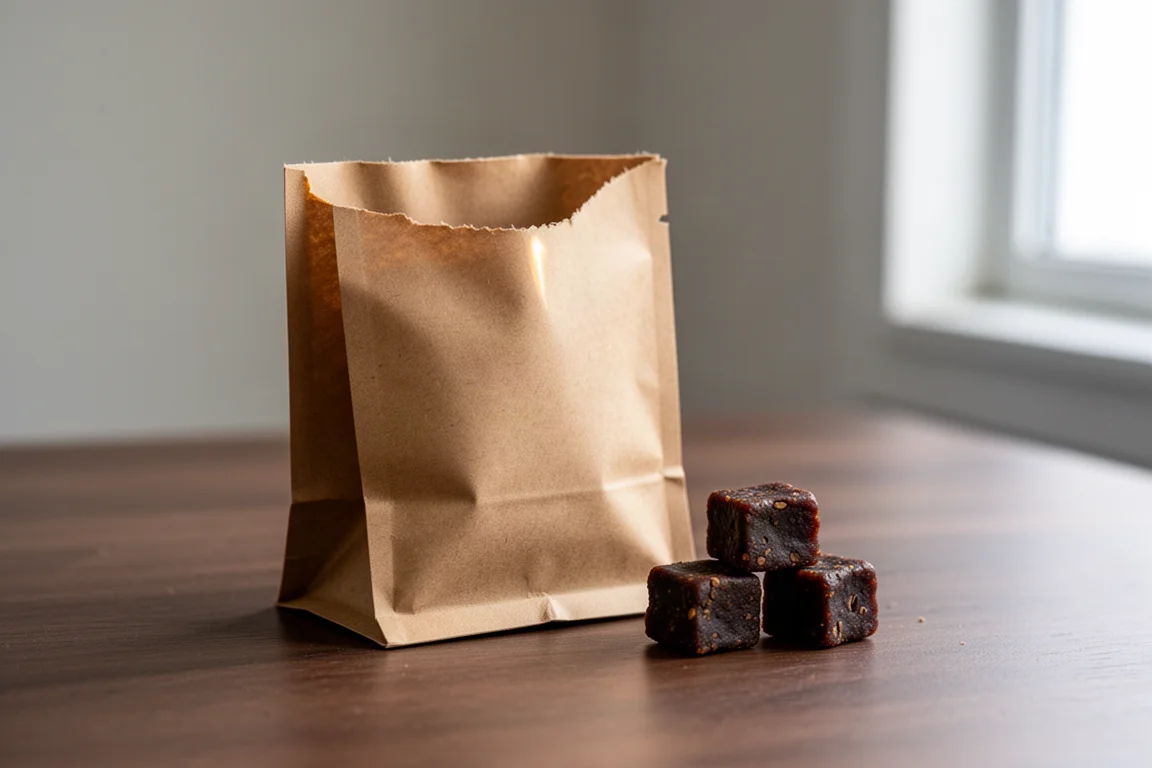
Morning caffeine on trail usually means a stove, a filter, and a few extra minutes of standing around. Dry Brew takes a different route: a single chew delivers roughly the amount of caffeine you would get from two cups of coffee.
The pieces look a little like jerky, though the flavor lands much closer to a strong cup of coffee than anything else. It hits quickly, which makes it useful on a cold morning or on a long climb when you want a lift without stopping to boil water. It is easy to take while you are walking, and the packaging is styled like a specialty coffee bag.
Hikelight Vestibule Mat: A Dry Staging Area Outside the Tent
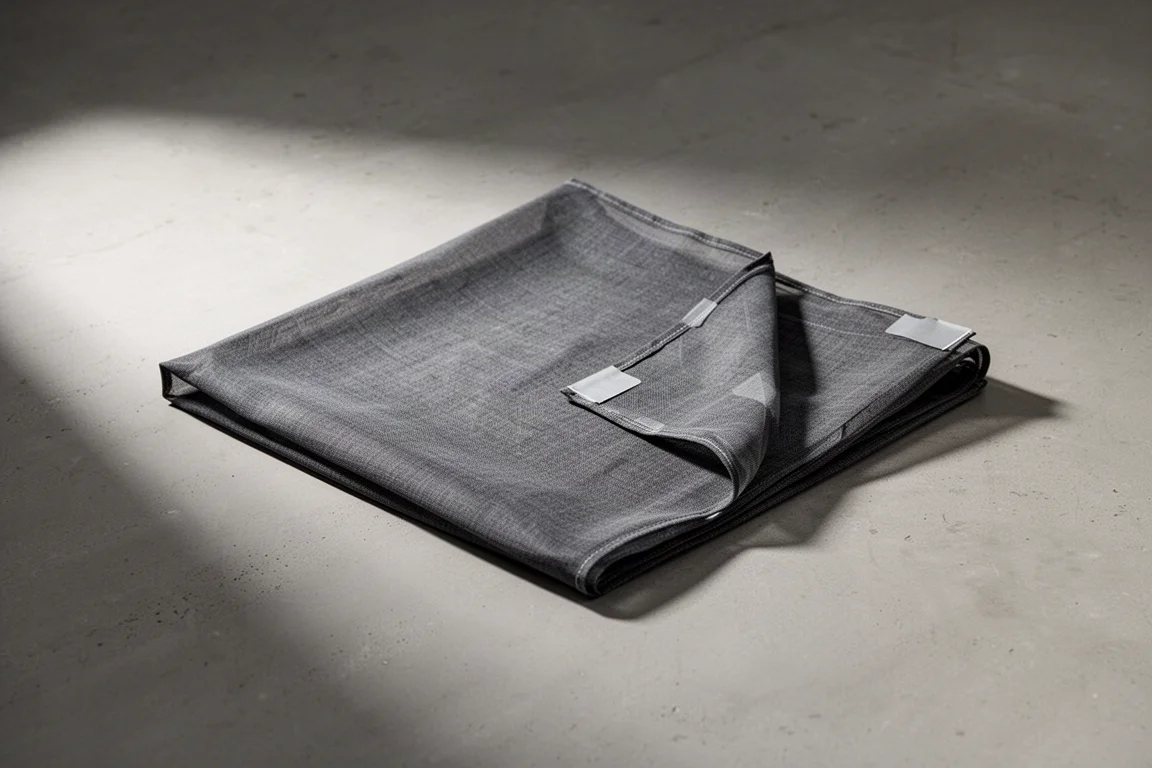
This is a small idea that solves a small, recurring problem. The Hikelight Vestibule Mat is a thin Dyneema ground sheet sized to sit just outside your tent door, giving you a clean, dry surface for boots, water bottles and cooking kit instead of balancing everything on wet grass.
It folds down small and is reasonably durable, but it is not indestructible. Treat it like the lightweight fabric it is, because a tear in a mat this expensive is an irritating loss. The same sheet doubles as a sit pad, or as a small kitchen mat when a couple of people are cooking together.
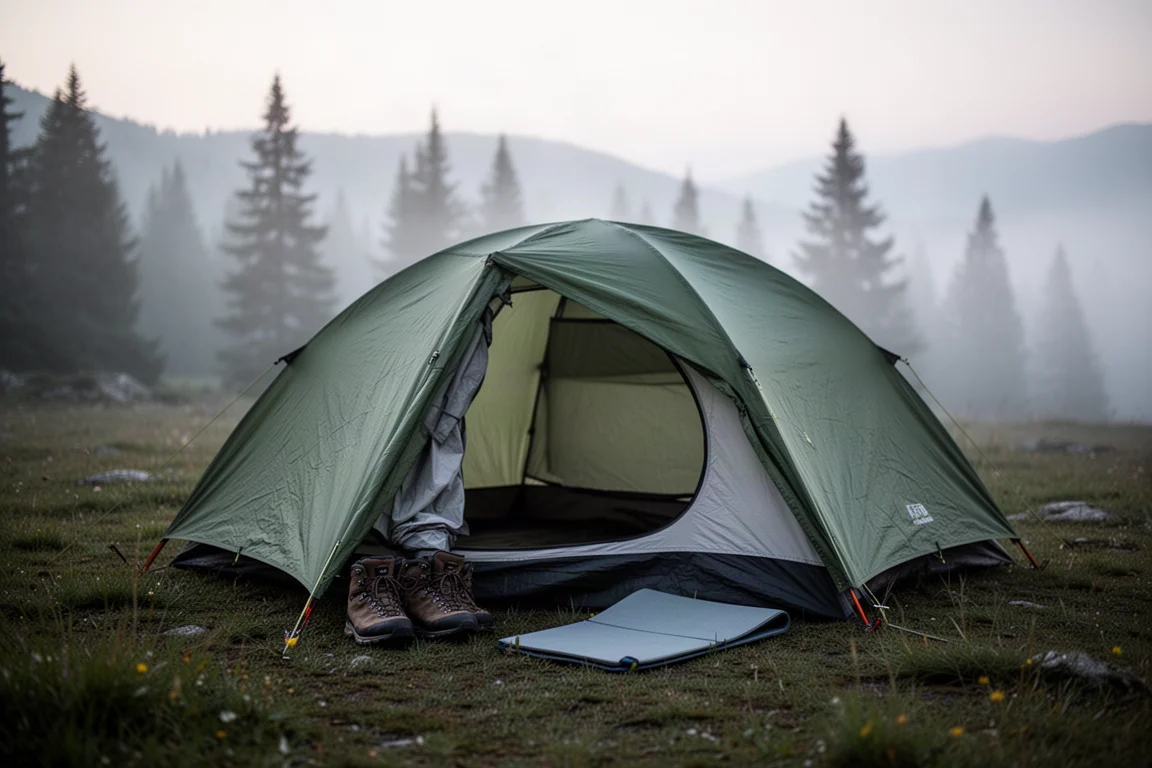
Whether it earns a place in your pack depends almost entirely on how much you value a defined, tidy spot at camp. It is a luxury item rather than a necessity, and it is priced like one. For campers who like an organized setup, though, it is the sort of thing that gets used on every trip.
Beyond the Trail Head Alpha Mitts: Warm Hands, Free Fingers
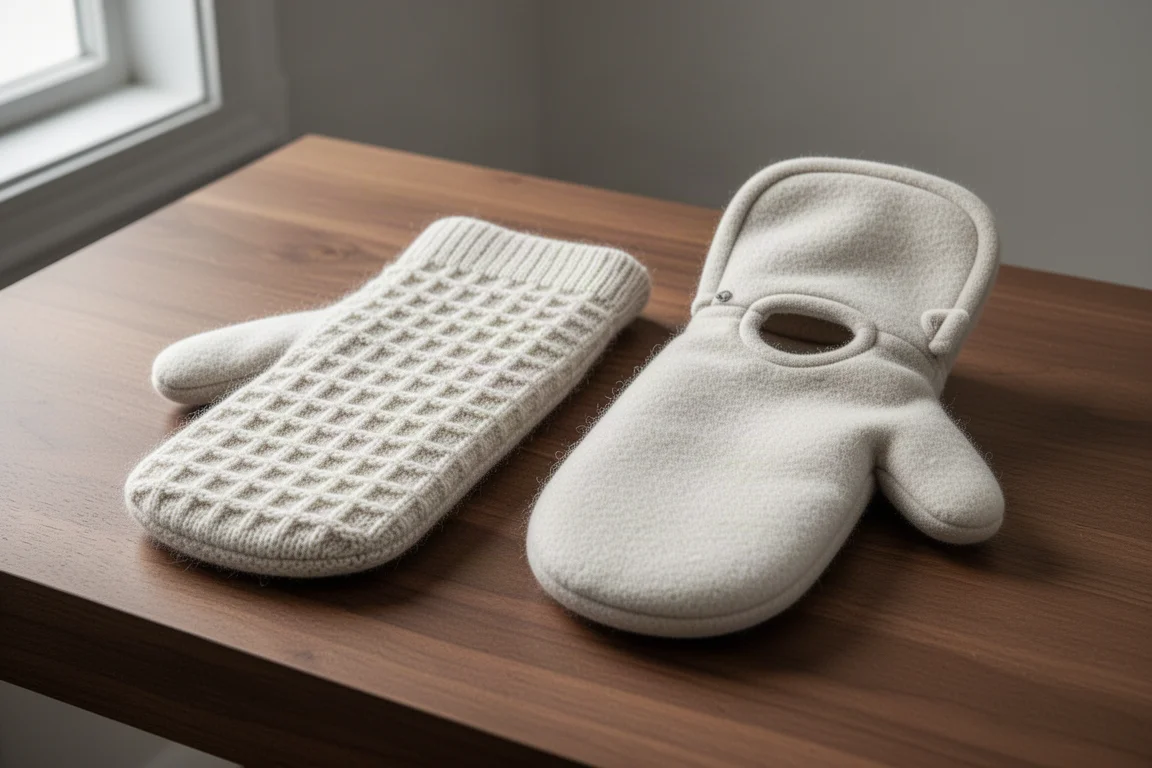
Alpha Direct fleece has become a staple of lightweight layering, and these mitts from Beyond the Trail Head show why. They are warm for their weight, handsewn, and built with a flip-top opening so you can free your fingers for a zipper, a map or a snack without taking the mitts off. A small thumb slot adds a bit of dexterity.
The maker offers several fabric weights, including 60 GSM and 90 GSM versions, so you can match the mitts to the temperatures you actually hike in. That range is genuinely useful, though it does mean you need to think about which version you are ordering.
Astral NOOS: A Shoe Built for Long Distances
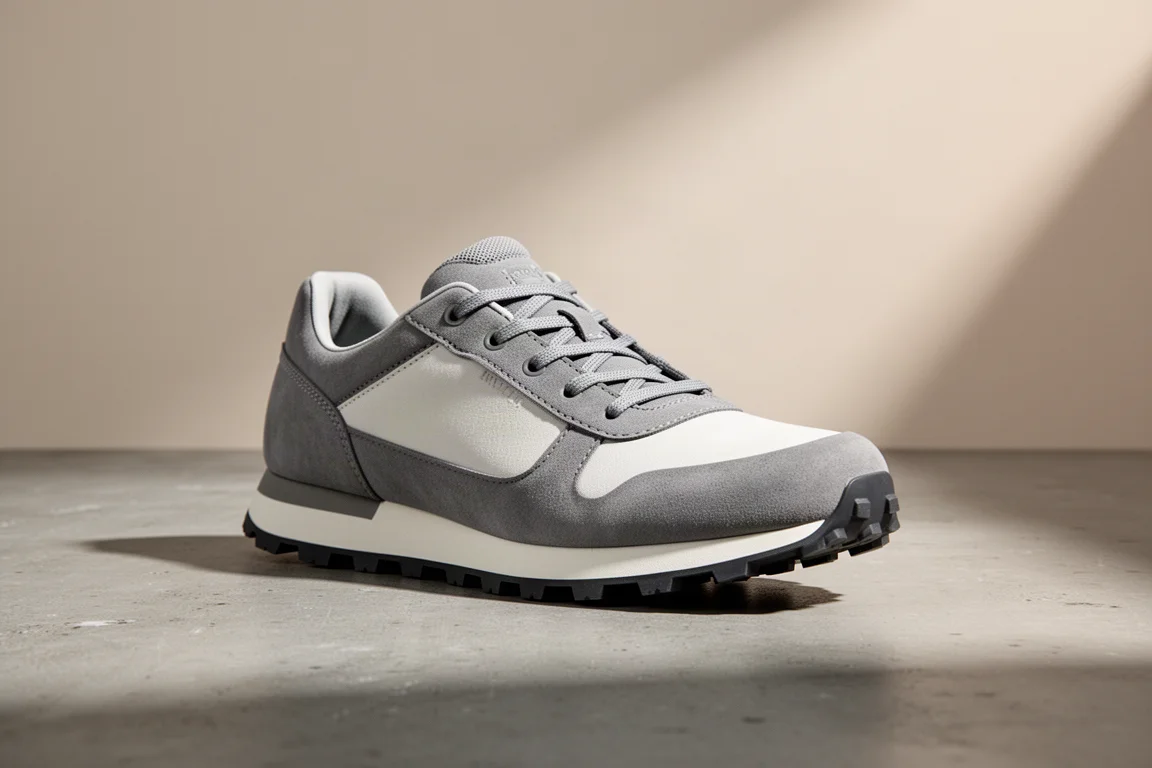
Astral began in paddling gear, and the brand is best known for flotation devices and life jackets, but it has been making footwear for a while. The NOOS is its first shoe designed specifically for thru-hikers and long-distance backpackers.
The defining feature is a replaceable insole. On most shoes the insole and midsole are the first parts to wear out, long before the upper or the outsole gives up, so being able to swap that layer extends the working life of the shoe. The outsole uses the company’s own grip compound, and the silhouette leans more toward a skate shoe than a trail runner, which gives it a different look from most hiking footwear.
Outdoor Vitals Ventus Hoodie: The Layer That Does a Lot
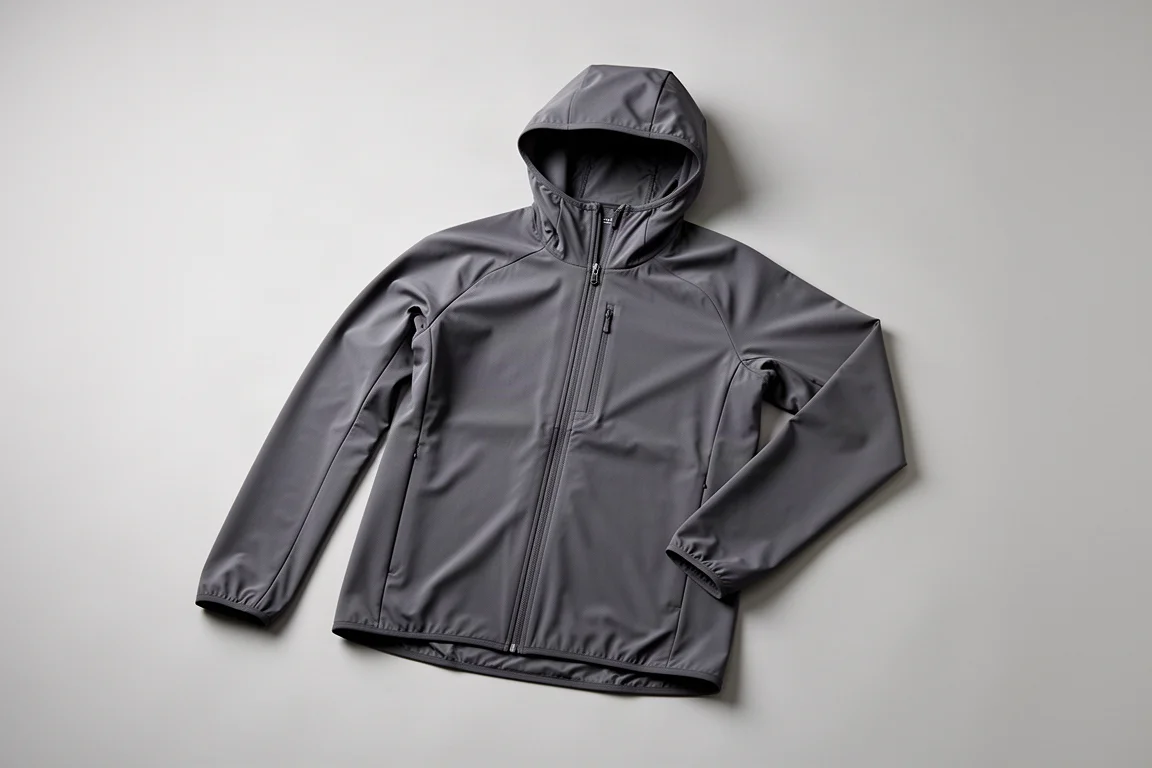
The Ventus hoodie is a quarter-zip layer that sits in the gap between a base layer and a puffy. It is very light and very breathable, which makes it useful across a wider range of conditions than its weight suggests. In mild weather it can stand in for a midlayer, and in cooler conditions it can substitute for a puffy over short stretches.
The design is deliberately minimal. There are no pockets, which keeps the fit trim and the weight down, and the quarter zip adds ventilation when you are moving hard. It also packs small enough to double as a pillow at night, a small but real bonus on a long trip. It is a good introduction to how the brand approaches design.

At around $180 it is not an impulse buy, and a layer with no pockets will not suit everyone. As a single piece that covers a lot of ground, though, it earns its place in a pack.
Vargo Dig Dig Trowel: The Tool You Will Actually Use
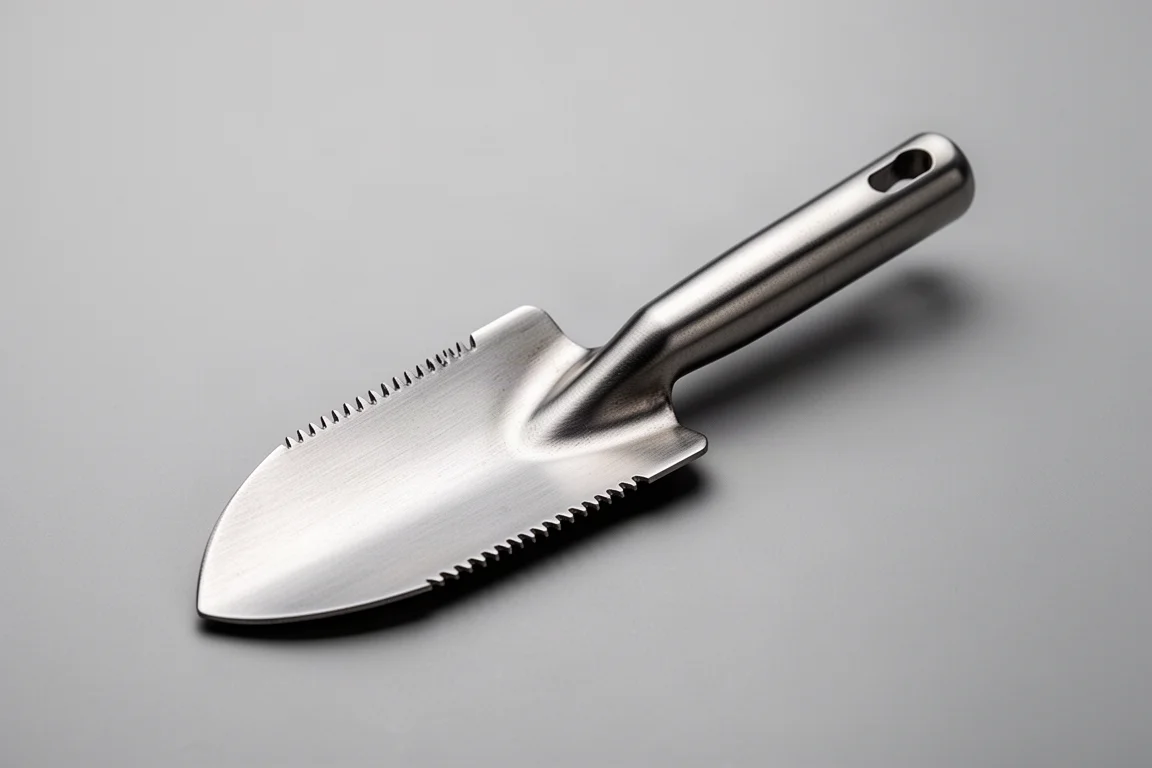
Digging a cat hole is one of those chores where the tool decides whether it takes thirty seconds or five minutes of scraping at roots. The Vargo Dig Dig has teeth that cut through compacted soil and roots, and a raised rib along the side that keeps the edge from digging into your palm.
It is very light, and it is effective enough that you can excavate a proper hole rather than scratching out a shallow dent. If you spend enough nights out to have opinions about trowels, this is the kind of tool that earns those opinions.
How to Choose What Belongs in Your Pack
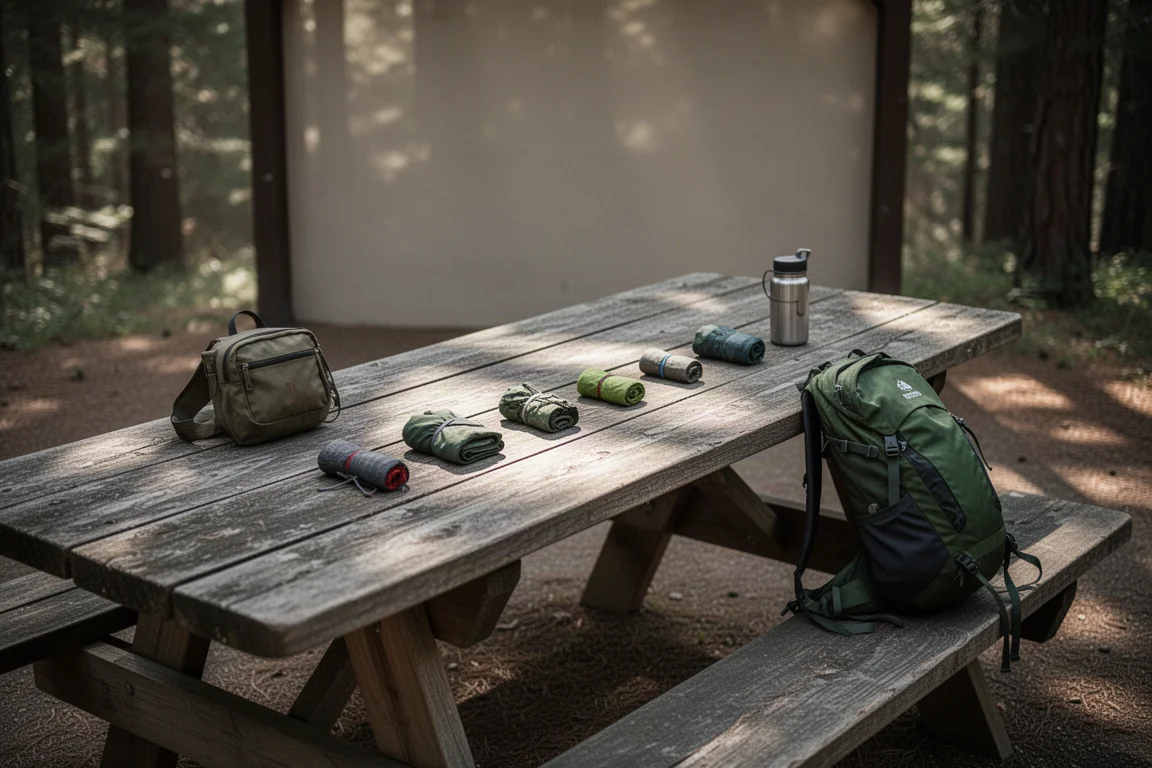
Start with the trips you actually take. A bear canister is close to mandatory in plenty of backcountry areas, so if you hike there, the only real question is which design you can open with cold hands. Caffeine, a vestibule mat and a nicer trowel are comfort and convenience purchases, and they should be judged on how often you would reach for them rather than on how clever they look.
Price is the other filter. A $180 layer and a $45 mat are both defensible if they replace something else in your kit or get used on every trip, and both are easy to regret if they do not. There is also more on the way: a performance-focused alpaca sock that has not reached the market yet, so pricing and availability are still open questions. New gear is worth watching, but it is rarely worth committing to before the details settle.
Conclusion
The strongest items in this group are the ones that remove a recurring annoyance: a canister you can open without a struggle, a layer that covers more conditions than it has any right to, a trowel that actually digs. The rest are worth considering when they match how you camp, and worth skipping when they do not. Buy for the trips you take, and the pack stays lighter and the decisions get easier.
Further reading
Related Reviews

Backpacking Gear
Building a 10 lb Base Weight: An Ultralight Backpacking Gear List
A practical walkthrough of the ultralight pieces behind a 10 lb base weight, from a 765 g pack and a roomy one-person tent to a full camp chair and a dependable water filter.

Backpacking Gear
A 15-Pound Lightweight Backpacking Gear List for Solo Trips
A beginner-friendly 15-pound backpacking setup built from easy-to-find gear, with notes on what each piece does, how it packs, and where to spend your attention.

Backpacking Gear
8 Ultralight Backpacking Gear Upgrades Worth Carrying
Eight small, affordable backpacking upgrades that solve real trail annoyances, from a pillow that stays put to a fuel valve that rescues leftover canister gas.