Backpacking Gear
Camp-Worthy Backpacking Gear: 7 Lightweight Picks Worth Knowing About
Seven lightweight backpacking and camping items, from a redesigned bear canister to a chewable coffee, with honest notes on price, weight, and where each one fits.
Introduction
Ultralight backpacking gear moves fast. Every season brings a fresh batch of shelters, layers, and small tools that promise to cut grams without cutting comfort, and the only question that really matters is whether the weight saving survives contact with a real trip.
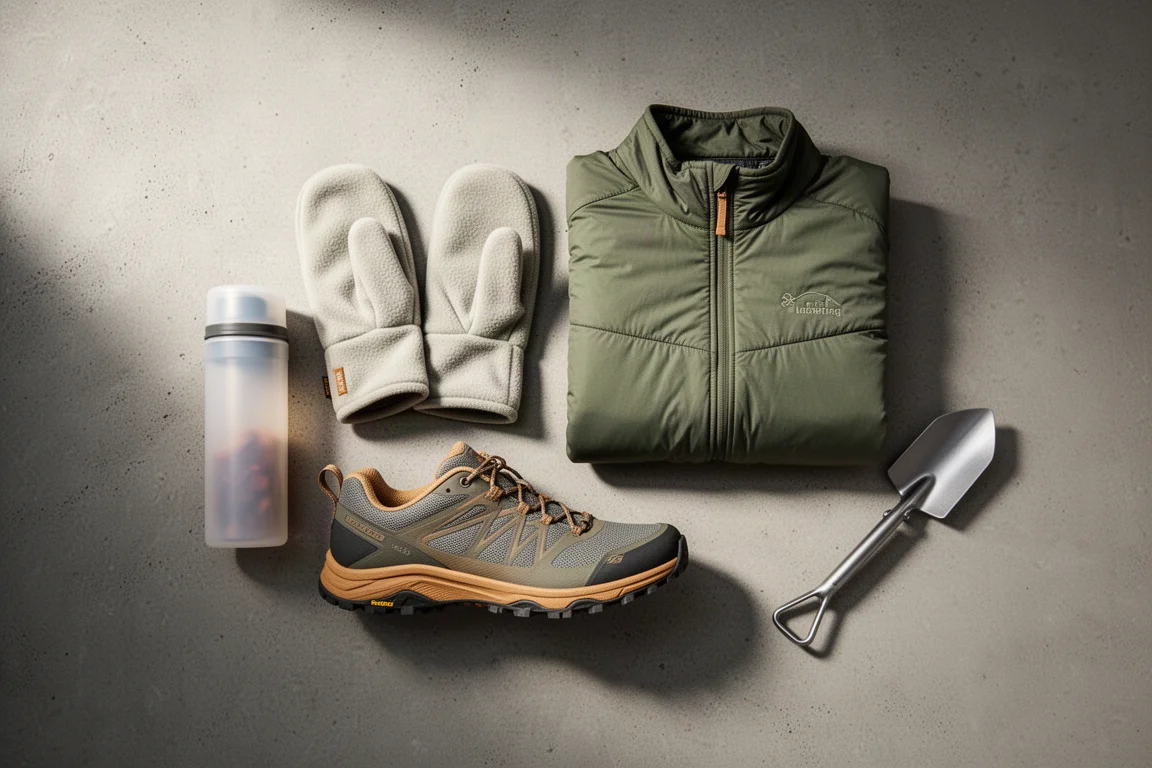
The seven items below cover a wide stretch of that spectrum, from a bear canister with a redesigned lid to a chewable coffee alternative and a trowel that genuinely digs. Each one solves a specific problem, and each has a trade-off worth knowing before you spend.
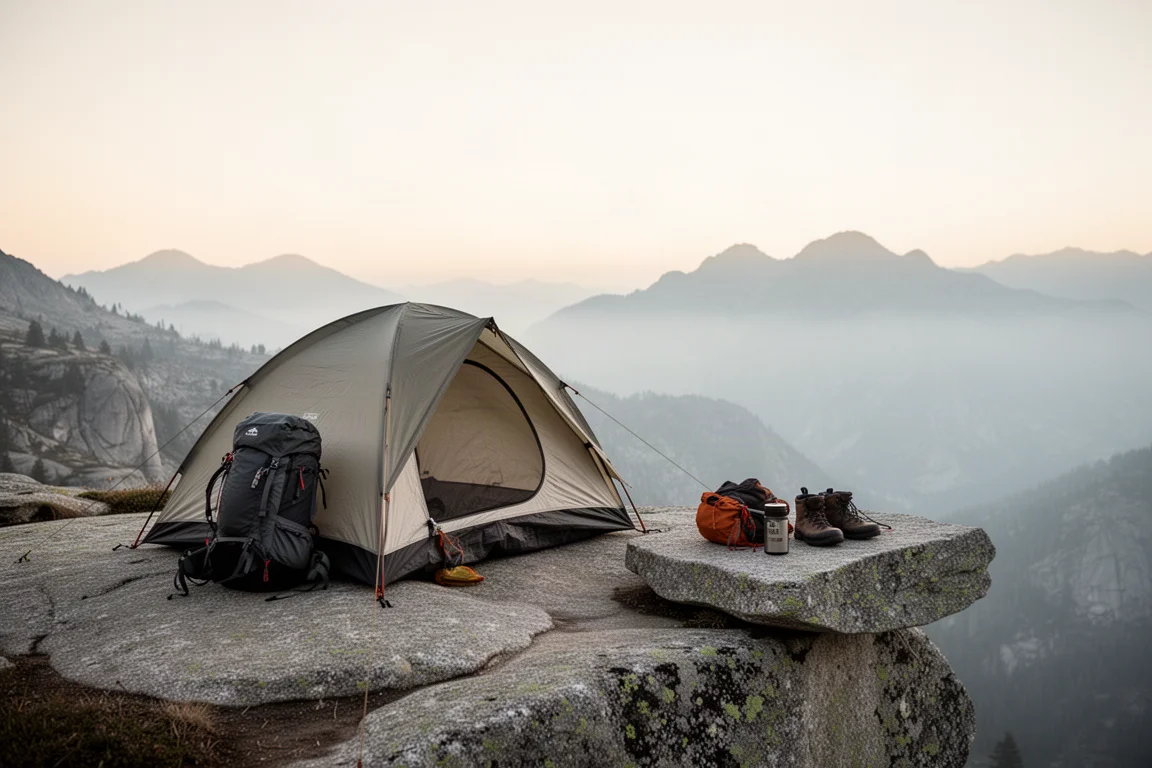
Not everything here is easy to buy today. Some items are already shipping, a few are still being evaluated, and one is only weeks away from release. Confirmed prices are listed with each entry, and anything unconfirmed is noted as such rather than guessed at.
Grub Can Bear Canister: A Familiar Problem, Rethought
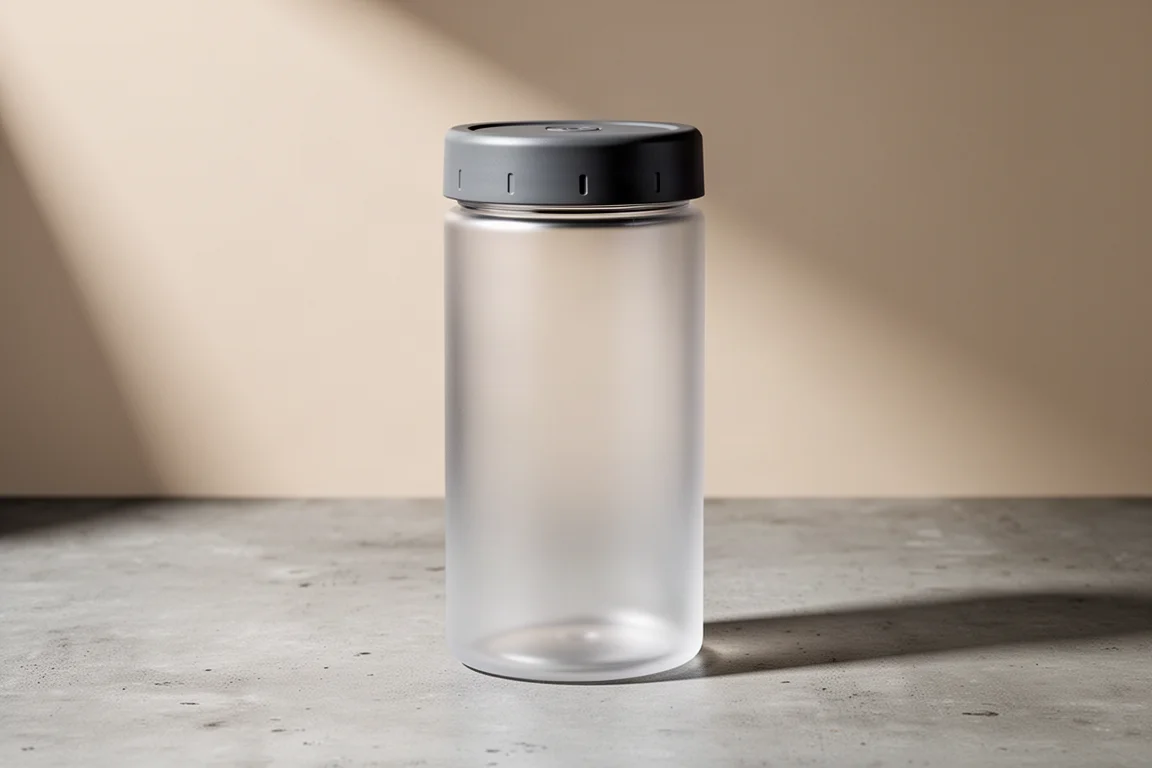
Ask backpackers what frustrates them about bear canisters and the answer is usually the same: getting the lid off. The Grub Can takes a different approach. The body is narrower than a typical canister and translucent enough that you can see what is inside without emptying it out.
The lid works like a three-point combination. Line up the three markers, lift, and it comes away. In practice you can feel the points engage, which matters when your hands are cold or you are packing up in the dark. It is also made in the United States.
The trade-off is price. At $107, the Grub Can sits above the entry-level canisters many hikers start with, and the alignment sequence takes a moment to learn. Neither is a dealbreaker if the lid design is the reason you are shopping in the first place.
Dry Brew Coffee Chew: Caffeine Without the Brew
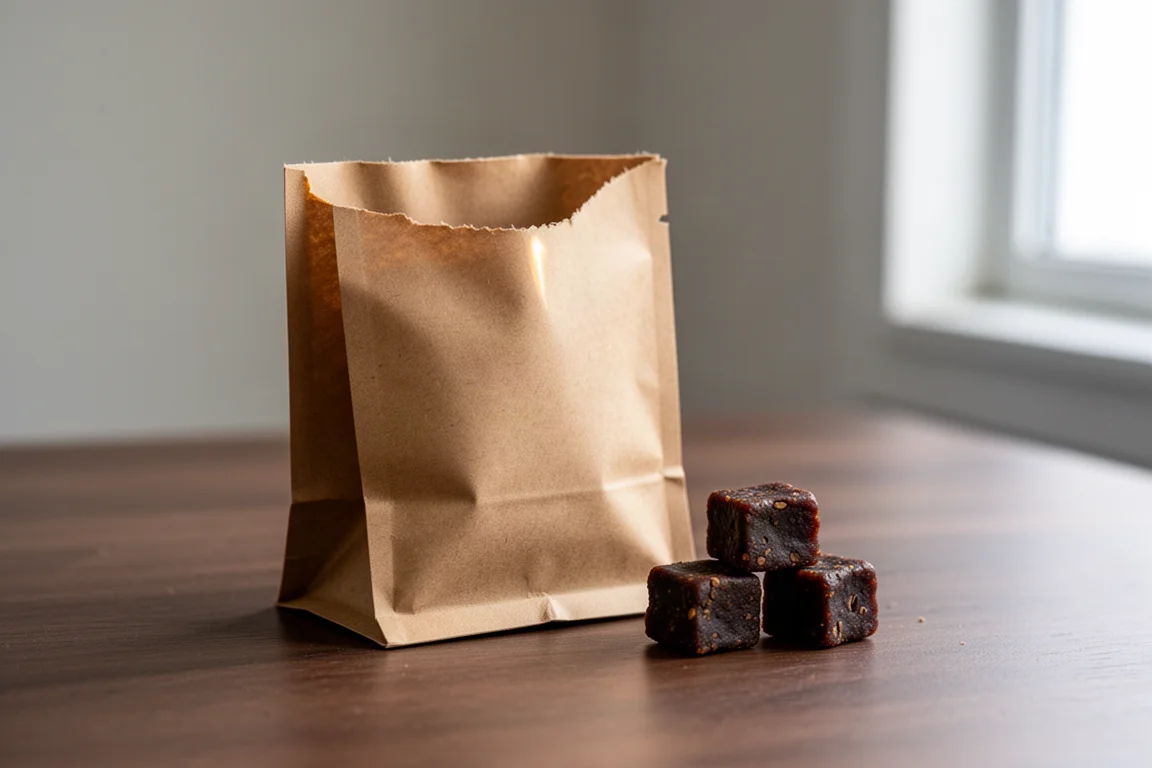
One chew is roughly equivalent to two cups of coffee, which makes Dry Brew a practical option for anyone who wants caffeine without firing up a stove or filtering water first. The texture is firm and fibrous, closer to jerky than to candy, and the flavour lands as a strong cup of coffee rather than a sweet treat.
The effect arrives quickly, and the format is easy to use while you are walking. Because the chew is dense, it is worth taking your time with it rather than biting straight through.
Pricing works out to about $2.50 per chew, sold in packs of 15. It is a small, portable way to start a morning, and the per-piece cost is reasonable for what it replaces.
Hikelight Vestibule Mat: A Small Luxury With a Real Job
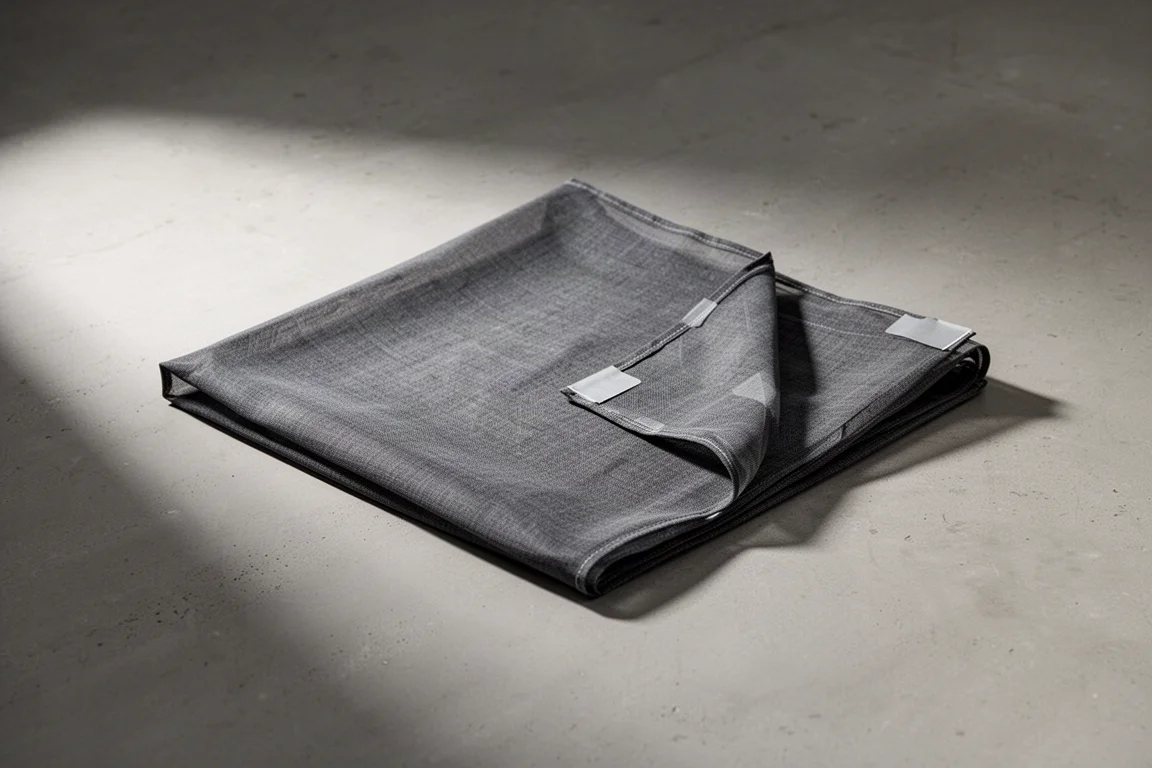
The Hikelight Vestibule Mat is exactly what the name suggests: a light, packable surface that lives outside your tent door. Lay it down to keep your pack, boots, and cooking gear off wet ground, use it as a sit pad, or spread it out as a shared kitchen mat when a couple of people are making dinner.
It folds down small and is reasonably durable, though it is not indestructible. Treat it like a piece of technical gear rather than a groundsheet and it will hold up. Hikelight is a small operation that sells largely through Etsy, so availability tends to arrive in small batches.
At $44.99, this is a luxury rather than an essential. But a clean, dry surface right outside the tent is one of those small comforts that quietly improves a trip, and for the right camper it earns its place.
Beyond the Trail Head Alpha Mitts: Warmth Without Bulk
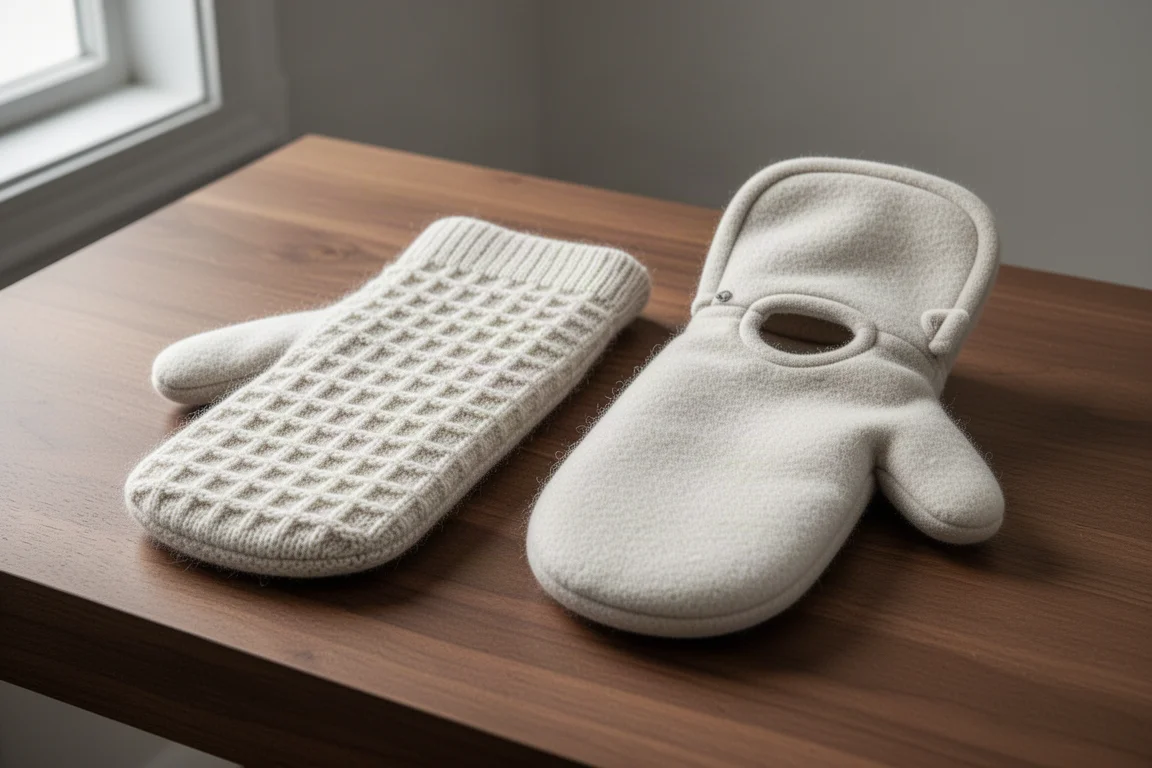
Alpha fabric has become a fixture in ultralight layering, but mitts built from it are still uncommon. These come from Beyond the Trail Head, a small Wisconsin company, and they are hand-sewn in several fabric weights, including 60 GSM and 90 GSM, so you can pick the warmth level that matches your conditions.
The flip-top design is the detail that makes them work. When you need to handle a zipper, a stove, or a phone, the top folds back and your fingers come out without the mitt leaving your hand. A thumb panel adds a little extra dexterity on top of that.
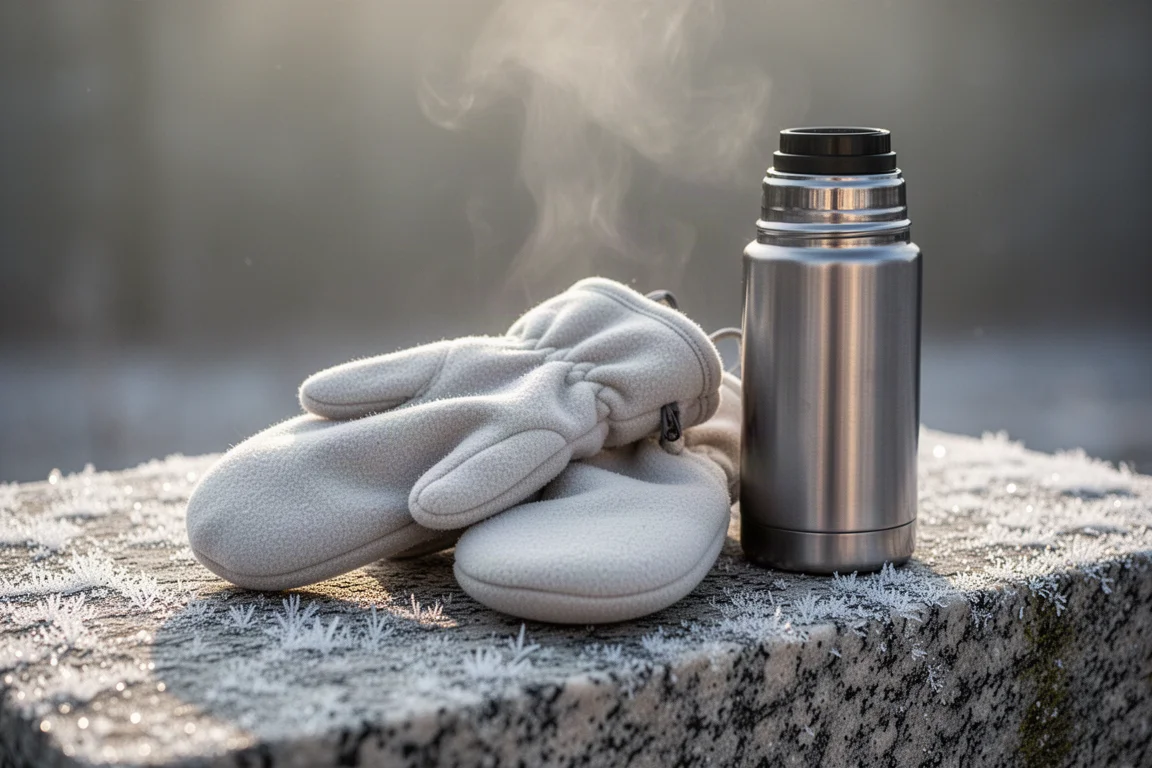
They feel warm for their weight, and at $33 a pair they are a low-risk way to find out whether alpha mitts suit the way you hike. The main thing to weigh is that hand-sewn production usually means limited stock, so the size and fabric weight you want may not always be available.
Astral NOOS: A Shoe Built for Long-Distance Hikers
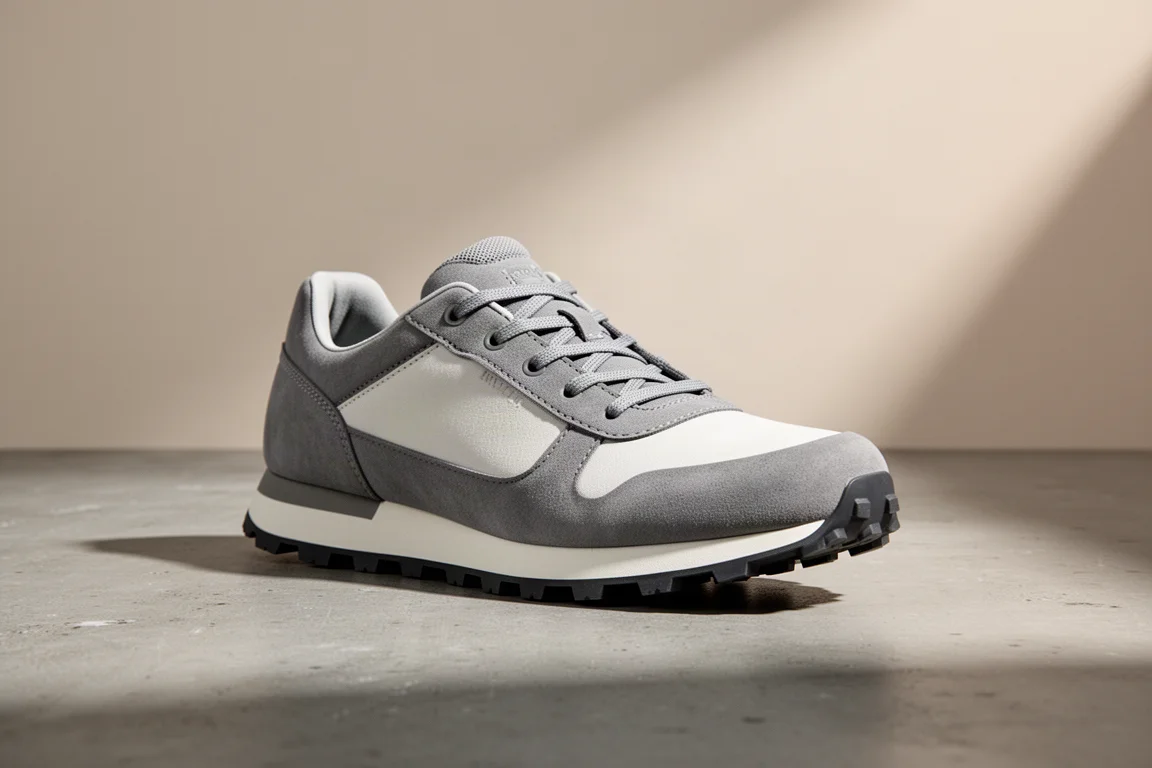
Astral built its reputation on paddling gear, particularly life jackets and flotation devices, and has been making footwear for a while. The NOOS is its first shoe designed specifically for thru-hikers, and the thinking behind it is different from the usual trail runner formula.
The headline feature is a replaceable insole. On most shoes, the insole and the cushioning under it are the first parts to give out, long before the upper or the outsole, so a swappable insole extends the working life of the shoe. The outsole uses Astral’s proprietary grip compound, and the overall shape reads closer to a skate shoe than to a traditional hiking shoe, which is either a welcome change or a dealbreaker depending on your taste.
At $160, it is a serious purchase. The case for it rests on how many miles you expect to cover and whether extending the life of the shoe is worth the upfront cost.
Outdoor Vitals Ventus Hoodie: One Layer That Does Several Jobs
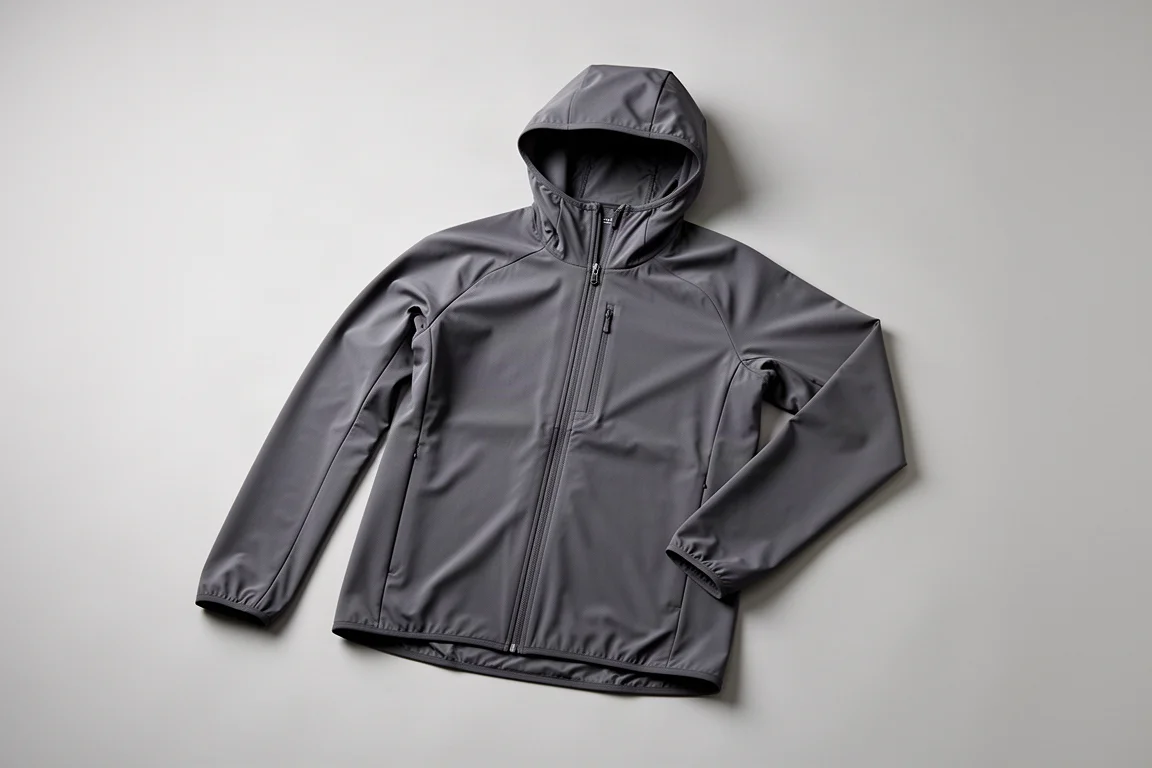
The Ventus Hoodie is a very light, highly breathable quarter-zip that sits in the gap between a base layer and a puffy. It works as a mid layer in cool conditions, and in some situations it can stand in for a puffy entirely. It also packs down small enough to serve as a camp pillow.
The design is deliberately stripped back. There are no pockets, which keeps the cut trim and the weight low, and the quarter zip gives you a way to vent heat without taking the layer off. That combination makes it easy to justify carrying, because it replaces more than one item in the pack.
At $179.97, it is not an impulse purchase, and it is not a standalone layer for genuinely cold weather. It makes the most sense for hikers who already run warm and want one versatile piece instead of three specialised ones.
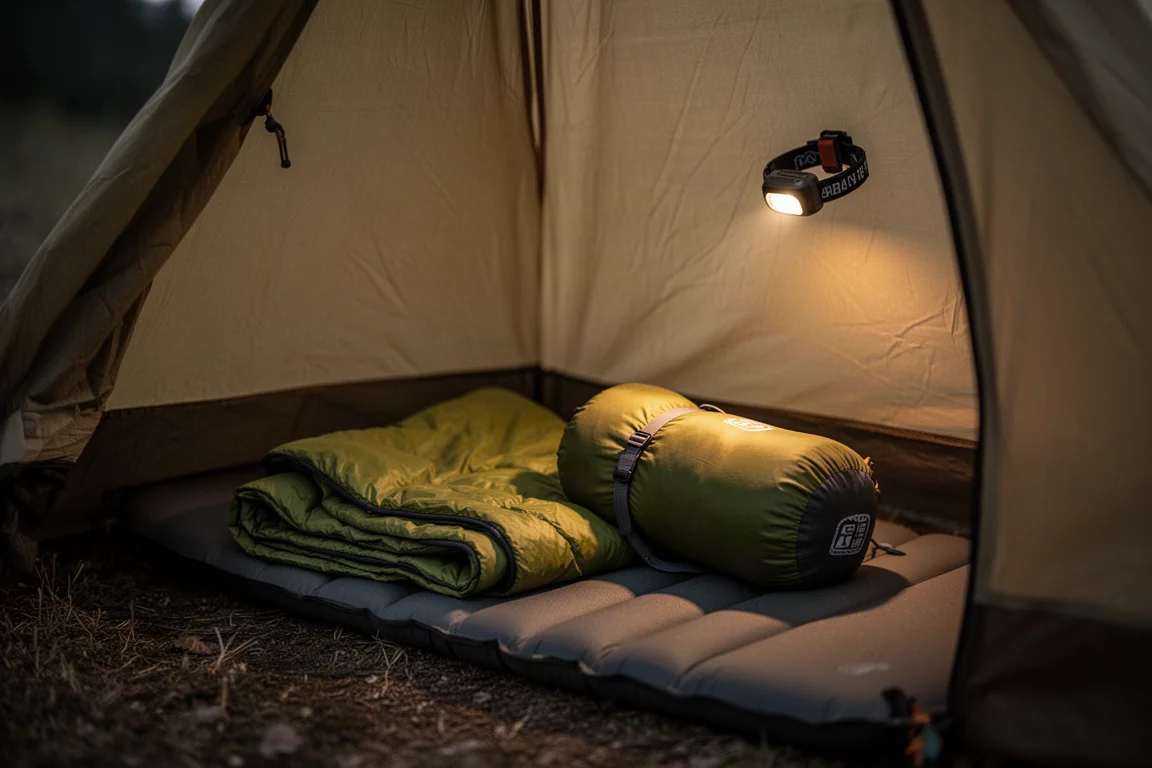
If that describes your layering strategy, the Ventus is one of the more flexible pieces in this roundup, and it is the kind of item that tends to stay in the pack season after season.
Vargo Dig Dig: The Trowel That Earns Its Place
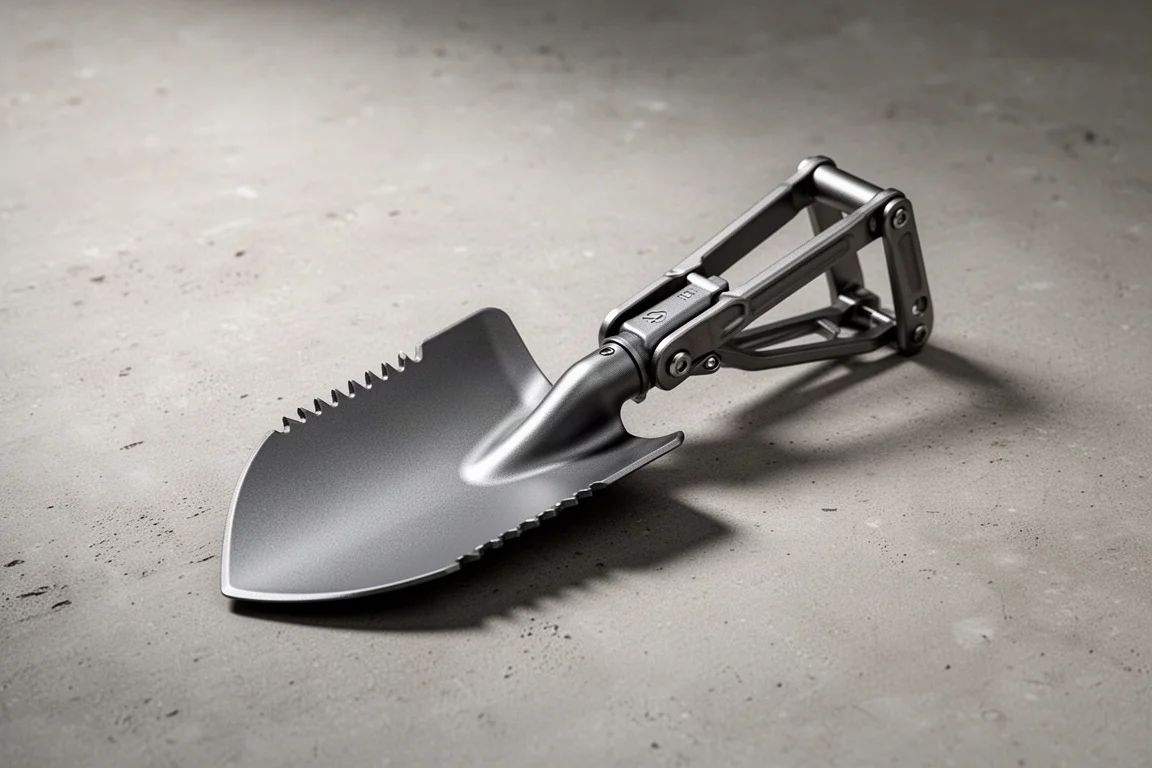
Most trowels are a compromise: light enough to carry, too flimsy to do much more than scratch at the surface. The Vargo Dig Dig takes a different route. A toothed edge on the side cuts through roots, and a ribbed section gives you something comfortable to push against instead of a thin handle edge digging into your palm.
The result is a trowel that digs an actual cat hole rather than performing the idea of one, and it stays very light in the pack. At $25, it is one of the cheapest upgrades in this list and one of the easiest to justify.
It is still a small hand trowel, so hard, rocky ground will always be hard, rocky ground. But for ordinary backcountry soil, this is the version that does what you want it to do.
How to Decide What Is Worth the Weight
The useful question with any of these items is not whether it is good, but whether it solves a problem you actually have.
A bear canister is a requirement in many backcountry areas, so the decision is about which one you can live with, and the Grub Can’s lid and narrower profile are its argument. The Dry Brew chew is about convenience, and it makes sense for anyone who wants caffeine on the move. The Hikelight mat is a comfort item, and comfort items only pay off if you will genuinely use them.
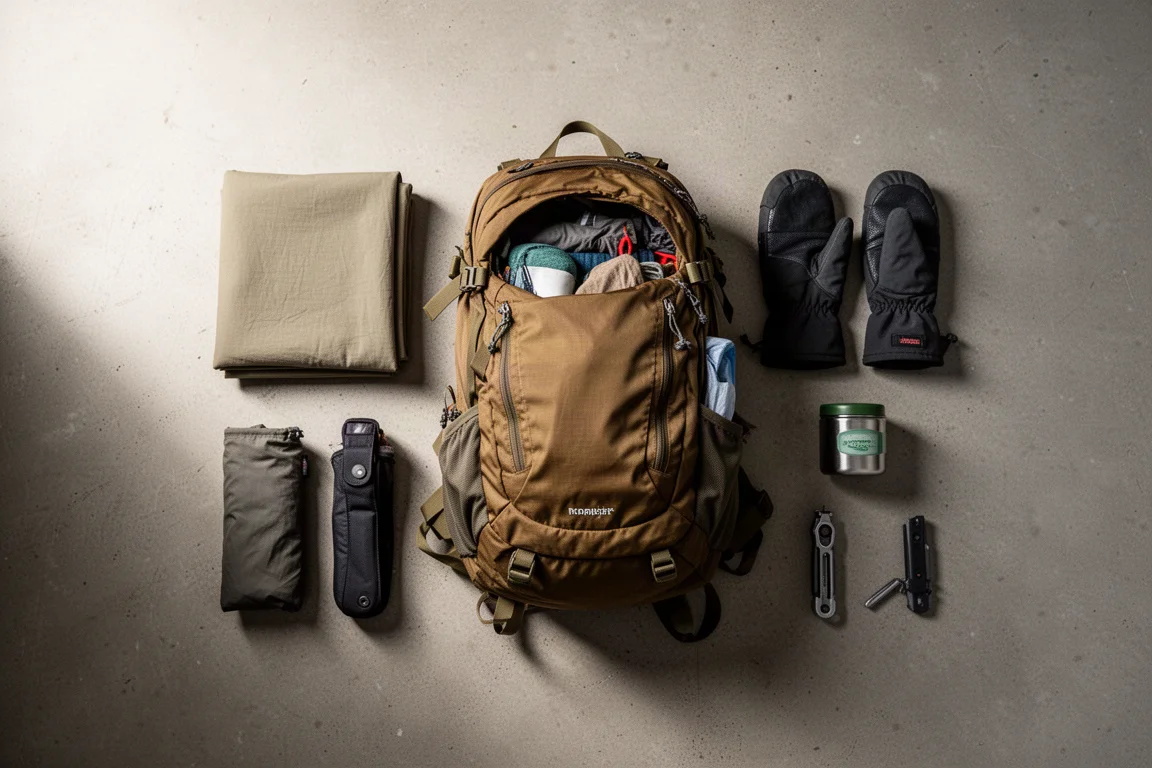
For layers and footwear, the maths is different. The Ventus Hoodie earns its price by replacing multiple pieces, and the Astral NOOS earns its price over hundreds of miles if the replaceable insole really does extend the life of the shoe. The Alpha Mitts and the Vargo Dig Dig sit at the other end of the scale: modest prices, real improvements, and very little risk. Start with the cheap, high-impact items and work up to the expensive ones.
Conclusion
There is no single best piece of backpacking gear, only gear that matches the way you travel. The items here range from a $25 trowel to a $180 layer, and each one is defensible on its own terms.
If you want the safest places to start, the Alpha Mitts and the Vargo Dig Dig deliver clear improvements for very little money. If you are replacing a bear canister or a worn-out pair of shoes, the Grub Can and the Astral NOOS are worth a close look, provided the price fits your budget and the design matches how you hike. ts, nine different jobs. The strongest picks here are the ones that replace something heavier or less enjoyable: better trail dinners, a lighter camp shoe, a monocular small enough to carry every day, a fastpack built for movement, and an insulation layer that works while you hike. Match each item to a real need, check the trade-offs against how you camp, and the gear earns its place in the pack.
Further reading
Related Reviews

Backpacking Gear
Building a 10 lb Base Weight: An Ultralight Backpacking Gear List
A practical walkthrough of the ultralight pieces behind a 10 lb base weight, from a 765 g pack and a roomy one-person tent to a full camp chair and a dependable water filter.

Backpacking Gear
A 15-Pound Lightweight Backpacking Gear List for Solo Trips
A beginner-friendly 15-pound backpacking setup built from easy-to-find gear, with notes on what each piece does, how it packs, and where to spend your attention.
Backpacking Gear
8 Ultralight Backpacking Gear Upgrades Worth Carrying
Eight small, affordable backpacking upgrades that solve real trail annoyances, from a pillow that stays put to a fuel valve that rescues leftover canister gas.