Backpacking Gear
Camp Worthy Backpacking Gear 2026: Seven Ultralight Picks Worth Packing
Seven small-brand backpacking and camping items, from a folding stove windscreen to an all-in-one hammock, with the strengths and trade-offs to weigh before buying.
Introduction
Backpacking gear earns its place in a pack by solving a real problem, not by looking clever on a spec sheet. The seven items in this roundup come from small makers and cover a wide spread of jobs: blocking wind around a stove, replacing disposable water bottles, adding warmth at camp, keeping food organized, feeding a hungry hiker, simplifying hammock camping, and cutting wood without carrying a heavy saw.
Every product below is judged on the same three questions. Does it do something genuinely useful? Does it do it without adding much weight? And does the price make sense for what it replaces in the pack?
Flat Cat Ocelot 6 Windscreen: Steadier Boils in Wind
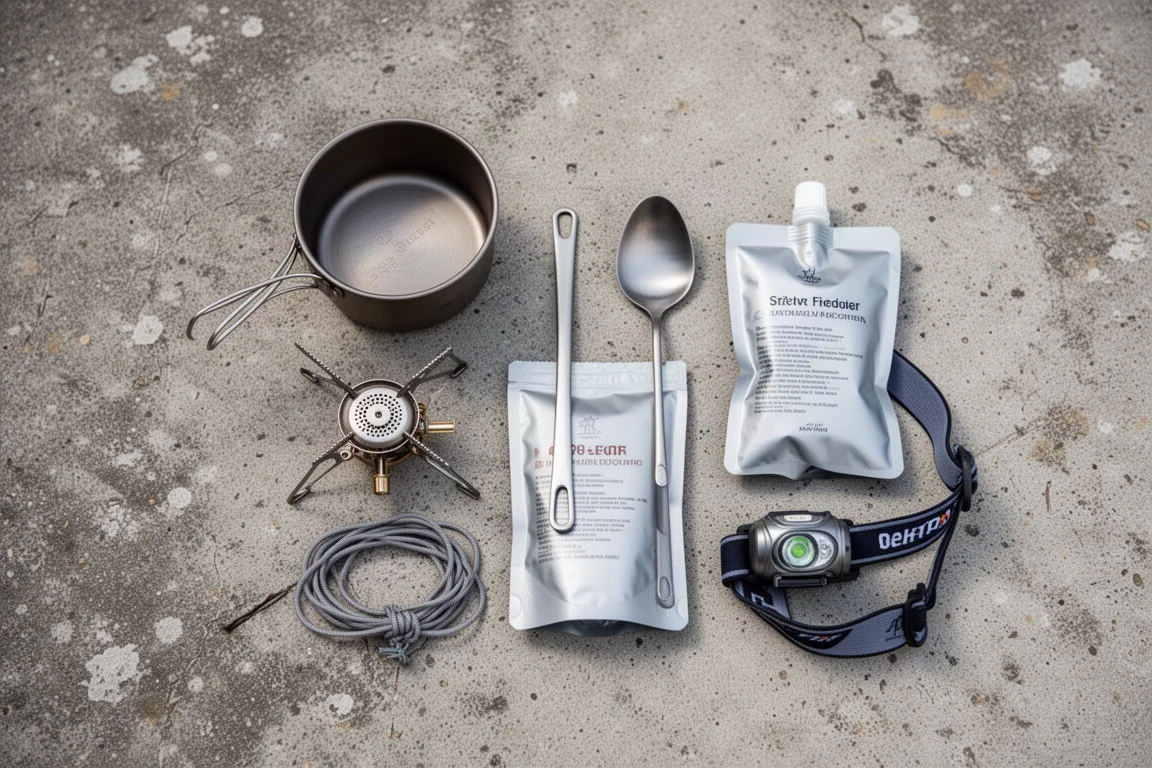
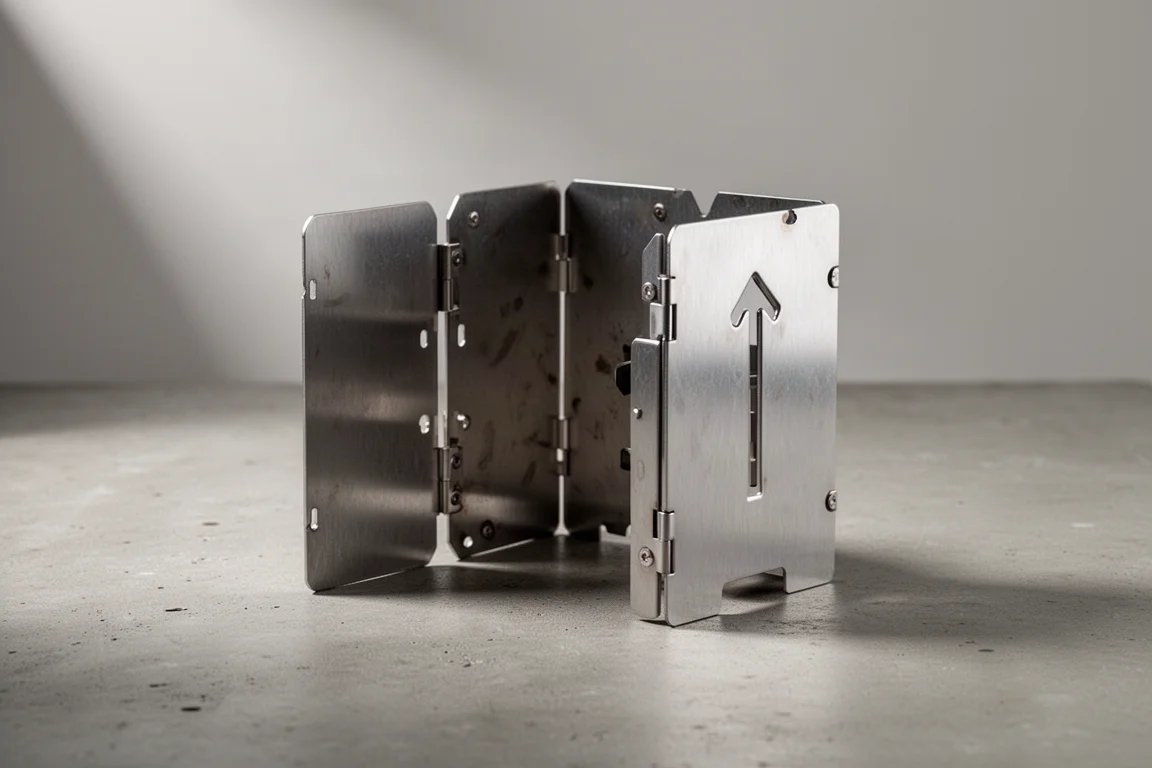
Cooking in exposed, windy terrain is one of the more frustrating parts of backpacking. Water takes far longer to boil, fuel disappears faster, and a flame that keeps getting pushed sideways wastes both time and gas. The Flat Cat Ocelot 6 windscreen is a small folding shield that sits around a canister stove and blocks that wind.
It comes from a small US workshop and is sized for a wide range of stoves, including common canister models such as the Pocket Rocket and the WindMaster. Setup is quick once the orientation is right: an arrow on the panel points upward, the shield rotates a small amount to lock in place, and the pot then sits over the top as usual. When the trip is over, it folds flat enough to store inside the pot.
The trade-off is price. At $35, the Ocelot 6 costs considerably more than most people expect to pay for a windscreen, a reflection of small-batch US manufacturing rather than the material itself. For anyone who regularly cooks in wind, the faster boil and the fuel saved are the whole point.
Kach Through Bottle: A Refillable Stand-In for Disposable Bottles
Hikers have leaned on cheap disposable sport bottles for years because they are light, inexpensive, and effectively unbreakable. The Kach Through Bottle takes that idea and makes it reusable at around 90 grams, roughly the weight of a small headlamp.
The bottle carries volume markings along the side and has a slight amount of squeeze to it, so it behaves much like the bottles it is designed to replace. It is offered in an exclusive colorway through Garage Grown Gear. Production took a long time to work through, and final pricing was still being confirmed ahead of launch, but the target sat around $12, which would put it in the same territory as the disposable bottles it competes with.

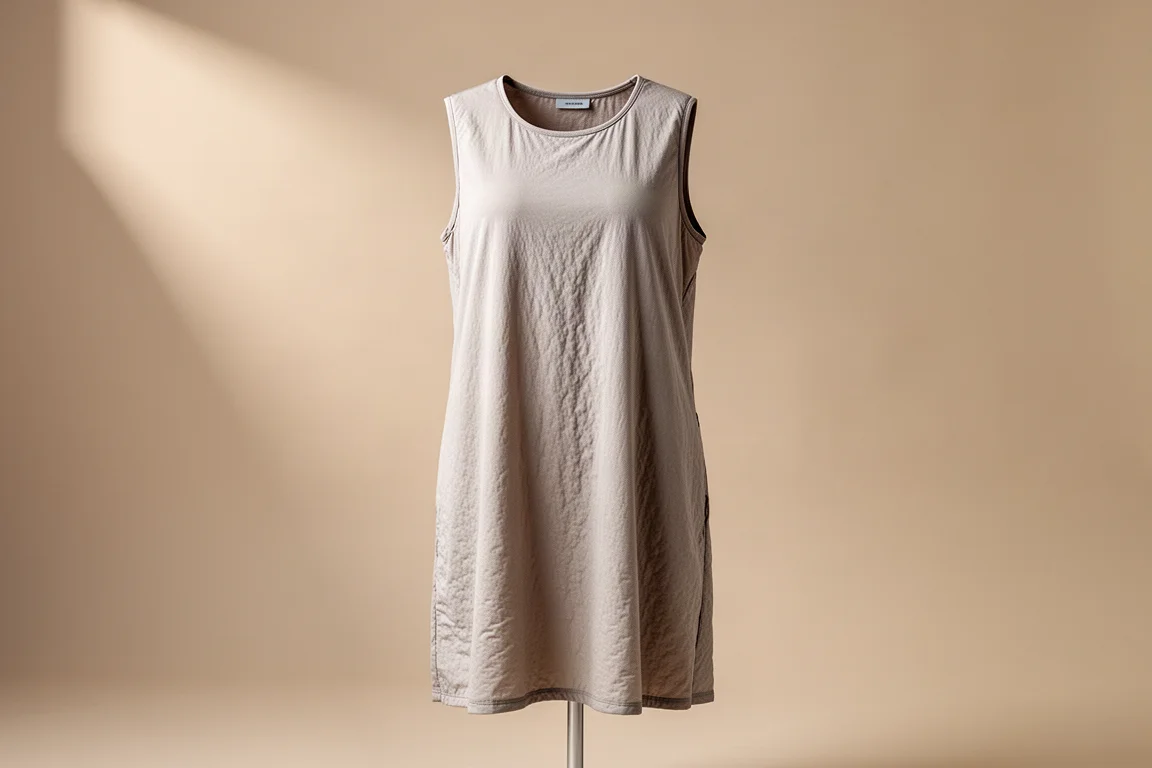
UR Ultralight Dress: Warmth Without Bulk
Lofted synthetic fabrics have become a familiar way to add warmth without much weight, and the UR ultralight dress uses one of the newer options in that family. It feels softer and less clingy against the skin than comparable insulation fabrics, which matters for a layer worn around camp rather than under a shell.
UR is a small Missoula-based brand, and the dress is a good example of the hybrid lifestyle and outdoors space it works in. Worn as a simple layer, it delivers cozy, low-bulk warmth for evenings and cool mornings, and it packs down small enough to disappear into a stuff sack.
The main consideration is cost. At $150, this is a premium price for a single layer, and it sits well outside what many backpackers spend on camp clothing. The samples seen so far were still making their rounds to retailers ahead of wider availability, so sizing and fit are worth checking carefully before ordering.
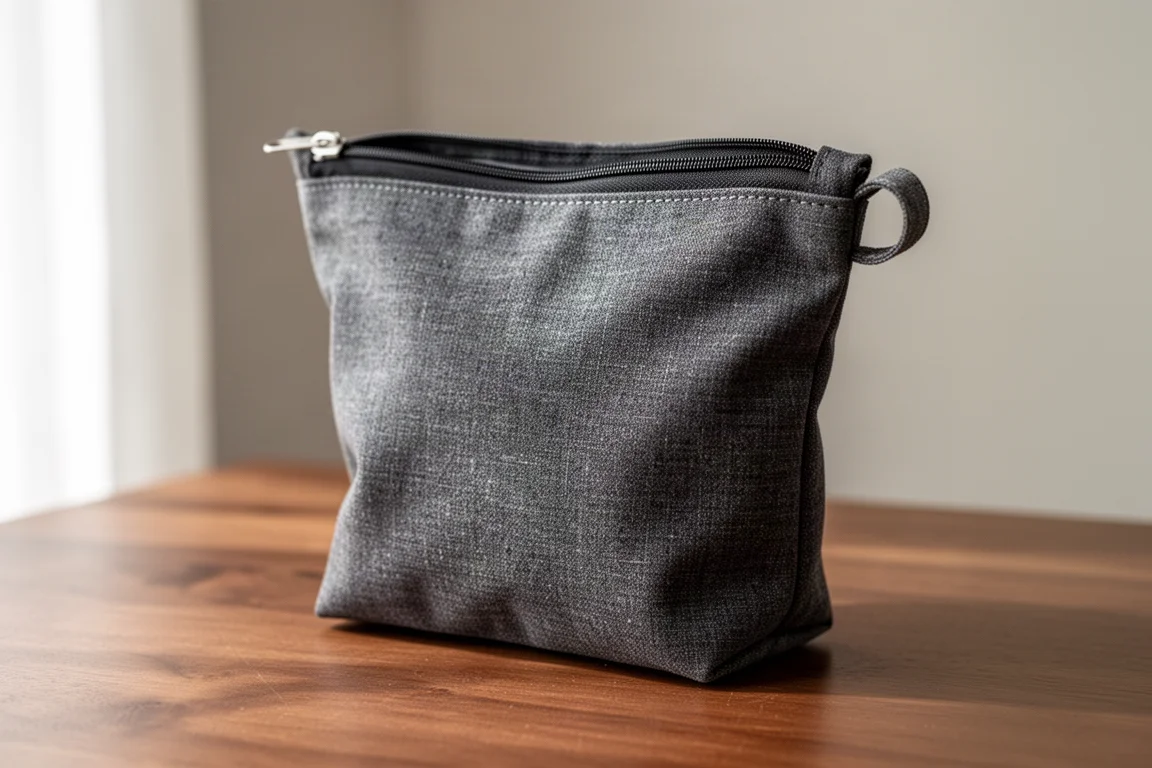
Backcountry Exposure Food Bag: Simple, Smart Organization
Food storage does not need to be complicated, but it does need to be quick to use when the weather turns and hands are cold. The Backcountry Exposure food bag is built around a simple idea: a bag that opens from the middle, so the contents are visible and reachable without unpacking everything.
The design details are what make it work. A bright interior lining makes it easy to see what is inside, a small loop lets it be hung or carried by hand, and the overall size sits comfortably inside a backpack without wasting space. It comes in a couple of different sizes for different trip lengths, and the maker is known for careful sewing and durable construction.
At $39 for the standard size, it is priced in line with what similar bags cost. It is not the cheapest way to carry food, but it is one of the more thoughtfully laid out options.
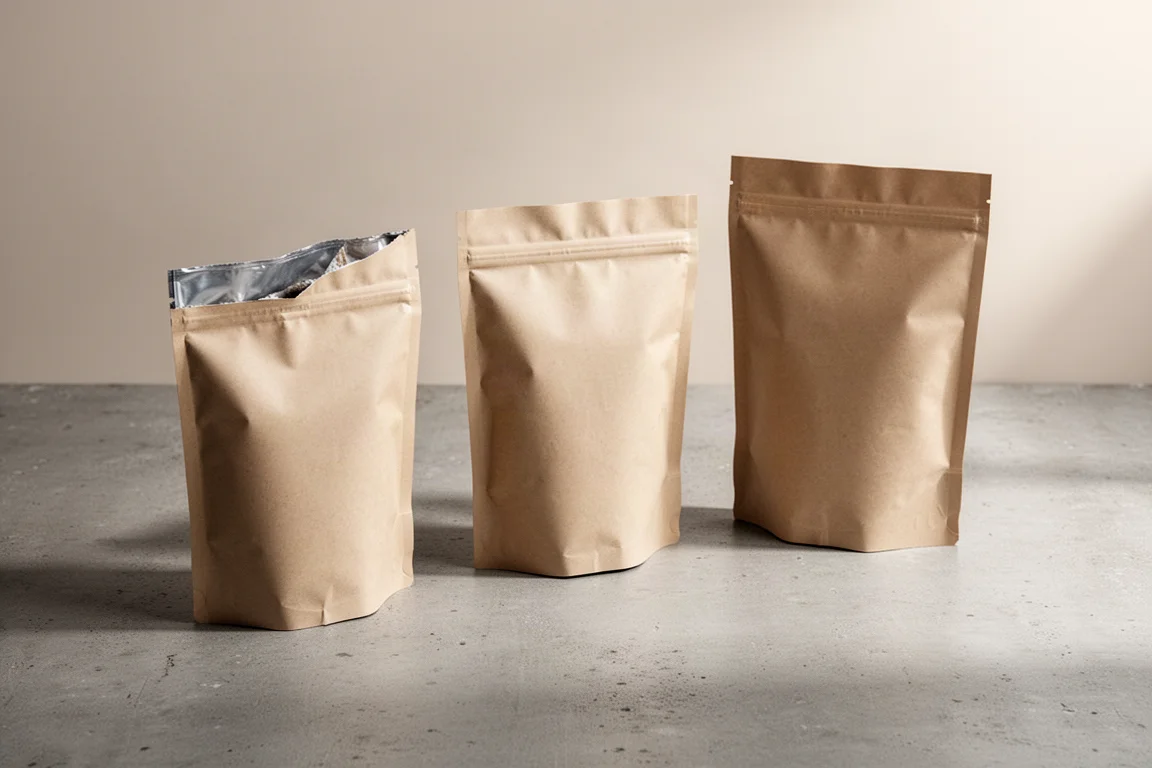
Foundation Outdoors Meals: Calorie-Dense Trail Food
Foundation Outdoors has spent years producing freeze-dried and dehydrated meals for other brands, and it has now launched its own in-house line using that experience. The meals are built around calorie density, with pouches reaching 1,200 calories and up to 65 grams of protein in a single serving.
The range covers a lot of ground, from lasagna and spicy Italian pork sausage risotto to chicken pot pie, biscuits and gravy, holy guacamole, and a three cheese medley. There are even dehydrated cheese cubes for adding calories to a meal. Vegetarians should look carefully, because most of the lineup leans on meat and cheese rather than plant-based ingredients.
Flavor holds up well. The chicken pot pie and the biscuits and gravy both came across as genuinely good eating rather than merely tolerable trail food, and the cheese cubes had a squeaky texture that would be welcome on a long day. Shelf life is a strong point as well, with best-by dates running several years out, and at $12 to $13.95 per bag the price is on the low end for a 1,200-calorie meal.

For hikers who measure food in calories per ounce and want dinner to be worth carrying, this is a lineup worth a closer look.
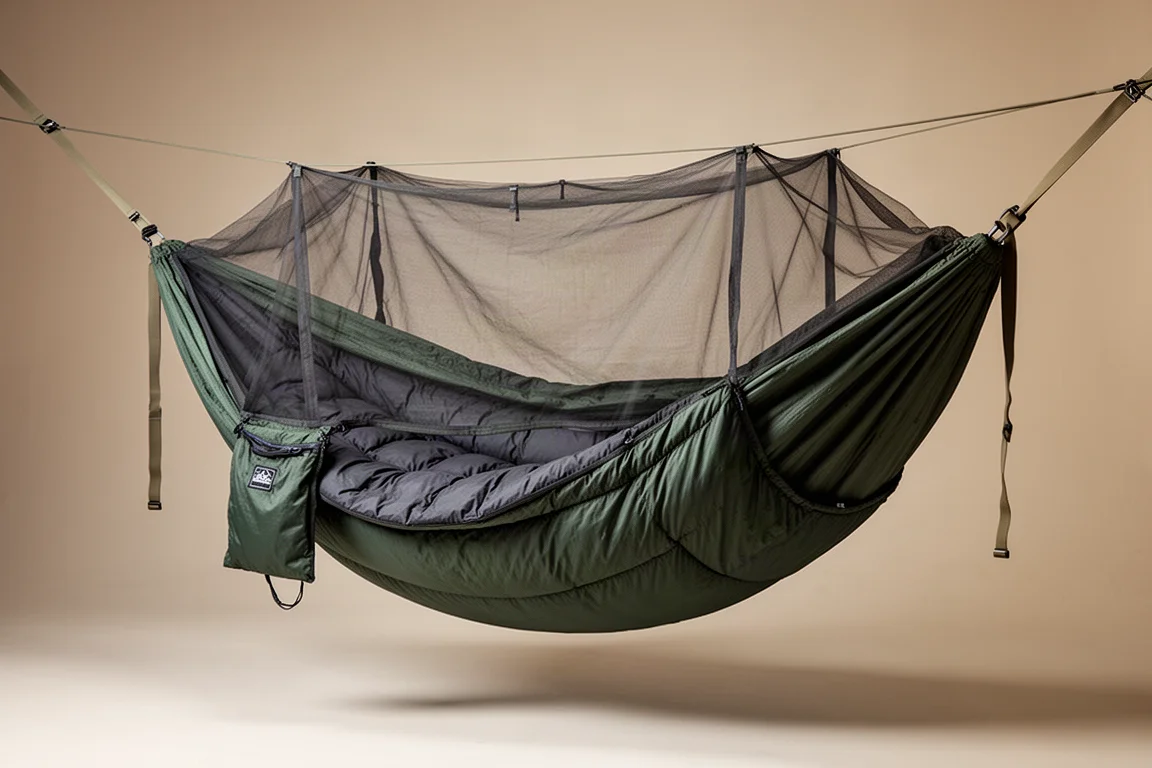
Superior Gear Hammock: An All-in-One Sleep System
Hammock camping has a reputation for being fiddly. Underquilts need careful adjustment, bug nets add another step, and getting the hang right at night is a skill that takes time to learn. Superior Gear, a Minnesota-based company, has built its reputation on removing that friction with an all-in-one hammock that integrates the underquilt and the bug net into a single system.
The result is a shelter that can be hung, entered, and slept in without tuning multiple separate pieces. For tent campers who have been curious about hammocks but put off by the learning curve, that simplicity is the main appeal, and hammock users who have spent years fine-tuning their setups speak highly of the construction.
Pricing sits in the $500 to $600 range depending on the features and configuration chosen. That is a substantial outlay, but the hammock replaces a shelter, an underquilt, and a bug net at once, so the cost reflects how much gear it takes off the packing list.
Adotech Ultralight Saw: Lightweight Cutting Power
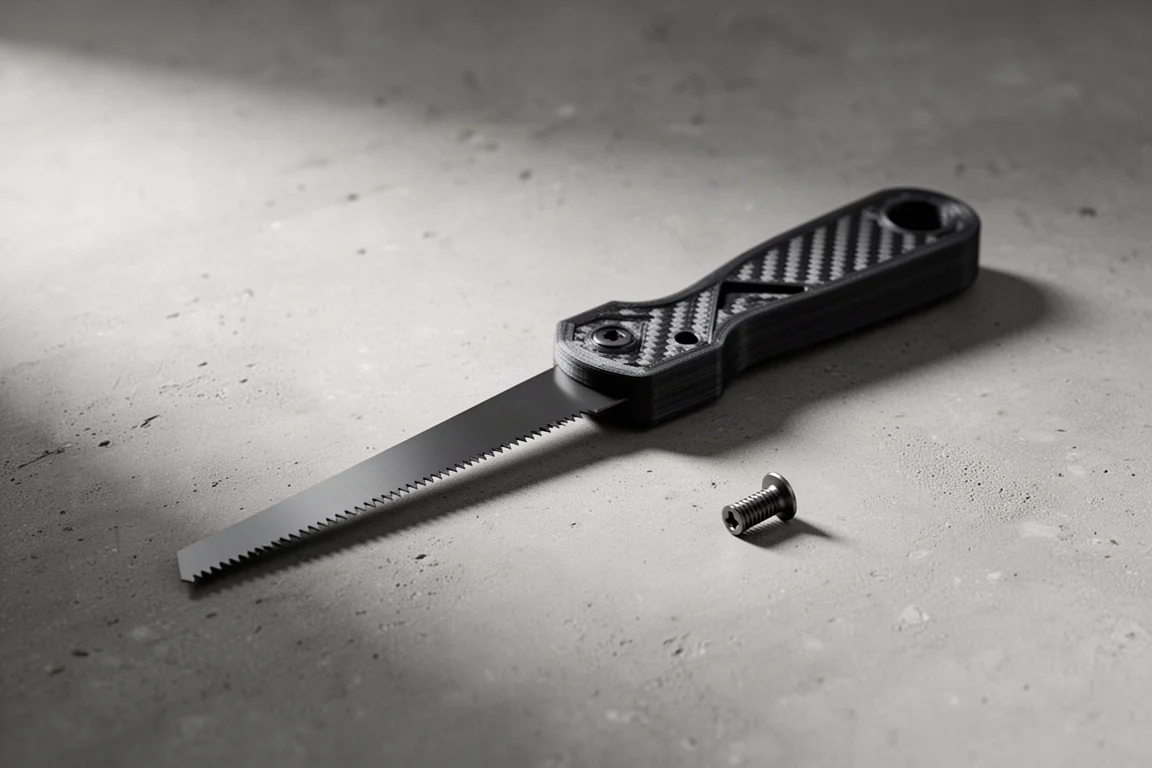
A saw is one of those items that either earns its weight or stays home. The Adotech ultralight saw is a Canadian design that comes in at just under two ounces, which makes it far easier to justify carrying. It attaches by screwing onto its handle, and the body is 3D printed with a carbon fiber build that keeps weight down without giving up cutting ability.
Lighter saws exist, but they tend to be tiny folding versions that struggle to cut anything meaningful. This one actually works, which is the more important measure. The main limitation is the stroke: it cuts on one direction only, and a slightly longer blade would help with thicker pieces of wood. Even so, at $36.50 it is a reasonable price for a tool that can clear a tent site or break down firewood without adding noticeable pack weight.
Buying Advice
With seven very different products, the useful question is not which one is best overall but which one solves a problem you actually have. Start by identifying the friction point in your own trips. If windy campsites make dinner take twice as long, a windscreen is a small fix with an immediate payoff. If you are tired of buying disposable bottles, a reusable bottle at around 90 grams is an easy swap.
For the bigger purchases, think in terms of what gets replaced. An integrated hammock at $500 to $600 only makes sense if it removes a shelter, an underquilt, and a bug net from your setup at the same time. Calorie-dense meals at roughly $12 to $14 per bag are a straightforward trade of money for weight and convenience, and a bag that keeps food organized at $39 is a modest spend that pays off on every trip.
Weight should be the tiebreaker, not the headline. A 90-gram bottle, a saw just under two ounces, and a dress that packs down small all earn their place because they do a job without asking much of your pack. Where the price feels high, as with the $35 windscreen or the $150 dress, the decision comes down to how often you will use it and how much the convenience is worth to you.
Conclusion
None of these seven items is a gimmick. Each one addresses a specific annoyance, whether that is a stove that will not boil in wind, a food bag that hides its contents, a hammock setup that takes an hour to dial in, or a saw that weighs more than it should. The strongest picks are the ones that match a real need in your own kit, and on that basis every product here has a case for a place in the pack.
Further reading
Related Reviews

Backpacking Gear
Building a 10 lb Base Weight: An Ultralight Backpacking Gear List
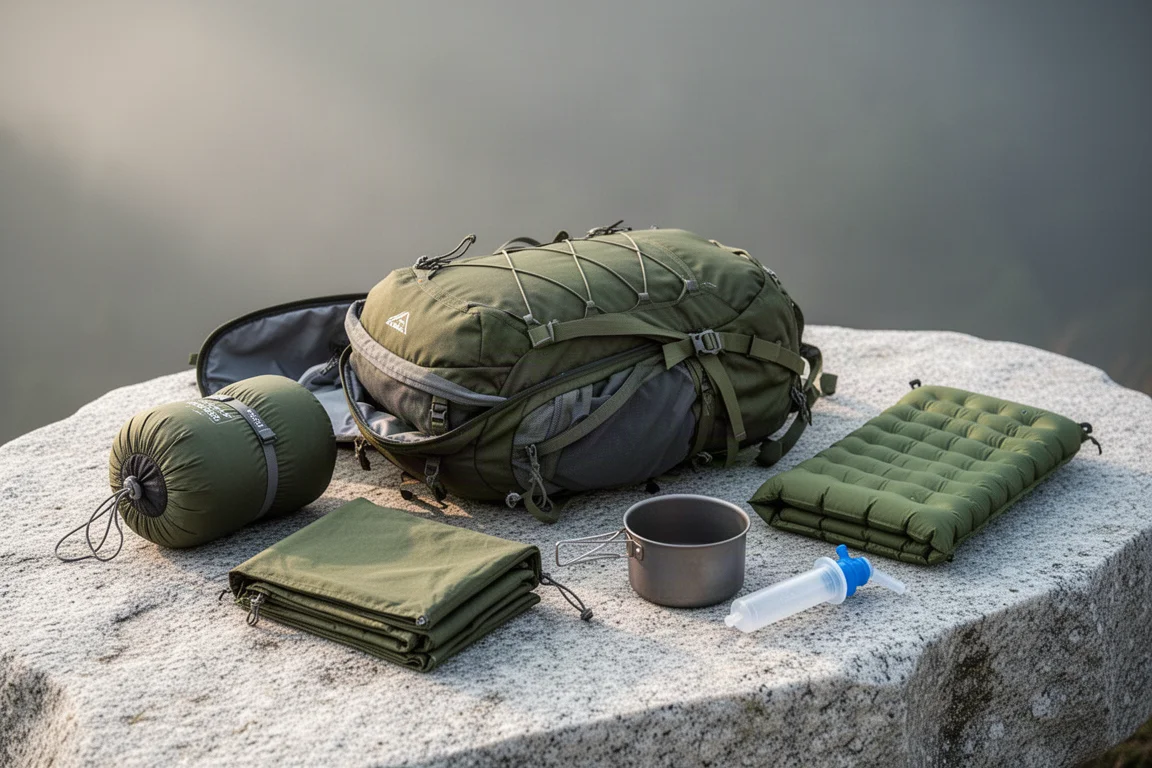
A practical walkthrough of the ultralight pieces behind a 10 lb base weight, from a 765 g pack and a roomy one-person tent to a full camp chair and a dependable water filter.
Backpacking Gear
A 15-Pound Lightweight Backpacking Gear List for Solo Trips
A beginner-friendly 15-pound backpacking setup built from easy-to-find gear, with notes on what each piece does, how it packs, and where to spend your attention.
Backpacking Gear
8 Ultralight Backpacking Gear Upgrades Worth Carrying
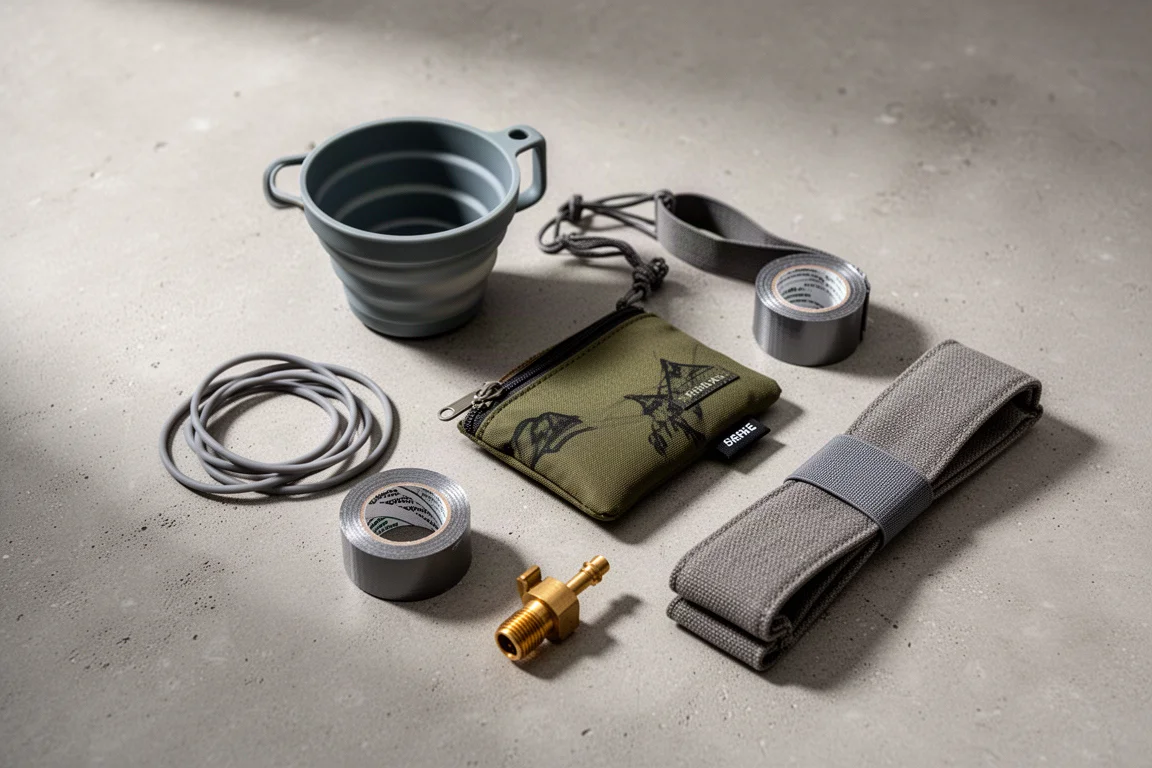
Eight small, affordable backpacking upgrades that solve real trail annoyances, from a pillow that stays put to a fuel valve that rescues leftover canister gas.