Bookshelf Speakers
Cambridge Audio SX50 vs Sonus Faber Lumina II Amator: Can a $200 Speaker Keep Up?
A $200 budget bookshelf speaker and a $1,500 premium model compared on bass, mid-range, and treble, with clear guidance on which one suits which listener.
Introduction
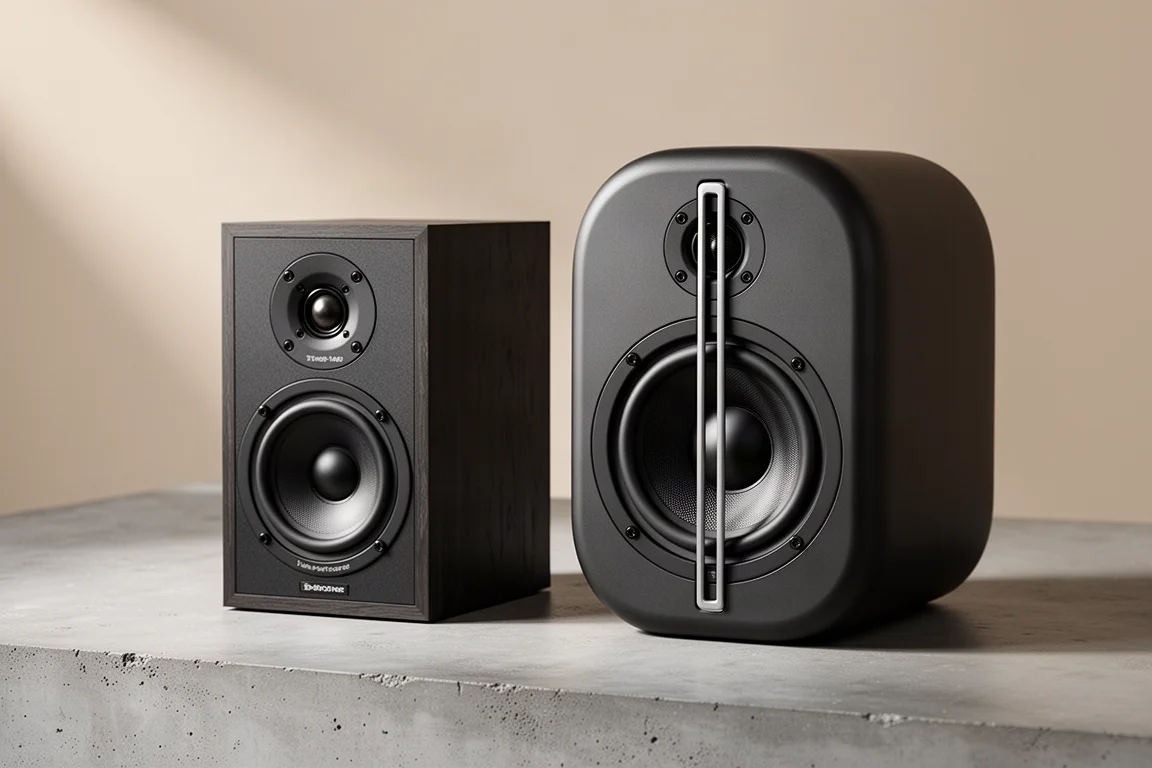
Two bookshelf speakers, two very different price tags. The Cambridge Audio SX50 sells for around $200. The Sonus Faber Lumina II Amator sells for $1,500. They use similarly sized drivers, they share a broadly similar tonal character, and both were driven by the same chain during testing: a streamer handling playback, an outboard DAC, and an integrated amplifier, together worth well over $4,000.
That setup matters. Neither speaker was held back by the electronics in front of it, so the comparison comes down to the speakers themselves and one blunt question: can a $200 design stay in the conversation with a speaker that costs more than seven times as much?
How These Two Speakers Compare
The Cambridge Audio SX50 pairs a 5.25-inch treated paper woofer with a 1-inch soft-dome tweeter. Its claimed sensitivity is 87 dB, and its stated low-frequency rolloff is 50 Hz.
The Sonus Faber Lumina II Amator steps up to a woofer just under 6 inches. That figure is metric, so it never quite reaches the round number, and the tweeter is a soft dome slightly larger than 1 inch with a vertical bar across the face. Claimed sensitivity sits in the 85 to 86 dB range, and the stated rolloff is 55 Hz.
On paper, the Cambridge should play louder and reach lower. Neither advantage showed up in practice. The Cambridge did not sound louder than the Sonus Faber, and the Sonus Faber delivered noticeably more bass. Speaker specifications rarely tell the whole story, and this pair proves the point.
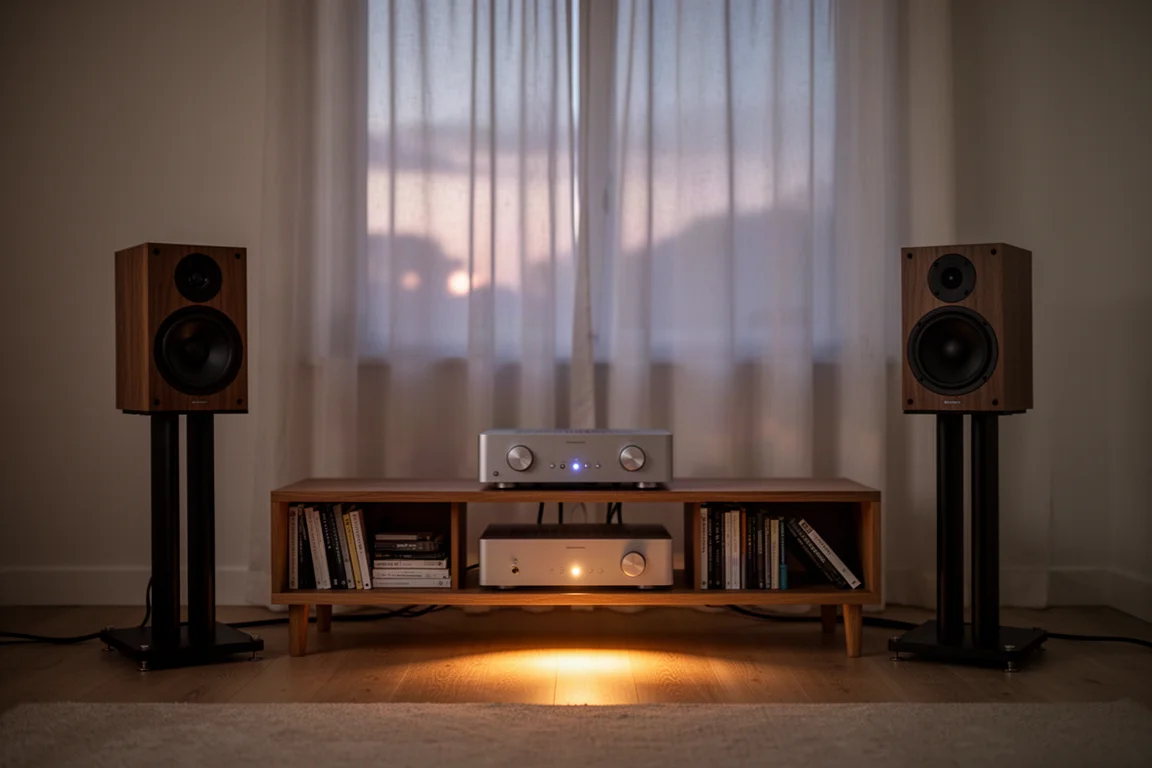
The cabinet size difference explains part of the gap. A larger woofer in a larger enclosure moves more air, which gives the premium model a head start on low-frequency impact before tuning decisions even come into play.
Cambridge Audio SX50: The Budget Contender
The real surprise here is how little the SX50 gives away. On Lena Hall’s cover of “Creep”, a performance that swings from a whisper to the top of the register, the Cambridge was the more accurate of the two through the mid-range.
Part of that comes from a lift around 2500 Hz in the tweeter region. It flatters female vocals and creates a useful impression of clarity at lower listening volumes. The trade-off is a slightly cool overall tone, audible on “The Chain” in both the acoustic guitars and the lower-register vocals. There is also likely some emphasis between 4 and 6 kHz, which produced a touch of sibilance on “Intergalactic”.
Where the SX50 genuinely earns respect is cymbal work. On Metallica’s “Harvester of Sorrow”, the offbeat cymbals arrived with the initial stick-on-metal strike and the decay that follows it, a level of realism that is rare at this price.
Sonus Faber Lumina II Amator: The Premium Performer
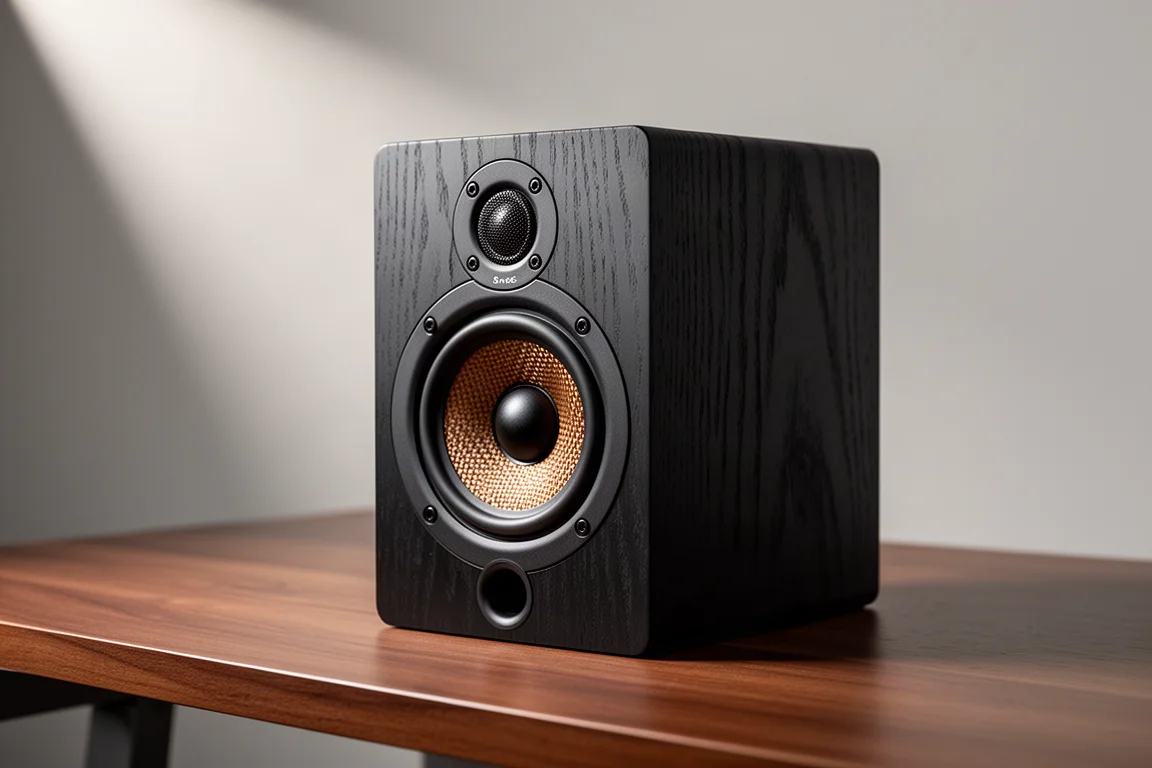
The Lumina II Amator does what a larger cabinet should do. Bass is fuller, punchier, and more plentiful, which was clear on “Intergalactic”. Both speakers rendered the opening bass drum of “The Chain” with a leathery slap that was easy to pick out, so the premium model’s advantage is weight and quantity rather than basic quality.
Through the mid-range, the Sonus Faber carries a boost somewhere between 300 and 500 Hz. That adds body to vocals while shaving off a little clarity, which is why the Cambridge pulled ahead on the most demanding vocal test. Across a wider spread of tracks, though, the Sonus Faber was the more consistent performer, and acoustic guitars sounded more like an instrument playing in the room, with a sense of depth inside the body of the guitar.
Treble follows the same pattern. There is some heft around 3.5 kHz that can mask detail in lower vocals, but no sibilance turned up at any point, and cymbals were reproduced well. It is a win for the Sonus Faber, if not a walkover.
As a whole, the Lumina II Amator sounds fuller and more refined, and it was never outclassed in any single area. That consistency is what the extra money buys.
Bass: Where the Bigger Cabinet Shows
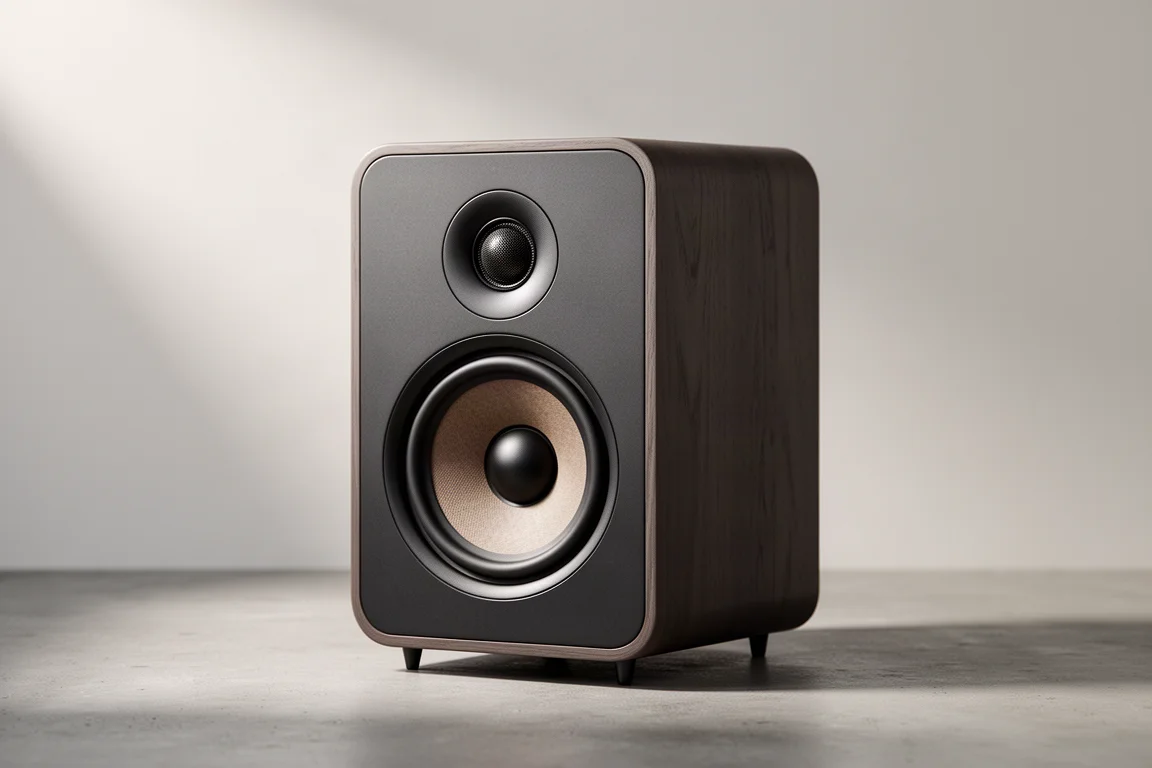
Bass is the most predictable difference between these two speakers, and also the most interesting one. The Sonus Faber has more of it and hits harder at the bottom end. What both speakers share is quality: the low end is quick, clean, and accurate in tone, which is not a given at either price. The SX50 gives up quantity, not composure.
Mid-range and Treble: Track-Dependent Results
Mid-range and treble verdicts here depend heavily on the track. Dynamic female vocals favour the Cambridge and its 2500 Hz lift. Acoustic instruments and lower vocal registers favour the Sonus Faber, which avoids the cooler edge and the occasional sibilance of the budget model. Neither speaker takes a clean sweep.
The practical takeaway is that the treble gap is much smaller than the price gap. Cymbals were convincing on both. The Cambridge loses points for a little sibilance and a peaky upper region, while the Sonus Faber loses points for a lift around 3.5 kHz that can blunt lower vocal detail.
System Building: What the Price Gap Really Buys
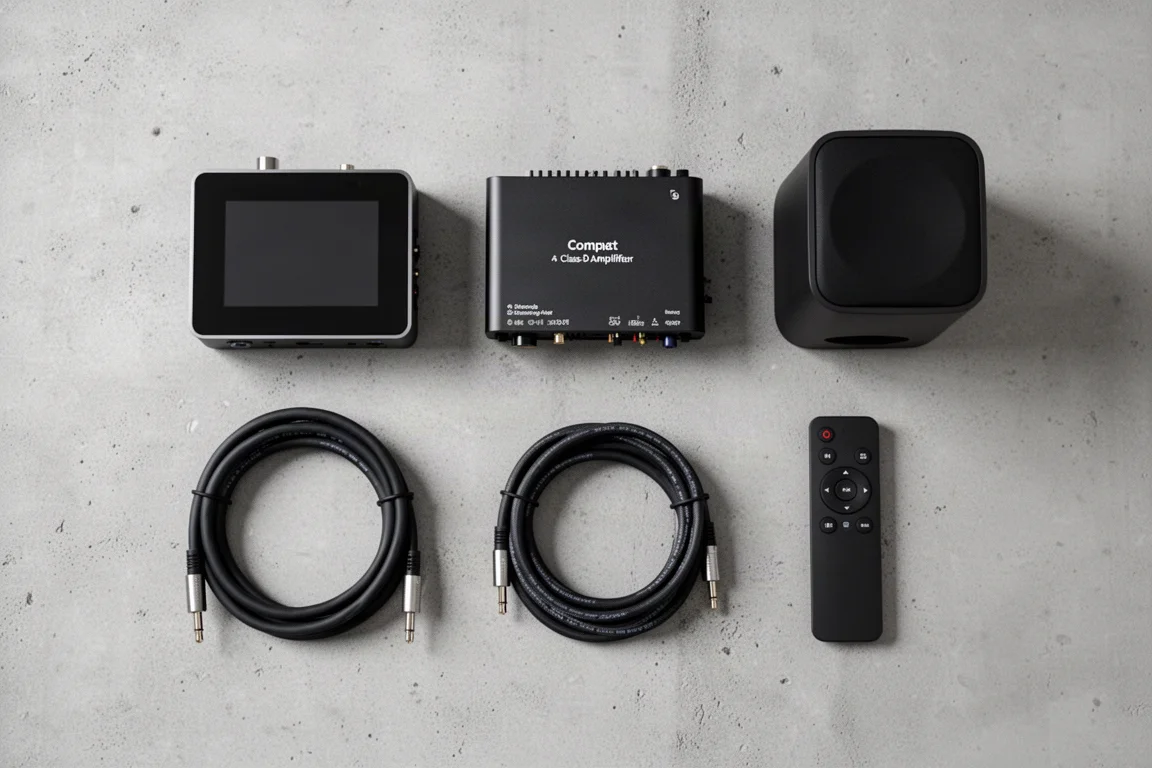
Choosing the $200 speaker leaves room in the budget for everything around it. A WiiM Ultra at $330 brings streaming, preamp duties, and EQ. Add a Fosi Audio ZA3 at $150 and an RSL subwoofer at $300 and the package lands just under $1,000. Another $500 or so could cover a genuinely capable outboard DAC. That is an entire system with EQ, room correction, streaming, a phono preamp, and analog inputs for less than the price of a pair of Lumina II Amators.
None of that makes the Sonus Faber a poor value. It simply reframes the decision: one path buys a complete setup, the other buys the better pair of speakers.
Buying Advice
Choose the Cambridge Audio SX50 if budget is the deciding factor and accurate mid-range on vocals is the priority. It handles a wide range of music comfortably, it responds well to EQ, and it leaves enough budget for a subwoofer that can close much of the bass gap. Expect a few peaks and dips in the response, since a simple crossover and a modest cabinet will always show some character.
Choose the Sonus Faber Lumina II Amator if the goal is a fuller, more complete sound without adding a subwoofer, particularly with acoustic music and tracks that benefit from bass weight. It was the more consistent performer across a broad library and the more refined listen overall.
Conclusion
The Cambridge Audio SX50 does not match the Sonus Faber Lumina II Amator, and at seven times the price it should not have to. What matters is how close it gets. The budget speaker won the most demanding vocal test, held its own on cymbal detail, and gave up ground mainly on bass quantity and overall consistency. If the real choice is between a $1,500 pair of speakers and a $200 pair plus a subwoofer, EQ, and a streaming front end, the cheaper route is a legitimate answer. If the budget allows, the Lumina II Amator is the better speaker, and it earns the difference across a wide range of music.
Further reading
Related Reviews
Bookshelf Speakers
Acoustic Energy A100 Mark II Review: A Compact Standmount With an Expansive Soundstage
The Acoustic Energy A100 Mark II brings clarity, natural tonality and a wide soundstage to an entry-level standmount, with a few setup details worth knowing first.
Bookshelf Speakers
Acoustic Energy AE-100 Mark II Review: Compact Bookshelf Speakers With Standout Imaging
A compact British two-way bookshelf speaker with deep, layered imaging, fast bass, and a slight treble lift to weigh against a crowded $500 field.
Bookshelf Speakers
Acoustic Energy AE100 MK2 Review: Measured Performance and Four Alternatives
A close look at the Acoustic Energy AE100 MK2 bookshelf speaker, what its measured performance reveals, and four alternatives with different trade-offs.